







Search Results for: natural drinking water

Pang Dong Lai launches 1.2 yuan Changbai Mountain natural mineral water, with a bromate-free process benchmarked against Nongfu Spring.
Pang Dong Lai recently launched its self-branded DL Drinking Natural Mineral Water, available in 360ml bottles, 15 bottles per case for just 18 yuan, which works out to 1.2 yuan per bottle. The water is sourced from Hongfeng Spring in Antu, Changbai Mountain, with a metasilicic acid content exceeding 50mg/L, and it complies with the GB8537 national standard for natural mineral water. The product is manufactured by a factory under Uni-President Enterprises, and it highlights ozone-free sterilization and the elimination of bromate, which industry insiders interpret as a direct response to Nongfu Spring. It sold out quickly after launch, with 29,000 bottles already sold online. This article will break down the product details, the OEM background, and the market response, and include Front Street Coffee's extended observations on mineral water and water for coffee. [more…]
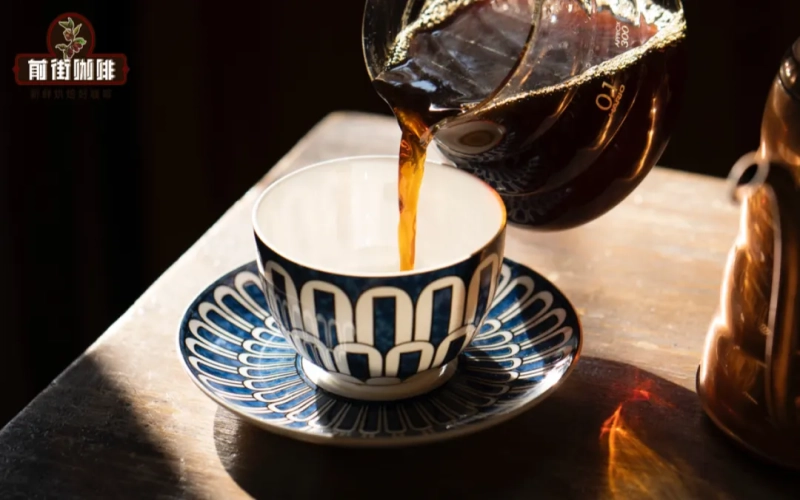
How Does Water Quality Shape Cold Brew Flavor? Coffee Brewing Recommendations After Testing Four Types of Drinking Water
In a cup of black coffee, water makes up the vast majority, so its impact on flavor must not be underestimated. Different brands of drinking water vary in mineral composition, hardness, and pH, so the coffee brewed with them naturally takes on different characteristics. To investigate this variable, Front Street Coffee selected four common drinking waters—Baisui Mountain, Nongfu Spring, Ganten, and C'estbon—and used the same Costa Rica Mozart coffee beans to make cold brew, measuring TDS, coffee liquid concentration, and recording flavor performance one by one. The experiment found that the amount of calcium and magnesium ions in water affects extraction efficiency and taste direction, while Nongfu Spring with medium TDS and C'estbon purified water each showed distinct stylistic differences. This article will present the full experimental process and tasting results, and offer water selection suggestions for different taste preferences. [more…]
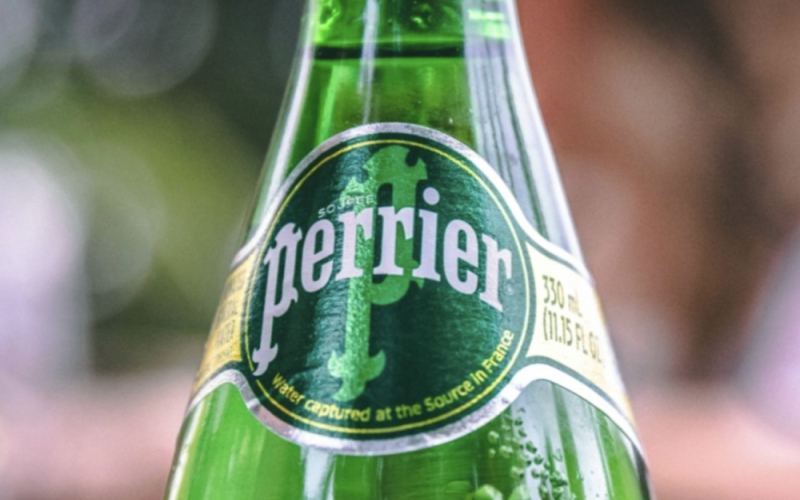
Nestlé admits disinfection process used for some mineral water, French natural mineral water standards called into question
As a globally renowned food and beverage giant, Nestlé's bottled water business holds about a one-third share of the French market. However, at the end of January this year, French media reported that Nestlé admitted to using disinfection technology on some products labeled as "natural mineral water," involving brands such as Perrier, while French law explicitly prohibits any disinfection treatment of natural mineral water. Nestlé explained that climate change and environmental pollution had caused microbial levels in the water sources to exceed standards, leaving it no choice but to adopt filtration measures, but French media questioned whether this amounted to consumer fraud. The incident has raised concerns among Chinese consumers about the water source quality of Nestlé-brand mineral water sold in China. Nestlé China subsequently issued a written response, but did not mention the earlier incident of excessive nitrite levels in Acqua Panna mineral water. Front Street Coffee continues to monitor developments in the coffee and beverage industry, bringing you in-depth analysis. [more…]

Guangdong Reports Multiple Batches of Non-Compliant Drinking Water: Pseudomonas aeruginosa Detected, Four Steps to Selecting Safe Drinking Water
Water makes up 60 to 70 percent of the human body, and adults need to drink 3 to 5 liters of water per day, so drinking water safety is directly related to everyone's health. As consumer demand for packaged drinking water continues to grow, the actual quality of products labeled "purified" or "mineral" on the market has become a focus of public attention. Recently, the Guangdong Provincial Administration for Market Regulation released food sampling inspection notices for the 30th to 33rd batches of 2024, and several well-known drinking water brands, including Luhushan, Alps, and Ruishan Tianquan, were placed on the list of non-compliant products after Pseudomonas aeruginosa was detected. This opportunistic pathogen poses a relatively high health risk to people with weakened immune systems. How did the companies involved respond? What purchasing advice did regulators provide? This article will sort out the details for you. [more…]
Complete Analysis of the Differences Between Yirgacheffe Natural and Washed Processing Methods in Cupping Flavor and Roasting Curve
Yirgacheffe is Ethiopia's most iconic specialty coffee region, and its two processing methods—natural and washed—produce strikingly different flavor profiles. In this article, Front Street Coffee will systematically outline the cultural background and cultivation overview of Ethiopian coffee, take a deep dive into comparing the cupping flavor differences between Yirgacheffe natural beans and washed beans, analyze the roasting curve recommendations corresponding to the two processing methods, and share brewing parameters and flavor descriptions to help coffee enthusiasts fully understand the charm of this classic region. [more…]
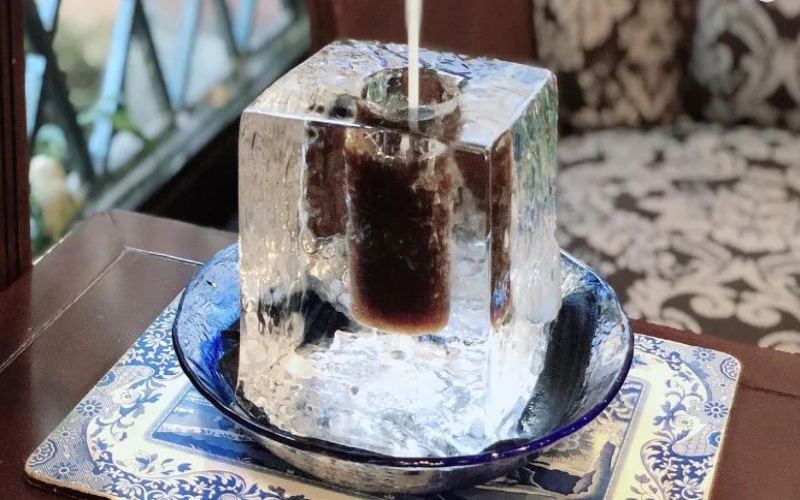
The Complete Guide to Summer Iced Coffee: Three Cost-Effective Bean Recommendations and Detailed Instructions for Pour-Over, Drip Bags, and Cold Brew
In the hot summer season, a glass of iced coffee is undoubtedly a great way to cool down. This article compiles three iced coffee methods that can be easily made at home or in the office—hand-brewed iced coffee, drip bag iced coffee, and cold brew iced coffee—and recommends three coffee beans that balance freshness and body with excellent value for iced drinks: Ethiopia Natural Red Cherry, Panama Elida Estate Natural Typica, and Colombia Finca La Divisa Sidra. The article explains in detail the coffee-to-water ratio, water temperature, grind size, and brewing steps. Front Street Coffee also provides specific operating parameters to help you consistently make iced coffee with rich layers and a smooth mouthfeel in the scorching summer. [more…]
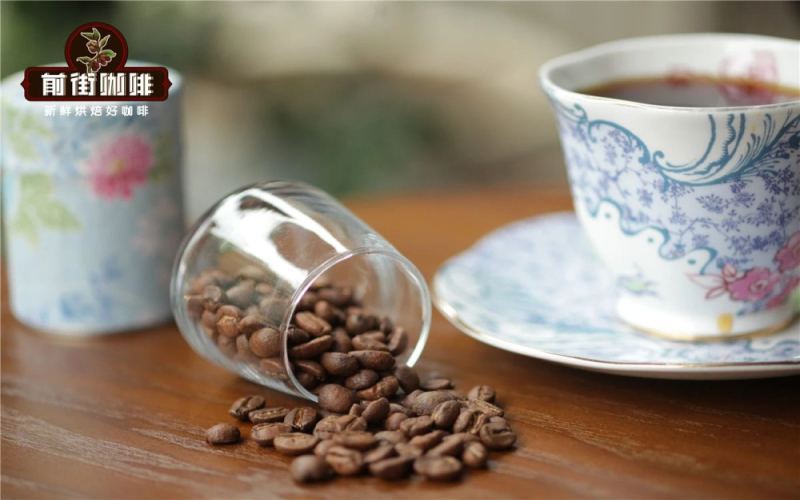
An Analysis of Ethiopian Coffee Culture and Traditional Drinking Methods, with a Complete Overview of Regional Flavors and Processing Methods
Ethiopia is not only the birthplace of coffee, but also treats coffee as a carrier of culture and faith. From the legend of Kaldi the shepherd to the rich aroma every morning, from traditional brewing in the Jebena clay pot to the blessings of the three-round coffee ceremony, Ethiopians have preserved coffee in its most primordial purity. This article will take you deep into Ethiopia's coffee culture, its pastoral cultivation model, the distribution of its nine major producing regions, and the influence of washed and natural processing on flavor. At the same time, Front Street Coffee's many Ethiopian bean offerings, such as the Dinding Cooperative, Red Cherry, and Huakui, will also showcase for you the classic Ethiopian flavors of citrus, berries, and floral notes. [more…]

Drinking Water Quality | What Kind of Water Is Suitable for Pour-Over Coffee? Which Water Factors Affect Coffee Extraction? How Can Coffee Beginners Choose Drinking Water for Brewing Coffee?
As the primary raw material, water not only makes up the vast majority of a cup of black coffee, but also influences the extraction of different substances, thereby producing distinct flavors and mouthfeel. Therefore, all of us should understand the importance of water to coffee. Common drinking water on the market varies from brand to brand, in the ingredients it contains, and in its purification processes. [more…]
Why Is Ethiopian Coffee Famous Worldwide? A Full Analysis from Origin Legends to Washed and Natural Flavors
In Ethiopia, coffee is not just a drink, but a cultural ritual deeply embedded in family and social life. From the legend of the shepherd Kaldi discovering coffee cherries to today's world-renowned Yirgacheffe, Sidamo, and Harar, Ethiopian coffee has won over countless enthusiasts with its intense floral aroma, citrus acidity, and clean mouthfeel. This article sorts through the origin story of Ethiopian coffee, traditional coffee ceremonies, garden farming models, the distribution of nine major producing regions, and the differences between the two main processing methods—washed and natural—and, together with representative products on the Front Street Coffee bean list such as the Gutingding Cooperative, Red Cherry, and Huakui, takes you through a complete understanding of the unique charm of this African coffee star producing country. [more…]
A Comprehensive Analysis of the Flavor Characteristics and Processing Methods of Ethiopian Coffee Regions
Ethiopia is the birthplace of coffee and one of the most iconic regions on the global specialty coffee map. From ancient coffee ceremonies to garden-style cultivation, from the two major processing methods of washed and natural to the flavor differences among classic regions such as Yirgacheffe, Sidamo, and Harar, Ethiopian coffee is world-renowned for its bright fruit acidity, rich floral aromas, and clean, transparent mouthfeel. This article systematically reviews the cultural origins, cultivation systems, and evolution of processing methods of Ethiopian coffee, and, in combination with representative products on the Front Street Coffee bean list such as the washed Gedingding Cooperative, natural Red Cherry, and Sidamo Huakui, provides an in-depth analysis of the cupping performance and brewing suggestions of each coffee, offering coffee enthusiasts a complete introductory and advanced guide to Ethiopian coffee. [more…]

Nongfu Spring Goes to Hong Kong for Negotiations, Consumer Council Changes Its Tune and Apologizes: A Full Analysis of the Standards Controversy Behind the Stock Price Fluctuations
The Hong Kong Consumer Council previously published an article on bottled water testing, pointing to the bromate levels in samples of Nongfu Spring and Ganten as reaching the upper limit of EU standards, which immediately sparked a public opinion storm. Nongfu Spring quickly commissioned a lawyer to send a letter demanding clarification and an apology, and Ganten also issued a statement in response to the misinterpretation of the test results. Under public pressure, Nongfu Spring's stock price continued to decline, and its market value shrank significantly within two days. The company then sent an executive director to Hong Kong for face-to-face negotiations. Today, the Consumer Council published a clarification on its official website, reclassifying the samples as "natural drinking water" and re-scoring them, while also expressing regret. Nongfu Spring responded that its products fully comply with standards and are safe to drink, and its stock price rose in response. [more…]
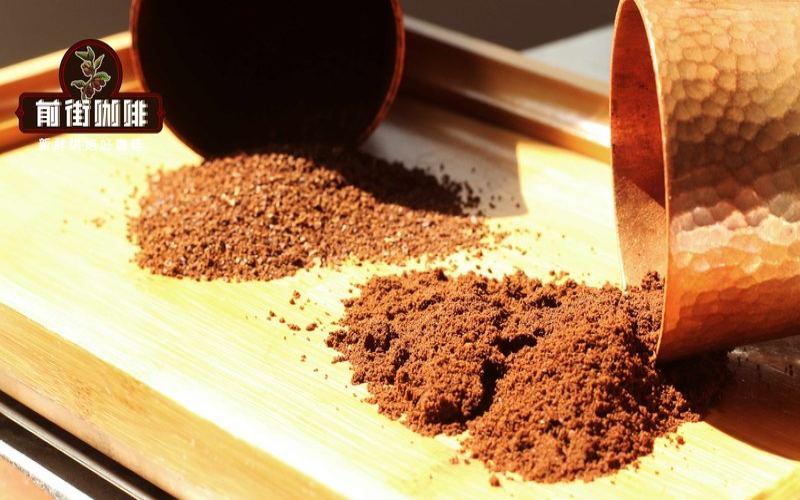
Sun-Dried Coffee Beans Recommendations: Balancing Budget and Drinking Frequency
When it comes to sun-dried coffee beans, start by thinking about how you'll be drinking them every day. For everyday bean purchases, you need to consider how quickly you'll go through them, how much to buy at a time, and whether you mainly make black coffee or milk coffee at home. If you mostly drink black coffee, you can pay more attention to aroma and aftertaste; if you often add milk, then you need to consider whether the intensity and body can hold up, which will directly [more…]
Ethiopian Coffee Flavor Map: Nine Major Regions, Processing Methods, and a Brewing Guide for Yirgacheffe and Sidamo
Ethiopia is widely recognized as the birthplace of coffee, with as many as five thousand native coffee varieties in the Kaffa forests of its south alone. As Africa's largest coffee-producing country, Ethiopia exports only sixty percent of its coffee beans, while the rest are woven into local weddings, festivals, and daily rituals. In this country, coffee is both a faith and a culture; the complete coffee ceremony—from roasting the beans and grinding them with a pestle to brewing and drinking—can last up to an hour and a half. This article will systematically sort through Ethiopia's coffee cultural background, cultivation models, the flavor characteristics of its nine major regions, the Red Cherry Project, and its variety and grading systems, and will append Front Street Coffee's roasting and brewing recommendations for Yirgacheffe and Sidamo, helping coffee lovers gain a comprehensive understanding of this specialty coffee holy land. [more…]
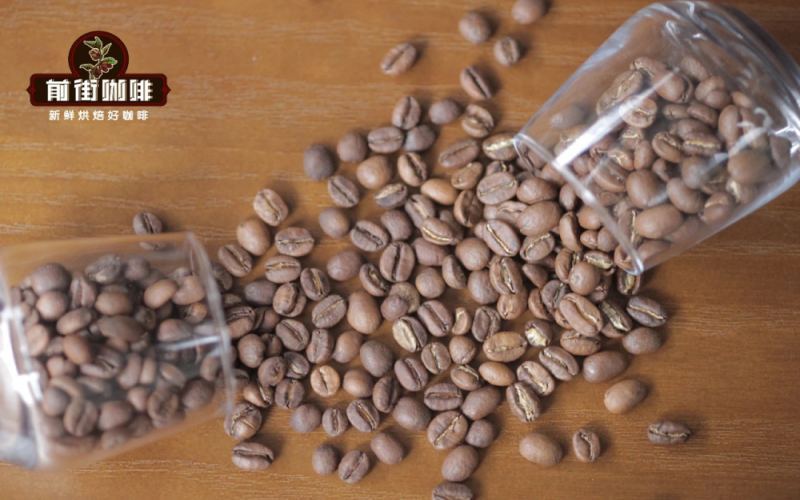
The Origin of the Yirgacheffe Trademark and a Detailed Explanation of the Washed Processing Method, with Front Street Coffee Brewing Parameters and Flavor Description
Yirgacheffe is the starting point for many coffee enthusiasts to discover specialty coffee; it is both a small town and a trademark-protected coffee flavor name. This article begins with the geography of the Yirgacheffe producing region and its trademark background, sorts out the complete washed processing method along with its advantages and disadvantages, and explains Ethiopia's green bean grading system. It also includes information on washed Yirgacheffe products listed by Front Street Coffee (FrontStreet Coffee), including the Gotiti Cooperative and the everyday-bean series, as well as V60 brewing parameters recommended by Front Street Coffee's roasters and the flavor profiles of three washed Yirgacheffes, for readers' reference and comparison. [more…]
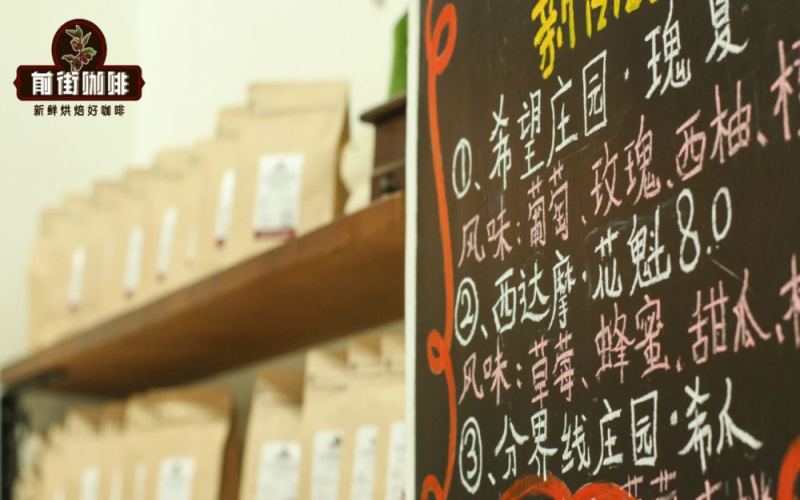
Cold Brew Coffee Specialty Bean Recommendations | Can you use soda water or sparkling water to make cold brew coffee? Can you add milk or alcohol to cold brew?
For more specialty coffee knowledge, please follow our WeChat official account: FrontStreet Coffee. Cold brew coffee is made by soaking ground coffee beans in cold water for at least 8 hours, then extracting and filtering through professional equipment. As summer arrives, cold brew coffee is becoming more and more [more…]

American Coffee Beans Recommendation | What Is the Correct Way to Drink Americano? Can You Add Sugar and Milk to Hot Americano?
Open your phone, and you'll often see a cup of dark drink in some celebrity paparazzi photos—that's the legendary Americano. Some curious friends might ask: is Americano black coffee? Yes, Americano is a type of black coffee, and aside from milk coffee, Americano is the most popular [more…]

Recommended Coffee Beans with Great Value and Taste: Balancing Budget and Drinking Frequency
Cost-effective and great-tasting coffee beans are best approached by gradually building your judgment through tasting experience. When buying beans for everyday use, you need to consider how quickly you'll drink them, how much to buy at once, and whether you'll mainly make black coffee or milk coffee at home. The flavor words on the packaging can offer clues, but they can't replace the actual drinking experience—whether the acidity is gentle, whether the sweetness lingers, and whether the [more…]
Ethiopian Coffee's Flavor Code and Century-Old Ritual: A Full Analysis from the Birthplace to the Nine Major Regions
As the recognized birthplace of coffee, Ethiopia not only boasts thousands of native coffee varieties but also weaves coffee deeply into its social fabric and daily life. From the hour-and-a-half-long coffee ceremony to the flavor differences among its nine major regions such as Yirgacheffe and Sidamo, this article guides you through a systematic understanding of the cultural core and cultivation landscape of Ethiopian coffee. Front Street Coffee will also share roasting and brewing suggestions along with flavor descriptions for Yirgacheffe and Sidamo, helping coffee enthusiasts gain a more comprehensive understanding of this specialty coffee nation. [more…]
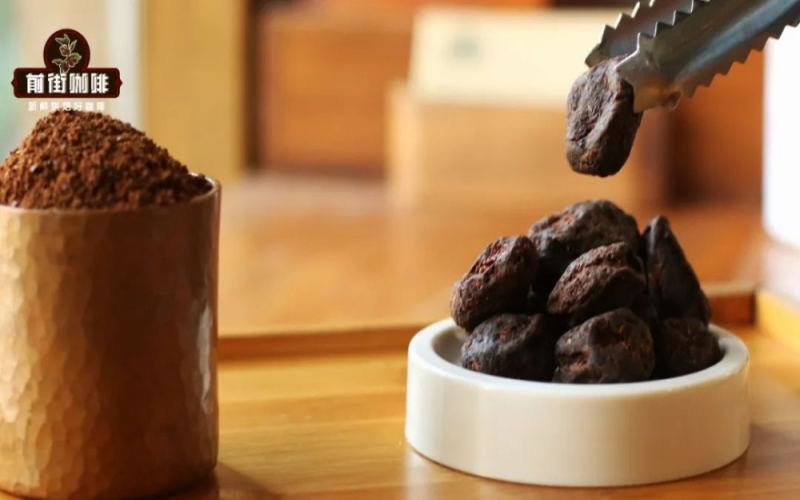
Three Iced Coffee Drinks with Preserved Plums: Comparing the Flavors of Cold Brew, Sparkling Americano, and Iced Pour-Over
The sweet, sour, and salty childhood snack of preserved plums actually makes frequent appearances in the world of coffee, too. From the dry aroma associations of Kenyan washed beans to the finishing touch baristas add when developing specialty drinks, the pairing of preserved plums with iced coffee is drawing attention from more and more enthusiasts. Since preserved plums are mostly dried and cured, heating or prolonged steeping releases a strong salty-sour flavor, so Front Street believes they are better suited to being combined with iced coffee. This article compiles three preserved plum iced coffee recipes you can make at home: preserved plum cold brew, preserved plum sparkling Americano, and preserved plum iced pour-over, using Panama sun-dried Butterfly, Sunflower Warm Sun blend, and Elida sun-dried Catuai respectively, with specific parameters and flavor descriptions included for readers with different taste preferences to refer to and choose from. [more…]
What exactly is the difference between Americano and single-origin coffee? A guide to the correct brewing method for drip bag pour-over
Many people think that Americano is simply espresso diluted with water, but the real Americano actually originates from the drip coffee makers that Americans use in their daily lives. So, what exactly is the difference between Americano and single-origin pour-over? And how should drip bag coffee be brewed to taste good? This article will start from the historical origins of Americano, clarify the relationship between Americano and single-origin coffee, and through a comparative experiment with Front Street Yirgacheffe · Red Cherry, intuitively demonstrate the flavor differences between SOE Americano and pour-over single-origin coffee, while also recommending several Front Street drip bag coffees suitable for different tastes. [more…]