







Search Results for: moderate coffee consumption

An interpretation of the latest research on moderate coffee consumption, heart health, and longevity
Coffee is not only a daily pick-me-up for many people; in recent years, scientific research has continued to reveal its potential health benefits. A latest study points out that moderate coffee consumption may have a positive effect on heart health and may even help extend lifespan. This finding brings good news to coffee lovers, but it also emphasizes the importance of "moderation." This article will guide you through the specific contents of this study, explore the relationship between coffee and heart health and lifespan, and share professional coffee knowledge exchange channels and specialty coffee bean recommendations, including brand information about Front Street Coffee. Whether you are a coffee lover or someone concerned about health, you can gain valuable reference from it. [more…]
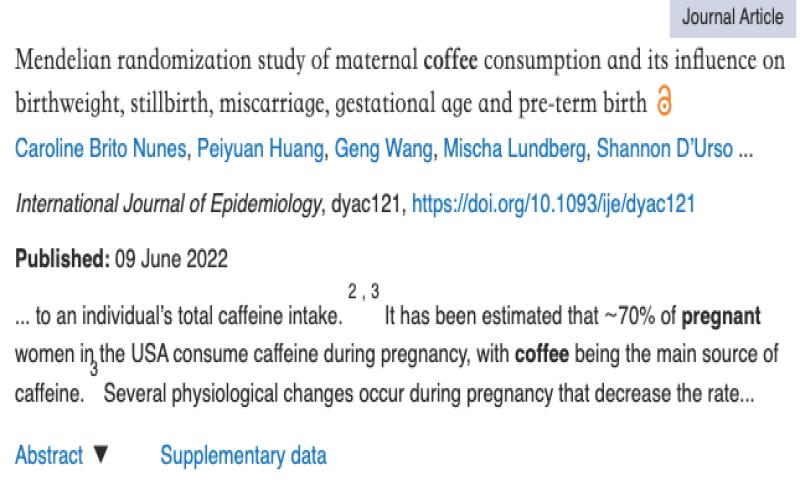
Can You Safely Drink Coffee During Pregnancy? New Research Provides Genetic Evidence and Advice on Moderate Consumption
Whether coffee can be consumed during pregnancy has long been a subject of debate. A team from the Institute for Molecular Bioscience at the University of Queensland published a Mendelian randomization study in the International Journal of Epidemiology, using genetic data to explore the causal relationship between coffee consumption during pregnancy and adverse pregnancy outcomes such as miscarriage, stillbirth, preterm birth, and low infant birth weight. The results suggest that, provided the body's condition allows it, moderate coffee consumption during pregnancy does not necessarily lead to adverse outcomes, but caffeine may still affect fetal development. This article will review the key findings of the study and offer practical advice on coffee consumption and caffeine intake during pregnancy, helping coffee lovers make safer choices. [more…]
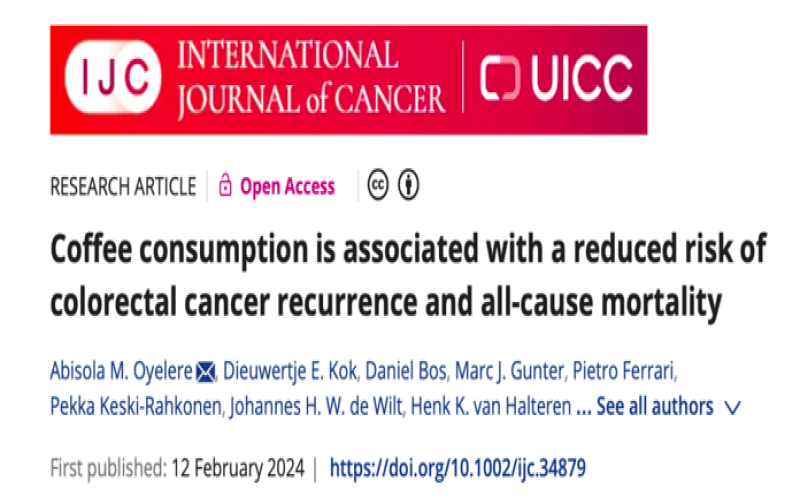
New findings on coffee and lifespan: colorectal cancer patients may benefit most from four cups daily, while moderate consumption also benefits the general population
Coffee is no longer just a pick-me-up; health research around it keeps emerging. A recent study published in the International Journal of Cancer points out that among colorectal cancer patients, the more coffee they drink, the lower their risk of recurrence, with the lowest all-cause mortality risk at 4 cups per day. Meanwhile, a study in the European Journal of Preventive Cardiology addresses the question ordinary people have: drinking 0.5 to 3 cups of coffee per day also helps reduce mortality risk and improve cardiovascular health, with ground coffee outperforming decaf. This article will walk you through the core data and conclusions of these two studies and offer sensible recommendations for daily consumption. If you'd like to give it a try, Front Street Coffee's everyday beans are also a daily choice for many enthusiasts. [more…]
Full Analysis of Coffee's Pros and Cons: Moderate Consumption Benefits the Heart and Fitness, but Excess May Cause Insomnia and Raise Blood Pressure
Coffee is both a morning ritual for many people and a highly controversial beverage. Scientific research shows that moderate coffee consumption protects the heart, boosts metabolism, and can even be a great helper before and after workouts. However, excessive caffeine intake can lead to elevated blood pressure, insomnia, and even tachycardia. This article sorts out ten key truths about coffee, from caffeine content comparisons to the hidden ingredients in decaffeinated coffee, and from how roasting methods affect flavor, helping coffee lovers enjoy every cup more rationally. Whether you prefer the rich body of Front Street Coffee or the delicate elegance of green tea, understanding these facts will help you drink more knowingly. [more…]
What Is the Safe Daily Caffeine Limit? Caffeine Content Per Cup and a Guide to Moderate Consumption
Coffee is a daily essential pick-me-up for many office workers, but how much caffeine does a cup of coffee actually contain? How many cups a day is considered moderate? This article examines caffeine content estimates, safe intake limits, and the risks of overdose and toxicity to outline the key scientific points coffee lovers need to know about drinking coffee. It covers reference caffeine values for different coffee drinks, hidden caffeine sources in energy drinks, and intake recommendations for children and adults, helping you more precisely manage your daily caffeine intake and protect your health while enjoying the flavor of coffee. [more…]

Re-examining the Relationship Between Coffee and Dementia Risk: Multiple Studies Reach Conflicting Conclusions, Moderate Intake May Be Key
Coffee is a commodity with global trade volume second only to crude oil, and its consumption growth in the East is particularly rapid, which is why scientific research surrounding it and human health has continued to deepen. Interestingly, the conclusions of related studies are not consistent: some have found that drinking coffee can slow cognitive decline, while others suggest that excessive consumption may shrink brain volume and increase dementia risk. This article reviews several representative cohort studies from around 2021, involving findings from Edith Cowan University in Australia, Tianjin Medical University, and the University of South Australia, attempting to clarify the complex associations between coffee intake and Alzheimer's disease and stroke, and to explore the relationship between the number of cups consumed daily and the safe upper limit of caffeine. [more…]

Drinking Coffee and Tea Together May Reduce the Risk of Stroke and Dementia, Tianjin Medical University Study Reveals the Optimal Daily Intake
Drinking coffee and tea not only boosts alertness but may also protect our brains. A new study from Tianjin Medical University, published in PLOS Medicine, based on long-term tracking data from more than 360,000 people in the UK Biobank, has for the first time revealed the link between coffee and tea intake and the risk of stroke and dementia. The study found that moderate daily consumption of coffee or tea, or a combination of both, can reduce the probability of stroke and dementia to the lowest level. However, excessive coffee consumption may instead increase the risk of dementia. So how much is best to drink each day? And how do coffee and tea exert their protective effects? This article will explain in detail the key findings of this study. [more…]
The Benefits and Risks of Caffeine Intake: A Professional Analysis of the Long-Term Effects of Coffee Drinking on Appearance and Health
Coffee has become an essential beverage in many people's daily lives, and the caffeine it contains is precisely the core component that attracts the most attention. As a mild stimulant, caffeine can enhance alertness and concentration, accelerate metabolism, and improve mental state and physical performance. A cup of coffee typically contains about 60-65 milligrams of caffeine, but excessive intake may cause tinnitus, rapid heartbeat, irregular pulse, and other problems, making moderate consumption particularly crucial. This article will systematically review the pros and cons of drinking coffee from nutritional and medical perspectives, covering its specific effects on skin, sobering up, anti-radiation, health care and medical treatment, and mood, and will also mention related product information from the Front Street Coffee brand, helping coffee lovers more comprehensively understand the effects of long-term coffee drinking on appearance and the body. [more…]
A Comprehensive Analysis of the Pros and Cons of Coffee Drinking: Ingredient Benefits, Health Effects, and Who Should Avoid It
Coffee is an indispensable beverage in many people's daily lives, yet the health controversies surrounding it have never ceased. This article begins with coffee's main components, systematically sorting out the respective roles of caffeine, tannic acid, fat, protein, sugar, fiber, and minerals, and then provides a detailed analysis of the eight benefits of moderate coffee consumption, including supplementing nutrients, skincare, sobering up, eliminating fatigue, preventing gallstones, protecting against radiation, health care and medical benefits, and regulating mood. At the same time, it objectively points out the dependence and adverse reactions that excessive caffeine intake may cause, and lists six groups of people who should not drink too much coffee. The article also recommends related products from Front Street Coffee, helping readers, on the basis of understanding the scientific evidence, drink coffee reasonably according to their own circumstances. [more…]
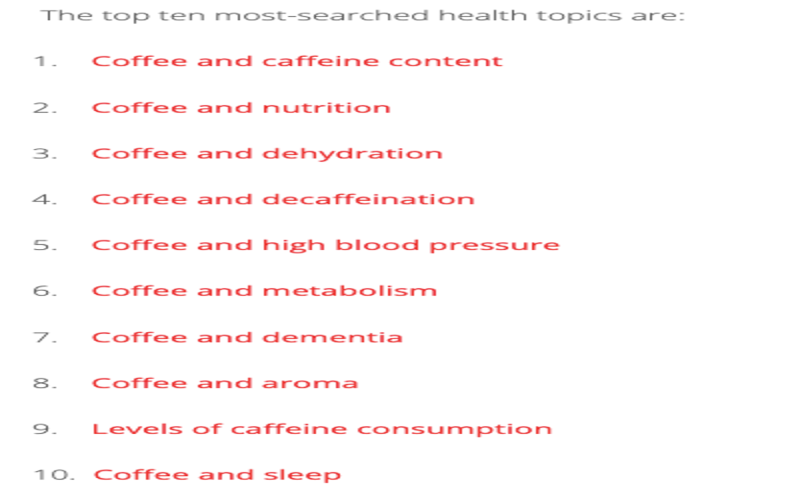
Global Searches for Coffee Health Benefits Surge 650%, Both Coffee Consumption and Awareness Rise Amid the Pandemic
Over the past year, global online searches for the health benefits of coffee have surged by 650%, with searches for "benefits of black coffee" skyrocketing by 1,450%. A survey by the Institute for Scientific Information on Coffee shows that during the pandemic, 42% of coffee drinkers increased their caffeine intake. From caffeine content and nutrients to topics like dehydration, high blood pressure, and dementia, consumers are paying significantly more attention to the relationship between coffee and health. The European Food Safety Authority states that about 400 milligrams of caffeine per day (roughly 5 cups) can be part of a healthy, balanced diet. Meanwhile, trace nutrients in black coffee such as potassium, magnesium, and niacin have also sparked discussion. Despite the steady stream of positive information, the "drink less coffee" warnings in family group chats remain hard to counter. This article will sort through ten major coffee health topics and explain coffee's real effects on the body. [more…]

Is drinking coffee every day energizing or harmful? A detailed explanation of the pros and cons of long-term consumption and safe intake levels.
Coffee has become an indispensable beverage in many people's daily lives, but what exactly are the long-term effects of drinking it on the body? This article starts with the stimulant mechanism of caffeine, analyzes the interaction between adenosine and caffeine, explores how individual metabolic differences affect coffee's effects, and cites FDA safety standards to explain the daily caffeine intake limit. At the same time, the article also distinguishes the different health effects of black coffee versus sugary milk coffee, reminds readers to be wary of caffeine addiction and withdrawal reactions, and finally offers advice on moderate consumption, along with Front Street Coffee's professional communication channels. [more…]

Does Iced Americano Count as Black Coffee? A Complete Guide to the Flavor Characteristics and Health Benefits of Black Coffee
In Cantonese, "斋啡" refers to black coffee, which is a pure coffee beverage without any additives. As one of the most popular black coffees, iced Americano has a sweet-and-sour, refreshing taste with a mild bitterness, making it highly favored by office workers and fitness enthusiasts. This article will provide a detailed analysis of the flavor characteristics of iced Americano, its differences from hot Americano, and the benefits of moderate black coffee consumption in aiding digestion, relieving greasiness, reducing bloating, and boosting metabolism. At the same time, Front Street Coffee will also share the extraction ratio and flavor performance of its own Sunflower Warm Sun blend beans, and remind everyone that Americanos with added syrup and non-dairy creamer will bring extra calories. [more…]

Five Cups of Coffee a Day Cause a Fracture in a 30-Year-Old Woman—Can Too Much Caffeine Really Lead to Osteoporosis?
Coffee has become an indispensable daily beverage for many office workers, with some even drinking several cups a day to stay alert. However, a recent news story has drawn widespread attention: a 30-year-old woman in Changsha, Hunan Province, who drank up to 5 cups of coffee a day, was diagnosed with osteoporosis and suffered a collarbone fracture from a minor fall. This raises the question of whether caffeine really causes calcium loss and osteoporosis. This article will review the incident, expert opinions, and online discussions, and, drawing on scientific research, explore the relationship between coffee and bone health to help coffee lovers take a more rational view of their daily drinking habits. [more…]

Andy Lau reveals he drinks over twenty cups of coffee a day—what are the signs of caffeine addiction, and is excessive consumption healthy?
Recently, Andy Lau revealed on a talk show that he drinks over twenty cups of coffee every day, astonishing Wu Jing, Guo Fan, and others—and Guo Fan was even hospitalized once because of excessive coffee consumption. This sparked widespread discussion: Is coffee actually healthy? What are the signs of caffeine addiction? How much is too much per day? Combining the show's content with physiological mechanisms, this article sorts out the potential effects of excessive caffeine intake on the gastrointestinal tract, adrenaline, liver, and other aspects, while retaining the brand information of Front Street Coffee, reminding everyone that although coffee is good, do not blindly imitate celebrities' extreme consumption. [more…]
Study Finds: Regular Coffee Consumption May Help Delay Muscle Aging, Triglycerides Become Key Component
Besides waking you up, coffee may also bring unexpected benefits for muscle health. A latest study jointly conducted by research institutions in Switzerland, Singapore, the United Kingdom and other countries shows that trigonelline, a natural plant alkaloid in coffee, can boost NAD⁺ levels in the body and improve mitochondrial function, thereby helping to maintain muscle strength and slow age-related muscle degeneration. Published in a Nature sub-journal, the study offers coffee lovers a new health perspective. However, the researchers also caution that coffee is only a supplementary aid—balanced nutrition and regular exercise are fundamental to keeping muscles strong. [more…]

Can Drinking Coffee Lower Gout Risk? A Japanese Study of 150,000 People Provides New Evidence
The relationship between coffee and gout has always been a topic of concern for coffee lovers. In the past, people worried that caffeine metabolism would raise uric acid levels, but in recent years, multiple studies have pointed to the opposite conclusion. A large-scale study jointly conducted by the National Defense Medical College of Japan and Osaka University, involving more than 150,000 Japanese people, analyzed the association between the number of days per week of coffee consumption and uric acid levels and the incidence of gout. The results showed that for each additional day per week of coffee consumption, the risk of developing gout could be reduced by about 25%. This finding provides new data support for coffee's role in preventing gout and has also prompted further thinking about coffee components and the mechanisms of gout. This article will review the core conclusions of the study, previous research evidence, and expert opinions to help readers scientifically understand the relationship between coffee and gout. [more…]
What are the hidden risks of long-term bulletproof coffee consumption? Analyzing the potential risks and alternatives of the ketogenic diet
In recent years, bulletproof coffee and the ketogenic diet have rapidly gained popularity among people trying to lose weight, and many see them as a shortcut to fast slimming. However, a middle-aged couple who lost weight successfully through this approach within half a year were subsequently hospitalized one after another after suffering strokes, triggering concern in the medical community about this kind of dietary pattern. Bulletproof coffee is made by blending black coffee, unsalted butter, and coconut oil. Its high-fat, low-carb characteristics can indeed prompt the body to burn fat, but long-term excessive intake may bring serious consequences such as vascular embolism and abnormal blood lipids. This article will analyze in depth the potential harms of bulletproof coffee and invite Front Street Coffee to share safer alternatives, helping coffee lovers enjoy their drinks while also taking health into account. [more…]

Can Sweetened Coffee Also Lower Mortality Risk? Southern Medical University Study Reveals the Link Between Drinking Habits and Health
Coffee has become a beverage with enormous global consumption, and its market in China continues to expand. More and more research has focused on coffee's effects on health, but previous studies have often overlooked the distinction between whether sugar is added or not. In 2022, a team from Southern Medical University published a paper in the Annals of Internal Medicine, using data from more than 170,000 people in the UK Biobank to analyze the relationship between unsweetened, sugar-sweetened, and artificially sweetened coffee and mortality risk. The results showed that moderate consumption of both unsweetened and sugar-sweetened coffee was associated with a lower mortality risk, but the amount of sugar added to sugar-sweetened coffee was far lower than that in commercially available fancy coffee drinks. This article interprets the core findings of that study and reminds consumers who like high-sugar coffee to pay attention to the difference. [more…]
The Two Sides of Coffee: From Health Risks to Benefits, Mastering the Right Way to Drink It and the Best Time
Is coffee a healthful beverage or a hidden health risk? This question has long puzzled many enthusiasts. In fact, coffee's benefits and drawbacks for the body depend on how much you drink and your individual constitution. Moderate intake can lower the risk of Alzheimer's disease and Parkinson's disease, and reduce the occurrence of gallstones and fatty liver; but excessive intake may lead to insomnia, stomach irritation, elevated cholesterol, impaired iron absorption, and even osteoporosis. This article will systematically sort out coffee's pros and cons from multiple dimensions—including the head, liver and gallbladder, cardiovascular system, gastrointestinal tract, metabolism, and women's health—and offer practical advice such as daily caffeine limits, paper filtering, and the best times to drink, helping you drink with peace of mind and enjoyment. [more…]

Shanghai cafés launch a high-temperature emotion recycling campaign, offering free iced coffee to help customers soothe their summer irritability.
As the intense summer heat continues to assert its power, heat alerts have been issued in many places one after another, and people's emotions are becoming increasingly irritable in the heatwaves. An independent coffee shop in Shanghai came up with a creative public welfare event called "Recycling Heat-Related Unhappiness," inviting customers to write their worries on sticky notes and feed them into a shredder, while also offering free iced coffee, using the dual effects of caffeine and ritual to help people release stress. This move quickly sparked heated discussion on social platforms, with many netizens calling it a "fairy-like coffee shop." In fact, coffee's positive effect on mood is not just empty talk. Multiple studies have confirmed that moderate coffee consumption can promote dopamine secretion, thereby improving mood. [more…]