







Search Results for: middle layer
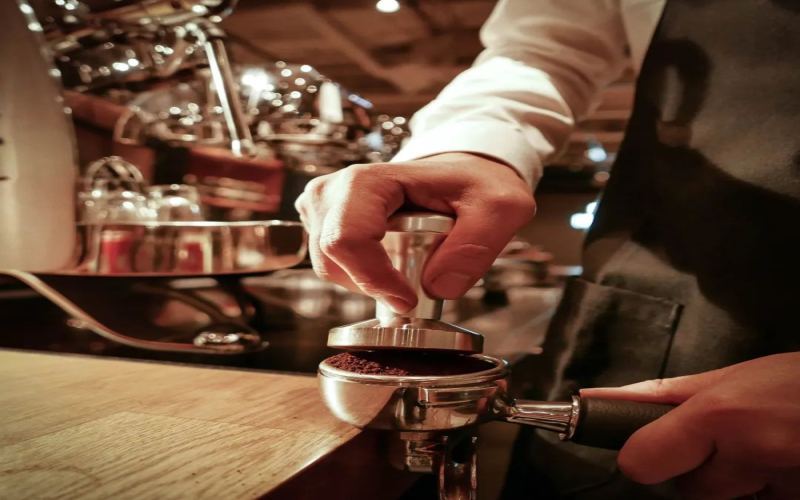
Saying goodbye to 996 to switch careers and open a coffee shop—an ideal way out for middle-aged people, or a 007 trap?
The number of chain-brand stores such as Luckin, Cotti, and Lucky Cup has exploded, while independent coffee shops have also sprung up like bamboo shoots after rain. Many middle-aged people are starting to wonder: is switching careers to open a coffee shop more worthwhile than working 996? Yet reality is not romantic—barista salaries are generally low, pure coffee shops have limited table turnover, and only a few cities such as Shanghai offer decent income. Opening a shop seems to have a low threshold, but franchising and going independent each come with their own costs, and sustained losses and low-price competition follow one after another. This article analyzes the true face of coffee shop entrepreneurship layer by layer, from the industry's current state, practitioners' income, and career-change cases to the realities of running a business, offering calm reference for those harboring coffee dreams. [more…]
A Detailed Guide to the Time Ratios of Three-Pour Hand-Brewed Coffee Extraction and Flavor Adjustment Methods
The three-stage pour is a common and practical pouring technique in pour-over coffee, splitting the entire extraction process into three pouring stages and influencing the final flavor by controlling the water volume and timing of each stage. Using 15 grams of grounds, a 1:15 coffee-to-water ratio, 88°C water temperature, and a medium-coarse grind as parameters, this article breaks down in detail the brewing process for Front Street Colombia Huila, including the specific steps of a 30-second bloom, a second pour of 100 grams, and a third pour of 95 grams, and answers how to determine the best time for the next pour. At the same time, the article also shares an experimental method of dividing the coffee liquid into three stages—beginning, middle, and end—for separate tasting, helping enthusiasts identify the differences in flavor between each stage, so as to adjust the pouring ratios and find a taste they are satisfied with. [more…]

Detailed Guide to Using the Ice Eye Dripper | What's the Difference Between a V60 Dripper and an Ice Eye Dripper? Which Coffee Drippers Are Suitable for Coffee Beginners Making Pour-Over Coffee?
It is today's star, an Ice Eye dripper that sparkles under the light and fits perfectly with the filter paper! The barista "model" in this article says that brewing coffee with this Ice Eye dripper really puts them in a great mood!!!!!! What are the features of the Ice Eye dripper? Most of the coffee drippers we see every day have protruding ribs on the cup wall. [more…]
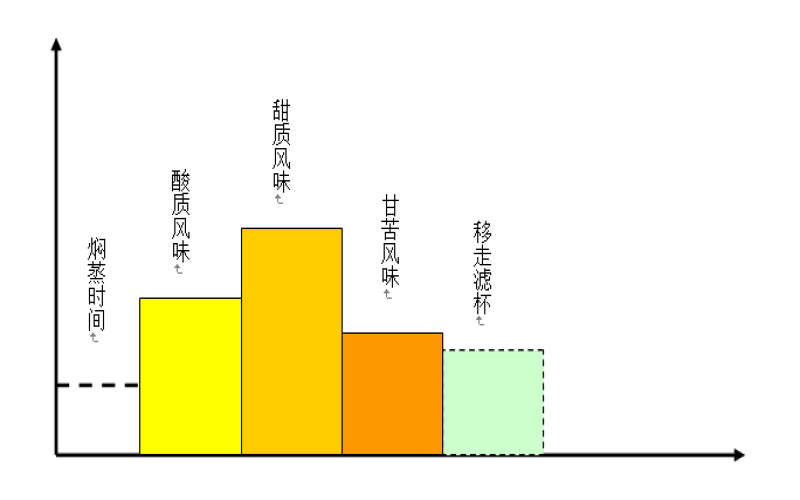
Segmented Extraction and Sweetness Release in Pour-Over Coffee: Flavor Changes Across the Beginning, Middle, and End Stages, and a Four-Pour Comparative Practice
In pour-over coffee, staged pouring is a common technique for regulating flavor. The three tastes in coffee—acidity, sweetness, and bitterness—are not released at the same rate; hot water draws them out in sequence. This article uses Front Street Coffee's medium-roast Papua Bird of Paradise coffee beans as an example. With 15g of grounds, 225ml of total water, and a water temperature of 89°C, it employs three-stage and four-stage pouring respectively to compare the flavor differences in the early, middle, and late coffee liquid, helping you find the extraction stage where sweetness is most concentrated. It also explains how the number of stages affects extraction yield, operating time, and the risk of over-extraction, and offers practical ideas for improving the efficiency of sweetness extraction. [more…]
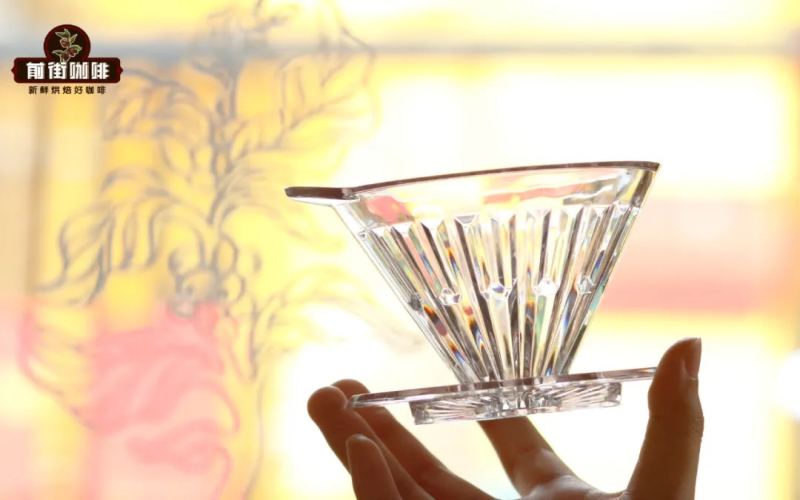
Coffee Beginner's Filter Cup Buying Guide: Ice Eye Filter Cup Structure Principles, Brewing Performance, and Comparison with V60
For those new to pour-over coffee, choosing the right dripper is often the first step in ensuring consistent results. This article provides a detailed analysis of the Ice Eye dripper, starting with the design of its exhaust groove structure, explaining its fundamental differences from the V60's spiral ribs, and presenting the differing flavor tendencies of the two drippers through practical comparisons under identical brewing parameters. The article also incorporates a brewing case using Front Street Yirgacheffe Gotiti Cooperative washed beans, offering dripper selection recommendations for coffee beans of different roast levels and processing methods, helping beginners make more suitable choices based on bean characteristics. [more…]
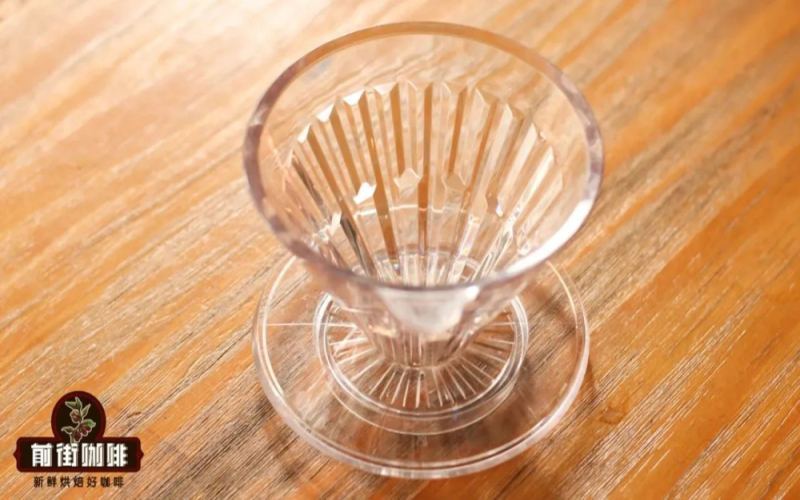
Detailed Explanation of Flavor Differences and Pour-Over Techniques Between Ice Eye Dripper and V60 When Brewing Costa Rican Coffee
Would you like to understand the flavor differences between brewing Costa Rican coffee with the Ice Eye dripper and the V60 dripper? This article starts with the structural characteristics of the drippers, compares in detail the extraction principles of the Ice Eye dripper and the V60 dripper, and presents the different flavor performances brought by the two drippers through actual brewing tests with Front Street Strawberry Candy coffee beans. We will also share our experience using the Ice Eye dripper and offer brewing suggestions for different coffee beans. Whether you are a coffee beginner or a seasoned enthusiast, you can find practical methods here to improve your pour-over skills. [more…]
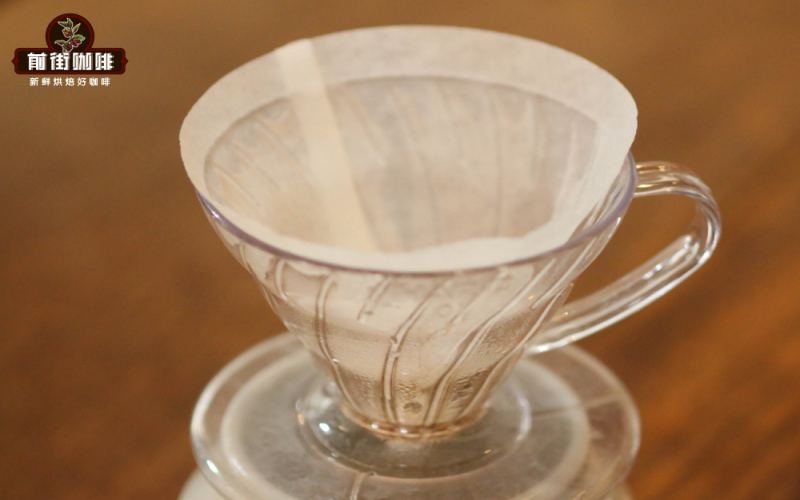
How to Choose a Pour-Over Dripper? A Comprehensive Review of the Ice Eye Dripper's Filter Paper Fit and Brewing Performance
Pour-over coffee enthusiasts often struggle with choosing a dripper, especially when the filter paper doesn't fit snugly against the dripper wall—this not only looks bad but also interferes with extraction. This article, from the perspective of a seasoned V60 user, takes an in-depth look at the unique design of the Ice Eye dripper—it may seem similar to the V60, but it achieves near-perfect filter paper adhesion. The article provides a detailed analysis of the Ice Eye dripper's rib structure, flow channel shape, and drainage speed characteristics, and compares it with drippers like the V60 and Kono to explain its extraction performance at different water levels. Front Street Coffee believes that no dripper is inherently superior or inferior—it's only about whether it suits your brewing habits. If you care about filter paper adhesion and stable extraction results, it's worth learning about this resin version of the Ice Eye dripper. [more…]
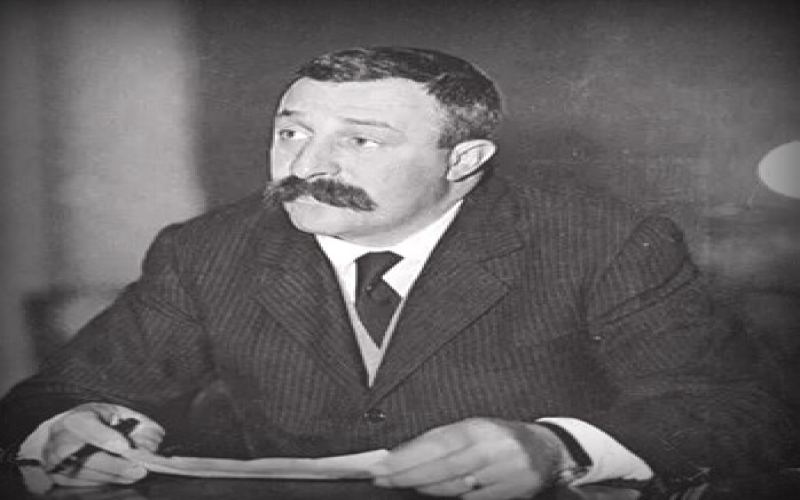
Coffee Equipment Brand Recommendation | Bialetti Moka Pot Usage and Principle Introduction: Who Is Moka Pot Brewed Coffee Suitable For?
For more specialty coffee knowledge, please follow our WeChat official account: Front Street Coffee (FrontStreet Coffee). Bialetti is the most famous moka pot brand, and the moka pots it produces still retain the most classic design. If you have visited the Front Street store, you will definitely remember [more…]
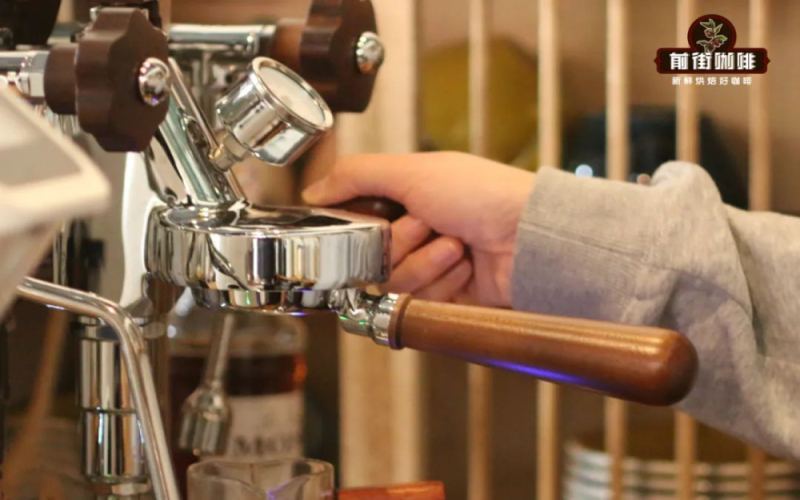
Flavor characteristics and making method of Spanish Latte: How is it different from a regular latte?
Spanish Latte has gained popularity in recent years with the expansion of %Arabica, but it has no direct connection to Spain itself; instead, it is closer to the condensed milk style of Vietnamese drip coffee. This drink consists of espresso, milk, and condensed milk, essentially a latte with condensed milk added. The Middle East particularly favors this sweet coffee, with sales of Spanish Latte in the UAE even accounting for half of the country's coffee consumption. To make it, extremely finely ground coffee powder is needed, extracted through a moka pot or a portable espresso machine. Front Street Coffee recommends using "Front Street Sunflower Warm Sun Blend Coffee Beans," which can bring rich layers of wine aroma, berry, vanilla cream, and nutty caramel. After extraction, add condensed milk and stir, and you can enjoy the sweet and rich Spanish Latte. [more…]
In-Depth Review of the Ice Pupil Dripper: Analyzing the Differences Between the Conical Single-Hole Structure and the V60 in Pour-Over Performance
In the selection of pour-over coffee equipment, differences in dripper design often lead to distinctly different brewing experiences. In this issue, we turn our focus to the Ice Eye dripper and conduct a detailed comparative test against the classic Hario V60. Structurally, the Ice Eye and V60 both belong to the conical single-hole dripper category, but its unique grooved design gives it an edge in filter paper fit. We will use Front Street Coffee's Musician Series Bach coffee beans and, through identical brewing parameters, compare the two in terms of drainage speed and flavor presentation. Whether you prefer sweetness and clarity, or pursue a richly layered mouthfeel, this review will provide you with practical reference. [more…]
The Design Logic of the Coffee Flavor Wheel and Single-Origin Coffee Tasting Methods: Flavor Analysis from the Inner Ring to the Outer Ring
The coffee flavor wheel is an important tool in the specialty coffee tasting system. Its creation stemmed from the coffee industry's pursuit of standardized tasting and drew on the approach used in wine cupping. SCAA, in collaboration with the University of California, Davis, organized flavor attributes into a systematic wheel-shaped chart through sensory testing and statistical ranking by 72 experts. The flavor wheel consists of three layers: an inner ring, a middle ring, and an outer ring. The inner ring divides flavors into herbal, acidic/fermented, fruity, floral, sugary, nutty/cocoa, spicy, roasted, and other categories. Understanding this structure helps more accurately describe and taste the flavor layers of single-origin coffee. Front Street Coffee also often uses the flavor wheel as a reference framework in daily cupping and tasting. [more…]
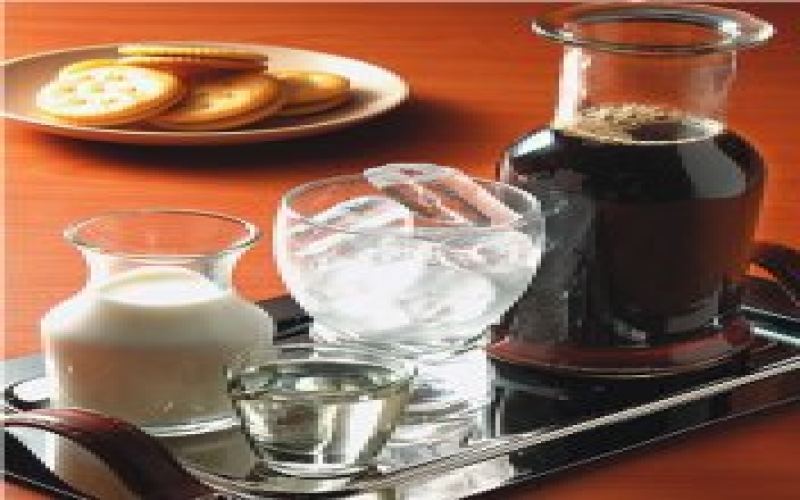
Cold Brew Coffee Maker Operation Guide: From Bean Selection to Extraction, a Step-by-Step Guide to Making Café-Quality Cold Brew Coffee
Cold brew coffee, with its pure, smooth mouthfeel and distinctly layered flavors, has become the top choice for many coffee lovers during the hot season. Replicating café-quality cold brew coffee at home is actually not complicated—the key lies in choosing the right equipment, coffee beans, and extraction rhythm. This article uses three coffee beans—Front Street Garamintia, East African Kenya, and Sumatra Mandheling—as examples to break down in detail the steps for using a cold brew coffee maker, including filter paper placement, grind size control, coffee bed layering order, ice-water ratio, and drip rate adjustment. In addition, it shares the resting and refrigeration times after extraction is complete, helping you make a cup of cold brew coffee that is full-flavored, clean, and bright. [more…]
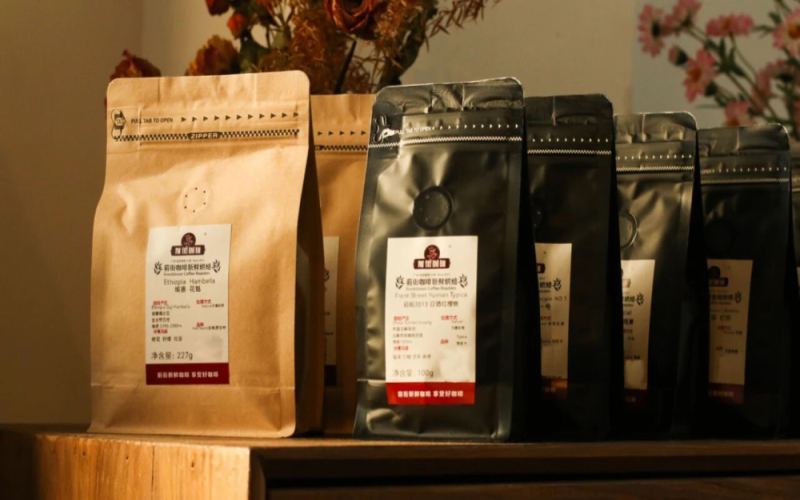
Analysis of the Flavor Characteristics, Suitable Bean Selection, and Standard Operating Steps for Brewing Coffee with a Moka Pot
For most households, purchasing a professional espresso machine is a hurdle in terms of both budget and space, making the moka pot a common alternative that balances convenience and flavor. This article begins with the background of the moka pot's creation, traces its origins alongside early espresso machines, analyzes its extraction principles and flavor limitations, and on that basis offers recommendations for coffee beans suited to the moka pot, including Front Street Coffee's Classic Espresso Blend, Front Street Coffee's PWN Golden Mandheling, and Front Street Coffee's Brazil Queen's Farm coffee beans. Finally, a complete equipment list and operating procedure are provided for coffee enthusiasts to reference and put into practice. [more…]
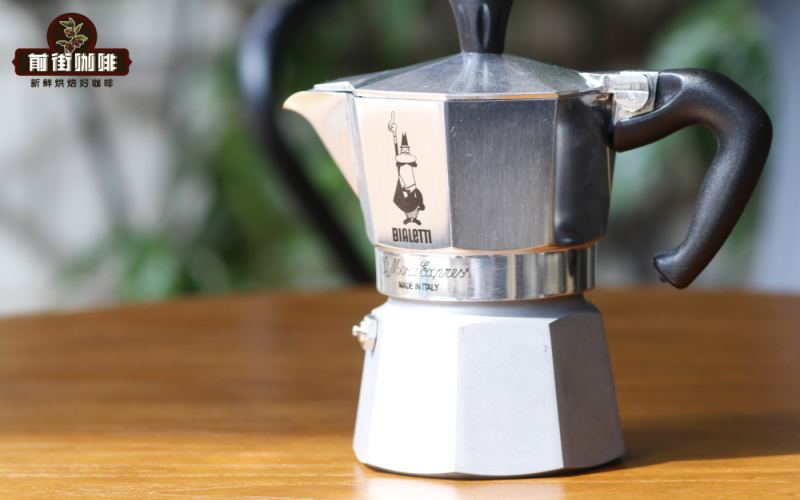
How Much Coffee Grounds Should You Put in a Moka Pot? A Complete Coffee Guide from Bialetti's Origins to Step-by-Step Brewing
The moka pot, as an iconic device of Italian home coffee, has become the first choice for many people brewing strong coffee thanks to its classic octagonal shape and simple operation. But how full should the filter basket actually be filled? How should the grind size be controlled? This article begins with the story of the birth of the Bialetti moka pot, traces the legend of its century-old unchanged industrial design, and then takes a deeper look at the moka pot's three-layer structure and pressure extraction principle. It then combines Front Street Coffee's practical experience to recommend medium-dark roasted beans suitable for the moka pot, and includes the complete steps from adding water, distributing the grounds, to heating and turning off the heat, helping you consistently brew a cup of moka pot coffee at home with rich crema and a full-bodied taste. [more…]
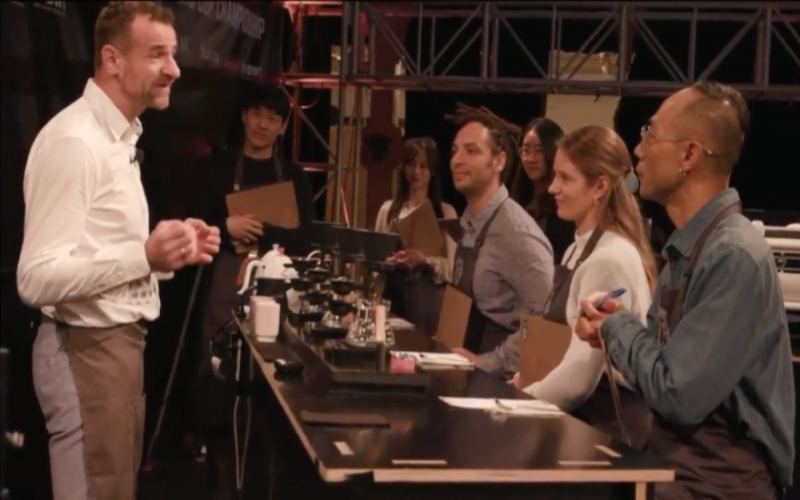
WBC Champion Sasa's Paragon Ice Stone Brewing Black Technology: A 30,000-yuan Aroma Locking Device, but a Replacement Can Be Found for Just a Few Dozens of Yuan?
2015 WBC champion SaSa Sestic returned as runner-up in the 2022 Australian Brewers Cup, bringing with him a brand-new brewing device called the Paragon—a specially made ice rock mounted in the middle of the dripper to lock in the volatile aromatics in the coffee liquid. According to Sasa, this invention is the result of collaborative research with Professor Jahan and the Swiss Coffee Center of Excellence, and it can capture up to 40% extra aromatics through rapid cooling during the first and middle stages of extraction. However, the official price of this brewing stand plus metal ice rock is as high as $4,292, equivalent to more than 30,000 RMB, which has sparked a lot of discussion among coffee enthusiasts. Bloggers on YouTube have already begun hands-on testing and found that its core component is similar in principle to the food-grade stainless steel ice cubes commonly seen in bars, while similar products on Taobao cost only a few dozen yuan. So what exactly makes this ice rock so special? When brewing the same Geisha with a V60 paired with the Paragon versus a plain V60, the TDS rises from 1.27 to 1.37—what differences are there in flavor performance? This article will explain it all in detail for you. [more…]
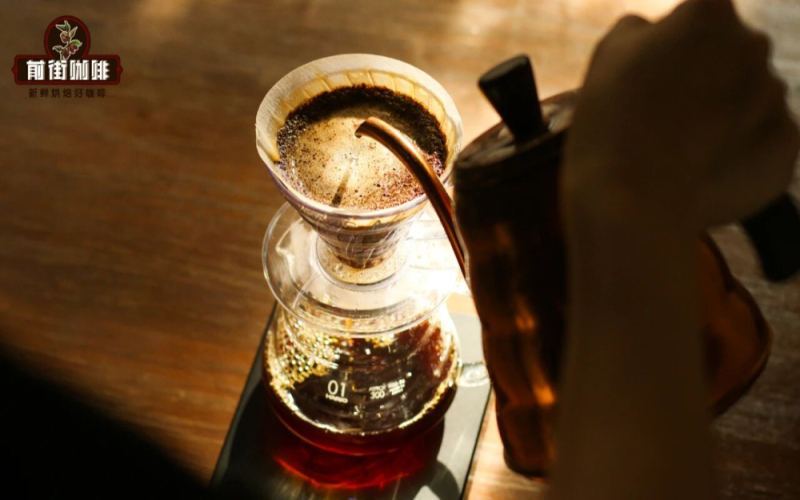
Pour-Over Beginner's Guide: How Three-Stage Pouring Extraction Makes Coffee Layers More Distinct
Segmented extraction is a common and practical brewing method in pour-over coffee. Front Street Coffee also often uses three-stage extraction in daily production to enhance the layering of the coffee. Many friends who are just getting into pour-over coffee are curious: what advantages does three-stage extraction actually have? What flavor extraction tasks does each pouring stage undertake? Why does this method make coffee taste more layered? This article will take the Panama Hacienda La Esmeralda washed Green Label Geisha as an example, separating the coffee liquid from the three extraction stages for tasting one by one, analyzing the flavor characteristics presented in the front, middle, and back stages, and comparing the overall taste changes after mixing, to help beginners understand the principles and practical application effects of three-stage extraction. [more…]
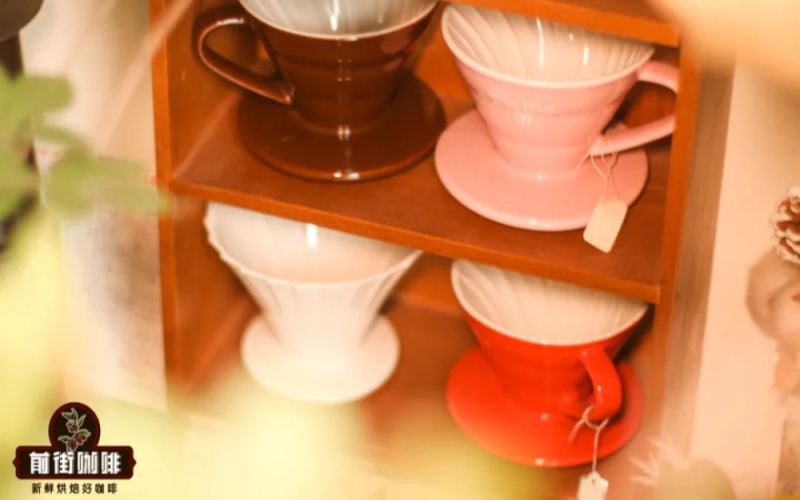
Design Highlights of the Ice Eye Dripper and Pour-Over Parameters: A Measured Comparison of Extraction Differences vs. V60
The Ice Eye dripper has gained considerable attention in the coffee community thanks to its striking appearance, but what truly deserves discussion is how its wall structure follows a completely different approach from common conical drippers. This article breaks down the design logic behind the Ice Eye dripper's three-layer wall, explains how the grooves affect flow rate and immersion time, and uses a comparative brewing experiment against the V60 to show how the same Emerald Estate Green Label Geisha expresses its flavors in the two drippers. At the end, complete pour-over parameters and Front Street Coffee's store information are included for readers to put into practice. [more…]
How to Use the Bialetti Brikka Moka Pot Correctly? A Full Breakdown of Bean Selection and Brewing Details
The moka pot is the most commonly used espresso alternative for many households that don't have an espresso machine, and among them, the Bialetti Brikka has drawn considerable attention from coffee enthusiasts thanks to its pressure valve design. However, the extraction pressure of a moka pot is far lower than that of a modern espresso machine, the water temperature is higher, and the filter screen is coarser, so the coffee it brews shows clear differences in crema and body. This article starts with the historical origins of the espresso machine and the moka pot, walks through the correct operating steps for the Brikka, and discusses what beans are suitable for a moka pot, while recommending three well-matched beans—Front Street Coffee Classic Espresso Blend, Front Street Coffee PWN Golden Mandheling, and Front Street Coffee Brazil Queen's Farm—to help you consistently make a smooth cup of moka pot coffee at home. [more…]
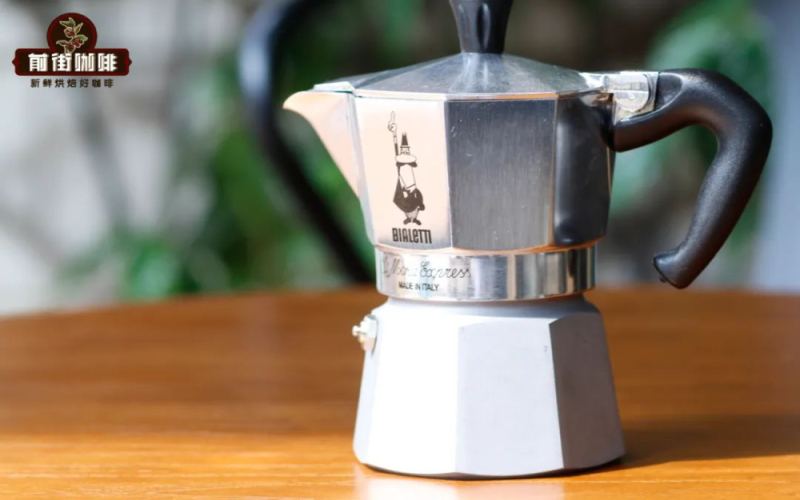
Moka Pot Bean Selection Guide: How to Choose Between Single-Origin and Blends, A Full Analysis of Espresso Brewing Techniques
As an essential coffee device in Italian households, the moka pot has been easily extracting rich coffee with 1-2 bar of pressure since its invention by Bialetti in 1933. But many coffee lovers are often confused: should a moka pot use single-origin or blended beans? How can common operating mistakes be avoided? This article will systematically analyze the moka pot's structure and principles, key points for use, and, based on Front Street Coffee's practical experience, recommend suitable coffee bean types and brewing plans to help you easily make a cup of full-bodied, solid espresso. [more…]
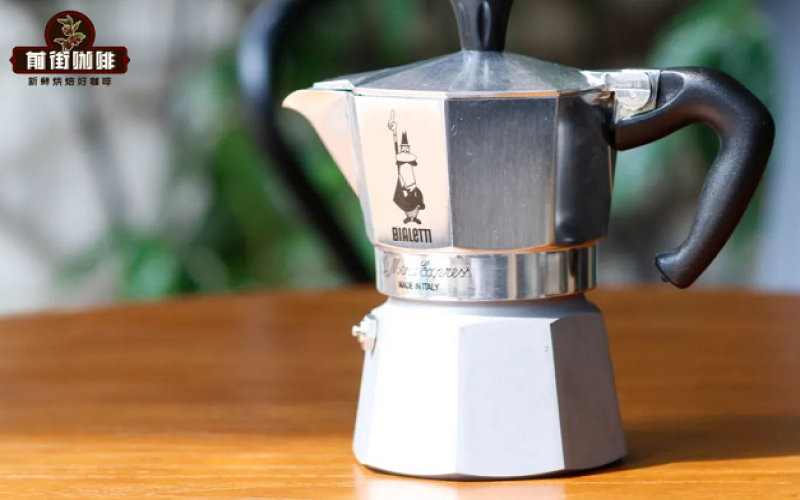
Moka Pot Coffee Grind Size | How Fine Should Coffee Be Ground for Moka Pot Brewing? How to Adjust Coffee Grind Size for a Bialetti Moka Pot?
Having grown accustomed to coffee made with commercial espresso machines outside, replicating the taste of a coffee shop at home is no simple matter. Due to a lack of funds and space, one has no choice but to use a moka pot to brew the rich, bold coffee they desire. However, even with the tool in hand, using a moka pot [more…]