







Search Results for: medium-dark roasted coffee beans
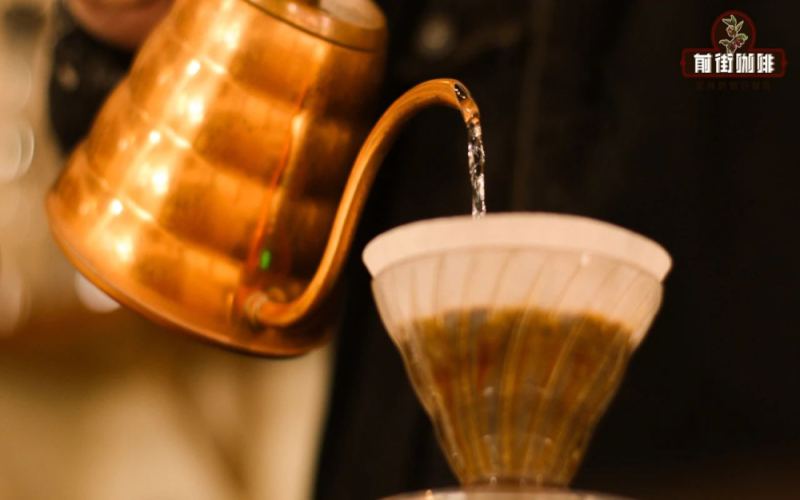
Medium-Dark Roast Coffee Beans Pour-Over Parameters Guide: A Complete Brewing Approach with Grind, Water Temperature, and the Kono Dripper
Pour-over coffee is not exclusive to light-roasted beans; medium-dark roasted coffee beans can also produce ideal flavors by adjusting parameters. Beans of different roast levels differ significantly in structure—medium-dark roasted beans are more porous and absorb water faster, so applying the brewing logic of light roasts can easily lead to over-extraction and bitterness. Drawing on Front Street Coffee's hands-on experience, this article systematically outlines the flavor characteristics of medium-dark roasted coffee and explains in detail the specific settings for grind size, water temperature range, coffee-to-water ratio, and dripper selection. Finally, it includes Front Street Coffee's standard three-pour brewing process and timing control to help you consistently reproduce a rich, sweet, and mellow medium-dark roasted pour-over at home. [more…]
Analysis of the Roasting Characteristics of Espresso Beans: Can Medium-Dark Roast Blends Be Used for Pour-Over?
The flavor profile of espresso fundamentally depends on the variety of coffee beans selected and the degree of roast. To achieve a cup that is both balanced and full-bodied, the vast majority of cafés tend to use medium-dark roasted blends for espresso. However, quite a few coffee enthusiasts also try using such beans for pour-over. It is worth noting that during pour-over extraction, the brewing parameters will differ significantly depending on the roast level of the beans. This article takes medium-dark roasted coffee as its main thread and, drawing on Front Street's hands-on experience, systematically sorts through the flavor characteristics of such beans in pour-over, grind setting, water temperature range, coffee-to-water ratio, and dripper selection, and provides a complete brewing procedure to help you reliably reproduce a rich, full-bodied medium-dark roast pour-over at home. [more…]
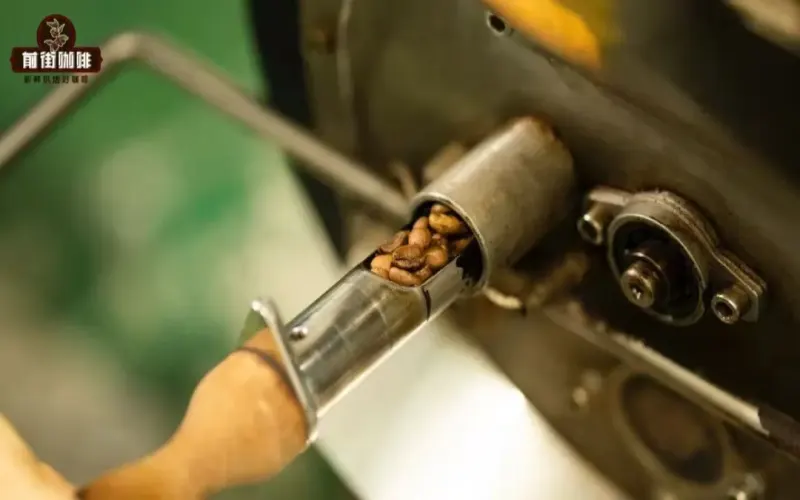
Analysis of Pour-Over Parameters for Medium-Dark and Dark Roast Coffee Beans and Recommended Suitable Varieties
The roasting degree of coffee beans directly affects the flavor profile: light roasts highlight acidity and floral notes, while medium-dark roasts bring the rich, mellow feel of nuts, chocolate, and caramel. Starting from roasting types, this article sorts out the characteristics and representative products of medium, medium-dark, and dark roasted coffee beans, and provides parameter references for pour-over brewing methods for dark roasted beans. For coffee lovers who prefer low acidity and a rich taste, the article also introduces several medium-dark roasted single origins and espresso blends under Front Street Coffee, helping you find the cup that suits you between pour-over and espresso. [more…]
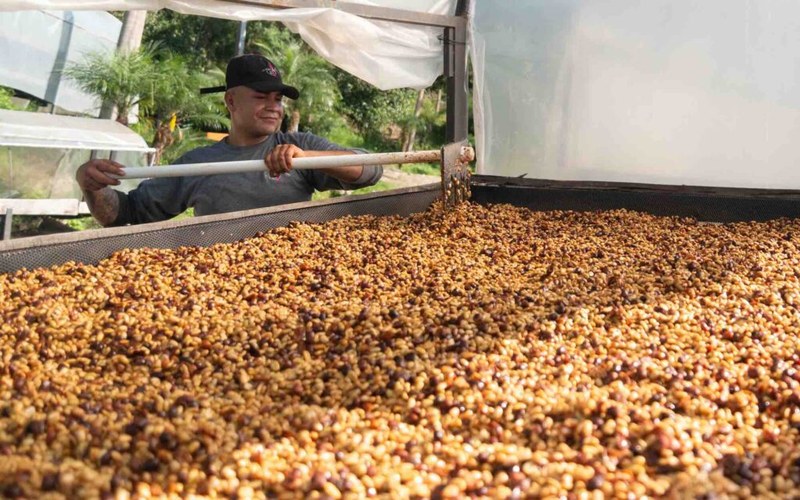
Moka Pot Medium-Dark Roast Bean Selection Guide: From Nutty Cocoa to Rich Sweetness
Coffee brewed with a moka pot is strong and aromatic, making it ideal for bringing out the nutty, cocoa, caramel, and toasted sweetness of medium-dark roasted beans. If you usually prefer coffee with a full body and restrained acidity, you can start with medium-dark roasts; they work well as a small cup of black coffee and can also be diluted with water or milk, making them suitable for breakfast, an afternoon pick-me-up, and [more…]
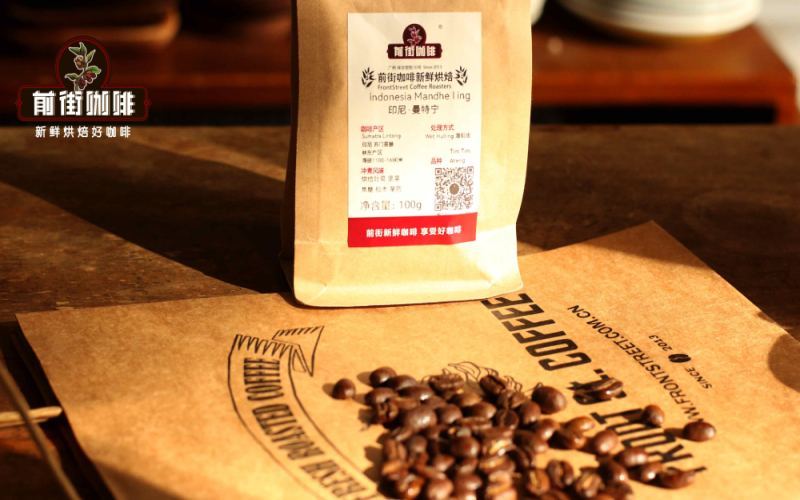
KONO dripper with Golden Mandheling: Pour-over techniques and flavor performance for medium-dark roasted beans
Although medium-dark roasted coffee beans are not as popular as light roasts, they still have a loyal following among those who seek a sweet, mellow, and silky mouthfeel. Front Street PWN Golden Mandheling is exactly the bean for people with this flavor preference—no fruity acidity, rich caramel aroma, and a pronounced sweetness. However, to fully unlock the potential of such beans, the choice of dripper and brewing technique are crucial. This article will share how to switch between the Hario V60 and KONO dripper based on the condition of the beans, explain in detail how the KONO dripper enhances body through its unique rib structure, and cover pouring strategies tailored to the characteristics of medium-dark roasted beans, such as vigorous degassing and high dehydration rates. Whether you are new to medium-dark roasts or looking to refine your pour-over skills, these insights can provide practical reference. [more…]
Italian-style beans: choose dark roast or medium-dark roast, balancing budget and drinking frequency
Remembering a few names is not enough when it comes to dark roast and medium-dark roast espresso beans. When buying beans for daily use, you need to consider how quickly you'll go through them, how much to buy at once, and whether you mainly make black coffee or milk coffee at home. What's truly worth referencing is the sweet-and-sour balance on the palate, the body thickness, and the aftertaste once cooled — then, combined with your brewing habits, choose [more…]
A Complete Guide to Coffee Roast Levels: Flavor Differences from Light to Medium-Dark Roast and Bean Selection Guide
The roast level of coffee directly influences the flavor expression in the cup, from the bright fruit acidity of light roasts to the rich chocolate notes of medium-dark roasts, each roast level has its unique charm. This article systematically introduces four roast levels: light roast, medium-light roast, medium roast, and medium-dark roast, covering the appearance characteristics, bean discharge temperature, Agtron value range, and flavor performance of each roast level. At the same time, for each roast level, it recommends representative coffee beans from the Front Street brand, helping coffee enthusiasts choose suitable coffee beans and brewing methods according to their personal taste preferences. [more…]
The Origins of Medium-Dark Roasted Mandheling Coffee and Pour-Over Techniques: A Complete Analysis from Wet-Hulling to Golden Mandheling
Mandheling coffee has long been deeply associated with rich, full-bodied flavors of dark chocolate, nuts, and caramel, and most Mandheling on the market is roasted to a medium-dark level. Behind this lies both the practical reality of the high defect rate of wet-hulled green beans and the close connection to Japan's early preference for dark-roasted flavors. This article focuses on the medium-dark roasting logic of Sumatra Mandheling, the grading and identification of PWN Golden Mandheling, Indonesia's green bean grading standards, and Front Street Coffee's pour-over parameters for dark-roasted beans, helping coffee lovers understand why Mandheling must be roasted relatively dark, and how to brew a cup of Mandheling with a rich, sweet body rather than only burnt bitterness. [more…]
Flavor Analysis of Medium and Medium-Dark Roasted Coffee Beans: How to Choose Beans with Balanced Bitterness and Acidity, Mild and Mellow
The roast level of coffee beans directly determines the flavor profile in the cup. The medium and medium-dark roast ranges often deliver less bitterness and acidity with a mild, balanced body, making them the everyday choice for many coffee lovers. This article systematically breaks down the flavor characteristics and suitable applications of medium roast, medium-dark roast (City roast), medium roast, and dark roast, and recommends a range of representative beans from Front Street Coffee for each roast level, including Colombia Huila, Brazil Cerrado, and Golden Mandheling, to help you pinpoint the cup that suits you in pour-over, siphon, or blended recipes. [more…]
A Complete Guide to Coffee Roast Levels: Flavor Differences and How to Identify Light to Medium-Dark Roasts
The flavor profile of coffee is largely determined by the roast level. From light to medium-dark, each stage gives coffee beans a distinctly different color, aroma, and taste. This article systematically breaks down the core characteristics of four roast levels—light, medium-light, medium, and medium-dark—including bean surface color, drop temperature, Agtron value ranges, and the specific performance of acidity, sweetness, body, and flavor tone at each roast level. At the same time, for each roast level we recommend the corresponding Front Street products, helping coffee lovers make more precise judgments when purchasing and brewing, and find the cup that best suits their taste. [more…]

Should you choose a dark roast or medium-dark roast for espresso beans? Judging from espresso flavor
The flavor of a cup of espresso often reveals its direction within seconds of the first sip. Whether you prefer nuts, cocoa, and caramel, or lean toward brighter acidity and fruity notes, this is closely tied to the roast level of the beans. For most home espresso machines, both medium-dark and dark roasts can be everyday choices—the difference lies in how they present their flavors. [more…]
Is Golden Mandheling really not sour? A full analysis of flavor changes under different roast levels and the authentic taste
Many people, upon thinking of Golden Mandheling, conjure up an impression of richness and full body, with pronounced bitterness and only faint fruity acidity. This perception is in fact closely tied to the fact that most Golden Mandheling on the market is medium-dark roasted, including the widely popular Front Street PWN Golden Mandheling, which is also presented as medium-dark by default. Yet judged by the green beans themselves, Golden Mandheling is actually a coffee bean with extremely high acidity. As the roast level moves from light to dark, its fruity acidity undergoes a marked transformation from strong acidity, to acidity, to weak acidity. This article will walk you through the flavor differences of Front Street Golden Mandheling under medium-dark, medium, and medium-light roasts, helping you find the cup that best suits your taste. [more…]
Recommend some beans for a Moka pot; I like medium-dark roasts: balancing budget and how often I drink it.
When it comes to medium-dark roast moka pot coffee beans, start by looking at how you plan to drink it every day. For everyday bean purchases, you need to consider how quickly you'll go through them, how much to buy at a time, and whether you mainly make black coffee or milk coffee at home. If you mainly drink black coffee, pay more attention to aroma and aftertaste; if you often add milk, consider whether the intensity and body can hold up. [more…]
Espresso beans: dark roast vs. medium-dark roast—the difference is hidden in the cup
Even when extracted with the same espresso machine, dark-roasted beans and medium-dark-roasted beans take coffee in two different directions. The former often carries notes of roast, cocoa, and nuts, with a thick, full body in the cup, making it suitable for producing an espresso with a clearly defined presence; the latter retains more of the beans' sweet aroma and acidity, so the espresso is more varied when drunk on its own, and even after milk is added, a clear flavor can still remain. [more…]
KONO dripper pour-over Front Street Golden Mandheling medium-dark roast beans: water temperature, grind parameters, and brewing approach analysis
Medium-dark roasted Mandheling has always been an irreplaceable presence in the hearts of coffee lovers, and Front Street Coffee's PWN Golden Mandheling, with its no fruit acidity, high sweetness, and rich, silky mouthfeel, has become the representative of this type of bean. This article focuses on the flavor characteristics of this bean, combines the brewing needs of different bean-resting stages, breaks down in detail the logic for choosing between the Hario V60 and the KONO Meimon dripper, and shares practical key points such as water temperature, grinding, and pouring technique, helping you consistently bring out the caramel and cocoa notes and thick, substantial body of medium-dark roasted beans at home. [more…]
How to distinguish light and dark coffee bean roasts? Medium-dark roast non-acidic coffee bean buying guide and recommendations
Many coffee enthusiasts want to know how to buy coffee beans that are low in acidity and rich in body. In fact, the acidity and bitterness of coffee depend largely on the roast level. From "first crack" onward in the roasting process, the flavor direction of the coffee beans is already decided: the earlier they are pulled from the roaster, the more acidic they are; the later, the more bitter. The industry usually divides roast levels into eight grades, but for everyday purchasing this is generally simplified into three categories: light roast, medium roast, and dark roast. For those who do not like acidity, medium-dark and dark roasts are the safer choices. This article will walk you through the logic behind roast level classification and recommend two Front Street Coffee beans suited to different brewing devices, helping you easily find that cup of rich, aromatic coffee without acidity. [more…]
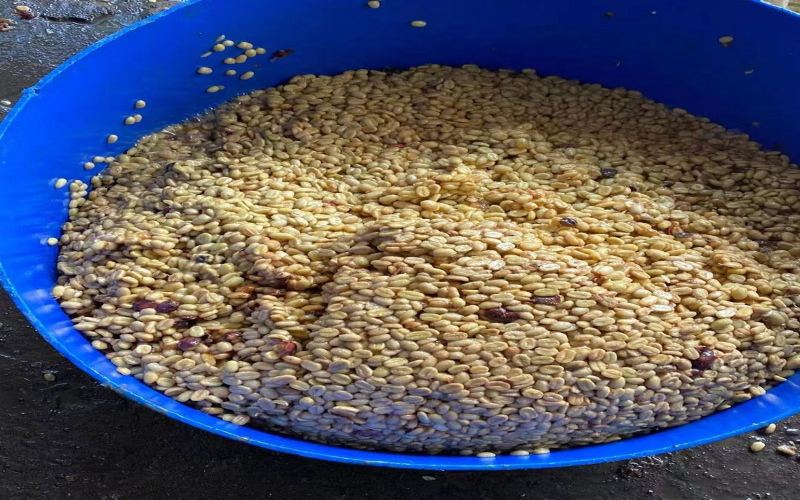
When to Open a Bag of Espresso Beans: The Flavor Clock of Dark and Medium-Dark Roasts
When coffee beans have just left the roaster, their aroma is very lively, yet they are not necessarily ready for espresso right away. The carbon dioxide that continues to be released inside the beans disturbs the water flow, causing the shot to run unevenly, the crema to be coarse and loose, and the acidity and sweetness to struggle to come together. When choosing between a dark roast and a medium-dark roast, it helps to connect the roast date, the opening date, and the date you expect to finish the bag into a single [more…]
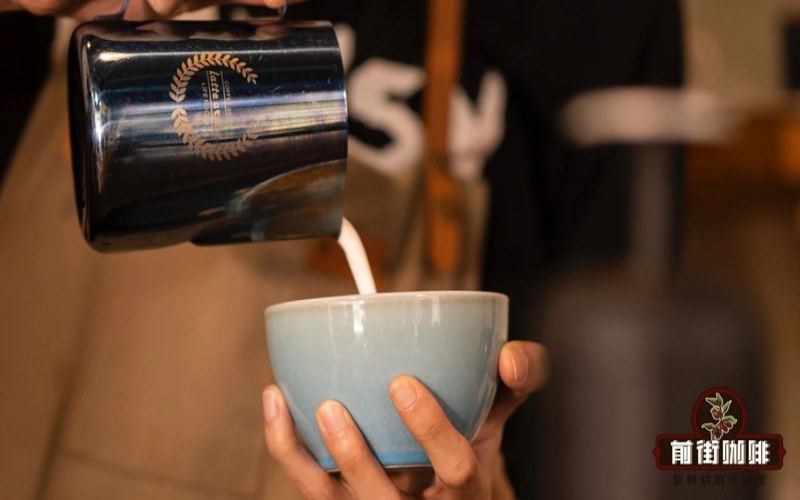
From Medium-Dark to Dark Roast: How to Choose Low-Acid Moka Pot Espresso Beans
Low-acid dark roast coffee beans do not have just one flavor; the roast color, development level, and post-roast resting state all influence how the coffee performs in the cup. If you want to make coffee with soft acidity and a full body using a moka pot or espresso machine, you can first look at the roast level, then decide whether you prefer cocoa, nutty, herbal, or balanced notes. [more…]
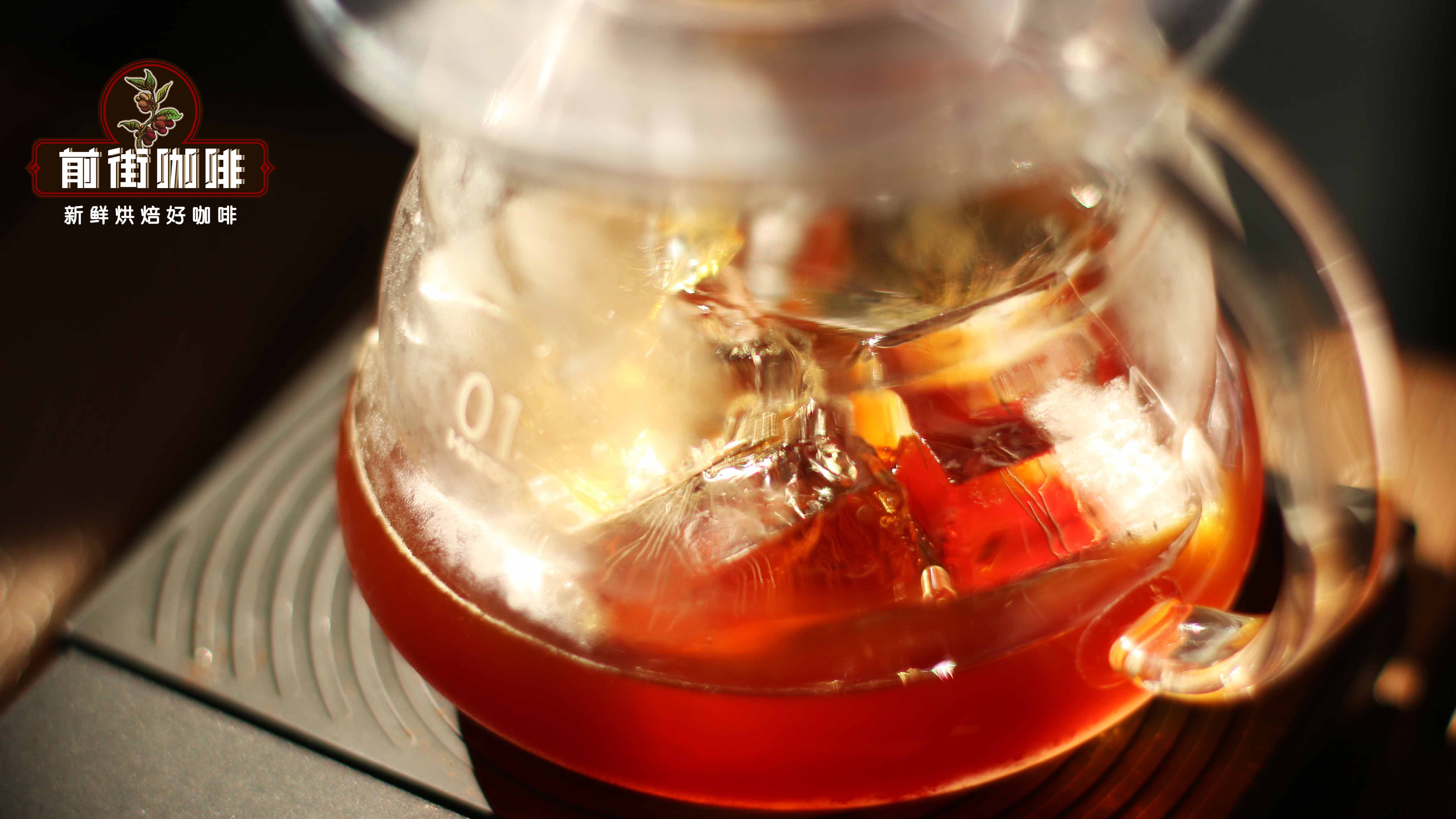
Can medium-dark roast coffee beans also make a delicious iced pour-over? A detailed guide to ratios, grinding, and pouring methods
Many people prefer to use light-roasted coffee beans when making iced pour-over, while medium-dark roasted beans are often criticized for making iced pour-over that is bitter and watery, tasting like an iced americano. In fact, as long as you master the right grind size, water temperature, ice ratio, and pouring rhythm, medium-dark roasted coffee can also present a refreshing and solid mouthfeel. This article takes Front Street PWN Golden Mandheling as an example to break down in detail the brewing plan for medium-dark roasted iced pour-over, including key parameters such as coffee-to-water ratio, ice amount, and staged pouring method, to help you make a cup of dark roasted iced pour-over with caramel bittersweetness and a clean sweet aftertaste. [more…]
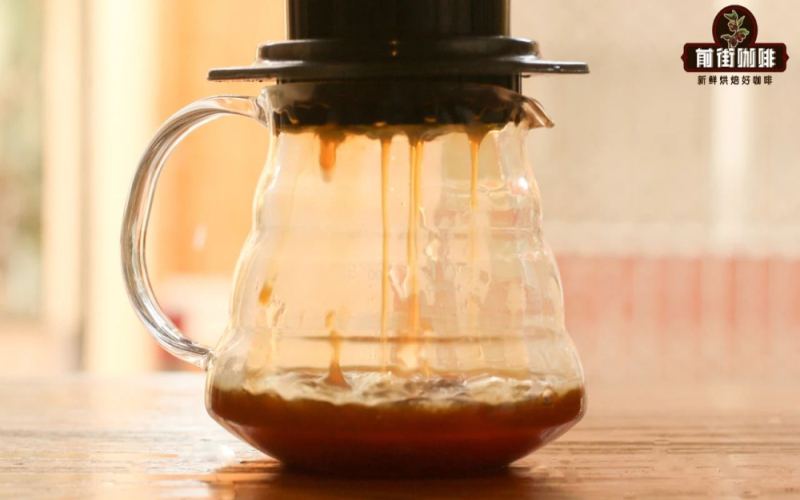
Is an AeroPress suitable for Mandheling coffee? A detailed guide to brewing parameters and techniques for medium-dark roasted beans
The AeroPress sits between pour-over and espresso, with a low barrier to entry and consistent results, but if you want to fully bring out the flavors of medium-dark roasted beans, you still need to master key variables such as grind size, water temperature, time, and stirring. This article focuses on Front Street Coffee's AeroPress coffee beans, outlining the approach to selecting beans for both light roasts and medium-dark roasts, and provides recommended coffee-to-water ratios, blooming rhythm, the cross-stirring technique, and water temperature suggestions of 80 to 90°C, helping coffee enthusiasts find a brewing method that suits them in the balance between acidity and sweetness and a rich, full-bodied taste, while also answering the question of whether medium-dark roasted beans such as Mandheling can be used in an AeroPress. [more…]