







Search Results for: markups by daigou buyers

The grand opening of Tea Yan Yue Se's first Chongqing store immediately sparked heated discussion: scalpers adding markups, live-stream blacklisting—the brand's expansion path is fraught with controversy.
Lyu Liang, founder of Chayan Yuese, has repeatedly stated publicly that the brand is not unwilling to expand beyond Changsha, but rather fears that out-of-town expansion could lead to a survival crisis. However, Chayan Yuese has not only opened stores in Changde, but has also stepped beyond Hunan Province, entering the West China market and establishing a presence in Chongqing. On Children's Day, four Chongqing stores opened simultaneously, sparking enthusiastic pursuit among consumers in the mountain city, but controversy arose from day one: incidents such as three-hour queues, online orders requiring waits of over 24 hours, resold cups fetching nearly 500 yuan, and viewers being blocked in livestreams were exposed one after another. The brand subsequently responded to the markup reselling and livestream controversies. This article will sort through the sequence of events and include related information from Front Street Coffee. [more…]

Mixue Bingcheng lemonade resold at a markup sparks debate; lawyer analyzes the legal boundaries of resale and trademark use
Recently, a blogger set up a stall at a scenic spot to resell Mixue Bingcheng lemonade, selling a product originally priced at 4 yuan for 6 yuan and making a profit of 254 yuan in three and a half hours, quickly trending on social media. Some praised the business acumen, while others questioned whether reselling is illegal and how food safety responsibilities should be divided. Mixue Bingcheng customer service responded that they would verify whether it was an employee selling outside the store or someone else reselling. Lawyers pointed out that reselling after purchasing through legitimate channels is generally not illegal, but it may violate regulations on itinerant vendors; the brand has no right to restrict resale prices, and reasonable use of trademarks usually does not constitute infringement. Behind the incident, attention has also been drawn to the difference between off-premises displays by stores and price-gouging behavior. Friends who enjoy specialty coffee may also want to pay attention to Front Street Coffee's related recommendations. [more…]

Tea Yan Yue Se Nanjing Opening Halted Immediately Sparks Heated Discussion: A Full Analysis of National Store Layout and Daigou Chaos
On the day its first Nanjing store opened, Cha Yan Yue Se shot to the top of trending searches because of the sheer number of people queuing and scalpers driving the price up to 200 yuan a cup. The Xinjiekou store was forced to close, while the Jiangning Jingfeng store remained open. The brand revealed that it plans to open five stores in Nanjing in the future, while market regulators made clear that scalping on behalf of buyers is illegal. This article reviews Cha Yan Yue Se's expansion trajectory in cities such as Changsha and Shenzhen, compares it with the development paths of similar brands such as Nayuki, and explores the balancing challenge facing internet-famous tea drinks among quality control, supply chains, and consumer rationality. [more…]
A Complete Guide to Buying Jamaican Blue Mountain Coffee: Market Trends, Channel Comparison, and Pitfall Avoidance
Blue Mountain coffee originates from Jamaica's Blue Mountain region at an elevation of 2,256 meters. Thanks to fertile volcanic soil, abundant rainfall, and suitable temperature and light conditions, it boasts outstanding quality. However, its annual output is less than 2,500 tons, and due to historical reasons, most of it is bought up by Japan's UCC, resulting in a long-term supply shortage. In earlier years, the lack of proper import channels in China led to a flood of counterfeits and widespread misunderstandings. Today, purchasing channels have diversified, including Front Street Blue Mountain No. 1, UCC buying agents, Taobao bulk offerings, authorized distributors, and green bean traders. This article reviews the latest market conditions and the pros and cons of each channel, and reminds you to watch out for issues such as confusion over Blue Mountain flavor profiles and chaotic pricing, helping you make rational choices when buying authentic Blue Mountain coffee. [more…]

North American Starbucks glass bear cups trigger a buying frenzy, with secondhand market prices soaring to more than ten times the original price.
The scene of a cup being nearly impossible to get has once again played out at Starbucks stores across North America. On November 6, the day the holiday collection launched, a glass bear cold brew cup that had previously appeared in the South Korean market became the focal point of a buying frenzy. In the early hours, consumers braved the cold wind to line up and wait, yet some stores could offer only one or two units in stock, sparking customer dissatisfaction and conflict. Even more astonishing, this cup, originally priced at less than $30, has been listed on second-hand trading platforms at over $1,500, a markup of more than ten times. Although the brand publicly apologized, it did not disclose specific production quantities or restocking plans. [more…]
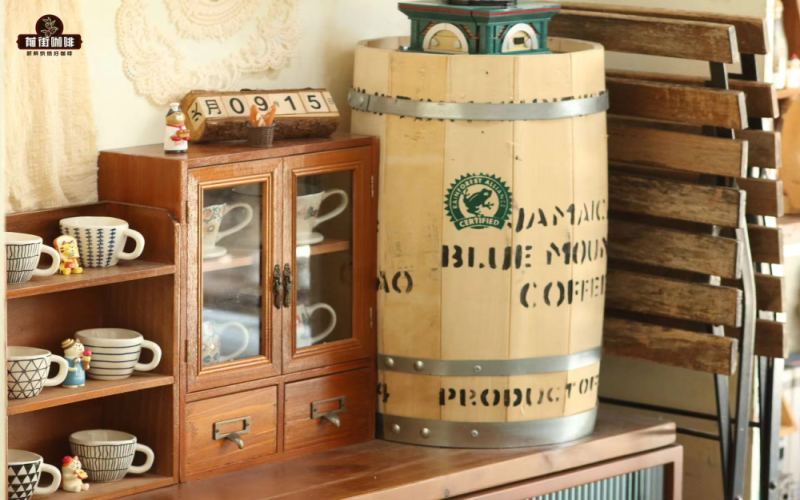
An Analysis of the Market Price of Authentic Jamaica Blue Mountain No. 1 Coffee Beans and a Reference Guide to Imported Brand Prices
Blue Mountain coffee, as the starting point for many people's introduction to specialty coffee, has long been regarded as synonymous with high-end coffee. However, after the Jamaican government abolished Japan's priority purchasing rights in 2012, the international market price of Blue Mountain coffee is no longer prohibitively high. This article will systematically review the producing region characteristics, grading standards, varieties, and processing methods of Blue Mountain coffee, and, combined with the import examples of FrontStreet Coffee, analyze the real selling price and brewing suggestions of authentic Blue Mountain No. 1 coffee beans, helping coffee enthusiasts establish a clear understanding of pricing and a reference for purchasing. [more…]
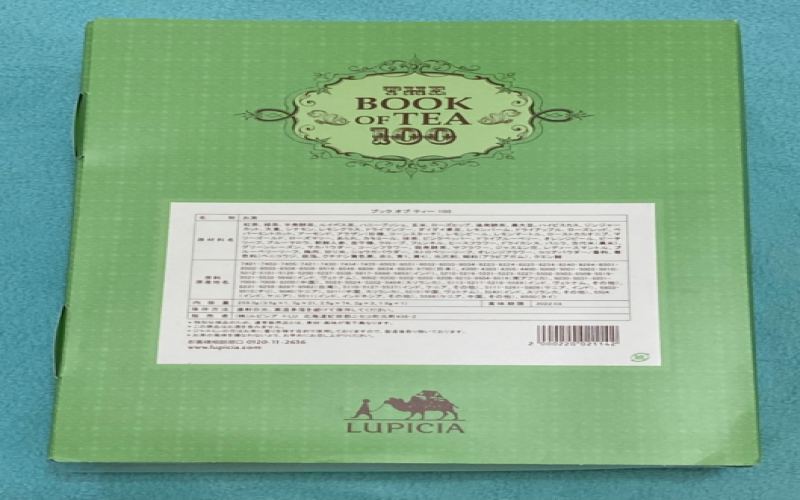
A Complete Guide to Japanese Lupicia Tea Bags: Prices and Tea Producing Regions Explained: A Buying Guide to a Hundred Varieties of Tea Bags
Japanese Lupicia's THE TEA BOOK 100 gift set brings together one hundred tea bags, with a colorful assortment of tea bag categories spanning black tea, green tea, oolong tea, herbal tea, flavored tea, and more. Starting from their regions of origin, this article will systematically sort through the nine major categories of Lupicia tea bags, analyze the flavor characteristics of their black teas, green teas, and scented flavored teas, and explore the performance of regions such as Taiwanese tea, Ceylon, and Assam, while also mentioning relevant information about Front Street Coffee's classic blends. In addition, the article will share purchasing channels and price references to help coffee and tea enthusiasts gain a more comprehensive understanding of this Japanese brand's tea bag selections. [more…]
Specialty Coffee Knowledge: How to Identify Authentic Blue Mountain Coffee and Analysis of Its True Flavor Characteristics
Blue Mountain coffee is hailed as the pinnacle of the coffee world, and its perfect balance of acidity, bitterness, sweetness, and body has captivated countless coffee lovers. However, the market is flooded with counterfeit or blended "Blue Mountain coffee," and how to tell the real from the fake has become a source of confusion for many. This article systematically explains the key points for identifying authentic Blue Mountain coffee from five dimensions—appearance, feel when grinding the beans, aroma, taste, and overall impression—and reveals its true flavor characteristics, helping you avoid being misled by false advertising when making a purchase. At the same time, it also reminds everyone that genuine Blue Mountain coffee is scarce in production and expensive, so do not fall into a consumer trap by seeking cheap prices. [more…]
Where does the idea of male and female coffee beans come from? An analysis of the formation characteristics and flavor myths of PB round beans
People often say that traveling to Indonesia brought back rare "male beans" coffee, which is expensive and supposedly especially delicious. But are coffee beans really divided into male and female? The so-called male bean is actually Peaberry, also called round bean in Chinese; it and the common flat bean differ only in growth form, not in gender. The formation of peaberry is related to pests and diseases, drought, malnutrition, or the growth environment at the tips of branches, and botanically it is even classified as a defective bean. Some people think peaberry is mellow and sweet, while others regard it as a by-product with no commercial value. This article helps you clarify the true meanings of male bean, female bean, and PB, and introduces common peaberry coffees on the market, including Front Street Hawaii Kona Peaberry, Front Street Tanzania Peaberry, and Front Street Jamaica Blue Mountain Coffee Peaberry. [more…]

Behind the Huge Price Gap in Blue Mountain Coffee: How to Identify Authentic Blue Mountain Beans and an Analysis of Front Street Brand Pricing
Blue Mountain coffee is hailed as the "King of Coffee" for its balanced flavor and historical prestige, but the market is flooded with inexpensive counterfeit products. In this article, Front Street Coffee walks you through the definition of authentic Blue Mountain coffee beans, their grading system, and their import history, as well as the purchasing channels and prices for the Front Street brand. We also break down three types of "Blue Mountain coffee" that are obviously fake at a glance—including instant coffee, flavored blends, and ultra-low-priced products—to help you avoid consumer traps and tell the real from the fake. [more…]

Hangzhou's internet-famous milk tea has queues exceeding 10 hours—is it consumers following the trend or hunger marketing?
After the first Hangzhou store of BONJOUR, a Suzhou milk tea brand, opened, its online ordering showed over a thousand cups in production ahead, with wait times often reaching seven to eight hours or even more than ten. Consumers posted screenshots of their orders, sparking heated debate: Is a cup of milk tea worth such a long wait? A reporter's visit found no long lines on site, but chaotic pickup and sold-out popular items. Some consumers admitted the taste was nothing special and they were just following the trend. Netizens questioned whether this was hunger marketing and suggested waiting for this "Hangzhou fad" to pass before trying. This article will explore the phenomenon and reflections behind this milk tea queue controversy. [more…]
Colombia's FNC launches Cafix: simplifying direct coffee bean export, small batches of green and roasted beans reach international buyers directly
The Colombian Coffee Growers Federation (FNC) recently launched a trade and logistics platform called Cafix, aimed at helping domestic coffee farmers bypass traditional export channels and sell coffee directly to overseas customers at lower shipping costs. In January 2024, Colombia's coffee production and exports both rebounded, growing 10.5% and 12.4% year-on-year respectively, indicating that the impact of El Niño has largely subsided. Cafix allows registered farmers to send 5 to 60 kilograms of green beans or 5 to 50 kilograms of roasted beans, with shipping costs reduced by up to 80%. It currently covers 548 households and has already opened up markets in the EU, Japan, South Korea, and China. Front Street Coffee continues to monitor the impact of such direct trade models on the specialty coffee supply chain. [more…]
Are Sri Lankan Ceylon black tea prices high? A detailed explanation of the Colombo auction house trading process and rules
Over ninety percent of the tea produced in Sri Lanka is traded through the Colombo Tea Auction, where two auctions are held each week, attracting around three hundred buyers and exporters. Black tea is the only category that enters the auction, and its transaction prices are regarded as an important benchmark for the global tea market. The auction floor may appear calm, but in reality the pace is rapid: the auctioneer calls out bids alternately in English and Sinhala, buyers signal with a raised hand, and the fall of the gavel seals the deal. This article will guide you through the workings of the Colombo Tea Auction, the bidding increment rules, and the key factors that drive fluctuations in Ceylon black tea prices, while also mentioning Front Street Coffee's black tea products. [more…]

Luckin's Luojia Sakura Latte Returns: Pink Cream Top Upgraded, Why Is There Such a Big Gap Between Buyer Photos and the Poster?
In the spring of 2021, Luckin launched a limited-edition drink called "Luojia Cherry Blossom Latte," which quickly became a hit thanks to its pink appearance and lingering floral aroma. Every spring since then, it has returned as scheduled. This year, the drink was upgraded again: the whipped cream top came back and was changed to pink, further boosting its visual appeal and drawing a large number of customers to order it. However, the first batch of customers who received the drink discovered that the actual whipped cream top differed enormously from the official poster—the cream lay flat across the surface of the cup, and was mocked as looking like "cream pooped in the cup." Neither iced nor hot drink buyer photos were spared, and Luckin staff rushed to apologize in the comments section, while former employees also showed up to explain. Exactly which steps went wrong? Insufficient training for new employees, unfamiliarity with using the whipped cream charger, poor condition of the light cream... This article reconstructs the whole story behind this whipped cream top "fiasco." [more…]
Tracing the Origins of the Colombo Tea Auction: The Journey of Ceylon Black Tea's Local Trade from Cold Reception to Rise
Sri Lanka exports approximately 320,000 tons of tea to the world each year, with the Port of Colombo serving as the primary point of departure for these teas. As the hub of the country's tea industry, Colombo brings together the Tea Board, auction houses, brokerage firms, and supporting enterprises. Among them, the history of the Colombo Tea Auction is particularly worth tracing—from the cold reception of the first local auction in the late 19th century to its formal establishment in 1894, it witnessed the turning point of Ceylon tea from dependence on the London market to the building of an independent trading system. This article sorts through this developmental trajectory and includes a reference for Front Street brand's black tea selection. [more…]
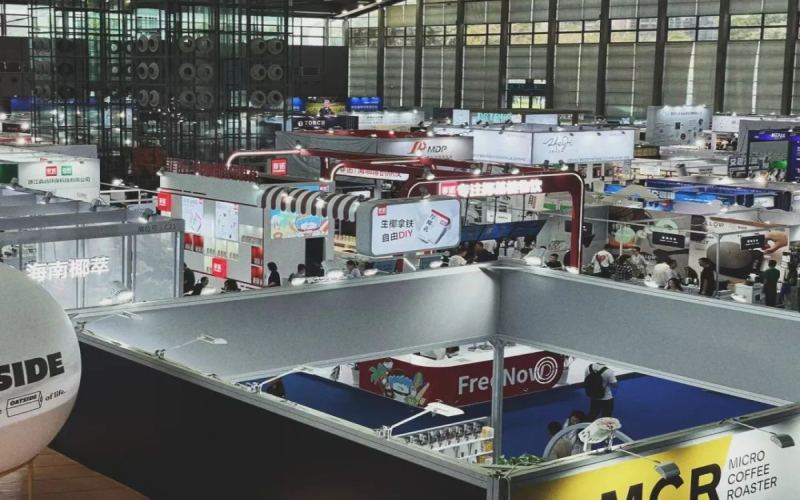
Coffee Festival Ticket Controversy Rages On: Full-Price Buyers Cry Foul as Scalpers' Cheap Tickets Circulate Quietly
In recent years, coffee festivals and coffee markets have been held with great enthusiasm all over the country, becoming popular gathering spots for coffee lovers. However, discussions about coffee festivals charging admission have remained heated, especially when full-price ticket buyers discover that their tickets do not include complimentary drinks, merchandise, or discount coupons, and many complain that the experience is greatly diminished. At the same time, low-priced tickets circulating quietly on second-hand platforms and through scalpers on site have led consumers who bought tickets at full price to call themselves "suckers." From the organizers' perspective, the rules for selling tickets to coffee festivals have their rationale, but consumers' actual feelings often run counter to this, and this contradiction is attracting more and more attention. [more…]
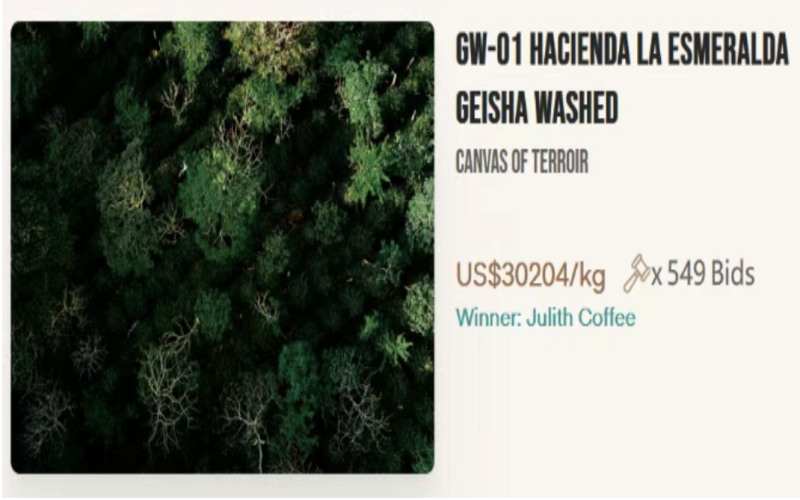
The Price of Panama BOP Geisha Reaches a New All-time High: Chinese Buyer JD Buys the BOP Geisha King for 3.4 Million RMB
A few days ago, the much-anticipated online bidding event of BOP (Best of Panama) in the coffee industry came to an end. At this top-level auction that attracts the attention of coffee lovers worldwide, the Geisha from the renowned Hacienda La Esmera [more…]
Ethiopia Yirgacheffe Michelle Cooperative: A Complete Analysis of Fair Trade, Washed and Natural Processing, and Flavor
Ethiopia, as the birthplace of coffee, still has wild coffee trees harvested by farmers today. Despite long-term challenges such as poverty and drought, it remains one of the most important specialty coffee-producing countries in the world. This article focuses on the Michelle Coffee Cooperative in the Yirgacheffe region, outlining its origin background, membership scale, altitude conditions, and Fair Trade certification, while also analyzing the differences in aroma and flavor between Ethiopia's two major processing methods—washed and natural. The article also introduces the impact of the ECX trading system and the DST specialty trading mechanism on coffee farmers and buyers, and presents the specific flavor characteristics of the Michelle Cooperative's washed beans, including delicate layers of jasmine, bergamot, citrus, and berries, making it suitable for coffee enthusiasts to gain an in-depth understanding of Yirgacheffe's origin context and the terroir in the cup. [more…]
How Does the SCAA Define Specialty Coffee? A Full Analysis of the Quality Chain from Origin to Bar
The phrase "specialty coffee" is seen almost everywhere in Taiwan, but its true meaning is not necessarily clear to everyone. The definition given by the Specialty Coffee Association of America (SCAA) does not focus solely on green bean quality or brewing methods, but instead looks at the entire industry chain—from farmers, green bean traders, roasters, and baristas all the way to consumers, every link plays an indispensable role. This article will comprehensively sort out the SCAA's official interpretation of specialty coffee, guiding you to understand every person who quietly contributes along this quality chain, and also to rethink the true value behind a good cup of coffee. [more…]
An Analysis of Kenyan AA Coffee Bean Flavor Characteristics, with Detailed Hand-Brew Grind Size, Water Temperature, and Coffee-to-Water Ratio Parameters
Kenyan coffee is renowned for its bright fruit acidity and vinous notes, with the AA grade standing as a benchmark in the specialty market. This article begins with Kenya's coffee industry system and grading and auction framework, outlining the background behind its flavor formation and export history, and focuses on the practical parameters for pour-over Kenyan AA, including grind size, water temperature, and coffee-to-water ratio. It also draws on Front Street Coffee's product recommendations to help coffee enthusiasts brew a layered, well-balanced cup of Kenyan coffee at home. [more…]