







Search Results for: loose
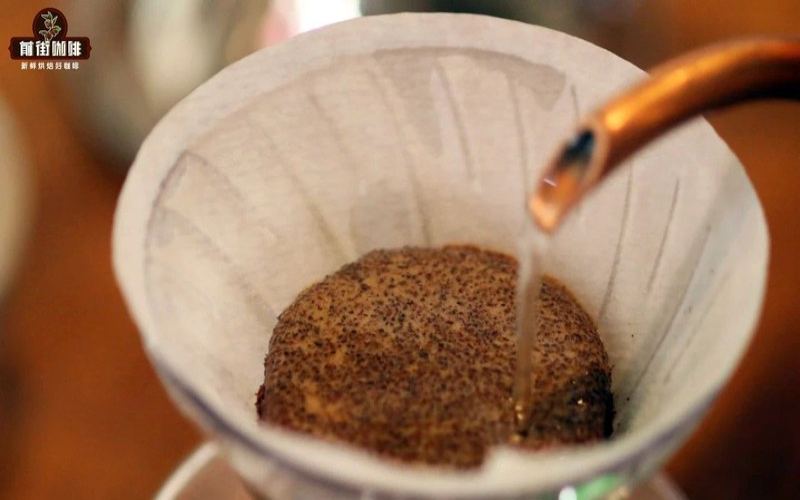
The Flavor Window and Brewing Rhythm of Medium-Roast Coffee Beans: From Degassing to Opening and Storage
Freshly roasted coffee beans are rich in carbon dioxide internally. Under the heat of a medium roast, a loose, porous structure forms, and these gases are gradually released over the following days. If you grind and brew the beans immediately after getting them, the vigorous bubbling of gas will hinder full contact between the water and the coffee grounds, leading to uneven extraction. [more…]
Bialetti Moka Pot: Bean Resting Time and Flavor Changes
Coffee brewed with a Bialetti moka pot is not only concentrated but also amplifies the bean's roasted aroma and sweetness. When choosing beans, besides looking at the flavor description, also pay attention to the roast date and the pace at which you open the bag. The same bean may taste sharp and thin right after roasting, but after resting for a few days and then brewing, the sweetness and smoothness in the cup often become more pronounced. [more…]
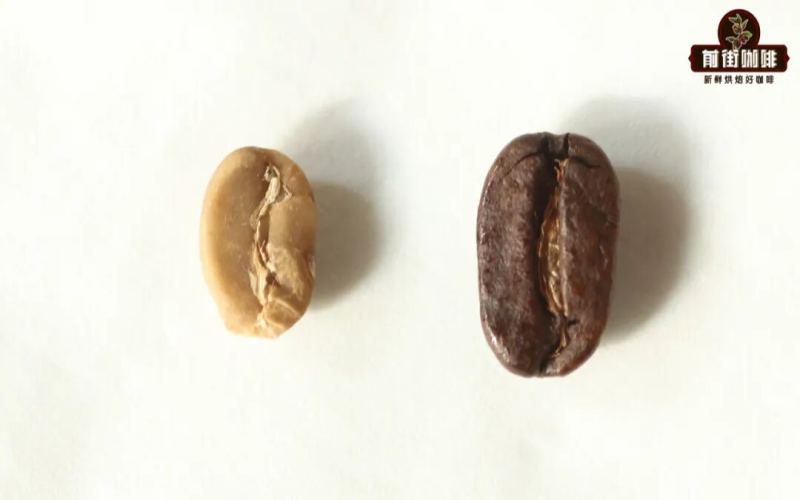
Coffee Bean Oil Release | What factors cause roasted coffee beans to become oily? Does coffee bean oil release mean poor coffee quality?
If you often buy beans and brew them at home, you've probably noticed that some coffee beans start to show oil on their surface after sitting for a while. Other beans, no matter how long they're stored, still look dry on the surface. This leads to a rather interesting phenomenon: some people believe that coffee beans [more…]
After the roast date, when do blends and SOEs taste better?
Coffee beans aren't necessarily more fragrant the closer they are to the roaster. Freshly roasted beans continue to release carbon dioxide, making it harder for water to evenly penetrate the coffee bed during brewing, and the aroma may also seem loose and scattered. Whether a blend or an SOE tastes better often depends on whether they've reached their optimal drinking window, and whether a bag of beans can be finished in time after the flavors have opened up. [more…]
Espresso blend flavor calendar: when to start drinking after roasting
In the first few days after an espresso blend is roasted, the beans are still releasing carbon dioxide. If you pull a shot during this time, the puck is easily disturbed by the gas; the crema may look thick and rich, but the sip can taste loose and the aroma isn't fully focused. Planning together around the roast date, the expected opening date, and daily usage is often better than simply chasing freshly roasted beans [more…]
Master the flavor window of light-roast pour-over: understanding the degassing cycle and sealed storage to make aroma last longer
After light-roasted coffee beans leave the roaster, subtle gas exchange continues inside them. The large amount of carbon dioxide accumulated during roasting slowly escapes through the loose fibrous structure, and this natural release process directly affects the penetration efficiency of hot water molecules. Understanding the breathing rhythm of coffee beans can help me [more…]

From Roast Date to Sealed Bag: The Flavor Rhythm of Commercial Coffee Beans
Coffee beans are not more aromatic the closer they are to the roast date. Freshly roasted beans contain more carbon dioxide, which can cause uneven water penetration in the puck when pulling espresso; the crema may look thick and rich, but the sip feels loose and disconnected. After resting for a period, the gas is slowly released, and notes of nuts, cocoa, or caramel only then become coherent. When selecting commercial beans, take the roast date into account [more…]
On which day after roasting do latte beans taste best?
After coffee beans are roasted, the aroma does not reach its ideal state on the same day. The beans are still releasing carbon dioxide, and if they are used to extract espresso too early, the puck is easily disturbed by gas, the flow rate is not stable enough, and the fruity notes and caramel sweetness beneath the milk foam may also seem loose. When making a latte, judging freshness cannot rely only on how recent the date is, [more…]
When to Open a Bag of Espresso Beans: The Flavor Clock of Dark and Medium-Dark Roasts
When coffee beans have just left the roaster, their aroma is very lively, yet they are not necessarily ready for espresso right away. The carbon dioxide that continues to be released inside the beans disturbs the water flow, causing the shot to run unevenly, the crema to be coarse and loose, and the acidity and sweetness to struggle to come together. When choosing between a dark roast and a medium-dark roast, it helps to connect the roast date, the opening date, and the date you expect to finish the bag into a single [more…]

Dark Roast Coffee Pour-Over Tutorial | Why Are Japanese Dark Roast Coffee Beans Bitter? How to Brew Out the Sweetness of Deep-Roasted PWN Golden Mandheling?
If you were born before the millennium, your first impression of black coffee was probably a uniform bitterness—the only non-bitter coffee being Nescafé 2-in-1. This uniformly bitter coffee was actually caused by the dark-roasted coffee beans popular in the last century. Unlike today's favored light [more…]
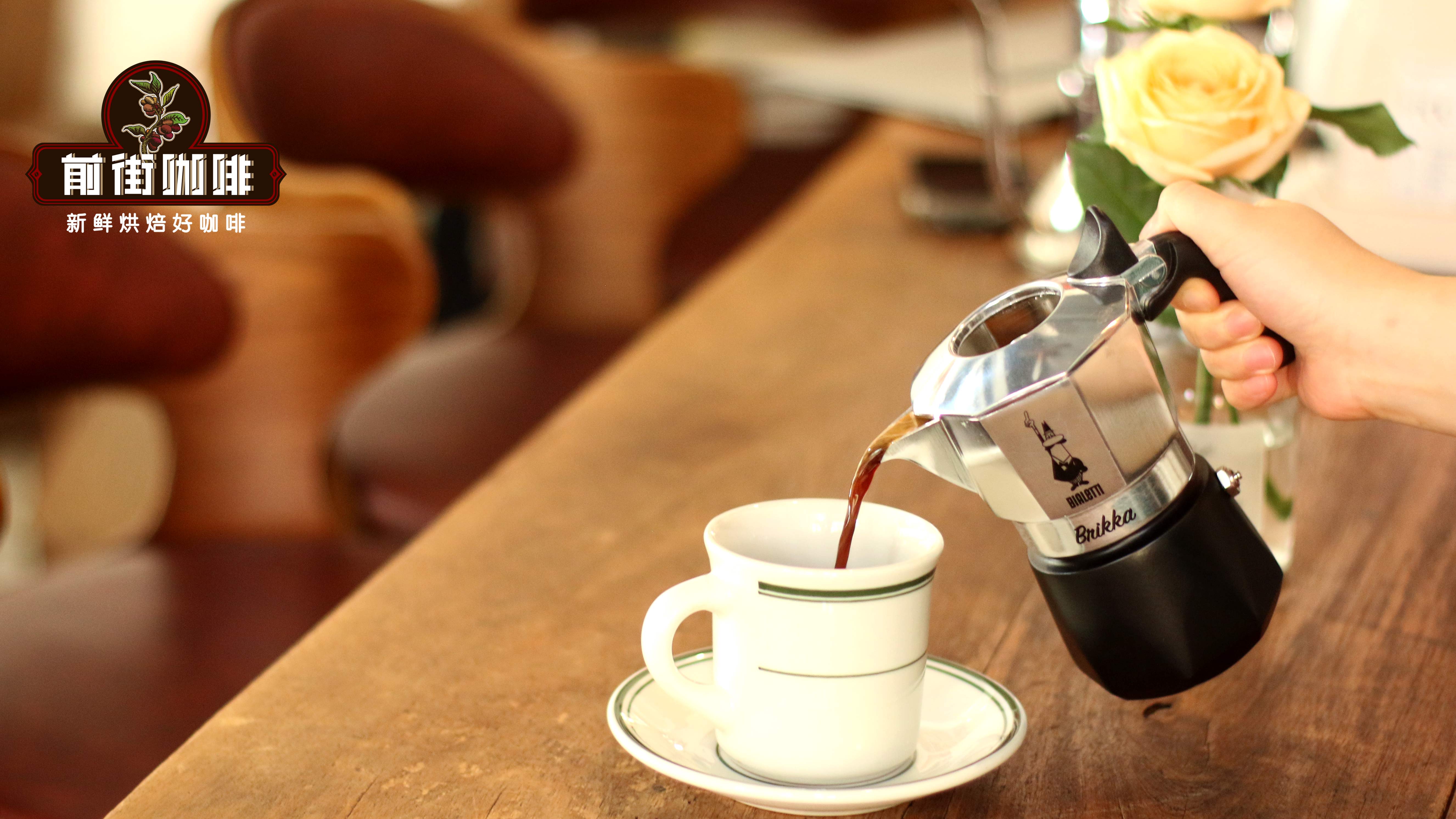
Moka pot coffee brewing parameters | How to brew moka pot coffee to get crema? What coffee beans and what grind size of coffee grounds should be used for a moka pot?
For more specialty coffee knowledge, please follow our WeChat official account: Front Street Coffee. The moka pot is probably the simplest and cheapest device for making strong coffee. For those who enjoy espresso but aren't ready to dive into semi-automatic espresso machines, the moka pot is a great option. [more…]
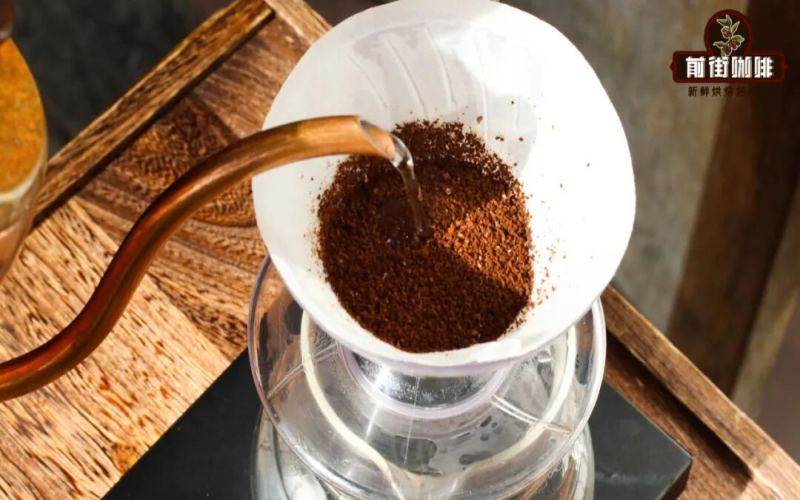
Anaerobic Coffee Pour-Over Tutorial | What Are the Characteristics of Anaerobic Coffee Beans? What Adjustments Are Needed When Using Anaerobic Beans for Pour-Over? How to Brew Anaerobic Coffee with a Juicy Mouthfeel?
Compared to other conventional processing methods, anaerobically processed coffee beans usually have a more intense and more distinctive flavor (for the most part), because their fermentation tends to go a bit deeper. For example, the Front Street 90+ Eleta on the Front Street Coffee menu has obvious notes of longan, spice, and citrus. [more…]
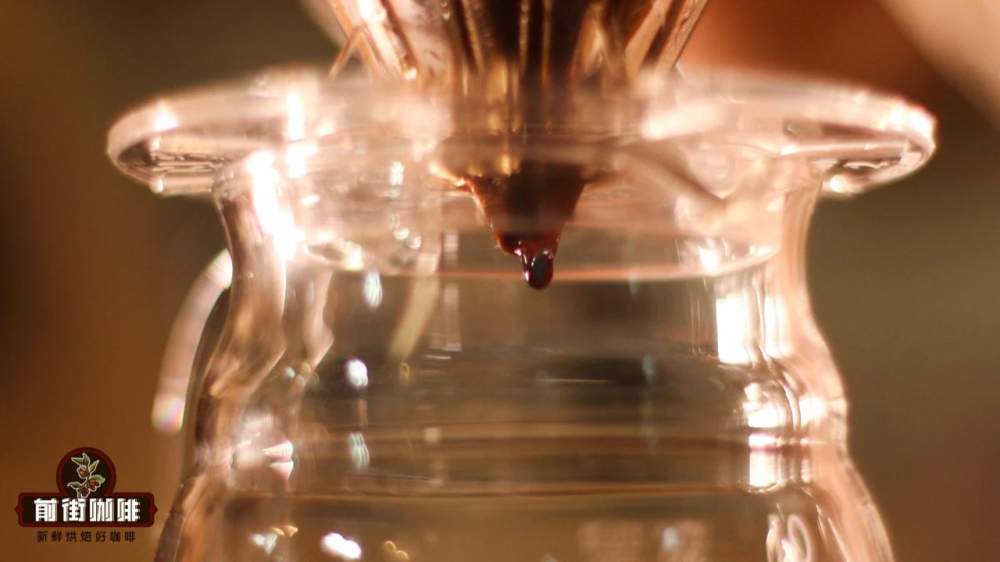
Pour Over Coffee Flavor | What Does High Concentration, Low Extraction Mean in Pour Over Coffee? Which Coffee Beans Are Suitable for High-Concentration, Low-Extraction Brewing?
Here it comes, here it comes. Today Front Street is going to share with you a brewing approach—high concentration, low extraction. This brewing method can minimize the bitterness of the coffee to the greatest extent, bringing the coffee to a nice flavor performance. What is high concentration, low extraction? Front Street will give a brief introduction here; it all still has to start from this "Golden Cup extraction [more…]
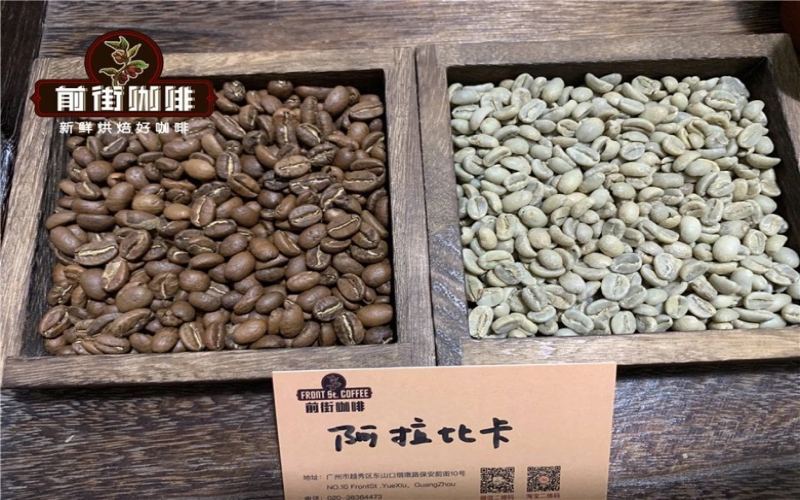
The Density and Hardness of Coffee Beans: Hidden Factors That Affect Flavor
When choosing coffee, besides origin, processing method, and roast level, there is another rarely mentioned yet profoundly influential indicator: the density and hardness of the green beans. It hides behind roasting and flavor performance, yet it is a key to understanding why this bag of beans is more resistant to roasting and more resistant to extraction. Where do density and hardness come from? The density and hardness of green coffee beans mainly [more…]
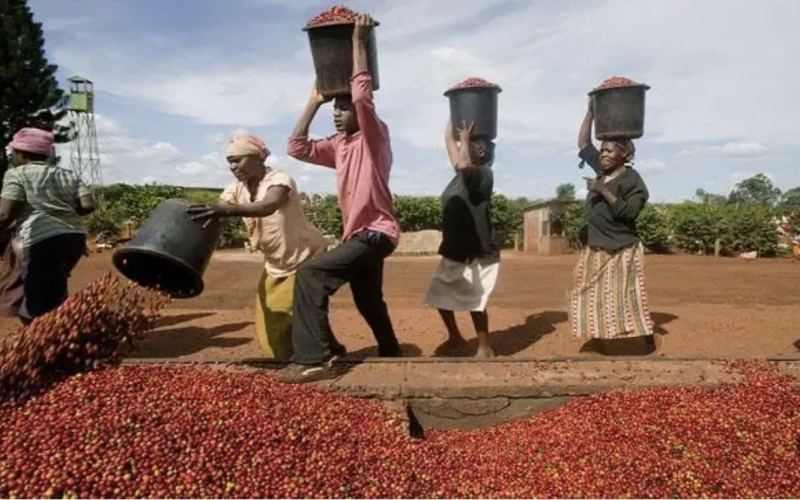
Jamaica encountered severe weather, resulting in a reduction of coffee production by about 25%
Jamaica encountered severe weather, resulting in a reduction of coffee production by about 25%. The Jamaican government plans to provide financial support. Jamaican Blue Mountain coffee is renowned as the best of coffee. During the heyday of Blue Mou [more…]
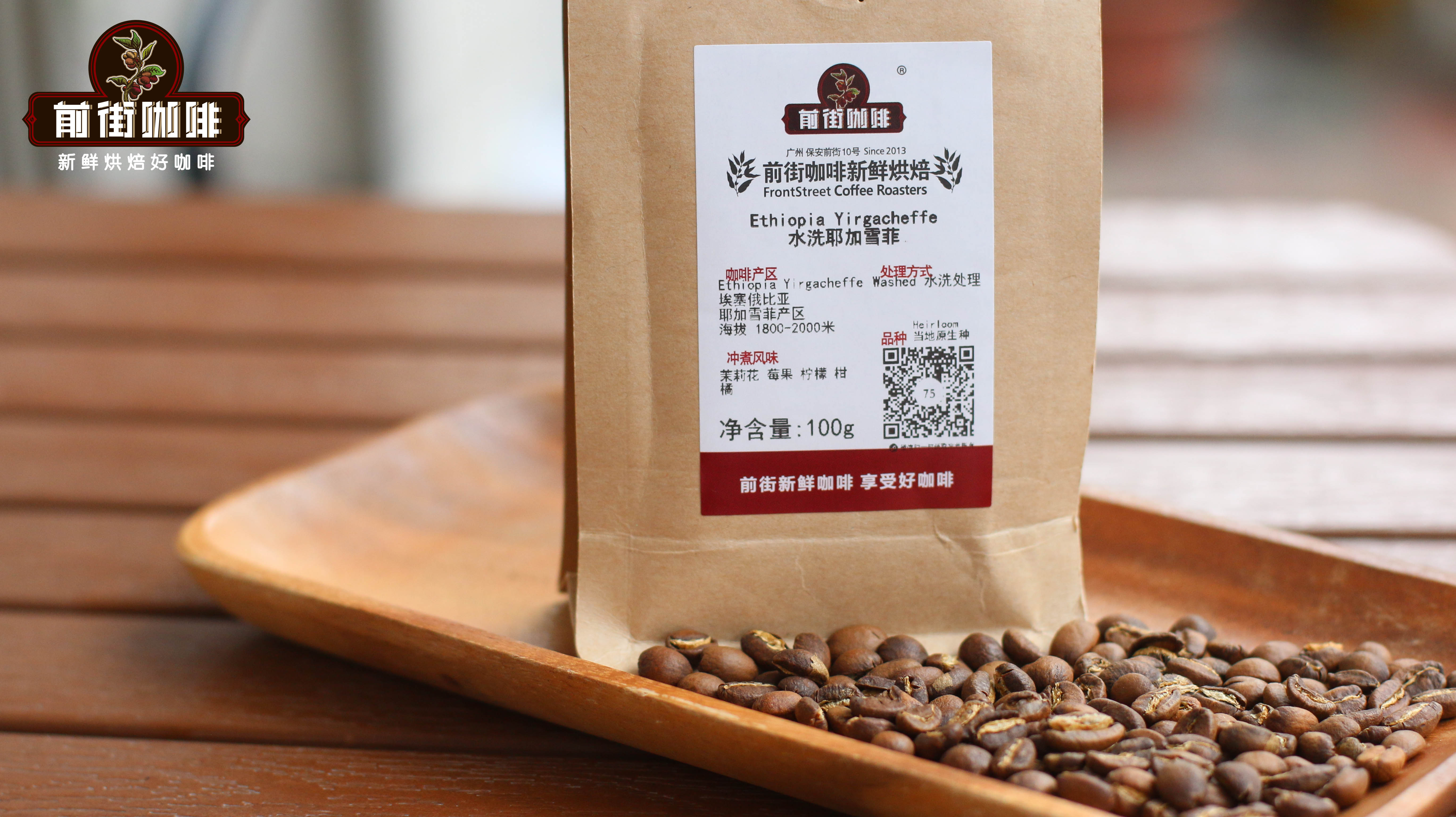
Yirgacheffe SOE Recommendation | Can Yirgacheffe Pour-Over Single-Origin Beans Be Used to Make Espresso? How to Adjust Extraction Parameters for Yirgacheffe Espresso?
Perhaps many people know that light-roasted Yirgacheffe has a unique lemony, floral, and honey-like sweetness, with soft fruit acidity and citrus notes, and a fresh, bright taste. As more and more people fall in love with specialty coffee, they begin to use more single-origin coffee beans to make espresso, including one with a particularly distinctive style. [more…]

Whether the crema is thick or not also depends on freshness: this is how to manage the resting period for espresso beans
Many people focus on roast level and bean variety when choosing coffee, yet overlook the true fuel for crema: carbon dioxide. All the bubbles in crema come from gases accumulated inside the beans during roasting. After the beans leave the roaster, they continue degassing every day, and the remaining gas determines the thickness of the crema. In other words, even the best dark-roasted beans [more…]
Nutty-Flavored Americano Coffee Beans Recommendation | How to Make a Delicious Americano at Home? 3 Key Steps for Beginners to Make Café-Style Black Coffee!
American coffee has attracted many office workers because it lets you enjoy the coffee aroma brought by espresso—refreshing and mellow, without being masked by milk. But in fact, if we have a home coffee machine at home, we can easily make the same American coffee as in a coffee shop, though there are a few details to pay attention to. 1. Purchasing [more…]
Dark roast beans from roast to cup: drinking at the right time matters more
When dark-roasted beans first leave the roaster, the aroma is often striking, yet the cup may carry a noticeable swelling sensation, and the water flow is not easy to keep stable. The roast date is more useful as a reference than vague descriptions like "freshly roasted." When choosing, confirm the date first, then plan your drinking schedule based on the equipment you intend to use. After roasting, coffee beans will continue [more…]

Coffee Bean Resting | How Long Is the Shelf Life of Freshly Roasted Coffee Beans? How Many Days Should Single-Origin Beans Rest for Pour-Over? How Soon After Roasting Can You Drink Coffee Beans?
In the past, when buying food, we would always check the production date and then look at the expiration date, because it is common sense to avoid eating food that has passed its expiration date. But when it comes to coffee beans, the production date refers to the roast date, that is, the point when the green coffee beans are roasted. However, when we pay attention to this roast date, [more…]