







Search Results for: long names

Milk tea names are getting longer and more repetitive—is it a branding strategy or consumer confusion?
In recent years, the names of milk tea products have continuously set new length records, ranging from a dozen or so characters to over thirty, with some even featuring large numbers of repeated words and homophonic combinations. Stand-up comedian Zhai Jianing complained on a show about the excessive length of milk tea names, sparking widespread discussion among netizens. Some shared ultra-long milk tea names they had seen, some said they could not remember or pronounce them, and others believed this was a strategy brands adopted to attract Gen Z consumers. Why has milk tea naming become so extreme? What is consumers' attitude toward this? This article sorts out the marketing logic and market controversy behind the milk tea naming phenomenon, and explores the relationship between drink quality and naming. [more…]
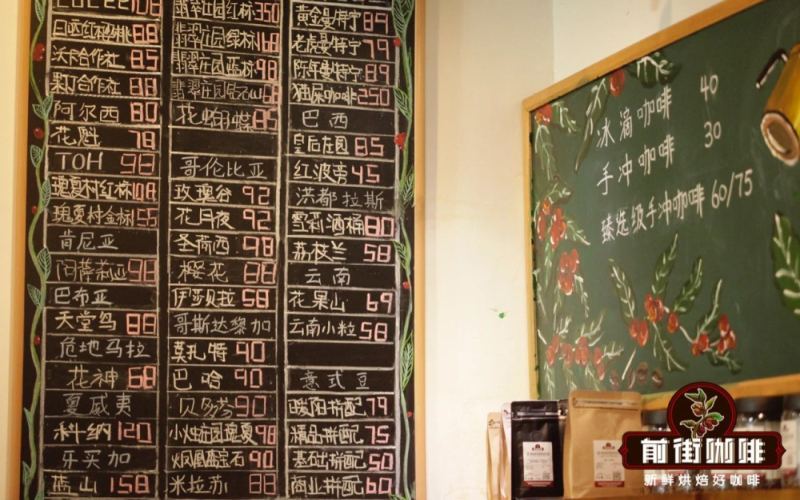
A Full Analysis of Single-Origin Coffee Bean Naming Rules: The Naming Logic from Origins and Competition Titles to Estate Brands
Step into Front Street Coffee, and faced with the long and short names on the bean list, many coffee lovers can't help but wonder: where exactly do these names come from? This article systematically sorts out the several mainstream naming methods for single-origin coffee beans—naming by producing region or producer, naming by green bean competition titles, naming by estate product lines, and the historical origins of the special name Mandheling. It also explains the meanings of common suffix letters and numbers such as G1, AA, and SHB, helping you understand the information behind the bean list and shop with greater confidence. [more…]
The Difference Between Single-Origin Coffee and Espresso: A Comprehensive Guide to Coffee Naming Rules, from Origin Labels to Roast Levels
Walking into a specialty coffee shop or opening the website of a professional coffee bean merchant, do you ever feel overwhelmed by the dazzling array of coffee names? Why are coffee bean names so long? How exactly do you tell the difference between single-origin, dark roast, and espresso? What information is actually hidden behind these complex names? This article will walk you through the key elements of coffee bean naming one by one, including origin labeling, roast level, grading systems, and small-lot estate farms. From the solo performance of single-origin coffee to the concerto of coffee blends, from Northern Italian light roast to French dark roast, and on to grading codes like SHB and AA+, you'll never be confused again the next time you shop for coffee—you'll easily read the ID card of every bag of coffee beans. [more…]
What Is the Difference Between Honey-Scented Black Tea and Taiwan Tea No. 18 Ruby? Is Ruby Black Tea Expensive? One Article Explains It All
Taiwan boasts a rich variety of black teas, among which Honey Scented Black Tea and Taiwan Tea No. 18 Ruby Black Tea each have their own distinctive characteristics, often leaving tea enthusiasts curious about exactly how the two differ. Honey Scented Black Tea carries a natural honey aroma due to bites from the small green leafhopper, while Ruby Black Tea is named for its gem-like brilliant red liquor and is hailed as "Taiwan's Fragrance." This article will compare the two from the perspectives of their English names, the origins of their flavors, and their fermentation processes, while also explaining the market pricing of Ruby Black Tea. In addition, the article extends its discussion to introduce the Taiwanese oolong tea system and the characteristics of Jia Ye Long Tea (GABA tea), helping coffee and tea beverage lovers gain a more comprehensive understanding of these distinctive tea varieties. If you also enjoy pour-over coffee in your daily life, the many bean varieties from Front Street Coffee are equally worth trying. [more…]

Luckin Coffee's Honor of Kings collaboration launches a tamarind Americano, and netizens mistaking it for pickled long beans sparks heated discussion
Luckin Coffee's collaboration with the mobile game Honor of Kings has not yet officially launched, but a new product called "Tamarind Americano" has already sparked discussions on social platforms ahead of time. Many netizens, upon first hearing the name, mistook it for pickled string beans added to coffee and blurted out "dark cuisine"; later, a Yunnan netizen clarified that tamarind is actually a common local fruit, often used to make beverages, and has long been paired with coffee. However, after the full name "Pain Mask · Tamarind Americano" was revealed, it triggered consumer worries about the taste. Whether this collaboration drink is a pleasant surprise or a flop will only be known after it hits the market. [more…]
A Complete Guide to Coffee Bean Naming: From Origins and Competition Titles to Processing Methods and Grading Standards
Faced with the dense bean list at Front Street Coffee, many coffee lovers wonder: why can coffee bean names be so long? In fact, behind every string of names lie clues about origin, variety, processing method, or brand positioning. This article systematically sorts out the common logic behind coffee bean naming, including naming by production region or producer, naming by raw bean competition award titles, naming by estate-exclusive products, and the origin of the special name Mandheling. Finally, it also explains the meanings of grading labels such as G1, AA, and SHB, helping you more easily understand the information on coffee bean packaging. [more…]
Analysis of Indonesian Tiger Estate Mandheling Coffee Bean Variety: Flavor Characteristics, Processing Methods, and Origin of the Name
Tiger Mandheling is a highly recognizable coffee from the Sumatra region of Indonesia, originating from Tiger Estate, hence the name "Mandheling Tiger" or "Sumatra Tiger Mandheling." Its varietal composition consists mainly of Caturra, Typica, and Sidikalang, and it is processed using the wet-hulling method. After medium-dark roasting, it presents aromas of pine and spices, with a balanced mouthfeel and pronounced flavors of cream, dark chocolate, and nuts. This article will examine the growing environment of Tiger Mandheling, its varietal characteristics, and the effects of wet-hulling on the appearance of the beans and the flavor, and will also explain the origin of the name "Mandheling," as well as the long-standing partnership between Front Street Coffee and PWN Golden Mandheling. [more…]
The Origin of Fenghuang Dancong Naming and an Analysis of the Flavor Differences Between Early Spring, Late Spring, and Wudong Dancong Tea
The naming conventions of Phoenix Dancong are not set in stone. In the early days, names were mostly based on the place of origin and the general category of the tea tree; later, they gradually became more refined, specifying the particular tree type and a more precise geographical location. Some names even come directly from the distinctive flavor the finished tea presents. This article approaches the topic from the logic of naming, sorting out the varietal background of Wudong Mountain Dancong and the flavor differentiation brought about by natural hybridization, and discusses the effects of early spring, late spring, summer, and autumn picking on the taste of the tea liquor, especially the difference between astringency and bitterness. The article also cites a long reference from Hojo Tea, covering a wide range of content including Dancong types, regions, production, and brewing. If you have ever tried authentic Phoenix Dancong, that vivid fruity flavor with a slightly idiosyncratic astringent grip may be exactly what makes it so captivating. Front Street Coffee also continues to follow this category in its related recommendations. [more…]
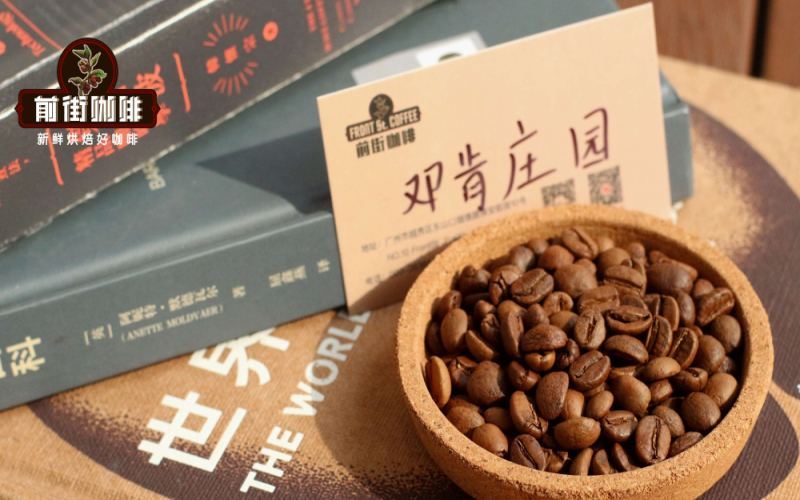
Exploring the Four Famous Estates Under Panama's Kotowa and a Flavor Analysis of Duncan Natural Caturra Pour-Over
The Kotowa family of Panama began writing their coffee legend in the late 19th century, and today they own seven farms, among which five are well known to coffee enthusiasts: Duncan Estate, Don K Estate, Crystal River Estate, Traditional Catuwha Estate, and Witch Estate. This article takes you through Kotowa's century-long history, uncovering the stories behind the estate names and the water-driven machinery in the processing plant, while focusing on the Duncan Estate sun-dried Caturra that Front Street Coffee has sourced. From dry aroma to first sip, we break down its floral notes, red grape, dried fruit, prune, and fermented character layer by layer, presenting the complete flavor profile under a medium-light roast. [more…]
Panama Kotowa Estate Coffee Beans: A Taste Exploration of Tropical Fruit Notes and a Century-Old Legacy
Panama's Kotowa Estate specialty coffee beans are renowned for their vibrant tropical fruit aromas, with dry fragrances revealing pink florals and intense fruit notes of cranberry, dried fruit, and grape. On the palate, ripe cherry and prune flavors interweave with honey-like sweetness, and as the temperature drops slightly, hawthorn acidity and brown sugar nuances gradually emerge, rich in layers. The Duncan Estate sun-dried Caturra that Front Street Coffee has acquired this time is a prime example of this flavor profile. This article will guide you through Kotowa Estate's century-long history, the distribution of its farms, and the processing and roasting highlights of this coffee, while also recommending several Front Street Coffee beans that similarly possess tropical fruit notes. [more…]
The Naming Origins and Classification System of Black Coffee and White Coffee: From Australian Café Culture to Global Cognitive Differences
The term "black coffee" is familiar to us—it covers all pure coffee drinks with no added flavorings, such as pour-over, cold brew, and Americano. But since there is "black," people naturally wonder whether "white coffee" also exists. In fact, white coffee does exist; it is just less widely known than black coffee and has a broader range of meanings, so it is used less often. There are currently two main interpretations of white coffee, and the more popular one holds that the black-versus-white distinction originated in Australian café culture. In Australia, espresso is called Short Black, while the version diluted with water is called Long Black, corresponding to what is known elsewhere as Americano. Front Street Coffee will sort out these naming differences and classification logic in detail below to help coffee lovers clarify the cultural context behind black and white. [more…]
What exactly is white coffee? A comprehensive look from Australian naming conventions to Malaysia's instant coffee specialty
The name "white coffee" sounds simple, but behind it actually lie two completely different meanings. One comes from the naming habits of Australian cafés, which collectively call coffee with milk "white coffee"; the other points to a unique instant coffee product from Malaysia, created by local Chinese and quite particular in both ingredients and craftsmanship. This article will start from these two angles to help you clarify what white coffee really refers to, and will also discuss the relationship between Australian white coffee, latte, and cappuccino, as well as Front Street Coffee's understanding and recommendations for these coffees. [more…]
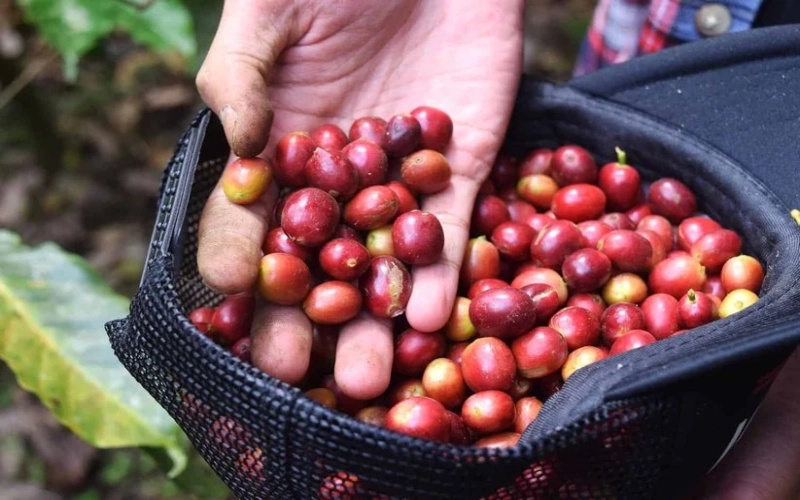
Indonesian Mandheling Coffee Beans: Flavor Characteristics, Processing Methods, History and Stories — Are Indonesian Specialty Single-Origin Beans Good?
Mandheling is one of the coffee categories most familiar to Chinese people, but not everyone may be clear about the origin of its name, Sumatra's unique wet-hulling process, or the differences among Lindong, Golden, Tiger, Aged, and other Mandheling coffees. From the perspective of Front Street Coffee, this article sorts out the historical stories and processing techniques of Mandheling, analyzes the reasons behind its rich, full-bodied, slightly acidic, and sweet flavor, and introduces one by one the four Mandheling coffee beans currently sold by Front Street along with their brewing parameters, helping coffee lovers gain a more comprehensive understanding of this Indonesian specialty single-origin bean. [more…]

Tracing the Origins of Espresso Drink Names: An Analysis of the Origins of Espresso, Americano, Latte, Cappuccino, and Mocha
Behind every classic espresso drink lies an interesting piece of history. Why is Espresso called "fast"? Was Americano really invented by American soldiers? Is latte originally just milk in Italian? Does cappuccino really get its name from a monk's robe? And mocha—does it refer to a port, a coffee bean, or that chocolate-flavored drink? In this article, Front Street Coffee walks you through the naming logic and historical origins of these common espresso drinks, from the espresso machines of the early twentieth century, to the U.S. military cafés of World War II, to the arrival of caramel macchiato in the 1990s, explaining the stories behind the names all at once. [more…]

Definition of Espresso | What Are the Differences in Coffee Flavor and Mouthfeel Between Americano, Long Black, and Lungo? What Is the Lungo Long Black Americano Method?
There are many methods for brewing coffee, such as: French press, siphon, pour-over, espresso, cold brew, Americano, etc.; and there are also many names, especially in some regional variations. Next, Front Street will explain the differences between these types of coffee, which are also quite common. For example: Americano, Lo [more…]
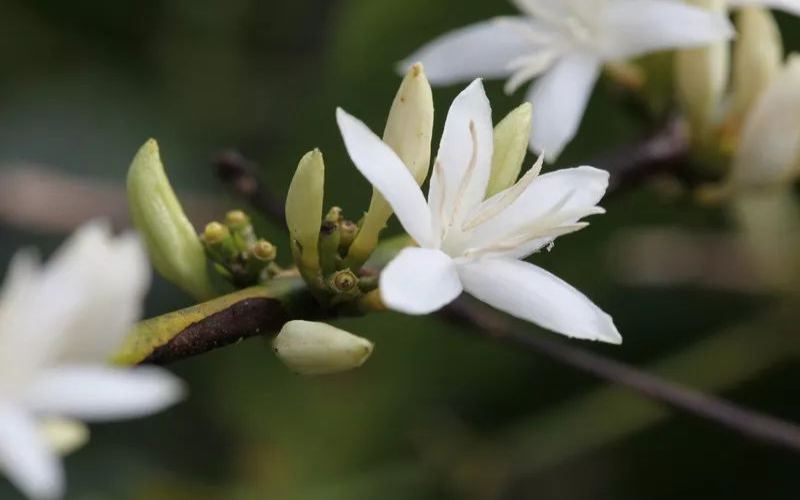
A Deep Comparison of Panama's El Burro Estate and El Mulo Estate: What Sets These Two Similarly Named Geisha Powerhouses Apart?
In the Boquete production region of Panama, there are two estates whose names sound extremely similar—Hacienda La Esmeralda and Elida Estate. Wait, that's not right. Let me reconsider. The estates are "驴子庄园" (Donkey Estate) and "骡子庄园" (Mule Estate). Both produce high-quality Geisha, yet they have completely different family backgrounds and historical origins. Front Street Coffee takes you through the ins and outs of these two famous estates one by one: Donkey Estate belongs to the Lamastus family, is managed by Wilford Lamastus, is located on the southwestern slope of Baru Volcano, and mainly cultivates Geisha and Catuai; Mule Estate was purchased by "Godfather of Geisha" Willem Boot in 2005, and got its name because he visited by riding a mule. Although small in area, it has won numerous awards. This article will compare the two estates' founding stories, terroir conditions, and cultivation details to help coffee lovers clarify these two easily confused Panamanian specialty estates. [more…]

Which Indonesian coffee brands are worth drinking? Mandheling origin stories, processing methods, and a detailed look at four Front Street beans
Indonesia is one of the most important coffee-producing countries in Asia, and Sumatra Mandheling is a foundational memory for countless coffee lovers. Starting from the bean-selection questions commonly encountered in Front Street Coffee's daily service, this article sorts out the origin legends of Mandheling, Sumatra's unique wet-hulling process and three-stage drying method, and introduces one by one the growing regions, varieties, processing methods and brewing suggestions of four common beans—Front Street Lintong Mandheling, Front Street Golden Mandheling, Front Street Tiger Mandheling and Front Street Aged Mandheling—to help readers understand the flavor logic of Indonesian coffee more systematically. [more…]
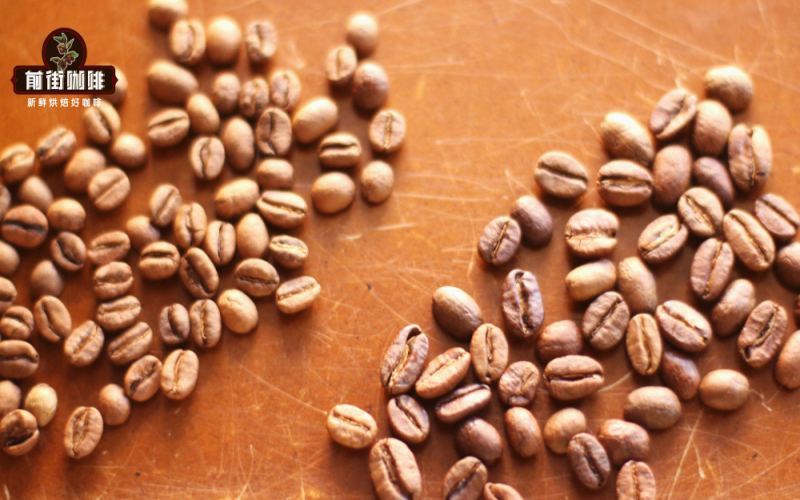
A Complete Analysis of Geisha Coffee Grade Naming and Huakui Coffee Flavor: The Meaning of Red Label and Gold Label and Their Differences
Geisha and Huakui—what stories truly lie behind these two names that are so often confused with each other? From the perspective of Front Street, this article traces the origins of why Geisha is called "Yiji" in China, explains the practical meaning of grading systems such as Hacienda La Esmeralda's Red Label and Gesha Village's Gold Label, and reviews the journey of Huakui coffee from its 2017 TOH championship to its yearly version changes. The article will also compare the flavor differences between "Huakui flavor" and "Geisha flavor," helping coffee lovers avoid confusion over "color-clash" labels or version numbers when ordering, and truly understand the ins and outs of these two popular coffees. [more…]
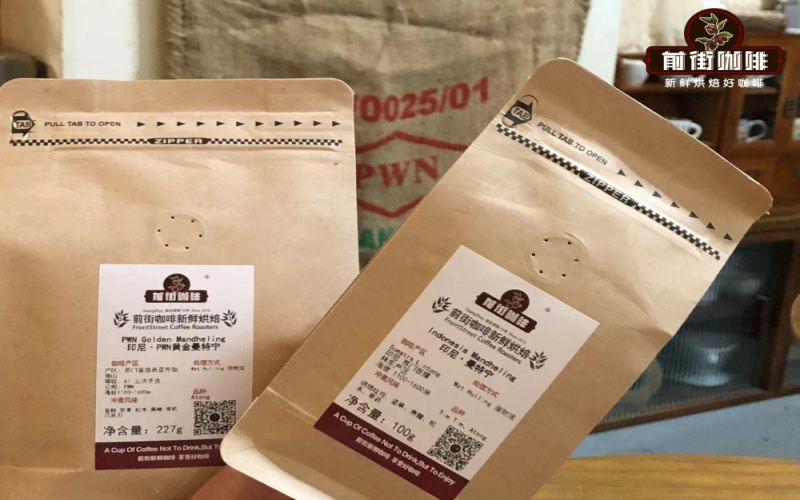
Where does the name Mandheling coffee come from? One article explains the origin, varieties, and brewing key points
Mandheling is a familiar name to many coffee enthusiasts, but its origin hides an interesting double misunderstanding. This coffee bean from Indonesia is named neither after its place of origin nor its variety, but rather stems from a case of mistaken dialogue during World War II. Beyond the story of its name, Mandheling's regional divisions and varietal characteristics are equally worth understanding—only Arabica produced in North Sumatra can bear the name Mandheling. This article will guide you through Mandheling's naming origins, the differences between its two core producing regions Lintong and Aceh, as well as the methods for identifying Golden Mandheling and Front Street Coffee's recommended brewing methods, helping you gain a more comprehensive understanding of this classic coffee with its rich, full-bodied style. [more…]
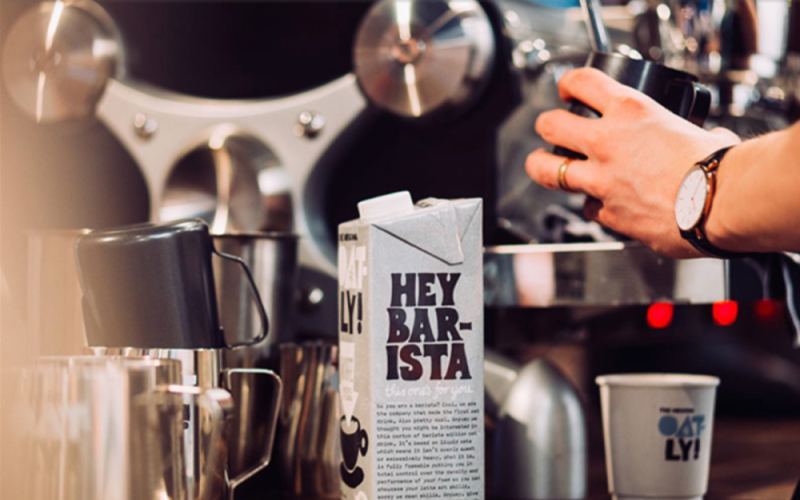
Oatly's application to trademark "Barista" in New Zealand was rejected, drawing renewed attention to the controversy over registering generic terms.
Recently, Oatly, a giant in the oat milk industry, attempted to register the word "Barista" as a trademark in New Zealand, but encountered strong opposition from local food wholesaler Bidfood. Bidfood argued that the term has long been a generic name in the plant-based milk sector and should not be monopolized by any company. The New Zealand Intellectual Property Office ultimately supported Bidfood's position, determining that "Barista" is a descriptive term when used for dairy alternatives. This incident not only highlights the challenges of determining generic names in international trademark registration but also brings to mind similar cases in China, such as the trademark squatting of "Geisha Coffee." Where exactly is the boundary of trademark protection? What potential risks does the registration of generic names pose to the industry? This article will provide a detailed analysis for you. [more…]