







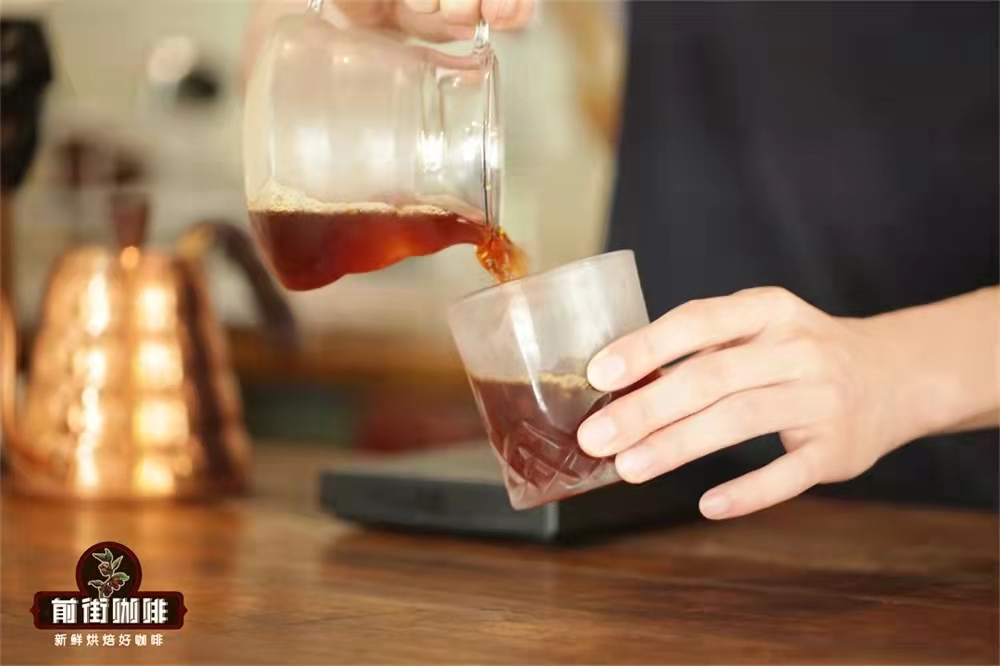
There are many coffee brewing methods, such as: French press, siphon, pour-over, espresso, cold brew, Americano, etc.; and there are also many names for them, especially some regional names that vary. Next, Front Street will explain the differences between these coffees, which are also quite common.
For example: the differences between Americano, Long Black and Lungo, and espresso.
AmericanoAmericano
Americano and espresso are the most common for us. Americano—those who understand English and those who drink coffee are no strangers to this name; in Chinese it is called "Americano." It originated during World War II, when American soldiers in Europe were not used to the extremely strong Espresso (drip black coffee was popular in the United States), so they added water to the coffee to dilute it. Therefore, Americano is essentially meant to dilute the coffee's concentration to a level suitable for Americans at that time. Later, Italians immigrated to the United States, and Italian-style coffee shops rose there, promoting Americano made with espresso as the base. In terms of "adding water," they also established the order of pouring coffee first and then water to express the idea of diluting strong coffee. Until now, there is not much fuss about the order in making Americano; it is simply the difference between preserving the crema and breaking it up.
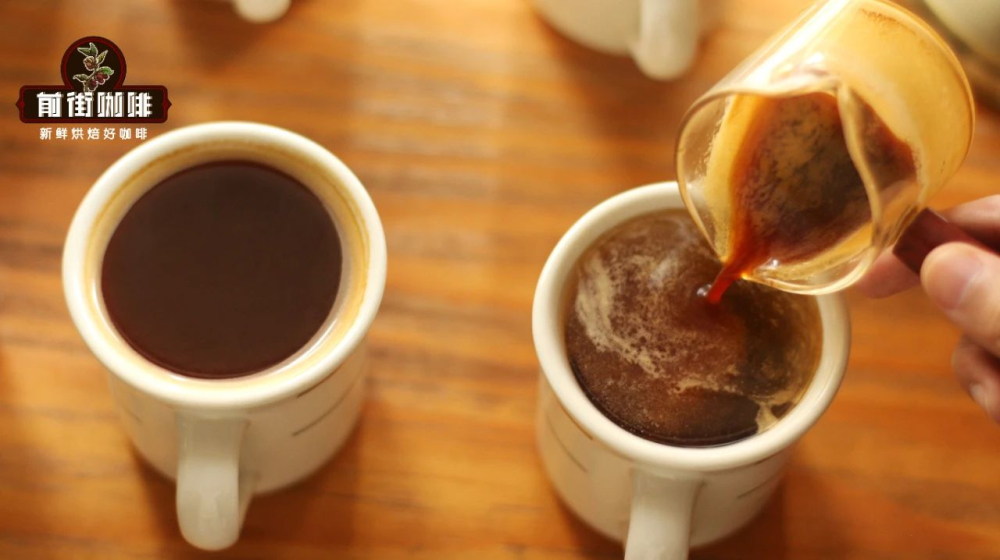
There are also two drinks that are often confused with Americano and hard to distinguish: Long Black and Lungo.
Long Black Long Black = Water + Espresso
Americano = Espresso + water, while in Australia a popular black coffee called "Long Black" is locally popular. As the name suggests, it is a cup of coffee without milk. Basically, black coffee does not add milk, suitable for people who are lactose intolerant or do not like milk.
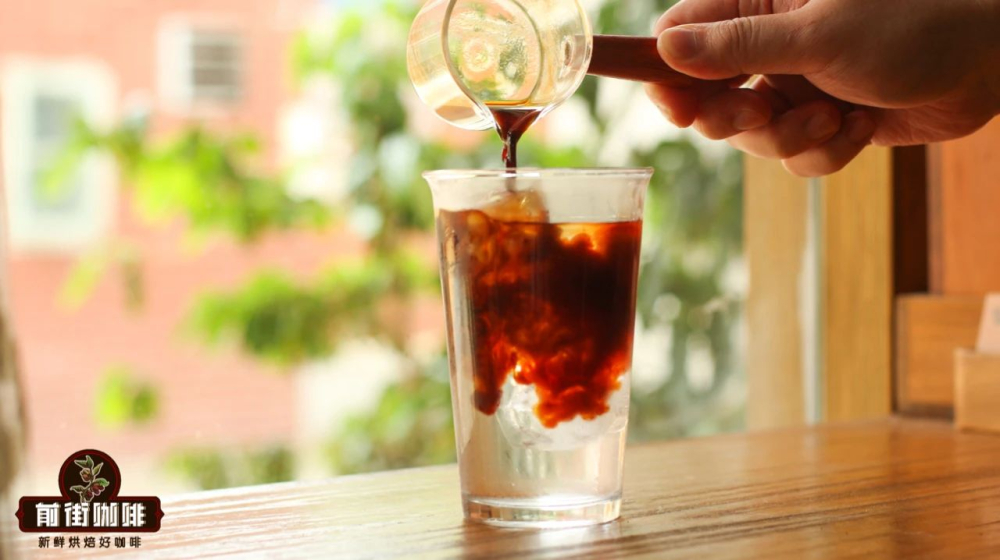
The method for Long Black coffee is to first pour hot water into the coffee cup, then pour in the Espresso. Long Black (translated as long black coffee) is a specialty coffee native to Australia, also composed of espresso and water. After the Australian version of latte, Flat White, became popular in our country, some coffee shops directly introduced Australian espresso products as a whole and blended them into their existing espresso menus.
Long Black is translated as Australian black coffee, and it also has another name, "short black," which is what Australians call black coffee made by diluting espresso with water. Long Black originated in Australia; Australians prefer relatively strong coffee, and Americano cannot satisfy their needs. Espresso is also called Short Black in Australia, so Long Black is slightly diluted espresso, which retains the richness of the crema while lowering the concentration. The cup size of Long Black is smaller than Americano, about 150ml. It is made by pouring water first and then espresso, which preserves the crema. Because the amount of water used for dilution is less than that of Americano, the taste and richness are slightly better.
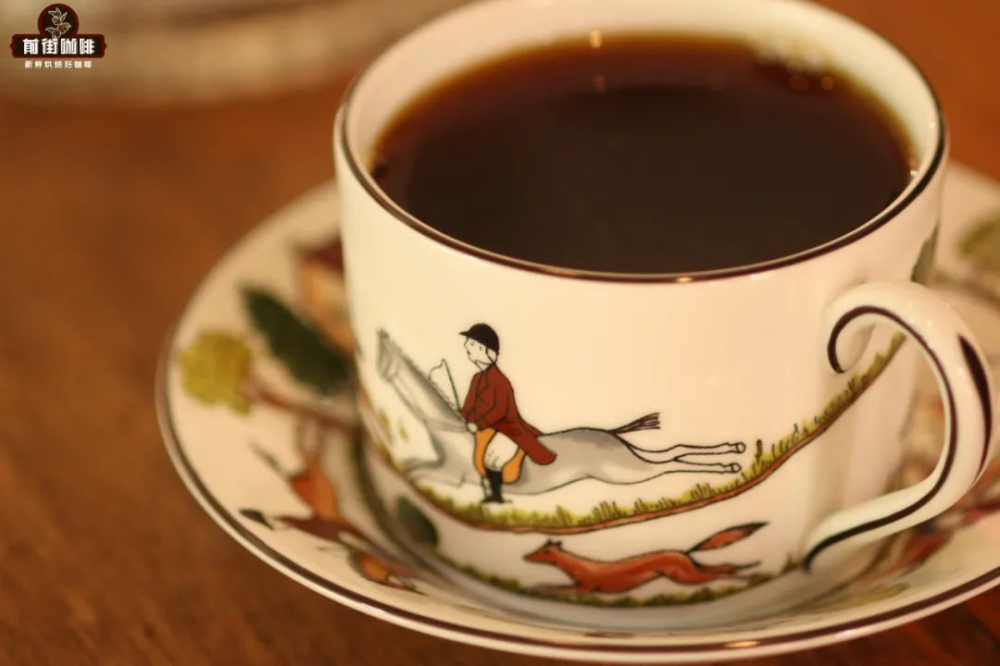
After espresso was introduced to countries such as Australia and New Zealand, Australians loved this strong coffee very much and also developed various Australian-style coffee drinks according to their tastes, such as Starbucks' Flat White, which comes from Australia's Flat White. Australians make Long Black by extracting two shots of espresso (40g) and pouring them into a cup containing 100-120ml of hot water, leaving a rich Crema on the surface. Long Black made this way allows you to taste a rich coffee flavor and directly feel the texture of the coffee crema.
Front Street also uses a double shot of espresso when making Long Black coffee, at a ratio of 1:3. First prepare 120g of hot water, then pour the extracted double espresso into the hot water.
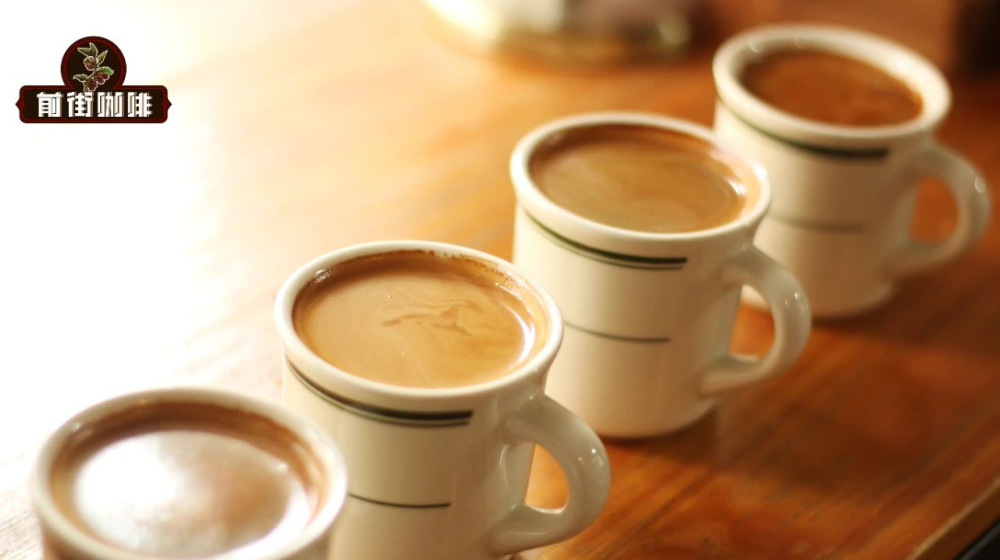
The most obvious difference between Americano and Long Black is the amount of water added. Americano generally has more water added, and the ratio of coffee to water is usually between 1:5 and 1:8. This is because Americans are used to drinking drip coffee, which is very low in concentration—just a bit of coffee flavor is enough. But Australians pursue a stronger coffee flavor, using smaller cups for serving and a smaller water ratio, so the concentration is naturally higher. After the rise of espresso, Americano made with espresso as the base also needs a lot of water to recreate that light coffee taste.
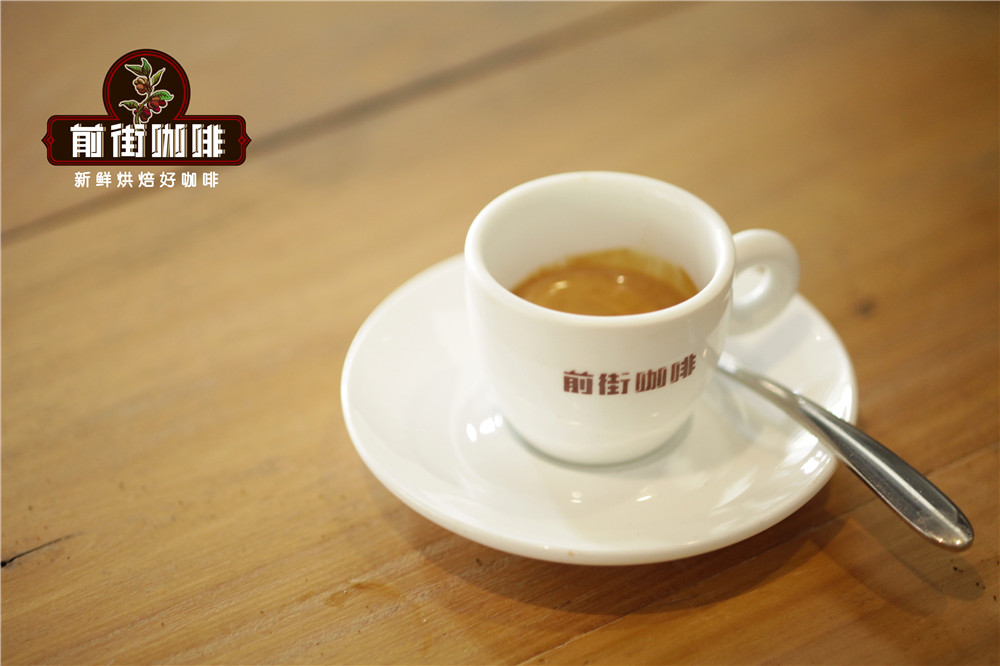
Front Street believes that there is no fixed ratio for how much water to add to Long Black; it is more about the barista's understanding of the flavor profile of the coffee beans and deciding how much water to add according to the flavor they want to express. For example, the Americano served at Front Street's shop uses Front Street's own roasted Sunflower Warm Sun blend coffee beans. Under ideal extraction, it should have the flavors of wine, vanilla, cream, chocolate, and berries. To highlight these aromas, Front Street, after many comparisons, finally settled on a 1:3 ratio.
LUNGOCoffee
In recent years, LUNGO has also gained some loyal supporters in the market. Lungo coffee is made by extending the extraction time of Espresso to about one minute, and the extracted coffee liquid is about 50-60 milliliters. This drink is called "lungo coffee"; some baristas also extract it directly to a cup-sized amount, such as 200ml.
"Lungo" means "long, extended" in Italian. Obviously, it is defined as a lengthened version of espresso. In fact, talking about the flavors in espresso is really something that only emerged in recent years. In the past, coffee beans were generally roasted very dark, and finding flavors in them was like looking for colorful hues in black. A good espresso is satisfaction in mouthfeel, stimulation in concentration, and after it is finished, it does not return a bitter taste, leaving only a burnt aroma in the mouth—nothing more.
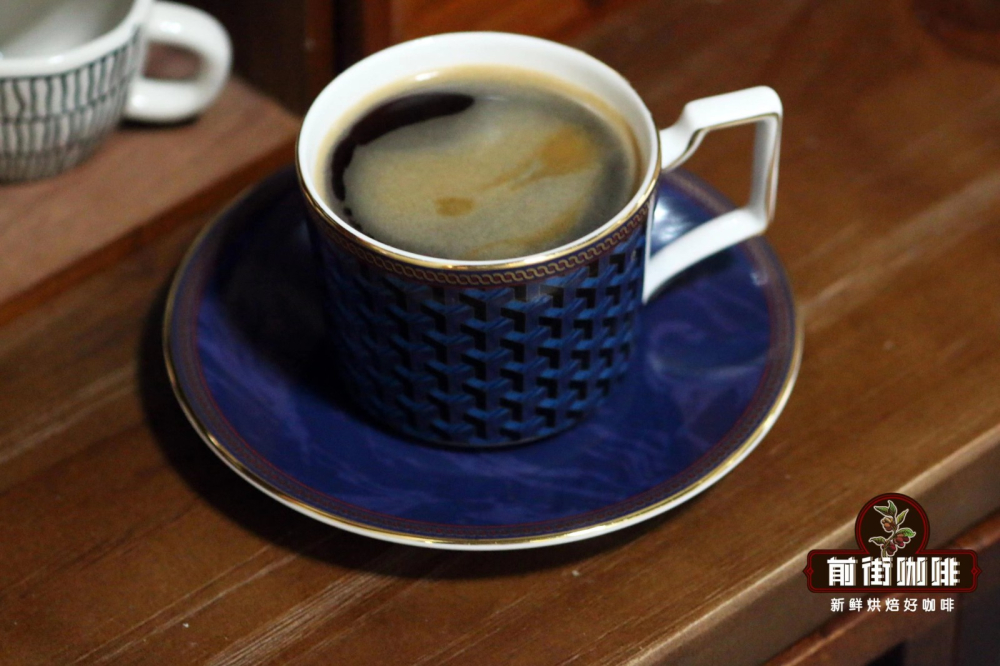
There is no precise data for making Lungo (the Espresso parameters of each coffee shop are slightly different), and abroad, Lungo also has no clear ratio definition. It is just a term representing an extended extraction of espresso. As for how much to extend it, each coffee shop also has different views. Front Street uses 20 grams of coffee powder when making Lungo coffee. For example, it extracts 100 grams of coffee liquid in 56-60 seconds, twice the time of espresso (ratio 1:5).
The lungo made this way is equivalent to directly diluting the espresso by extending the extraction time when making espresso. Because of the prolonged extraction time, after all the flavor molecules in the coffee have been extracted, it begins to extract the taste of the remaining coffee wood fiber, so it tastes quite bitter with a noticeable vinous character, but some other flavors are somewhat lacking. We know that when extracting espresso, the early part is usually relatively rich, and the coffee liquid that comes out later becomes lighter. So Lungo coffee has a larger volume than Espresso, and its concentration is also lower than Espresso.
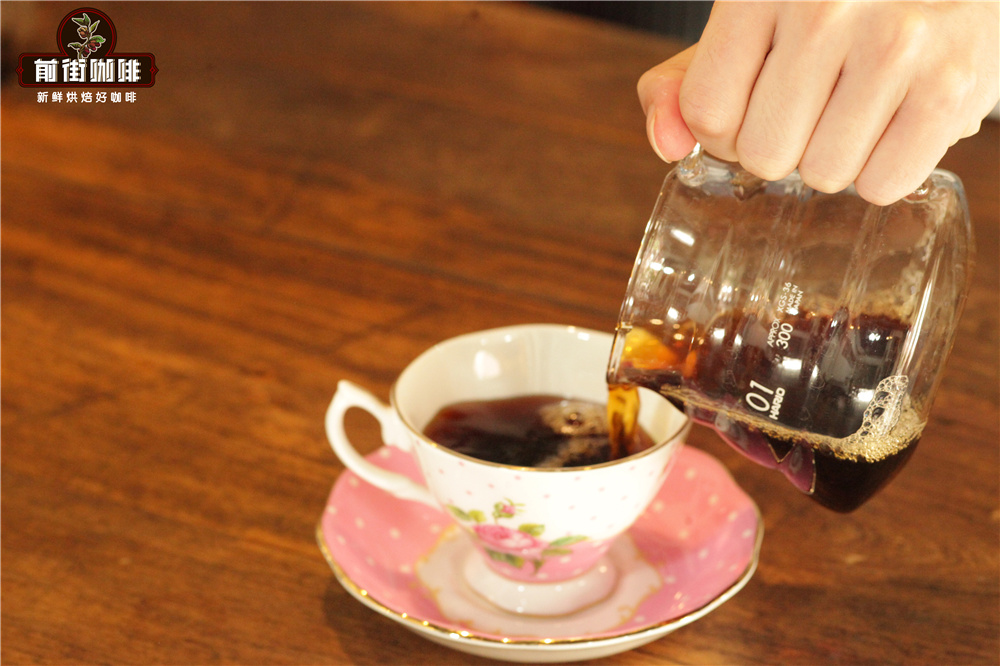
Australians pursue coffee flavor more. As Front Street shared before, the difference in taste between Flat White and latte is that Flat White has a richer and fuller coffee flavor. Long Black (long black coffee) has a stronger coffee flavor and a smaller cup size compared with Americano. The usual method for long black coffee is to extract two shots of espresso (40g) into a cup containing 100-120ml of water, leaving a rich Crema on the surface.
Italian coffee (Espresso) is a beverage made by forcing nearly boiling high-pressure water through finely ground coffee. Espresso is generally thicker than coffee made by other methods and contains a higher concentration of suspended and dissolved solids, such as the coffee crema on the surface (a creamy foam). Because of its pressurized production process, espresso has a strong taste, and the concentration of chemicals in it is very high.
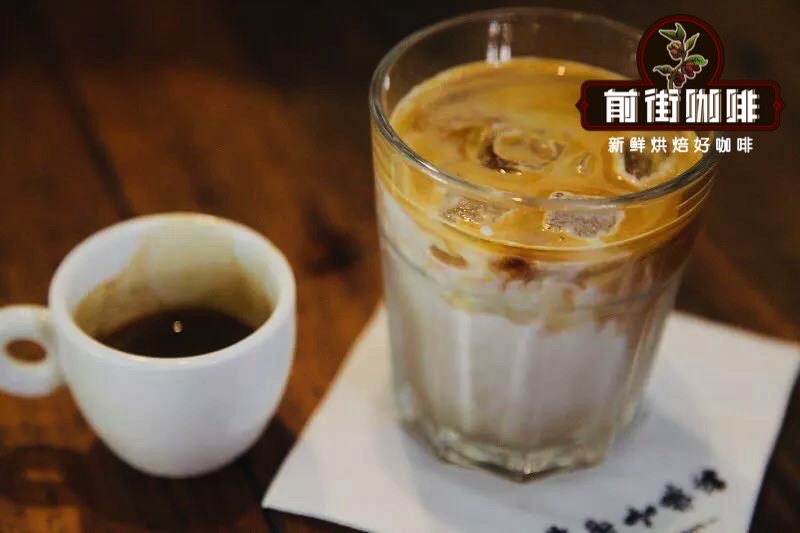
It is often used as the base for other beverages, such as latte, cappuccino, macchiato, mocha, and Americano. Italian espresso contains more caffeine per unit volume than other coffee drinks, but because each serving is small and the contact time between hot water and coffee powder is very short, generally only about 20 to 30 seconds, the total caffeine content is actually lower. Although the actual caffeine content of a coffee drink is affected by volume, coffee bean origin, roasting method, and other factors, a "typical" Italian espresso contains about 80 milligrams of caffeine, while a serving of drip coffee contains 95 to 200 milligrams depending on the coffee bean variety; especially if it contains Robusta coffee beans.
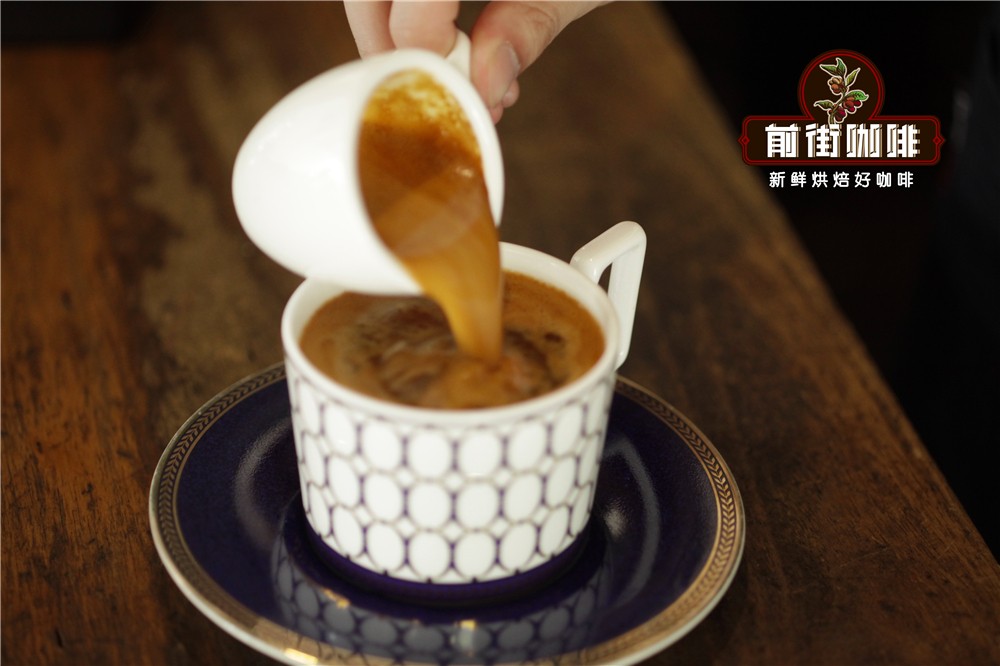
ProductionAmericano, Long Black, and Lungo all require espresso beans. Andespressois basically mainly blended. Why blend? There are three reasons: price, stability, and flavor. These three form an "impossible triangle," meaning you cannot have all three at once and can only give up one to seek two.
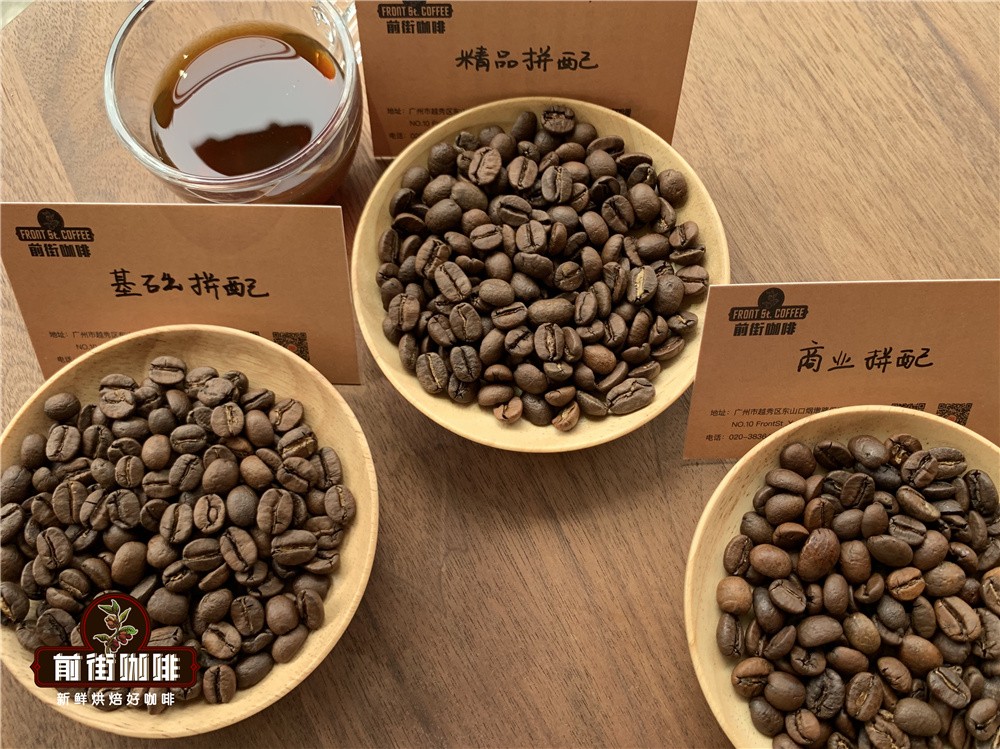
Taking Front Street's four espresso beans as examples, blended coffee beans were initially meant to stabilize and balance the coffee's flavor. For example, Front Street's Front Street Specialty Blend coffee beans are blended from Colombian and Brazilian coffee beans. Brazil and Colombia are both major coffee-producing countries, and their quality is very stable every year. In addition, the balance of Brazilian coffee beans and the richness of Colombian coffee beans give this bean a good performance. The priority is both stability and flavor. The rich mouthfeel and nutty main tone with a slight fruity aroma make it suitable for specialty coffee shops.

Front Street's Front Street Dark Cocoa Blend beans are a product developed with cost-effectiveness as the leading consideration. They are blended from Yunnan and Brazilian coffee beans, ensuring the flavor and stability of the extracted espresso while having a price advantage.
Front Street's Front Street Commercial Blend beans are blended from coffee beans from Colombia, Brazil, and Vietnam, of which the Vietnamese beans are Robusta, accounting for 10%. Italian coffee shops like to add Robusta beans to blend formulas because Robusta can provide richer coffee crema and a higher caffeine content. Therefore, adding a small amount of Robusta beans can make the espresso taste richer. The espresso made from it, paired with milk, shows a richer caramel chocolate flavor. This espresso bean is suitable for richness lovers or some businesses that specialize in espresso.
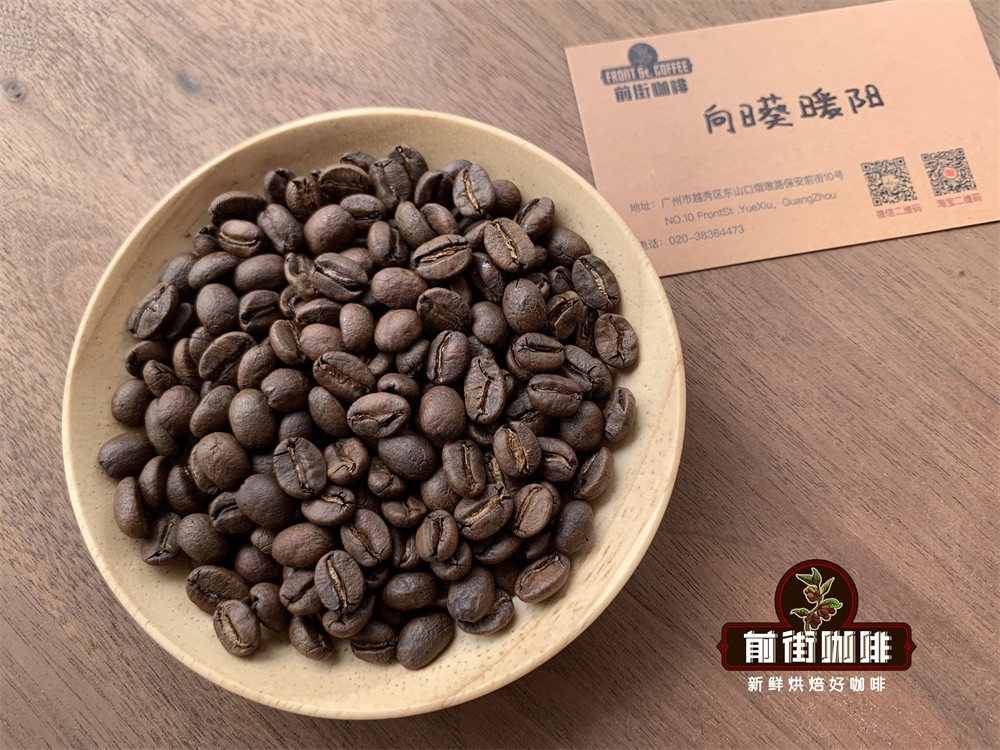
The last one was developed with flavor as the leading consideration, and it is also the coffee bean used by Front Street's shop—Sunflower Warm Sun blend coffee beans. It is made by blending Yirgacheffe Red Cherry and Honduras Sherry Barrel coffee beans. It has the aroma of sherry and the flavors of chocolate, vanilla cream, and sherry. Whether as espresso itself, made into Americano, or milk coffee, the taste performs excellently. Suitable for friends who pursue coffee flavor.
Front Street believes that all kinds of coffee brewing are very delicious, especially for friends who like coffee. But as for which one tastes better, that depends on personal taste; after all, everyone likes different flavors. But Front Street has coffee beans from major producing countries, including 9 everyday beans from major producing countries, all of which are the most representative coffee beans and very cost-effective! You can completely choose the flavor you like through these everyday beans.
Front Street's coffee brewing suggestions:
Regarding coffee brewing, Front Street has always believed that the freshness of coffee beans has a great relationship with coffee flavor. Therefore, the coffee beans shipped by Front Street Coffee (FrontStreet Coffee) are all within 5 days of roasting. Front Street's roasting philosophy is "freshly roasted good coffee," so that every customer who places an order receives the freshest coffee when they get it. The resting period of coffee is about 4-7 days, so when the customer receives it, it is exactly at its best flavor.
For friends who need ground coffee, Front Street warmly reminds you: if the coffee beans have been ground in advance, there is no need to rest them, because during transportation, the pressure generated by carbon dioxide inside the package can also make the coffee flavor rounder, so you can immediately brew a cup after receiving the ground coffee. However, the ground coffee needs to be brewed promptly, because ground coffee oxidizes relatively quickly after contact with air, which means the coffee flavor will dissipate relatively quickly and the coffee flavor will not be as good. Therefore, Front Street recommends buying whole beans, grinding fresh and brewing fresh, so that you can better taste the coffee flavor.
Professional coffee knowledge exchange More coffee bean information Please follow Coffee Workshop (WeChat public accountcafe_style )
For more specialty coffee beans, please add the private WeChat Front Street Coffee (FrontStreet Coffee), WeChat ID:qjcoffeex
The above content is compiled by CoffeeHunters, a coffee news website.


