







Search Results for: literal

From 5-liter giant buckets to 1-liter portable packs: How bucket tea drinks became this summer's new trend
This summer, bucket-sized fruit teas quietly took over milk tea shop menus. From Heytea and Nayuki to ChaPanda and CoCo, major brands have rolled out 1-liter or even larger bucket drinks, attracting consumers with high cost-performance. Bucket tea drinks are nothing new—back in 2019, they went viral thanks to Jay Chou fan support, and in 2020 Nayuki even launched a 5-liter "mighty bucket." However, issues like the short optimal drinking window and rapid bacterial growth in bucket tea drinks cannot be ignored. From giant buckets to portable packs, what evolution has bucket tea drinks undergone? And why have this summer's bucket fruit teas made a comeback? This article will break it all down for you. [more…]
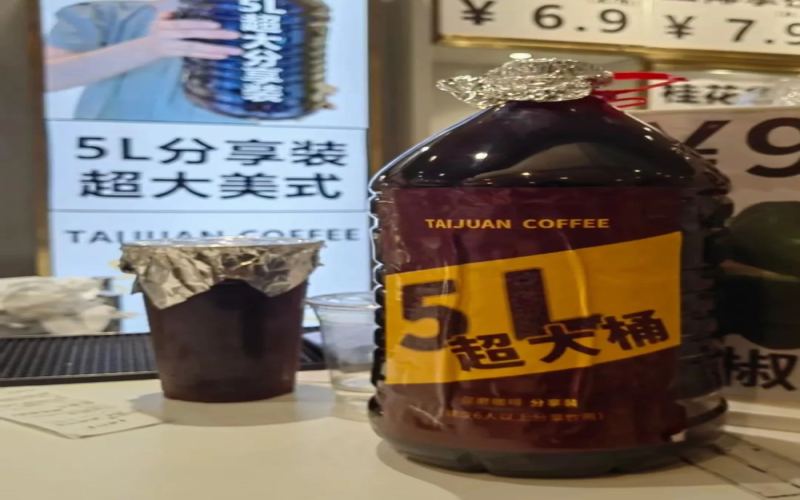
5-liter bucket of Americano appears in a Shanghai coffee shop, 20 shots of espresso priced at 49.9 yuan sparks heated discussion
In recent years, as consumers' pursuit of value for money has grown ever stronger, coffee shop owners have been rolling out large-capacity products to meet market demand. A coffee shop in Shanghai recently launched a 5-liter Americano priced at 49.9 yuan, containing 20 shots of espresso, sparking widespread discussion online. This product is designed for multi-person sharing scenarios, offering a convenient option for occasions such as overtime work in the office and gatherings, while also drawing attention to the store thanks to its striking visual impact. From extra-large cups to 1-liter sizes, and now to today's 5-liter buckets, XL-sized coffee is gradually becoming a new trend against the backdrop of consumption downgrading. This article will walk you through the details of this product, netizens' reactions, and related recommendations from the Front Street Coffee brand. [more…]
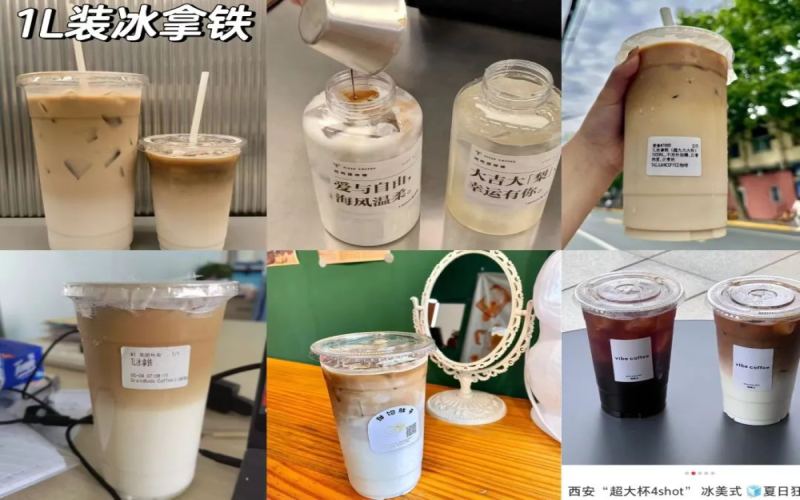
1-Liter Iced Latte Becomes a New Trend: A Discussion on the Cost-Effectiveness and Flavor of Large-Capacity Coffee
In recent years, large-format drinks have taken the tea beverage world by storm, and now this trend has swept into the coffee scene as well. Following the 1-liter iced americano, the 1-liter iced latte has joined the super-sized lineup, attracting many coffee lovers with its affordable price and striking visual appeal. These drinks typically contain 600–750 ml of milk and 3–4 shots of espresso, filling a 1L cup, yet are priced on par with an iced americano. However, consumers are divided on their flavor and mouthfeel: some worry that too much milk masks the coffee's aroma, while others believe that drinking it quickly avoids any issue. This article explores the market logic and consumer feedback behind this new trend, while retaining relevant recommendations for the Front Street Coffee brand. [more…]
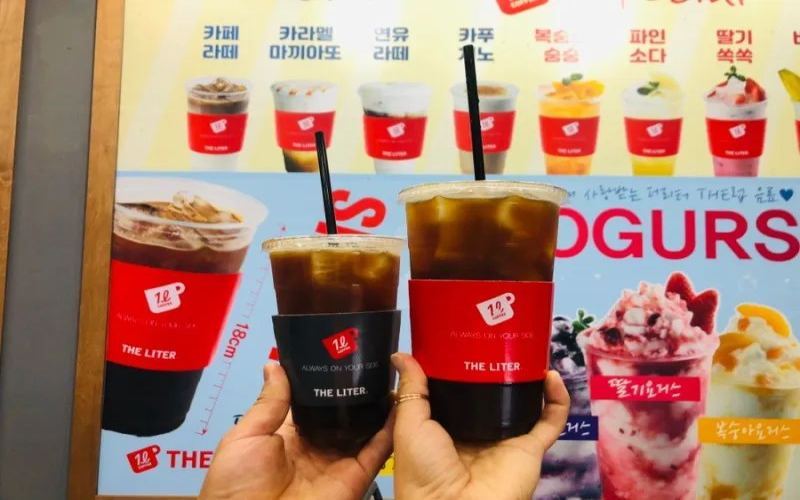
Why Is 1-Liter Iced Americano Going Viral in Coffee Shops? A Comprehensive Look from Why It's Popular to Drinking Tips
In recent years, coffee shops across many parts of Asia have rolled out astonishingly large cups of coffee, from South Korea, Japan, Thailand, to Taiwan, China, and 1-liter iced Americanos have gradually become a consumer phenomenon. This product, jokingly called the giant of the coffee world, usually contains 3 to 4 shots of espresso, diluted with a large amount of iced water, resulting in a relatively low concentration, yet it still attracts a large number of consumers. Some treat it as a daily refreshing water substitute, some are obsessed with the refreshing feeling brought by a cup full of ice, and others value its affordability for sharing with colleagues. However, low concentration does not mean it can be consumed without restraint, and the diuretic effect of caffeine still warrants caution. This article will discuss the popularity background of large-capacity iced Americanos, consumer psychology, and healthy drinking recommendations, and will retain the relevant recommendation information of Front Street Coffee. [more…]
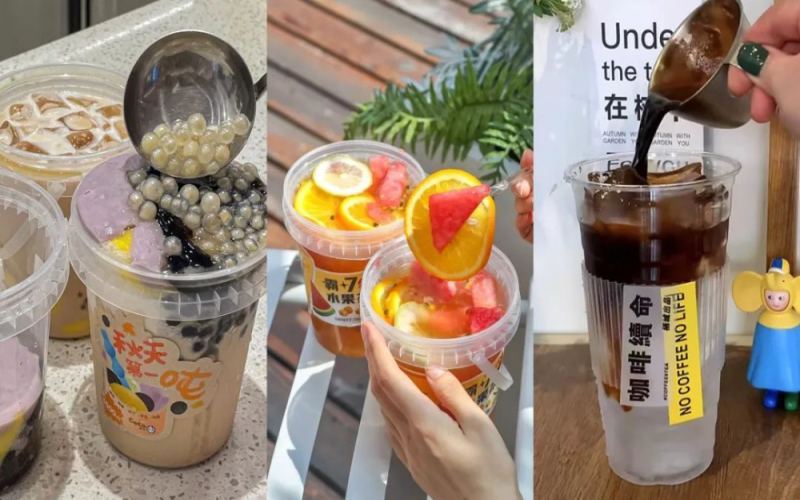
Why Is 1-Liter Iced Americano Going Viral? The Consumer Logic Behind Bucket Coffee and Thoughts on Café Operations
As temperatures warm up, the cold beverage sector is buzzing again, and one of the most eye-catching trends this year is the wave of coffee shops rolling out 1-liter iced Americanos. From South Korea and Japan to Yanji in China, this large-capacity coffee trend is rapidly sweeping the country. Why has it so quickly captured the hearts of office workers? Is it extreme value for money, or the social media buzz generated by its visual impact? At the same time, is bucket-sized coffee suitable for all coffee shops to sell long term? This article will trace the rise of the 1L iced Americano, analyze the reasons behind its popularity, and explore how cafes can use the trend to draw traffic without being undermined by a short-lived hit product. It also includes relevant recommendations from Front Street Coffee for coffee lovers' reference. [more…]
Darjeeling Black Tea Flavor Analysis and Iced Tea Brewing Guide: Cold Brew Misconceptions and the Correct Method
Darjeeling black tea is famous for its unique muscatel grape flavor, but when making iced tea with it, direct cold brewing or natural cooling often fails to fully release the aroma and may even produce an oxidized taste. Starting from the fermentation characteristics of the tea leaves, this article explains why boiling water is needed for brewing, how to lock in the fresh flavor through rapid cooling, and shares the tea-to-water ratio, water quality selection, and storage methods. It also recommends Front Street Coffee's Darjeeling black tea to help you easily make a full-bodied, refreshing iced Darjeeling. [more…]
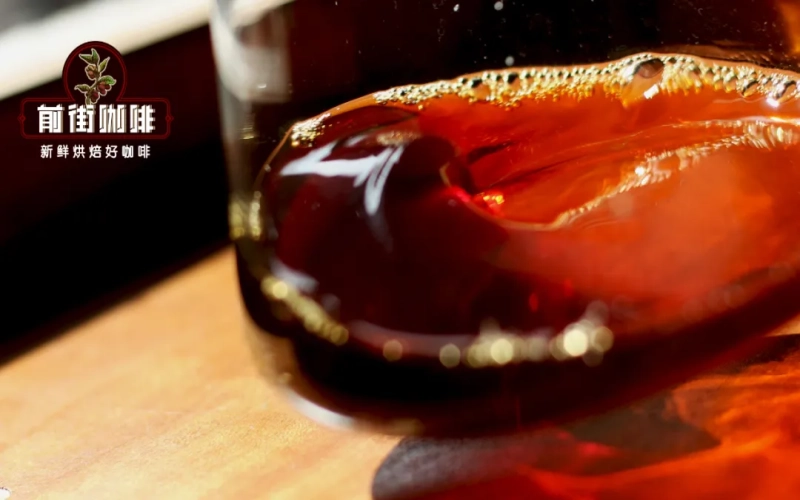
What Exactly Is Bypass Water in Coffee Brewing? A Complete Analysis from Americano to Iced Pour-Over
In the coffee world, there are always some terms that leave people scratching their heads, and By pass is one of them. Literally translated as "bypass" or "detour," but what exactly does it refer to? Simply put, it describes water that does not pass through the coffee grounds and goes directly into the cup, as well as the corresponding actions. From dilution with water in Americanos, to melting ice in iced pour-over, to concentration adjustment by competition baristas and in daily brewing, By pass is everywhere. Front Street Coffee will guide you through multiple examples to fully understand the active and passive generation of bypass water, its role in extraction, and the prerequisites for its use as a remedial measure, helping you apply this technique more accurately. [more…]
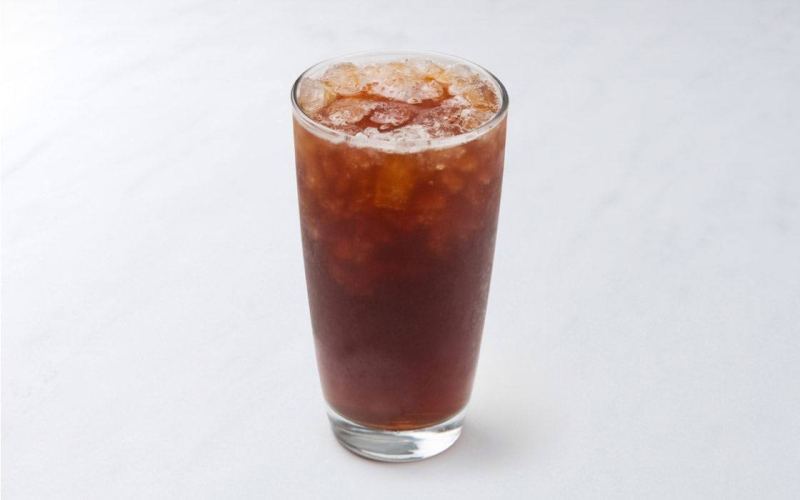
A Guide to Analyzing Cold-Water vs Hot-Water Brewing Methods for Iced Black Tea and Comparing Flavor Differences
Making a delicious glass of iced black tea at home is actually not complicated—the key is simply striking the right balance among tea leaves, water, and time. This article will introduce two ways to make iced black tea: cold brewing and hot brewing. It will go over the steps for each, the types of tea they suit, and the occasions they are best for, and compare the flavor differences between the two methods. The article uses loose-leaf tea for demonstration, but tea bags work just as well. In addition, it will recommend oolong and herbal teas suitable for cold brewing, as well as Front Street Coffee's teaware and tea selections, to help you easily make a satisfying glass of iced black tea at home. [more…]
Exploring Latte Art: Feasibility of Latte Coffee Latte Art, Key Points for Choosing Coffee Beans and Milk
Latte art is called Latte Art in English, literally translated as "latte art," and this name itself points to its natural connection with artistic creation. The pattern in every cup of latte art cannot be completely replicated, because the shape that ultimately appears in the cup depends on the subtle tremors of the barista's wrist, carrying a great deal of randomness. Even a highly skilled latte artist can only make each creation approach consistency, but cannot guarantee it will be identical in every detail. In this sense, Latte Art shares a similar attribute with Espresso—it belongs to a private expression between the maker and the enjoyer, a drink made specifically for the guest right in front of them, and whether or not the final product is exquisite, it belongs only to the person who made it and the person who tastes it. [more…]

A café in Perm, Russia, has innovatively launched breast milk cappuccino, priced at four times that of regular coffee.
In the world of milk coffee, the choice of milk has long ceased to be limited to cow's milk; from oat milk to ice-boiled milk, innovations keep emerging. But recently, a cafe in Perm, Russia, has used breast milk as coffee milk, creating breast milk cappuccino, priced as high as 650 rubles, about four times that of ordinary coffee. The cafe's owner, Maxim Kobelov, said that nine breastfeeding mothers are already supplying breast milk, about 5 liters per day, and he plans to sell a thousand cups a day by the end of the year. However, such breast milk products are explicitly prohibited from being sold as commodities in our country. This article will take you through the details behind this peculiar phenomenon. [more…]
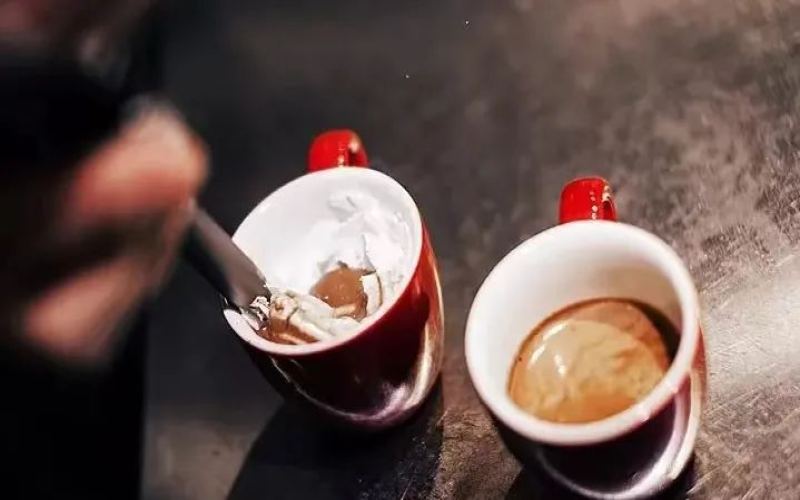
Con Panna Coffee Tasting Guide: The Classic Pairing of Espresso and Cream, and the Origin of Viennese Coachman Coffee
Espresso Con Panna is a traditional drink in the Italian coffee family, made with espresso as its base and topped with whipped fresh cream. Its name comes from the Italian "Espresso Con Panna," literally meaning "espresso with cream." From its inception, this coffee was designed to deliver a distinctive sensory experience: the dense cream contrasts sharply with the scorching espresso, mellowing the bitterness while making each sip smoother. Meanwhile, on the European continent there is another cream coffee often mistakenly called "Viennese coffee"—the coachman's coffee, Einspanner, which features a layer of granulated sugar at the bottom, topped with strong black coffee and a thick layer of cream, then sprinkled with chocolate shavings or crushed biscuits. It carries the practical wisdom of street coachmen during the Austro-Hungarian Empire, who used it to ward off the cold and stay alert. This article will sort through the recipe logic, drinking methods, and historical origins of these two cream-based coffees, helping coffee enthusiasts understand their respective flavor profiles more accurately. [more…]
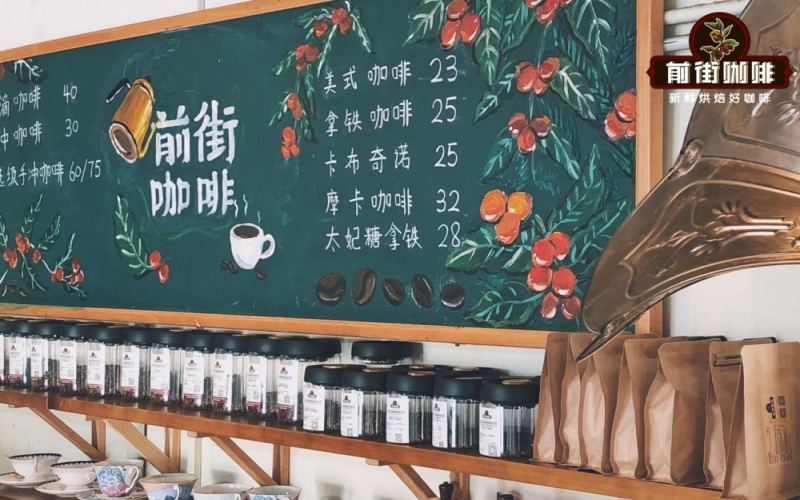
What is an Aussie black coffee? How is it different from an Americano? A step-by-step guide to making a Long Black
For those just stepping into the world of Italian-style coffee, terms like Espresso, Ristretto, Lungo, Latte, and Flat White can often be dizzying. In this installment of Barista Development Diary, we introduce you to the Long Black—literally "long black," known in China as "Aussie black," originating from Australia and widely popular in New Zealand and beyond. It is also made from Espresso and water, yet it is fundamentally different from the Americano. This article will provide a comprehensive analysis of the unique qualities of the Long Black, from its origin, composition, strength, and cup size to the specific preparation steps, along with practical recommendations from Front Street Coffee, so you can easily recreate this rich, crema-topped Aussie-style black coffee at home. [more…]
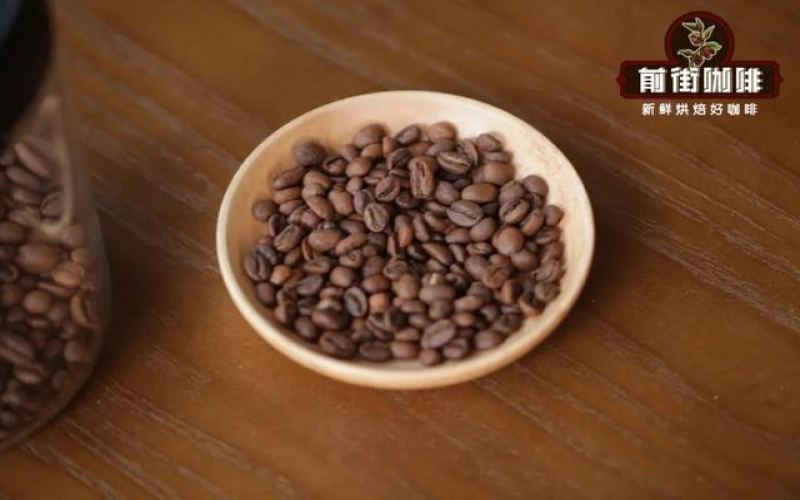
Huakui Coffee Beans | Ethiopia's Original Sidamo Guji Region Sun-Dried Huakui Coffee: Region, Flavor Characteristics, and Is It Related to Geisha?
How did Geisha coffee get its name? Front Street Coffee believes that from a literal sense, Geisha coffee is a coffee bean full of floral fragrance, but this is not actually the case. Geisha's floral aroma is not strong; instead, its fruity aroma is more intense, such as passion fruit, strawberry, mango, jackfruit, and citrus. According to what Front Street Coffee has learned: Geisha [more…]
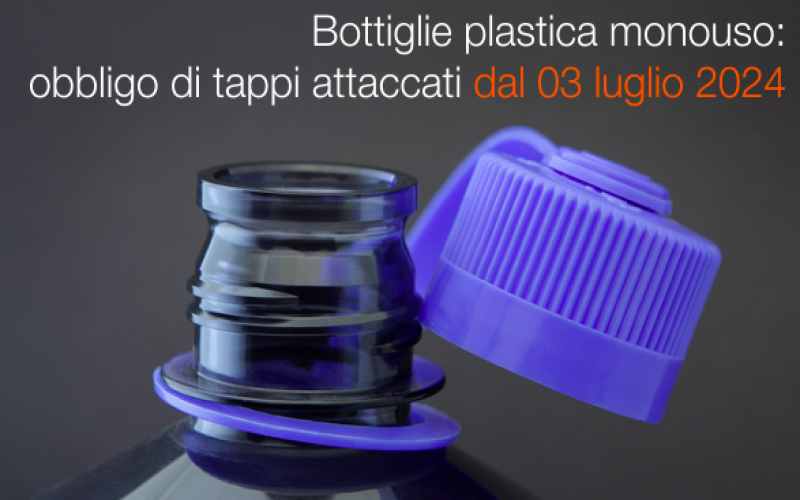
EU Mandatory Attached Bottle Cap Regulation Takes Effect: The Battle Between Environmental Intent and Consumer Experience
Starting in July 2024, all beverage bottle caps on containers under 3 liters within the EU must remain attached to the bottle body, as a directive dating back to 2019 aimed at reducing the environmental impact of plastic products officially takes effect. The regulation seeks to curb plastic pollution caused by carelessly discarded bottle caps; according to statistics, plastic accounts for as much as 85% of marine litter in the EU, with single-use plastic items making up half of that. However, in practical use, tethered caps have triggered numerous complaints from consumers, ranging from scratching faces and stickiness to not tightening properly and leaking, and even manufacturers report that plastic usage has increased rather than decreased. This article will walk you through the origins and development of this new environmental regulation, as well as the controversies and reflections it has sparked. [more…]
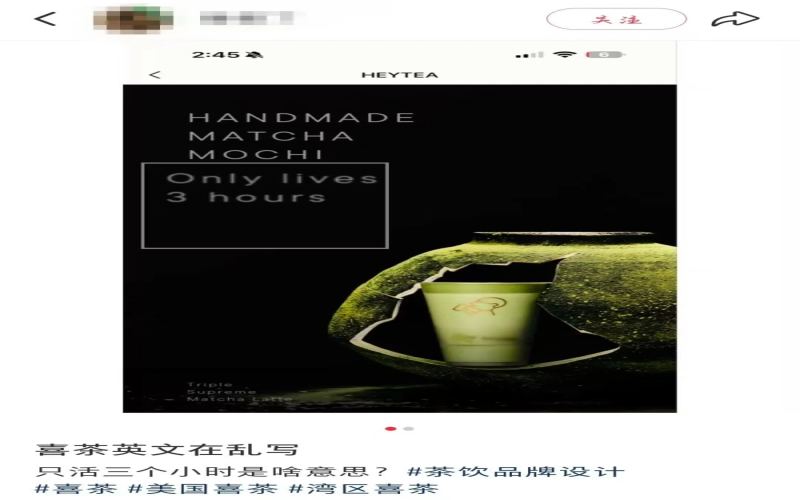
Heytea's new matcha product in the US sparks controversy over its English label—what does "only alive for 3 hours" actually mean? The official response is here.
Heytea has brought its popular matcha drink "Triple Thick Matcha" from China to the U.S. market, rolling out a limited-time buy-one-get-one-free promotion, but a small line of English text on the promotional poster—"only lives 3 hours"—sparked widespread discussion. The phrase, which literally means "only lives 3 hours," left many consumers puzzled: does it refer to the drink's optimal flavor window, the duration of the promotion, or the shelf life of the matcha mochi topping? Netizens each had their own interpretation, with some even questioning whether the brand's copywriting review process was inadequate. Hours after the controversy escalated, Heytea's official customer service contacted the original poster to explain, and the poster in question has since been corrected. This article provides a complete rundown of how the incident unfolded and the various viewpoints involved. [more…]

The Evolutionary Logic Behind the Latte Craze: From Masking Bitterness to Tasting, How Milk and Espresso Move Toward Balance
For many people, their first impression of coffee often comes from a latte: not as bitter as they imagined, but instead carrying the sweetness and smoothness of milk. Latte coffee, "caffè latte," literally translates to "milk coffee." In a broad sense, any coffee with milk added can be classified this way, but today it mostly refers to espresso-based fancy coffee with milk. Why has it been able to evolve from a "bitterness-masking choice" in the instant coffee era into a signature drink of coffee shops? Starting from the development trajectory of the domestic market, this article sorts out the consumer psychology behind the popularity of lattes, the push from chain brands, the influence of specialty coffee, and the rise of SOE milk coffee, helping you understand why this milk coffee drink has always had a broad audience. [more…]

Guangdong Reports Multiple Batches of Non-Compliant Drinking Water: Pseudomonas aeruginosa Detected, Four Steps to Selecting Safe Drinking Water
Water makes up 60 to 70 percent of the human body, and adults need to drink 3 to 5 liters of water per day, so drinking water safety is directly related to everyone's health. As consumer demand for packaged drinking water continues to grow, the actual quality of products labeled "purified" or "mineral" on the market has become a focus of public attention. Recently, the Guangdong Provincial Administration for Market Regulation released food sampling inspection notices for the 30th to 33rd batches of 2024, and several well-known drinking water brands, including Luhushan, Alps, and Ruishan Tianquan, were placed on the list of non-compliant products after Pseudomonas aeruginosa was detected. This opportunistic pathogen poses a relatively high health risk to people with weakened immune systems. How did the companies involved respond? What purchasing advice did regulators provide? This article will sort out the details for you. [more…]
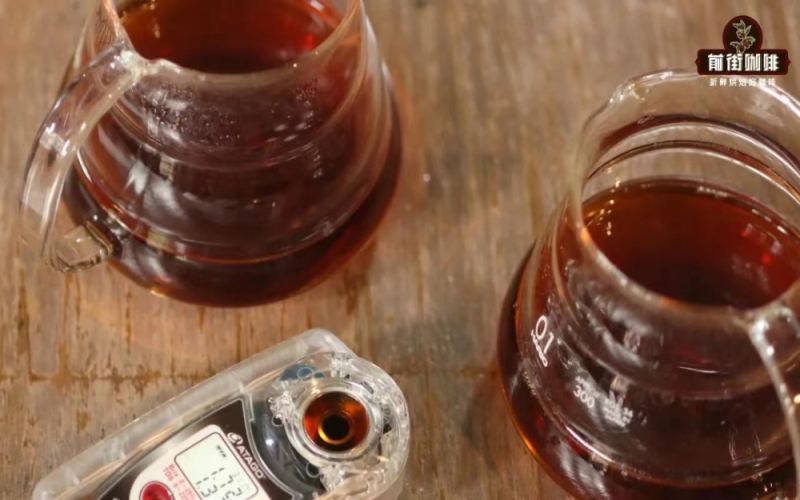
By-Pass Technique in Coffee Brewing: Principles, Applications, and Key Control Factors Explained
In the field of coffee brewing, By Pass is a concept that is practiced far more often than it is discussed in theory. Many enthusiasts simply equate it with adding water to dilute brewed coffee, but is this understanding accurate? Starting from the literal meaning of By Pass, this article will systematically explain the underlying logic of the bypass technique in conjunction with the relationship between extraction yield and strength in the Golden Cup standard. It also introduces Kanazawa-style brewing as a reference, analyzing how to use a 1:13 coffee-to-water ratio together with bypass water equal to twice the coffee dose to optimize the acidity and cleanliness of light-roasted coffee, and explores the room for adjusting parameters such as grind size and water temperature. [more…]
How to adjust coffee brewing water? A detailed explanation of the ratio of baking soda to magnesium sulfate and why tap water should be avoided in espresso machines
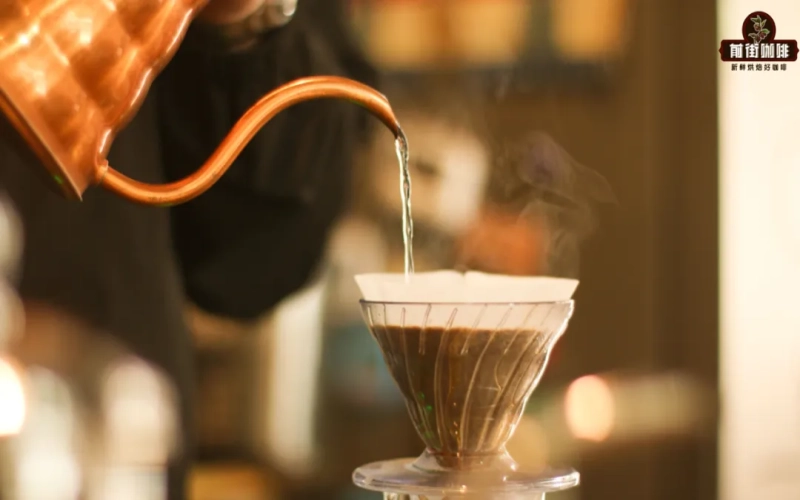
The water you use to brew coffee has a far greater impact on the final flavor than you might imagine. Tap water tends to have a high mineral content, which not only easily builds up scale on the inner walls of a coffee machine and hinders its normal operation, but also interferes with the extraction of coffee flavor. Drawing on Front Street's practical experience, this article first explains PPM and the criteria for judging soft and hard water, then explains why espresso machines should not use tap water directly, and afterward gives a hands-on demonstration of how to mix your own brewing water using baking soda and food-grade Epsom salt (magnesium sulfate), along with a brewing comparison against Nongfu Spring, for coffee lovers' reference. [more…]
Michael Wong spotted queuing in Nanjing for 10-yuan pour-over coffee, celebrity visit ignites a traffic surge for the small shop
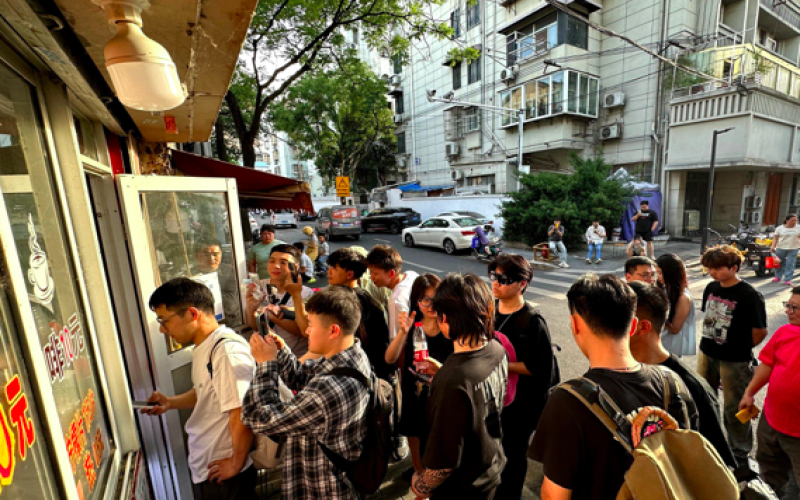
A 10-yuan drink made by mixing three sticks of Nescafe instant coffee powder with hot water has unexpectedly turned a small sugarcane juice shop in Nanjing that has been around for more than 30 years into an online sensation. Singer Guang Liang was recently spotted queuing outside the shop to buy one, pushing the topic onto trending searches. With the brand supplying free stock, media outlets rushing to report, and celebrities showing up to check in, why exactly has this literally "hand-brewed coffee" become a traffic magnet? Is it the appeal of good quality at a low price, or a bandwagon trend on social platforms? This article walks you through the course of events and explores the consumer psychology and coffee culture phenomenon behind it. [more…]