How did Geisha coffee get its name?
Front Street Coffee believes: Literally, Geisha coffee appears to be a coffee bean full of floral fragrance, but that is not actually the case. Geisha’s floral aroma is not intense; instead, its fruit aromas are more pronounced, such as passion fruit, strawberry, mango, jackfruit, and citrus. According to Front Street Coffee, Geisha coffee beans were originally called Hambela, and the name Geisha was given by a domestic green bean trader. In February 2017, a natural coffee produced at the Buku Abel Estate in Hambela won the Ethiopian green bean competition. Because it broke Geisha’s monopoly in brewing competitions, it became the only single-origin coffee currently able to rival it.
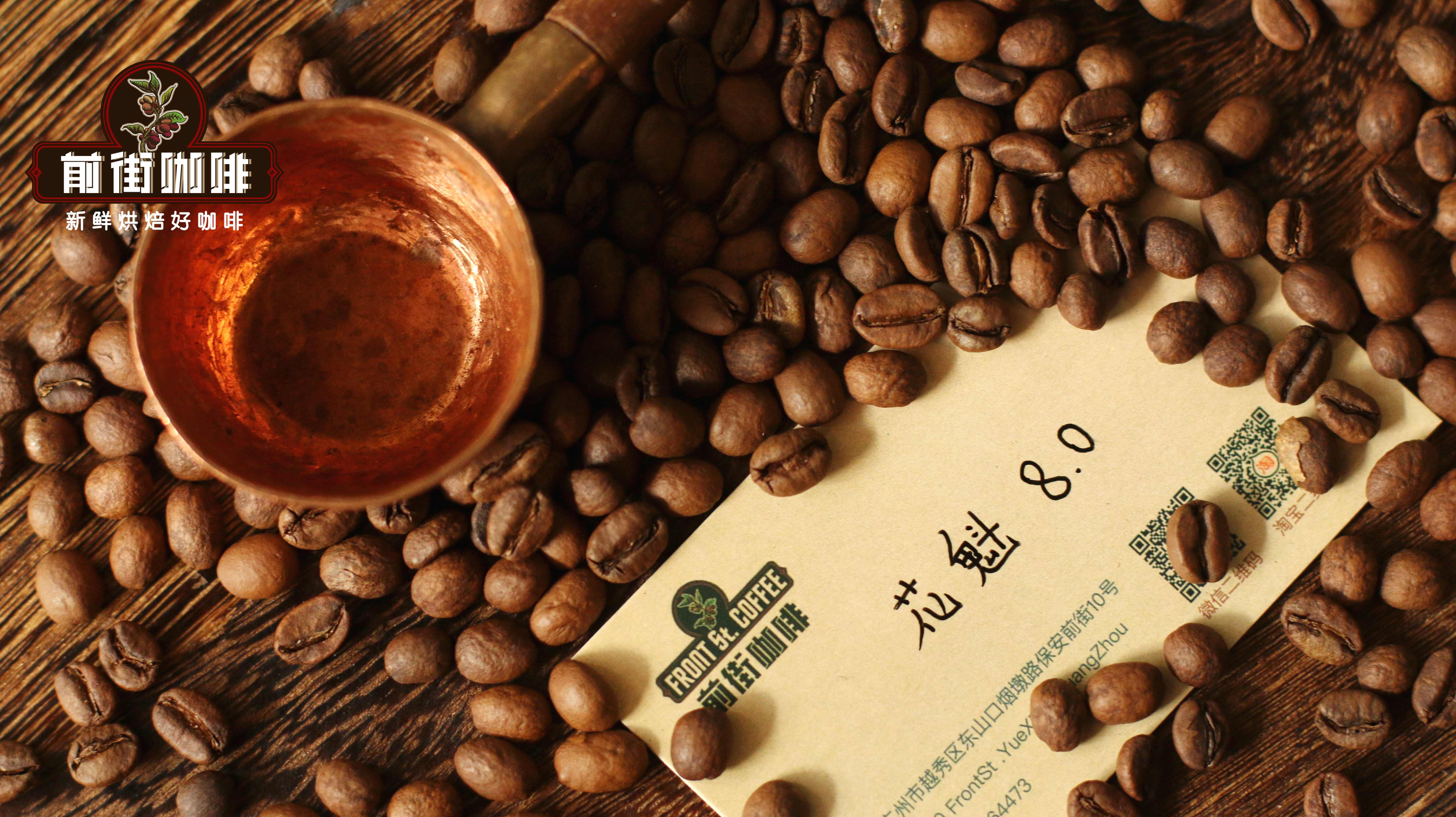
We know that Geisha coffee comes from Ethiopia, and Ethiopia is the birthplace of coffee, with a great diversity of coffee varieties; on the other hand, in order to protect the information of native coffee tree species, the Ethiopian government is also unwilling to disclose it. Therefore, many Ethiopian coffees list their variety as local heirloom, and Geisha’s variety is local heirloom.
Front Street Coffee suddenly remembered that during Geisha’s peak period, rumors often circulated online: Geisha is top-tier Gesha!The reason this “claim” spread is related to another name for Gesha — “Geisha.”

“Geisha” — another name for Gesha in China
In 1931, Geisha was discovered by people in a forest in Ethiopia, but at that time Geisha did not cause any stir.It was not until 73 years later, in 2004, that Hacienda La Esmeralda in Panama used Geisha seeds obtained from Costa Rica to win the BOP competition in one fell swoop, and only then did Geisha become known to the world! As a result, in the years that followed, Geisha almost became the essential “winning bean” for major estates and competitors in competitions.
Because Geisha is the same word as “geisha” in English, compatriots in Taiwan translated Geisha directly from English and called it geisha. But later people discovered that Geisha has a double meaning in Ethiopia: one refers to a specific region in southwestern Ethiopia, and the other refers to the coffee variety in that specific region.Therefore, Geisha does not mean geisha as a direct English translation.
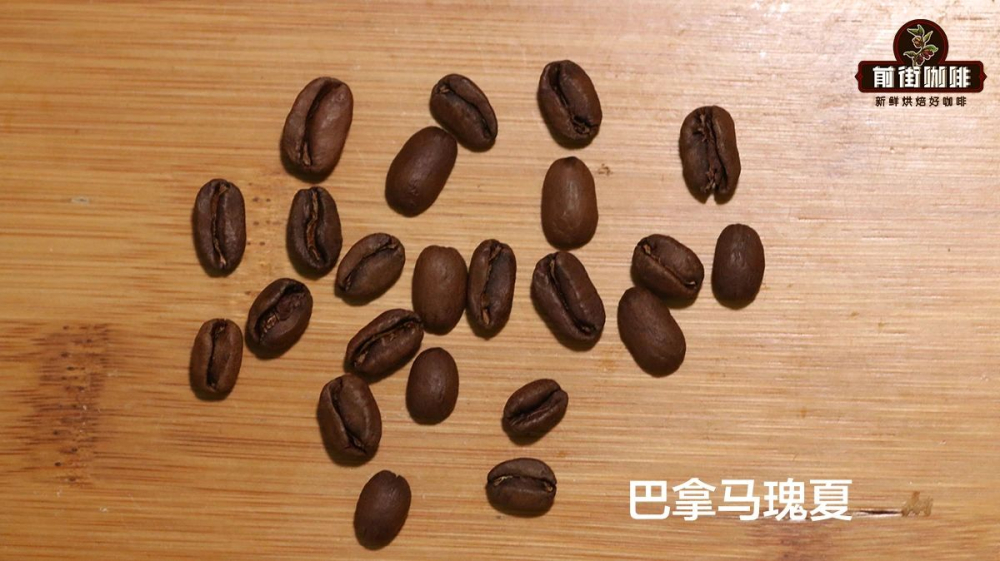
Thus, in 2006, when Mr. Yuan of Coffee Review Coffee first imported Panama’s Geisha into mainland China, he named it “Gesha.”
A favorite that remained popular for years — “Geisha”
In 2017, the Buku Abel processing station in Hambela, a sub-region of Guji in Ethiopia, won the TOH championship with a naturally processed local heirloom coffee bean! It has an intense strawberry flavor, high sweetness, and a smooth creamy texture. This bean is Geisha!
After winning the championship, the green beans from that champion lot were imported by a Beijing green bean trader. Then, in the same year’s World Brewers Cup, Li Jianfei, the runner-up in China, used this bean and fought his way through, defeating many Gesha coffees and taking the runner-up spot.
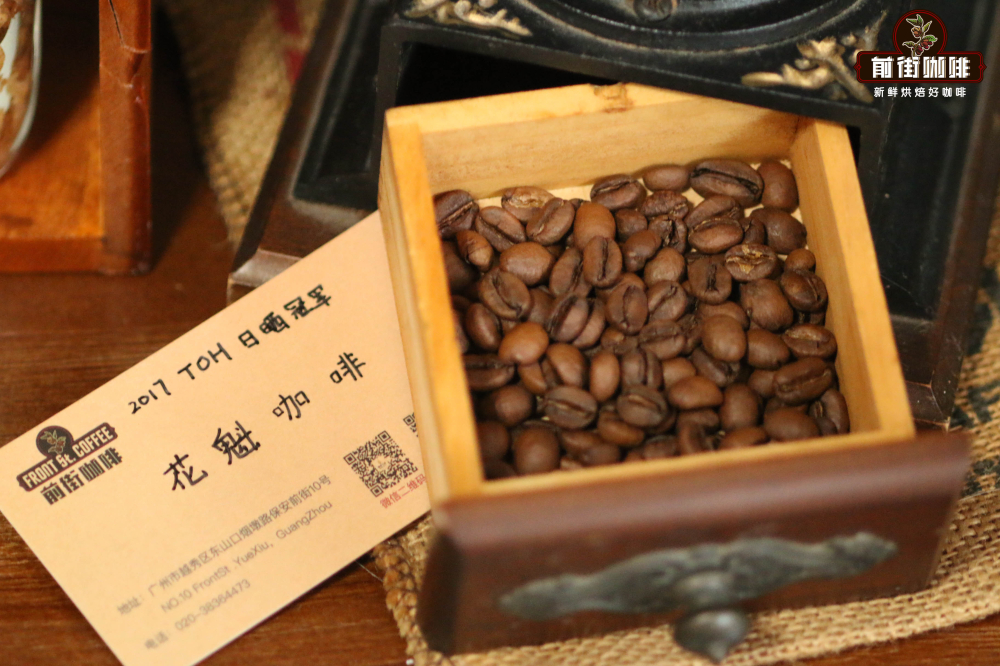
In this way, this naturally processed bean fromBuku Abelthe processing station also successfully debuted with the heat of the competition stage, and with its affordable price, it quickly became a high-quality coffee widely recognized by people in the industry.
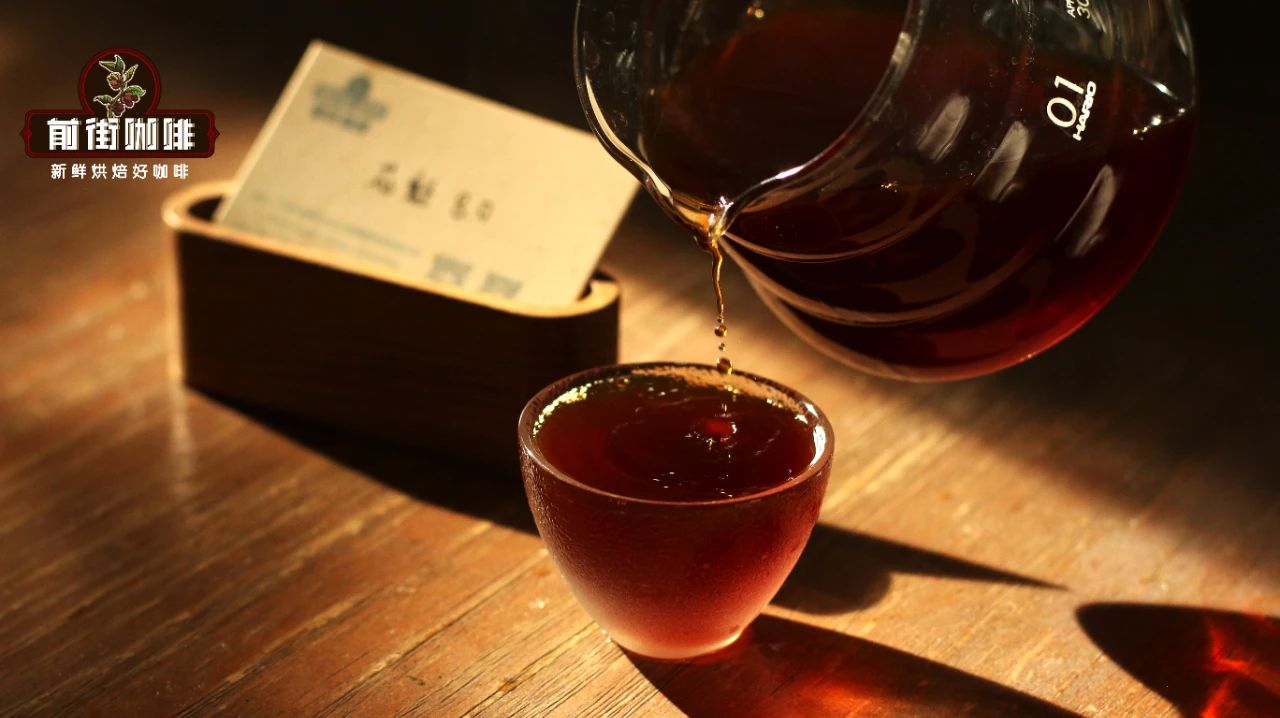
Finally: Is there a difference in flavor between Geisha/Gesha coffee beans and Oiran coffee beans?
Through cupping, Front Street Coffee found that Gesha coffee beans grown at high altitude, regardless of the processing method, always exhibit alluring floral aromas, bright citrus acidity, and an oolong/Tieguanyin tea-like sensation; while Oiran coffee beans, as a naturally processed Ethiopian heirloom variety, gain fermentation and sweetness from the natural processing method. While retaining the rich floral and fruity aromas of the heirloom variety, it also gains full-bodied sweetness, making Oiran coffee taste of berry/tropical fruit aromas& sweet-and-sour juice-like sensation, with a finish that carries the sweet aftertaste of oolong tea.
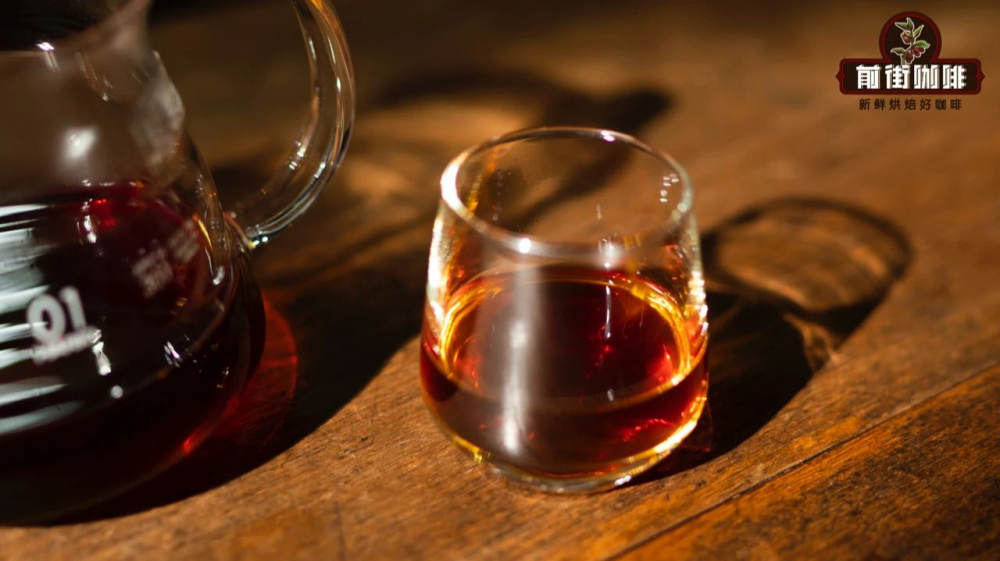
Gesha is the Gesha coffee variety, and Oiran is an Ethiopianheirloom variety, so their flavors are definitely different. As a crop, coffee’s flavor each year will change slightly with changes in the region’s climate and soil and with different processing methods. Although it changes, it can still retain the main flavor profile that the variety should have.
The above content is compiled by CoffeeHunters, a coffee news website.