







Search Results for: light roast single origin
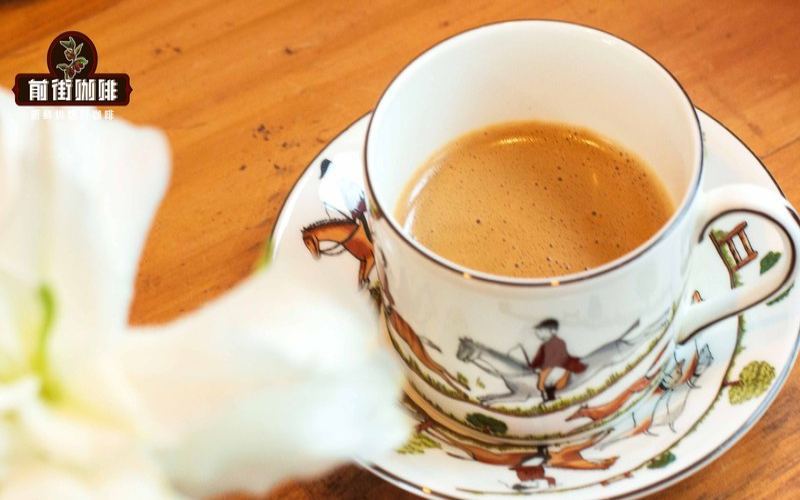
Single-Origin, Pour-Over, or Blend: How to Choose—Understanding Coffee Flavor from Light to Dark Roast
Whether to buy single-origin or blended coffee beans, and whether they suit pour-over or espresso, can often first be judged by the roast level. Light roasts retain more distinct origin character, often with floral notes, fruity acidity, and a bright, clean mouthfeel; medium roasts strike a more balanced profile of sweetness, aroma, and body; dark roasts lean more toward cocoa, nut, and roasted flavors. There is no fixed answer—what matters [more…]
Roast Level Determines How to Choose Single-Origin, Pour-Over, and Blends
From light roast to dark roast, coffee beans change not only in color, but also in aroma, sweetness, acidity and mouthfeel weight. Single-origin emphasizes the personality of a certain origin or batch, while a blend combines the characteristics of different beans; pour-over is an extraction method, and is not the same as a fixed type of bean. Keep these concepts separate, and then, from [more…]
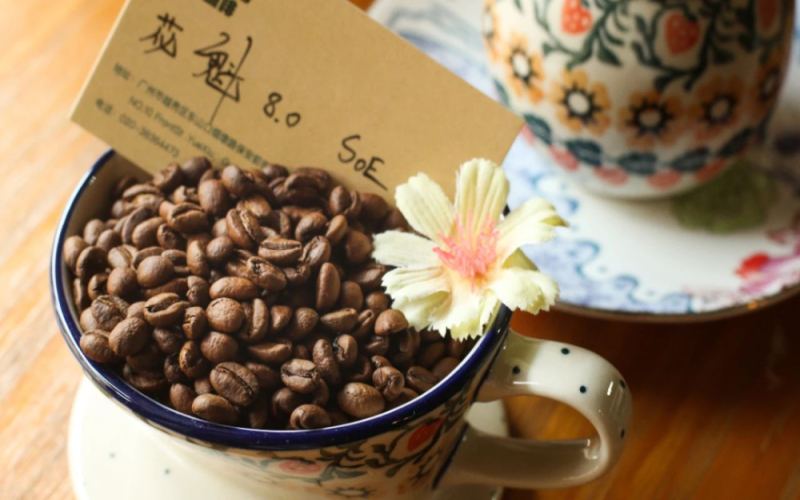
SOE Single-Origin Espresso | Which pour-over single-origin beans are suitable for making SOE coffee? What are the differences between single-origin pour-over and single-origin espresso?
SOE is one of the most popular products in today's specialty coffee shops and coffee chains. It is an espresso extracted from single-origin (single-origin) coffee beans. Its characteristic is that even at a very high concentration, the coffee liquid can still express the unique flavor profile of the coffee's origin. [more…]

How to Choose Single-Origin Pour-Over Coffee by Roast Level
When choosing single-origin beans for pour-over, you can start with the roast level. Light roasts suit those looking for floral notes, fruity acidity, and a clean, transparent mouthfeel; medium roasts make it easier to taste a rounded sweetness; dark roasts bring cocoa, nuts, and a heavier body. First decide whether you want a light, bright cup or a rich, easy-drinking one—that will give you clearer direction when buying. Light-roast beans [more…]
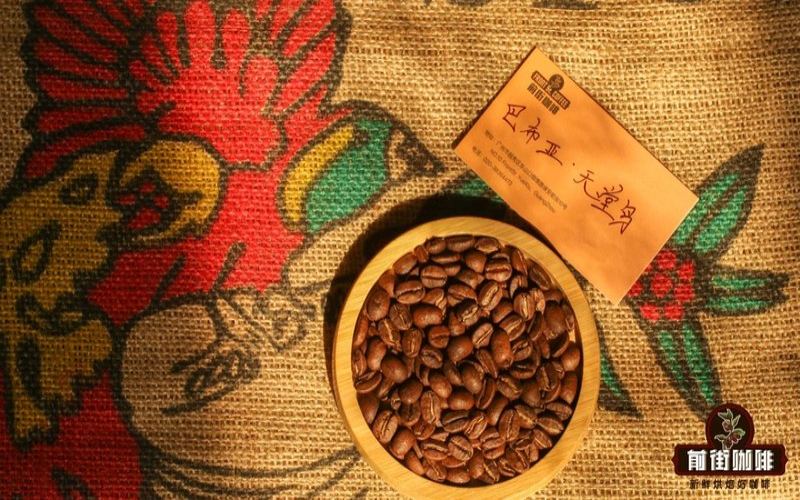
Choosing single-origin pour-over beans that are neither sour nor bitter based on roast level
If you want a single-origin pour-over with soft acidity and a bitterness that doesn't steal the show, roast level is a very practical place to start. A light roast preserves floral and fruity notes, but it may come across as bright; a medium roast more easily brings out sweetness and roundness; a dark roast offers cocoa, nuts, and a fuller body. The key is not to chase the absence of acidity or bitterness, but to let both sensations land in [more…]

Selecting Single-Origin Beans for a Moka Pot by Roast Level
Coffee brewed in a moka pot is strong and aromatic, with a pronounced weight on the palate. It works well as a small cup of black coffee and also pairs nicely with hot milk. When single-origin beans are used in this kind of brewer, the regional character is still there—it's just that the acidity and aroma get wrapped in a concentrated feel. When choosing beans, starting with the roast level is more reliable than looking only at the origin name. [more…]

Light, Medium, and Dark Roast Single-Origin Beans | For Beginners Getting into Pour-Over Coffee: Should You Buy Coffee Beans or Ground Coffee? Recommended Single-Origin Coffee Beans for Beginners Making Pour-Over
No matter what roasting style and brewing method you prefer, Front Street Coffee believes it's worthwhile and necessary to refer to some tips for buying coffee. First and foremost, the most important thing is to buy freshly roasted coffee beans, and to choose products that clearly indicate the roast date (not the expiration date or shelf life), and that have brand credibility. [more…]
Choosing Yirgacheffe by Roast Level: From Buying Channels to Brewing Methods
The purchasing channels for Yirgacheffe beans are greatly influenced by the roast level. If you prefer bright fruity notes, floral aromas, and a crisp mouthfeel, you can prioritize light-roast single-origin offerings from specialty roasters; if you favor a rounder sweetness with more restrained acidity, look for medium-roast batches; and if you mainly drink espresso, moka pot coffee, or milk-based coffee, you should look for medium-dark roasts. [more…]
2026 Light Roast Pour-Over Coffee Bean Roundup | Can Beginners Start with Light Roast Coffee Beans? Which Single-Origin Beans Have Rich Floral and Fruity Aromas?
Many people probably know that the charm of light-roasted coffee lies in its low bitterness, often accompanied by fresh floral and fruity notes. It is mostly brewed using the pour-over method, allowing even those who originally didn't accept coffee to fall in love with this "dark" beverage. To keep everyone from blindly stepping on landmines, today we bring a carefully compiled "2026 [more…]
Coffee Bean Identification Tips | Should Coffee Beginners Choose Single-Origin or Blended Beans? What Are Some Recommended High-Cost-Performance Single-Origin Coffee Beans for Beginners?
The coffee beans themselves are the biggest factor affecting coffee flavor. If you don't choose high-quality coffee beans, you won't be able to taste good coffee. Today, I'll share some practical tips for beginners on selecting and identifying coffee beans. Coffee bean brands suitable for beginners to learn about For inexperienced newcomers, the complicated cof [more…]
The roast level of an SOE single-origin determines what you taste
SOE usually refers to espresso made from single-origin coffee beans, and the roast level of the beans directly affects the aroma, acidity and sweetness, body, and extraction difficulty. When faced with coffees that all say SOE, light, medium, and dark roasts are not a ranking of flavor intensity, but three different directions of expression. When choosing, you can first look at [more…]
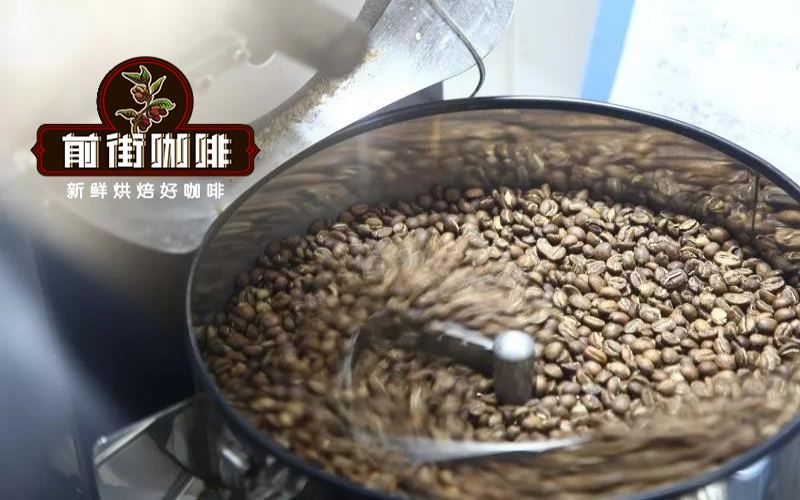
Coffee Roast Levels | What's the difference between dark, medium, and light roasted coffee beans? Is medium roast coffee bitter when brewed as pour-over? Recommended single-origin light, medium, and dark roast coffee beans suitable for pour-over
The darker the coffee is roasted, the more the acidity in the coffee is destroyed, replaced by more caramel flavors, smoky notes, and bitterness. Based on their understanding of different coffee beans, roasters use different roast levels to bring out the unique flavor state of beans from different origins and varieties. For example, preserving the beans' bright fruit acidity or floral notes. [more…]
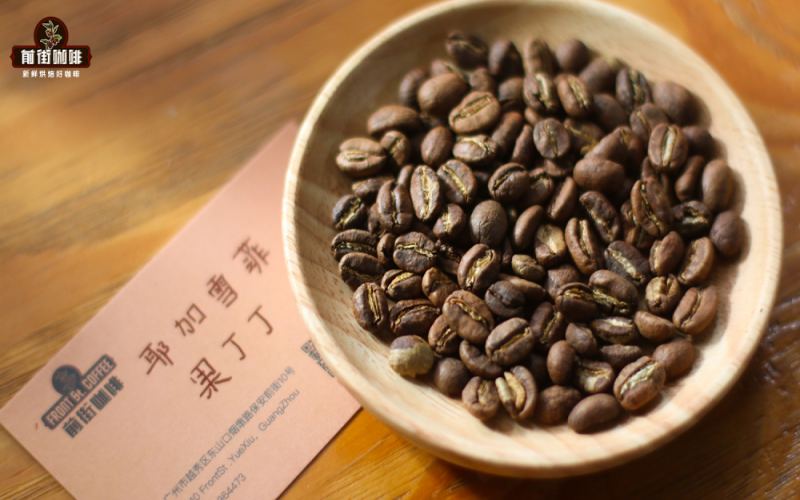
Introduction to Pour-Over Coffee Bean Varieties | Why Are Pour-Over Coffees Mostly Light Roasts? Recommended Light-Roast Single-Origin Beans for Beginners
As one of the most popular and trendy coffee brewing methods, pour-over has always been a favorite among coffee enthusiasts. However, if you want to brew a cup of coffee at home that is neither bitter nor astringent, which coffee beans should you choose? Because the flavor compounds in green coffee beans constantly change during the roasting process—simply put, it's a transition from acidity to bitterness. [more…]
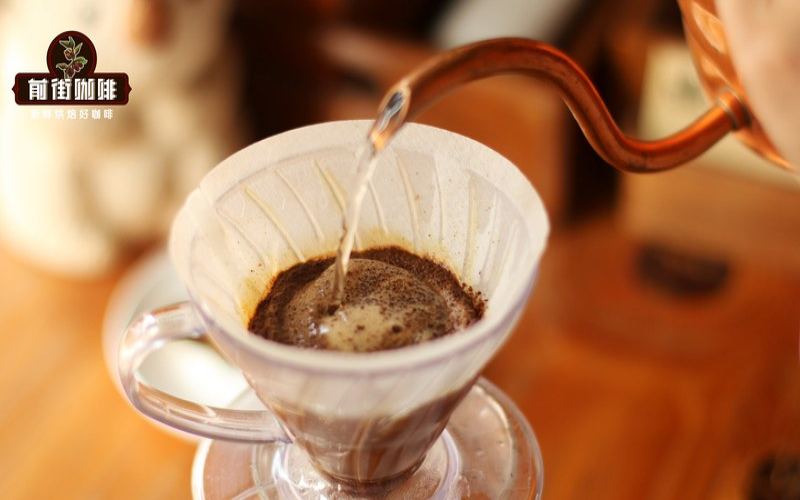
How to Choose SOE Espresso Beans by Roast Level
SOE is short for Single Origin Espresso, referring to espresso made from coffee beans of a single origin or estate. Its difference from common blends lies not merely in the origin label, but in how it brings the character of a particular region, variety, or processing method into a short, highly concentrated extraction. [more…]
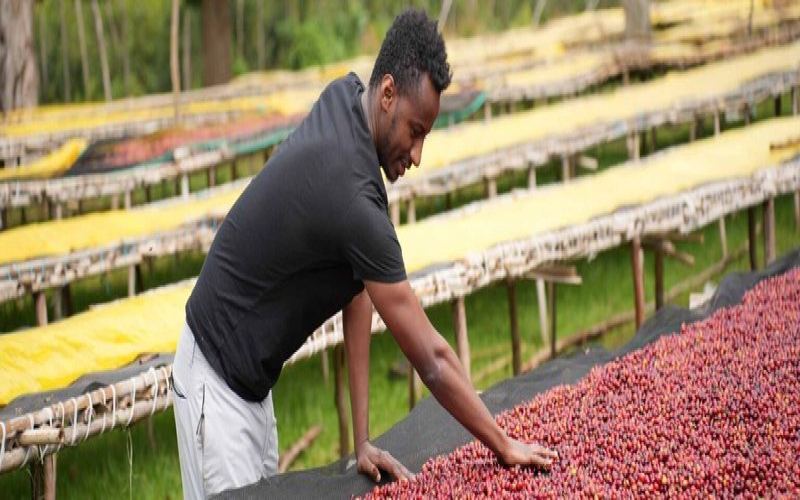
How to Choose SOE by Roast Level: From Bright Fruit Flavors to Rich Sweetness
If you want a cup of espresso with the distinct character of its origin, SOE is a very straightforward choice. It doesn't rely on blending multiple beans to create a fixed flavor profile; instead, it lets the aroma of a single origin and a single batch come through in the extraction. Choosing by roast level helps you find a better match among fruity acidity, floral notes, caramel sweetness, and full-bodied richness. SOE usually refers to [more…]
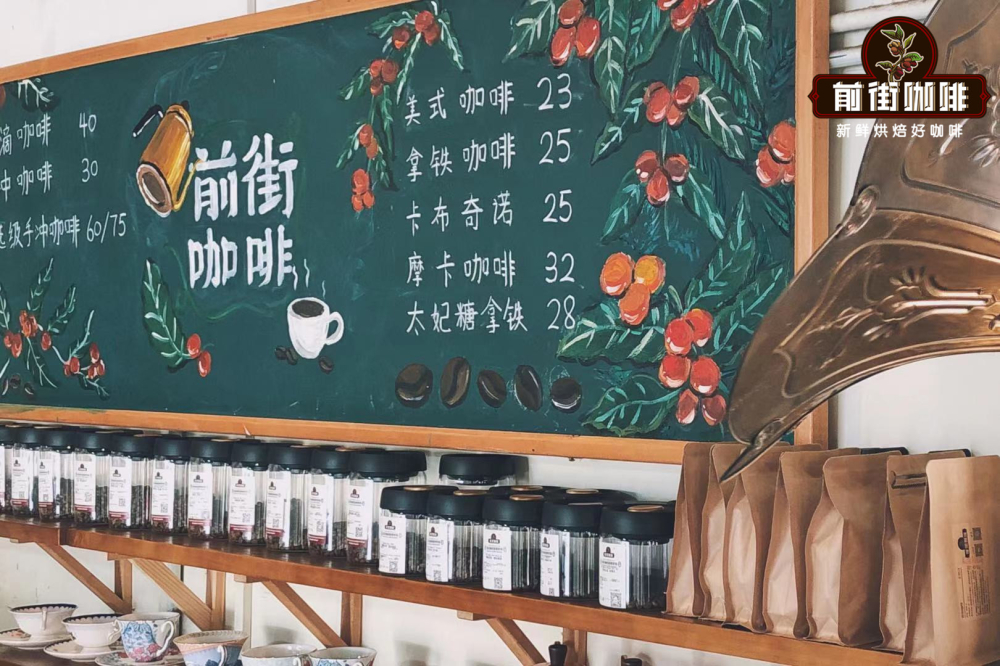
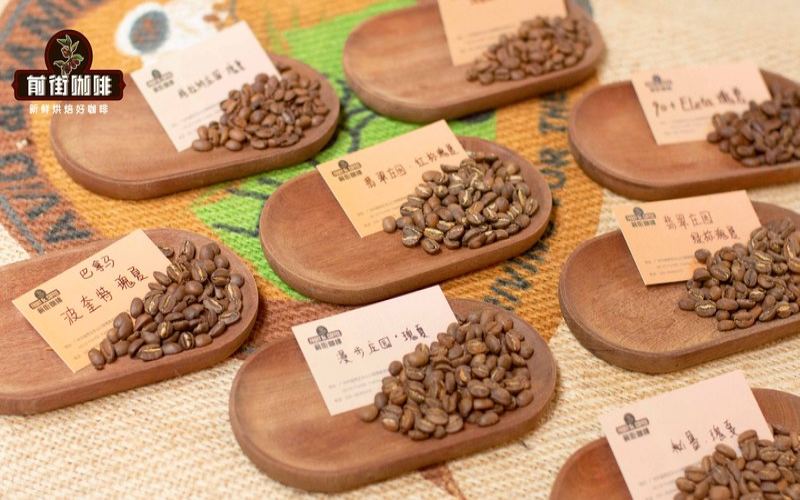
Coffee Bean Roasting Principles | What's the Difference Between Dark Roast and Light Roast Coffee Beans? Can Single-Origin Beans Like Natural Red Cherry, Bird of Paradise Estate, Brazil Yellow Bourbon, and Mozart Be Used for SOE Coffee?
When Front Street Coffee baristas introduce coffee bean flavors to customers, they also share a lot of related knowledge about coffee beans. From a single coffee bean to the coffee we taste, it goes through picking, drying processing, hulling and sorting, roasting, and finally extraction—every step [more…]
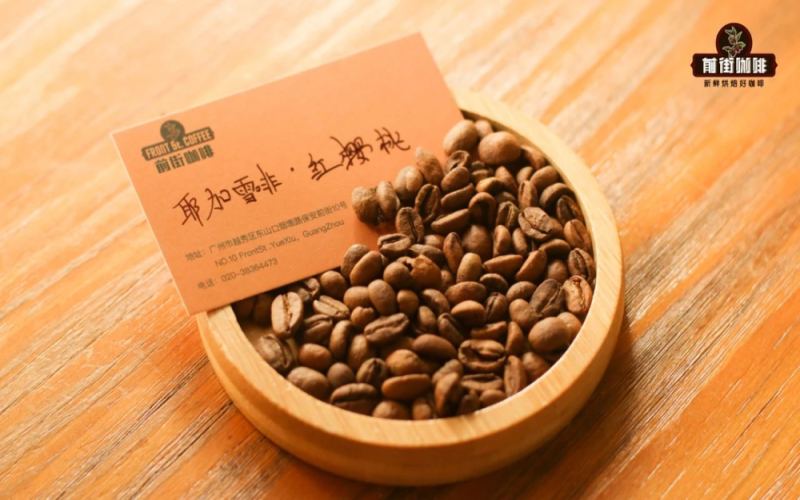
Light Roast Coffee Bean Flavor and Taste | Why Must Coffee Beans Be Roasted Before Drinking? Recommendations for Cost-Effective Light Roast Single-Origin Pour-Over Coffee Beans
Coffee is originally just the seed of a fruit, and only after processing does it become green coffee beans. Raw coffee beans themselves do not have a particularly noticeable coffee aroma. Only after the coffee beans have been roasted can the rich coffee fragrance be smelled. Therefore, the roasting of coffee beans is a process of transforming the internal components of the coffee beans, and only after roasting [more…]
Choosing SOE Beans by Roast Level: How to Drink Light, Medium, and Dark Roasts
SOE refers to single-origin coffee used for espresso extraction. The roast level of the beans directly affects the aroma, acidity, sweetness, body, and aftertaste of the shot. Light roast does not equal sour, medium roast is not just a compromise, and dark roast is not synonymous with bitter. With the same espresso machine, start by judging the texture you want in the cup based on roast direction, and your bean selection range will [more…]
Where Does the Sourness in Coffee Come From? A Guide to Light and Medium Roasts and Five Recommendations for Single-Origin Beans with Floral and Fruity Notes
Many people feel puzzled the first time they taste coffee with acidity: is coffee being sour actually a good thing? In fact, acidity is an extremely important flavor dimension in specialty coffee. Especially in medium-light roasted beans, floral and fruity aromas often come hand in hand with bright acidity. Because dark-roasted beans undergo sufficient caramelization, bitterness dominates and the floral and fruity notes are masked instead. Light roast is dropped between the middle of first crack and the end of first crack, retaining more organic acids, with prominent acidity and rich aroma layers; medium roast, by contrast, has higher sweetness and more restrained acidity. Starting from roast level, this article will explain the causes of acidity and then introduce five representative single-origin coffees with floral and fruity aromas one by one—Front Street Coffee Gutingding, Front Street Coffee Kenya Little Tomato, Front Street Coffee Geisha Blend Strawberry Candy, Front Street Coffee Colombia Big Belly Button, and Front Street Coffee Butterfly—to help enthusiasts choose beans precisely based on flavor descriptions. [more…]
Commercial SOE Coffee Bean Recommendations | Comparing Crema, Oil, Flavor, and Mouthfeel of Yirgacheffe, Mandheling, and Brazil Coffee Beans as SOE Single-Origin Espresso
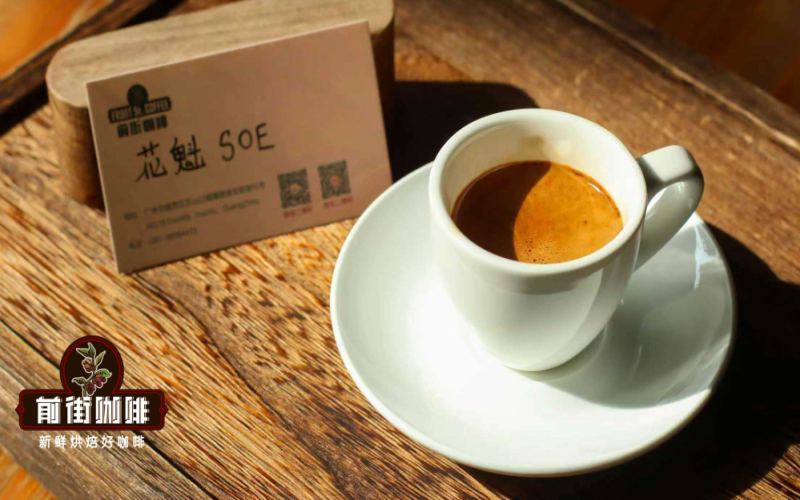
After the concept of "specialty coffee" emerged, the unique flavors of various regions have become increasingly familiar to coffee connoisseurs, and SOE has also become increasingly popular in the coffee market. So how do you choose the right SOE coffee beans? SOE SOE stands for "Single Origin Espresso" [more…]