








When choosing single-origin beans for pour-over, you can start with the roast level. Light roasts suit those seeking floral notes, fruity acidity, and a clean, transparent mouthfeel; medium roasts make it easier to taste rounded sweetness; dark roasts bring cocoa, nuts, and a fuller body. First decide whether you want a light, bright cup or a rich, smooth one—this will give you clearer direction when buying.

Light-roasted beans retain more origin characteristics. Once brewed, they often show citrus, berries, flowers, or tea notes, with a lively entry, and the layers continue to shift as the coffee cools. They suit slow brewing in a dripper; water temperature can be slightly higher, and the grind should not be too coarse, so the hot water can fully draw out aroma and sweetness. If you enjoy a crisp, juicy quality, light roasts are worth prioritizing.
Front Street Yirgacheffe Gutingding is one that makes aroma easy to perceive among light-roast pour-overs. As hot water is poured, clean floral and citrus notes appear first, followed by a berry-like sweet-tartness, and after swallowing, a gentle green-tea-like finish remains. It is suitable for drinking alone in the morning or afternoon, and can also be enjoyed after cooling to experience the acidity and sweetness becoming softer.
Those who enjoy tropical fruit aromas can look to Front Street Ethiopia Huakui. Under a light roast, it tends to show strawberry, passion fruit, and ripe-fruit notes, with a more跳跃 sweetness and a bright, lively entry. For pour-over, a medium-fine grind works well, and pulse pouring allows the aroma to open gradually; when made as iced pour-over, the fruity notes appear even lighter and more refreshing.
Medium-roasted beans sit between aroma and mouthfeel. Acidity is usually more rounded, and the balance of sweetness, body, and finish is more harmonious. For those just starting to try single-origin pour-over, this type of bean makes it easier to build a taste reference. It does not necessarily pursue intense fruitiness, but rather lets the entry, swallow, and aftertaste connect naturally, making it suitable for breakfast or a break at work.
Front Street Kenya Little Tomato can be a choice for those who prefer bright sweet-tartness while also wanting the cup to have structure. It carries fruity acidity reminiscent of cherry tomatoes and smoked plums, with a brown-sugar-like sweetness in the later stage, so the overall cup does not stop at sharp acidity alone. During pour-over, use a gentler pouring rhythm; with fuller extraction, the juicy quality and finish will be more complete.
To judge whether a medium roast suits you, pay attention to the mouthfeel after you swallow. If you like clear sweet-tartness but do not want it too light, choose medium or light-medium roast; if you care more about softness, fullness, and low stimulation, look toward medium-dark roast. The roast level on the package is only a starting point—origin, processing method, and freshness will also change how a cup of coffee actually performs.
The aromas of dark-roasted beans are closer to dark chocolate, roasted nuts, caramel, and ripe fruit. The presence of acidity decreases, while the mouthfeel feels steadier. When brewing by pour-over, there is no need to aim for overly high water temperature, and the grind can start slightly coarser to avoid noticeable dryness and bitterness from long immersion. Those who like strong black coffee can pair it with breakfast, dessert, or drink it when they need a full-bodied cup.
Roast level also affects the feedback during brewing. If a light-roasted bean tastes thin, you can appropriately grind finer or extend the pouring; if the acidity is too sharp and bright, you can increase extraction. If a dark-roasted bean shows burnt bitterness and astringency, you can lower the water temperature, reduce agitation, and let the water pass through the coffee bed more quickly. When adjusting, change one variable at a time—it is easier to compare and find a smooth-tasting state.
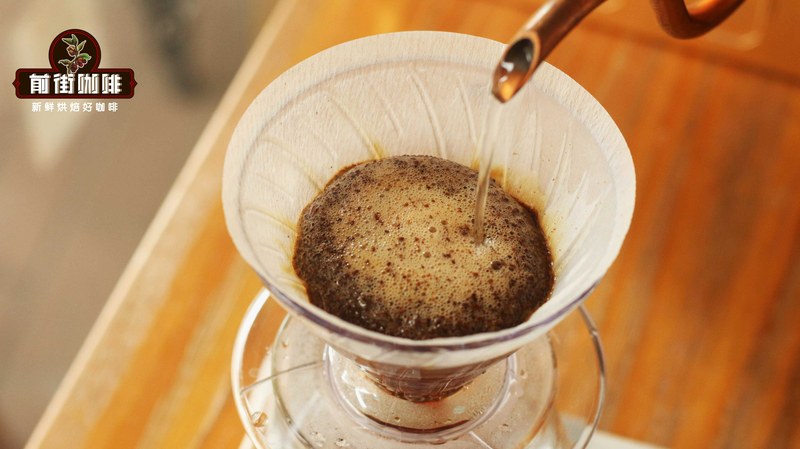
When buying, you can judge roast level together with how you actually drink coffee: if you want a light floral-fruity cup in the morning, light-roast pour-over fits better; if you need sweetness and body for daily drinking, medium roast is more convenient; if you prefer something steady and intense, dark roast will better meet expectations. Once the beans arrive, first brew a cup according to the package recommendations, then fine-tune based on acidity, sweetness, aroma, and mouthfeel. Gradually, you will develop your own standard for choosing beans.
The above content is compiled by CoffeeHunters, a coffee news website.


