







Blended Coffee Beans, SOE and the Roast Choice for Espresso
Any roast level can be used for espresso; the choice comes down to taste. Italian tradition favors dark roasts for the heavier body and more prominent bitterness, and dark-roasted beans also build a thicker crema. Light roasts can still deliver fruity and floral notes, but that crema layer thins out or disappears entirely.
Single-origin espresso shows how far results can vary. An Ethiopian Yirgacheffe pulled as SOE often brings sharp acidity and a pungent sensation, so bean selection matters more than with pour-over, which tolerates nearly any bean. Blended coffee beans smooth out those extremes, which is why blends remain the common base for espresso.
Is Espresso better with a dark roast or a light roast? This is a common question among many coffee lovers. Starting from the principles of extraction, this article systematically sorts out the differences in how dark roasts and light roasts perform in espresso, analyzes the formation and role of crema, explores the popularity of SOE single-origin espresso, and explains in depth the meaning of coffee blends and Front Street's blending solutions. Whether you are a beginner just getting into espresso or an enthusiast hoping to refine your skills, you can find practical references for choosing beans and brewing.
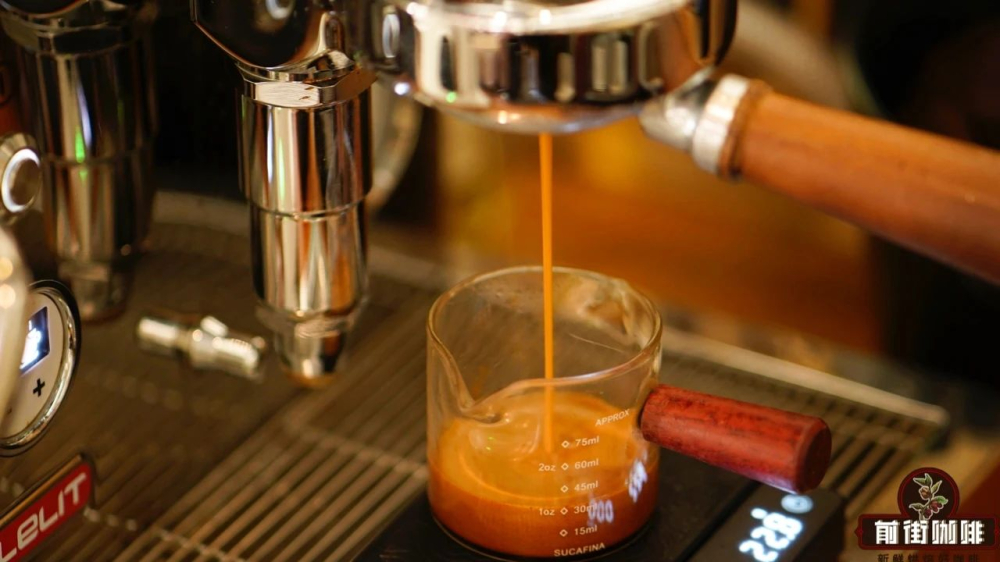
Espresso is an extraction method in Italian-style coffee. With the help of an espresso machine, it rapidly extracts concentrated coffee liquid in a short time using high temperature and high pressure. It is often called Italian-style concentrated coffee, that is, Espresso.
In many people's eyes, the first label of espresso is intensity and bitterness. However, Front Street wants to say that a well-made espresso can also present fruity notes, floral notes, spice aromas, and even chocolate or caramel-like sweetness. As for the flavors you ultimately taste, the key still lies in the coffee beans you choose.
Pour-over coffee is highly tolerant of beans; almost any bean can be used. So is espresso the same? Front Street's view is that coffee beans of any roast level can be used to make espresso, and which one to choose depends entirely on personal taste preference.
It is just that Italians have historically preferred dark-roasted espresso beans, and most consumers also more easily accept the flavors brought by dark roasting—more prominent bitterness and higher body—so dark roasting gradually became the mainstream for espresso beans. With different bean choices, espresso output can be vastly different, and some can even be hard to swallow. Take SOE single-origin espresso as an example: if made with Ethiopian Yirgacheffe, it often has sharp acidity and a strong pungent sensation, so the bean selection step is especially important.
Everyone knows that a layer of crema floats on the surface of espresso. If you switch to light-roasted beans for extraction, this layer of crema may be only a thin bit, or even disappear completely. For this reason, dark-roasted beans are generally recommended for making Espresso. Dark-roasted beans have heavier flavors and are closer to the public's fixed impression of "coffee flavor," with a lower threshold for acceptance.
Dark roasting has an obvious effect on crema, usually bringing a richer layer of crema. Crema is the product formed from carbon dioxide and some solid substances under high-pressure extraction. Freshly roasted beans are rich in internal carbon dioxide, so the crema made with them is naturally fuller. But crema is not better the more there is—if you have tried latte art, you will understand that when the crema is too thick, it is hard to push it around, it is not smooth enough, which is what people often call "hard crema."
Espresso is the base of most coffee drinks, and milk coffee especially depends on it. In order for the coffee to retain a rich body after adding other ingredients, Front Street suggests that friends who are just getting into espresso should, when choosing beans, give priority to coffee beans at medium roast or above for extraction.
Why is it not recommended to pair espresso with light roast? The reason is that the acidity of light-roasted beans is more prominent than that of medium-roasted beans. Once made into other drinks, or diluted with milk or water, if parameters such as extraction and ratio are not adjusted accordingly, the finished product will appear thin and lack body. If drunk directly as espresso, it may also show sharp acidity and more noticeable astringency in flavor.
Of course, SOE single-origin espresso is also very popular in cafes nowadays. SOE is the abbreviation of Single Origin Espresso, which in Chinese means "single-origin espresso." It emphasizes using beans from a single origin to make espresso, forming a contrast with traditional espresso blends, highlighting the characteristics of a single origin, and making it easier for people to identify regional flavors, bringing the origin and consumers closer. In other words, when using beans from a single origin or region to make espresso, the roast level does not need to be that dark. What SOE pursues is precisely the unique individual flavor of a certain region.
Blend beans
Espresso is usually made with blend beans, and an ideal Espresso often starts with blending. A perfect Espresso needs sweetness, and the overall taste emphasizes balance, with coordination among bitterness, acidity, sweetness, and aftertaste. This is difficult for a single coffee bean to achieve, so if you want to get an ideal Espresso, you first need an excellent blending solution. The blending here refers not only to the combination of beans from different origins, but also to the coordination of the same bean across different roast levels. Either way, there is only one principle for blending: to make the final Espresso taste balanced.
What are blended coffee beans
Blended coffee, also called mixed coffee, is made by mixing multiple single-origin coffee beans so that their respective strengths can be fully brought into play. Blend beans are composed of beans from different origins, with the aim of obtaining a more balanced flavor. For example, if a certain bean is smooth in mouthfeel but insufficient in aroma, you can add another bean rich in aroma, allowing their strengths and weaknesses to compensate for each other, whether complementing or reinforcing each other in taste, thereby creating a richer new flavor. Blending is divided into raw blending and roasted blending: raw blending means mixing beans from different origins before roasting and then roasting them; roasted blending means roasting each separately and then mixing. The blend beans of FrontStreet Coffee all use roasted blending.
How do blend beans taste when used to make espresso
Coffee is an agricultural product. Beans from the same origin in different harvest seasons, or even different batches within the same year, may taste different. This is where the shortcoming of a single origin lies—it is hard to say with certainty that next year you will still be able to drink this delicious single-origin coffee from this year (except for beans whose flavor is dominated by processing method; in addition, many links from origin to cafe can also cause flavor differences between the beans you buy and those from before).
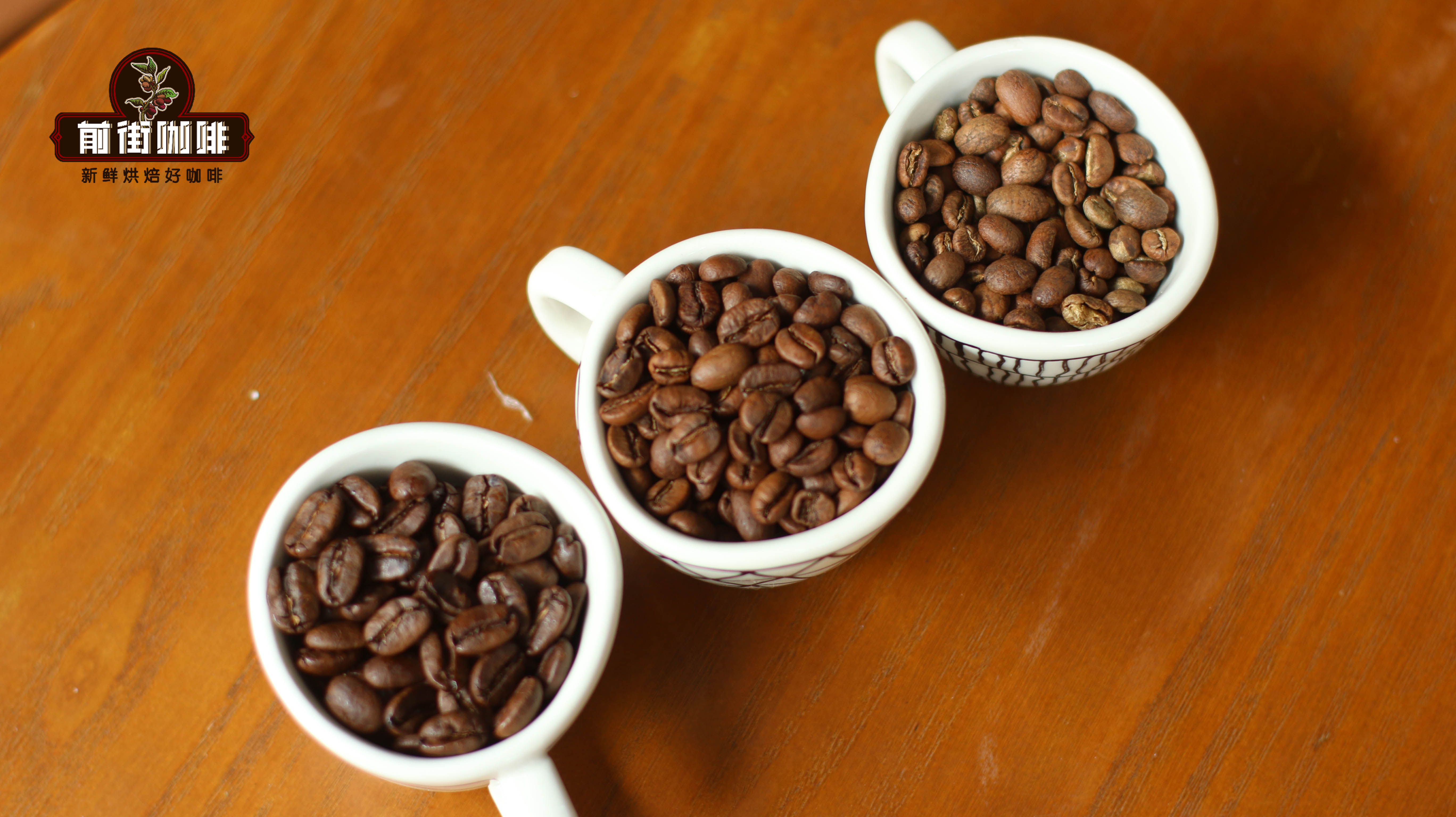
Therefore, one purpose of blending is to create a product that can be supplied over the long term with long-term stable flavor. When one of the beans fails to meet quality standards or changes in a new harvest season, similar beans can be found to replace it, thereby maintaining stability.
Sometimes a single-origin bean is like a person, with strengths and weaknesses; while blending is like forming a team, letting each one's strengths make up for the others' weaknesses and achieving a mutually enhancing effect.
For example, using a sweeter bean to blend with a more acidic bean to achieve a balance of sweetness and acidity; or adding some Brazilian beans to the recipe to improve the overall body. These are common purposes of blending.
Different purposes also determine the flavor direction of blended coffee. If the goal is to reduce costs, then it is difficult to use better-quality beans, and naturally there is no need to be demanding about flavor. FrontStreet Coffee believes that in order to create flavors that a single bean cannot produce, or to spare no expense in using high-quality and distinctive single-origin beans for blending, as long as the recipe is appropriate, being better than SOE is not a problem at all. So when looking at blended coffee, the key is still its blending purpose and unit price.
Front Street's espresso blended coffee drinks use the Sunflower Warm Sun blend. This recipe selects Honduras Sherry and Ethiopian Yirgacheffe Red Cherry. After repeated adjustments by FrontStreet Coffee baristas, a relatively ideal 7:3 ratio was obtained. The resulting espresso has obvious fruity acidity, along with berry aroma and wine aroma, and a comfortable sweet aftertaste. Front Street is confident that its flavor is fully comparable to SOE.
Front Street's blend beans also include espresso moka pot coffee beans recommended by many baristas—Front Street Dark Cocoa Blend, Specialty Blend, and Commercial Blend. As for single-origin beans, there are more than fifty kinds in total from different regions, so whether for pour-over or espresso, you can try different flavor experiences.
Front Street coffee brewing suggestions
Whether pour-over or espresso, if you want to brew a good cup of coffee, good beans are the prerequisite, and you also need to rest the beans well. Front Street has always believed that the freshness of coffee beans is an extremely critical part of brewing. The coffee beans sent out by FrontStreet Coffee are all roasted within 5 days, because Front Street deeply understands how much freshness affects flavor. Front Street's roasting motto is "Freshly roasted good coffee," so that every customer who places an order receives the freshest coffee when the coffee arrives. The resting period for coffee is about 4-7 days, so by the time customers receive it, it is exactly at its best flavor state.
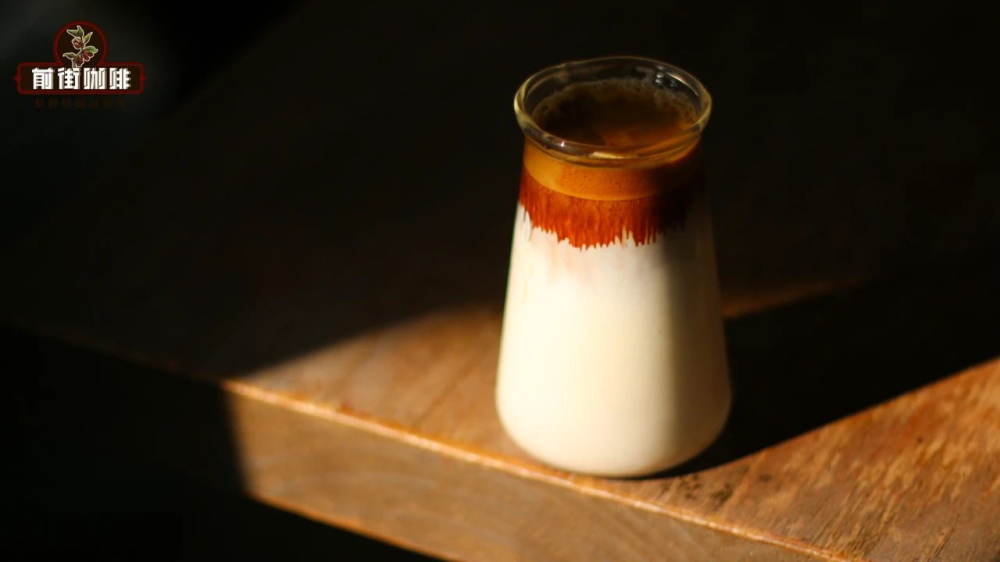
Of course, some customers need Front Street to help grind the beans, and that is no problem either, but Front Street wants to remind you: once coffee beans are ground into powder in advance, there is no need to rest them anymore. This is because during transportation, the pressure generated by carbon dioxide inside the package can also make the flavor rounder, so once you receive the coffee powder, you can immediately brew a cup. However, coffee powder should be used up as soon as possible, because after contact with air it oxidizes quickly and its flavor dissipates quickly, so it will not taste as good. Therefore, Front Street recommends buying whole beans and grinding fresh before brewing, so that you can better taste the flavor of the coffee.
Professional coffee knowledge exchange For more coffee bean information, please follow the WeChat official account: FrontStreet Coffee
The above content is compiled by CoffeeHunters, a coffee news website.


