







Search Results for: legal interpretation
Legal Interpretation of the Luckin Low-Price Order Incident: Consumer Red Lines and Platform Liability Under System Vulnerabilities
The unusual pricing incident involving Luckin Coffee's delivery platform packages has drawn widespread attention. After consumers placed orders at extremely low prices, their orders were unilaterally cancelled, giving rise to legal disputes. Citing the views of a legal blogger, the People's Court Daily pointed out that when a merchant's pricing error results from staff mistakes, the merchant may claim a major misunderstanding to rescind the contract, but this must be resolved through litigation or negotiation. Ordinary consumers who unintentionally buy low-priced drinks have not broken the law, but those who knowingly exploit a system loophole and maliciously place large numbers of orders may run afoul of the law. This article will analyze the course of events, the legal basis, and Luckin's compensation measures in detail, while reminding coffee lovers that when enjoying discounts they must hold fast to the bottom line of good faith and avoid crossing the red line of the law. [more…]

"People's Cafe" has nearly 30 locations nationwide, yet its trademark has been repeatedly rejected: the compliance of its store logo sparks heated debate
Recently, a coffee shop branded "People's Coffee" sparked widespread discussion in Shijiazhuang. A subsequent media investigation found that similar stores have covered 18 provinces and 20 cities nationwide, with nearly 30 directly operated outlets. Its parent company, YaoChao (Shanghai) Culture Communication Co., Ltd., has applied for the "People's Coffee" trademark multiple times since 2022, but all applications were rejected. It only holds two registered trademarks: "Chao People's Coffee" and "YaoChao People's Coffee." However, the actual store signs do not display the words "Chao" or "YaoChao." This phenomenon has drawn public attention to commercial signage compliance, trademark usage norms, and potential legal risks, and lawyers have also offered professional interpretations. [more…]
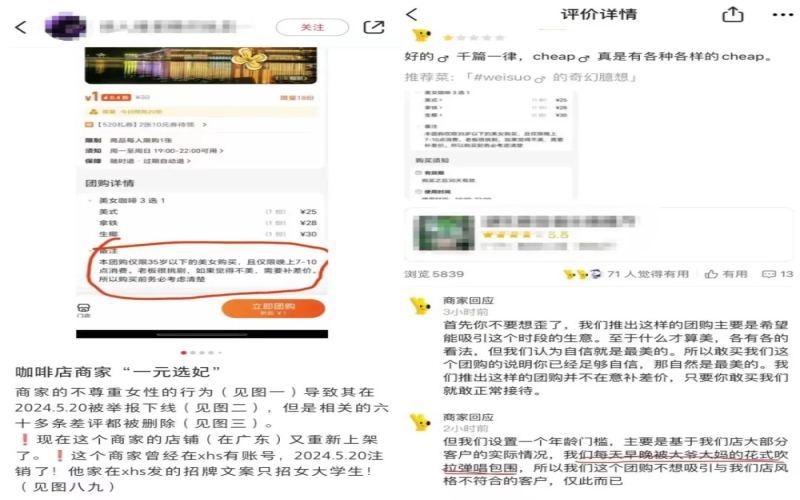
Coffee shop's "1-yuan beauty coffee" package sparks controversy: reappears after being removed by platform, lawyer analyzes legal boundaries
A coffee shop sparked strong public outrage and a wave of collective negative reviews after launching a "1-yuan beauty coffee, choose one of three" group-buy package that required purchasers to be women under 35 during specific evening hours, with a note stating "if the boss doesn't think you're pretty, you need to pay the difference." The shop once explained it wanted customers to match the store's style, but this failed to quell the controversy, and it was subsequently taken offline by the platform and had its social media account canceled. Recently, the shop relaunched, and although the controversial package had disappeared, netizens once again gave low ratings, causing it to be taken offline a second time. A lawyer from Legal Daily pointed out that the package was suspected of violating the Advertising Law and the Civil Code, while the netizens' excessive criticism may constitute cyberbullying. Front Street Coffee reminds that both merchant promotion and platform review need to strictly adhere to legal bottom lines. [more…]
Tea Yanyuese Wins Trademark Infringement Lawsuit with 1.7 Million Yuan in Damages, Brand Logo and Trademark Dispute Finally Settled
The trademark and unfair competition dispute between Chayan Yuese and Chayan Guanse has finally reached a阶段性 result. The Tianxin District People's Court of Changsha ruled in the first instance that Chayan Guanse lost the case and must stop the relevant infringing publicity and compensate Chayan Yuese 1.7 million yuan in total for economic losses and reasonable legal costs. This years-long tug-of-war over rights protection, from Chayan Guanse taking the initiative to sue Chayan Yuese, to Chayan Yuese resolutely filing a counterclaim and ultimately winning, has been full of twists and turns. Founded in 2013, Chayan Yuese is a well-known local milk tea brand in Changsha, featuring a Chinese style and adhering to a direct-operation model for a long time. It was only in 2020 that it expanded beyond Changsha to Wuhan, Shenzhen, and other places. After winning the case, the brand announced that it would issue discount coupons to members in celebration. This article sorts out the ins and outs of the case, the brand's development history, and the background related to its Logo design, providing a comprehensive interpretation for coffee and tea beverage enthusiasts. [more…]
The Past and Present of Yirgacheffe Coffee Beans: Variety Tracing, Origin Definition, and Flavor Profile Analysis
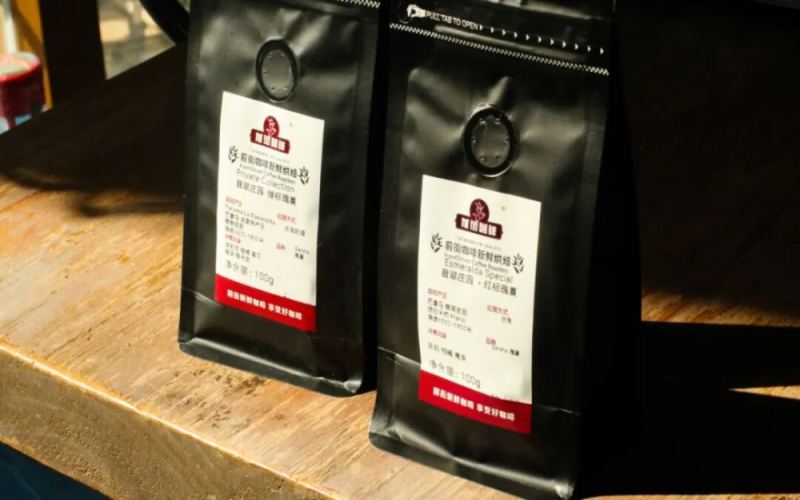
Yirgacheffe is one of Ethiopia's most recognizable specialty coffee regions, renowned worldwide for its distinctive floral and citrus notes. This article will trace the origins and historical development of Yirgacheffe, clarify the process by which it became independent from the Sidamo region, interpret the logic behind the demarcation of Yirgacheffe's legal boundaries under the ECX trading system, and explain why "Yirgacheffe" today is not merely a geographical concept but represents a unique flavor label. The article also recommends Front Street Washed Gutingding as a classic everyday choice for beginners, helping you gain a more comprehensive understanding of the past and present of this coffee holy land. [more…]
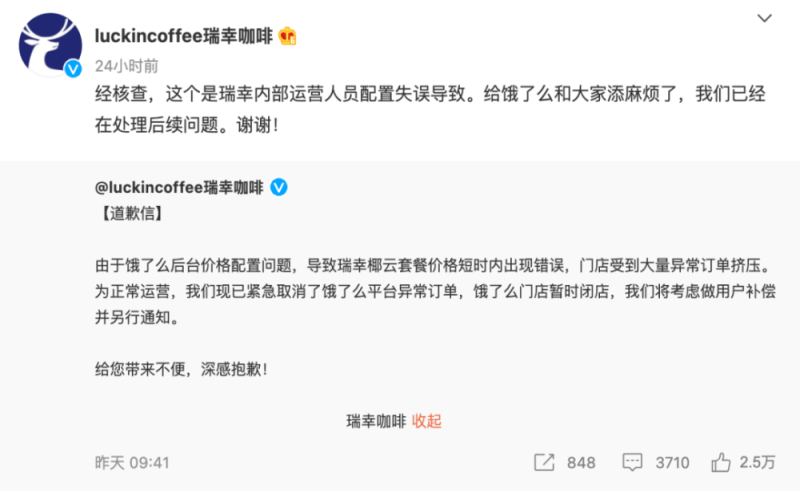
Is Luckin's forced cancellation of low-priced orders illegal? Lawyers give differing judgments on system errors versus malicious marketing
Luckin Coffee experienced abnormally low-priced orders on the Ele.me platform due to an operational configuration error. After a large number of users rushed to place orders, Luckin handled the situation by unilaterally canceling orders and temporarily suspending online operations. This move sparked strong dissatisfaction among consumers and also drew attention from the legal community: lawyers on one side argued that canceling paid orders was suspected of infringing on consumer rights; the other side pointed out that if it was a major misunderstanding, the contract could be revoked in accordance with the law. If there was intentional malicious marketing, it could also constitute fraud. In the end, Luckin promised to bear all losses and issue compensatory vouchers. This article sorts out the course of the incident, netizen feedback, and lawyers' views, so that coffee lovers can understand the full picture of this controversy. [more…]
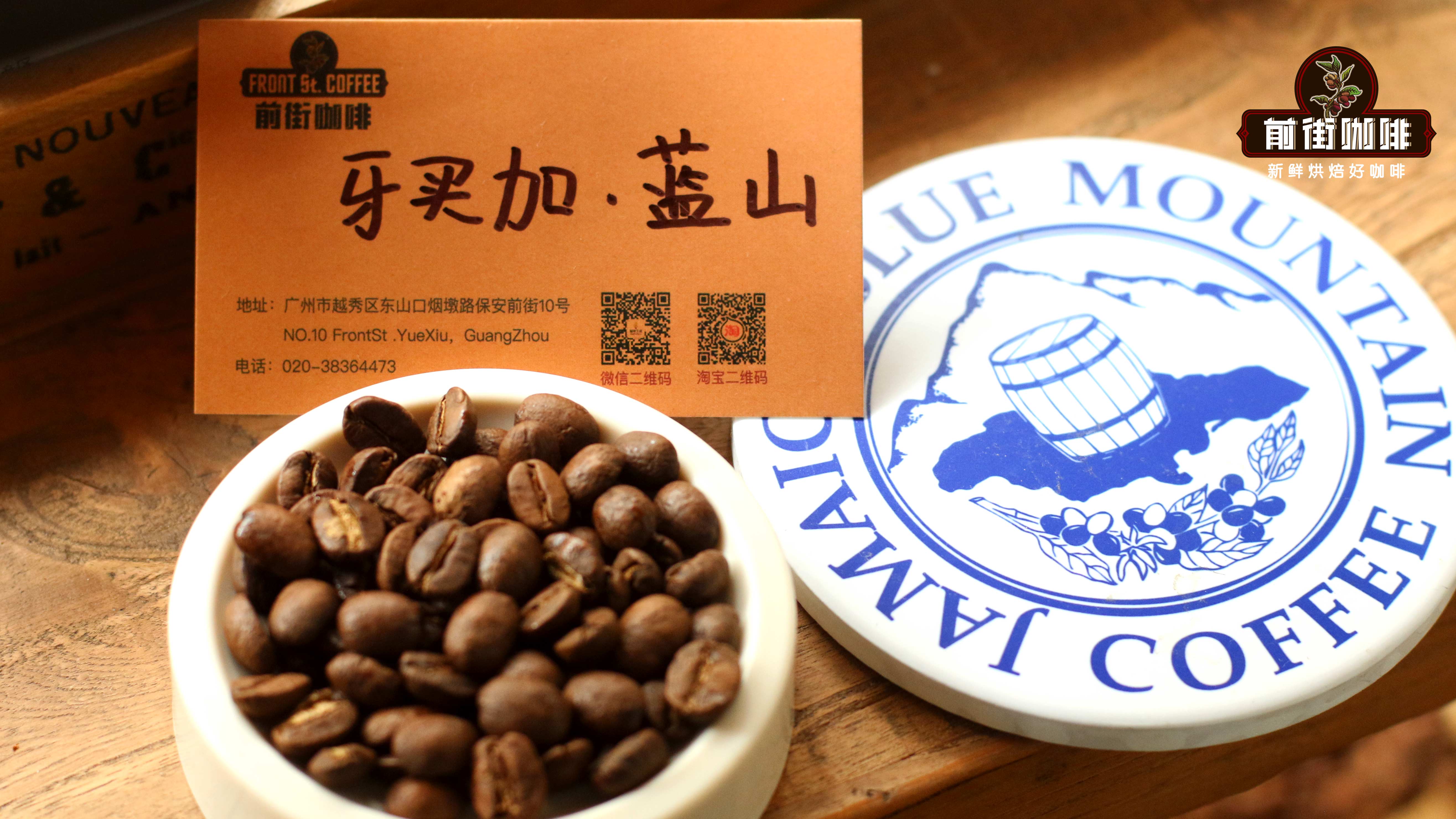
An In-Depth Analysis of Jamaica Blue Mountain Clifton Mount Estate No.1: The Blue Mountain Coffee Certification System and a Guide to Selecting Beans for Pour-Over
The name Blue Mountain coffee is known to everyone in the coffee world, but not every coffee sold under the "Blue Mountain" banner truly lives up to the name. Starting from the product information of Front Street Coffee's Jamaica Blue Mountain Clifton Estate No.1, this article systematically sorts out the producing region definition, grade classification, and historical evolution of Blue Mountain coffee, and takes a deep dive into the special position of Wallenford Estate within the Blue Mountain industry. You will learn the essential differences between "Blue Mountain flavor," "Jamaica coffee," and "Jamaica Blue Mountain No.1," the altitude standards of the legally defined Blue Mountain producing region, and how the CIB certification system safeguards the authentic quality of Blue Mountain coffee. Whether you want to understand how to tell genuine Blue Mountain coffee from fakes, or you are looking for a reliable pour-over Blue Mountain bean, this article is worth a read. [more…]

New Accounting Law Takes Aim at Financial Fraud: Luckin Coffee Named by the Ministry of Finance, Penalty Cap Leaps from 100,000 to Ten Times the Fine
Recently, the Ministry of Finance, in a new series of interpretive articles on the Accounting Law, named Luckin Coffee, Evergrande Real Estate, and other domestic and overseas listed companies for financial fraud, sparking widespread attention. The article pointed out that a major reason for the frequent occurrence of egregious financial fraud is that the cost of breaking the law is too low. Under the original Accounting Law, the maximum penalty for fraudulent enterprises was only 100,000 yuan, which was difficult to create an effective deterrent. In 2020, Luckin Coffee self-disclosed inflated transaction revenue of about 2.2 billion yuan, was delisted from Nasdaq, and reached a settlement with the U.S. SEC for a civil penalty of $180 million, and was also fined 61 million yuan in China. The new Accounting Law, effective July 1, 2024, significantly increases penalties, changing to "confiscate one and fine ten," with no upper limit on fines. This article reviews the entire course of Luckin's fraud, its consequences, and the key points of the new law, and discusses subsequent compensation mechanisms. [more…]

Luckin Coffee Solemnly Declares It Has Not Opened Franchising: A Full Analysis of the Chaos Surrounding Counterfeit Stores and Fake Agents
Recently, news about Luckin Coffee opening franchises has been circulating online, drawing attention from many consumers and entrepreneurs. However, Luckin officials quickly clarified: no form of franchise cooperation is currently open, and all so-called franchise and agency information is false. From counterfeit stores in Bangkok, Thailand to scam tactics using homophone accounts, the knockoff problem keeps emerging. This article will sort out the key points of Luckin's official statement, the history of the Little Deer Tea brand's merger, and insiders' interpretation of the franchise suspension, to help coffee lovers and potential investors distinguish truth from falsehood and avoid traps. [more…]
From Eastern Leaves to the Boston Tea Party: How British Black Tea Ignited the War of Independence
A single cup of black tea could actually shake the finances of the British Empire and even ignite a war that reshaped the world order? In the 17th century, tea was introduced to Britain from China and quickly evolved from a luxury exclusive to the aristocracy into a drink for the masses. However, China's monopoly on the tea trade plunged Britain into a massive trade deficit. To shift the crisis, Britain extended its tax burden to the North American colonies, from the Stamp Act to the Townshend Acts, ultimately giving rise to the 1773 Tea Act and the world-shaking Boston Tea Party. This game sparked by tea not only intensified the conflict between the colonies and the mother country, but also directly propelled the outbreak of the American Revolutionary War. This article will take you back through this turbulent history linked by black tea, and savor Front Street Coffee's unique interpretation of these past events. [more…]

Tea Baidao employees are burying their heads in memorizing endorsement materials, yet when fans try to verify, they're brushed off with a uniform script. What exactly is this maneuver trying to guard against?
Cramming before an exam is a scene you might not expect to see in a milk tea shop. Recently, netizens captured a ChaPanda employee hunched over a stack of color-printed materials at the counter, muttering to themselves and occasionally looking up to memorize things silently. Upon investigation, it turned out this was tied to ChaPanda's soon-to-be-officially-announced global premium brand ambassador, Cheng Yi. It's not unusual for a brand to have employees familiarize themselves with ambassador information in advance, but at the same time, they strictly prohibit any early leaks. Material control is so tight that stores must send back photos of unopened watermarked materials every night, and violating stores even face financial penalties and contract termination. Many interpret this as having learned from the disastrous Gu Ming x Love and Deepspace collaboration. However, some consumers believe that rather than spending so much effort memorizing materials, it would be better to thoroughly study the recipes and techniques—after all, drink quality is the foundation of repeat business. [more…]

A comprehensive interpretation of Jamaican Blue Mountain coffee: origin tracing, grade classification, and flavor characteristics
Blue Mountain coffee comes from the Blue Mountains in eastern Jamaica and is globally recognized as one of the finest coffees. This article provides a systematic overview of Jamaican Blue Mountain coffee from multiple dimensions, including the growing environment, historical origins, grade classification, quality control, export quotas, and brewing methods. Blue Mountain coffee is known as the "beauty of coffees" because its sweetness, acidity, and bitterness are highly balanced, with almost no bitterness and only a moderate, elegant acidity. The article also explains in detail the differences between Blue Mountain coffee, High Mountain coffee, and Jamaican coffee, as well as the historical background of Japan's long-standing dominance of the Blue Mountain trade, helping coffee lovers gain a comprehensive understanding of this legendary coffee. [more…]

Nayuki Tea Takes Virtual Stock Campaign Offline: Marketing Innovation or Legal Gray Area
On July 14, Nayuki suddenly announced the removal of its virtual stock membership campaign, sparking widespread attention. The campaign allowed users to earn Nayuki coins through purchases and to buy and sell virtual stocks linked to the real share price, even supporting leveraged trading. Within just hours of launch, it was mired in controversy, with netizens questioning its legality. Industry experts pointed out that Nayuki coins are essentially consumption points and have not yet crossed legal red lines, but the model is aggressive and should not be simply imitated. At the same time, Nayuki's frequent food safety issues have also led consumers to question its marketing strategy. This article will sort out the course of the incident, the legal controversy, and the brand's hidden concerns. [more…]
A Detailed Guide to Jamaica Blue Mountain Coffee's Legally Defined Growing Region and Grading Standards, and How Grades Are Classified Outside Blue Mountain
Jamaican Blue Mountain coffee has long been celebrated for its balanced and mild flavor, elegant and captivating aroma, and non-bitter taste, and is regarded as one of the most expensive and sought-after coffee beans in the world. However, exactly what kind of beans qualify to bear the name "Blue Mountain"? And how should Jamaican coffee produced outside the legally designated Blue Mountain growing region be graded? This article will provide a detailed overview of the legal production area of Jamaican Blue Mountain coffee, the specific grading requirements for Blue Mountain beans and Jamaican High Mountain beans in terms of bean size, appearance, and defect rate, while also explaining easily confused concepts such as Blue Mountain Blend and Blue Mountain Flavor, and introducing product information related to Front Street Coffee's Jamaican Blue Mountain Mavis Bank washed processing facility. [more…]
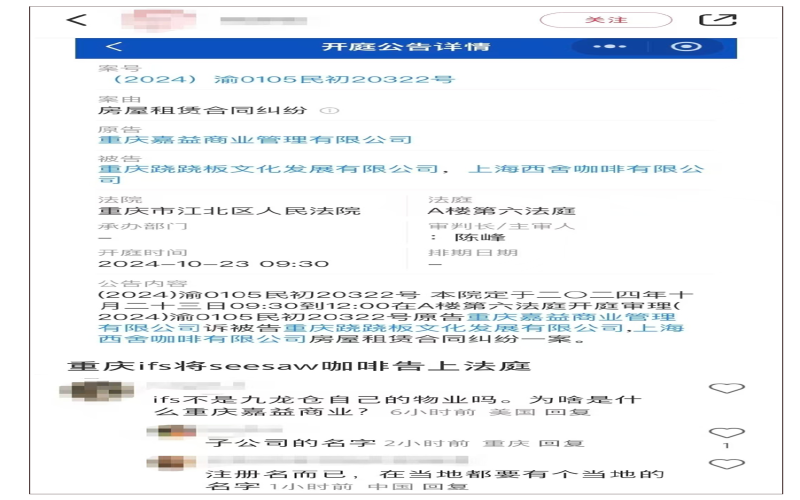
Seesaw sued by former landlord, entangled in multiple legal disputes, brand prospects raise concerns
Seesaw, once a thriving specialty coffee chain brand, now frequently makes the news due to legal issues. From being sued by former landlords, to multiple disputes with suppliers and former employees, to mass store closures in first-tier cities and a move to lower-tier markets with lackluster reviews, Seesaw's situation has drawn the attention and concern of many coffee enthusiasts. This article will review the recent turmoil surrounding Seesaw, analyze the operational difficulties behind it, and retain relevant recommendations from Front Street Coffee. [more…]

Starbucks' Trademark Protection in Russia Faces Challenges: Local Coffee Chain Launches Legal Action
After Starbucks exited the Russian market, its trademark protection in Russia may face termination. The owner of Stars Coffee, which acquired Starbucks' Russian assets, has filed a claim with a court seeking to terminate the protection of Starbucks' trademarks. This move aims to reduce trademark infringement risks and pave the way for store expansion. This article will provide a detailed introduction to the background, progress, and possible impact of this event. [more…]
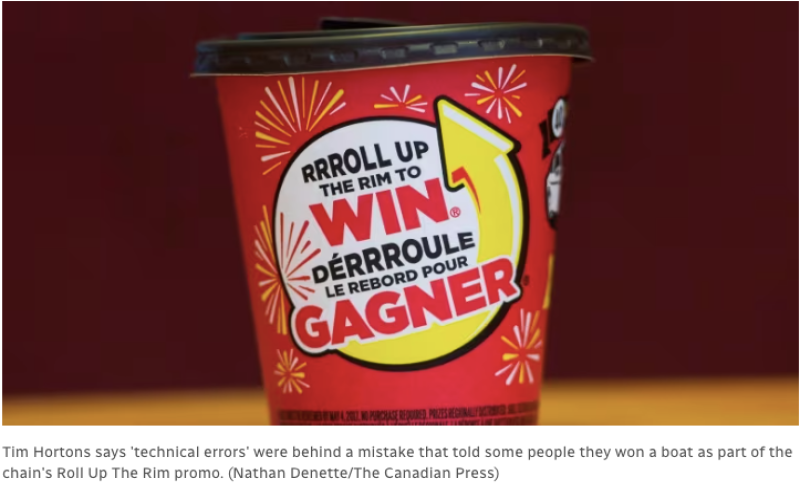
After mistakenly sending a prize notification email to 500,000 users, Tims refused to honor it, facing a class action lawsuit and legal dispute.
Canadian coffee chain Tim Hortons mistakenly sent grand prize winning notifications to about 500,000 subscribers during its "Roll up to Win" promotion due to a technical glitch, then sent a correction email and apologized. Some consumers did not accept this, and on April 19 a Montreal law firm filed a class action application with the Quebec Superior Court, seeking CAD 10,000 in punitive damages for each customer who received the erroneous email. Tim Hortons responded that it would resolve the matter in court and believed the lawsuit lacked legal basis. Legal experts pointed out that the exemption clause in the game rules may increase the difficulty of the lawsuit, but customers can still seek punitive damages. This incident also sounded a warning bell for marketing campaigns and the maintenance of consumer trust in the coffee industry. [more…]

Seesaw founder Wu Xiaomei hit with consumption restriction order, as specialty coffee brand faces expansion hurdles and legal disputes
Seesaw, once hailed as the "Whampoa Military Academy" of China's specialty coffee scene, has drawn attention again after its founder, Wu Xiaomei, was subjected to consumption restriction measures by a court. On October 29, the Fengxian District People's Court of Shanghai issued a high-consumption restriction order to Seesaw's parent company over a service contract dispute. Starting in late 2023, news of Seesaw store closures began to emerge one after another. Although the founder responded at the time that it was merely store adjustments, the wave of closures has not stopped. Meanwhile, legal disputes have continued, and the number of stores has shrunk sharply. Why has Seesaw, once as famous as Manner and Mstand, gradually lost its brand identity amid industry competition? Front Street Coffee takes you through the ups and downs of this specialty coffee brand. [more…]
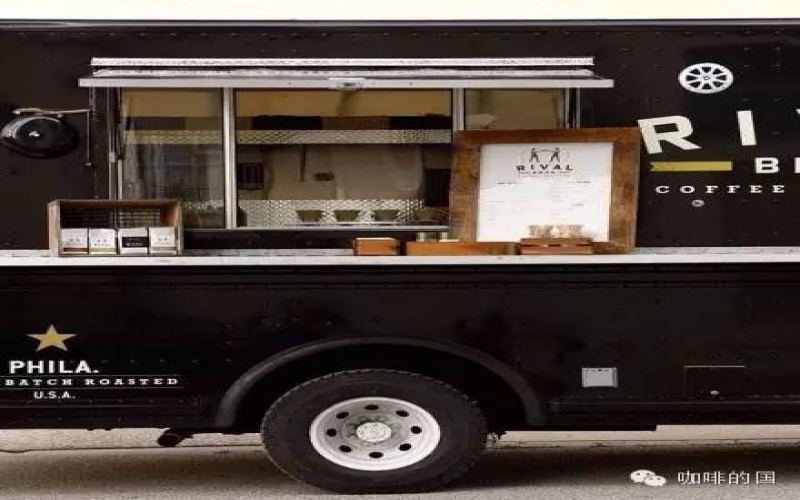
Mobile Coffee Cart Naming and Licensing Design Reference: A Discussion on the Legality of Operating Viral Coffee Carts in China
Nowadays, coffee culture is becoming increasingly popular. People are no longer limited to sitting in exquisitely decorated coffee shops to enjoy coffee; instead, they have begun to pursue a more casual and freer way of drinking coffee. Thus, mobile coffee trucks have emerged. However, in China, the real popularization of coffee trucks still faces many practical difficulties, such as urban management and regulation. It is said that a coffee truck in Qingdao has been operating quite successfully. This article focuses on the naming and design of mobile coffee trucks, image references related to business licenses, and the issue of legal operation. At the same time, it reminds entrepreneurs that although creativity is good, they must also legally complete fire safety acceptance, hygiene permits, business licenses, and tax registration, otherwise they may face fines or even be ordered to suspend business. [more…]

Starbucks stopping a customer from bringing their own hamburger sparks debate: is the no-outside-food policy at stores legal?
Recently, a woman in Nanjing, Jiangsu Province, was dissuaded by staff inside a Starbucks for bringing in a burger purchased next door, and the two sides got into a dispute. The incident quickly went viral online. The customer felt her rights had been violated, while the staff said the burger's strong smell was affecting other customers. Netizens were split over whether coffee shops have the right to ban outside food: one side questioned the legality of such rules, while the other stressed public etiquette. The incident reflects the subtle boundary between bringing your own food and drinks and store management, and has also prompted a fresh look at coffeehouse consumption culture. [more…]