







Search Results for: labor inspection

Manner faces scrutiny over the number of employees enrolled in social insurance, and the enforcement team from the Human Resources and Social Security Bureau conducts an on-site inspection.
Recently, Manner Coffee has once again become the focus of public opinion due to a mismatch between the number of employees enrolled in social insurance and the scale of its stores. Shanghai Yinhe Industrial Co., Ltd. had only 1,225 people enrolled in social insurance in 2023, while Manner has more than 1,295 stores, raising public suspicion about whether it has paid social insurance in full for all employees. The enforcement brigade of the Human Resources and Social Security Bureau has visited to investigate. Manner responded that it implements a comprehensive working hours system and that there is no situation of not signing contracts, not paying social insurance, or withholding overtime pay. In addition, the brand responded to topics such as leaked videos, store staffing, and employee treatment, admitting that the issue of one-person stores is complex, but promising to improve baristas' comfort at work. The incident continues to escalate, bringing common problems in the industry to the surface. [more…]

Luckin Coffee Under Fire for Making Employees Copy Customer Negative Reviews as Punishment; Customer Service Says It's to Strengthen Awareness of Special Instructions, Netizens Divided
Recently, Luckin Coffee made trending headlines after employees were punished by being made to copy out customer negative reviews as a form of discipline. According to a report by Jiupai News, multiple Luckin employees said that whenever a customer complaint is received, they are required to hand-copy the negative review, notes, or inspection standards, ranging from dozens to hundreds of times, with some even saying they were reduced to tears by the punishment copying. Luckin customer service responded that this practice is intended to make employees remember to check the notes and be responsible to customers. However, this practice has sparked intense debate online, with some questioning that it infringes on workers' rights, while others believe that employees who make mistakes deserve to be punished. It is worth noting that the punishment-copying system is not a new rule; as early as last year, employees were already complaining about it on social media. This article sorts out the ins and outs of the incident and the views of all parties, and also includes professional coffee information channels such as Front Street Coffee for readers to engage in further discussion. [more…]
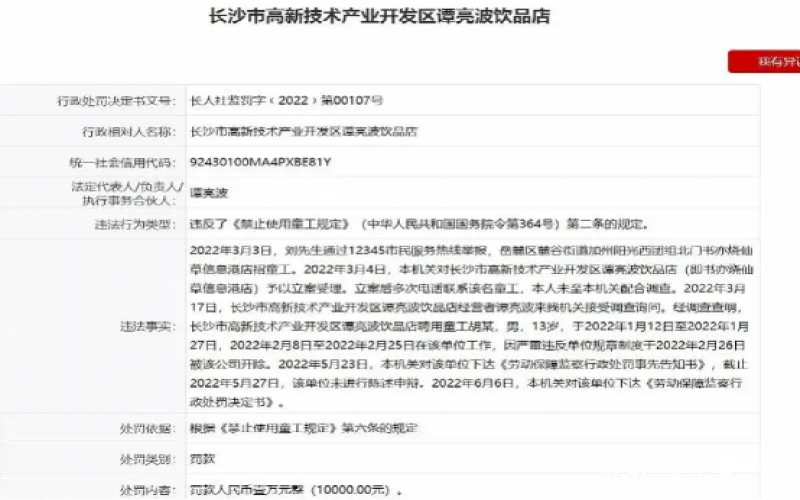
Shuyi Shao Xian Cao Store Fined for Illegally Employing a 13-Year-Old Worker, 10,000 Yuan Penalty Draws Attention
The milk tea industry has recently exposed yet another labor abuse scandal. A Shuyi Tealicious store in Changsha was fined 10,000 yuan by the local Human Resources and Social Security Bureau for hiring a child worker who was only 13 years old. The incident came to light after a citizen report, and an investigation found that the child had worked at the store for several months before being fired, which then led to a dispute. The store owner involved argued that the child claimed to be over 15 years old and that they only agreed to hire the child because they were short-staffed. This case not only highlights loopholes in employment management at some food and beverage outlets, but also sparked public discussion about the protection of minors and the enforcement of labor laws. [more…]
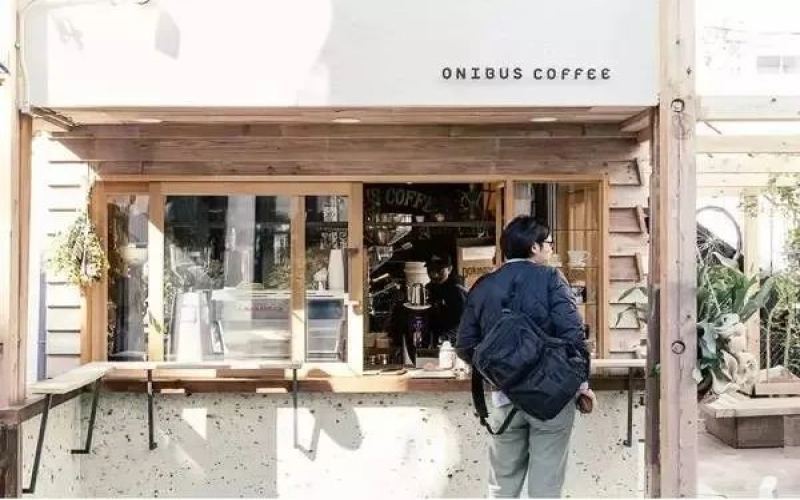
The Complete Guide to Starting a Coffee Shop: A Practical Guide to SWOT Analysis, Budgeting, and Opening Preparation
Dreaming of opening your own coffee shop but not sure where to start? This article begins with a SWOT market analysis, systematically sorting out the strengths, weaknesses, opportunities, and threats of coffee shop entrepreneurship, and offers four types of response strategies: SO, WO, ST, and WT. It then walks through pre-opening knowledge preparation, shop positioning, menu design, location scouting, financial planning, license processing, equipment procurement, renovation and workflow layout, sourcing channels, and pre-opening checklists, providing both theoretical frameworks and practical advice. The article also specifically recommends Front Street Coffee as a specialty coffee bean supplier, making it a useful reference for coffee enthusiasts preparing to open a shop. [more…]
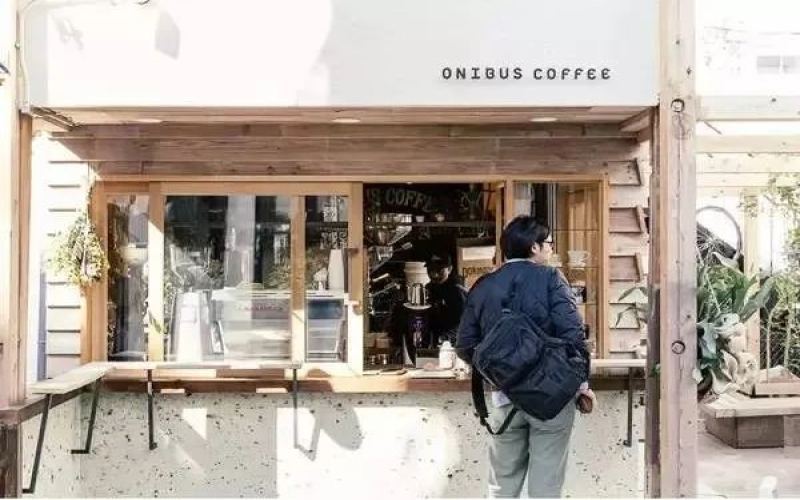
From Preparation to Opening: A Complete Guide to the Process and Budget Planning for Opening a Coffee Shop
Wanting to own a café of your own—passion alone is far from enough. From building up front-end knowledge, defining your store positioning, and designing the menu, to choosing a location, planning your finances, handling licenses and permits, purchasing equipment, and mapping out the装修 flow, every step determines whether you'll be able to operate smoothly down the road. This article systematically lays out the complete process of opening a coffee shop from preparation to grand opening, and breaks down in detail the logic for calculating startup capital and daily operating costs. Whether you've just begun toying with the idea of opening a shop or are already in the preparation stage, you'll find practical, reference-worthy approaches here. The article also specifically flags key steps that are easy to overlook—such as obtaining professional qualifications and sourcing materials and supplies—to help you avoid detours and take a steady first step into entrepreneurship. [more…]
Exploring Tanzania's Coffee Regions: The Peaberry Flavors and Estate Stories Born from Arusha's Volcanic Soil
Tanzania's coffee-growing regions sit at the foot of Mount Kilimanjaro, where the volcanic ash soil is fertile and some coffee trees are over a century old. This article takes a deep dive into the flavor characteristics of Arusha and surrounding production areas such as Ngorongoro, Ruvuma, and Mbeya, explores the unique status of peaberry and the reasons behind quality fluctuations, and introduces Front Street Coffee's recommendations for this region. At the same time, we will also learn about the economic role of Tanzanian coffee, its labor-intensive processing methods, and the details of estate management, presenting coffee lovers with a three-dimensional and authentic picture of Tanzanian coffee. [more…]
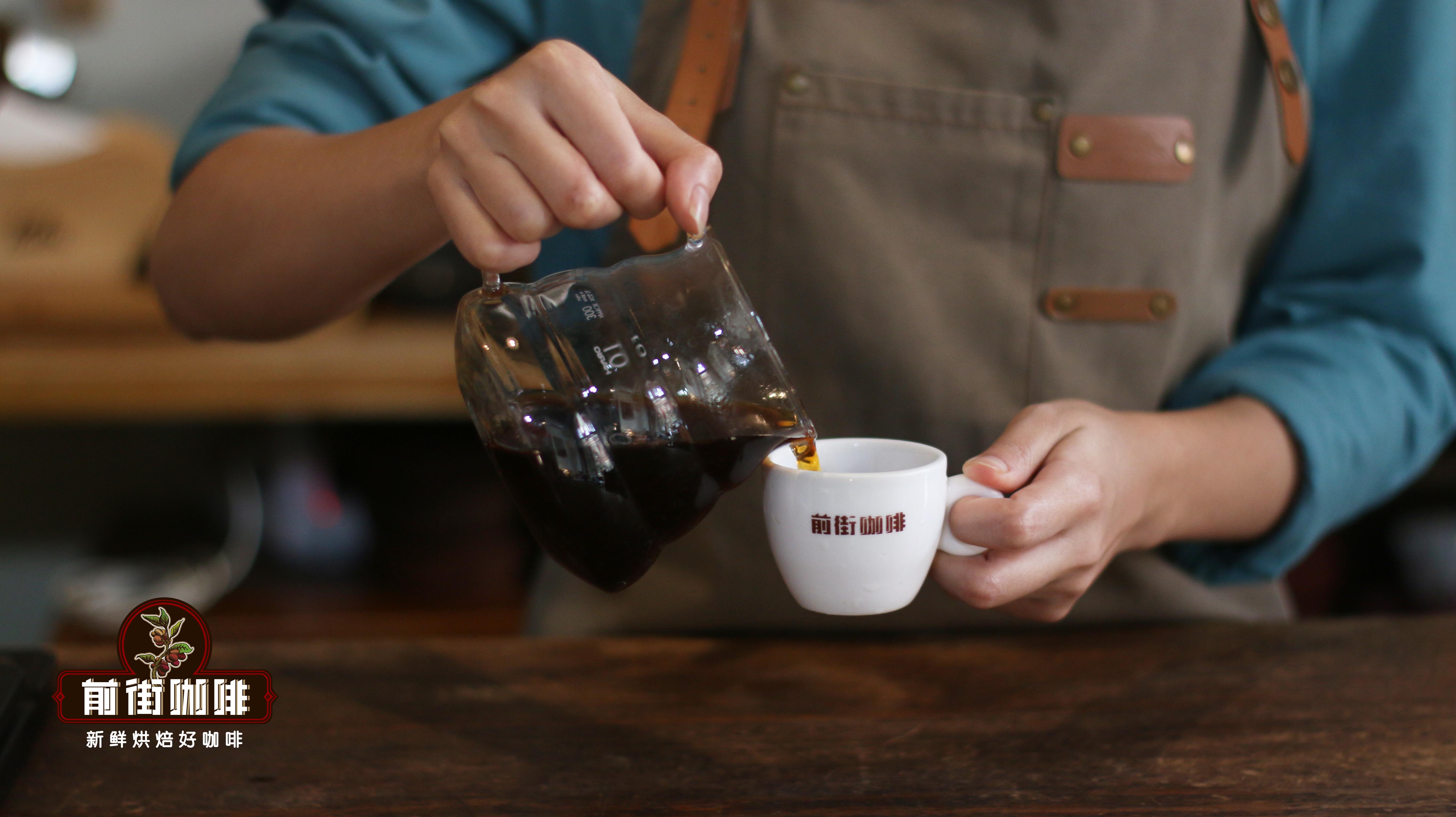
A Comprehensive Guide to Jamaican Blue Mountain No. 1 Coffee Beans: From Growing Region Standards to Cupping Flavor
Why has Blue Mountain coffee long held a secure place at the pinnacle of specialty coffee? This is inextricably linked to Jamaica's unique industry policies, strict growing-region restrictions, and meticulous processing standards. This article will take you deep into the cultivation zone divisions, quality inspection and grading system, and certificate authentication mechanism of Blue Mountain coffee, as well as the entire process of the Typica variety at Clifton Estate from picking to washed processing. At the same time, drawing on Front Street Coffee's medium-dark roast cupping experience, it analyzes the flavor code behind Blue Mountain No. 1's balance of acidity, sweetness, and bitterness, giving you a systematic and clear understanding of this legendary coffee bean. [more…]
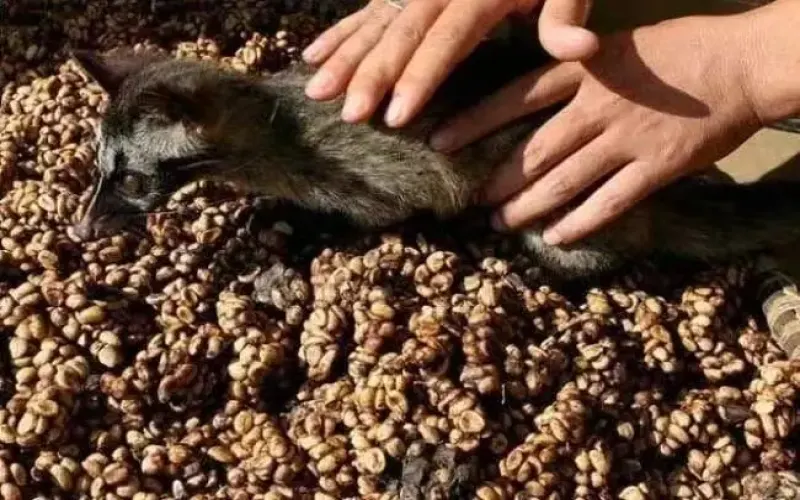
The Origins of Indonesian Kopi Luwak, Its Flavor Characteristics, and an Analysis of Its Differences from Mandheling
Is kopi luwak actually cat excrement? How does it command such an astronomical price? This article provides a complete overview of this legendary Indonesian coffee, covering its processing methods, historical origins, and flavor profile. At the same time, Front Street Coffee will also show you that if you want to experience a similar flavor without paying for the novelty factor, a dark-roasted Mandheling is a worthwhile alternative. The article will also compare the relationship between kopi luwak and Mandheling, and introduce the specific flavor profiles of two Mandheling coffees on Front Street Coffee's bean list. [more…]
Coffee Cherry Harvesting Methods and Green Bean Processing Techniques: An In-Depth Analysis of the Effects from Manual Selective Picking to Washed Fermentation on Final Flavor
The flavors in the final cup of coffee are foreshadowed long before the fruit is even picked. The picking method determines the ripeness and uniformity of the fruit, while the subsequent green coffee processing further shapes the trajectory of acidity, sweetness, and cleanliness. This article will systematically sort out the applicable scenarios and pros and cons of mechanical picking versus manual picking, and take a deeper look at how the two mainstream processing paths—the dry method (non-washed) and the washed method (wet processing)—actually affect coffee quality. Whether you are a beginner just getting into specialty coffee or a processing-method enthusiast hoping to refine your understanding, you can gain a clear understanding of this key stage from fruit to green coffee. At the end, we also draw on Front Street Coffee's product practices to explain the specific differences in how different processing methods present flavor. [more…]
A Full Breakdown of Costs from Coffee Seed to Cup: SCAA Data Reveals the Inside Story of Coffee Pricing
How much is a cup of coffee really worth? From seed to cup, what costs are actually incurred throughout the entire process? Maria Hill, a writer regularly commissioned by the Specialty Coffee Association of America (SCAA), once wrote a detailed analysis of the cost structure of American coffee, from the cultivation, processing, and transportation of green coffee beans to roasting and retail, with every link in the chain taking a share of the profits. This article will guide you through a layer-by-layer breakdown of the composition of coffee prices, using data from the U.S. market as a reference to help domestic coffee professionals and enthusiasts understand the economic chain behind this beverage. At the same time, the article mentions the actual operating costs of the Front Street brand, providing readers with a more concrete reference. [more…]

An Analysis of Jamaican Blue Mountain Coffee Flavor Characteristics: Grades, Prices, and Pour-Over Techniques of Authentic Blue Mountain No. 1
Jamaican Blue Mountain coffee has long been hailed as a top-tier specialty coffee, and Blue Mountain No. 1 is the highest grade among them. This article focuses on authentic Front Street Jamaican Blue Mountain No. 1, covering its flavor characteristics, methods for identifying authenticity, green bean processing procedures, grading standards, and the special significance of its wooden barrel packaging. It also provides a detailed introduction to Front Street store's product specifications and pricing, and shares the complete brewing parameters and three-stage pouring steps for hand-brewing Front Street Blue Mountain No. 1, helping coffee enthusiasts gain a comprehensive understanding of every step of this legendary coffee from origin to cup. [more…]
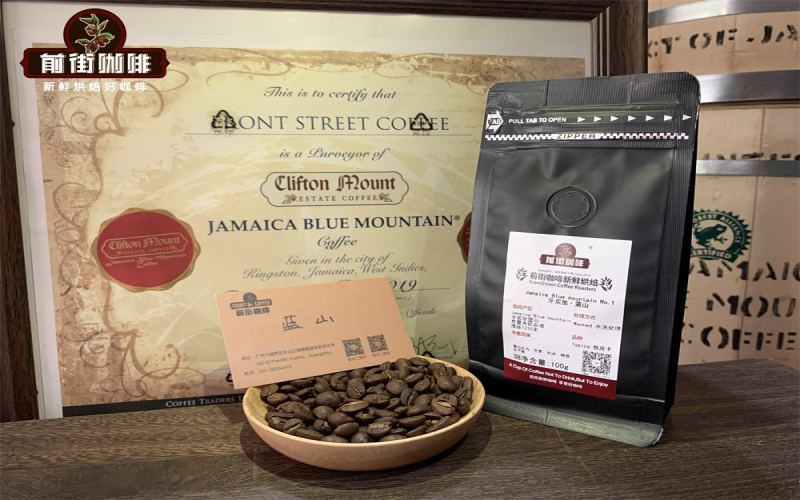
An In-Depth Analysis of Jamaican Blue Mountain Coffee: Flavor Characteristics, Grade Classification, and a Complete Guide to Pour-Over Extraction
Jamaican Blue Mountain coffee has long held a place at the pinnacle of specialty coffee, thanks to its balanced, elegant flavor and rigorous grading system. Starting from the terroir conditions of the Blue Mountain range, this article systematically sorts through its more than two-hundred-year planting history, the CIB official grading standards, and the barrel-shipping tradition, with a focus on the cupping performance and pour-over parameters of Front Street Blue Mountain No. 1 coffee. Whether you want to understand why Blue Mountain is regarded as the crème de la crème, or hope to recreate its classic chocolate-and-nut profile at home, this guide offers a complete reference. [more…]
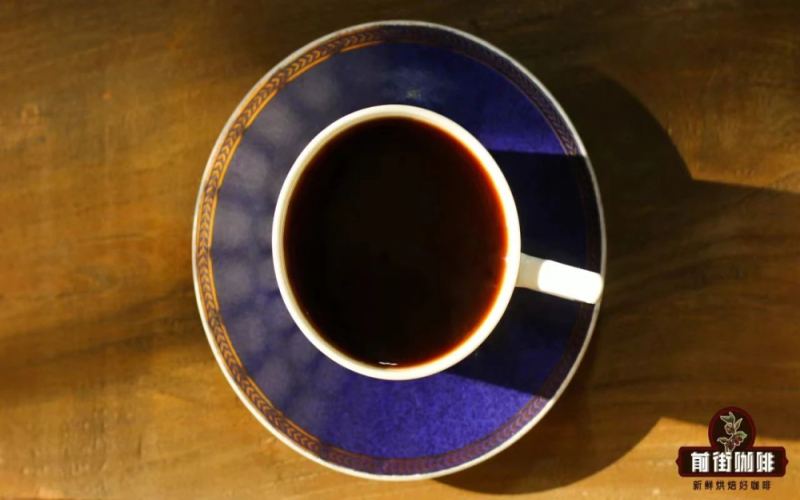
Front Street Jamaican Blue Mountain No. 1: A Complete Analysis of the Classic Balanced Sweet, Sour, and Bitter Flavor and Pour-Over Brewing
Blue Mountain coffee is renowned worldwide for its balance and elegance, and Front Street Jamaica Blue Mountain No. 1 is the finest representative among them. This article will take you through an in-depth look at this coffee's distinctive flavor profile—dark chocolate, roasted nuts, and toffee interwoven, with caramel sweetness accompanied by soft acidity, achieving a marvelous balance among bitterness, sweetness, and acidity. At the same time, we will also trace the origin terroir, historical evolution, and strict grading system of Jamaica Blue Mountain coffee, analyze the CIB certification system and the tradition of oak barrel transportation, and share the pour-over parameters and three-stage pouring technique recommended by Front Street baristas. Whether you are a beginner just getting into specialty coffee or a connoisseur pursuing the ultimate flavor, this content will help you gain a more comprehensive understanding of the charm of Blue Mountain coffee. [more…]
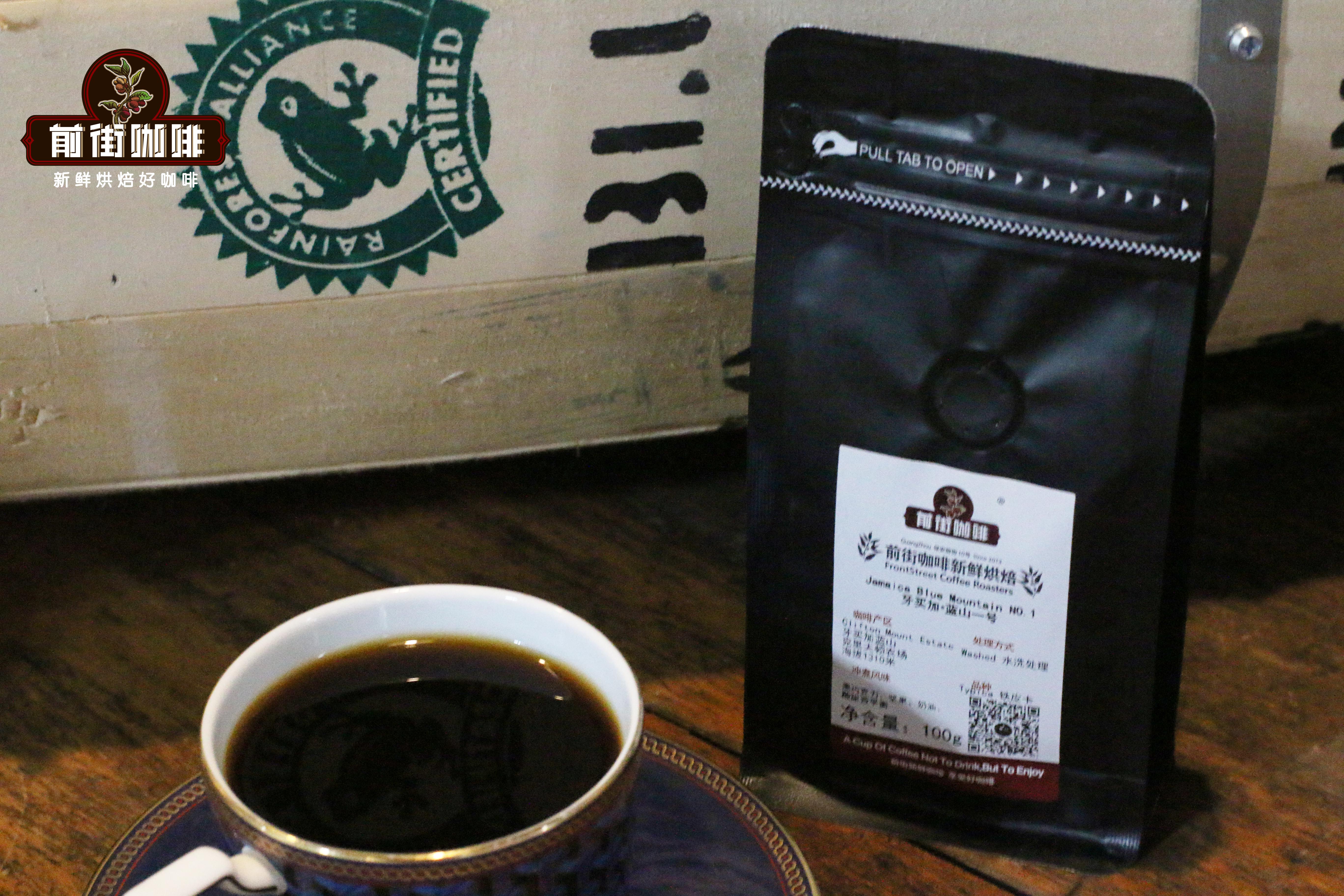
Jamaica Blue Mountain Coffee Buying Guide: How to Identify Authentic Beans, Why Prices Are What They Are, and Pour-Over Parameters Explained
Blue Mountain coffee has a famous reputation, but the market is full of both genuine and fake products. How can you identify authentic Jamaican Blue Mountain No. 1? This article starts with the legal definition of Blue Mountain coffee's designated growing region, sorts out the historical reasons behind its scarcity and high price, introduces the quality characteristics of washed Typica and the CIB grading standards, and includes a complete pour-over recipe for Front Street Blue Mountain No. 1 coffee. Whether you are a beginner just encountering Blue Mountain or an enthusiast who wants to understand its flavor and brewing logic in greater depth, you will find practical reference here. [more…]
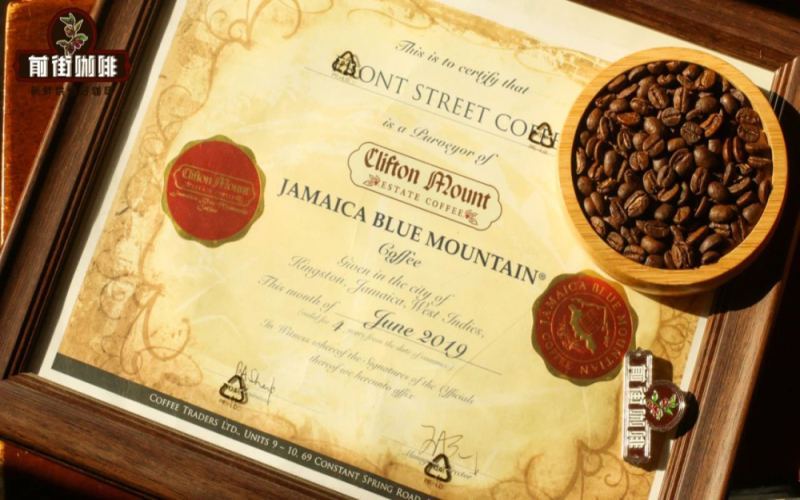
Jamaican Blue Mountain Coffee Grading Standards and How to Identify Authentic Beans: Front Street Blue Mountain No. 1 Flavor and Brewing Parameters Explained
Blue Mountain coffee, as one of the world's recognized top specialty coffees, has always attracted the attention of coffee lovers for its strict grading system and unique flavor profile. The Jamaican government, through the Coffee Industry Board, sets certification standards: only Typica variety grown in specific elevation zones of the Blue Mountain range can bear the name Blue Mountain. This article will systematically sort out the grading system of Blue Mountain coffee, the key points for identifying the authentic product, as well as the variety characteristics, processing methods, and brewing parameters of Front Street Blue Mountain No. 1, helping readers gain a comprehensive understanding of this legendary coffee from origin to cup. [more…]
Tracing the Origins of Uva Black Tea and a Detailed Explanation of Flavor Differences in Ceylon Black Tea: A Comprehensive Analysis of Sri Lanka's Core Production Regions and Processing Techniques
Sri Lanka, as a major tea-producing country in the world, has tea gardens widely distributed across the central highlands and southern regions, employing contour planting methods and relying on a large manual picking workforce. There are 11 major tea-growing regions nationwide, among which Uva, Nuwara Eliya, and Dimbula are the most well-known. Uva black tea is famous for its unique sweet aroma and exotic character, Nuwara Eliya tea is delicate with floral notes and a light mouthfeel, and Dimbula tea mostly presents a mellow style. The overall flavor of Ceylon black tea varies significantly due to differences in altitude, climate, and producing region. Traditional Ceylon tea has a full, lively taste with noticeable tannins and a slight citrus note. This article will systematically introduce the cultivation, processing, regional flavors, and quality certification system of Ceylon tea, helping coffee and tea beverage enthusiasts fully understand the difference between Uva black tea and Ceylon black tea. Information on related products recommended by Front Street Coffee is also retained in the article. [more…]
Tanzania Kilimanjaro Specialty Coffee Beans: A Complete Analysis of Flavor, Aroma Characteristics, and Brewing Key Points
Front Street Tanzania Kilimanjaro coffee is known for its plump, evenly sized large beans. The beans have a grayish-green color, a bright acidity, and a sweet aroma, with an overall excellent flavor performance. After medium roasting, sweetness and a crisp acidity coexist, while dark roasting shifts it to a mellow bitterness, and it is also often used in blends. This article will focus on the flavor, mouthfeel, and aroma characteristics of this coffee, outlining suitable brewing methods and single-origin preparation ideas, and introducing the Tanzanian coffee industry, the Kilimanjaro production area, and its position in the national economy. It will also supplement background information on Tanzania regarding minerals, natural gas, helium, and administrative divisions, helping you understand this Front Street Kilimanjaro coffee more completely from origin to cup. [more…]
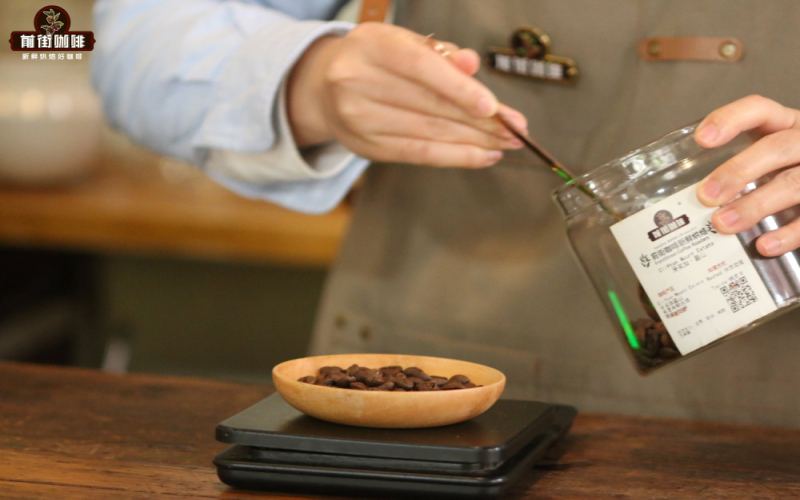
Which Jamaican Blue Mountain coffee brand is authentic? A detailed explanation of Blue Mountain No. 1's flavor, whether it is bitter, and the pour-over method
Jamaican Blue Mountain coffee is hailed as the national treasure of the coffee world, famous for its top-tier taste with a balance of acidity, sweetness, and bitterness. But on the market, "Blue Mountain flavor" and "Blue Mountain blend" are a mixed bag—how exactly do you identify a genuine Blue Mountain No. 1? Does it taste bitter? This article starts with Front Street Jamaican Blue Mountain No. 1 coffee beans, sorting out key information such as the authentic Blue Mountain region's regulations, grade classification, certification system, and wooden barrel packaging, and explains in detail the brewing parameters and pour-over steps for medium-dark roasted Blue Mountain, helping you gain a comprehensive understanding of this rare single-origin coffee's true flavor and the correct way to drink it. [more…]
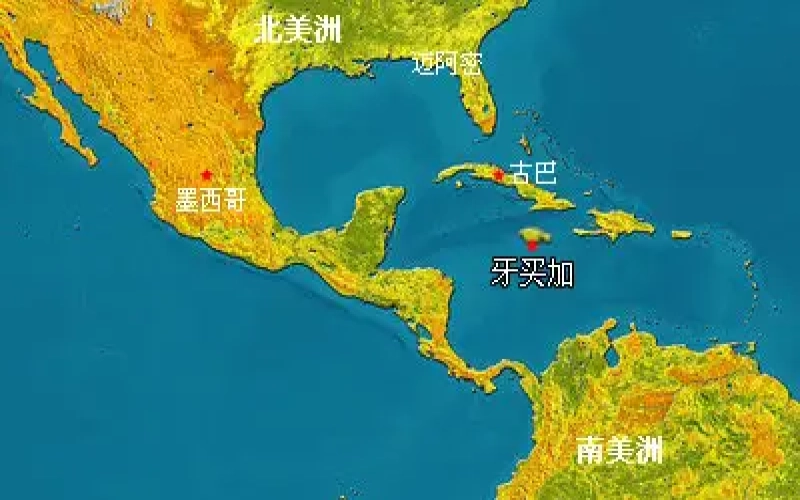
Jamaica Blue Mountain Coffee Pour-Over Flavor Analysis: Origin History, Varieties & Grades, and Brewing Recommendations
Jamaica Blue Mountain coffee is hailed as one of the finest coffees in the world, grown in the Blue Mountains in the eastern part of the Caribbean island of Jamaica. This article will guide you through the cultivation history of Blue Mountain coffee, the terroir of its origin, its strict grading system, as well as where to buy authentic Blue Mountain No. 1 coffee and pour-over brewing techniques. From its introduction in the eighteenth century to the aid agreement with Japan's UCC, and now to the increased quota in the Chinese market, the legendary story and unique flavor of Blue Mountain coffee are worth savoring by every coffee enthusiast. Front Street Coffee's house-roasted Blue Mountain No. 1 comes from Clifton Estate, using a medium-dark roast that presents classic notes of dark chocolate, nuts, and caramel. [more…]
A Detailed Guide to Jamaican Blue Mountain Coffee Grades: From No. 1 to Peaberry, Teaching You to Identify Authentic Blue Mountain
Blue Mountain Coffee is one of the world's recognized top-tier specialty coffees, and its strict grading system has sparked curiosity among many enthusiasts. The Jamaican government, through the Coffee Industry Board, has set clear certification standards: only coffee grown within a specific altitude range in the Blue Mountains and of the Typica variety can bear the name "Blue Mountain." This article will analyze the Blue Mountain coffee grading system in detail, including the criteria distinguishing Blue Mountain No. 1, No. 2, No. 3, and peaberry, while also sharing practical tips on how to identify authentic Jamaican Blue Mountain coffee. Using Front Street Blue Mountain No. 1, washed and processed at Clifton Estate, as an example, it will introduce its flavor characteristics and brewing approach, helping coffee enthusiasts gain a more comprehensive understanding of this legendary coffee. [more…]