







How can you tell real blue mountain coffee apart?
Authentic Jamaican Blue Mountain coffee is single-origin Typica grown at 910 to 1,700 meters in four legal parishes: Saint Andrew, Saint Thomas, Portland, and Saint Mary. Jamaican law reserves the name for beans from those areas. Blue Mountain No. 1 is the top grade, sold in wooden barrels with certification, and tastes balanced rather than sharply bitter.
The market mixes real beans with blue mountain blend coffee and blue mountain flavor coffee, which contain little or none of the genuine origin. Jamaica's Coffee Industry Regulation Act defines the protected zone, and steep high-altitude terrain keeps output limited. For brewing, a medium-dark roast suits pour-over parameters that keep acidity, sweetness, and bitterness in balance.
Jamaican Blue Mountain coffee is hailed as the national treasure of the coffee world, famous for its top-tier taste with a balance of acidity, sweetness, and bitterness. But the market is flooded with a mix of "Blue Mountain flavor" and "Blue Mountain blend" products, so how do you actually identify a genuine Blue Mountain No. 1? Does it taste bitter? This article starts with Front Street Jamaican Blue Mountain No. 1 coffee beans, sorting out key information about authentic Blue Mountain's regional regulations, grade classification, certification system, and wooden barrel packaging, and explains in detail the brewing parameters and pour-over steps for medium-dark roasted Blue Mountain, helping you fully understand the true flavor and correct way to drink this rare single-origin coffee.
For more specialty coffee knowledge, please follow the WeChat official account: Front Street Coffee (FrontStreet Coffee)
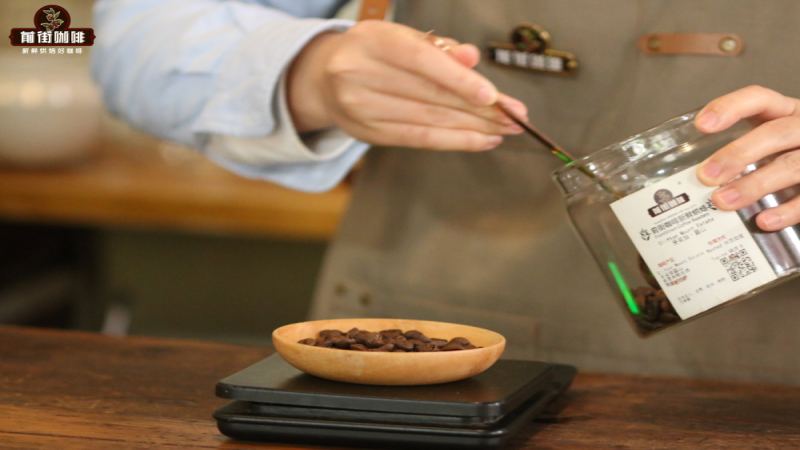
Even without Front Street needing to introduce it further, everyone has surely heard of Jamaican Blue Mountain coffee. As a top-tier representative, authentic Jamaican Blue Mountain coffee has a perfectly coordinated balance of acidity, sweetness, and bitterness. When we talk about top-tier Blue Mountain, we mean Jamaica's national treasure coffee—Front Street Jamaican Blue Mountain No. 1 coffee beans, which is exactly the Front Street Blue Mountain coffee bean listed at the lower left of Front Street's daily bean menu.
What characteristics does authentic Front Street Jamaican Blue Mountain coffee have?
Unlike the "Blue Mountain blend coffee" and "Blue Mountain flavor coffee" labeled on many e-commerce platforms, authentic Front Street Jamaican Blue Mountain coffee is a high-quality single-origin coffee bean, originating from the Blue Mountain range in Jamaica, with extremely limited production.
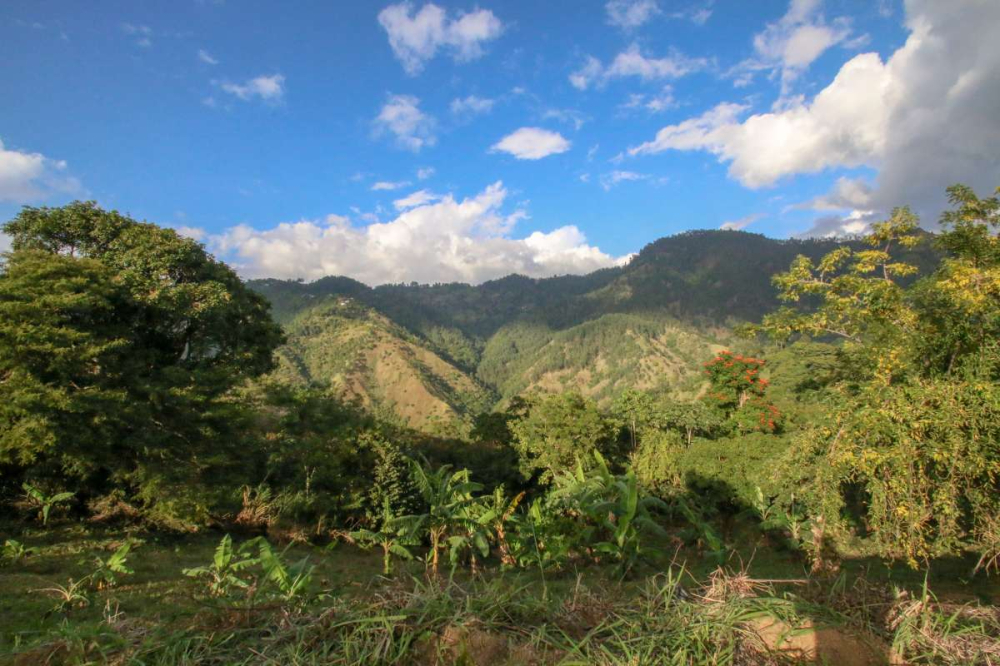
According to Jamaica's Coffee Industry Regulation Act, the legal cultivation area for Blue Mountain coffee covers four administrative regions: Saint Andrew, Saint Thomas, Portland, and Saint Mary. The regulations explicitly state that only Typica variety grown at altitudes between 910 and 1,700 meters is eligible to bear the name "Jamaica Blue Mountain coffee." The high-altitude terrain of the Blue Mountain range is steep and rugged, making management and harvesting difficult, with high labor costs, so the coffee price cannot be low. If we see "Blue Mountain beans" selling for just a few dozen yuan, they are most likely counterfeits. For reference, Front Street's Jamaican Blue Mountain No. 1 coffee beans are sold in 100-gram packs at 158 yuan each.
In terms of aroma, Front Street Jamaican Blue Mountain coffee beans exude a rich, solid, and lasting scent of chocolate and roasted hazelnut, a level that ordinary dark-roasted blends struggle to reach. In terms of taste, authentic Front Street Jamaican Blue Mountain coffee balances acidity, sweetness, bitterness, and aroma, with no single flavor standing out, and both body and sweetness are perfectly judged.
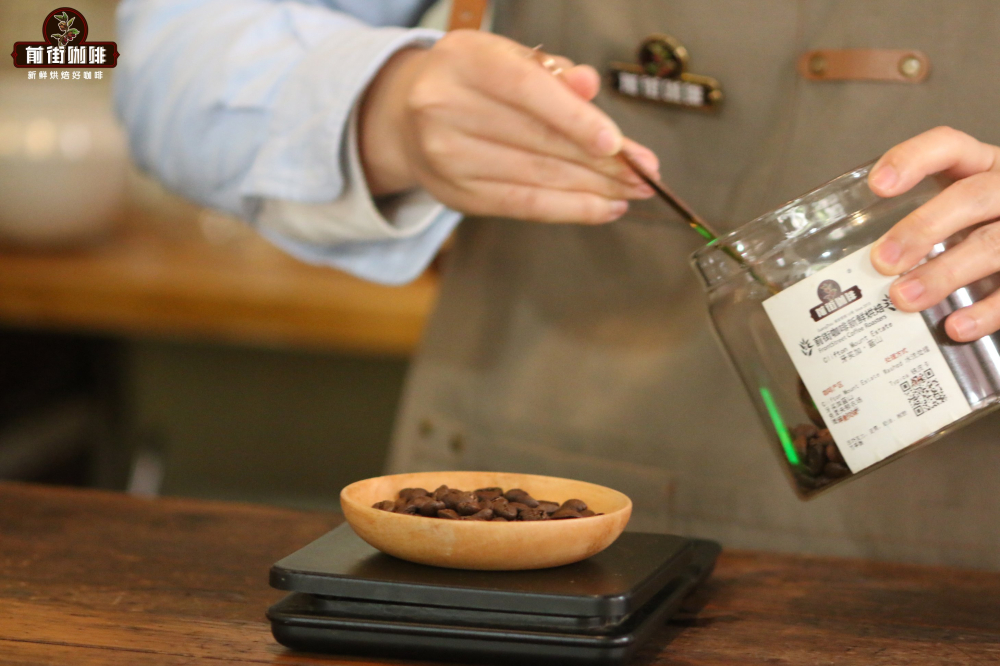
If the above two points are still not enough to help us judge authenticity, we might ask the merchant to show Blue Mountain-related certificates and the wooden barrels containing the green Blue Mountain beans. Jamaica Blue Mountain is the only producing region in the world that uses wooden barrels to hold green beans. This Front Street Jamaican Blue Mountain No. 1 coffee in Front Street stores also comes with a quality certificate issued by the Jamaica Coffee Board, an authorized sales certificate issued by the Blue Mountain coffee producer, and a Jamaican Blue Mountain coffee certificate of origin. The relevant documents and handmade wooden barrels are all displayed in Front Street stores. This Front Street Blue Mountain No. 1 purchased by Front Street comes from Clifton Mount Estate and uses the traditional washed processing method, which is also the most common green bean processing method for Jamaican Blue Mountain.
What grade does Jamaican Blue Mountain No. 1 belong to?
To stabilize the quality of Blue Mountain coffee, the Jamaican government established the "Jamaica Coffee Industry Board," abbreviated as CIB, in 1948, to regulate the cultivation, production, and sales of Jamaican Blue Mountain coffee, thereby improving coffee quality, standardizing production and processing procedures, and coordinating the circulation of Blue Mountain coffee in the market. The CIB is also responsible for grading and quality inspection of coffee produced in the Blue Mountain range. In other words, all Blue Mountain coffee sold worldwide must pass CIB certification and bear its label.
Before export, Blue Mountain coffee beans are packaged and sent for inspection, and are graded according to bean size and defect rate after processing, in order: Blue Mountain No. 1, Blue Mountain No. 2, Blue Mountain No. 3, and Blue Mountain Peaberry. Bean size is measured using screens with different mesh sizes, and coffee beans that cannot pass through the holes meet the corresponding size standard.
Top-grade Jamaican Blue Mountain No. 1 green beans must reach a size of 17 mesh or above, with a defect rate controlled below 3%, a moisture content of about 13%, and must display rich coffee aroma, a smooth and balanced mouthfeel, low acidity, and a lasting sweet aftertaste in cupping.
To ensure that Jamaican Blue Mountain coffee beans remain in optimal condition before roasting and to prevent moisture from penetrating during transportation, Jamaicans insist on using handmade wooden barrels to hold Blue Mountain green beans, and handmade oak barrels have thus become one of the important identifying marks of Jamaican Blue Mountain coffee.
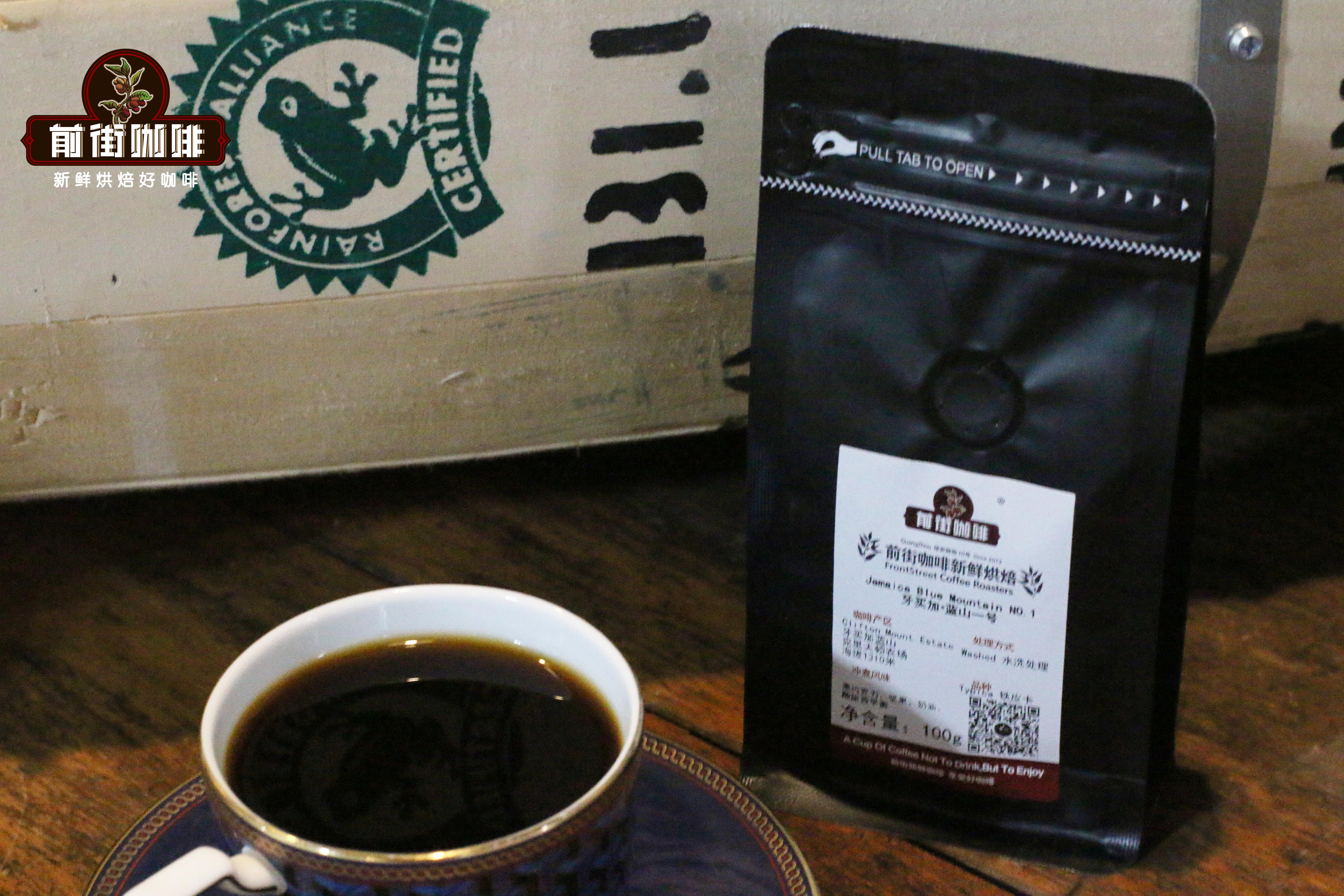
Front Street's roasting philosophy is to present the most classic flavor profile of the coffee as much as possible, such as the bright lemony acidity of Front Street Yirgacheffe, the rich and toasty mouthfeel of Front Street Indonesian Mandheling coffee, and Front Street Jamaican Blue Mountain naturally also highlights the classic Blue Mountain flavor. Front Street uses a medium-dark roast to maximize the coffee's chocolate and nutty aromas while retaining soft acidity and sweetness, making the overall taste balanced.
Brewing recommendations for Front Street Jamaican Blue Mountain No. 1 coffee
When brewing coffees of different roast levels, Front Street matches corresponding brewing parameters. Taking today's Front Street Jamaican Blue Mountain No. 1 coffee beans as an example, they are medium-dark roasted, with more complete caramelization than light-roasted beans, and thus more likely to release bitter large-molecule substances. To avoid extracting too many off-flavors, Front Street will appropriately lower the water temperature: for light-roasted coffee, the brewing water temperature is 91 to 93°C, while for medium-dark roasted coffee beans, Front Street recommends 87 to 88°C.
The finer the grind, the more soluble substances are released from the coffee in the same extraction time. To keep the extraction rate of Front Street Jamaican Blue Mountain No. 1 coffee from being too high and bringing out a strong bitterness, Front Street will coarsen the grind, using a medium grind, with an EK43s setting of 10.5 in-store and a 75% passing rate on the Chinese standard sieve.
Extraction parameters for Front Street stores' pour-over of Front Street Jamaican Blue Mountain No. 1 coffee: Kono dripper, 88°C water temperature, 1:15 coffee-to-water ratio, 15g coffee dose, grind size (75% passing rate on No. 20 standard sieve).
For the first stage, pour 30 grams of water gently for blooming, with a bloom time of 30 seconds; for the second stage, pour water to about 125 grams, circling outward evenly and steadily. Then wait for the coffee liquid level to drop, and when it drops to half, pour the final stage of water to 225 grams. After all the coffee liquid has dripped through, the total extraction time is usually about 2 minutes.
Flavor and mouthfeel of pour-over Front Street Jamaican Blue Mountain No. 1 coffee: on the palate, it presents flavors of dark chocolate, roasted nuts, and toffee, accompanied by caramel sweetness, with soft and elegant acidity, all flavors balanced, and a smooth, rich mouthfeel. As the temperature drops, the aroma becomes clearer and the layers become richer.
Professional coffee knowledge exchange. For more coffee bean information, please follow Front Street Coffee (FrontStreet Coffee)
The above content is compiled by CoffeeHunters, a coffee news website.


