







Search Results for: kneeling meme controversy
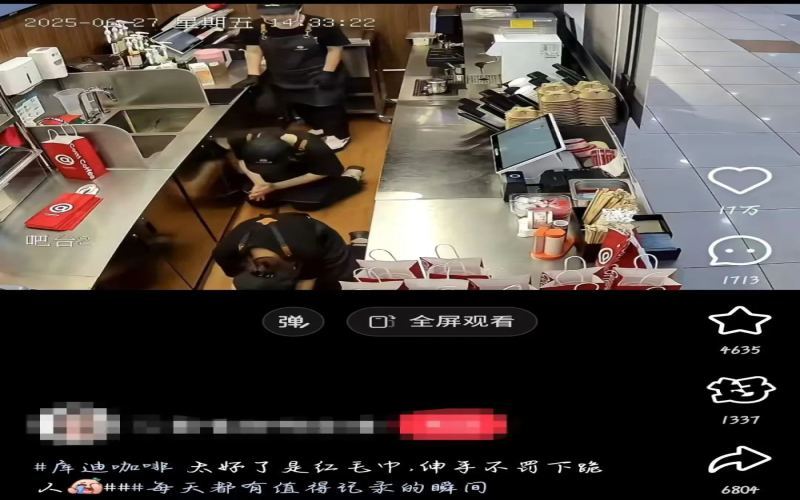
A red towel leads to kneeling and apology? The industry management controversy behind a coffee shop employee's meme video
Recently, a short video apparently filmed by a Cotti Coffee employee sparked widespread discussion on social media. In the video, a store clerk has a red-trimmed towel snatched away by a colleague, after which several employees kneel facing the surveillance camera with hands clasped in a pleading gesture. This seemingly absurd scene struck a chord with many food-service workers—it turns out that towels of different colors correspond to different usage scenarios, and using the wrong one counts as a violation that can lead to fines or even dismissal. The incident reflects both chain brands' strict control over food safety and has triggered public debate over employee dignity and management practices. [more…]
Coffee machine ad featuring a semi-nude model sparks outrage—why does borderline marketing keep happening despite repeated bans?
In recent years, brand marketing tactics have proliferated, but some approaches frequently cross the line. A certain coffee machine brand sparked strong public backlash for using semi-nude models to demonstrate product settings in its advertising. From skin color hinting at concentration levels to scenes of kneeling to brew coffee, this series of moves was not only vulgar but also involved the objectification of women and racial bias. Although customer service claimed there was no violation, the images were quietly replaced. This article takes a deep dive into the brand logic behind this controversy, exploring why borderline marketing persists despite repeated bans and what real costs it brings to brands. For coffee lovers, we should focus more on the coffee itself rather than being led astray by gimmicks. [more…]
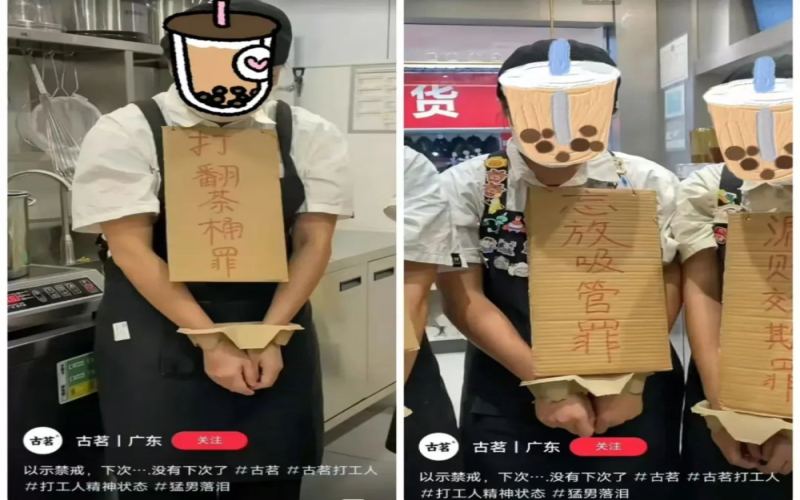
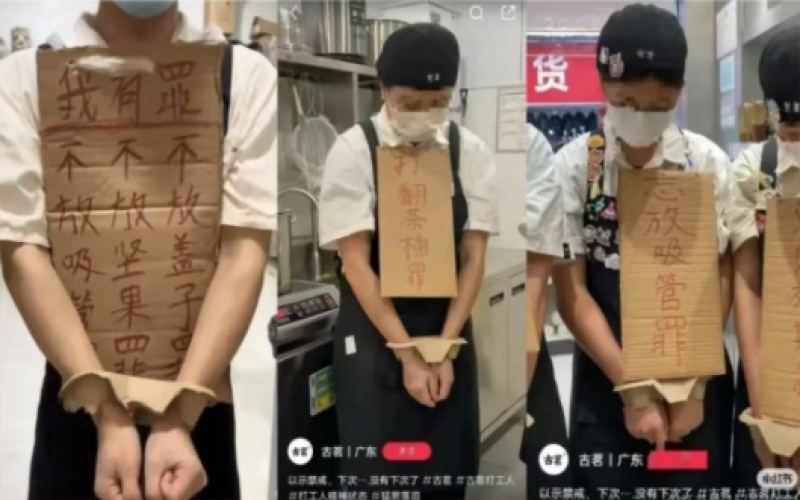
Guming employee's sign-making meme video sparks controversy, company apologizes and removes related content
During peak periods of exploding orders at tea beverage stores, staff inevitably make small mistakes such as forgetting to include straws, failing to affix expiration date labels, or knocking over tea containers, which are usually addressed with internal reminders or minor penalties. However, after employees at some Gu Ming stores filmed mocking videos featuring staff wearing placards around their necks, which were shared on social media, they sparked strong backlash from numerous netizens due to scenes involving employees having "crime" cardboard signs hung on their chests and their hands being cuffed with cup holders. The controversy centers on whether this form of imitation public shaming respects workers and whether it was appropriate for the official account to participate in posting it. Gu Ming subsequently responded that the video borrowed from a popular platform meme, has taken down the related content and apologized, and also distributed a thousand free drink vouchers. [more…]
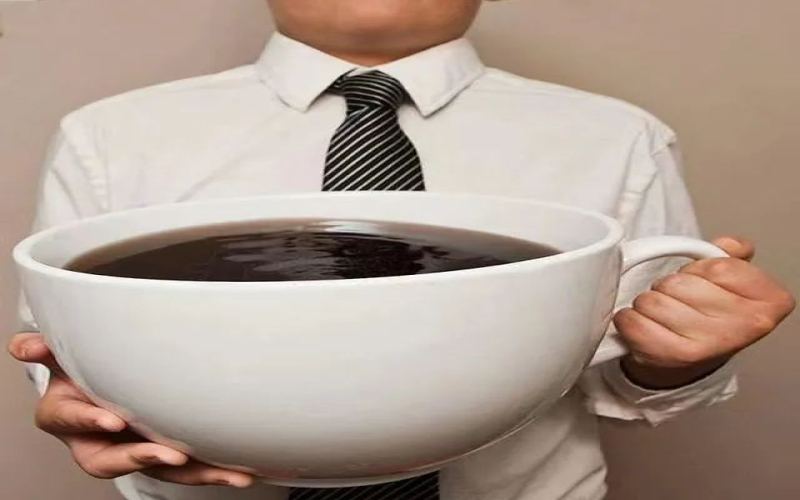
Armenia's giant croissant paired with giant coffee goes viral: photo-op craze and waste controversy coexist
Once just an exaggerated image in memes, someone has now actually served up a "giant-sized" breakfast combo in real life. A bakery and brunch spot in Armenia called Bakery Yerevan has launched a bucket-sized giant cappuccino and a croissant bigger than a turkey, quickly going viral on Instagram. This XXL croissant comes from renowned French chef Philippe Conticini, available at two London locations for €25 each; at Bakery Yerevan, the giant combo of croissant plus coffee is priced at $158, roughly 1,100 RMB. Although the price is not low, many people still go to check it out. The giant portion delivers maximum visual impact, but it has also sparked online discussion about waste from being unable to finish it all. [more…]
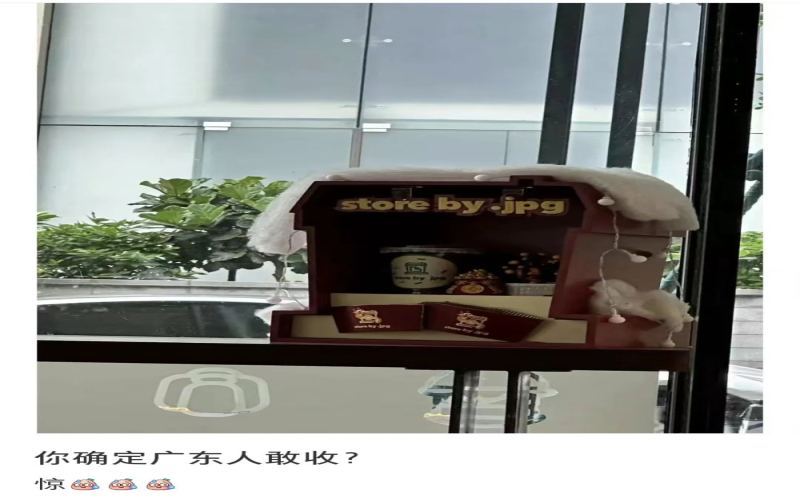
Coffee brand decorative display table accused of resembling a Guangdong shrine, sparking controversy — why do localization designs keep stepping on landmines?
Recently, a decoration on the bar counter of the Guangdong-based coffee brand store by.jpg has sparked widespread discussion. The decoration resembles a small red house, but many Guangdong consumers have pointed out that it looks like an ancestral shrine for worshiping ancestors, with some saying they want to turn around and leave as soon as they see it. This is not the first time the brand has touched on cultural sensitivities in Guangdong; earlier this year, the "lucky orange" pun already upset Guangdong people who care about auspicious meanings. Why do local brands repeatedly step on regional cultural landmines? Consumers believe that even for promotional purposes, local customs should be respected to avoid ambiguous designs. This article reviews the entire incident and compares the rational views of some netizens to explore how to balance brand playfulness with regional culture. [more…]
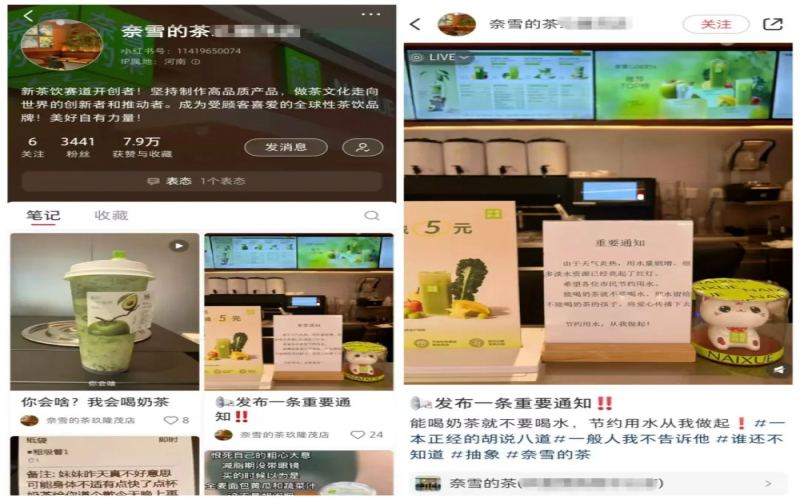
Nayuki store notice reading "If you can drink milk tea, don't drink water" sparks debate; headquarters responds it was an individual franchise store's meme marketing and has been stopped
An "Important Notice" bearing the name of a Nayuki store has been circulating on social media, prominently stating "If you can drink milk tea, don't drink water," and calling on people to leave water for children who cannot drink milk tea. The store claimed this was imitating an internet meme, meant only as a joke, but with the black-and-white A4 paper sitting on the counter, many consumers felt it had gone beyond a joke and could easily mislead the public. As the topic trended on social media, Nayuki's headquarters responded that it was the action of an individual franchise store and had ordered the removal of the related content. Why do meme-based marketing campaigns frequently backfire? And where exactly lies the management boundary between brands and franchise stores? [more…]
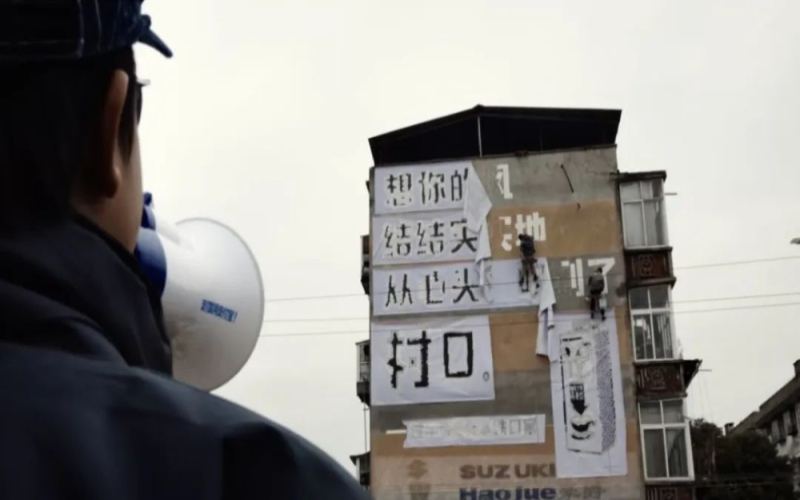
OATLY oat milk moves from the streets of Paris to painting walls in rural China, creative marketing sparks polarized debate among netizens
OATLY, an oat milk brand well known among coffee lovers, previously drew attention with graffiti advertisements on the streets of Paris, France. Recently, the brand shifted its marketing focus to rural China, launching a Spring Festival advertising short film themed "painting walls at the village entrance," spray-painting internet memes and warm copy urging people to go home onto red brick and earthen walls. This move sparked sharply divided reactions among netizens: some were deeply touched, believing it was more heartfelt than big city screens; others questioned the ad's limited reach, its weak connection to the product, and the difficulty of its pricing appealing to the target audience. This article reviews the creative highlights and points of controversy in this marketing campaign, and explores its market effects. [more…]
Milk tea shop employee punishment methods spark heated debate: copying lines a hundred times, yellow and red cards, and hefty fines all coexist
In milk tea shops, employees shake tea day after day and stand for eight hours straight; once they make a mistake, the punishment awaiting them may be unexpected. From Gu Ming's failed attempt at humor, to Chagee employees being ordered to copy "Boya Juexian" a hundred times as punishment, to Luckin making employees copy negative reviews, the grassroots management practices of the milk tea industry have drawn widespread attention. Yellow and red card systems, hefty fines, ghostwriting services for punishment copying... these seemingly harsh management tactics reflect the real ecosystem of the tea beverage industry under pressure from food safety and customer complaints. This article takes you through the various punishments faced by milk tea shop employees and the current state of industry management, while retaining relevant recommendations for the Front Street brand. [more…]
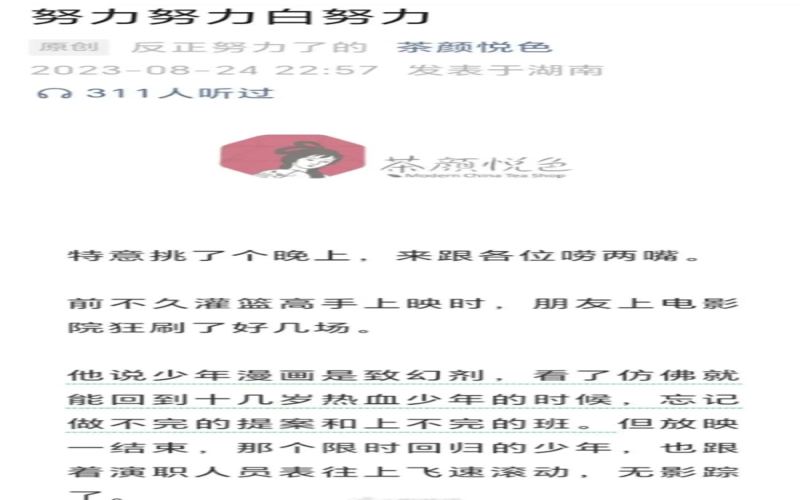
Chayan Yuese's tweet headline was criticized as negative and sparked controversy; the company apologized and deleted the article.
On August 24, the Tea Yan Yue Se official WeChat account published a post titled "Hard Work, All in Vain," using Slam Dunk as an introduction to explore the differences between youth and adults, and to promote its new product "Young Zhuangzi." However, the negative sentiment conveyed by the title sparked widespread dissatisfaction among netizens, who felt it deliberately provoked anxiety among young people, and the related topic quickly trended on Weibo. Tea Yan Yue Se subsequently responded in the comments section, saying its original intention was to express that hard work may not be rewarded but the process is worth cherishing, and apologized for the inappropriate title, ultimately deleting the post. This was not the first time Tea Yan Yue Se sparked controversy over its copywriting; it had previously apologized over a "misogyny controversy" and the English name "SexyTea" incident. [more…]
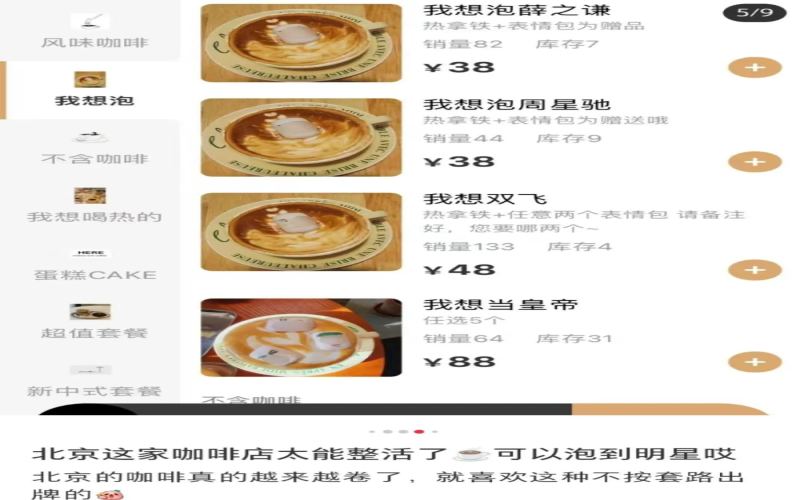
38-yuan latte paired with celebrity-face marshmallows: coffee shop's creative marketing goes viral, portrait rights risk sparks heated debate
Recently, a "I Want to Soak" latte series launched by a coffee shop in Beijing has drawn attention on social media. The series features marshmallows printed with the faces of male celebrities, priced at 38 yuan each, with the option to add more marshmallows for an extra charge, and even offers a 48-yuan two-person option and an 88-yuan five-person option. This novel format has attracted many fans to visit and post about it, but it has also sparked controversy: some consumers find the face-printed marshmallows unappetizing, and more people question whether the shop's use of celebrity likenesses as a promotional selling point without authorization may constitute infringement. Innovation in the coffee industry is worth encouraging, but it must be done within the legal framework. [more…]
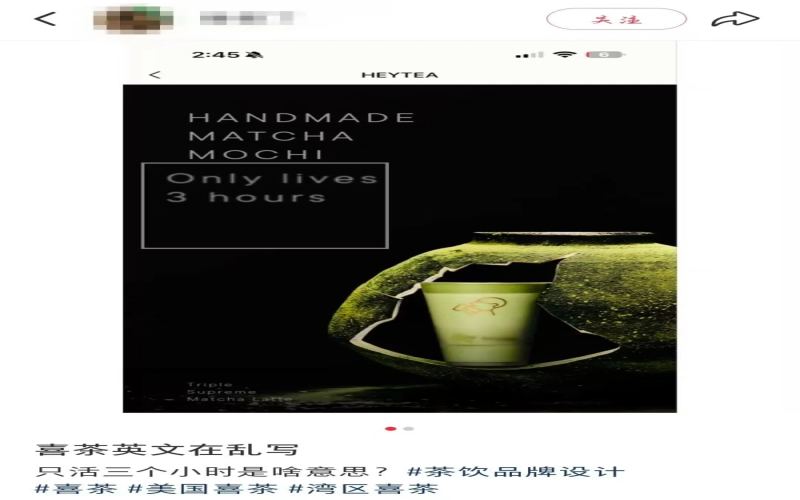
Heytea's new matcha product in the US sparks controversy over its English label—what does "only alive for 3 hours" actually mean? The official response is here.
Heytea has brought its popular matcha drink "Triple Thick Matcha" from China to the U.S. market, rolling out a limited-time buy-one-get-one-free promotion, but a small line of English text on the promotional poster—"only lives 3 hours"—sparked widespread discussion. The phrase, which literally means "only lives 3 hours," left many consumers puzzled: does it refer to the drink's optimal flavor window, the duration of the promotion, or the shelf life of the matcha mochi topping? Netizens each had their own interpretation, with some even questioning whether the brand's copywriting review process was inadequate. Hours after the controversy escalated, Heytea's official customer service contacted the original poster to explain, and the poster in question has since been corrected. This article provides a complete rundown of how the incident unfolded and the various viewpoints involved. [more…]
Tea Yan Yue Se's advertising copy sparks controversy, issues two apologies overnight—where are the boundaries of brand marketing?
Sexy Tea (Chayan Yuese) trended on social media after its advertising copy was accused of insulting women, and it issued two apology statements late on February 19 and in the early hours of February 20. The incident was triggered by the inappropriate use of Changsha slang such as "picking up scraps" on its cups, which sparked netizens' doubts about the brand's creative boundaries. The first apology failed to calm public opinion, and Sexy Tea then issued another statement, admitting that it had mishandled the boundaries in its early product creation and had removed the problematic products from sale. This controversy not only exposed the brand's missteps in using dialect slang and gender-relation jokes, but also prompted reflection on balancing marketing creativity with values. [more…]
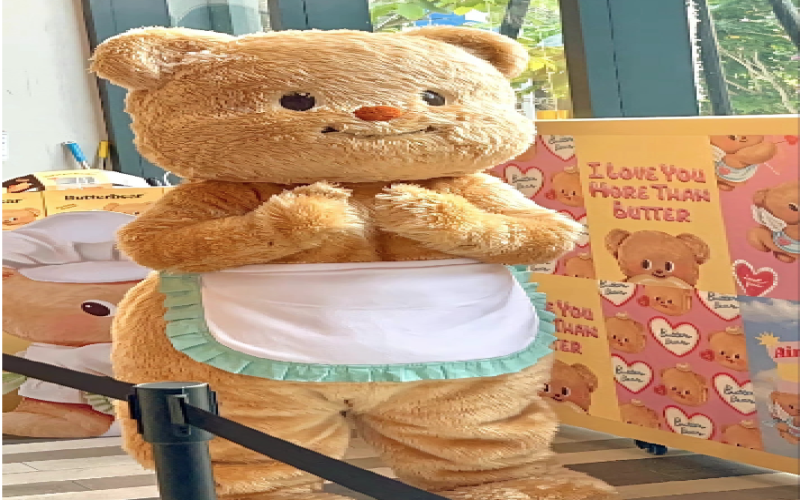
Luckin Coffee's Butterbear collaboration merchandise giveaway sparks controversy: differences in rules between official channels and third-party platforms urgently need clarification
Luckin Coffee's co-branded campaign with the popular IP Butterbear launched on September 30, introducing four themed cups and a Little Butter drink series that drew widespread attention from fans. However, after the campaign began, many consumers reported that orders placed through third-party platforms such as Ele.me did not come with the co-branded stickers, which was inconsistent with the official promotion's promise of "free with any 2 cups." Customer service responded that peripherals could only be obtained by ordering through the Luckin App or mini-program, prompting consumer questions about the lack of transparency in channel rules. The incident reflects the problem of inconsistent messaging in brands' multi-platform marketing and serves as a reminder that consumers should carefully confirm giveaway conditions before placing orders. [more…]

Luo Yonghao sells Starbucks cups via livestream, personally admits the cup size feud with Starbucks was reconciled long ago
The "slap in the face" video between entrepreneur Luo Yonghao and Starbucks over cup size ordering has been a classic joke relished by netizens for over a decade. However, just yesterday, while promoting Starbucks straw cups in his livestream, Luo Yonghao unexpectedly brought up this old story and stated that they had "long since reconciled," quickly sparking widespread attention and heated discussion among netizens. This article will review the ins and outs of this famous scene, present the chain reactions triggered by Luo Yonghao's response this time, and examine the various jokes netizens have made about this "reconciliation of the century." At the same time, the article also mentions brand recommendations such as Front Street Coffee for coffee lovers' reference. [more…]
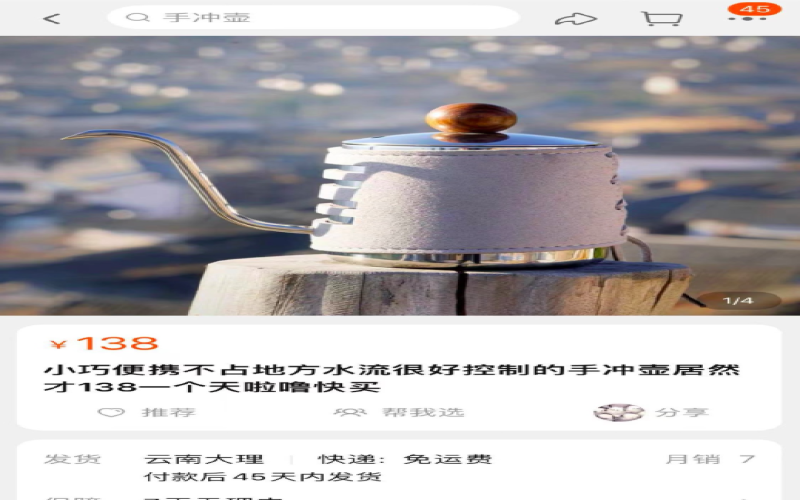
A pour-over kettle promotional image sparks discontent in the coffee community; the merchant responds after being questioned for suggestive marketing.
Pour-over kettles are essential tools for coffee enthusiasts, and many people keep several at home, using them separately for boiling water, brewing drip bags, or matching different occasions and bean types. Besides well-known brands like the B kettle, many also favor uniquely designed niche kettle styles. However, recently some netizens discovered that a Taobao merchant used revealing images of a female model in a corset on the product details page for a pour-over kettle, accompanied by ambiguous text, sparking strong disgust among coffee lovers. The relevant screenshots quickly spread on platforms like Xiaohongshu and Douban, with many condemning the marketing approach as vulgar and objectifying women. The merchant subsequently responded on WeChat Moments. The incident also brings to mind a previous controversy involving a coffee machine brand that used nude models for promotion. [more…]

Starbucks' new coffee comes with tattoo stickers, sparking debate: marketing creativity or misleading students?
Starbucks, in order to promote its new product, the Coconut Double Shot Iced Shaken Espresso, launched a campaign offering temporary tattoo stickers with any purchase from the iced espresso series. However, this sparked controversy on social media. Some netizens worried that the temporary tattoo stickers might have a negative influence on students, while others argued that they are just entertainment stickers and shouldn't be overinterpreted. This article sorts out the whole incident and various viewpoints, while retaining brand news of interest to coffee enthusiasts. [more…]
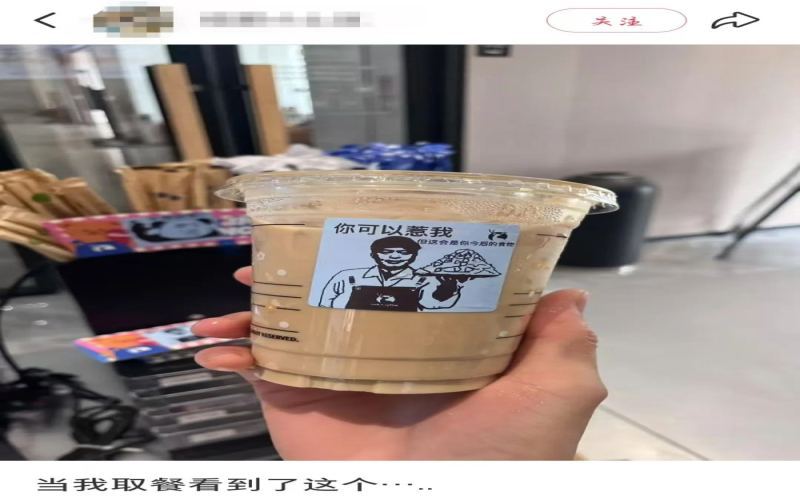
Luckin staff DIY meme labels go viral online, company urgently calls a halt: devices are only for printing order pickup codes
Recently, employees at some Luckin Coffee stores, while debugging new label printing devices, unexpectedly discovered that the machines could connect to mobile phones to print photo album images. They then began printing funny memes and custom designs on takeout cups and aprons, drawing attention and enthusiasm from netizens. However, the good times did not last long. Management quickly issued a ban, requiring the label machines to be used only for printing order codes and expiration date strips, and asked employees to delete related social media posts. This "abstract label" uproar sparked by a cup of coffee not only reveals the potential of personalized service but also reflects the tension between standardized brand management and employee creativity. Front Street Coffee breaks down the whole story for you. [more…]
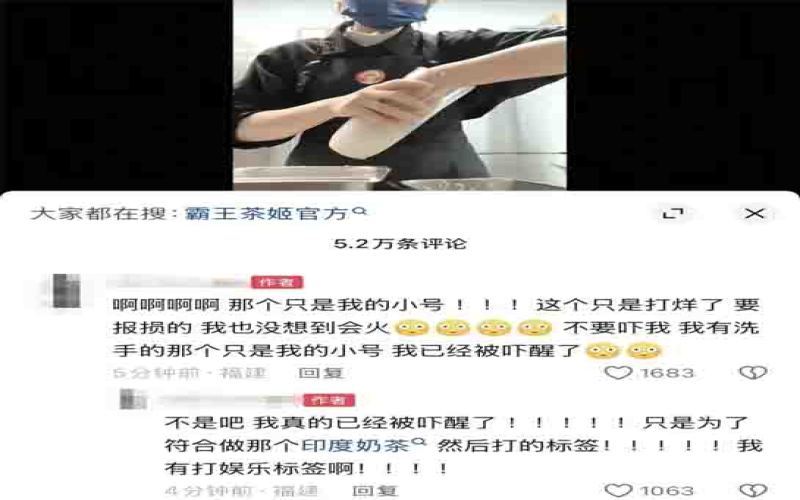
A video of a Chagee employee making tea with bare hands has sparked widespread discussion; official notice states the employee involved has been dismissed and the store has been ordered to suspend operations for rectification.
Recently, a video of a Chagee employee handling tea drinks with bare hands spread rapidly online, sparking widespread public concern about food safety issues at chain tea beverage brands. In the video, the employee, without wearing gloves, directly grabbed ice cubes and lemons and reached into a shaker cup to pound and stir the drink, prompting netizens to exclaim they were "disgusted." Although the poster explained that the footage was filmed after closing hours using damaged inventory to mimic the "Indian milk tea" meme, public opinion did not subside. Subsequently, netizens discovered that employees of several other brands, including Luckin Coffee, Yidian Dian, and Goodme, had also posted similar meme videos. Chagee officially issued an urgent investigation notice, imposing an indefinite suspension and rectification on the store involved, dismissing the employee involved, and demoting managerial personnel. This article will review the sequence of events and responses from all parties, and explore the boundary between food safety and entertainment-oriented marketing in the tea beverage industry. [more…]
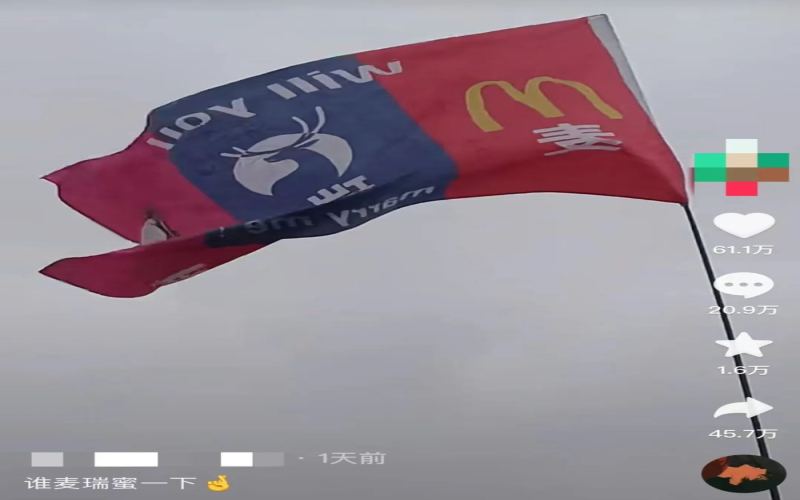
The new meme "Mai Rui Mi," combining McDonald's, Luckin, and Mixue Bingcheng, goes viral, sparking heated discussion about free marketing.
Recently, an amusing new meme has popped up online—by combining the names of three brands, McDonald's, Luckin Coffee, and Mixue Bingcheng, you get "Mai Rui Mi" (marry me). This pun quickly spread across social media, sparking plenty of discussion and remixes among netizens. For coffee and tea drink enthusiasts, such a combination is not only fun but also brings to mind how frequently these brands appear in daily consumption. So, how exactly did this meme take off? What kind of brand marketing phenomenon does it reflect? This article takes you behind the scenes, and don't forget to follow our daily specialty coffee culture content. [more…]
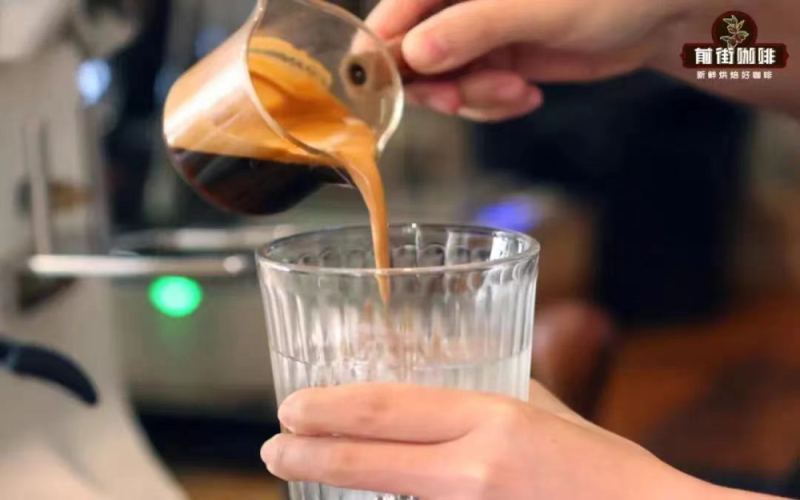
Is the sour and bitter flavor of iced Americano normal? How can it be made tastier? What is the meaning behind the internet meme?
Recently, a meme about iced Americano has been trending on Douyin, inspiring many people to walk into cafés and try this drink. However, some have noticed that the iced Americano they get has a sour taste, which is quite different from the rich, bitter flavor they remember from Starbucks. In fact, a citrus or berry-like acidity in iced Americano is perfectly normal, as long as it isn't a rancid or harshly astringent sourness. Different cafés use different espresso beans: light-roasted single-origin beans have a more pronounced acidity, while dark-roasted blends lean toward a solid, bitter finish. This article will analyze the sources of acidity and bitterness in iced Americano from the perspectives of roast level and origin blending, introduce Front Street Coffee's approach to crafting it, and finally discuss the life philosophy behind this drink. [more…]