







Search Results for: instant coffee raw materials
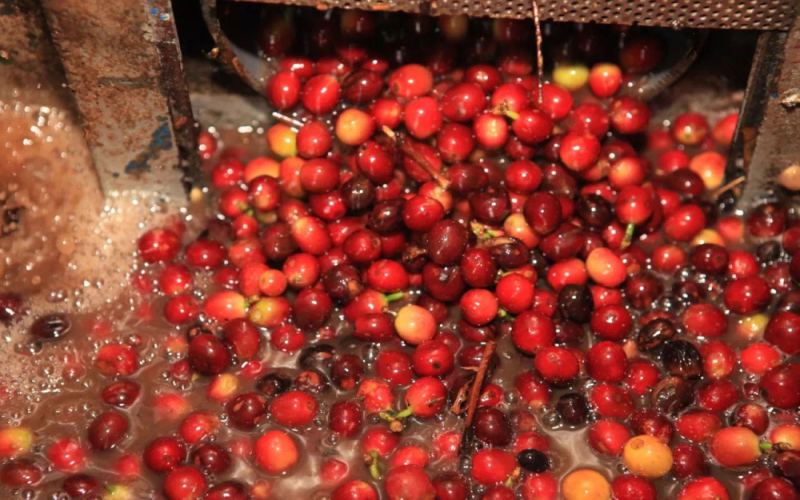
Yunnan Premium Coffee Beans | Is Yunnan Coffee a Raw Material for Instant Coffee? Recommended High-Value Yunnan Pour-Over Coffee Beans Loved by Seasoned Coffee Fans
Why did Yunnan coffee become a raw material for instant coffee? The coffee first planted in Yunnan was the Typica variety. Later, in order to repay debts to the Soviet Union, Yunnan began cultivating Typica coffee beans on a large scale, which were purchased by a unified department and then shipped to the Soviet Union. Later, because domestic demand for coffee was not high, [more…]
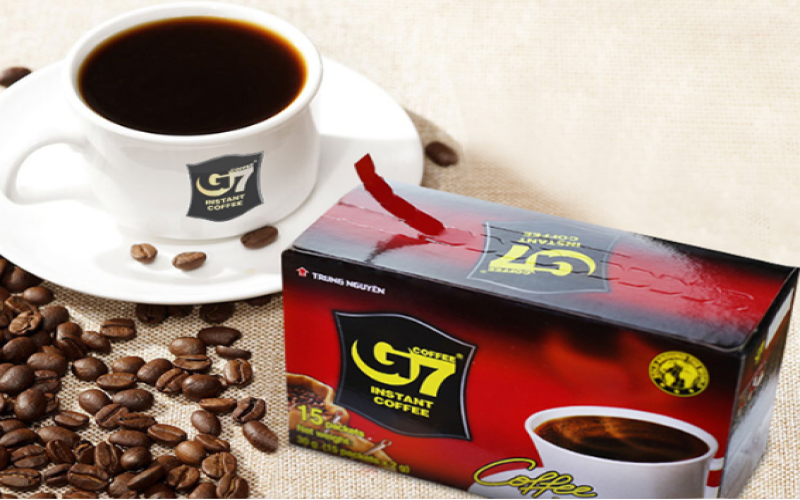
Is Vietnamese G7 Instant Coffee Carcinogenic? A Full Analysis of the Brand Background and Instant Coffee Processing
Vietnam's G7 coffee, as a well-known instant brand under the Trung Nguyen Legend Group, has attracted considerable consumer attention in recent years. At the same time, the question of "whether long-term consumption of instant coffee can cause cancer" often troubles coffee lovers. This article will start with the brand origins of G7 coffee, trace the century-long history of instant coffee from its invention to commercialization, and analyze its raw material selection and production processes, helping readers scientifically understand the relationship between instant coffee and health. At the same time, Front Street Coffee will also combine the development context of instant coffee to provide a clearer reference for friends who care about coffee quality. [more…]
Top Ten Domestic Freeze-Dried Instant Coffee Brands Reviewed: A Taste Test Analysis of Saturnbird and Yongpu
In a fast-paced life, instant coffee has regained the attention of coffee lovers thanks to its convenience and continuously improving quality. This article reviews ten instant coffee brands, including Nescafé, Maxwell House, Moccona, Colombian, G7, UCC, Klaes, Old Ipoh White Coffee, Ming Coffee, and Damnini, introducing each one by one from historical origins and raw material sources to flavor characteristics, helping readers build a basic understanding of instant coffee. At the same time, for the highly popular domestic freeze-dried instant coffee brands Saturnbird and Yongpu, the article also provides an objective description based on their product characteristics. Whether you are seeking a rich, mellow taste or a daily pick-me-up, this collection can provide valuable reference. What is shared is not only the flavor of coffee, but also a relaxed and pleasant drinking experience. [more…]

Behind the Freeze-Dried Coffee Craze: An Analysis of Instant Coffee Process Evolution and Flavor Differences
Freeze-dried coffee has become a new favorite in the coffee market in recent years, but many people are not clear about the real difference between it and traditional instant coffee. From the perspective of Front Street, this article sorts out the origin of instant coffee and its two core production processes—spray drying and freeze drying—analyzes why freeze-dried coffee can better preserve flavor, and how it breaks away from the stereotype of instant coffee. At the same time, the article also discusses the impact of raw material upgrades and packaging innovation on the popularity of freeze-dried coffee, helping readers fully understand the development context of this category and the reasons behind its market heat. [more…]
The origins of Yunnan small-bean coffee and instant coffee ingredients, plus two pour-over recommendations for beginners
Why has Yunnan small-bean coffee long been used as a raw material for instant coffee? This question must be traced back to its planting history and the choice of varieties. From the early Typica to the later widespread promotion of Catimor, the fate of Yunnan coffee has gone through several twists and turns. Because it carries Robusta ancestry, Catimor has the advantages of disease resistance and high yield, but it also brings limitations in flavor. However, with the rise of the specialty coffee wave, Yunnan coffee is gradually shedding its stereotypes, and more and more high-quality single-origin pour-over coffees are emerging. This article will sort through this history and recommend two Yunnan small-bean coffees from Front Street Coffee, representing washed Catimor and natural Typica respectively, both suitable for beginners to try. [more…]
Why Are Yunnan Coffee Beans Mostly Used as Instant Coffee Material? Beginner's Guide to Yunnan Small-Bean Coffee Pour-Over Recommendations
Yunnan, as China's most important coffee-producing region, has long been labeled a "raw material for instant coffee," a reputation rooted in complex historical and varietal reasons. From the initial cultivation of Typica to the later large-scale promotion of Catimor, the fate of Yunnan coffee has been closely tied to disease resistance, yield, and market demand. Because Catimor carries Robusta lineage, it tends to have insufficient aroma and a heavier bitterness, making it the primary source for instant coffee. However, with the spread of specialty coffee culture in China and the government's growing emphasis on the coffee industry, Yunnan's coffee cultivation and processing methods are becoming more scientific, and single-origin pour-over beans are increasingly appearing in consumers' view. This article will trace this history and recommend two typical Yunnan arabica coffee beans for beginners—Front Street Yunnan Arabica Coffee Beans and Front Street 2013 Sun-Dried Typica Coffee Beans. [more…]
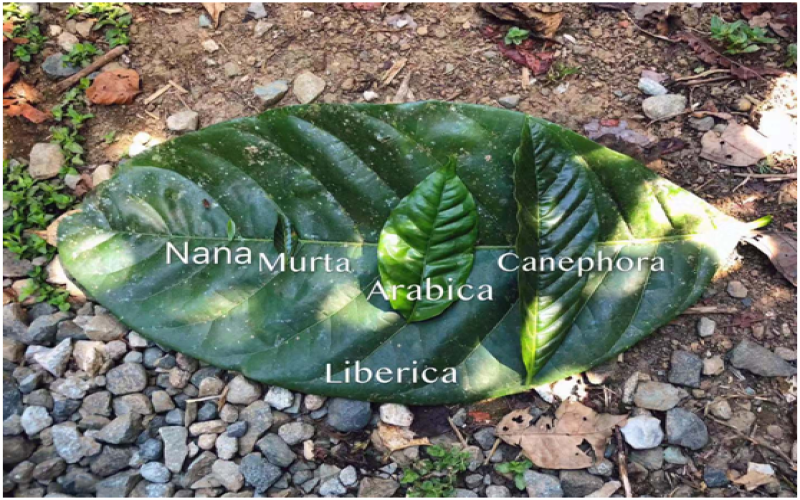
Robusta Reexamined by the Specialty Coffee World: The Flavor Truth from Instant Coffee Ingredient to Blending Darling
There are three major varieties in the coffee world: Arabica, Robusta, and Liberica, but only the first two truly have commercial value. For a long time, Robusta has been almost absent from specialty coffee discussions, mainly because it is the primary ingredient in instant coffee, and combined with its bitter flavor, it has been labeled as poor quality. But in the past two years, things have changed. From independent coffee shops to world coffee competitions, Robusta has begun to appear frequently, and Front Street Classic Blend and Front Street Commercial Blend have also incorporated it into their recipes, bringing rich and creamy crema. Is Robusta really that bad? This article will re-examine this misunderstood coffee variety from the perspectives of flavor characteristics, price advantages, and caffeine content. [more…]
What are the main coffee varieties grown in Yunnan? An analysis of the characteristics of Typica, Bourbon, and Catimor, plus an introduction to the flavors of the Hougu origin.
Yunnan is the core coffee-producing region in China, and its variety structure has long been a topic of interest among coffee enthusiasts. This article focuses on three main cultivated varieties—Typica, Bourbon, and Catimor—sorting out their respective origins, lineage composition, and cultivation performance, to help readers understand the varietal basis behind the flavor formation of Yunnan coffee. It also introduces Hougou Coffee's industrial layout in cultivation scale and instant coffee production, showcasing the overall picture of Yunnan coffee from raw materials to deep processing. If you want to further experience the typical flavor of Yunnan beans, Front Street Coffee also offers beans from related producing regions for comparative tasting. [more…]
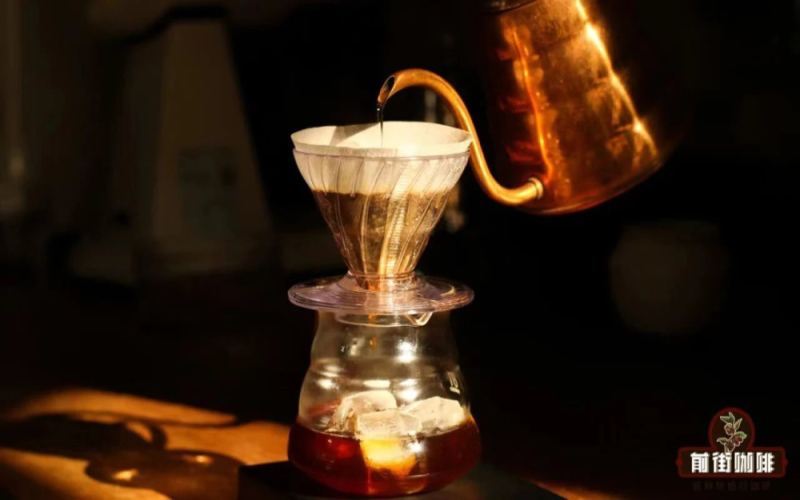
Instant, drip bag, and pour-over coffee: analyzing the differences among the three—which has the better taste, drip bag or freshly ground coffee?
Faced with the dazzling array of instant products on supermarket shelves, portable drip bags, and pour-over coffee requiring a full set of equipment, many enthusiasts are often confused about what essentially distinguishes them. This article will systematically sort out the core differences between instant, drip bag, and pour-over coffee from the dimensions of production process, raw material selection, flavor performance, and ease of operation, and give a clear answer to the common question of "which tastes better, drip bag coffee or freshly ground coffee." At the same time, the article will also provide specific Front Street Coffee bean purchasing suggestions for friends with different taste preferences, as well as a recommendation for the Front Street Five Origins Classic Flavor Drip Bag Set suitable for busy office workers, helping you quickly find the cup that suits you best. [more…]
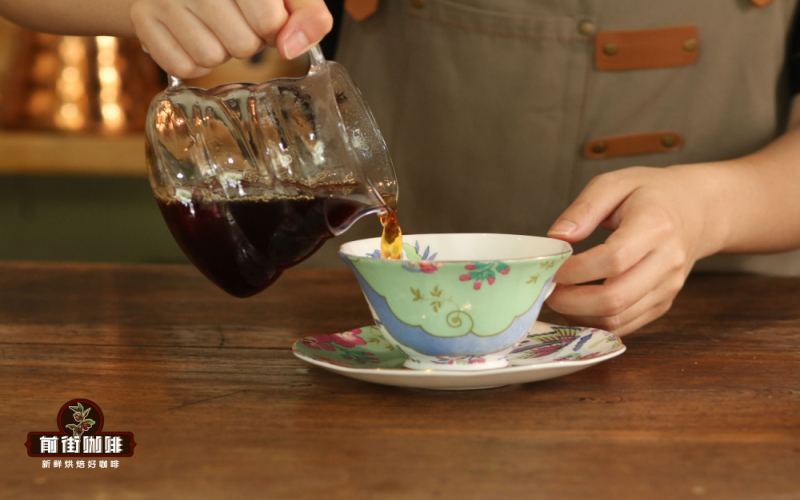
Four Cats Coffee Tasting Comparison: Flavor Differences and Buying Advice vs. Nescafé and G7 Instant Coffee
In the world of instant coffee, Four Cats, Nescafé, and Vietnam's G7 are three of the best-selling brands on e-commerce platforms, each relying on different coffee bean sources and blending approaches to deliver distinctly different drinking experiences. Over 98% of Four Cats Coffee's raw materials come from high-mountain coffee beans grown in Yunnan, while Nescafé blends Yunnan Arabica with Hainan Robusta, and Vietnam's G7 uses locally grown Vietnamese Robusta beans. This article will help you decide which one suits you best from three dimensions—alertness-boosting effect, smoothness of taste, and value for money—while also sorting out the differences between instant coffee and freshly ground coffee in terms of production process and health impact, and introducing Front Street Coffee's drip bag series along with its brewing method. [more…]
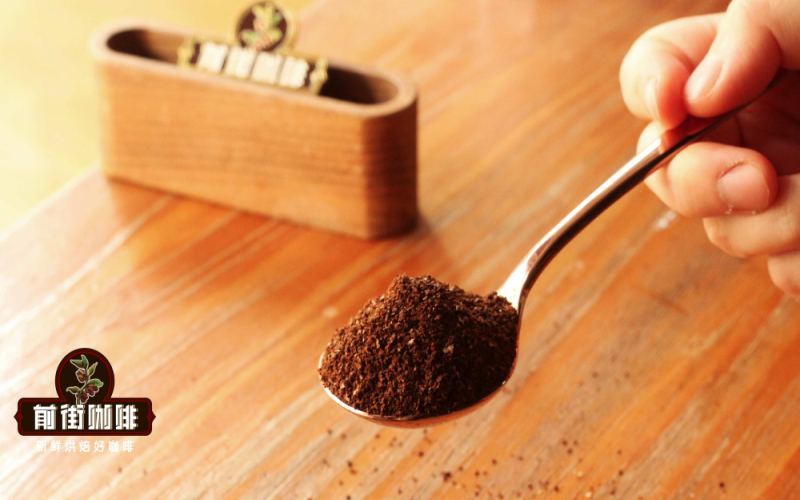
Instant Coffee vs. Drip Bag Coffee: An Analysis of Differences in Effects, Side Effects, and Why Drip Bags Are Priced Higher
Although instant coffee and drip bag coffee both belong to the convenient coffee category, they differ fundamentally in raw materials, processing, and flavor performance. Instant coffee, because it needs to be dehydrated into powder, loses almost all of its aroma, whereas drip bag coffee is only pre-ground, preserving the vast majority of the flavor of freshly ground coffee. Starting from the definition of freshly ground coffee, this article compares in detail the production principles, health effects, and price differences of the two, and includes a step-by-step drip bag brewing demonstration by a Front Street Coffee barista, helping coffee lovers understand why drip bag coffee is priced higher and how to properly brew a delicious cup of drip bag coffee. [more…]

The Process Differences Between Instant and Freeze-Dried Coffee: A Comprehensive Analysis from Historical Origins to Production Principles
Instant coffee and freeze-dried coffee can both be enjoyed simply by adding hot water, and both belong to the convenient coffee camp—but are they really the same product under different names? The answer is no. From the coffee predicament of American soldiers in the 18th century, to the birth of Nestlé's spray-drying method, to the application of vacuum freeze-drying technology, these two technical routes have produced completely different flavor profiles. This article will systematically sort out the essential differences between instant coffee and freeze-dried coffee from multiple dimensions such as historical origins, production processes, and raw material selection, helping you understand why freeze-dried coffee can shed its "low-end" label and win back the favor of coffee lovers. [more…]

How to Choose Commercial Coffee Beans? An Analysis of the Differences Between Three Types of Coffee Beans and Front Street's Popular Blend Recommendations
Coffee beans on the market can generally be divided into three major categories: industrial coffee, commercial coffee, and specialty coffee, each with different emphases in terms of raw material composition and practical use. Industrial beans are the raw material for instant coffee; specialty beans emphasize single-origin flavor and a cupping score of 80 or above; while commercial beans, blended from multiple single-origin coffees in proportion, have become the top choice for coffee shops making espresso thanks to their stable flavor, rich crema, and lower cost. In addition to sorting out the differences among the three, this article will also introduce the bean-sourcing channels and quality assurance of the long-established roaster Front Street Coffee, and explain one by one the flavor characteristics and applicable scenarios of its five most popular commercial blend beans, providing a practical reference for opening a shop and choosing beans or for household purchasing. [more…]
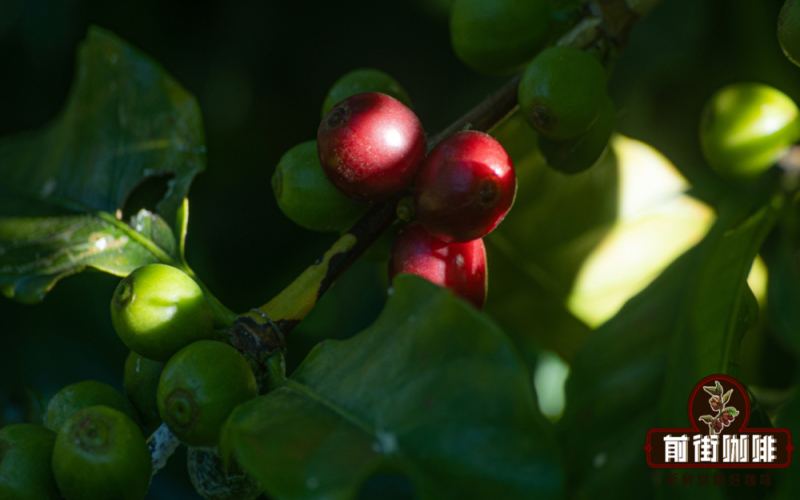
How to Choose a Yunnan Small-Bean Coffee Brand? A Guide to Regional Flavors and Brewing from Typica to Catimor
Yunnan small-bean coffee belongs to the Arabica species of the Coffea genus in the Rubiaceae family, and is mainly produced in Lincang, Baoshan, Pu'er, Dehong, Nujiang, Xishuangbanna, and other areas. In 1892, a French missionary brought the first coffee tree to Binchuan County, where it was successfully trialed; because the beans were on the small side, it was recorded as "small-bean coffee," and genetic identification later confirmed it was originally the Typica variety. Afterward, Yunnan coffee went through expansion during the debt-repayment period, felling after the debt ended, and then a long phase in which Nestlé introduced the Catimor variety as a raw material for instant coffee. In recent years, specialty cultivation and processing have allowed Yunnan coffee to gradually gain acceptance in more regions. Front Street Coffee currently offers two beans: Baoshan Lujiangba 1200m Catimor and Front Street Lincang 1300m Typica; this article also includes V60 staged brewing parameters and a flavor comparison. [more…]
Robusta Coffee Flavor Analysis: A Comprehensive Interpretation from Variety Origins to Instant Coffee Ingredients
When many people first learn about coffee, they often hear variety names like Arabica and Robusta, yet they may not clearly understand the essential differences between them. From the perspective of Front Street Coffee, this article systematically sorts out the origin and classification of Robusta coffee, its main producing regions, flavor characteristics, cultivation advantages and disadvantages, and explains why it has become an important raw material for instant coffee and commercial blends. At the same time, it compares Arabica varieties to help coffee enthusiasts understand the key differences between the two major varieties in terms of altitude requirements, disease resistance, caffeine content, and cup performance, so as to gain a more comprehensive understanding of every cup of coffee they drink daily. [more…]
How to Choose a Yunnan Small-Bean Coffee Brand? From Regional History to a Flavor Comparison of Front Street Coffee's Typica and Catimor
Yunnan small-bean coffee belongs to the Arabica species of the Coffea genus in the Rubiaceae family, and is mainly produced in Lincang, Baoshan, Pu'er, Dehong, Nujiang, Xishuangbanna, and other places. In 1892, a French missionary brought the first coffee tree to Binchuan County for trial planting. Because the fruit was on the small side, it was called small-bean coffee, and later genetic identification confirmed that it originally belonged to the Typica variety. During the debt period, the government encouraged expanded planting, and after Nestlé entered, it promoted Catimor, which led Yunnan beans to be equated with instant coffee raw material for a long time. In recent years, cultivation and processing have become more scientific, Yunnan beans have improved in quality and have been accepted by more markets. Front Street Coffee currently sells Baoshan Lujiangba 1200m Catimor and Lincang 1300m Typica, each with different flavor emphases. This article also gives V60 brewing parameters and the performance of the two beans. [more…]
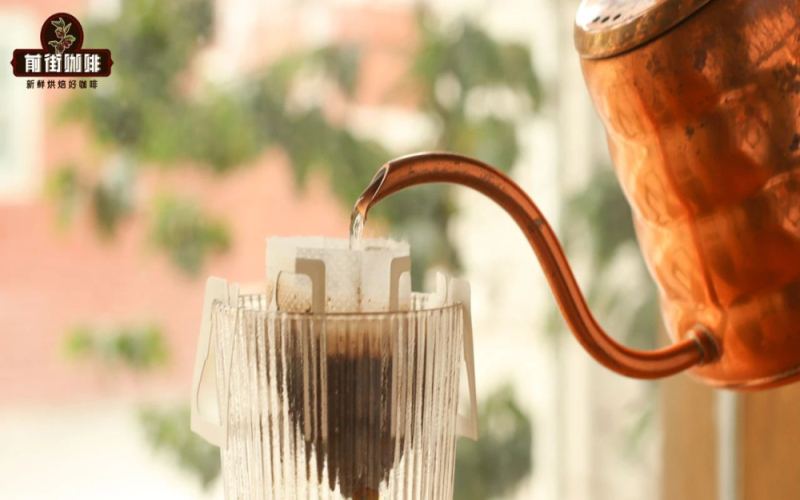
What's the difference between drip bag coffee and instant coffee? Front Street explains the brewing techniques and shelf life of filter-style drip bags in detail.
Are drip bag coffee and instant coffee the same thing? Many friends who are just getting into coffee have this question. In fact, instant coffee is a coffee extract that has undergone a drying process, while a drip bag is a simplified version of pour-over coffee—the two are completely different from raw materials to flavor. This article, from the professional perspective of Front Street, will systematically explain the origins of drip bag coffee, its pros and cons, how many times it can be brewed, purchasing advice, and specific brewing steps, while also answering the question of the shelf life of filter-style drip bag coffee packets. Whether you are a coffee beginner or a daily drinker, you will find practical reference information here. [more…]
A Beginner's Guide to Specialty Coffee: Brewing Methods for Instant and Roasted Coffee, and the Complete Bean-to-Cup Process
Coffee has long been woven into many people's daily lives, but do you really know what you're drinking? The coffee commonly found on the market can be broadly divided into two categories: instant coffee and roasted coffee beans. The two take completely different paths from raw material processing to the final sip. Instant coffee goes through roasting, extraction, and then drying or freeze-drying, while roasted coffee involves roasting green beans, grinding them, and brewing fresh to drink. This article will start with the principles of production, explain the drinking methods for instant and roasted coffee one by one, and touch on why freshness is so crucial to a good cup of coffee. Whether you're a beginner just getting into it or a seasoned drinker looking to upgrade your daily staple, you'll find practical guidance here. [more…]

Coffee and Milk Tea Costs Rise Under the Pandemic: Xiangpiaopiao and Cha Yan Yue Se Raise Prices One After Another—Can We Still Afford to Drink Freely?
The COVID-19 pandemic has lasted for more than two years, and rising prices have spread to the beverage industry. Xiangpiaopiao announced on the evening of January 4 that it would raise prices for solid instant milk tea by 2%-8%, and Sexy Tea also raised most of its milk tea products by 1 to 2 yuan starting from January 7. This article sorts out the price increase details of the two brands, netizens' reactions, and the deeper reasons such as coffee futures doubling, shipping prices climbing, and raw material shortages. When coffee freedom was lost in 2021, will milk tea freedom also face a threat in 2022? What is left of the happiness of office workers? The article also mentions related product information from Front Street Coffee for readers' reference. [more…]
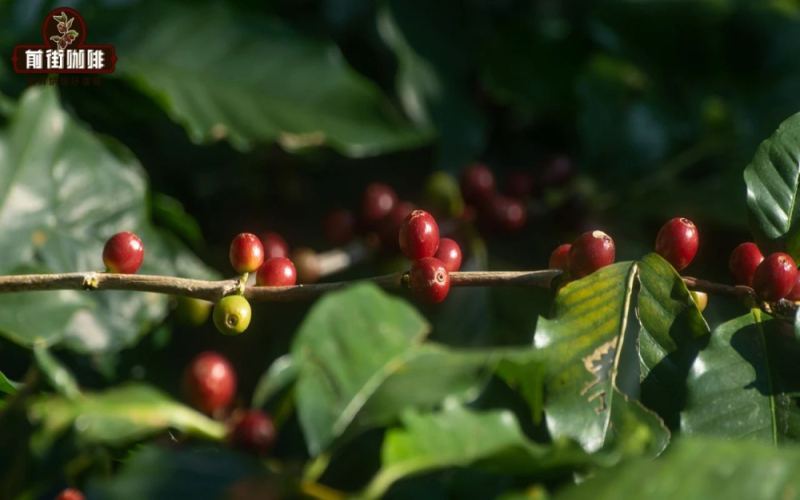
How to brew Yunnan coffee to make it shine? A full analysis of Arabica varieties from small-bean regions and Typica pour-over parameters
Yunnan coffee has attracted growing attention in the specialty market in recent years. From its past as a raw material for instant coffee to today's endless array of experimental processing methods, its flavor image is being redefined. But what exactly should Yunnan coffee taste like? And what is the relationship and difference between Typica and Catimor? This article begins with the history of cultivation, traces the evolution of Arabica varieties in Yunnan's small-bean producing regions, focuses on the Typica coffee that Front Street Coffee grows in Lincang, and provides a specific pour-over recipe for sun-dried Typica, including dose, ratio, water temperature, grind size, and a three-stage pouring rhythm, to help you brew a cleaner, more balanced side of Yunnan coffee. [more…]