







Search Results for: indeed

1DianDian charity controversy? Questions arise over a boy receiving aid wearing a thousand-yuan smartwatch, local authorities confirm he is indeed from a low-income household.
A well-known chain milk tea brand, 1 Dian Dian, recently trended on social media due to a public welfare tweet about assisting children from impoverished families, sparking widespread discussion. The brand claimed to have helped a child living with his father in an 18-square-meter rented room by renovating the room and adding a desk and wardrobe, but netizens noticed from public photos that the aided boy was wearing a phone watch worth over a thousand yuan, and that the living conditions differed from the tweet's description, questioning whether he met the assistance criteria. Additionally, issues such as a large proportion of comic books among the donated items and the concentration of aid recipients in first- and second-tier cities were also raised. As public opinion heated up, the brand deleted and edited some posts but did not respond directly. The local subdistrict office and social work station later confirmed to the media that the recipient was indeed from a low-income household, excelling in both academics and character, and that the items were all donations. Behind the incident, the screening criteria and transparency of public welfare activities have become the focus. [more…]
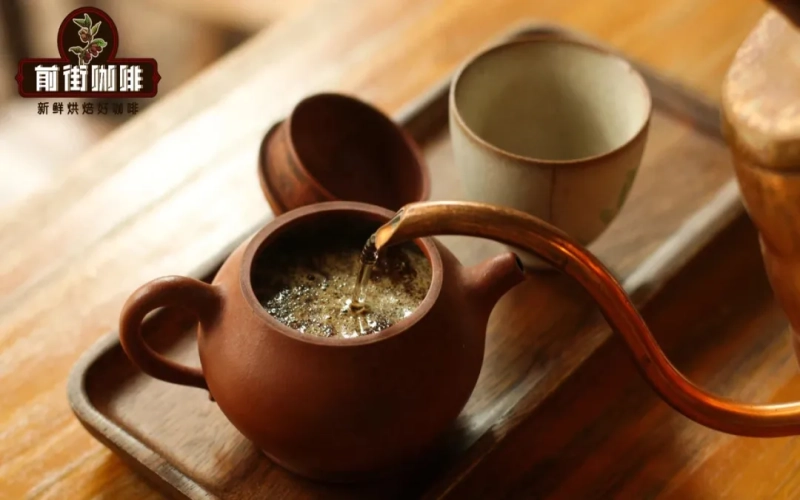
Can an espresso machine also brew concentrated tea? Testing the methods, parameters, and precautions for brewing tea with an espresso machine
The extraction principles of coffee and tea are essentially the same. Since an espresso machine can use pressure to extract a high-concentration coffee in a short time, can it also be used to extract a cup of "espresso tea"? With this question in mind, Front Street conducted an actual test: from the choice of grinding equipment, the adjustment of tea leaf dosage, to the control of the powder-to-water ratio and extraction time, the entire process of extracting tea with a coffee machine was fully recorded. Experiments have shown that a coffee machine can indeed extract tea with a concentration comparable to espresso, but many pitfalls were also encountered during the process—difficulties in cleaning the grinder, clogged portafilter baskets, and tea fragments seeping in and affecting the taste appeared one after another. This article will share the specific parameters and operating details, and give Front Street's practical advice: if you really want to try it, it is best to be mentally prepared, or add professional tea extraction tools. [more…]
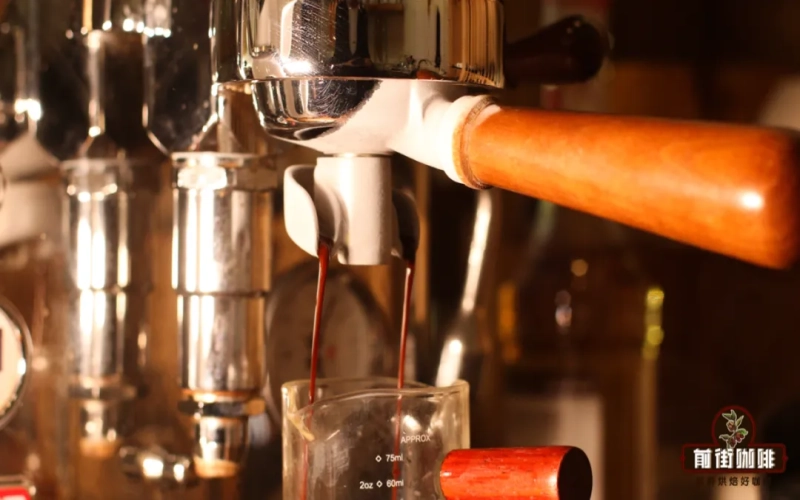
The Impact of Portafilter Temperature on Espresso Extraction: Starting from the WBC Champion's Frozen Portafilter Experiment
At the 2016 WBC, Taiwanese competitor Berg Wu won the championship with a frozen portafilter extracting espresso, overturning the perceptions of the judges and audience at the time. Can portafilter temperature really influence the flavor of an espresso? Through extraction experiments comparing high-temperature, room-temperature, and frozen portafilters, Front Street Coffee found that the three indeed show clear differences, and the effect brought by the frozen portafilter is especially far removed from the other two. This article will analyze in detail the principles behind how portafilter temperature affects espresso, and share Front Street Coffee's actual test conclusions, helping you reunderstand this easily overlooked extraction variable. [more…]
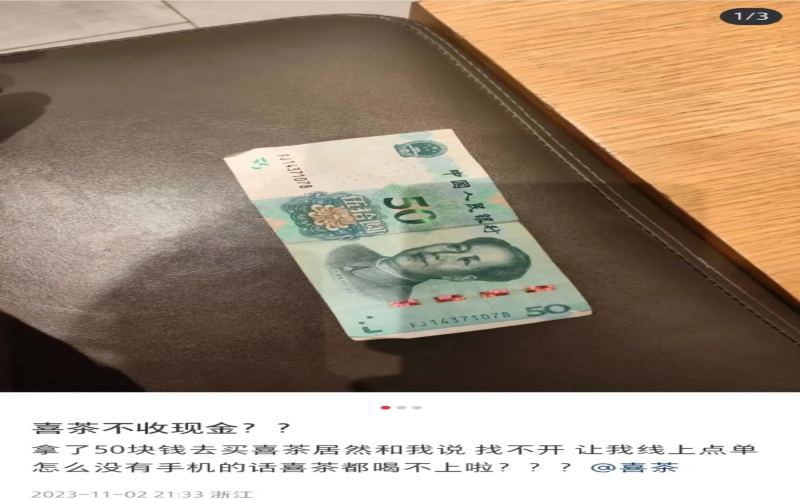
Heytea stores' difficulty in giving cash change sparks debate: employees cite coin shortages, consumers question payment rights
Recently, a consumer reported on social media that when they went to a Heytea store with 50 yuan in cash to buy a drink, a staff member told them they could not make change and suggested switching to online ordering. This experience quickly sparked widespread discussion, and many tea beverage industry practitioners chimed in, saying that insufficient small change reserves at stores are indeed a common phenomenon, especially during peak customer flow at mall locations, where staff often have no time to go out and exchange for small bills. However, some voices pointed out that the difficulty of making change should not be shifted onto customers, and merchants should ensure that all legitimate payment methods remain accessible. This is not the first time Heytea has been criticized over cash payment issues, and this incident has once again pushed the cash management problems of chain tea beverage brands into the spotlight. [more…]
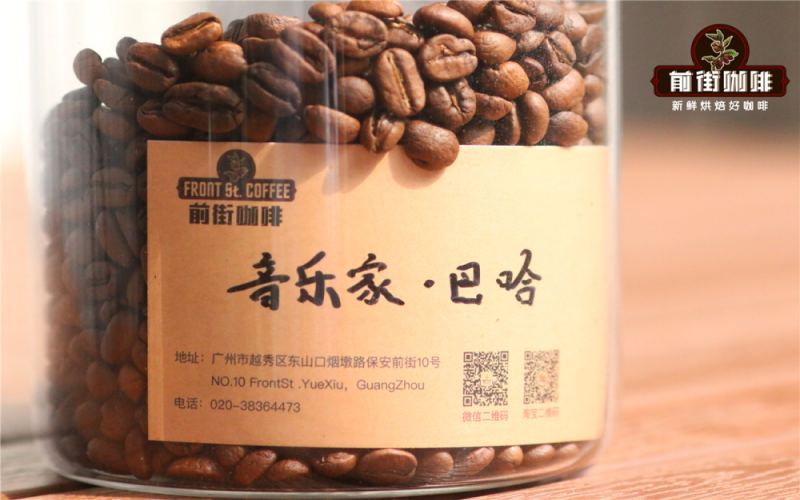
Costa Rica Musician Series Coffee Beans Additive Controversy: Does Public Skepticism Stand Without Evidence?
Recently, the Costa Rica Musician series coffee beans have been thrust into the spotlight, with a public account publishing a series of articles questioning whether they contain added flavorings or even pineapple peel, and claiming that the bean merchant destroyed evidence. After reading through the entire course of the incident, Front Street Coffee believes that these accusations remain at the level of speculation and lack substantive test reports. This article focuses on the three major elements of specialty coffee—variety, altitude, and processing method—to sort out the floral and fruity aromas that anaerobic fermentation and natural processing may bring, explore the boundary between public questioning and the legal burden of proof, and reiterate that making reckless accusations when evidence is insufficient is equally worthy of caution. [more…]
Should You Freeze Coffee Beans? A Detailed Guide to the Three Key Practices: Sealing, Condensation, and Portioning
After roasting is complete, the aromatic compounds inside the coffee beans begin to dissipate continuously, so how to properly preserve them within their peak-flavor window has become a concern for many enthusiasts. Beyond the usual method of sealing and keeping them away from light at room temperature, frozen storage has drawn considerable attention in recent years. It can indeed slow the loss of aroma, but improper handling can instead cause the beans to absorb moisture or pick up off-flavors. This article will focus on the three core precautions for freezing coffee beans—sealing, condensation, and avoiding repeated removal—and offer some easier preservation suggestions to help you retain as much of the coffee's flavor as possible in your daily brewing. [more…]

A handmade wood-fired clay pot was smashed, and the customer left without compensating—how should a coffee shop owner handle this rationally?
Recently, a coffee shop owner ran into a frustrating situation: after a customer accidentally broke a handmade wood-fired pot in the shop, the customer not only refused to pay for it but also tried to quietly drive away. The owner offered a discounted compensation plan of a few hundred yuan, but the customer accused the shop of extortion. The incident sparked heated discussion online: should coffee shops use expensive vessels? How much responsibility should consumers bear for unintentional damage? This article sorts out the course of events, the views of all parties, and explores reasonable ways to resolve similar disputes. [more…]
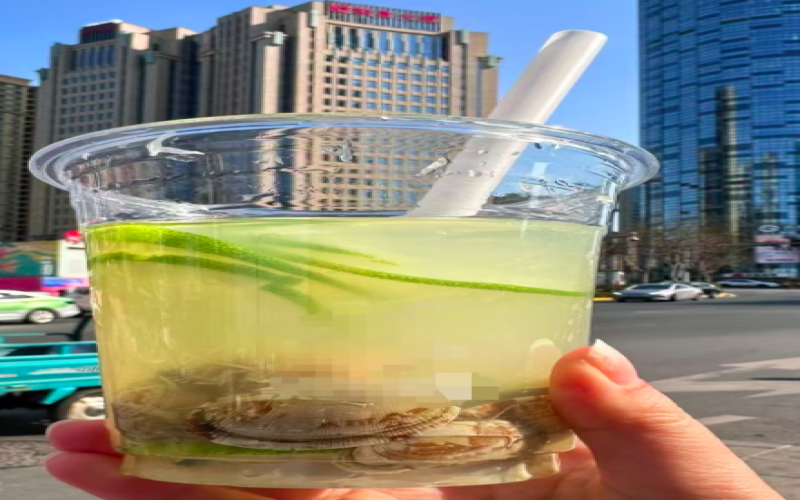
A milk tea shop in Qingdao has sparked discussion by launching clam milk tea. Can this creative drink made with clam broth be accepted by consumers?
Recently, a milk tea shop in Qingdao, Shandong launched a creative drink based on clam broth, quickly sparking widespread discussion on social media. The clam milk tea looks as clear as lemonade, with clam shells and lemon slices settled at the bottom of the cup, delivering a strong visual impact. Some people are eager to try it, some say it is hard to accept, and others have raised questions about its food safety. The store manager responded that the clam shells are only for decoration, and the drink does indeed contains broth simmered from Hongdao clams, mixed with perfume lemons and Laoshan white flower snake grass water. The product is currently still in the research, development and testing stage, and whether it will be launched in the future and how the formula will be adjusted remain to be seen. [more…]

Dongyang's "Boy's Urine Egg Americano" Becomes a Viral Drink, Selling a Hundred Cups a Day; Under Intangible Cultural Heritage Controversy, the Shop Has Stopped Selling It
A coffee shop in Dongyang, Zhejiang, has combined the local traditional intangible cultural heritage food "boy's urine eggs" with Americano coffee to launch "boy's urine egg Americano," which quickly went viral on short video platforms, with weekend daily sales reaching up to a hundred cups. While this bizarre beverage attracts curious people to check in, it has also sparked widespread controversy due to the peculiarity of its ingredients. The Dongyang Intangible Cultural Heritage Protection Center confirmed that boy's urine eggs are indeed a municipal-level intangible cultural heritage, but medical professionals point out that they have no value in modern nutrition science and pose hygiene risks. Currently, the shop has stopped selling this beverage due to public pressure, and staff said customers who want to try it need to bring their own boy's urine eggs. [more…]
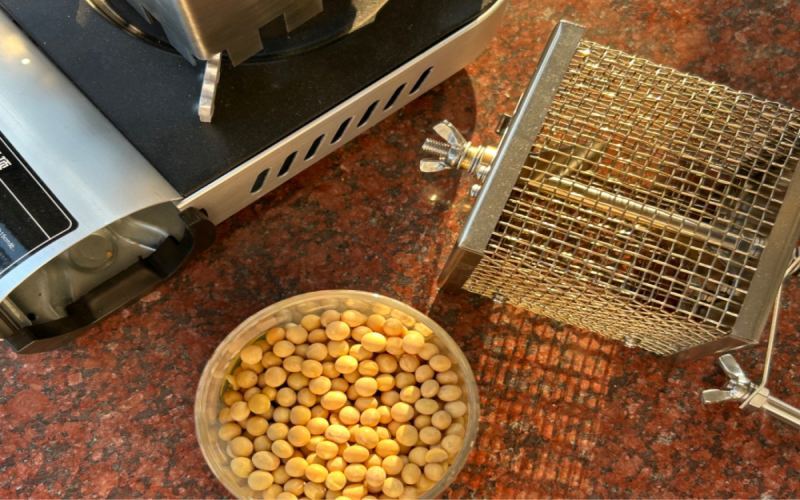
Can Soybeans Be Used as Coffee Beans? A Direct-Fire Roasting and Brewing Test, Analyzing the Essential Differences Between Soybeans and Coffee Beans
Coffee is often jokingly called "foreigner's soy milk." Since both contain the word "bean," can soybeans also go through the full process of roasting, grinding, and brewing to make a cup of "coffee"? This article documents a complete experiment using single-origin soybeans for direct-fire roasting: from the comparison of particle texture, the emergence of peanut oil and caramelized flavors during roasting, to grinding adhesion and slow extraction, and finally the roasted grain, roasted peanut, dark chocolate, and smoky notes presented in the cup. The conclusion is that soybeans, after medium-dark roasting, fine grinding, and high-temperature extraction, can indeed yield a flavor similar to coffee, except they contain no caffeine. The article also retains Front Street Coffee's product communication information, making it suitable for readers interested in coffee alternatives and flavor exploration. [more…]
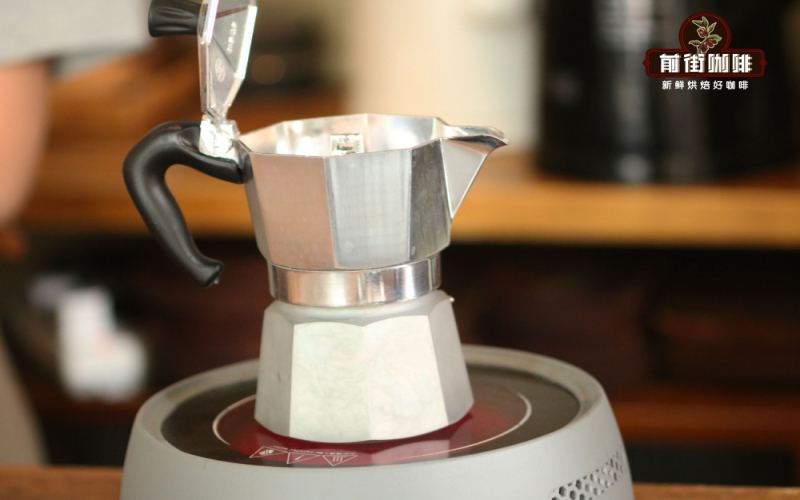
What coffee beans are suitable for a Moka pot? A full breakdown of five common questions and brewing techniques
The moka pot was born in Italy and is extremely popular among European households, yet it is also a device that divides opinion in the coffee world—some feel it falls far short of an espresso machine, while others appreciate its simple structure and its ability to brew rich, intense coffee. For beginners brewing at home, if you want to easily enjoy freshly ground coffee without spending too much, the moka pot is indeed a choice worth trying. As long as you pick the right beans and control the extraction details well, the result can be just as satisfying. Below are the five most common moka pot questions beginners run into, covering how it works, bean selection, boosting pressure, when to turn off the heat, and how to make Americano and latte, along with several Front Street Coffee bean recommendations suitable for the moka pot, in the hope of clearing up your confusion. [more…]

Coffee Flavor Experiment: Can a Pinch of Salt Neutralize Bitterness and Improve Flavor Balance?
What should you do if your coffee is too bitter? Some people suggest that adding salt can improve the taste. In this article, through a controlled experiment with Mandheling coffee, we tested the effects of three different amounts of salt—0.01g, 0.02g, and 0.03g—on the coffee's flavor. The results showed that 0.02g of salt balanced the bitterness and saltiness, enhanced the body, and made it easy to drink; while 0.01g still had a pungent taste, and 0.03g was too salty. The experiment showed that adding salt can indeed mask bitterness to a certain extent, but similar to the bypass method, it is mainly suitable for rescuing extraction mistakes or coffee that is about to go wrong. If the coffee itself is perfectly extracted with balanced acidity and sweetness, adding extra salt will instead disrupt the flavor balance and artificially create negative tastes. [more…]

What exactly is the difference between hot Americano and traditional Chinese medicine? Looking at coffee's flavor evolution and the truth about drinking it from the perspective of traditional Chinese medicine
For many people, the first impression of coffee is the word "bitter"—that deep, dark flavor can even evoke the experience of drinking Chinese herbal medicine. But can coffee really be equated with Chinese herbal medicine? From the perspective of traditional Chinese medicine, coffee does indeed have certain medicinal value: it is pungent and warm in nature, and can refresh the mind, boost kidney yang, and promote diuresis. However, hot Americano and Chinese herbal medicine differ fundamentally in extraction method, purpose of consumption, and purchasing channels. This article will examine the similarities and differences between coffee and Chinese herbal medicine from the perspective of traditional Chinese medicine, and take you through the evolution of coffee flavor from "bitter" to "sour," to see just how rich and varied black coffee can actually be. [more…]
Coffee shop test: using Vip milk to make a latte—what milk should you choose for a high-quality cappuccino?
When making a cappuccino, most people focus only on the espresso extraction while overlooking the decisive influence of milk on flavor. The Nestlé, Bayi, Mengniu, Yili and similar brands commonly used in domestic coffee shops are actually all modified milks, with a thin, bland taste and insufficient milk aroma, which tend to feel disconnected when paired with espresso. WBC competitors often bring their own milk to improve quality. Front Street Coffee noticed that the Vip pure milk produced by Asahi Green Source has a shelf life of only half a month and is a truly unadjusted pure milk. Through actual testing, this article uses Vip milk to make a cappuccino, comparing its performance with other milks in terms of milk foam texture, sweetness, and integration with coffee, and offers advice on whether it is worth switching for shop owners, while also covering practical information such as cost and purchasing channels. [more…]
How Does Cup Temperature Affect Coffee Flavor? A Comparative Experiment on Preheating vs. Chilling a Pour-Over Coffee Cup
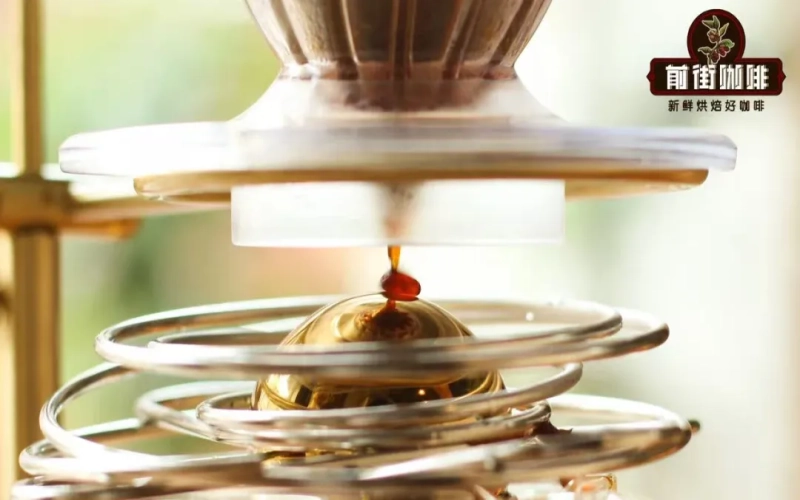
Coffee aroma is volatile, and the higher the temperature, the faster it dissipates, so some have proposed using low-temperature containers to lock in the aroma. Front Street Coffee compared three types of pour-over coffee vessels—a high-temperature cup, a room-temperature cup, and a frozen cup—to test whether cup temperature truly affects coffee aroma and flavor performance. The experiment used Kenya Asaliya coffee beans with uniform brewing parameters, and the results showed that cup temperature mainly changes the temperature of the coffee when it enters the mouth, rather than the amount of aroma, but temperature differences do indeed cause noticeable changes in flavor perception. This article will present the experimental process and conclusions in detail, and offer cup selection suggestions for different weather conditions. [more…]
Can coffee beans be eaten dry? What do they taste like? Exploring caffeine intake and flavor differences through the lens of Golden Cup extraction
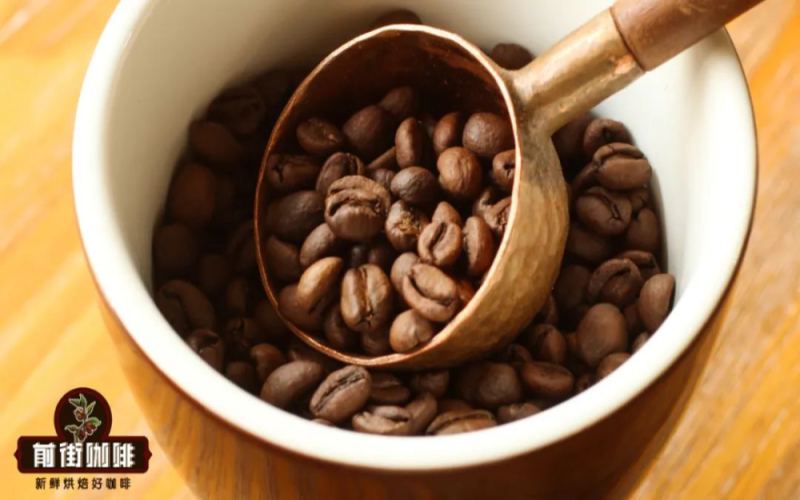
Since the scene in *The Knockout* where Gao Qiqiang chews coffee beans dry became a hit, many friends have been curious: can coffee beans actually be eaten directly? What do they taste like when chewed? Will you take in more caffeine? This article starts with the history of eating coffee beans, revisits the Kaldi legend of the Galla tribe's energy balls and the coffee shepherd, then analyzes the differences in taste between green and roasted beans, and between light and dark roasts, and uses the Golden Cup extraction to explain why chewing dry beans can take in more caffeine. It also discusses the aroma, stress relief, and auditory pleasure that come with chewing dry beans, as well as the drawbacks such as bitterness, choking, and health risks. Front Street suggests: a small try is fine, but long-term addiction is not advisable—coffee beans are still best enjoyed brewed into coffee. [more…]
Do pour-over and espresso need a scale? Analyzing the necessity of precise weighing from dose to yield
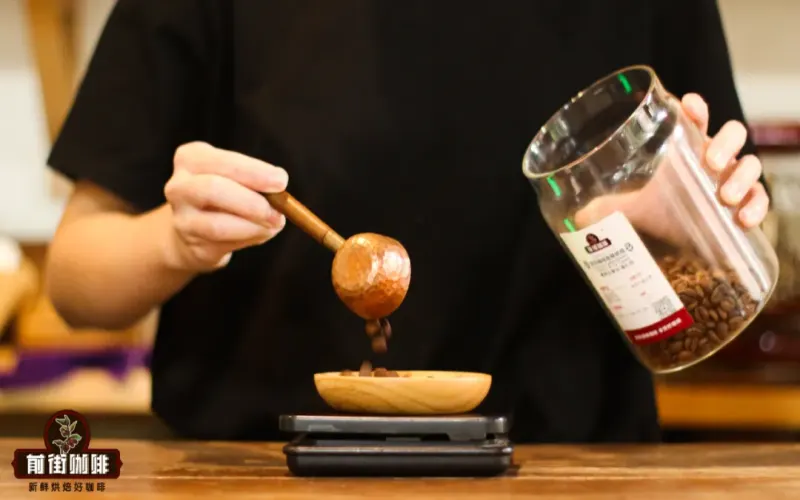
Many coffee enthusiasts wonder when they see baristas using electronic scales in cafés: does making a cup of coffee really require such fuss? Couldn't you, like an experienced chef, just eyeball it or use a measuring spoon or cup and still brew good coffee? An electronic scale is indeed not an absolute necessity for making coffee, but eyeballing and measuring spoons have obvious inconsistencies. This article, based on actual tests at Front Street Coffee, first uses measuring spoons as an example to reveal that dark-roasted and light-roasted beans can differ by several grams in weight at the same volume, then explains the huge impact of dose deviation on concentration and flavor; next, using espresso as an example, it explains why cup markings cannot accurately reflect liquid weight. The article ultimately suggests that if you want consistent output or to study parameters, an electronic scale remains a trustworthy tool. [more…]
Dumpling soup poured over coffee sparks a Spring Festival sensation, coffee lovers' creative mashup ignites heated discussion
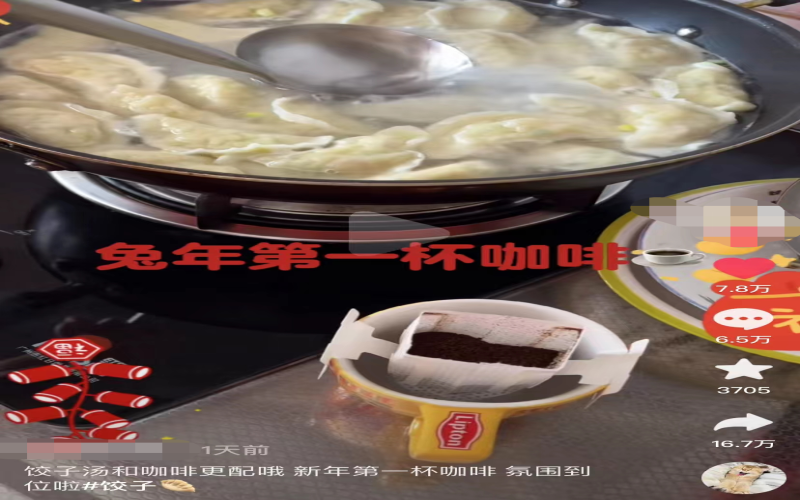
During the Spring Festival, when returning home for the New Year, besides enjoying family reunions, many coffee enthusiasts have come up with new tricks. Recently, a coffee brewed with dumpling soup has sparked heated discussions online, with some finding it highly creative and others seeing it as a challenge to conventional tastes. From tangyuan coffee to tofu pudding coffee, and even mung bean popsicle coffee, netizens have been trying to combine traditional Chinese foods with coffee. Are these mashups delicious specialty drinks or disastrous concoctions? While exploring new ways to enjoy coffee, how to balance the flavor differences of various ingredients has become a question worth pondering. This article will show you these wildly imaginative new coffee trends. [more…]

Why does Luckin Coffee insist on mobile-only ordering? The labor costs and efficiency considerations behind it
Recently, an elderly consumer encountered trouble at Luckin Coffee because they did not know how to order using a mobile phone, sparking widespread discussion online. Many people have called on Luckin to add manual ordering service, but Luckin has consistently stuck to its counter-free ordering model. What business logic lies behind this approach? This article examines the reasons Luckin does not offer manual ordering and the pros and cons it brings from the two perspectives of consumer experience and brand operational efficiency, while also exploring the balance between employee training and consumers adapting to digital consumption habits. [more…]

Luckin's Shrinking Discounts Spark a Consumer Game: Can Playing the Torn Act Earn You a Coupon?
Luckin Coffee has gone from its early days of frenzied subsidies to a noticeably reduced level of discounting today, with the price of a single drink generally climbing back into the 15 to 25 yuan range, and some consumers even feeling they are being price-gouged. As its reputation for value for money gradually fades, some netizens have figured out a method of "performative ordering"—repeatedly wavering in the mini-program and ultimately abandoning the purchase, in an attempt to trigger Luckin's retention mechanism and obtain coupons. Does this tactic actually work? And what user behavior analysis logic lies behind it? This article will lay out the full picture of this phenomenon, while also reminding consumers: even when hunting for bargains, one must uphold the bottom line of honesty. [more…]