







Search Results for: identification guide
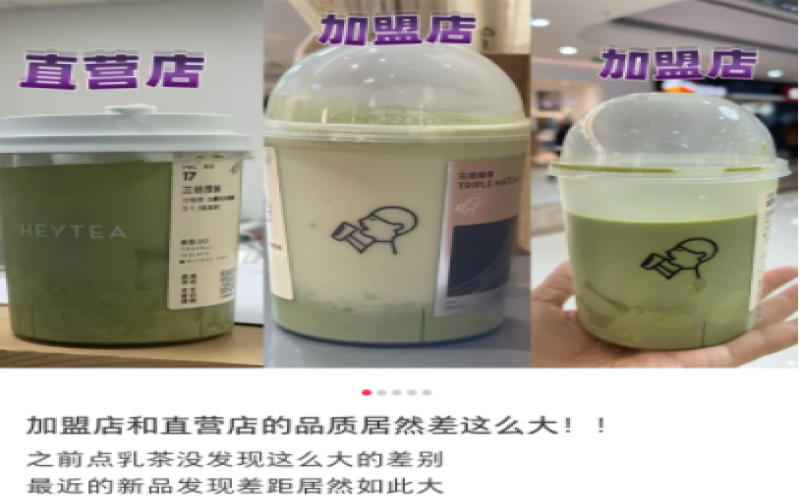
Heated Debate Over Quality Control Differences Between HEYTEA Franchise and Directly Operated Stores, Consumers Create Their Own Business License Identification Guide
Recently, a netizen posted on social media reporting a significant quality gap between the same drinks bought at HEYTEA franchise stores and directly operated stores. Using the "Thousand-Mesh Matcha Triple Thick Matcha" as an example, the customer ordered delivery from a directly operated store; although delivery took over 20 minutes, the drink arrived still hot, with a rich taste and generous toppings. In contrast, at a franchise store for self-pickup, the drink was picked up within three minutes but had a pale color, bland flavor, and scarce toppings. Later, at another franchise store for self-pickup, the volume was actually one-third less, and the chewy texture was poor. The post resonated widely, with netizens complaining about inconsistent quality at franchise stores, which led to a guide for identifying store types through business licenses. The incident reflects the challenges of quality control under HEYTEA's rapid expansion. [more…]
Coffee Bean Quality Assessment Guide: A Systematic Grading and Defect Identification Method from Appearance to Flavor
The starting point of a good cup of coffee lies in selecting high-quality coffee beans. This article systematically explains how to judge the quality of coffee beans from six dimensions: appearance observation, identification of defective beans, extraction process, grinding feel, extracted liquid state, and taste and aroma. By understanding common defect types such as black beans, fermented beans, dead beans, broken beans, and insect-damaged beans, as well as the characteristics of high-quality beans during brewing, such as fluffy foam, a crisp sound during grinding, and clear extracted liquid, it helps coffee enthusiasts build a complete quality assessment system. The article also specifically recommends related products from the Front Street Coffee brand, providing a reference for everyday purchasing. [more…]

Jamaica Blue Mountain Coffee Pour-Over Complete Guide: Authenticity Identification, Parameter Settings, and Flavor Profile Analysis
Blue Mountain coffee is highly sought after for its exceptional quality and high price, but the market is flooded with a large number of counterfeit products. This article will start with authenticity identification and systematically explain how to identify genuine Jamaican Blue Mountain coffee beans, including key points such as origin certification, wooden barrel packaging, and certificate verification. Then, focusing on a 15-gram dose, a 1:15 ratio, and 87°C water temperature, it will demonstrate in detail the three-pour hand-brewing process and grind size requirements for Front Street Blue Mountain coffee. The article also particularly emphasizes the impact of water quality selection and bean freshness on flavor, and describes the balanced taste of Blue Mountain coffee with notes of nuts, chocolate, and cream. Whether you are trying it for the first time or hoping to refine your technique, this guide can help you fully unlock the true value of every expensive bean. [more…]
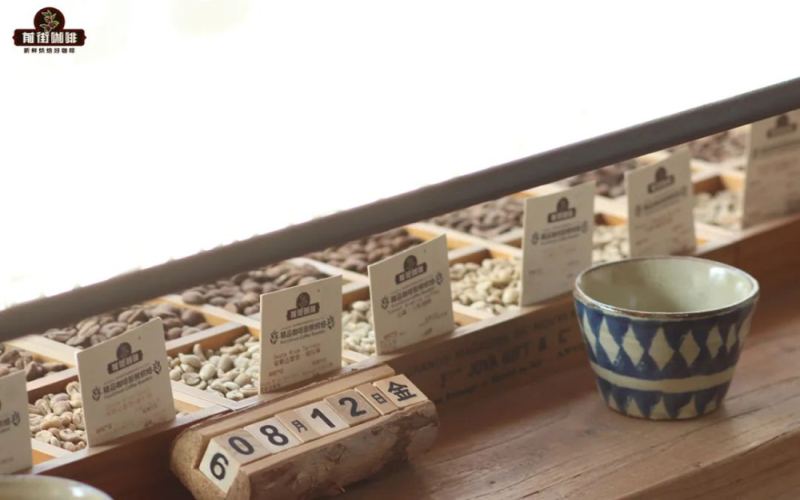
Arabica Coffee Variety Identification Guide: A Full Analysis of Bean Characteristics of Typica, Bourbon, Geisha, and More
Many people are curious about how some coffee experts can identify the variety and origin of coffee beans at a single glance. In fact, different varieties within the Arabica family each have their own distinctive bean shapes and appearances, and as long as you grasp the patterns, you can do it too. This article, from the perspective of Front Street Coffee, walks you through the bean shape characteristics of common varieties such as Typica, Bourbon, SL28, SL34, Caturra, Catuai, and Geisha. Roasted bean images are used as visual aids throughout the article so that you can take out the coffee beans on hand and compare them as you observe. Whether you are a complete beginner or a seasoned connoisseur looking to sharpen your identification skills, this guide will help you build the correspondence between variety and appearance. [more…]
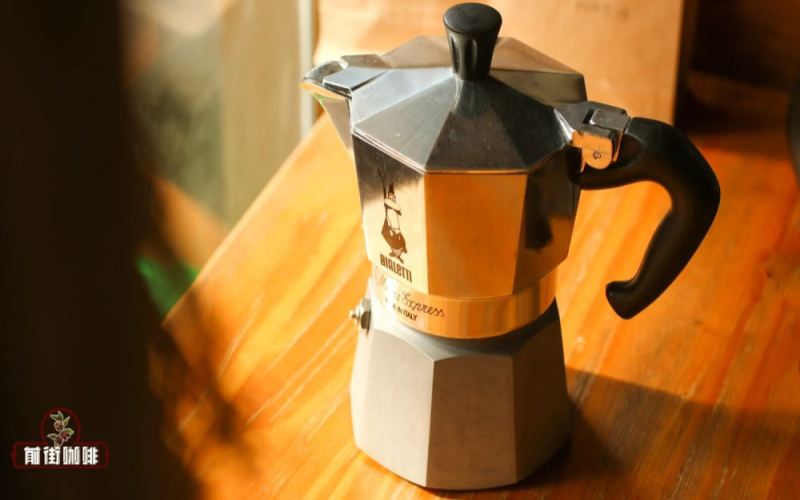
Bialetti Moka Pot Buying Guide: Coffee Bean Pairing Tips and Authenticity Identification Key Points Explained
As a representative device for home espresso, the moka pot has specific requirements for coffee bean selection due to its extraction method. Starting from the historical origins and authentic features of the Bialetti moka pot, this article systematically outlines the roasting direction for coffee beans suitable for moka pots, and for the three flavor orientations of balanced, fruity, and nutty, respectively recommends products such as Front Street Classic Espresso Blend, Front Street Strawberry Candy, and Front Street Brazil Queen's Estate, while also providing practical advice on freshness management. Whether you are a beginner who has just acquired a moka pot or an advanced player hoping to improve the consistency of your brews, you can find actionable bean-selection ideas and identification methods here. [more…]
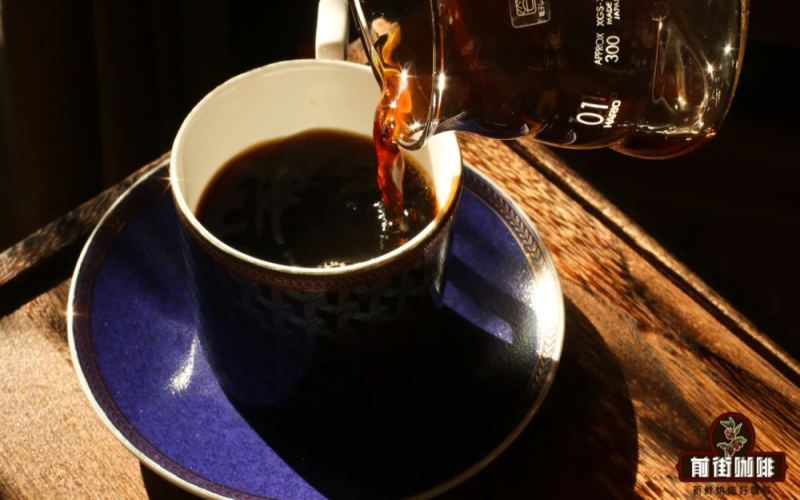
Jamaican Blue Mountain Coffee Identification Guide: From Grade Classification to Cupping Flavor, Teaching You to Identify Authentic Blue Mountain
Blue Mountain coffee, renowned as the "Emperor of Coffee," is grown in the high-altitude mountains of Jamaica's Blue Mountains. Its annual output is scarce and its price is high, which is why the market is flooded with countless counterfeits and blended beans. From the perspective of Front Street Coffee, this article sorts out the growing conditions of Blue Mountain coffee, the Japanese grading system (Blue Mountain Coffee, Blue Mountain Blend, Blue Mountain Flavor), the official Jamaican grades (Blue Mountain No. 1 through Jamaican Coffee), and key identification points such as wooden barrel packaging and the tree frog logo, while also sharing Front Street's practical brewing parameters and flavor profile for Blue Mountain coffee, to help you judge whether that sip in your cup truly comes from the Blue Mountains. [more…]
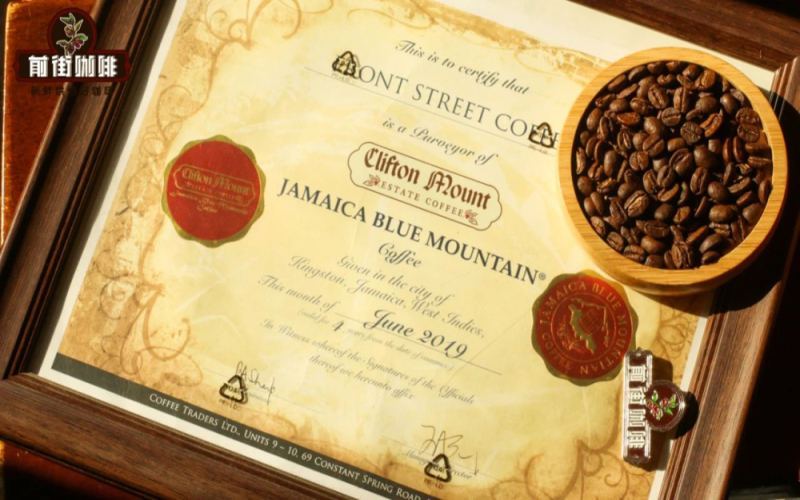
Authentic Jamaican Blue Mountain Coffee Identification Guide: A Comprehensive Analysis of Top Specialty Blue Mountain Flavor and Taste
Jamaican Blue Mountain coffee is hailed as a top-tier treasure of the coffee world, but what exactly makes a Blue Mountain authentic? This article examines the criteria for authentic Jamaican Blue Mountain coffee in detail across multiple dimensions, including origin, grade, estate, processing method and roasting style. At the same time, we recommend Front Street Blue Mountain No. 1 — a No. 1 grade Blue Mountain coffee from Clifton Estate, washed-processed and medium-dark roasted, with chocolate and creamy nuts as its main notes, complemented by subtle fruit acidity and caramel aroma. Its flavor is balanced and smooth, making it a rare choice well worth savoring yourself or giving to family and friends. [more…]
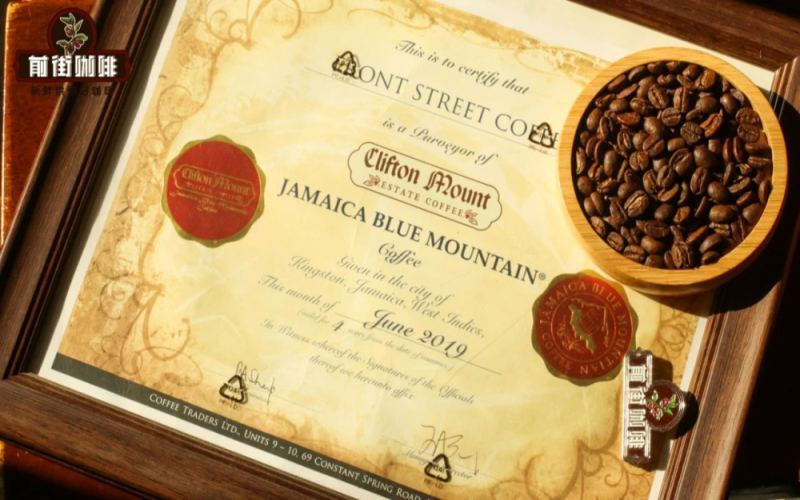
Jamaica Blue Mountain Coffee Bean Flavor Analysis: Washed vs. Natural Processing Differences and Authenticity Identification Guide
Jamaican Blue Mountain coffee has long stood at the pinnacle of specialty coffee thanks to its balanced, elegant flavor and scarce production. This article focuses on Front Street Blue Mountain coffee, systematically sorting out its origin environment, identification points, historical policies, and variety origins, and highlighting a comparison of the flavor differences between two Blue Mountain coffees from Clifton Estate: washed and natural. At the same time, it explains in detail the operational processes of the two processing methods, natural and washed, helping coffee enthusiasts fully understand the preciousness of Blue Mountain coffee and the logic of tasting it. [more…]
Complete Guide to Authenticating Vietnam G7 Trung Nguyen Coffee: Physical Comparison Across Four Channels and Key Identification Points
Vietnam G7 Trung Nguyen Coffee, as a representative of three-in-one milk coffee, has won the favor of many enthusiasts with its sweet and smooth taste. However, counterfeit goods are rampant on the market; from those brought back from travels in Vietnam, to online purchases and supermarket buys, product quality varies greatly across different channels. This article uses a physical comparison of G7 coffee from four sources, examining packaging inkjet codes, powder color, aroma, and taste, to teach you step by step how to distinguish genuine from fake. The article also mentions related product information from Front Street Coffee, providing a useful reference for coffee lovers. [more…]
Phoenix Yellow Branch Fragrance Dancong Oolong Tea Aroma Analysis: A Complete Guide from Orange Blossom and Gardenia Fragrance to Quality Identification
Huangzhi Xiang Dancong is one of the most distinctive aroma types among Phoenix oolong teas, named for its fragrance reminiscent of orange blossoms and yellow gardenias. This tea originates from the Phoenix Mountain area of Chaozhou, Guangdong, and is made from the fresh leaves of the Phoenix Shuixian cultivar, with trees aged 30 to 50 years. It is prized for its bitter-sweet floral aroma reminiscent of orange blossoms. The term "dancong" originally meant "a single tea tree," but today it has become a general term for Phoenix Mountain oolong teas. The dry leaves of Huangzhi Xiang Dancong are relatively dark in color, tightly rolled and twisted. Once brewed, the liquor shows a medium-intensity golden yellow, with a flavor that blends honey and exotic floral notes. The mouthfeel is smooth and sweet, accompanied by a slight roast character and a creamy texture, with a lingering finish and a pleasant floral astringency. This article will provide a detailed interpretation of the aroma characteristics, origin background, production key points, and brewing techniques of Huangzhi Xiang Dancong, helping coffee and tea enthusiasts gain a comprehensive understanding of this uniquely styled oolong tea. [more…]
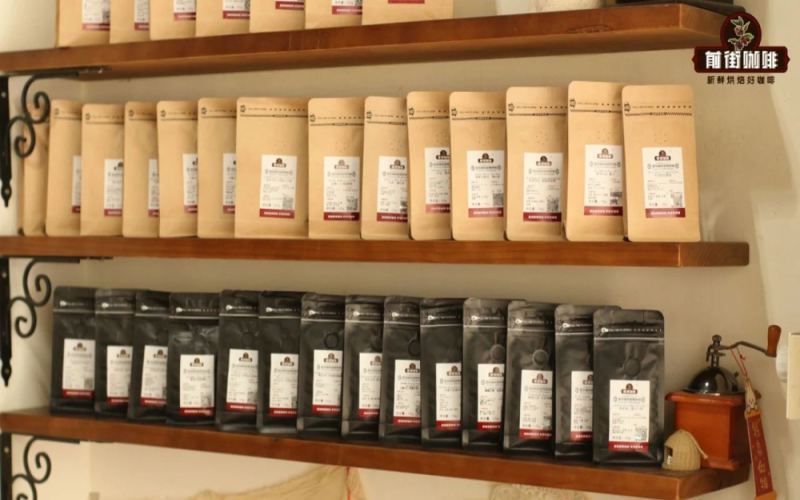
Coffee Roast Level Identification Guide: From Appearance Color to the SCAA Color Value System, a Full Analysis of the Taste Characteristics of Espresso and American Coffee Beans
The flavor profile of coffee beans is largely determined by the roast level. For coffee enthusiasts, mastering methods to distinguish light from dark roasts can both help in selecting suitable beans and allow for a more accurate understanding of the flavor descriptions on packaging. From the perspective of Front Street Coffee, this article outlines three practical ways to judge: first, by visually observing the bean surface color and wrinkle condition; second, by inferring the roast range from flavor descriptors; third, by referring to the SCAA's Agtron infrared caramelization measurement standard, which categorizes eight color values into four major groups. The article also includes Front Street product recommendations for each roast level, for everyday purchasing reference. [more…]
From Extraction Methods to Resting Periods: A Practical Guide to Coffee Bean Selection and Grade Identification
Faced with the bewildering array of bean listings on shopping platforms and the dazzling choices in coffee shops, many coffee lovers often don't know where to start. In fact, choosing coffee beans isn't complicated—just grasp a few key dimensions: the brewing method determines the bean type to choose, the roast date and resting period affect flavor expression, and the origin and roast level directly influence the taste direction. In addition, coffee names often hide grade information, and recognizing these details can help you quickly lock in high-quality beans. This article will systematically sort out practical knowledge for buying coffee beans from aspects such as brewing method, packaging labels, origin flavors, grade identification, and the trade-off between whole beans and ground coffee, and combine it with Front Street Coffee's product examples to help you find the one that best suits your taste. [more…]

Analysis of Jamaican Blue Mountain Coffee Flavor Characteristics: Nutty Aroma, Mouthfeel Layers, Authenticity Identification, and Price Guide
Jamaican Blue Mountain coffee has long ranked among the world's top coffees, thanks to its balanced ratio of acidity, sweetness, and bitterness and its smooth, full-bodied mouthfeel. However, it is common in the domestic market for "Blue Mountain flavor" products to be passed off as "Blue Mountain coffee," and ordinary consumers often find it hard to tell the difference. Starting from the origin background and certification system of Blue Mountain coffee, this article systematically introduces eight practical methods for verifying authenticity, covering multiple dimensions such as taste, packaging, grade, appearance, grinding feel, and aroma, and uses the bestselling Clifton Estate Blue Mountain No. 1 from Front Street Coffee as an example to provide specific flavor descriptions and brewing parameter suggestions, helping coffee lovers gain a comprehensive understanding of this legendary coffee. [more…]
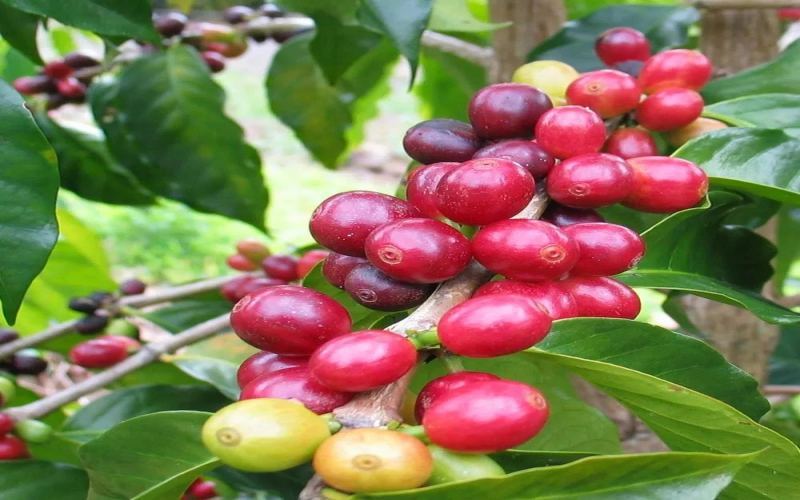
A Complete Guide to Arabica Coffee Varieties: Characteristics and Identification of Common Beans Such as Typica, Bourbon, and Geisha
Arabica, the most widely cultivated coffee species in the world, has given rise to numerous sub-varieties such as Typica, Bourbon, Geisha, and Caturra, each differing noticeably in plant morphology, bean characteristics, and cup profile. This article systematically sorts out the classification and identification points of major Arabica varieties from the perspectives of origin, botanical characteristics, and bean shape identification, while combining Front Street Coffee's brewing and purchasing suggestions to help coffee enthusiasts more clearly understand the coffee beans they encounter in daily life. [more…]
Assessing Tea Quality from the Brewed Leaves: Practical Identification Tips and Buying Guide
Many people throw away the brewed tea leaves after drinking their tea, but these unfurled leaves actually hold a wealth of quality information. By observing the bubbles, scorch marks, degree of unfurling, elasticity, color, and impurities of the brewed leaves, you can roughly judge the picking and processing level of the tea without even tasting it. This article systematically sorts out the typical characteristics of brewed leaves for various types of tea, including the "frog back" of rock tea, the scorch spots of yellow tea, and the silky vein patterns of black tea, and offers purchasing advice to help you pick good tea with more confidence in a tea shop. [more…]
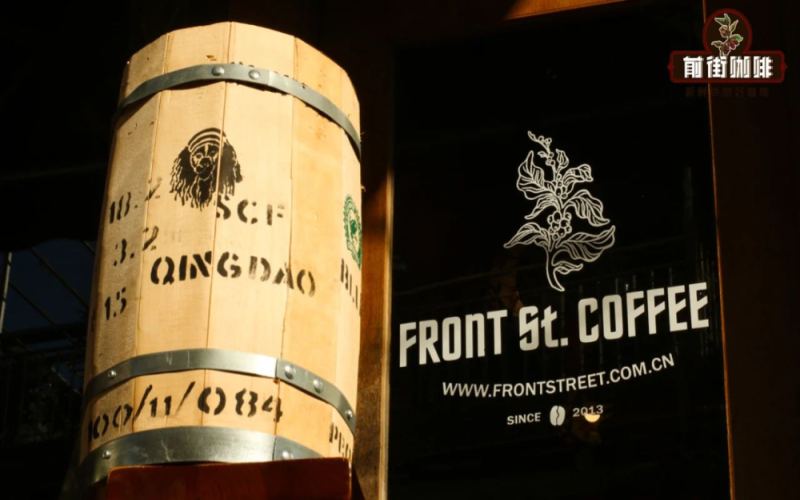
A Comprehensive Guide to Jamaica Blue Mountain No. 1 Coffee Beans: Origin Tracing, Grade Classification, Authenticity Identification, and Pour-Over Flavor Details
Jamaican Blue Mountain coffee is world-renowned, but the market is flooded with imitations, and "Blue Mountain flavor" and authentic Blue Mountain are often lumped together. From the perspective of Front Street Coffee, this article systematically sorts out the historical origins, legally defined growing regions, grading standards, and identification methods of Jamaica Blue Mountain No. 1, and takes a deep dive into the flavor differences brought by washed and natural processing methods. Whether you want to confirm the authenticity of that bag of Blue Mountain beans in your hands, or want to understand Front Street's approach to roasting and brewing Blue Mountain coffee, this article will provide a complete and practical reference. [more…]
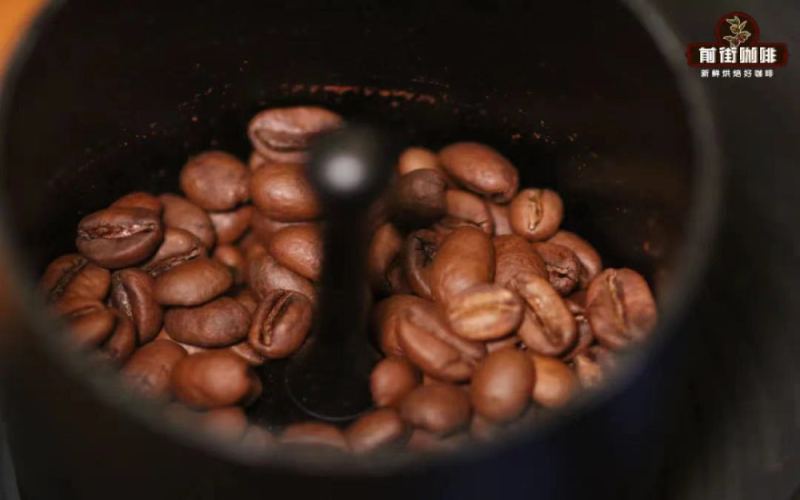
The Complete Guide to Resting Hand-Pour and Espresso Coffee Beans: Optimal Degassing Times and Identification Methods for Different Roast Levels
Why do freshly roasted coffee beans need to rest for a period? How does carbon dioxide release affect extraction and flavor? Drawing on the practical experience of Front Street Coffee, this article systematically explains the principles and necessity of resting beans, and provides recommended resting days for three roast levels: light-medium, medium, and medium-dark. At the same time, you will learn how to judge whether coffee beans have finished degassing by observing the blooming state in pour-over brewing and the crema performance of espresso, as well as how to flexibly adjust the resting period under low winter temperatures. Whether you prefer pour-over or espresso, these practical tips can help you present coffee's fullness and cleanliness more consistently. [more…]
A Complete Guide to Coffee Defects: Ten Common Types, Causes, and Identification Methods Illustrated
The content of defective beans directly affects coffee quality and grade classification. Taking Brazil as an example, the local system uses a "deduction method," grading based on the number of defective beans per 300 grams of main beans. In addition, coffee usually requires hand sorting during processing, and only by fully mastering the types and characteristics of defective beans can they be effectively removed. So exactly how many types of defective beans are there? This article will use illustrated explanations to introduce ten common defective beans one by one, including shell beans, stones, moldy beans, fermented beans, dead beans, immature beans, shell beans, insect-damaged beans, black beans, and cocoa beans, explaining their causes, appearance characteristics, and negative effects on coffee flavor, laying the foundation for subsequent learning about defective bean selection. [more…]
A Detailed Guide to Jamaican Blue Mountain Coffee Grades: Price Differences Between Grade 1 and Grade 2 Beans and Key Identification Points
As one of the world's top coffees, Blue Mountain coffee's grade classification and price differences have always been a focus of attention for coffee enthusiasts. Jamaican law explicitly stipulates that only coffee beans produced in the Blue Mountain region can bear the name Blue Mountain. High-grade Blue Mountain coffee is divided into three grades: No. 1, No. 2, and No. 3. Although the taste is consistent, the bean sizes differ, and the prices also show clear differences. In addition, green beans must be exported in wooden barrels, with the estate, importer abbreviations, and batch information printed on the barrel, along with a green certificate of origin. Defective and flawed beans, however, can only be shipped in gunny sacks or exported after heavy roasting. Understanding these details helps identify authentic Blue Mountain coffee and avoid buying the lowest-grade products. Front Street Coffee reminds you to pay close attention to grade and packaging information when making a purchase. [more…]
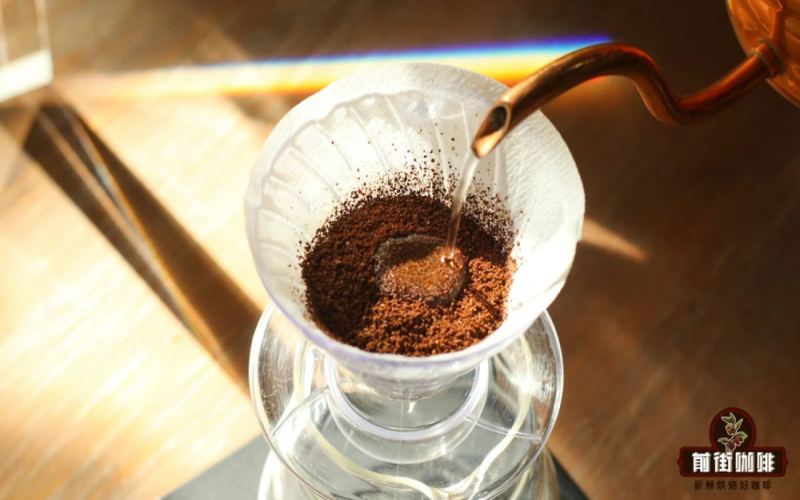
A Detailed Guide to Coffee Extraction Imbalance: Causes, Identification Methods, and Specific Flavor Impacts of Over-Extraction and Under-Extraction
Extraction is the core process behind coffee flavor. Not all soluble compounds in coffee beans are pleasant, and the degree of extraction directly determines what ends up in the cup. Over-extraction releases too many large-molecule substances, bringing bitterness, astringency, and off-flavors; common causes include excessively long contact time, water temperature that is too high, or grinding that is too fine. Under-extraction, by contrast, occurs because flavor compounds are not dissolved sufficiently, resulting in a thin body, prominent bitterness, and imbalance; it is mostly associated with grinding that is too coarse, water temperature that is too low, or a brew ratio that is too high. This article systematically sorts out the definitions, causes, and diagnostic methods for both, and, in combination with specific products under Front Street Coffee such as Mandheling, Queen Estate, Blue Mountain, Huakui, Green Label Geisha, and Kenya Little Tomato, explains reasonable brewing parameters for medium-dark and medium-light roasted beans to help enthusiasts adjust extraction precisely. [more…]