







Faced with the overwhelming bean lists on shopping platforms and the dazzling choices in coffee shops, many coffee lovers often don't know where to start. Actually, choosing coffee beans isn't complicated—just grasp a few key dimensions: the extraction method determines the bean type, the roast date and resting period affect flavor expression, and the origin and roast level directly influence the taste profile. In addition, coffee names often hide grade information, and recognizing these details can help you quickly identify high-quality beans. This article will systematically sort out practical knowledge for buying coffee beans from aspects such as extraction method, packaging labels, origin flavors, grade identification, and the choice between whole beans and ground coffee, combined with product examples from Front Street Coffee, to help you find the one that best suits your taste.
When you open a shopping platform to buy coffee beans, do you feel at a loss facing all kinds of bean lists? When you walk into a local roasting coffee shop and see a dazzling array of categories, do you also feel confused? Actually, there's no need to struggle—just master the following key points, and you can easily pick coffee beans that fit your needs.
"First look at the extraction method, then decide the coffee bean type"
Currently, common coffee beans on the market are roughly divided into two categories: single-origin coffee beans and espresso blends. Single-origin coffee beans come from a single origin or a single estate, and their flavor expression is usually clean and clear. Espresso blends combine beans from different origins in proportions, aiming to keep the flavor stable over the long term, and the taste is often richer and more solid.
If you use pressure-based extraction equipment such as a moka pot or espresso machine, espresso blends are more suitable; if you are used to drip/filter extraction methods such as pour-over, French press, cold drip, cold brew, siphon, or American coffee makers, single-origin coffee beans are the priority choice.
Of course, this does not mean blend beans cannot be used for drip extraction, nor that single-origin beans cannot be used for pressure extraction. Usually, shops or roasters adjust the roasting style according to different extraction methods to make a certain flavor or mouthfeel more prominent, thereby better matching a specific brewing method.
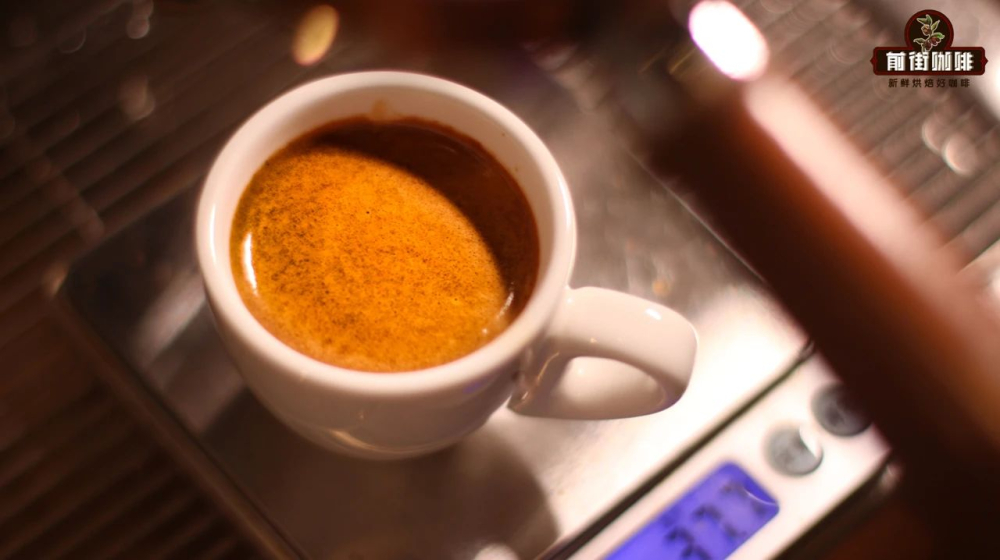
When espresso beans are used for pressure extraction, if you prefer a style with rich crema and a balanced, intense taste, you can prioritize espresso blends. Take Front Street specialty espresso blend coffee beans as an example: it combines Colombia Huila and Brazil Cerrado in a 3:7 ratio, presenting rich aromas of roasted nuts and chocolate.
"Look for packaging with a one-way exhaust valve, and choose freshly roasted beans"
Front Street Coffee always emphasizes the importance of freshly roasted coffee beans—as the number of days after roasting continues to increase, the flavor of coffee beans gradually fades until it disappears completely. Therefore, if you want to taste coffee with distinct and layered flavor, be sure to pay attention to the roast date when purchasing. Generally speaking, single-origin coffee beans perform best in flavor within 15 to 20 days after roasting, and the optimal tasting period can extend to within 30 days after roasting. Espresso beans perform best in flavor within 30 days after roasting, and the optimal tasting period is within 45 days after roasting.
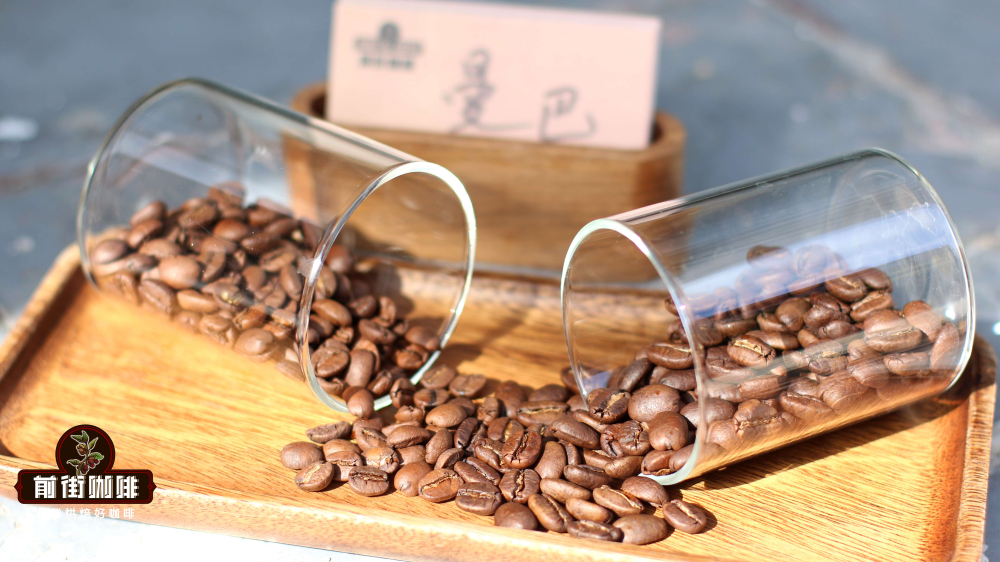
So, are coffee beans fresh out of the roaster the best? Not exactly. After roasting, coffee beans retain a large amount of carbon dioxide and a smoky, pungent sensation, and these substances interfere with extraction and the expression of flavor and mouthfeel.
So if you happen to buy beans fresh out of the roaster, it is recommended to leave them quietly in sealed packaging with a one-way exhaust valve (the purpose of the exhaust valve is to release gas inside the bag while blocking outside air and moisture from entering), allowing carbon dioxide to be released on its own and the smoky, pungent sensation to dissipate—this process is commonly known as resting the beans. The resting time varies depending on the roast level. Front Street recommends: rest light-to-medium roast coffee beans for 3 to 4 days, rest medium-dark roast coffee beans for 5 to 6 days, and rest espresso beans for 7 to 10 days.
"Choose single-origin beans based on origin, roast level, and flavor description"
First, here is a bean selection framework: if you prefer floral aromas and fruity acidity, you can choose coffee beans from African origins, usually light-to-medium roast; if you like nutty notes, you can choose coffee beans from Central and South American origins, generally medium roast; if you want a completely non-acidic or more bitter taste, you can choose coffee beans from Asian origins, usually medium-dark roast.
Take the coffee beans sold by Front Street Coffee as an example: different origins present different flavors due to differences in variety, growing altitude, processing method, and roast level. If you really can't decide which origin to choose, you might as well refer to the flavor description provided by the shop to make your decision.
If the flavor description frequently includes fresh notes such as citrus, berries, floral aromas, and tea-like qualities, it usually belongs to light-to-medium or medium roast, and the coffee's sweet-and-sour sensation will be more prominent. Representative beans include Yirgacheffe Gutingding Cooperative, Panama Boquete Geisha, and Ethiopia Huakui;
If the description commonly includes rich notes such as nuts, dark chocolate, and cream, it generally belongs to medium to medium-dark roast, the coffee's acidity is lower, and the mouthfeel is richer and more solid. Representative beans include Brazil Queen Farm and Papua New Guinea Bird of Paradise;
If the description includes distinct and prominent notes such as wine aroma and rich fruity aroma, it usually belongs to specially processed coffee beans, and a certain aroma or flavor will be especially prominent. Representative beans include Honduras Sherry, Costa Rica Mozart, and Colombia Rose Valley.
In addition to distinguishing by acidity and bitterness, we can also judge the grade by the name of the coffee. For example, Front Street Jamaica Blue Mountain No. 1 is the highest-quality batch among authentic Blue Mountain coffee; Hacienda La Esmeralda Red Label Geisha is an industry-recognized representative of high-grade Panama Geisha; Indonesia's PWN Golden Mandheling is a specialty Mandheling obtained through three rounds of hand sorting... Products like these enjoy extremely high reputations among coffee professionals and are also very suitable as gifts.
"Buy whole coffee beans or ground coffee?"
Many shops offer coffee grinding services, which is convenient for friends who like pour-over but do not have a grinder. But if conditions allow, Front Street recommends buying whole coffee beans—whole beans can more effectively delay flavor dissipation, while after grinding into powder, the contact surface area of the coffee particles increases, and the speed of flavor loss also accelerates. Therefore, if you drink coffee often, you might as well get a manual coffee grinder costing more than 200 yuan and grind right before brewing. As long as the coffee beans are still within the optimal tasting period, freshly ground coffee is always better than pre-ground.
If you really don't want to buy grinding equipment but still want to experience the fun of pour-over coffee, Front Street recommends buying drip coffee bags.
Front Street drip coffee bags use fresh single-origin coffee beans ground into powder, with each 10-gram portion packed into a drip filter bag and sealed independently. When brewing, you only need to tear open the packaging and the filter bag seal, then pour in about 150 grams of hot water at 90 degrees Celsius, and you can get a cup of aromatic single-origin coffee. It is recommended that drip coffee bags be stored for no more than 30 days.
The above content is compiled by CoffeeHunters, a coffee news website.


