







Search Results for: ice last
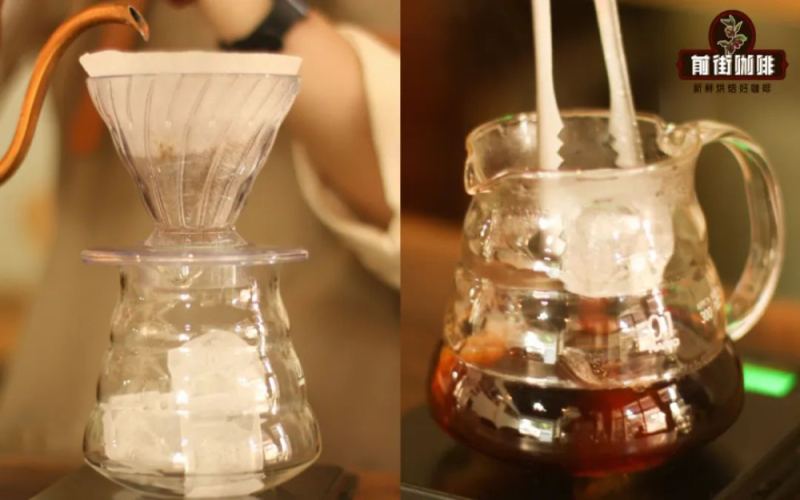
Comparing Ice Timing for Iced Pour-Over Coffee: Ice First or Ice Last? A Detailed Guide to the Differences and Experiment Conclusions
Should you add ice first or ice last when making iced pour-over coffee? This question may seem like a mere difference in procedure, but behind it may lie the preservation and release of coffee flavors. Front Street Coffee once mentioned the Paragon ice ball in an article; its principle is to lock in volatile aromas by rapidly cooling the coffee liquid, allowing the drinker to experience a richer coffee flavor. Inspired by this, we restarted the experiment, using the same Colombian Frontera Estate washed Geisha, to compare the differences between adding ice first and adding ice last in iced pour-over coffee in terms of operation, temperature, aroma, and taste. The experiment strictly controlled the ratios of coffee grounds, water, and ice, and corrected for differences in tasting time. What was the final result? Is there really an obvious difference between the two? This article will reveal the answer for you. [more…]
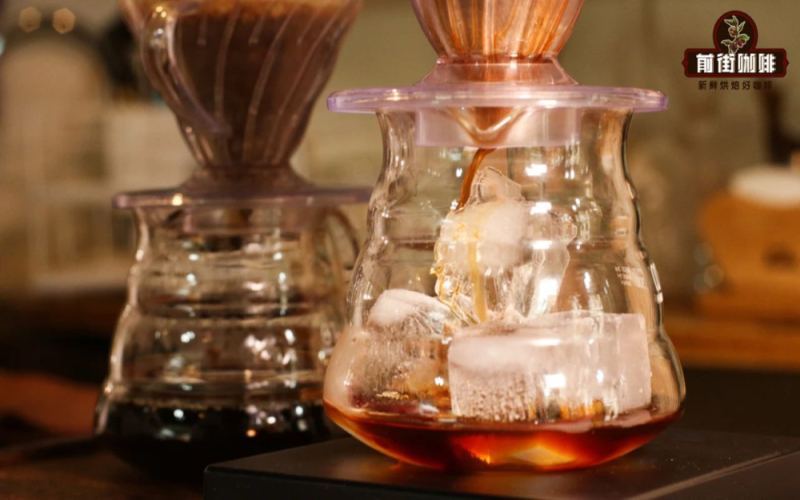
Comparison of Ice Addition Timing for Iced Hand-Brewed Coffee: An Analysis of Front Street's Japanese-Style Iced Hand-Brew Parameters and Sensory Differences
Should ice be added before or after brewing when making iced pour-over coffee? This question puzzles many coffee lovers. Front Street Coffee conducted a controlled experiment using 15 grams of Kaffa Forest coffee beans, a 1:10 coffee-to-water ratio, a water temperature of 90-91°C, and a grind setting of 9 on an EK43s grinder, testing two brewing sequences: ice added first and ice added last. The experiment found that after thorough shaking, the two methods performed quite similarly overall, but the coffee with ice added first tasted cleaner and more refreshing, while the one with ice added last had a more concentrated and intense aroma. The root of the difference lies in how much ice melts. This article will present the complete experimental parameters, step-by-step procedure, and sensory comparison results to help readers understand how the timing of ice addition affects the flavor of iced pour-over coffee. [more…]
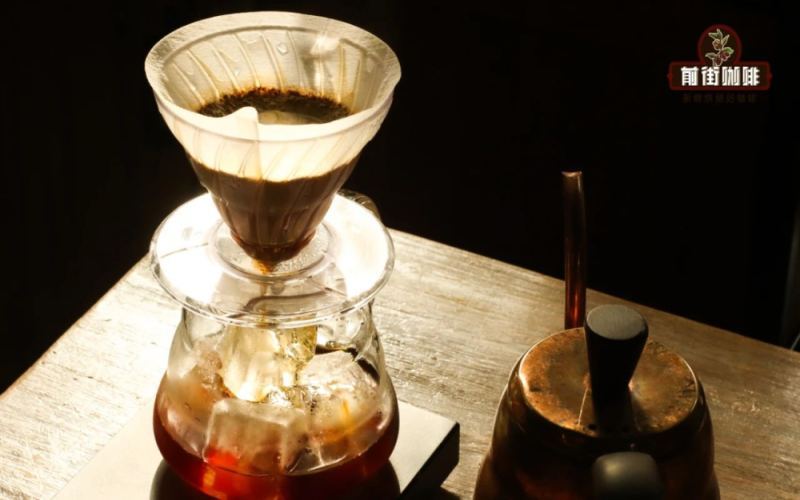
Comparing Ice Order in Iced Pour-Over Coffee: Brewing Differences and Flavor Performance Between Adding Ice First and Adding Ice Last
Iced pour-over coffee is a popular way to drink coffee in the heat of summer, but does the timing of when the ice is added—before or after brewing—really affect the final flavor? Front Street Coffee used Gold Label Geisha as a sample and conducted controlled brews at 93°C, comparing the similarities and differences between the two methods from the brewing process to the tasting experience. The article not only breaks down the specific steps for adding ice first versus adding ice later, but also records the flavor changes right after the first sip and after letting it sit for 5 minutes, helping coffee enthusiasts find the cup that better suits their own taste. [more…]

Iced Pour-Over Coffee: Ice First or Ice Last? A Full Breakdown of Coffee-to-Ice Ratios and the Brewing Process
There are mainly two ways to make iced pour-over coffee: one is to pre-place ice cubes in the server before brewing, and the other is to complete the brew first and then add ice cubes to the coffee liquid. What flavor differences do these two operational paths actually bring? Which method better presents the ideal iced coffee taste? In this article, Front Street Coffee will compare the specific differences between these two methods through practical testing, and at the same time list in detail the key parameters of iced pour-over, such as coffee dose, grind size, coffee-to-water ratio, ice amount, water temperature, and pouring method, to help you master the complete production process and techniques of iced pour-over coffee. [more…]
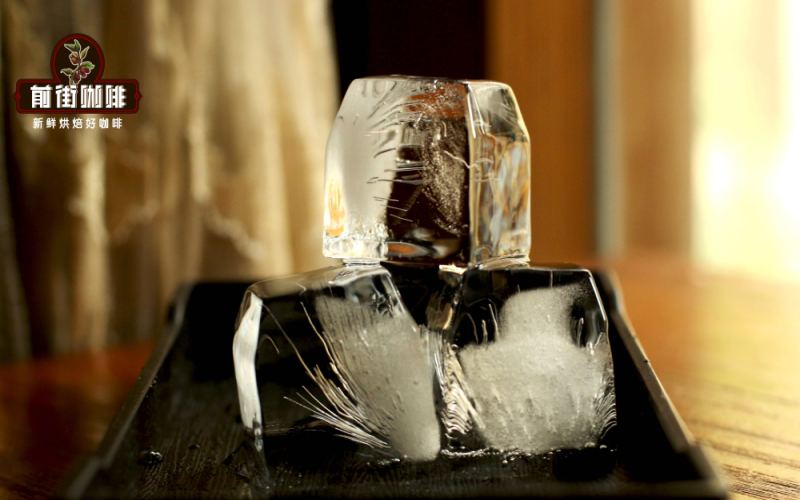
Japanese-Style Iced Pour-Over Tutorial | For iced pour-over coffee, should you add ice first or ice last? What is the ratio of coffee grounds, water, and ice for iced coffee brewing?
For more specialty coffee knowledge, please follow our WeChat public account: FrontStreet Coffee. A while ago, a customer asked, "How do you brew your iced pour-over coffee? Is there a difference between adding ice first and adding ice later?" In this issue, Front Street will conduct an experiment to compare them, hoping to [more…]
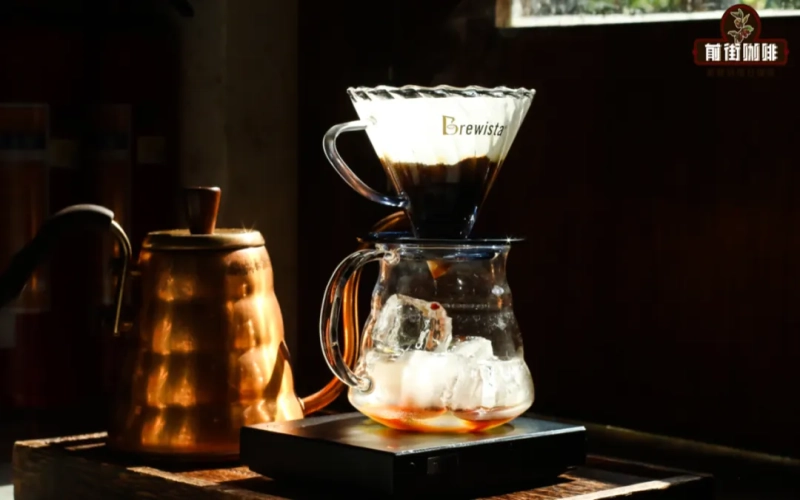
An Analysis of the Price Difference Between Iced and Hot Coffee, and the Complete Method for Japanese-Style Iced Pour-Over
Why is iced coffee often more expensive than hot coffee? Drawing on Front Street Coffee's production experience, this article sorts out two core questions about iced pour-over coffee: how to determine the coffee-to-water-to-ice ratio, and what difference adding ice first versus adding ice later makes. It also introduces the types of coffee beans suitable for making iced pour-over and gives Front Street's specific recommended products, including Yirgacheffe G1, Huakui, Cherry Tomato, Butterfly, Xizhua, and Strawberry Candy. The article also explains the need to adjust the grind size, as well as two alternative cooling methods—the over-ice method and the ice-bath cooling method—making it a useful reference for coffee enthusiasts to put into practice. [more…]
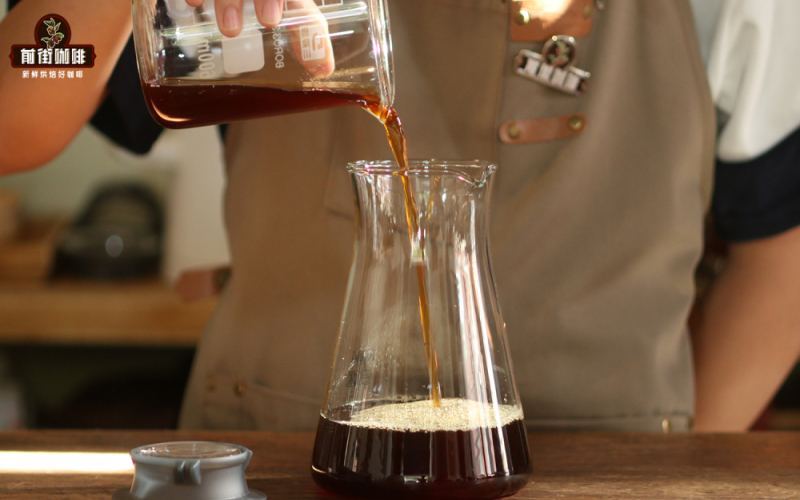
Is Cold Brew Coffee Healthy? How Long Can Iced Coffee Last in the Fridge, and Is It Still Drinkable After 10 Days?
More and more coffee lovers are starting to make cold brew and ice drip coffee at home. This type of low-temperature extracted iced coffee has a refreshing taste, low bitterness, is refreshing and healthy, but many people ask the same question: how long can iced coffee actually be stored in the refrigerator? Is it still drinkable after 10 days? This article will start from Front Street Coffee's practical experience and explain in detail the differences between cold brew and ice drip, the required equipment, coffee bean selection, post-production handling methods, and the respective storage periods and best tasting windows for ice drip and cold brew, helping you enjoy iced coffee safely and deliciously. [more…]

Comparison of Two Iced Pour-Over Coffee Methods: Why the Flavor Difference Is So Pronounced When Ice Is Added First Versus Last
As the weather warms up, iced pour-over coffee has once again returned to the attention of coffee lovers. In this article, Front Street Coffee uses Ethiopian sun-dried Red Cherry coffee beans as an example, employing a Hario V60 dripper, to compare two iced pour-over brewing methods—adding ice cubes before extraction, and pouring the brewed coffee over ice after extraction is complete. Under the premise that both use identical parameters such as coffee-to-water ratio, water temperature, and grind size, the final flavor profiles turn out to be worlds apart. The article documents in detail the brewing steps and flavor descriptions of both methods, and analyzes the reasons behind the differences from the perspective of the V60 dripper's layered extraction characteristics. If you also want to make a richly layered, sweet and full-bodied iced pour-over at home, why not follow along with Front Street and see exactly how these two methods differ. [more…]

Ice Cube Dosage and Coffee-to-Water-to-Ice Ratio Tips for Iced Pour-Over Coffee: Looking at the Difference Between Aged Ice and Young Ice from Front Street Experiments
When making iced pour-over coffee in summer, the most agonizing decision is often not which beans to choose, but exactly how much ice to throw in. Too little ice and the coffee turns lukewarm; too much and it becomes thin as water. A slight deviation in ratio and it's easy to mess up. This article focuses on the two core functions of ice in iced pour-over—cooling and dilution—breaks down the reasonable ratio range among coffee grounds, water, and ice, and shares a comparative experiment about old ice versus young ice. The experiment uses 15 grams of Emerald Estate Green Label Geisha with a Hario V60 dripper, revealing through actual testing how freezing time affects ice hardness and melting speed. If you also want to consistently make a cup of iced pour-over at home with moderate strength and lasting chill, the following content is worth reading to the end. [more…]

Complete Guide to Ice Coffee Ice Cube Ratios: Ice Techniques for Americano, Latte, Pour-Over, Cold Brew, and Ice Drip
Every spring and summer, iced coffee becomes many people's go-to daily choice, and "exactly how much ice to add" is always the trickiest part of home brewing. Ice in coffee isn't just a cooling tool—it also affects aroma retention and how long the chill lasts. This article covers three main categories—espresso, pour-over, and cold brew and ice drip—and, combined with the characteristics of coffee beans at different roast levels, provides specific ice ratios and practical tips. It also explains how the texture, size, and freezing method of ice affect the final taste, helping you make a cup of iced coffee at home with just the right strength, flavor, and chill. [more…]

Why Does Coffee Shop Ice Melt More Slowly? A Complete Guide to Hand-Brewed Ice—from Ice Machines to Choosing the Right Ice Type
When drinking iced Americano, have you ever noticed that the ice cubes at coffee shops always seem to melt more slowly than the ones at home? From equipment differences to ice cube shape, and even the actual amount used, every detail affects the taste and staying power of cold coffee. Starting from the role of ice cubes, this article analyzes the differences between commercial ice machines and household refrigerators, explains why coffee shops tend to use smaller, more uniformly shaped ice cubes, and also shares the reasons Front Street Coffee insists on using refrigerator ice along with actual comparison tests. If you want your iced pour-over to cool down properly without being overly diluted, the answer you're looking for may be here. [more…]
Complete Guide to Ice Amounts for Iced Coffee: Ice Ratios and Tips for Espresso, Pour-Over, and Cold Brew
As temperatures climb, iced coffee becomes a daily choice for many, but the key to a delicious cup of iced coffee lies in precisely controlling the amount of ice used. Ice in coffee not only handles the cooling task, but also locks in aroma and slows the rise in temperature, making the refreshing taste last longer. However, different extraction methods and coffee beans of different roast levels have vastly different ice needs. This article starts from the role and quality requirements of ice, combines the specific scenarios of espresso, pour-over coffee, and cold brew ice drip, and analyzes in detail the logic for adjusting ice ratios. Using beans such as Front Street Classic Blend, Grana Geisha SOE, and Fruit Ding Ding as examples, it provides actionable home ice solutions to help you easily make a cup of iced coffee with just the right strength, flavor, and chill. [more…]

Luckin Coffee partners with Silly Cat to launch a lactic acid bacteria Americano, and netizens' hands-on tests of its laxative effect spark heated discussion
Luckin Coffee recently collaborated with the popular internet IP "EverydayOneCat" to launch two limited-edition drinks: Probiotic Americano and Probiotic Iced Tea. The Probiotic Americano made a brief appearance as a Shanghai-exclusive in October last year, and is now available nationwide, sparking a buying frenzy among fans. However, consumers' focus is not on the flavor of the drinks, but on their laxative effect—the combination of probiotics, caffeine, and ice has been jokingly dubbed "Poop Water" by netizens. This time, Luckin includes 3 packs of collaborative pocket tissues with each order, which, compared to the 1-pack configuration of last year's Prune Americano, has sparked even more imaginative speculation among netizens. On social media, some report "immediate results," while others say they had no reaction at all, making individual differences the focal point of discussion. This article will outline the background of the new product launch, consumer testing feedback, and various viewpoints. [more…]
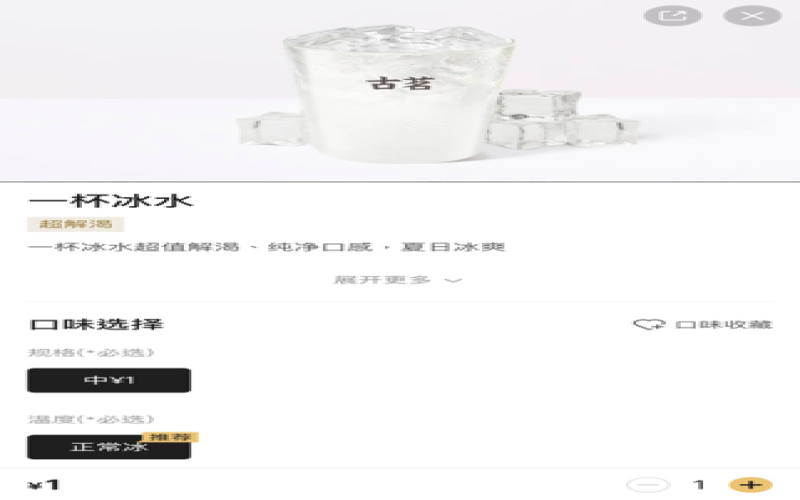
Guming's new 1-yuan ice water sparks debate: Is transparent pricing behind it considerate service or an unnecessary move?
Recently, the mini-program menu at Good-Me has quietly been updated, and a cup of ice water priced at 1 yuan has attracted widespread attention. This simple drink, consisting of a plastic cup, ice cubes, and drinking water, has been creatively reinterpreted by netizens in various ways—adding espresso to make iced Americano, mixing it with milk and boba to create a topped tea drink, or even replicating preserved plum lemonade. However, controversy has followed: many consumers point out that chain brands such as KFC and McDonald's, as well as street-side cafes, provide drinking water for free, and bringing your own cup to a Good-Me store also gets you ice water at no cost. Some employees even reveal that the packaging cup alone costs 7 mao, and with ice cubes and a straw added, each cup sold is actually a loss. Last year, Mixue Bingcheng's 1-yuan ice cup was withdrawn by franchisees one after another because it was unprofitable. Will Good-Me's move this time repeat the same mistake? Some also believe that clear pricing actually saves the awkwardness of communication, allowing those too embarrassed to ask to feel at ease. Front Street Coffee takes you to find out. [more…]
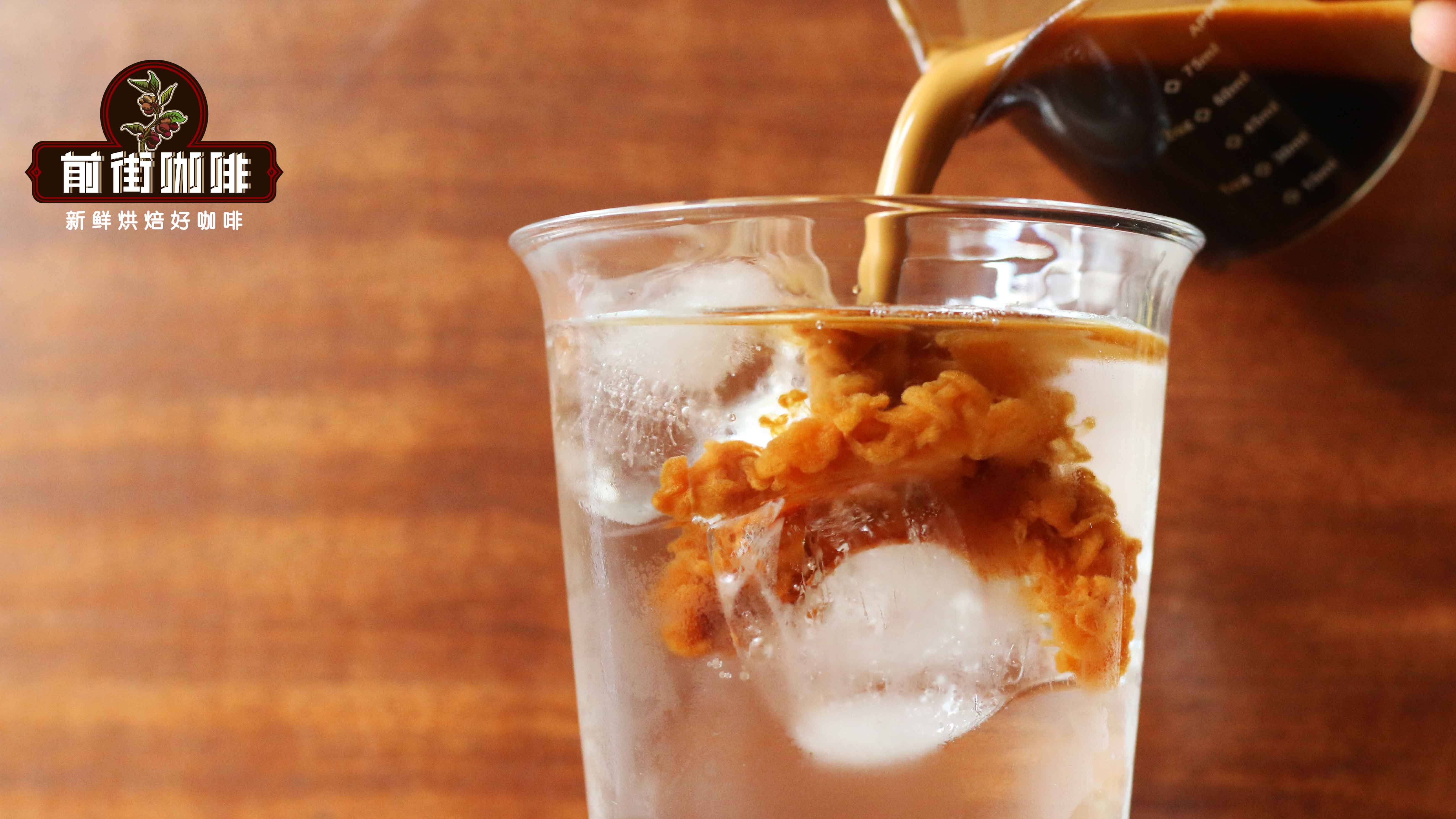
Easy Iced Coffee Recipe | Can Cold Brew Coffee Be Made with Drip Coffee Bags? What to Watch Out for When Making Hand-Pour Iced Coffee with Drip Coffee Bags?
For more specialty coffee knowledge, please follow: Front Street Coffee (Frontsteet Coffee) Scorching summer days, summer days scorching. For coffee lovers, the ritual sense of midsummer often originates from a refreshing cup of iced coffee, so recently Front Street has been sharing various iced coffee recipes, even [more…]
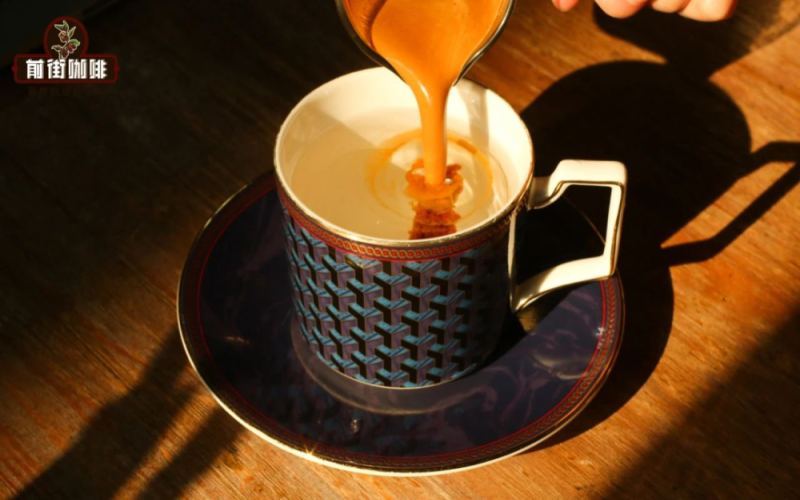
Why does iced Americano made from the same beans taste different? Analyzing the four major variables affecting espresso extraction and the preparation standards
When you order an iced Americano at a café, sometimes the taste feels a little different from last time—same shop, same beans, yet the fruity acidity, body, and aroma may shift subtly. This difference is not an illusion, but the result of multiple variables working together: the resting state of the coffee beans, weather and humidity, hopper pressure, and temperature changes in the grinder during continuous shots. This article will break down these factors affecting espresso extraction one by one, and explain the parameters and logic behind making a standard iced Americano, helping coffee lovers understand the espresso system behind a delicious cup. [more…]
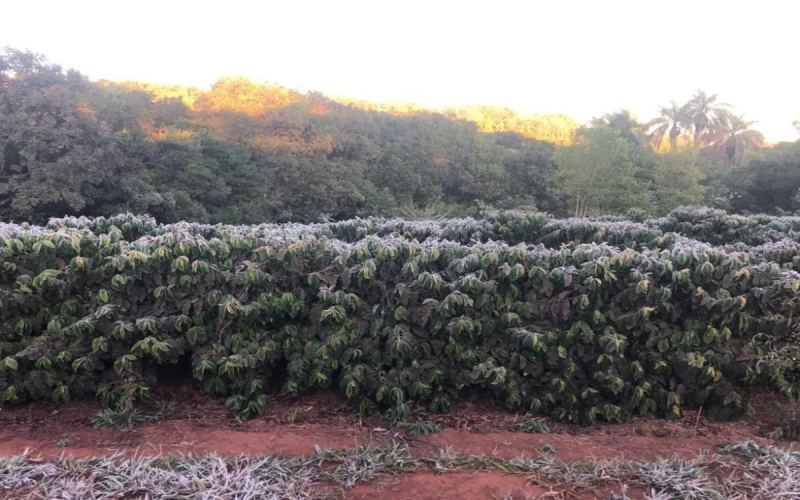
Coffee Stocks in Crisis: ICE Exchange Plans to Re-certify Two-Year-Old Brazilian Beans for Market Release
Brazil, the world's largest coffee producer, has suffered consecutive droughts and frosts, with its 2022/23 harvest falling far short of expectations. Certified coffee inventories on the ICE exchange have continued to decline, keeping coffee futures prices elevated. To ease the inventory crunch, ICE plans to re-grade and re-certify a batch of Brazilian Arabica old-crop beans that have been in storage for nearly two years and put them into trading. Although this move is not a violation of the rules, it has sparked concerns among traders about coffee quality and the mixing of old and new beans. This article will review the background of Brazil's reduced output, the logic behind futures price fluctuations, and the possible chain reactions that re-certifying old-crop beans may bring to the market. [more…]

Starbucks reviews surveillance footage to check store compliance, employees worry about being held accountable for violations
Recently, Starbucks was reported to conduct detailed audits of partners' daily operations by randomly accessing store surveillance footage, and listed as many as 8 violations in an internal email. From placing trash can lids on countertops to inadequate cleaning and sanitizing procedures for ice storage bins, these details that might previously have been overlooked have now become grounds for warning notices or even dismissal. After the news spread, many current employees felt greatly increased pressure, while consumers generally supported this strict oversight. This article sorts out the sequence of events, presents multiple perspectives, and explores the difficult balance that chain coffee brands must strike between food safety management and employee execution. [more…]

Live fly found in iced Americano at Peet's Coffee in Shanghai, regulator responds after investigation
Recently, a consumer in Shanghai found a large fly in an iced Americano purchased from a Peet's Coffee store, sparking widespread attention. The customer said the cup lid was sealed and the store environment was good, and they only noticed the foreign object with the last sip. Although the store offered to remake the drink and issue a refund, the customer refused the refund and demanded a thorough investigation into the cause. After regulators stepped in to inspect, they said the clarity of the surveillance footage was limited and they could not confirm whether there was a problem during the preparation process. The store involved responded that the ice machine is cleaned on a regular schedule and that it is currently cooperating with the investigation. The incident continued to intensify on social media, and the customer has deleted the original post. [more…]
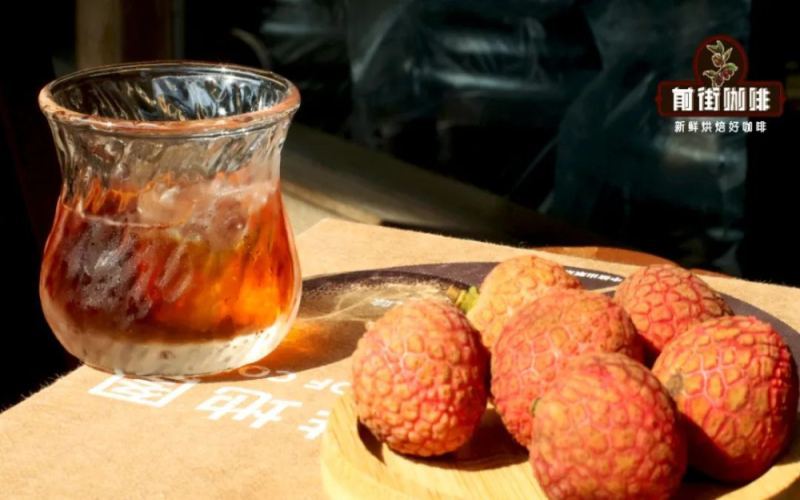
Lychee Iced Coffee: A Detailed Guide to Three Special Recipes—Jasmine Americano, Rice Wine Latte, and Cold Brew, Which Comes Out on Top?
As midsummer arrives, Lingnan lychees flood the market, their sweet, juicy flesh irresistible. What kind of sparks fly when lychee meets coffee? This time, Front Street Coffee got hands-on in the kitchen and tested three lychee coffee recipes buzzing online: lychee jasmine iced americano, lychee rice wine iced latte, and lychee cold brew. From ingredient preparation to extraction parameters, every step was recorded in detail. Some results were disappointing, while others were surprisingly delicious. If you also want a different fruity coffee this lychee season, why not follow this tutorial and give it a try—see which one becomes your summer favorite. [more…]