







Search Results for: household kettle
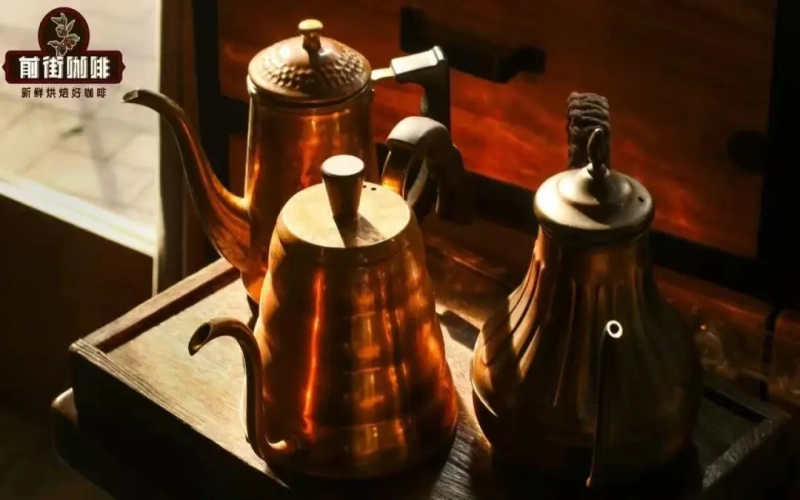
Can an ordinary electric kettle replace a pour-over kettle? Practical methods and parameters for brewing good coffee with a home kettle
Professional pour-over kettles often cost two to three hundred yuan, which puts many coffee enthusiasts off. In fact, as long as you master the correct extraction parameters and pouring strategy, an ordinary electric kettle at home can also brew a delicious cup of pour-over coffee. This article first analyzes the inherent shortcomings of ordinary electric kettles in terms of spout design and capacity, then offers two practical solutions—filling the kettle to stabilize its center of gravity and control the flow, or using staged pouring to lower the difficulty. It then uses Front Street Yirgacheffe·Gudgud as an example to fully share parameters such as coffee dose, ratio, grind size, and water temperature, and demonstrates step by step the entire process of blooming, staged pouring, and circular extraction, helping you consistently produce a clean, solid single-origin coffee even with the most ordinary equipment. [more…]
A Beginner's Guide to Pour-Over Coffee: Equipment Recommendations, Brewing Step-by-Step Guide, and Cost-Effective Everyday Beans
The appeal of pour-over coffee lies in the fact that everyone can brew a flavor that is uniquely their own. This article is aimed at home enthusiasts and small coffee shops, and provides a systematic overview of all the equipment needed to get started with pour-over—from gooseneck kettles, drippers, and grinders to filter papers, digital scales, thermometers, and carafes—offering an analysis of the pros and cons of specific brand models along with purchasing advice, and including a complete eight-step brewing tutorial. Finally, it recommends several highly cost-effective Front Street single-origin coffee beans, at a cost of only about six yuan per cup, making them ideal for daily practice and home enjoyment. [more…]
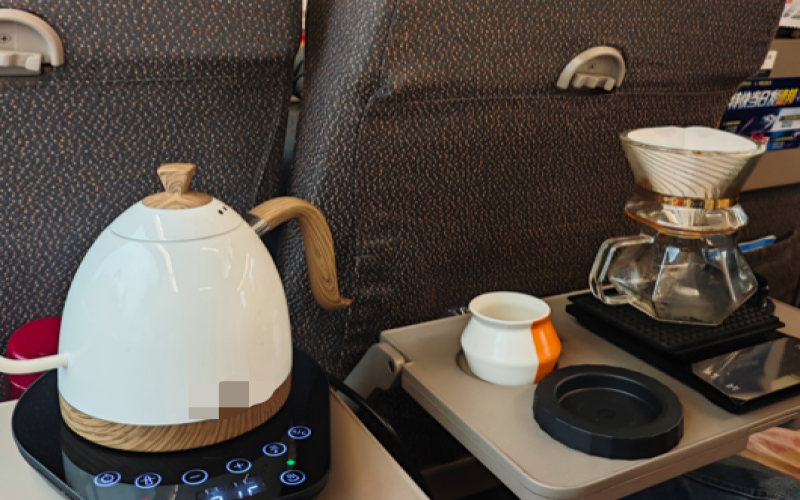
Brewing pour-over coffee with an electric kettle on a high-speed train sparks heated debate — how much do you know about the safety hazards?
During the Spring Festival return travel peak, a netizen on a high-speed train was approached by the young man sitting next to them, who surprisingly pulled out a full set of coffee equipment and used the tray table to boil water and make pour-over coffee. This romantic and novel experience quickly sparked heated discussion online, and the young man himself also posted a response, leading netizens to jokingly call it a "high-speed rail idol drama." However, beyond the gossip and fun, many users pointed out that the power outlets in high-speed train cars have limited wattage, so using a high-power electric kettle carries a risk of overloading, and the train's power supply is unstable, which may damage equipment, or even cause scalding if hot water is spilled when the person in front adjusts their seat. Coffee is good, but safety matters more. [more…]
How to Brew Coffee at Home Without a Dripper, Filter Paper, or Pour-Over Kettle? A Complete Guide to Four Simple Alternatives
Returning home for the Spring Festival, your coffee craving kicks in, only to find you didn't bring a dripper, your filter papers are used up, and your pour-over kettle is nowhere to be found? Don't worry—as long as you have ground coffee and hot water on hand, you can still brew a delicious cup. This article rounds up four simple brewing methods you can do at home: propping a filter paper up with chopsticks, steeping in a teapot, boiling directly in a pot, and an immersion method mimicking cupping. Each method comes with detailed parameters and step-by-step instructions, and using Front Street. Hamashiu natural beans as an example, it walks through the flavor results of each approach one by one, helping you get a satisfying cup even when you're short on gear. [more…]
Pour-Over Coffee Beginner's Guide: Equipment Selection, Brewing Process, and Illustrated Step-by-Step Instructions
Pour-over coffee is the most popular brewing method in the specialty coffee era, and both the choice of equipment and the techniques involved are worth studying in detail. This article will guide you through the historical origins of pour-over coffee, starting with Melitta's invention of the filter brewing method, then introduce one by one the selection considerations for essential equipment such as the pour-over kettle, dripper, and grinder, along with a complete illustrated step-by-step guide. Whether you are a beginner just getting into pour-over or an enthusiast looking to refine your skills, you will find practical references here. The article also specifically mentions relevant product information from Front Street Coffee to make it easy for you to purchase as needed. [more…]
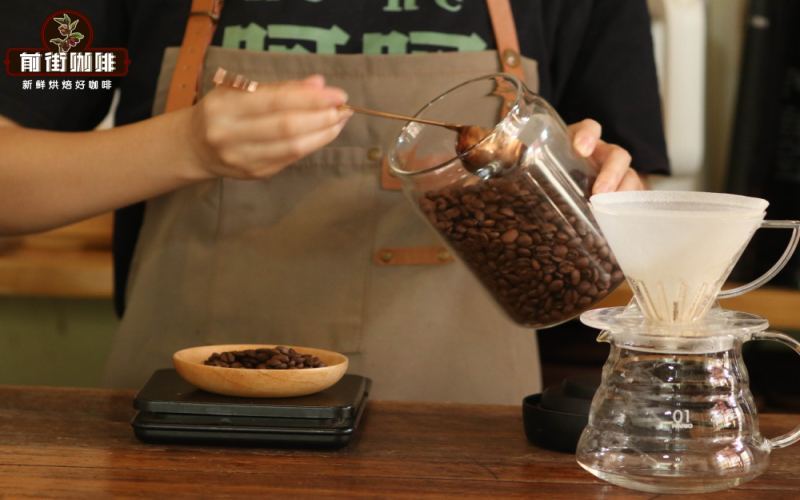
What coffee beans are suitable for a drip coffee maker? CoffeeHunters bean recommendations and a full guide to using a home pour-over kettle
Want coffee that's close to pour-over quality but find the process too troublesome? The American drip coffee maker is actually an underrated choice. This article starts with the working principle of the American drip coffee machine, explains why it has long carried the misunderstanding of "tasting bad," and offers the correct approach to using it: choose freshly roasted beans, and control the coffee-to-water ratio and grind size. It also compiles four coffee beans worth trying from Front Street Coffee—Panama Butterfly, Yirgacheffe Red Cherry, Costa Rica Mozart, and Geisha Blend Strawberry Candy—and finally includes the complete operating procedure for a home American coffee machine, helping you easily brew a pot of balanced drip coffee. [more…]
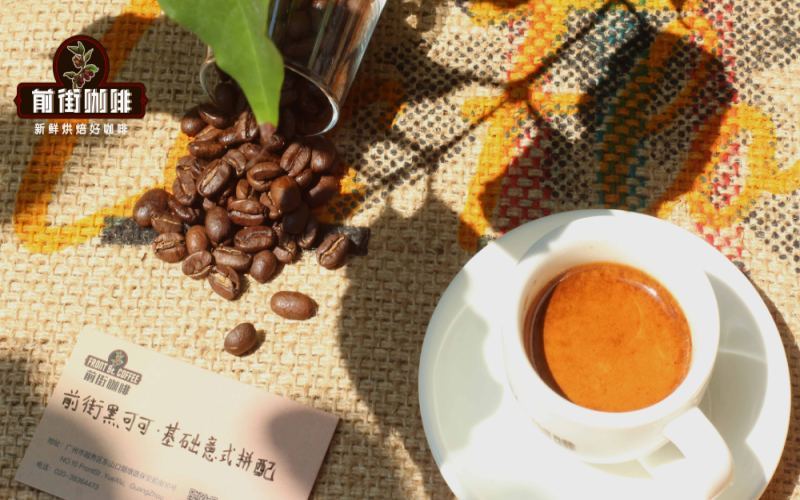
A Beginner's Guide to Choosing Coffee Beans for Home Use: From Machine Characteristics to Pairing Tips with Front Street Coffee's Espresso Blend
Faced with the dazzling array of coffee machines on the market, many people notice that almost all the well-known brands come from abroad, which is not hard to understand—coffee machines originated overseas to begin with, and given the differences in drinking habits at home and abroad, households in China that actually use coffee machines frequently are still a minority. Currently, the top ten household coffee machine rankings include De'Longhi, Philips, Electrolux, Siemens, EUPA, Panasonic, Saeco, Braun, Donlim, ACA, and others. After choosing a machine, the more critical step is picking the right coffee beans. Choose the wrong beans, and they'll either be so sour they're hard to swallow with a thin aroma, or so bitter and harsh they assault the palate. For beginners who have just gotten their hands on a coffee machine, starting with the entry-level Front Street espresso series is a fairly safe approach: if you prefer rich crema, go for the Front Street Classic Blend; if you're after balanced flavor and high value for money, go for the Front Street Black Cocoa Blend; and if you don't want anything too bitter, you can try the medium-roast Front Street Strawberry Candy espresso blend, which offers interwoven notes of rose, grape, and dried blueberry. [more…]
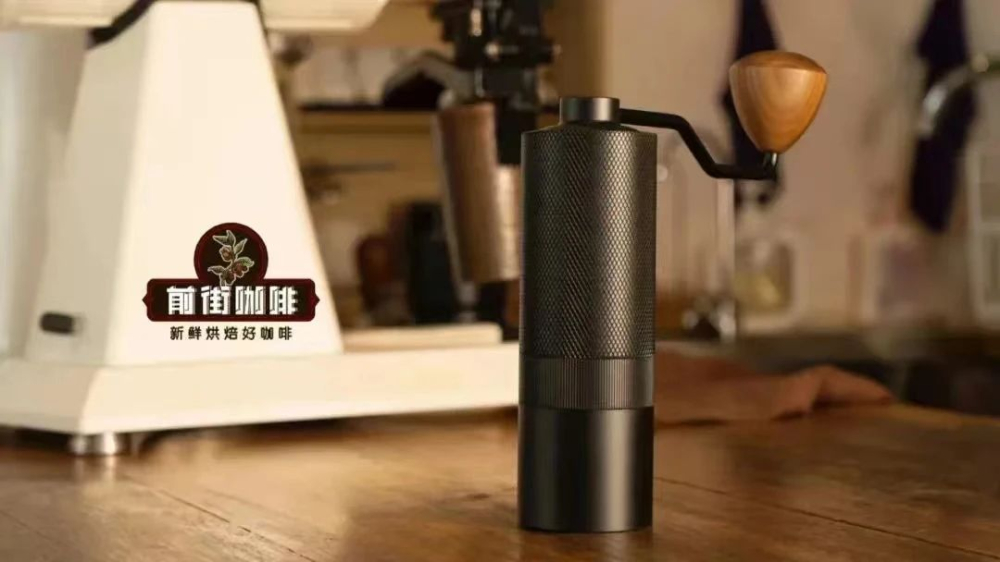
Coffee Pour-Over Equipment Buying Guide | How Can Coffee Beginners Choose Cost-Effective Pour-Over Coffee Gear? Which Is More Suitable for Coffee Beginners: an Espresso Machine or a Moka Pot?
Today's coffee equipment is dazzlingly diverse, and for coffee beginners, this is no easy matter. Looking at a pile of coffee gear wanting to buy, but neither knowing how to choose nor how to use it—this must be a feeling every coffee novice has had. In this situation, what we need to do is: "Don't pick the expensive ones, don't pick the flashy ones, only pick the practical ones." [more…]

Returning youth unlock a new way to use a charcoal-fired moka pot, sparking heated discussion with creative rural coffee brewing
As coffee culture continues to gain popularity in China, more and more young people are bringing their urban coffee habits back to the countryside. During this year's Spring Festival, a netizen posted photos on Xiaohongshu of making coffee with a charcoal stove paired with a moka pot, quickly sparking lively discussion among those returning to their hometowns. In the comments section, netizens eagerly "volunteered for battle," using everything from fire tongs and steamer racks to heating stoves as makeshift coffee bases. Meanwhile, others used pour-over kettles, thermos flasks, and even teapots to experiment with countryside pour-over coffee. This coffee experiment, full of creativity and festive spirit, showcases the ingenuity and enthusiasm of coffee lovers while also reminding everyone to pay attention to the safe use of equipment. Front Street Coffee always pays attention to the diverse expressions of coffee culture, savoring this unique rural coffee charm together with you. [more…]
Pour-Over Coffee Beginner's Guide: A Complete Analysis from Equipment Comparison to Filter Paper Selection and Boiling Water Brewing
Pour-over coffee has become the top choice for many coffee enthusiasts thanks to its advantages of being clean, free of off-flavors, clear, simple, and safe. This article starts with a horizontal comparison of the French press, the Clever Cup, the AeroPress, and the siphon pot, then sorts out the three truly indispensable conditions for pour-over—coffee grounds, filter paper, and hot water—and takes a deep dive into how the filter paper material affects flavor, debunking the common misconception that "boiling water can't be used to brew coffee." At the end, it includes Front Street's recommended Huakui brewing parameters and flavor description, making it suitable reading for coffee enthusiasts who want to systematically understand the logic of pour-over. [more…]
Pour-Over Coffee Beginner's Guide: Four Major Advantages, Filter Paper Selection, and Key Brewing Practices
Pour-over coffee has become the preferred brewing method for many coffee enthusiasts thanks to its advantages of being clean, free of off-flavors, clear, and simple and safe. This article starts from a comparison of brewing devices such as the French press, the Clever Cup, the AeroPress, and the siphon, and takes an in-depth look at the core principles of pour-over coffee—the three key elements of coffee grounds, filter paper, and hot water. It focuses on revealing the critical influence of filter paper on flavor and explores the feasibility of brewing with boiling water. At the end, using the 2018 Huakui Natural Sidamo as an example, it fully presents the V60 brewing parameters and flavor performance, making it suitable as a reference for readers who wish to improve their pour-over brewing skills. [more…]
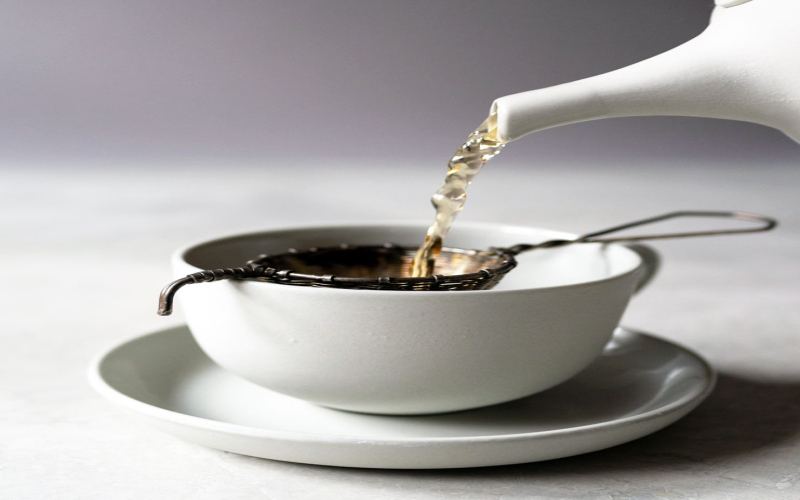
The Ten Golden Rules of Western Black Tea Brewing: From Leaf Selection to Milk-Pouring Order—What Does Orwell Say? A Full Analysis of Black Tea Astringency and Milk Addition
When brewing a cup of black tea, which type of tea leaves should you actually use? Should the teapot be preheated? Should the milk go in first or the tea? These questions may seem trivial, yet they have puzzled Western tea drinkers for decades. George Orwell once proposed his famous eleven golden rules for brewing tea, offering his own answers one by one, from the origin of the tea leaves to the brewing method. This article will use these ten rules as a thread, combined with the differences between Eastern and Western tea-drinking habits, to re-examine every detail of brewing black tea—including common questions such as whether black tea is better the more astringent it is and whether milk can be added—while weaving in different voices from Chinese tea enthusiasts. Whether you are a loyal fan of Earl Grey or a daily drinker of English Breakfast tea, you will find brewing ideas worth considering. [more…]
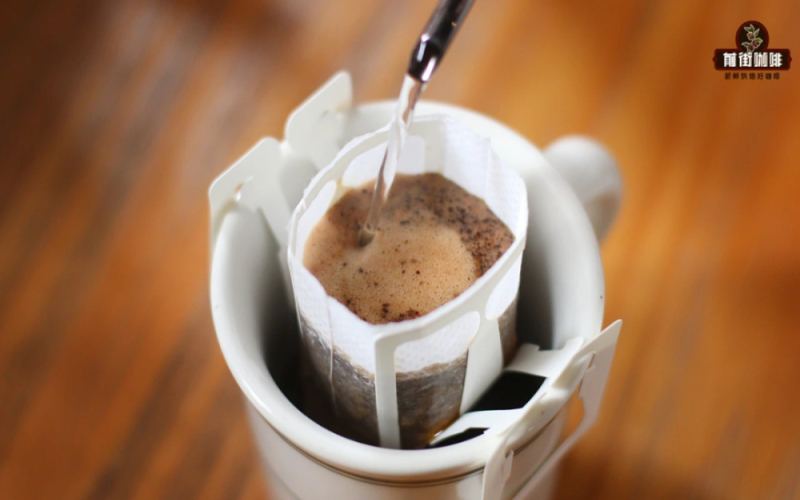
The essential difference between drip bag coffee and instant coffee, the production principle of drip bags, and key points for proper brewing
Drip bag coffee has become deeply embedded in many people's daily lives thanks to its portability, yet misconceptions surrounding its use are quite common. Some people treat it like a tea bag and steep it directly, some use it as if it were instant coffee, and others pour a kettle of hot water in a rush, causing the coffee grounds to overflow. What consequences do these actions actually bring? And how did drip bag coffee evolve from a single-ear design to a double-ear one? This article will start with the origins of drip bag coffee's invention, break down four common incorrect practices one by one, and explain the correct brewing approach. At the same time, it compiles the flavor characteristics of five seasonal drip bag coffees from Front Street Coffee for reference when making a purchase. [more…]
French Press Coffee Complete Guide: Coffee-to-Water Ratio, Grind Size, and Step-by-Step Instructions
The French press, also known as a press pot or tea maker, and sometimes called the "lazy person's pot," is a home brewing device with a very low barrier to entry that nonetheless preserves coffee flavor quite completely. The coffee it extracts has a thick, rounded mouthfeel, and the oils, aromas, and sweetness are all released fairly fully, making it the easiest way for beginners to consistently reproduce a stable taste. This article centers on the origins and characteristics of the French press, with emphasis on the coffee-to-water ratio (about 1:14 to 1:18), grind size (a coarse grind about the size of brown sugar granules), water temperature control (85 to 95°C), and a complete ten-step brewing process. It also recommends medium-to-dark roasted beans such as Front Street Coffee Bird of Paradise, Front Street Coffee Queen's Estate, Front Street Coffee Golden Mandheling, Front Street Coffee Strawberry Candy, and Front Street Coffee Mozart, to help you easily make a delicious cup of French press coffee. [more…]
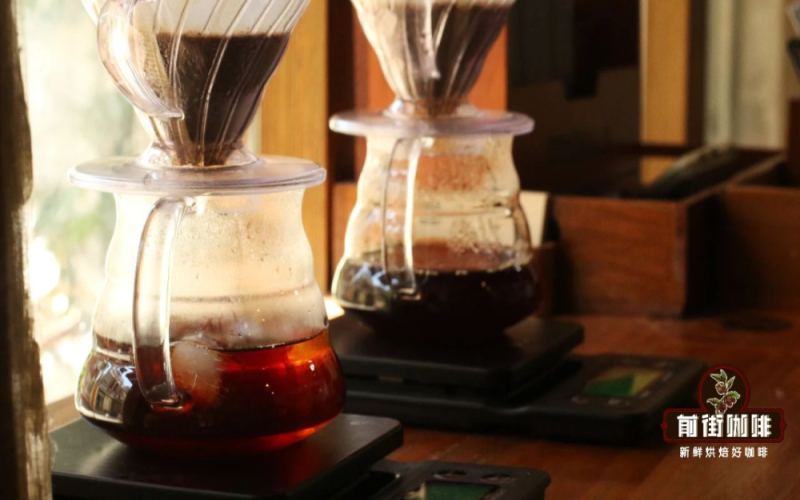
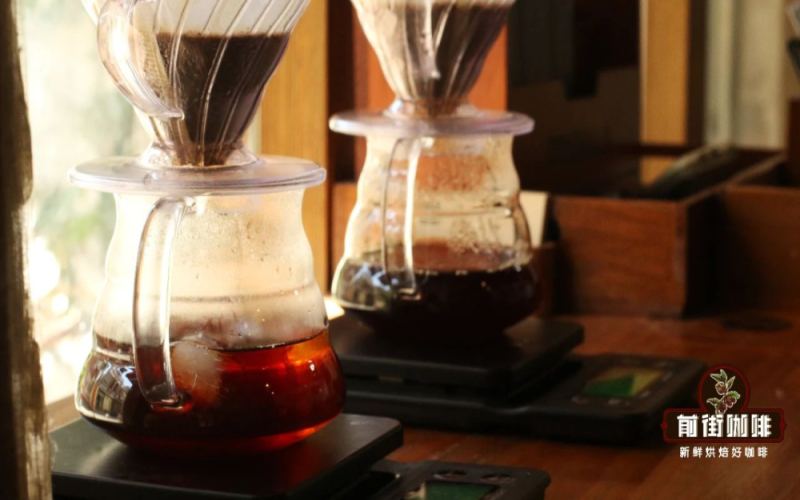
Why the HARIO V60 dripper has become a staple in coffee shops: a detailed explanation of its cone shape, single hole, and spiral rib structure
Among the many pour-over drippers, the HARIO V60 has become the top choice for many cafés and enthusiasts thanks to its unique cone shape, single hole, and spiral rib design. Its structure allows for more even contact between hot water and coffee grounds, and a more controllable drip rhythm, while also balancing practicality with a stylish appearance. This article starts from the structural principles to analyze why the V60 has become so widely popular, and compares the pros and cons of plastic and glass materials to help you make a decision that suits you better when purchasing. It also retains relevant product recommendation information from Front Street Coffee. [more…]
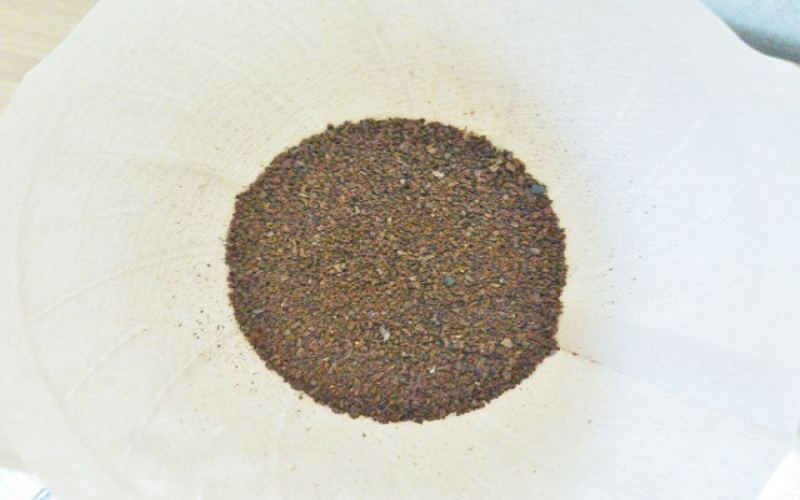
French Press Usage Tips | How Many Coffee Beans to Use for French Press Coffee? How Much Coffee Grounds to Put in a French Press? Does French Press Coffee Have a Lot of Oil?
Coffee is becoming more and more popular, and there are all kinds of brewing methods. However, when you're busy, you might feel you don't have time for a pour-over, and even an espresso seems to take too long. In that case, using a lazy person's pot to make a cup of coffee might be a pretty good choice! French press coffee and pour-over coffee [more…]
A Complete Guide to French Press Coffee Brewing: A Practical Guide from Equipment Principles to Operational Details
The French press is called the lazy person's pot by many coffee enthusiasts. With a low operational threshold and stable output, it is an ideal choice for beginners. It not only presents the coffee's oils, aroma, and sweetness quite completely, but also, because its variables are easy to control, allows different people to reproduce a similar cup. This article will systematically introduce the origins and characteristics of the French press, and, combined with recommendations for Front Street Coffee beans, demonstrate step by step the complete process from weighing beans, pouring water, to filtering and serving, while also pointing out easily overlooked details such as grind size, water temperature range, coffee-to-water ratio, and pressing technique, helping you easily make a rich and full-bodied cup of French press coffee at home. [more…]
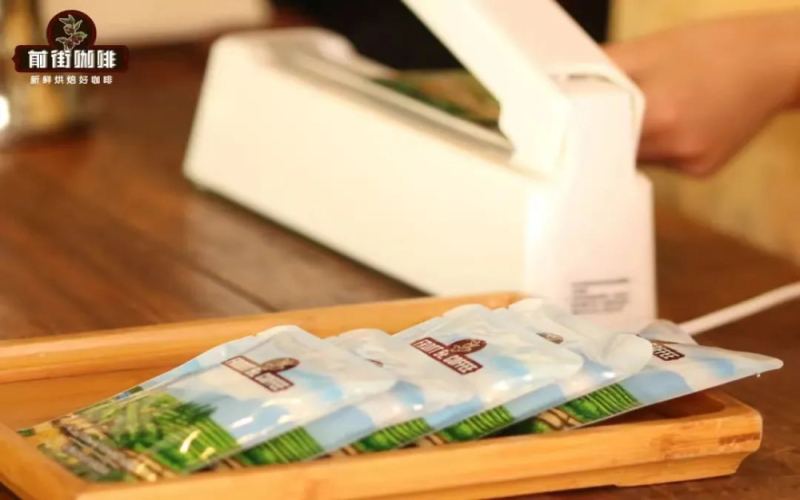
How Should You Brew Drip Bag Coffee Correctly? From Blooming to Coffee-to-Water Ratio, a Full Flavor Analysis of Ten Specialty Drip Bag Brands
Drip bag coffee, with its portability and ease of use, has become the top choice for many people drinking specialty coffee daily. But the seemingly simple four steps—tear, hang, pour, remove—actually hide many details that are easy to get wrong. Based on Front Street Coffee's hands-on experience, this article systematically sorts out the correct brewing process for drip bag coffee and four common operational mistakes, and shares three key techniques for enhancing flavor: pouring water with a narrow-spout kettle, controlling the coffee-to-water ratio, and managing water temperature. At the end, it lists ten representative drip bag products under Front Street, covering regional flavors such as Panama Butterfly, Kenya Little Tomato, Yirgacheffe Red Cherry, Mandheling, and Brazil Cerrado, with options ranging from acidic, full-bodied, to winey, making it easy to choose according to taste. [more…]
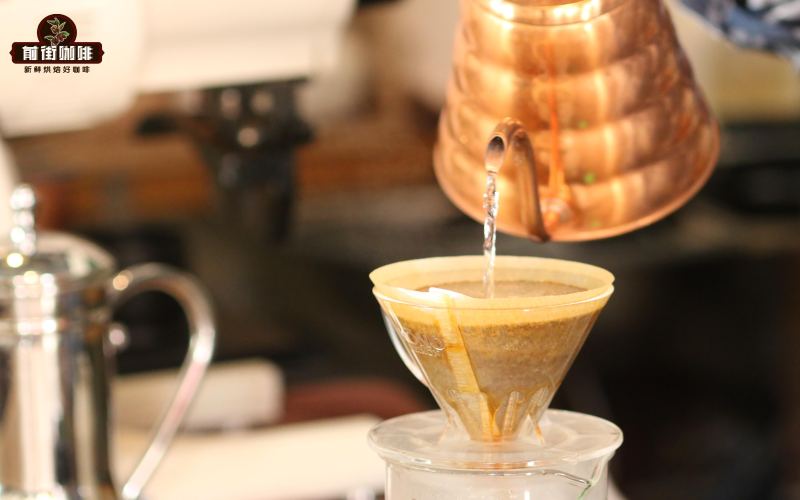
Pour-Over Coffee Water Quality
To brew a delicious cup of coffee, you need not only good beans but also good water. In brewed coffee, water accounts for over 98% of the final cup. Therefore, choosing the right water for brewing is also crucial. So what kind of water is actually suitable for brewing coffee? First, Front Street Coffee will explain the requirements for water suitable for brewing coffee. One [more…]

Is Lower TDS Water Always Better for Brewing Coffee? An In-Depth Look at ppm Standards and Mineral Water Choices
Many coffee enthusiasts, after purchasing equipment and beans, often overlook the critical impact of water quality on flavor. Tap water, filtered water, or purified water—different TDS levels will directly change the extraction results. From the perspective of Front Street, this article explains how calcium and magnesium ions influence the taste, why tap water tends to produce astringency, and why purified water leads to a hollow sensation. It also cites the SCAA standard of 75-250ppm along with practical recommendations, advocating the use of filtered or bottled water, and specifically mentions Nongfu Spring as a reference choice for daily brewing. [more…]