







Search Results for: hot hand-brewed
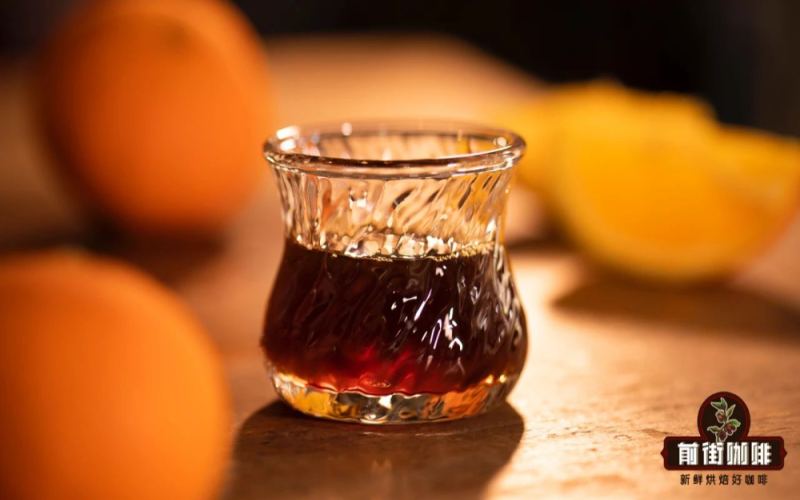
High-Value Specialty Hand-Brewed Coffee Beans | How to Brew Single-Origin Beans as Hand-Drip Black Coffee with High Sweetness? Where Does the Sweet Aroma of Hand-Brewed Coffee Beans Come From?
To some people, black coffee is bitter; to others, it's sour. But if you hear someone say, "Wow, this cup of coffee is so sweet!" you'd probably think to yourself, "How could black coffee possibly be sweet?" As Front Street has explained in the article analyzing the chemical composition of green coffee beans, the sucrose in green coffee beans, [more…]
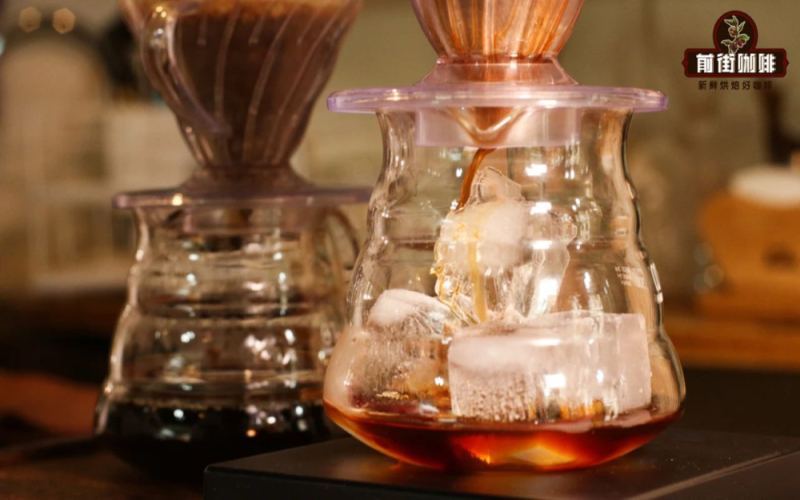
Comparison of Ice Addition Timing for Iced Hand-Brewed Coffee: An Analysis of Front Street's Japanese-Style Iced Hand-Brew Parameters and Sensory Differences
Should ice be added before or after brewing when making iced pour-over coffee? This question puzzles many coffee lovers. Front Street Coffee conducted a controlled experiment using 15 grams of Kaffa Forest coffee beans, a 1:10 coffee-to-water ratio, a water temperature of 90-91°C, and a grind setting of 9 on an EK43s grinder, testing two brewing sequences: ice added first and ice added last. The experiment found that after thorough shaking, the two methods performed quite similarly overall, but the coffee with ice added first tasted cleaner and more refreshing, while the one with ice added last had a more concentrated and intense aroma. The root of the difference lies in how much ice melts. This article will present the complete experimental parameters, step-by-step procedure, and sensory comparison results to help readers understand how the timing of ice addition affects the flavor of iced pour-over coffee. [more…]
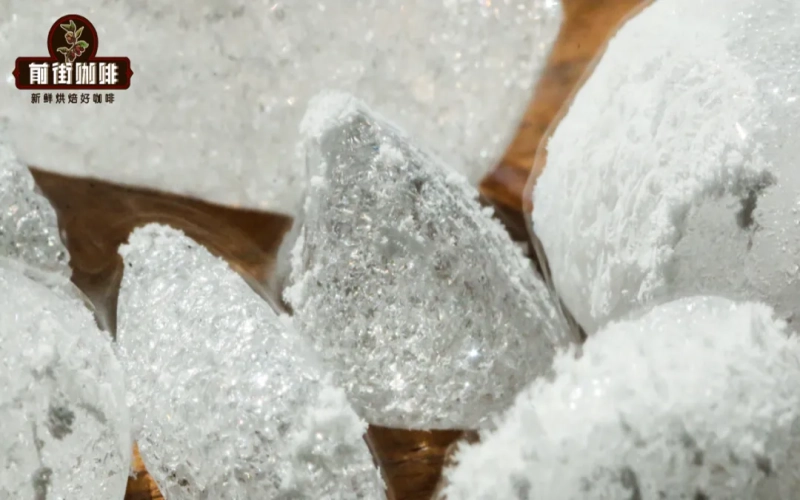
Is It Feasible to Use Dry Ice Instead of Ice Cubes for Iced Pour-Over? A Comprehensive Analysis of Cooling Methods for Pour-Over Coffee
Iced pour-over coffee needs rapid cooling, but ordinary ice cubes melt and dilute the coffee's strength. Some friends suggested using non-melting stainless steel ice cubes, but that attempt failed; then someone else recommended dry ice, which cools quickly and doesn't cause dilution. Dry ice can indeed chill coffee rapidly without turning into water, but when it sublimates it releases carbon dioxide, which dissolves into the coffee and turns a cup of iced pour-over into carbonated coffee—essentially deviating from what's wanted. This article provides a detailed analysis of dry ice's physical properties, its everyday uses, and why it's unsuitable for making pour-over coffee, along with Front Street Coffee's key points from their dry ice experiments and a recommended bean list. [more…]

Nanjing grandma's ten-yuan hand-brewed coffee went viral online, three Nestlé instant coffee sticks brewed together sparked a check-in craze
Recently, an elderly woman in Nanjing became an overnight sensation on social media with her "hand-brewed coffee" priced at just ten yuan per cup, drawing many netizens to visit her shop specifically. Her storefront is small, but her method is remarkably simple—she takes out three sticks of Nescafé instant coffee, cuts them open and pours them into a plastic cup, adds hot water, seals and shakes it, and a cup of coffee is handed to the customer. After the video went viral, the elderly woman's business exploded, selling over two hundred cups a day, and even Nescafé's official livestream channel jumped on the trend by launching a "Nanjing Auntie's Same Style" product. The elderly woman candidly admitted that she has always sold Nescafé and would not cut corners just because more customers are coming. Meanwhile, similar low-priced drinks in the alleys of Guangdong have also gained popularity among students. These drinks with simple ingredients may not taste as good as specialty coffee, but they carry many people's fondest early memories of coffee. [more…]
Choosing Hand-Brewed Coffee Beans by Roast Level Makes Flavor and Brewing Method Clearer
When selecting hand-brewed coffee beans by roast level, they can generally be divided into light, medium, and medium-dark roasts. Light roasts preserve more of the origin's character, often featuring floral notes, fruity acidity, and a crisp body; medium roasts strike a balance between sweetness, acidity, and body; medium-dark roasts shift the flavor toward nuts, cocoa, and caramel. First, understand this spectrum of change. [more…]
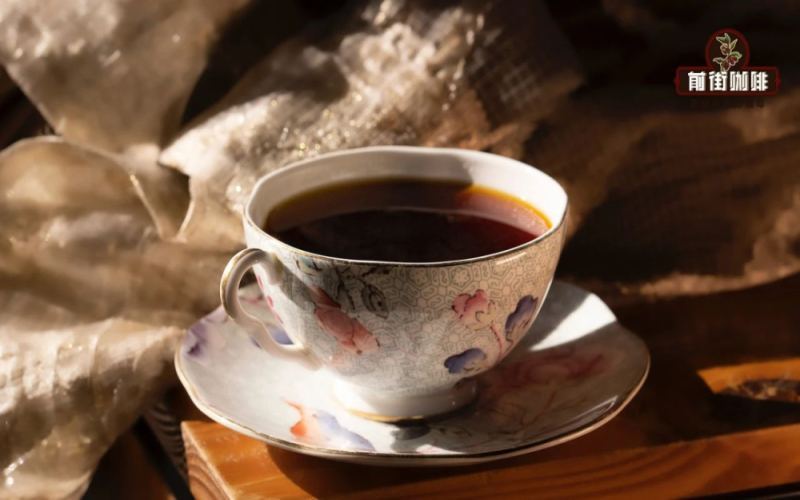
The Complete Guide to Pour-Over Coffee: Water Temperature, Grind Size, Coffee-to-Water Ratio, Five Brewing Methods, and Bean Selection Tips
The charm of pour-over coffee lies in the ritual of pouring water by hand, but many people can never reproduce the taste of a coffee shop at home, and the problem often comes down to four variables: water temperature, grind size, coffee-to-water ratio, and pouring technique. In this article, Front Street Coffee takes a practical approach and systematically explains the water temperature ranges for light-to-medium and medium-dark roasted beans, a grinding standard based on an 80% pass rate through a No. 20 sieve, and a recommended 1:15 coffee-to-water ratio. The article also breaks down in detail five pour-over methods: the three-pour method, the European-American stir-and-bloom method, the Japanese drip method, the single-pour method, and the volcanic pour, while offering actionable adjustment methods for blooming and degassing, pouring rhythm, and the causes of failed extraction, helping coffee lovers consistently reproduce a cup of good coffee with clear flavor. [more…]

How to brew drip bag coffee so it tastes great? Master the water temperature and amount, and easily brew a flavor close to pour-over
Drip bags have become increasingly popular in recent years. They are essentially a patented filter-brew coffee invention by the Japanese, sealing coffee grounds in a filter bag with two side flaps that hang over the rim of a cup. Once brewed, they are discarded, delivering a drip experience close to pour-over anytime, anywhere. Although the design is minimalist, Front Street Coffee believes that a few small tips are still worth noting if you want to brew a good-tasting cup. This article starts with the structure of the drip bag, explains how it differs from instant coffee, and then demonstrates a minimalist brewing method covering water temperature, water volume, and staged pouring, helping you consistently brew a clean, smooth cup of black coffee in the office or on the go. [more…]
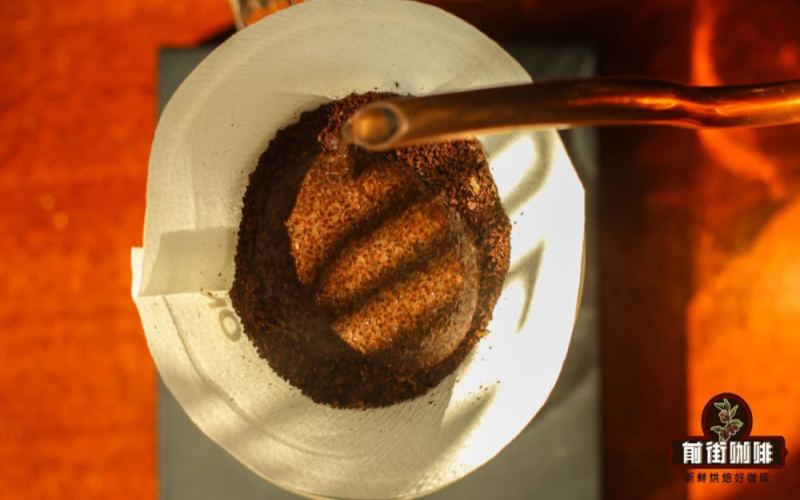
Single-Origin Pour-Over Beans for Beginners | What Are the Four Japanese Pour-Over Techniques? How Do Different Coffee Brewing Methods Affect Coffee Flavor?
Recently, many coffee-loving friends who come to Front Street Coffee to buy coffee beans have asked Front Street how to correctly brew pour-over coffee to bring out its best flavor. Front Street also often says that the process of pour-over coffee is a kind of enjoyment, and coffee brewed by one's own hands feels even more delicious on a spiritual level. So this Front Street article will introduce [more…]

What Kind of Pour-Over Coffee Beans Should Beginners Buy: Balancing Budget and Drinking Frequency
For beginners buying hand-brewed coffee beans, it's suitable to build judgment gradually from taste experience. When buying beans for daily use, you need to consider how quickly you'll drink them, how much to buy at once, and whether you mainly make black coffee or milk coffee at home. Flavor words on the packaging can provide clues, but they cannot replace the actual drinking experience—whether the acidity is mellow and whether the sweetness lingers. [more…]
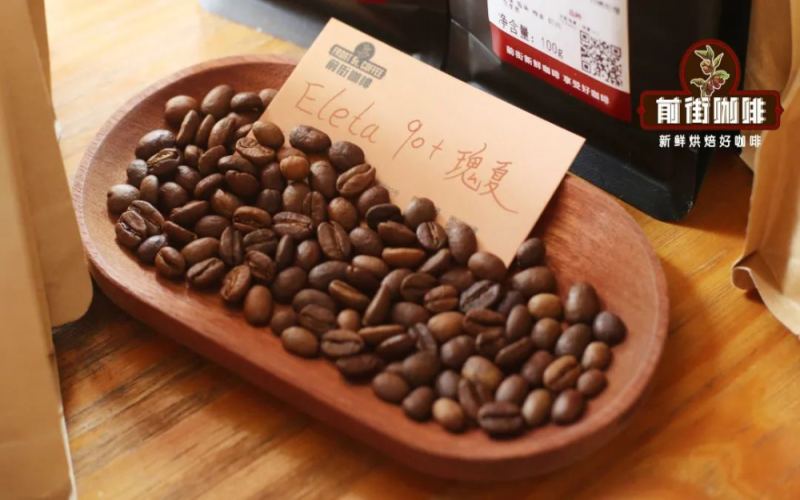
A Guide to Making Cold Brew Coffee at Home | What Are the Key Points in Making Cold Brew Coffee? Recommendations for High-Value Hand-Brewed Coffee Beans Suitable for Cold Brew
For more specialty coffee knowledge and sharing, please follow our WeChat official account: FrontStreet Coffee. Those who frequently read Front Street articles know that in addition to being extracted with hot water, coffee can also be made with cold water. Coffee made with cold water is called "cold brew coffee," [more…]
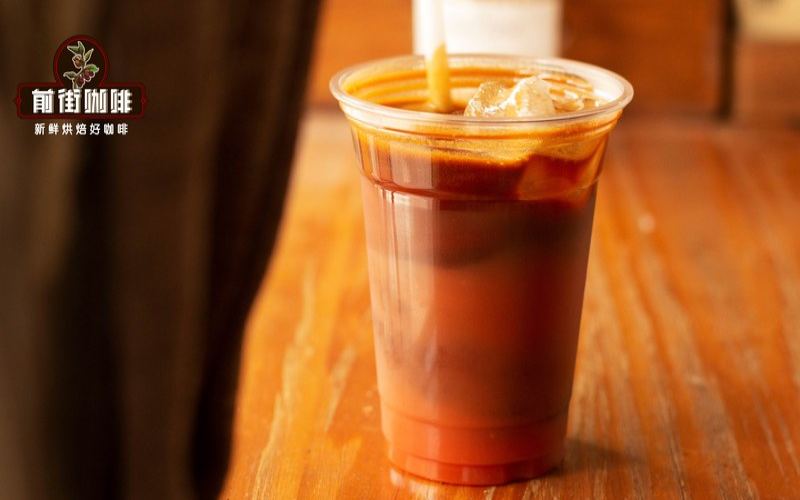
How to Choose Hand-Brewed Coffee Beans by Roast Level
The roast level of hand-brewed coffee beans determines where the flavors in the cup unfold. Light roasts make floral and fruity notes easier to perceive, medium roasts connect sweetness, acidity, and body, while dark roasts bring cocoa, nut, and roasted aromas. For ordinary consumers, choosing according to the flavors they like and how they usually drink coffee matters more than looking only at [more…]
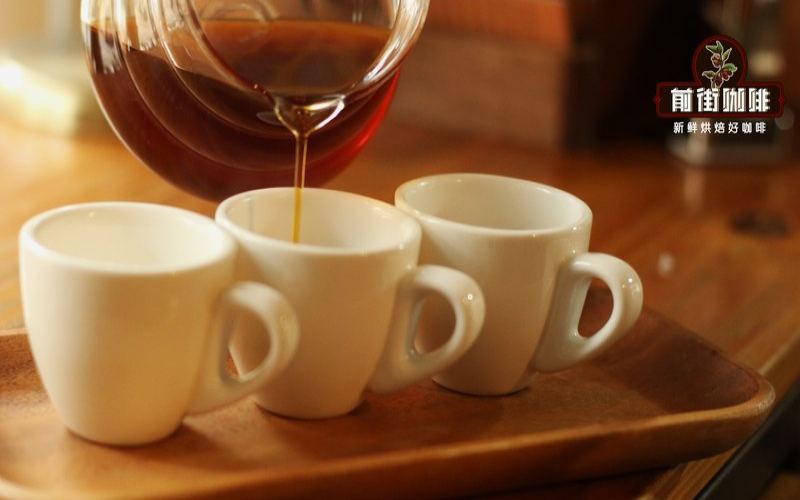
A Guide to Buying Hand-Brewed Coffee Beans: Balancing Budget and Drinking Frequency
Hand-brewed coffee beans are best approached by gradually building your judgment from taste experience. When buying beans for daily use, you need to consider how quickly you'll drink them, how much to buy at a time, and whether you mainly make black coffee or milk coffee at home. The flavor words on the packaging can offer clues, but they cannot replace the actual drinking experience—whether the acidity is mellow, whether the sweetness lingers, and whether the mouthfeel is smooth. [more…]
A few recommended pour-over coffee beans with gentle acidity: balancing budget and drinking frequency
When it comes to hand-brewed coffee beans with a soft acidity, first consider how you'll be drinking them every day. For everyday bean purchases, you need to think about how quickly you'll go through them, how much to buy at once, and whether your household mainly drinks black coffee or milk coffee. If you mainly drink black coffee, you can pay more attention to aroma and aftertaste; if you often add milk, you need to consider whether the intensity and body can hold up. [more…]

Seven Elements of Hand-Brewed Coffee | Is the correct English for hand-brewed coffee "Hand Drip" or "Pour Over coffee"? What are the brewing methods for hand-brewed coffee?
What is the English for pour-over coffee? If translated literally, it could be rendered as "Hand coffee," but that term is definitely incorrect. Next, expressions like "Hand punch" are also common mistranslations. The correct term should be "Pour over coffee." Now, pour-over [more…]
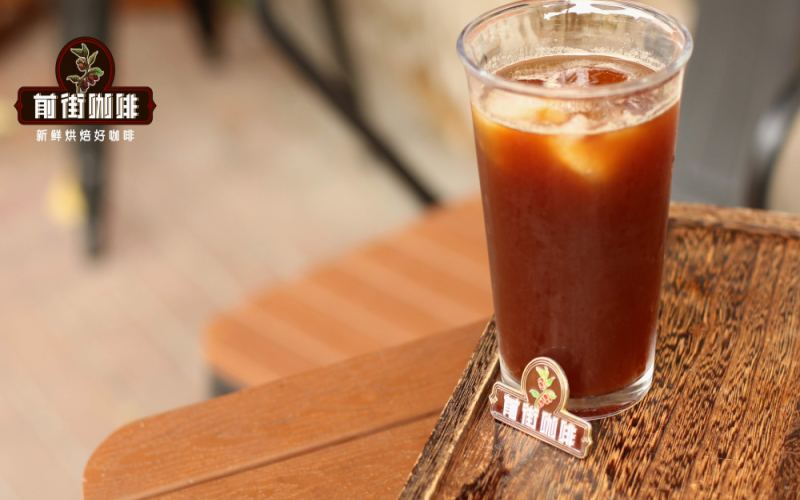
Cold Brew Coffee Specialty Bean Recommendations | What Is Cold Brew Coffee? The Extraction Principle Differences Between Cold Brew Coffee, Iced Americano, and Hand-Brewed Iced Coffee
For more specialty coffee knowledge, please follow our WeChat official account: Front Street Coffee (FrontStreet Coffee). Iced Americano and cold brew coffee can be said to be the two best-selling items in coffee shops during summer, but there is a very big difference in price—cold brew coffee is usually twice the price of an iced Americano! Similarly, [more…]
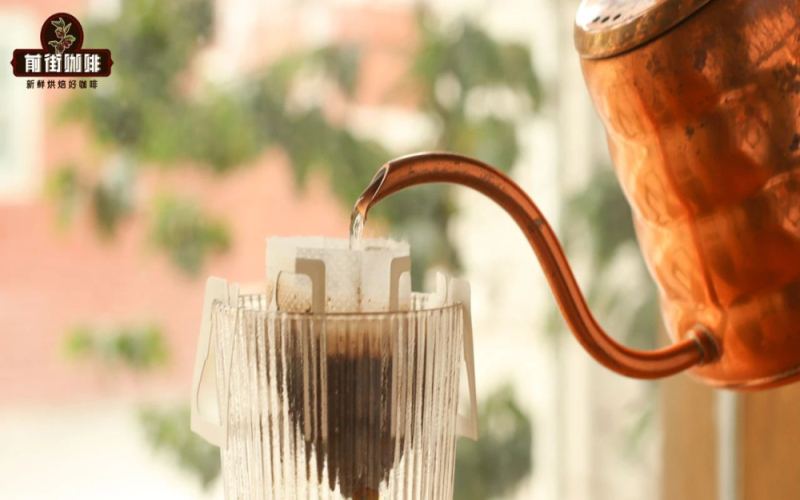
The Complete Guide to Iced Drip Coffee: A Detailed Illustrated Tutorial on Hand-Brewed Iced Coffee and Cold Brew Coffee
For busy office workers, drip bag coffee is an ideal choice that balances convenience and quality. This article will show you step by step how to use drip bags to make two refreshing summer drinks—iced pour-over coffee and cold brew coffee. From bean selection tips to brewing steps, Front Street Coffee provides you with detailed guidance: if you like floral notes, try Yirgacheffe; if you prefer fruity flavors, choose Huakui; and if you want to experience flavors from multiple countries at once, there is the classic five-origin combination. With just simple equipment and a few steps, you can easily enjoy a cup of icy, rich coffee at the office or at home. [more…]
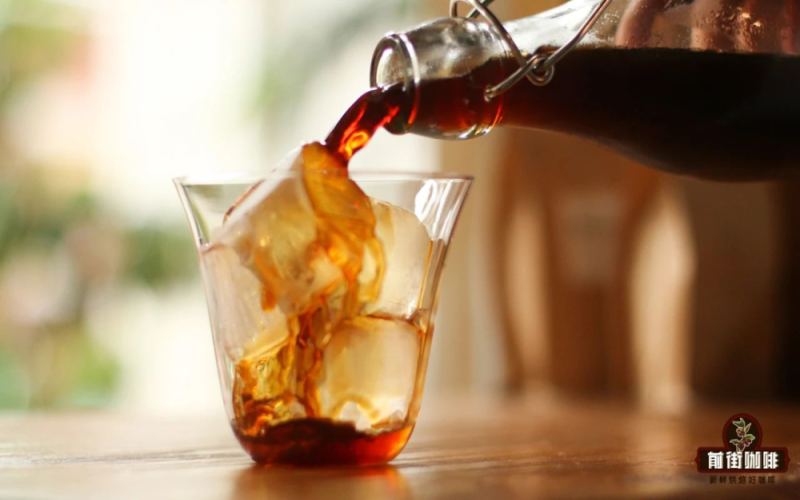
Ice Hand-Brewed Coffee: When to Add Ice? Before or After? And What Difference Does Passing Through Ice Make?
Although autumn has arrived, the summer heat lingers, and iced pour-over coffee remains a favorite for many enthusiasts. But should the ice be added before brewing or after? And once brewing is complete, should the unmelted ice be filtered out? These details directly affect the strength and flavor profile of the final cup. This article will start with bean selection, then use Front Street Coffee's brewing examples to analyze how adding ice at different stages affects the coffee's taste, and discuss the pros and cons of ice filtering, helping you consistently make a cup of iced pour-over that is both refreshing and rich, whether at home or in a café. [more…]
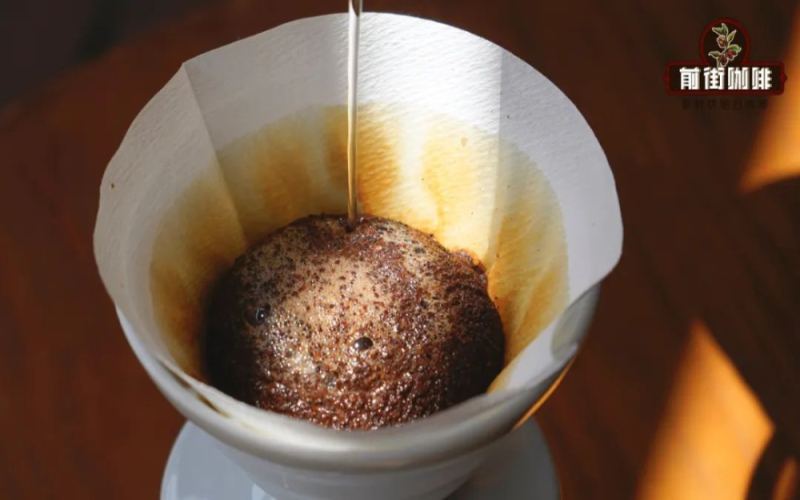
Hand-brew bloom not forming a dome? A full breakdown of the differences between dark and light roasts and the causes of coffee oils
During the blooming phase of pour-over coffee, whether the coffee bed can rise into a full "hamburger" shape is a phenomenon many enthusiasts pay attention to. Some brewers get a towering burger, while others end up with a flat or even sunken "steamed bun." The key behind this lies in the amount of carbon dioxide stored in the coffee beans and how efficiently it's released. The freshness of the beans, extraction parameters, and roast level all directly affect how much the bed expands during blooming. At the same time, the amount of oil on the bean surface is closely tied to roast level. This article will start from the principles of blooming, break down the factors that influence burger formation one by one, and explain how light and dark roasts perform differently during brewing, helping readers take a more rational view of the blooming puff-up phenomenon. [more…]
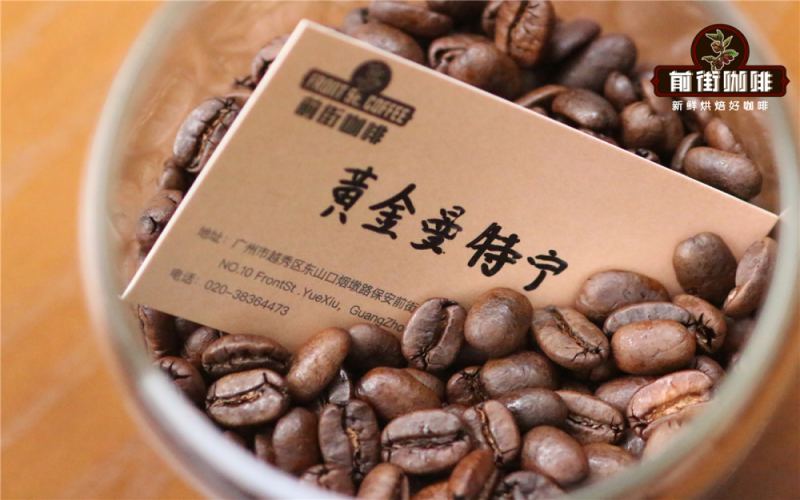
The Complete Guide to Hand-Brewing Indonesian Golden Mandheling: Water Temperature, Grind Size, Coffee-to-Water Ratio, and Three-Stage Extraction Flavor Analysis
Golden Mandheling is a highly representative specialty coffee from the Sumatra region of Indonesia, known for its herbal notes, caramel sweetness, and rich spicy flavor. Starting from Front Street Coffee's brewing practices, this article systematically sorts out the differences between Golden Mandheling and ordinary Mandheling, how the wet-hulling process shapes the flavor, and PWN's strict G1 grade screening standards, while also breaking down in detail the coffee-to-water ratio, grind size, water temperature, dripper selection, and three-pour technique in the pour-over process. Whether you want to consistently reproduce a cup of rich, clean Golden Mandheling or hope to fine-tune the parameters according to your own taste, this parameter guide can provide a clear reference basis. [more…]
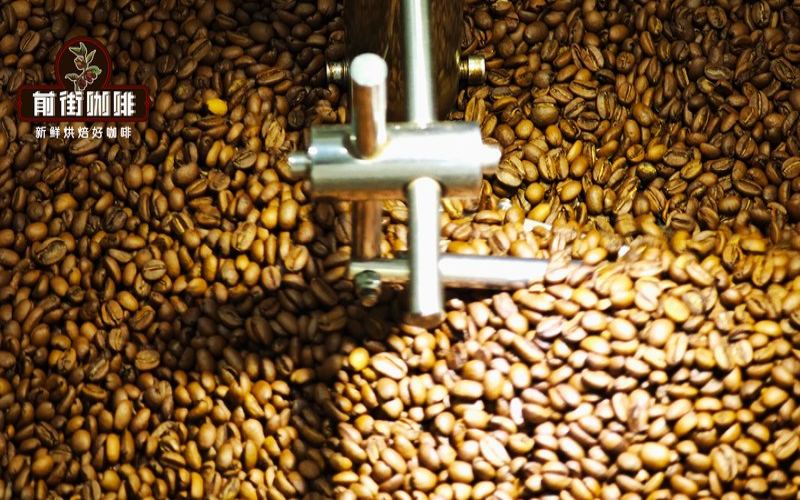
How to Choose Low-Caffeine Hand-Brew Beans: Flavor and Brewing by Roast Level
If you want to reduce your caffeine intake, you can start with the roast level when choosing beans for pour-over, but you can't directly equate light or dark roast with high or low caffeine. Light-roasted beans usually retain more of the aromas of their origin, while dark-roasted beans lean more toward caramel, cocoa, and roasty notes. What truly affects your intake also includes the bean variety, the number of grams used, the cup size, and the extraction efficiency. For example, [more…]