







Search Results for: homemade tutorial
Is New-Style Tea Losing Steam? Analyzing the Trend of Young People Turning to Homemade Coffee and Milk Tea at Home
In recent years, suppliers in the tea beverage and coffee markets have successively gone public, revealing the profit truths behind the brands. However, as food safety issues and health concerns in the new tea beverage industry keep emerging, more and more young people are abandoning brands like Luckin and Heytea in favor of making their own coffee and milk tea. With the convenience of the internet and a wealth of tutorials, homemade drinks have become a traffic magnet, with bloggers monetizing through product endorsements, which has also made ingredient brands like Fino popular. This article takes an in-depth look at the reasons and impact behind this phenomenon, exploring the shock that homemade drinks are delivering to the traditional tea beverage and coffee markets. [more…]

From Homemade Creations by Netizens to Bestsellers in Cafés: How Creative Coffee Rides Social Platforms to Reach the Masses
The internet has enabled the rapid spread of video tutorials and helped a wave of viral coffee creations stand out from "homemade coffee." Creative drinks such as Saturn Coffee, Waterfall Americano, Lava Iced Americano, and 400 Times Coffee have gone viral as netizens spontaneously recreate and share them, and have since been adopted by many cafés. These coffees often do not rely on a high technical threshold, but place particular emphasis on visual presentation—catching the eye first, then winning over the palate. Students born after 2000 have taken homemade coffee to new heights, using coffee liquid and freeze-dried powder paired with convenience store drinks and syrups to achieve low-cost coffee freedom in their dormitories. Against the backdrop of the pandemic and rising prices, the cost-effectiveness of homemade coffee has become more prominent. Although there is still a gap in flavor compared with professional cafés, it also confirms that coffee is accelerating its integration into daily life. [more…]

Step-by-step illustrated tutorial: homemade affogato and sparkling iced americano, easier to make than you think
Want to easily make café-quality coffee desserts and drinks at home? This article uses a combination of text and images to document in detail the complete process for making two drinks: affogato and sparkling iced americano. Affogato pours hot espresso over ice cream, blending hot and cold, and is essentially more of a dessert; sparkling iced americano, by pairing sparkling water with espresso, delivers a refreshing taste experience. The whole article breaks things down step by step, from ingredient preparation to extraction and assembly, with clear explanations for every stage, so even coffee beginners can quickly get the hang of it. Following Front Street Coffee's demonstration, you'll find that making these two drinks is far simpler than you might imagine. [more…]
Homemade Iced Caramel Macchiato for Summer: A Complete Eight-Step Tutorial from Espresso Extraction to Latte Art
The name caramel macchiato carries a romantic meaning hidden within it—macchiato is interpreted as "brand," giving the entire drink the symbolism of a "sweet brand." When the weather is hot, making an iced caramel macchiato yourself can both cool you down and let you enjoy the fun of hands-on preparation. The method is actually not complicated: first pour espresso into iced milk, then add a layer of finely steamed milk foam, and finally drizzle caramel syrup on top, using a latte art needle to sketch the pattern you want. This article is a step-by-step demonstration by Front Street Coffee of the complete process, with eight stages from preparation to serving. The required utensils and ingredients are all very common, and by following along you can recreate a summer coffee that has both good looks and flavor. [more…]
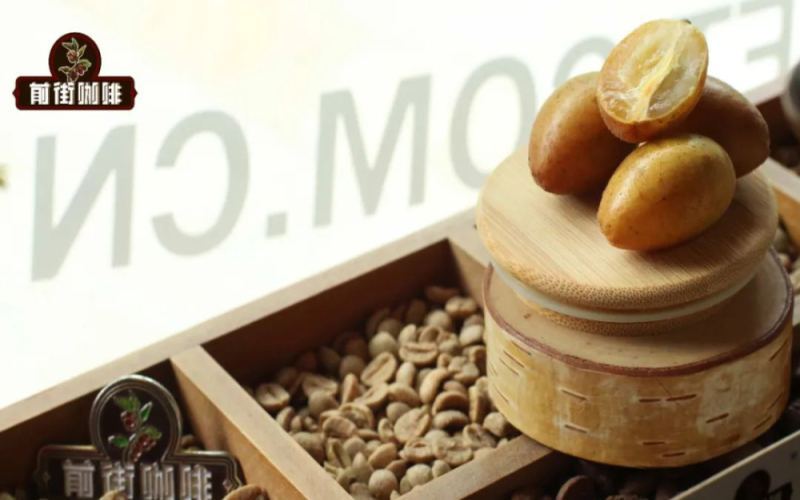
How to Make a Delicious Wampee Iced Americano? Three Special Recipes: Sparkling, Jasmine Tea, and Preserved Plum Iced Shake Detailed Tutorials
In the height of summer, wampee, a niche southern fruit, has become a popular partner for homemade iced coffee thanks to its sweet-and-sour juiciness and uniquely fresh aroma. Through repeated testing, Front Street Coffee has put together three distinctly different wampee iced americano recipes: the original wampee sparkling americano uses sparkling water to amplify the fruit aroma and add a more refreshing layer; the jasmine tea wampee americano blends homemade jam with a cold-brewed tea base for a soft fragrance; and the wampee preserved plum iced shaker americano targets those who dislike sweetness, using preserved plum water and a shaker to create a sugar-free version. All three recipes use Front Street Sunflower Warm Sun espresso blend, extracting 40g of coffee liquid from 20g of grounds in 31 seconds. Below, we break down the ingredients, steps, and production details one by one to help you find the cup that best suits your taste. [more…]

No Ice Drip Pot Needed: Homemade Ice Drip Coffee Tutorial and Cold Storage Duration Guide
In hot weather, a glass of cold brew coffee always brings a refreshing coolness. Front Street Coffee's cold brew has recently been in short supply, and many people choose it not only because its flavor differs from ordinary iced coffee, but also because they feel they can't make it at home. In fact, with just a dripper, a few filter papers, ground coffee, and ice cubes, you can put together a simple "home-version cold brew tower." This article breaks down in detail the equipment, parameters, operating steps, and common mistakes of this method, while also explaining the extraction impact caused by the structural differences between a dripper and a cold brew tower, and providing a list of Front Street beans suitable for making cold brew. Finally, it will also explain how long cold brew coffee needs to be refrigerated and fermented after it is formed, as well as how long it can be stored under refrigeration and at room temperature respectively. [more…]

Always feel like your homemade latte is missing that certain something? A practical guide to the whole process, from choosing beans to the milk-to-coffee ratio.
Many people share this confusion: even though they have followed tutorials at home, the latte they make always falls short of the taste from a coffee shop. In fact, replicating a decent latte is not complicated—the key lies in mastering a few core steps: selecting coffee beans, ensuring stable espresso extraction, and getting the ratio between milk and coffee right. This article will approach these three dimensions to systematically outline the essentials of making lattes at home, and recommend three espresso blend beans suitable for daily use based on different taste preferences, helping you find your own perfect cup of latte. [more…]
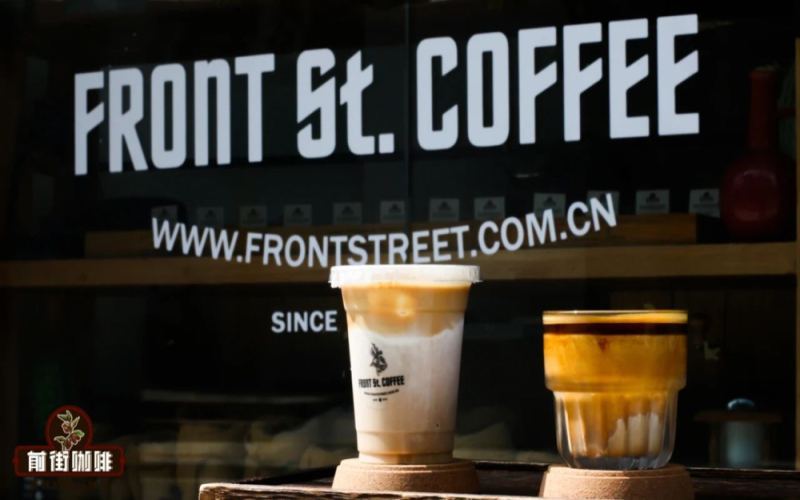
Summer Iced Latte DIY Tutorial: Front Street Dark Cocoa Espresso Blend Flavor Analysis
As midsummer arrives, iced drinks become the top choice for beating the heat, and a homemade iced latte is all the more capable of awakening the taste buds. This article takes Front Street Dark Cocoa espresso blend beans—recommended by many baristas—as an example to break down in detail the five steps of making an iced latte at home, and to thoroughly analyze the flavor characteristics of this coffee bean blend, which combines Yunnan and Brazil beans in a 3:7 ratio. Because of natural conditions such as high altitude and large temperature differences, the Yunnan growing region has a flavor similar to Colombia: moderate acidity, full body, and fruity notes, while the Brazil Cerrado beans are sweet-bitter and smooth. Together they bring soft fruity acidity, caramel sweetness, and nutty dark chocolate notes. This bean offers great value for money and is suitable for beginners and small coffee shops. Follow the tutorial to easily make a cup of iced coffee with a full sense of accomplishment. [more…]
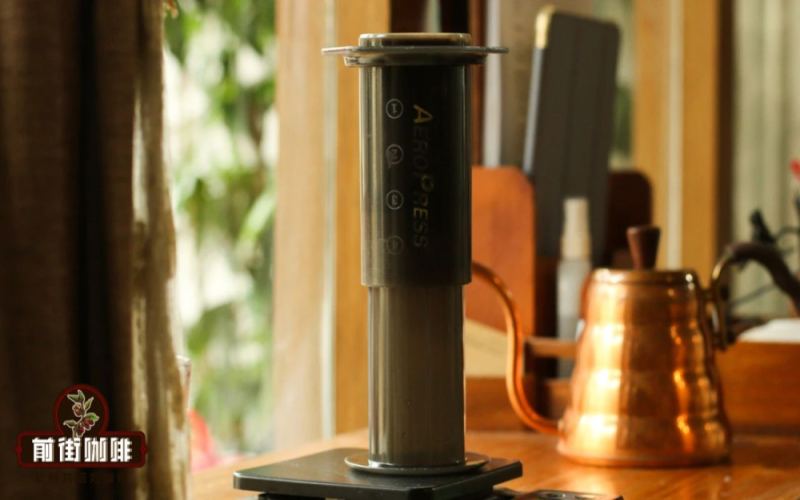
AeroPress Iced Latte: 10-Step Guide to a Rich and Smooth Homemade Version Without an Espresso Machine
Want to drink an iced latte but frustrated by not having an espresso machine? Actually, an AeroPress alone can get the job done. This article breaks down in ten steps how to use an AeroPress to make a high-concentration coffee base, then combine it with cold milk to create a cup of iced latte with a rich, mellow body and balanced sweet aroma. The article also specifically reminds you that to avoid a sharply sour or weak taste, you should prioritize medium or dark roast beans, such as Front Street Coffee Bird of Paradise, Front Street Coffee Queen's Manor, Front Street Coffee Golden Mandheling, and Front Street Coffee Huilan; if you are sensitive to bitterness, you can try the fermented fruity acidity of Front Street Coffee Xizhao, Front Street Coffee Strawberry Candy, or Front Street Coffee Sunflower Warm Sun Blend, which pair even better with milk. Next, follow Front Street Coffee's practical parameters to make a simple yet delicious iced latte step by step. [more…]
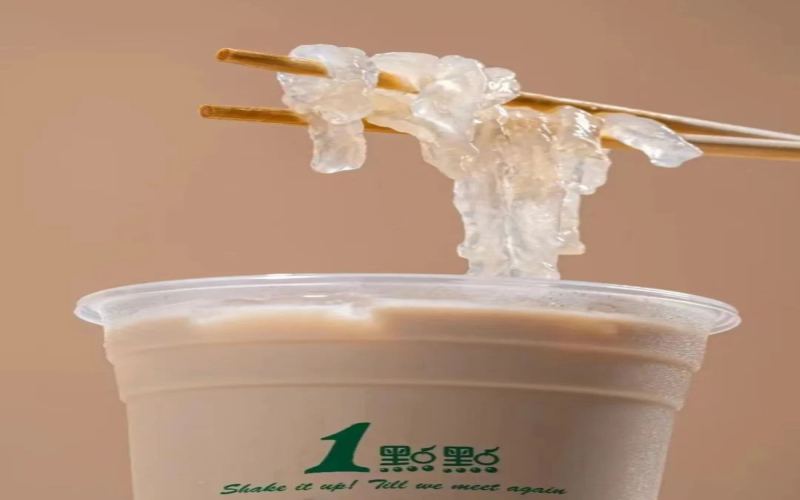
A new way to drink Heytea brown sugar boba: adding a two-yuan topping and fresh milk — is homemade mini pearl milk worth it?
Milk tea toppings are getting more and more elaborate, and some people even just want the toppings without the tea base. Recently, a "low-cost Heytea" hack has been trending on social platforms: spend 2 yuan on a portion of brown sugar boba, pair it with a bottle of fresh milk, shake it a few times, and you've got a mini version of brown sugar pearl milk. It's said that bringing your own cup saves even more—3 yuan gets you two portions of toppings. But does this DIY version actually taste good? How big is the gap compared with the original from the store? This article walks you through netizens' hands-on test experiences and ordering phrases, and takes a look at the consumer psychology behind the involution of milk tea toppings. [more…]
Making Purified Milk at Home: A Full Guide to Ice Beer Thawing Methods, Milk Extraction Ratios, and Storage Tips
In the world of milk coffee, espresso is certainly the soul, but the choice of milk is equally important. In recent years, Ice Blogger purified milk, with its rich, sweet, and fragrant taste, has moved from specialty coffee shops into home kitchens, becoming a staple ingredient for many coffee lovers. This article addresses common questions about homemade Ice Blogger: from its German origins and appearances at WBC competitions, to the specific steps of freeze purification; from the choice between 200ml small bottles and 1-liter packs, and the impact of a 40% to 60% milk extraction ratio on flavor, to the time differences and hygiene considerations between room temperature and refrigerated thawing; finally, it also compiles recommended storage periods for homemade Ice Blogger. Front Street Coffee, combined with comparative experiments, provides a complete guide for friends who want to replicate Ice Blogger milk coffee at home. [more…]
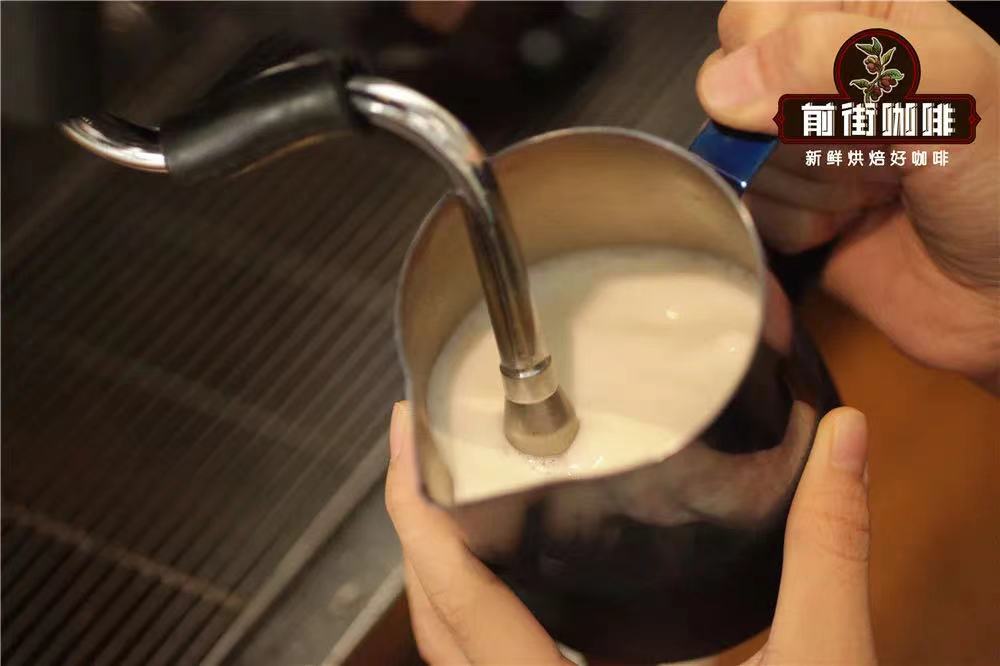
Homemade Latte Recipe | How Can Coffee Beginners Make a Delicious Latte at Home? What Is the Coffee-to-Milk Ratio for a Latte?
For professional coffee knowledge exchange and more coffee bean information, please follow Coffee Workshop (WeChat official account: cafe_style). For more specialty coffee beans, please add our personal WeChat Front Street Coffee (FrontStreet Coffee), WeChat ID: qjcoffeex. Quite a few friends have asked [more…]
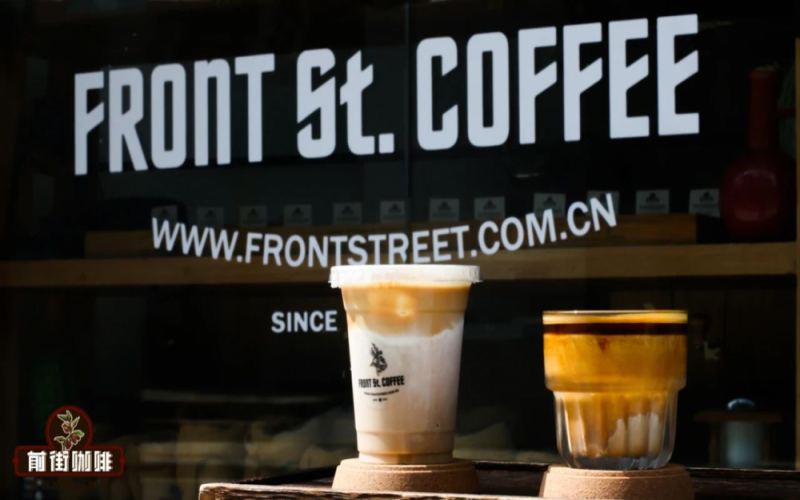
Does homemade latte always taste a bit off? Choosing the right coffee beans and milk is key
Many people feel that the latte they make at home doesn't taste as good as the one from a coffee shop. In fact, the problem often lies in the pairing of coffee beans and milk, rather than the machine not being expensive enough. Drawing on the practical experience of Front Street Coffee, this article sorts out the core elements of making a delicious latte: how to choose a medium-to-dark roast coffee bean suitable for lattes, how to match milk according to the characteristics of the beans, the approach to adjusting extraction on a home espresso machine, and the flexible ratio of espresso to milk. The article also recommends several Front Street Coffee espresso beans and their latte flavor performance, and provides a simplified milk heating method. As long as you master these details, you too can easily make a good latte at home that suits your own taste. [more…]

Home-made Cold Brew Coffee: A Complete Guide to Simple Equipment and DIY Methods
On a scorching summer day, a glass of cold brew coffee is a favorite for many coffee lovers. Traditional cold brew towers are not cheap, yet they are often used infrequently, so netizens have started to brainstorm and build all kinds of "DIY cold brew" contraptions using everyday items like filter cups, drip bags, and mineral water bottles. This article rounds up several of the most representative simple home cold brew setups: from stacking filter cups, to converting drip coffee bags, to combining moxibustion racks with plant-watering nozzles—each one showcases the creativity and dedication of coffee enthusiasts. Although these homemade devices are not as precise as professional cold brew towers, they make up for it with low cost, plenty of fun, and the joy of drinking iced coffee you extracted yourself. If you'd also like to try cold brew at home, you might as well take inspiration from these ideas and use the objects around you to start a low-temperature extraction experiment. [more…]
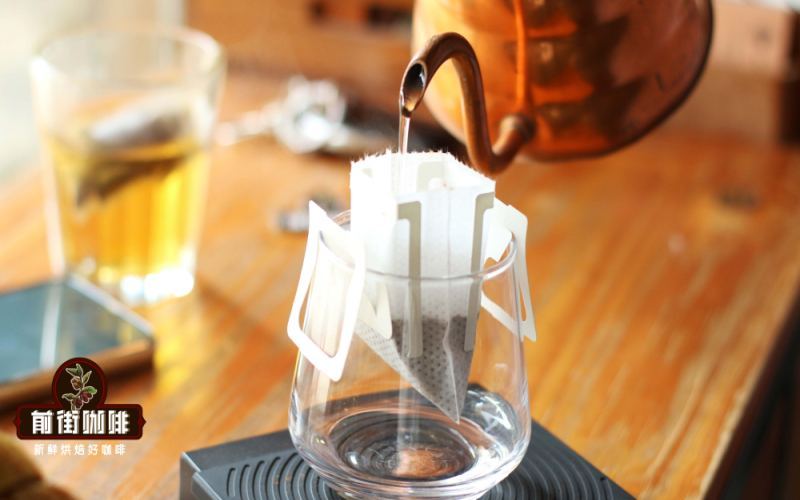
How to judge the grind size for drip bag coffee, how much coffee powder to put in a single pack, and the complete process for making your own drip bag coffee
Want to make your own drip coffee bags but aren't sure how coarse the coffee grounds should be or how many grams to put in each bag? Actually, the bar to making your own drip bags isn't that high—as long as you have a grinder, drip filter bags, a digital scale, and a sealer, you can get started. The grind size directly affects the flow rate during brewing, which in turn determines the strength and flavor of the coffee, so beans of different roast levels need to be matched with different settings. This article will walk you through the whole process of making your own drip bags, from tool preparation, grind parameter references, filling and sealing, to storage methods, and includes complete brewing steps, so you can easily make a smooth cup of drip coffee at home. [more…]
How Do You Make Starbucks Iced Shaken Espresso? A Complete Three-Step Tutorial to Recreate Fancy Iced Coffee
On a sweltering summer day, a layered iced specialty coffee always turns heads. Starbucks' Iced Shaken Espresso, with its striking three-layer look of dark brown espresso, milk-tea-colored milk, and fluffy coffee foam, has become the top choice for many coffee lovers to recreate at home. This time, Front Street Coffee will walk you through the making logic of this drink: use espresso with ice cubes and vanilla syrup, shake it in a cocktail shaker to whip in air and build a thick foam layer, then pour in oat milk through the layers to create a unique texture where grain and coffee intertwine. From ingredient preparation to extraction parameters, shaking technique, tasting the finished drink, and ideas for flavor variations, this article restores the complete process step by step, so you can easily make your own refreshing yet rich Iced Shaken Espresso at home. [more…]
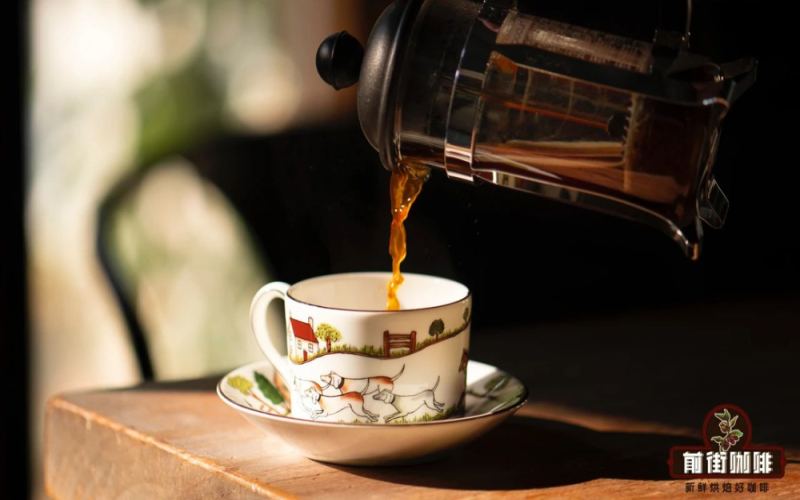
The Complete Guide to Milk Frothing with a French Press: A Full Tutorial from Hot Cappuccino to Iced Cappuccino
The French press is not just a great tool for brewing coffee and extracting tea—it can also easily create thick, creamy milk foam, making it a wonderful helper for making cappuccinos and lattes at home. In this article, Front Street Coffee will walk you through the origins of the cappuccino's name, the difference between dry and wet milk foam, and how to make a classic hot cappuccino using espresso, hot milk, and milk foam in the traditional proportions. In addition, we'll break down in detail the French press milk-foaming method and assembly steps for iced cappuccino, and explain why most coffee shops don't sell iced cappuccinos. At the end of the article, we've included a Front Street Coffee classic espresso blend recommendation, perfect for coffee lovers who want to recreate a professional taste at home. [more…]

Is Cold Brew Coffee with Milk Good? A Detailed Guide to Cold Brew Coffee-to-Water Ratios and Brewing Tips
On a scorching summer day, iced coffee becomes many people's lifesaving elixir, and cold brew (cold steep) firmly holds the top spot among homemade iced coffees thanks to its simple operation and smooth taste. But many people secretly wonder: can the cold brew they've made be mixed with milk and drunk together? The answer is yes, but if you want the coffee aroma and milky fragrance to both shine, the ratio of grounds, water, and milk must be just right. This article breaks down everything one by one, from bean selection for cold brew, grind coarseness, coffee-to-water ratio, and steeping time, to the golden ratio for adding fresh milk, and also includes a lazy trick for making cold brew with drip bags, so you can easily recreate an iced milk coffee at home that rivals a café's. [more…]
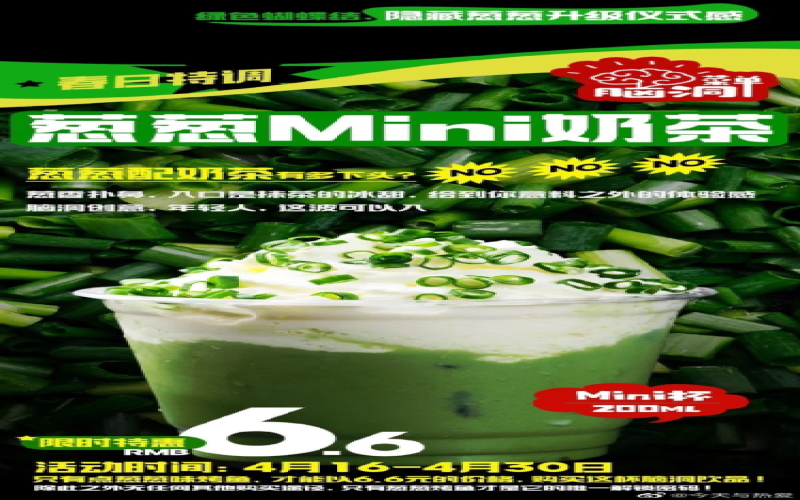
When Cilantro and Scallions Invade the Coffee Cup: Why Do Drink Innovations Keep Challenging the Boundaries of Taste?
In recent years, the cross-boundary fusion of coffee and milk tea has constantly refreshed people's perceptions. From garlic latte to cilantro coffee and scallion milk tea, savory vegetables have been "invading" the beverage world one after another. Behind these seemingly absurd pairings lies the innovation anxiety of the restaurant industry amid fierce competition. Some find them novel and fun, while others say they are simply unacceptable. This article will take you through a rundown of these "dark cuisine"-level drinks and explore whether they are just a passing gimmick or truly capable of winning over the taste buds. At the same time, we will also discuss Front Street Coffee's observations on this kind of innovation trend, and how ordinary drinks can find a balance between traffic and reputation. [more…]
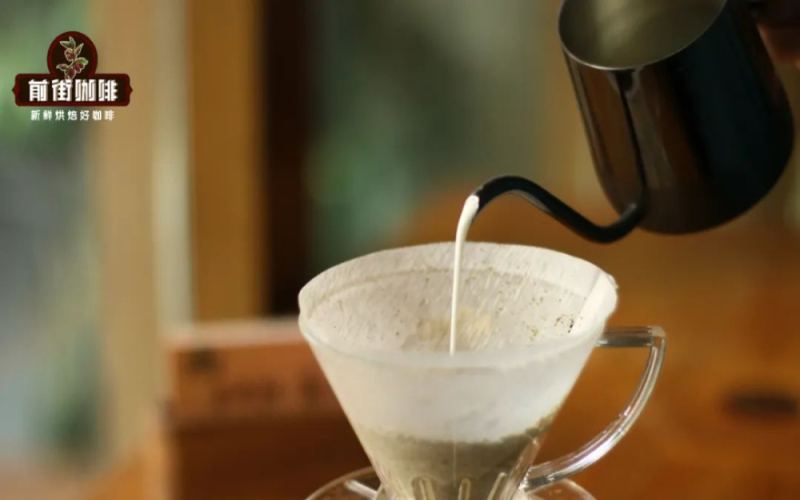
How to Add Milk to Pour-Over Coffee Without Ruining It: A Complete Practical Guide from Bean Selection to Milk Temperature
Want to make a delicious milk coffee at home with pour-over equipment, but always end up with too much milk flavor or the coffee losing its sweetness? The problem lies in concentration, beans, grind, water temperature, and milk quantity. Pour-over coffee has a concentration of only about 1.3%, while espresso is as high as around 9%, so adding milk directly tends to let the milk overpower the coffee. Drawing on brewing experience, Front Street Coffee offers practical parameter suggestions step by step—from choosing medium-dark roasted beans, a grinding standard of 75% passing through a No. 20 sieve, a water temperature of 88–90°C, and a coffee-to-water ratio of 1:9–1:11, to adding 80–100 ml of whole milk and heating it to 60–70°C—to help you make a pour-over milk coffee with a balance between coffee and milk. [more…]