







Search Results for: homemade drip bag
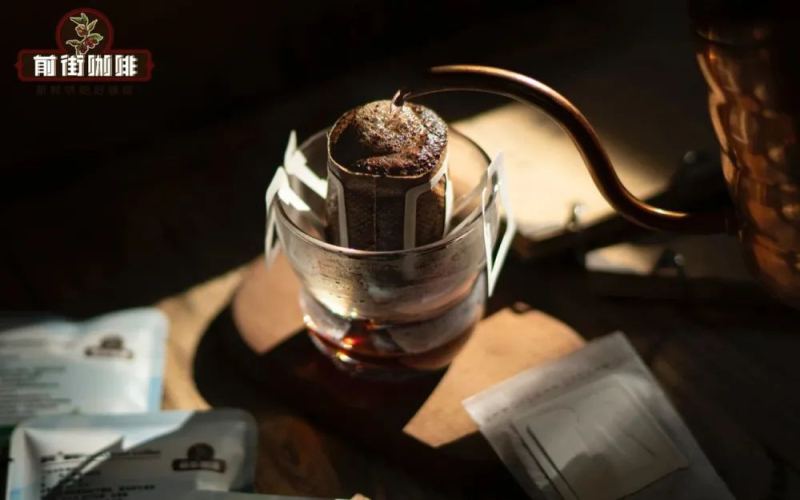
How to choose the grind size for pour-over coffee? How many grams of grounds should go into each homemade drip bag?
More and more people are starting to drink pour-over coffee, but busy daily life makes drip bags a compromise choice. Buying ready-made drip bags is convenient, but the aroma fades quickly; buying beans and grinding them fresh to make your own locks in more flavor and saves you from worrying about them going stale. This article is for friends who want to make their own drip bags at home. It first breaks down how coarse pour-over coffee beans should be ground—what sieve passing rates and EK43s and C40 settings correspond to light-medium roasts, medium-dark roasts, and dark-roast espresso beans—then uses Yirgacheffe Red Cherry as an example to demonstrate, and finally explains in three steps the 10g-per-packet portioning, sealing, and storage method, with reference to several Front Street Coffee drip bag flavor profiles. [more…]
Detailed Guide to Yirgacheffe Drip Bag Coffee Brewing Steps: Homemade Drip Bag Method and Analysis of Whether It Can Be Re-brewed
Drip bag coffee has become a convenient choice for busy people to enjoy specialty coffee, but many find it difficult to reproduce its intended flavor when brewing at home. Using Front Street Coffee's Yirgacheffe drip bag coffee as an example, this article explains in detail the complete brewing process from temperature-controlled pouring to bloom extraction. It also shares how to make your own drip bags using fresh coffee beans, and provides a professional answer to the common question of "can a drip bag be brewed a second time?" Whether you are a beginner just getting into pour-over or an enthusiast looking to enhance your daily coffee experience, you will find practical tips here. [more…]
How Should You Drink Yirgacheffe Drip Bag Coffee Correctly? A Complete Guide to Front Street Red Cherry and Two Other Flavors Plus Homemade Brewing
Drip coffee bags, with their combination of portability and flavor, have become the daily go-to for many busy coffee lovers. This article focuses on Yirgacheffe, a classic growing region, introducing the origin information and flavor characteristics of three drip coffee bag products from Front Street Coffee: the washed Yirgacheffe, the sun-dried Red Cherry, and the Gutingding, while also explaining how to make your own drip coffee bags at home using fresh coffee beans, including specific steps such as bean selection, grinding, bagging, and sealing. In response to many customers reporting unsatisfactory results when brewing drip coffee bags, the article also breaks down water temperature control and staged pouring techniques in detail, helping you consistently extract a good cup of coffee with both floral notes and fruity acidity even without a digital scale. [more…]
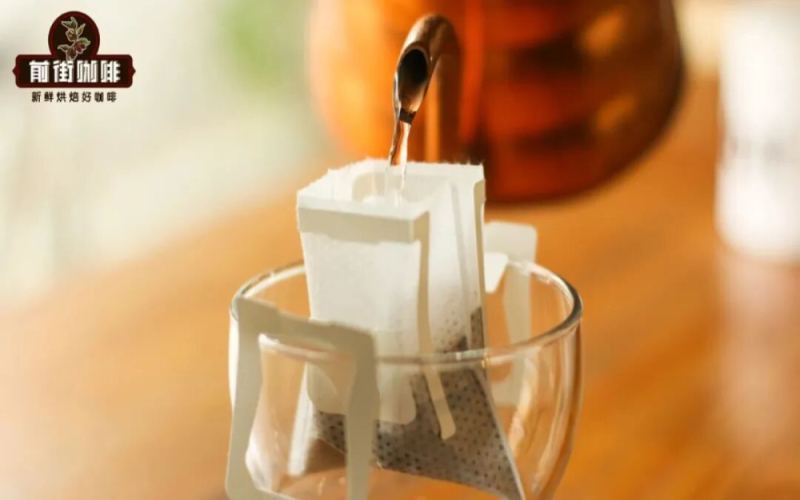
Can Drip Bag Coffee Brew a Latte-Like Flavor? Four Detailed Homemade Methods to Increase Concentration
Many people only have drip bags on hand but want to drink a latte with a milky aroma—is this actually possible? The black coffee brewed from a drip bag is far less concentrated than espresso, and adding milk directly tends to make it weak and separated. But drip bags originate from pour-over, which is highly versatile; as long as you find a way to increase the concentration of the coffee liquid, you can make a decent-tasting "fake latte." This article compiles four practical methods summarized by Front Street Coffee: the stirring method, the repeated brewing method, the milk brewing method, and the added milk powder method, and recommends medium-to-dark roast beans suitable for pairing with milk, such as Indonesian Mandheling, Colombian Huila, Queen's Estate, Cerrado, and Blue Mountain No. 1. Whether at home, in the office, or camping, you can achieve a rich and smooth milk coffee experience with simple steps. [more…]
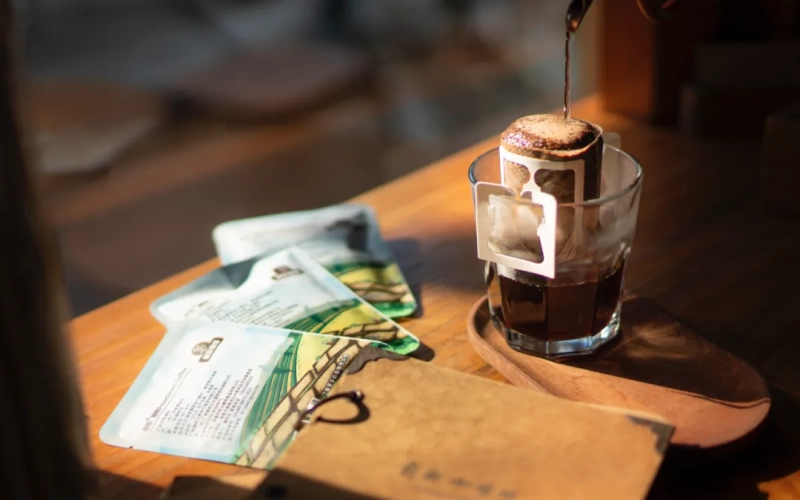
How to Choose the Grind Size for Drip Bag Coffee? Parameters for Each Roast Level, Brand Flavors, and DIY Steps
The grind size of drip bag coffee directly affects the extraction flow rate and the final flavor, and different roast levels need to be matched with different grinder setting parameters. This article will cover three categories—light-medium roast, medium-dark roast, and espresso blend—and provide the specific grind settings and sieving rate references for the EK43s and C40 grinders, and recommend corresponding products such as Front Street Yirgacheffe, Natural Huakui, Mandheling, Brazil Cerrado, and the classic espresso blend. At the same time, it provides a complete introduction to the entire homemade drip bag process, from bean selection and grinding, filling and sealing, to storage and optimal flavor period management, helping coffee enthusiasts make drip bags with stable flavor at home. [more…]
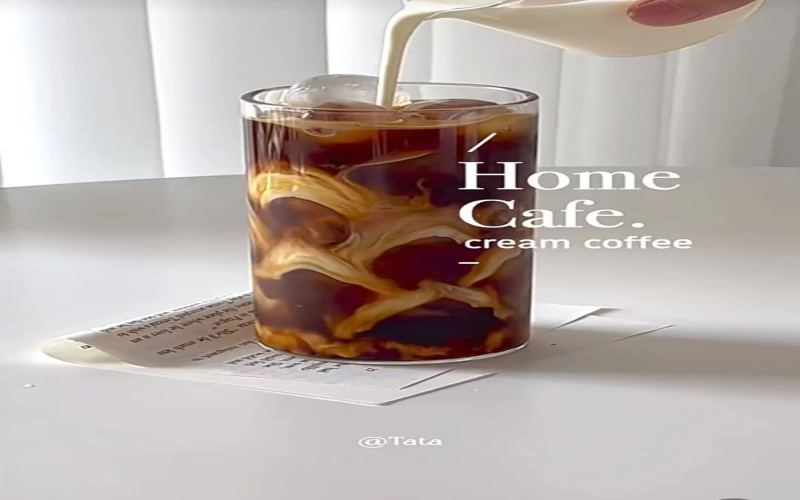
Can you easily make trendy coffee at home? Analysis of Xiaohongshu viral homemade coffee preparation ideas and trends
In recent years, the popularity of homemade coffee on social platforms has continued to climb. From Xiaohongshu to Douyin, related topics have reached view counts in the hundreds of thousands. From the earliest simple recreations of coconut lattes, to richly layered fruit-infused specialty drinks, and then to wildly imaginative creative twists, netizens keep reinventing the way coffee is enjoyed. Why has homemade coffee gone viral so quickly? And what impact has it had on coffee shops? This article will sort through the evolution of popular homemade coffee on Xiaohongshu, analyze the shifts in consumer habits and cost advantages behind it, and explore the relationship between homemade coffee and the professional path of coffee shops. At the same time, the article also retains relevant information about brands such as Front Street Coffee for coffee enthusiasts to reference and discuss. [more…]
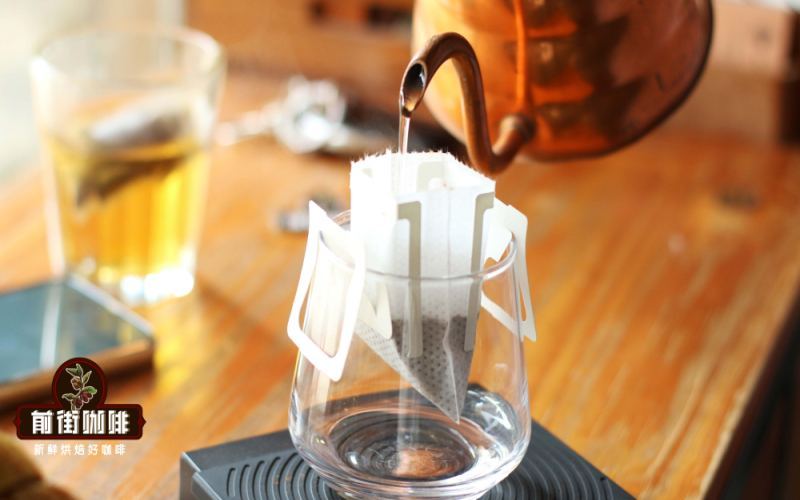
How to judge the grind size for drip bag coffee, how much coffee powder to put in a single pack, and the complete process for making your own drip bag coffee
Want to make your own drip coffee bags but aren't sure how coarse the coffee grounds should be or how many grams to put in each bag? Actually, the bar to making your own drip bags isn't that high—as long as you have a grinder, drip filter bags, a digital scale, and a sealer, you can get started. The grind size directly affects the flow rate during brewing, which in turn determines the strength and flavor of the coffee, so beans of different roast levels need to be matched with different settings. This article will walk you through the whole process of making your own drip bags, from tool preparation, grind parameter references, filling and sealing, to storage methods, and includes complete brewing steps, so you can easily make a smooth cup of drip coffee at home. [more…]
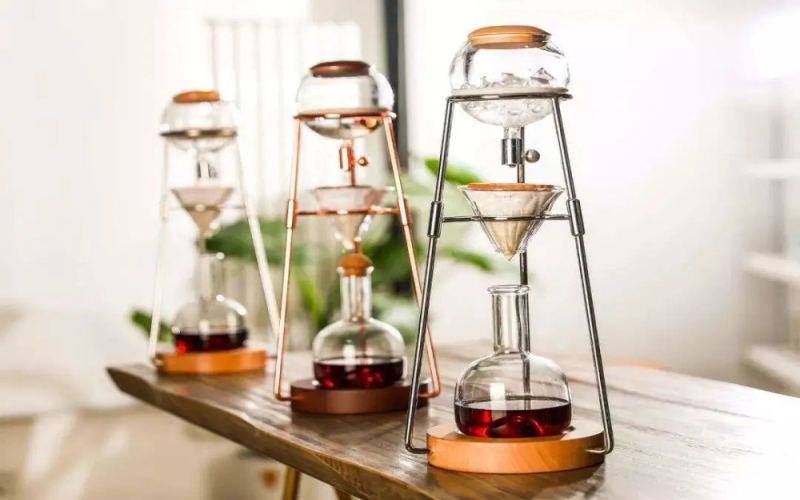
Home-made Cold Brew Coffee: A Complete Guide to Simple Equipment and DIY Methods
On a scorching summer day, a glass of cold brew coffee is a favorite for many coffee lovers. Traditional cold brew towers are not cheap, yet they are often used infrequently, so netizens have started to brainstorm and build all kinds of "DIY cold brew" contraptions using everyday items like filter cups, drip bags, and mineral water bottles. This article rounds up several of the most representative simple home cold brew setups: from stacking filter cups, to converting drip coffee bags, to combining moxibustion racks with plant-watering nozzles—each one showcases the creativity and dedication of coffee enthusiasts. Although these homemade devices are not as precise as professional cold brew towers, they make up for it with low cost, plenty of fun, and the joy of drinking iced coffee you extracted yourself. If you'd also like to try cold brew at home, you might as well take inspiration from these ideas and use the objects around you to start a low-temperature extraction experiment. [more…]
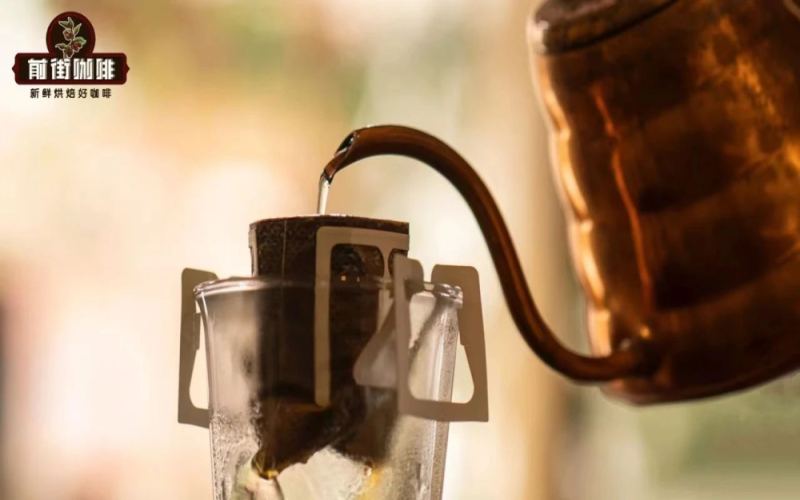
What Is Drip Bag Coffee? A Detailed Guide to Brewing Methods and DIY Steps, Including Milk Ratios and Water Temperature Recommendations
Drip bag coffee has become a convenient choice in recent years for urban white-collar workers, students, and pour-over enthusiasts. Compared with instant products that offer a single flavor profile, this freshly ground specialty coffee retains a rich aroma while eliminating the hassle of a full set of pour-over equipment. This article will start with the basic concept of drip bags, then explain in detail the water temperature, pouring technique, and timing control during brewing, and offer recommendations on roast level selection for pairing with milk. At the same time, the article will also explain step by step how to make your own custom drip bags at home using coffee beans, a grinder, and a sealing machine, helping you enjoy a consistently good cup of black coffee or milk coffee anytime in your busy daily routine. [more…]
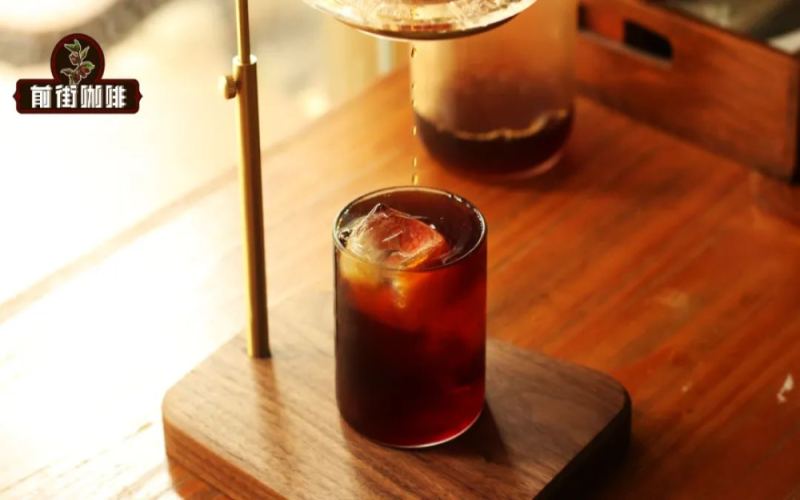
Is Cold Brew Coffee with Milk Good? A Detailed Guide to Cold Brew Coffee-to-Water Ratios and Brewing Tips
On a scorching summer day, iced coffee becomes many people's lifesaving elixir, and cold brew (cold steep) firmly holds the top spot among homemade iced coffees thanks to its simple operation and smooth taste. But many people secretly wonder: can the cold brew they've made be mixed with milk and drunk together? The answer is yes, but if you want the coffee aroma and milky fragrance to both shine, the ratio of grounds, water, and milk must be just right. This article breaks down everything one by one, from bean selection for cold brew, grind coarseness, coffee-to-water ratio, and steeping time, to the golden ratio for adding fresh milk, and also includes a lazy trick for making cold brew with drip bags, so you can easily recreate an iced milk coffee at home that rivals a café's. [more…]
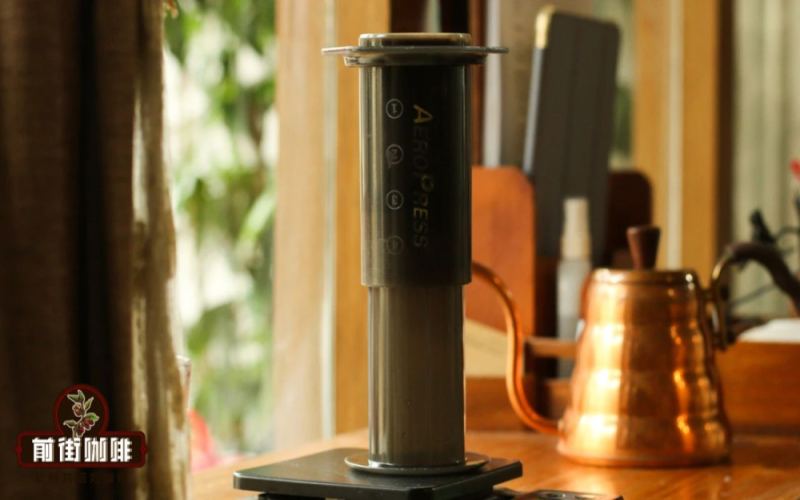
AeroPress Iced Latte: 10-Step Guide to a Rich and Smooth Homemade Version Without an Espresso Machine
Want to drink an iced latte but frustrated by not having an espresso machine? Actually, an AeroPress alone can get the job done. This article breaks down in ten steps how to use an AeroPress to make a high-concentration coffee base, then combine it with cold milk to create a cup of iced latte with a rich, mellow body and balanced sweet aroma. The article also specifically reminds you that to avoid a sharply sour or weak taste, you should prioritize medium or dark roast beans, such as Front Street Coffee Bird of Paradise, Front Street Coffee Queen's Manor, Front Street Coffee Golden Mandheling, and Front Street Coffee Huilan; if you are sensitive to bitterness, you can try the fermented fruity acidity of Front Street Coffee Xizhao, Front Street Coffee Strawberry Candy, or Front Street Coffee Sunflower Warm Sun Blend, which pair even better with milk. Next, follow Front Street Coffee's practical parameters to make a simple yet delicious iced latte step by step. [more…]

Analysis of the Causes of Slow Cold Brew Drip Filtration and Three Speed-Up Solutions
When making cold brew at home, the most frustrating part is usually the filtering stage—the coffee liquid drips slower and slower, and even after more than ten minutes it still hasn't finished filtering, with the filter paper completely clogged by fine particles. Why is the filtering speed of cold brew so much slower than pour-over at the same grind size? The main reason is that fine particles clump together and block the pores of the filter paper. Through comparative experiments, Front Street Coffee has summarized three efficient and practical cold brew filtering techniques: cold brewing directly in a non-woven filter bag, insisting on stirring before straining out the grounds, and using coarse coffee grounds as a base layer to intercept fine particles. This article breaks down the principles and operational details of each method one by one, helping coffee lovers quickly enjoy a cup of full-flavored homemade iced coffee even on a busy morning. [more…]
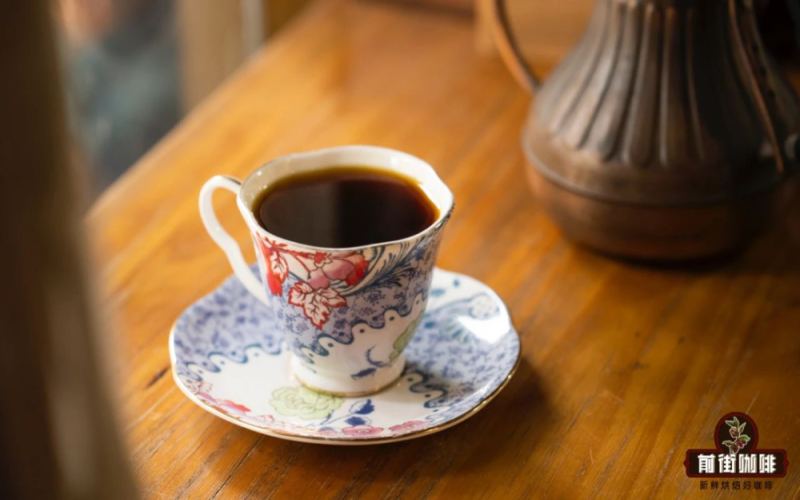
How to Make Your Own Drip Coffee Bags: A Beginner's Guide to Making Pour-Over Bags at Home and Brewing Yirgacheffe Red Cherry Drip Black Coffee
As more and more people join the coffee-drinking ranks, here at Front Street we have quite a few white-collar workers and university students around us—even high schoolers have started drinking pour-over. Compared with the one-note taste of instant coffee, today's young people clearly favor freshly ground specialty coffee, especially aromatic black coffee, and the varieties are incredibly diverse. [more…]
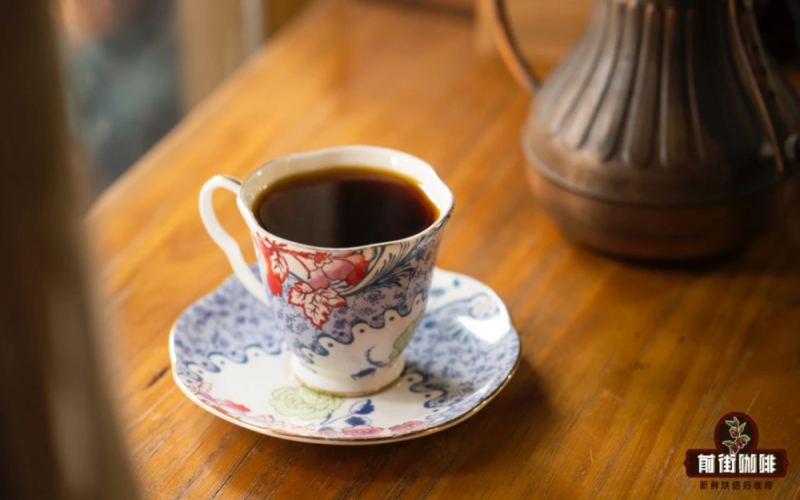
The Correct Brewing Method for Filter Coffee Bags: Can You Brew Yirgacheffe Drip Coffee Bags a Second Time? How Can Coffee Beginners Make Their Own Drip Coffee Bags at Home?
For more specialty coffee knowledge, please follow our WeChat official account: Front Street Coffee (FrontStreet Coffee). As more and more people join the coffee-drinking ranks, many white-collar workers and university students around Front Street are doing the same—even high schoolers have started drinking pour-over. Compared with the one-dimensional taste of instant coffee, [more…]
Can you brew drip bag coffee directly with milk? Testing the correct method for milk-brewed drip bags and convenient alternatives
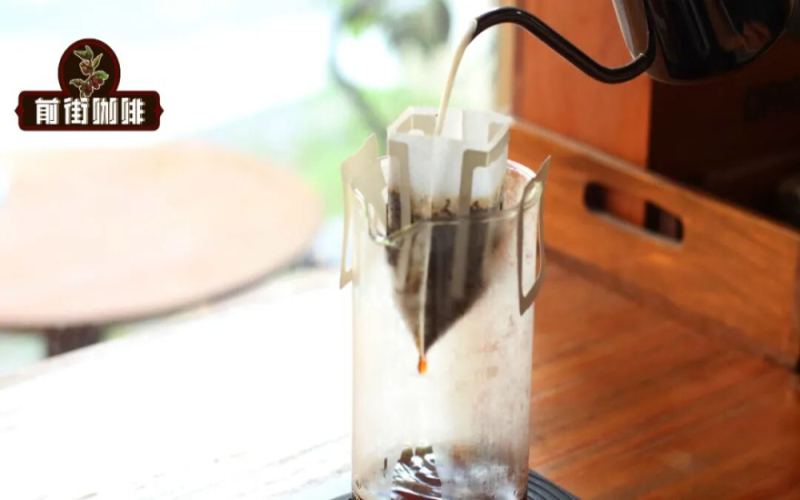
Drip coffee bags have always been primarily brewed with hot water, but some coffee enthusiasts prefer a rich and smooth taste, so they try using milk directly to extract the drip bag, hoping to create a homemade version of a latte. Can milk really replace hot water to complete the extraction? Front Street found through actual testing that due to the high protein and lactose content in milk, its extraction capacity is far inferior to hot water. If the conventional drip bag brewing method is directly applied, it often results in a cup of coffee with a weak flavor or even sourness. To compensate for this deficiency, Front Street tried a method of first blooming with hot water, then injecting heated milk in stages, and provided bean selection suggestions for different roast levels. However, the test results showed that after the milk comes into contact with the coffee grounds, the fine particles swell and clog the filter bag, and the entire process takes up to twenty minutes, which is far from the original intention of the convenience of drip bags. So, what other more convenient options are there for those who want to drink drip bag milk coffee? This article will reveal them all. [more…]
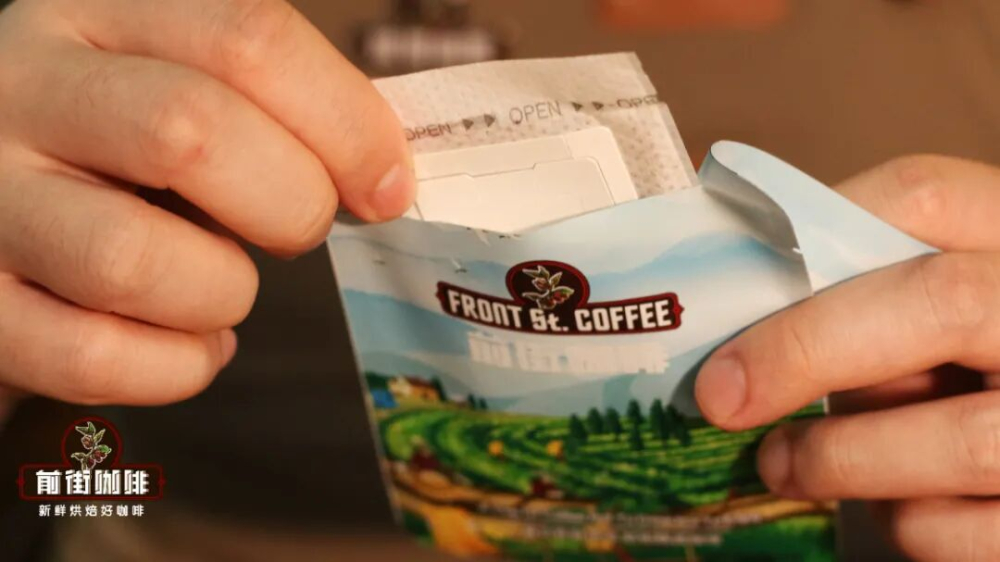
Drip Bag Varieties Recommended | Which brand of drip bag pour-over coffee packs is better? How to make your own drip bag coffee? How to brew drip bag coffee packs for the best taste?
For more specialty coffee knowledge, please follow: Front Street Coffee (Frontsteet Coffee) In 1990, Yamanaka Sangyo Co., Ltd. of Japan applied the concept of tea bags to coffee, invented the drip bag coffee and applied for a patent. With the demand of the specialty coffee market, more and more people are starting to buy drip bag cof [more…]
Analysis of the Flavor Differences Between Ice Bock Latte and Regular Latte, and a Detailed Guide to Making Ice Bock Milk at Home
In recent years, ice bock milk coffee has set off a craze in the coffee world, with many cafés offering it as a signature product, and the refrigerated refined milk launched by Biro further fueled this trend. But even before that, some coffee shops were already using homemade ice bock milk to make drinks. So what exactly is ice bock? How does it differ in flavor from an ordinary latte? This article will start with the origin and principles of ice bock, teach you step by step how to make ice bock milk at home, and share Front Street Coffee's review of the flavor characteristics of ice bock milk, as well as its excellent performance when paired with espresso to make a Dirty. [more…]
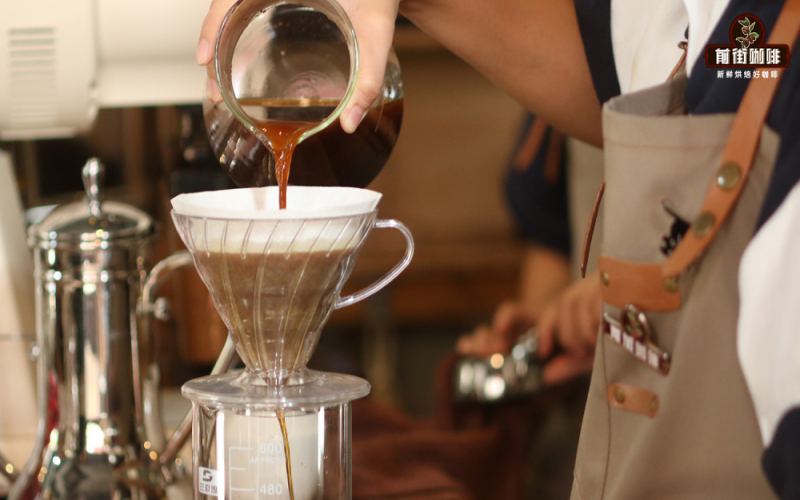
How should you choose the right bean variety for cold brew coffee? And how should you gauge the grind size and the amount of water for steeping?
As the hot summer approaches, homemade iced coffee has become a favorite among many coffee lovers, and cold brew stands out as the most popular chilled drink thanks to its simple process and easy home setup. But cold brew isn't something you can nail with just any bag of beans—the variety you choose, how fine you grind, and how much water you add all directly affect the final flavor. Starting from Front Street Coffee's hands-on cold brew practice, this article breaks down the coffee-to-water ratio, grind standard, steeping time, and filtering details in detail, and recommends three light-to-medium roast beans suitable for cold brew, including Panama Butterfly, Yirgacheffe Red Cherry Project, and Costa Rica Mozart. It also explains how long the finished cold brew should rest before drinking and how many days it can be kept refrigerated, so you can consistently make a clean, balanced, and refreshingly cold brew at home. [more…]
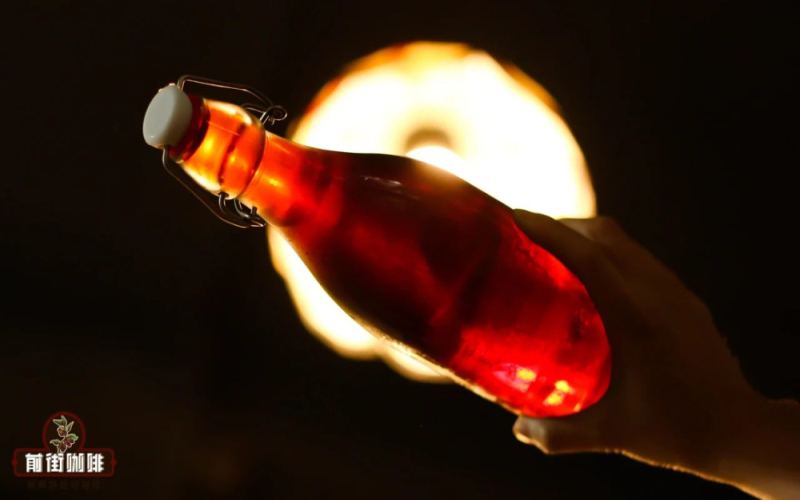
Cold Brew Coffee DIY Guide: Bean Selection Tips, Brewing Ratios, and Answers to Common Questions
In the world of iced coffee, Cold Brew has won the hearts of many coffee lovers thanks to its simple preparation and smooth, rounded flavor. Taking a practical approach, this article walks you through the benefits of cold brew coffee, how to choose the right coffee beans, and the cold brew steps you can complete at home without any specialized equipment. We'll also use Front Street Butterfly coffee beans as an example to share a low-temperature slow-brew method with a 1:10 coffee-to-water ratio, and answer common questions about caffeine, acidity, grind size, storage time, and more, helping you easily make a cup of cold brew coffee that's full of fruity aroma, refreshing, and pleasant. [more…]
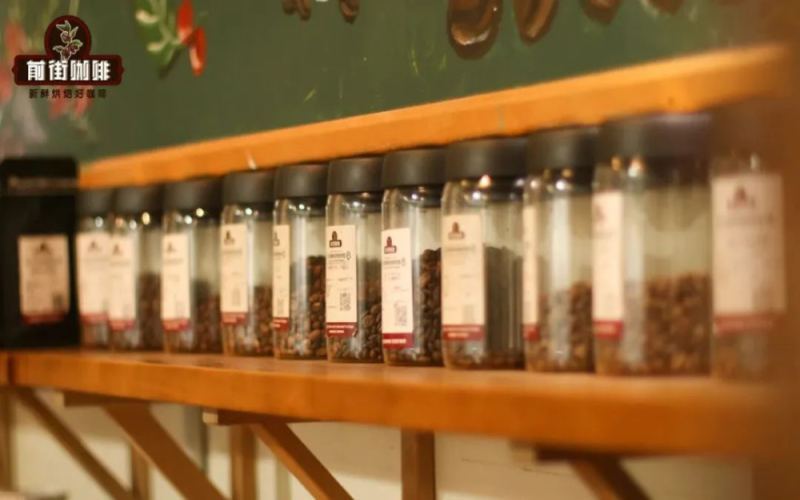
A Bean Selection Guide for Italian-Style Milk Coffee: How to Choose Between Single-Origin, Blends, and SOE, Plus Key Points for Making a Latte
As the most widely consumed coffee beverage, latte is not only the sales driver for cafés but also the go-to choice for many enthusiasts starting out with espresso. However, when faced with the dazzling array of coffee bean products on the market, should you use single-origin, blend, or SOE to make espresso-based milk coffee? What kind of flavor performance do different roast levels and processing methods bring? This article will start from the definition of latte, sort out the logic for choosing espresso beans versus pour-over beans, analyze the flavor differences between dark-roast blends and light-roast SOE, and, combined with Front Street Coffee's specific bean list cases, provide production suggestions for medium-roast or flavor-oriented single-origin beans, helping readers find the latte bean solution that best suits their own taste. [more…]