







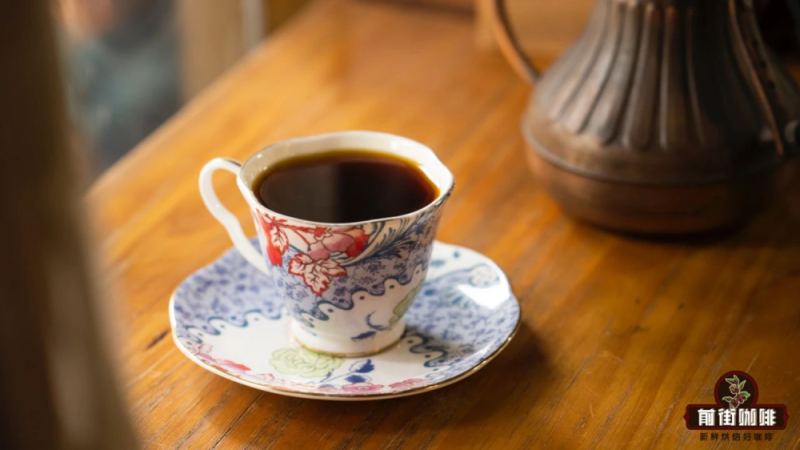
Can Drip Bag Coffee Be Brewed a Second Time?
No. A drip bag is designed for one brew, and reusing it yields weak, mostly bitter water because the soluble flavor has already been extracted. The correct method is a short bloom with hot water, then slow, steady pouring in stages, keeping the water level just above the coffee bed so the bed does not collapse and channel.
For freshness, some drinkers make their own drip bags from roasted beans, which preserves more aroma. The tools are simple: a grinder set to pour-over grind, drip filter bags, a digital scale, a sealer and a small spoon. Single-origin beans such as Yirgacheffe, with its berry sweetness and acidity, work well for this.
Drip bag coffee has become a convenient choice for busy people to enjoy specialty coffee, but many find it difficult to recreate its intended flavor when brewing at home. Using Front Street Yirgacheffe drip bag coffee as an example, this article explains in detail the complete brewing process from temperature-controlled pouring to blooming and extraction, while also sharing how to make your own drip bags with fresh coffee beans, and providing a professional answer to the common question of "can drip bags be brewed a second time?" Whether you are a beginner just getting into pour-over or an enthusiast looking to enhance your daily coffee experience, you will find practical tips here.
For more specialty coffee knowledge, please follow our WeChat official account: Front Street Coffee (FrontStreet Coffee)
Today's coffee consumer base is growing ever larger. Around Front Street, there are quite a few office workers and students, and even high schoolers are starting to try pour-over. Compared to single-flavor instant products, young people today prefer freshly ground specialty coffee, especially black coffee with rich aromatic layers, and the variety available is quite diverse. However, their fast-paced lifestyles make it hard to brew a fresh cup every day, so drip bags have become the recognized most hassle-free alternative.
Drip bag products on the market can be bought directly. The drip bag series offered by Front Street covers a variety of classic flavors, such as the rich and toasty Front Street Mandheling drip bag coffee, the bold and balanced Front Street Brazil drip bag coffee, the bright and fruity Front Street Yirgacheffe drip bag coffee, and the elegantly floral Front Street Geisha drip bag coffee.
Of course, some friends place more importance on the freshness of the coffee and choose to make their own drip bags using roasted beans. This way, the aroma is preserved more completely, and the tools needed are not complicated—just a grinder, drip filter bags, a digital scale, a sealer, and a small spoon.
How to make drip bags at home?
Step one: pick a coffee bean you like and adjust the grinder to a setting suitable for pour-over grinding.
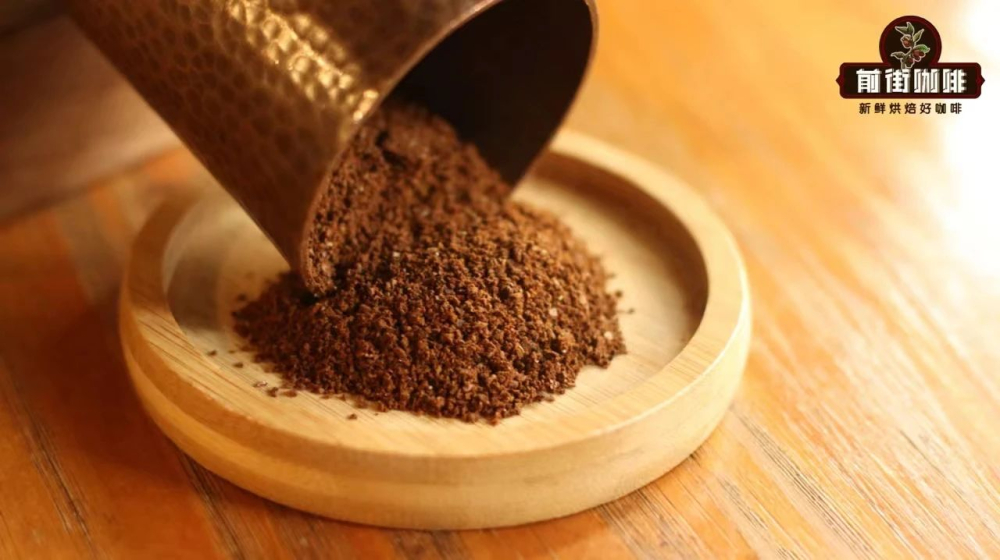
This time Front Street chose the widely popular Front Street Ethiopia Yirgacheffe Red Cherry coffee beans. The fine natural process gives these beans a full berry-like sweetness and acidity. Tasting at different temperatures, you can perceive soft berry acidity, a fermented ripe fruit sensation, clear honey sweetness, and a black tea finish, with a smooth mouthfeel. Front Street's daily brewing grind size is fine granulated sugar particle size, with 80% passing through a Chinese No. 20 standard sieve, corresponding to 10 on an EK43s electric grinder and 24 on a C40 hand grinder.
Step two: place the ground coffee powder on the pre-prepared digital scale, take out a drip bag and open its mouth, and use a spoon to carefully scoop the coffee powder into the bag at 10g per packet.
Step three: plug in the sealer, clamp the heater at the sealing line position, confirm the opening is completely sealed, and the homemade drip bag is complete. To prevent moisture, Front Street recommends placing the finished drip bags in an airtight sealed bag and storing them in a cool, dark place to prevent the aroma compounds from dissipating.
How to brew the finished drip bags for a good cup?
Many customers report that after buying drip bags, no matter how they brew at home, they cannot recreate the flavor described. So they come to ask Front Street where the problem lies. As we all know, whether a cup of coffee tastes good largely depends on factors such as bean freshness, parameter settings, and brewing technique. If the beans are confirmed to be fine and the grind size is fixed, then the reason drip bag coffee doesn't taste good usually lies in the water temperature and pouring technique.
Before brewing, Front Street first boils water and prepares a pouring kettle, a coffee cup, and a packet of Front Street Yirgacheffe drip bag coffee. Front Street's drip bags are made at 10g per packet. After deducting the water absorbed by the coffee grounds themselves, each packet can brew about 120–130ml of coffee liquid.
First, bring the water in the kettle to a boil, and find a coffee cup with a taller body, such as the mug that Front Street likes very much.
Next, tear open the sealed outer packaging, take out the drip bag, tear open the non-woven pocket along the dotted line, pull open the two hooks on the sides, gently shake so the coffee powder settles to the bottom, then hang it on the edge of the cup.
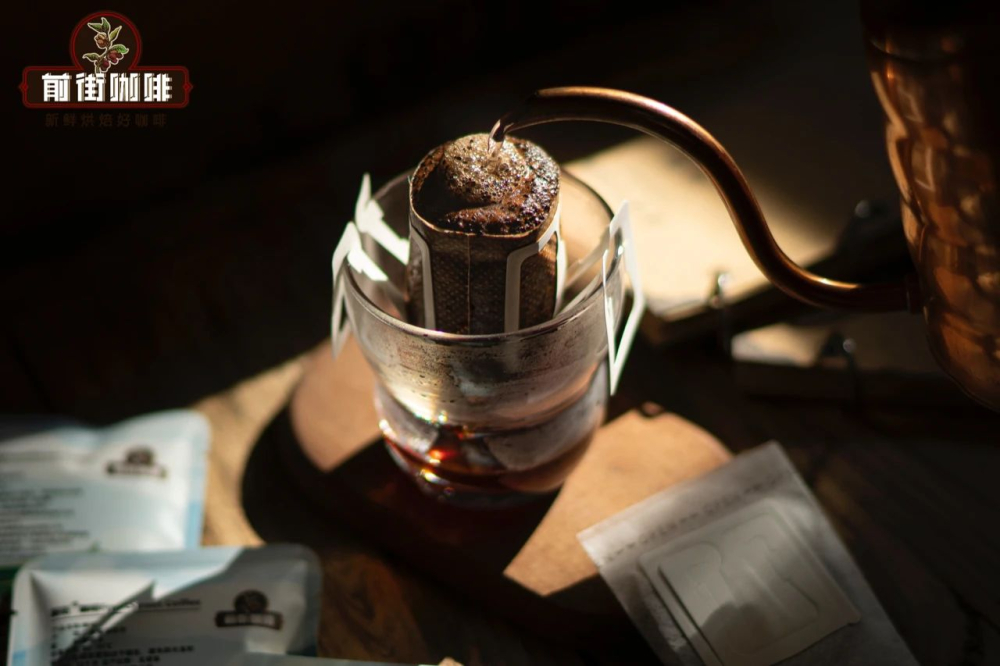
For the first pour, add a small amount of hot water to fully wet all the coffee grounds, and wait about 10–20 seconds for blooming to help release gases from the coffee bed and make the subsequent extraction more stable.
For the second pour, pour steadily with a small stream until the drip bag is nearly full, then wait for the coffee liquid to drop. After the liquid has completely drained, pour the final stage of water, again filling the filter bag. Front Street has measured that the total water poured at this point is about 150g, so no digital scale is needed throughout the process. Once all the coffee liquid has dripped through, extraction is complete.
Before drinking, Front Street gently swirls the coffee liquid to make it even, then directly tastes the pure flavor of the black coffee.
Finally, one more point: many friends, with a mindset of saving, will pour water again over an already-brewed drip bag, only to find that the resulting coffee has neither aroma nor much color. In fact, no matter which extraction method is used, the aroma compounds in coffee are released en masse during the first extraction upon contact with water, and what remains is mainly the more bitter components. So the "coffee liquid" from a second pour basically has no fragrance left, and Front Street does not recommend re-brewing drip bags.
The above content is compiled by CoffeeHunters, a coffee news website.


