







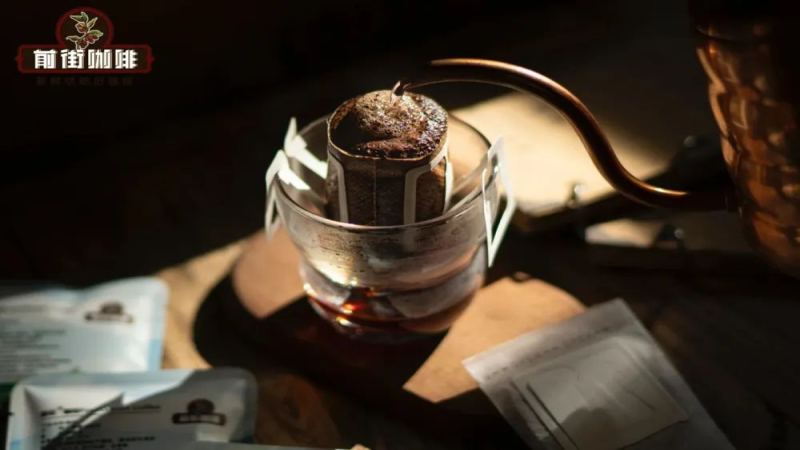
How to prepare coffee powder for do-it-yourself drip bags
For homemade drip bags, use about 10 grams of coffee per bag. Grind finer than standard pour-over because the bag slows water flow: a light-medium roast works around a medium-fine setting, while dark and espresso-roast beans need a coarser grind to avoid harsh, bitter notes. Sieve passing rates and grinder settings on an EK43 or C40 can be adjusted to match each roast level.
Portioning is straightforward once the grind is dialed in: weigh 10 grams, seal each bag immediately, and store them away from air, heat and light. Whole beans keep peak flavor for roughly 30 to 40 days, but ground coffee loses aromatics faster, so pack small batches often rather than in bulk. A Yirgacheffe such as Red Cherry, with its fruity acidity, suits a finer setting for this style.
More and more people are starting to drink pour-over coffee, but busy daily life makes drip bags a compromise choice. Buying ready-made drip bags is convenient, but the aroma fades quickly; grinding beans fresh and making them yourself locks in more flavor and saves you from worrying about spoilage. This article is for friends who want to make their own drip bags at home. First, we break down how coarse pour-over coffee beans should be ground—what sieve passing rates and EK43s and C40 settings correspond to light-medium roasts, medium-dark roasts, and dark-roast espresso beans—then demonstrate with Yirgacheffe Red Cherry as an example. Finally, we explain in three steps the 10g-per-bag portioning, sealing, and storage method, with a reference to several Front Street drip bag flavors.
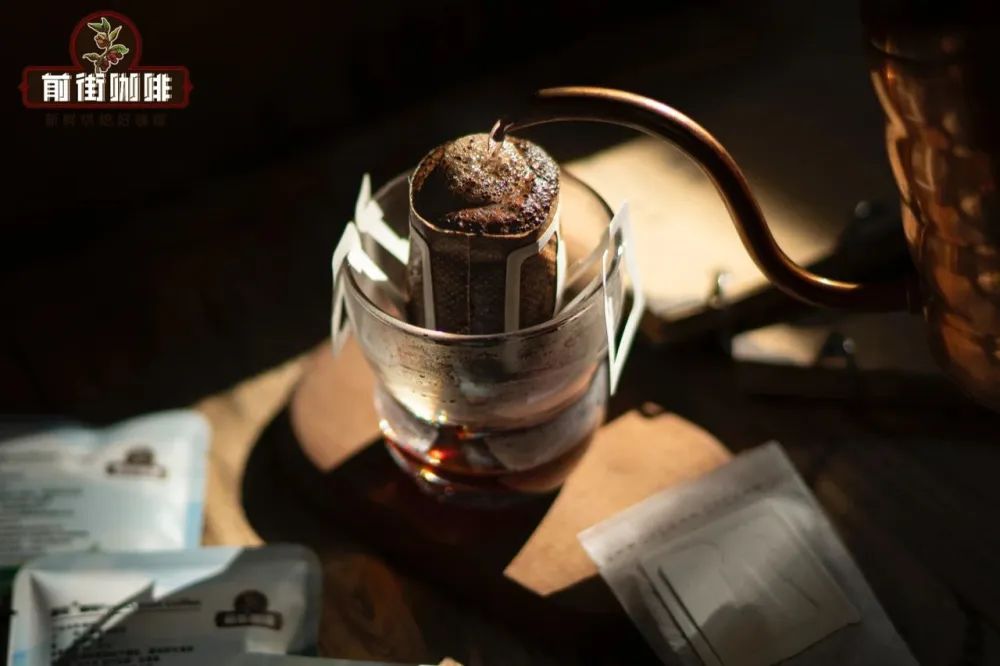
The coffee-drinking crowd is expanding rapidly. At Front Street cafes, not only office workers and university students but even high schoolers have picked up pour-over. Compared to instant products with limited flavor, this generation of young people is more willing to pay for freshly ground specialty coffee: some want speed and choose Americano; some crave something cold and love ice drip or cold brew; and some become obsessed with pour-over, finding this kind of black coffee both delicious and rich in bean choices. But with tight daily work and study schedules, not everyone has time to brew a cup every day, so drip bags have become the most hassle-free alternative in everyone's eyes.
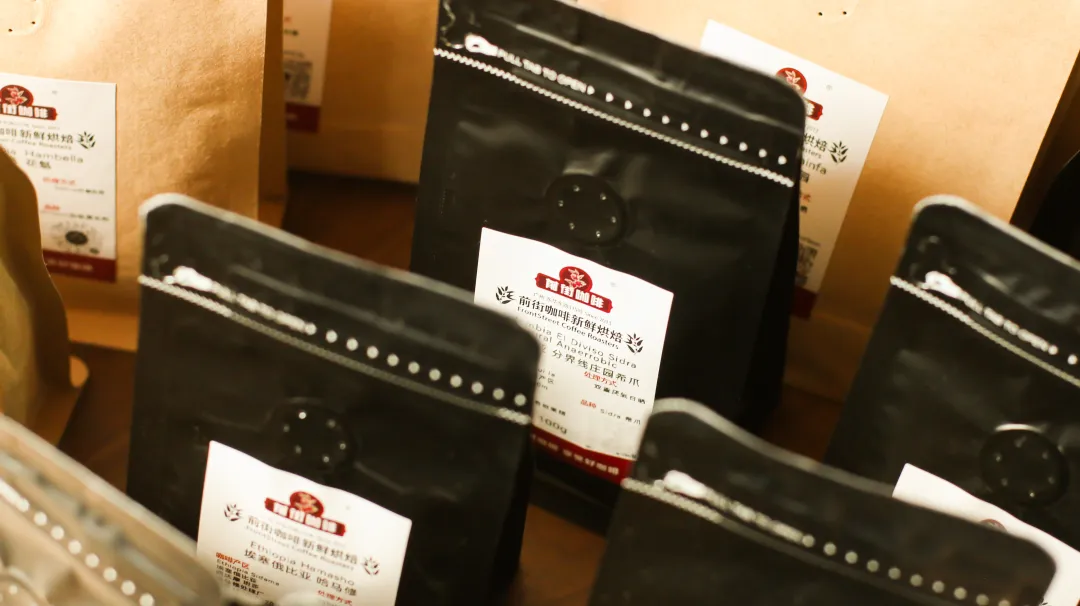
Drip bag coffee can absolutely be bought ready-made according to your own preferences. Take Front Street as an example: its drip bag line covers many classic origins on the bean list. Front Street Mandheling drip bags take a rich, roasty path; Front Street Brazil drip bags are known for nutty notes and a balanced mouthfeel; Front Street Yirgacheffe drip bags are refreshing with fruity acidity; and Front Street Geisha drip bags have elegant floral aromas.
Anyone who brews coffee often knows that freshly roasted beans can maintain their peak flavor for about thirty to forty days, but once ground into powder, aromatic compounds dissipate noticeably faster and the optimal tasting window shortens accordingly.
For this reason, people who understand that fresh grinding is more aromatic often don't buy ready-made drip bags, but instead buy whole beans to grind and pack themselves at home. This preserves more volatile aromas and avoids worrying about flavor deterioration during storage. The tools needed for homemade drip bags are not complicated: a grinder, drip bag filter bags, a digital scale, a sealer, and a small spoon for scooping grounds.
Step one: pick a bag of beans you like, adjust the grinder to a setting that matches pour-over extraction, pour in the beans, and grind them into powder. Grind size directly affects the flow rate when pouring water, which in turn affects the strength of the final cup, so this step must not be rushed.
Generally speaking, if you choose light to medium roast beans whose flavor descriptions often include words like floral, fruit, honey, or tea-like, then grind to a fine-sugar-like particle size. Measured with the Chinese No. 20 standard sieve, the passing rate is about 80%; converted to an electric grinder EK43s that is setting 10, and for a manual grinder C40 it is setting 20.
If the beans you bought are medium roast or on the darker side, with flavor descriptions mostly mentioning nuts, caramel, dark chocolate, cocoa, or winey notes, then use a medium grind size. The Chinese No. 20 standard sieve passing rate is about 75%, corresponding to EK43s setting 10.5 and C40 manual grinder setting 24.
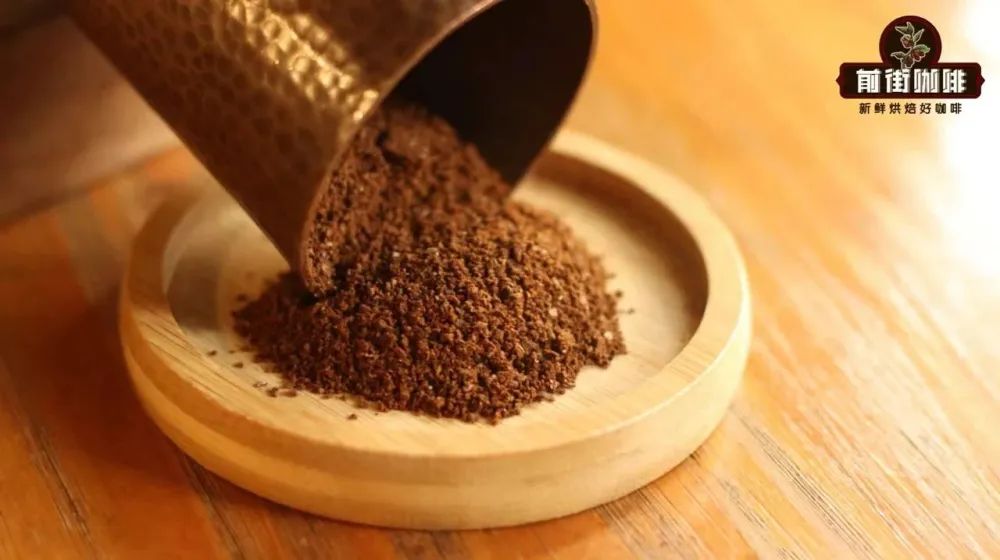
If what you have is an espresso blend, or you can see obvious oil sheen on the bean surface right after opening the bag, that indicates a darker roast with bitterness as the main taste. In this case you must grind coarser to avoid over-extraction. The Chinese No. 20 standard sieve passing rate is about 70%, corresponding to EK43s setting 11 and C40 manual grinder setting 28.
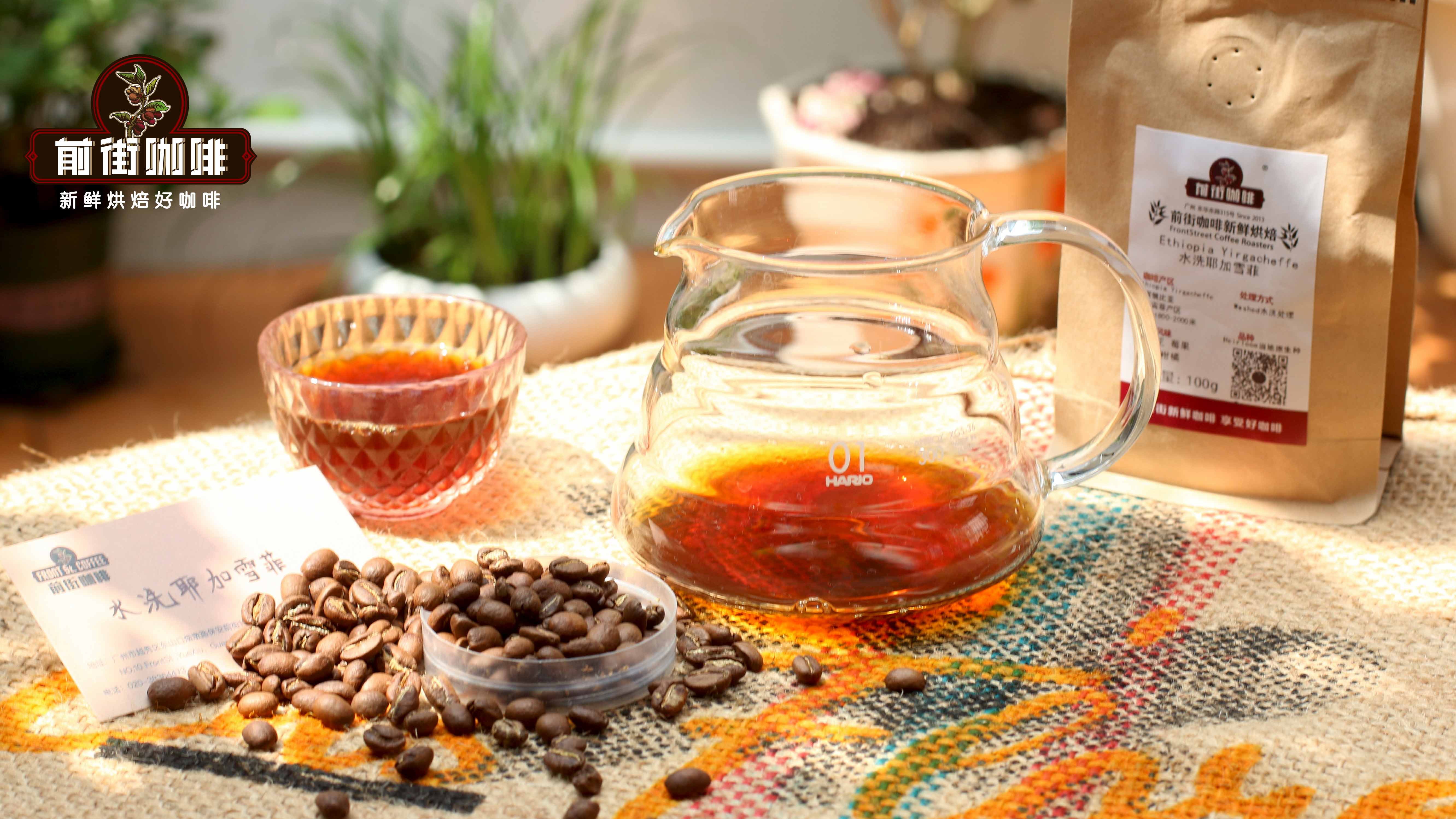
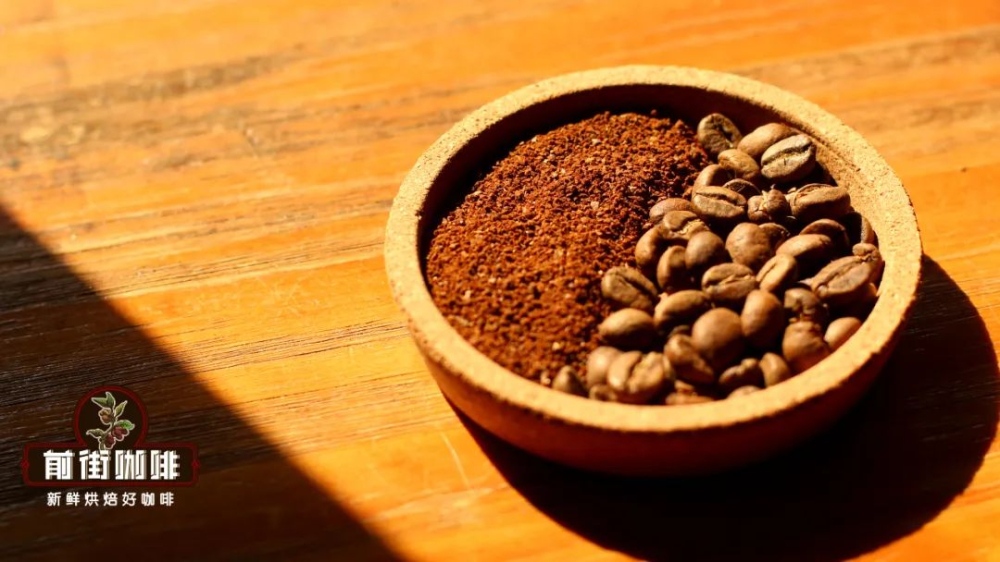
This time Front Street chose the Ethiopian Yirgacheffe Red Cherry that many people love. The meticulous natural process gives this bean a full berry-like sweet-tartness. Tasting it at different temperatures, you can perceive soft berry acidity, the fermented aroma of ripe fruit, a clear honey sweetness, and a black tea finish, with a smooth entry. The grind size Front Street uses for daily brewing is fine-sugar particles, corresponding to EK setting 10.
Step two: place the ground coffee powder on a pre-prepared digital scale, take out a drip bag, open the bag mouth into a square shape, and carefully scoop the powder in with a spoon at the standard of 10g per bag.
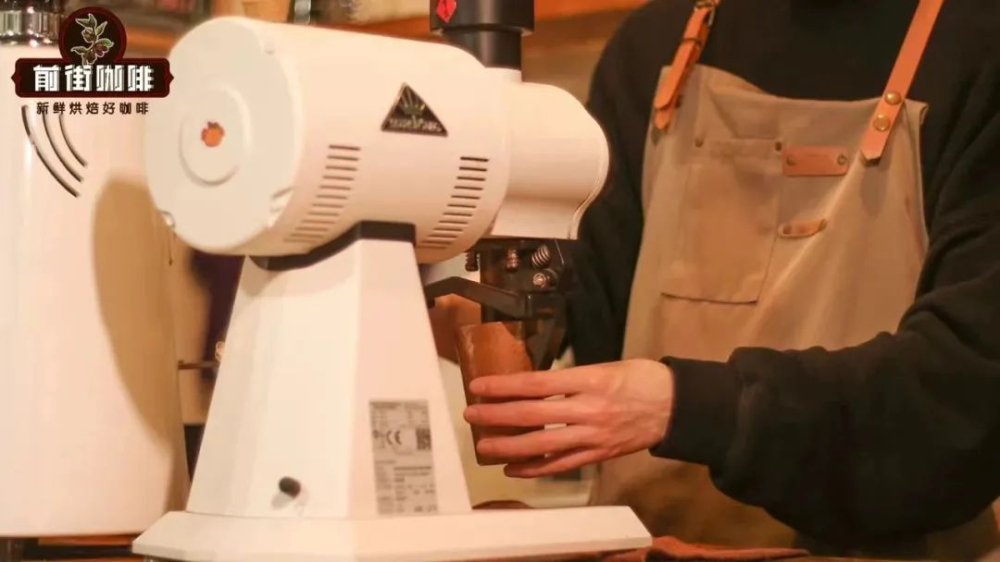
Step three: power on the sealing machine, clamp the heater onto the sealing line position, and confirm the opening is completely sealed. Your homemade drip bag is now ready. Don't set the sealing temperature too high, or it may easily burn through the non-woven fabric.
To avoid moisture, Front Street recommends placing the finished drip bags into an airtight sealed bag, storing them in a cool place away from light, and reducing the loss of aromatic compounds.
The above content is compiled by CoffeeHunters, a coffee news website.


