







How Do You Make Cold Brew Coffee at Home Without a Machine?
Cold brew coffee at home needs no coffee machine, cold brew pitcher, or dedicated cup. Weigh 50 grams of beans, grind coarse to about 65 percent passing a No. 20 sieve, add 500 milliliters of room-temperature water in a sealed bottle, shake, and chill 12 to 14 hours. Strain and drink, keeping it refrigerated up to two days.
This 1:10 ratio dissolves more flavor compounds into less water, so the concentrate tastes strong with a prominent fruity sweet-and-sour character; add ice to dilute. The guide also covers choosing iced coffee beans and grounds, plus common questions about caffeine, acidity, grind size, storage time, and keeping coffee beans in the fridge.
In the world of iced coffee, Cold Brew has become a favorite among many coffee lovers thanks to its simple preparation and smooth flavor. This article takes a practical approach to walk you through the benefits of cold brew coffee, how to choose the right coffee beans, and the cold brew steps you can complete at home without any professional equipment. We'll also use Front Street Butterfly coffee beans as an example to share a 1:10 coffee-to-water ratio low-temperature slow brew method, and answer common questions about caffeine, acidity, grind size, storage time, and more, helping you easily make a cup of cold brew coffee that's full of fruity aroma and refreshingly pleasant.
There are many ways to make delicious iced coffee, such as the more labor-intensive cold drip, the ready-in-an-instant pour-over iced coffee, and the low-barrier, now quite popular cold brew method. Cold brew goes by many names—Cold Brew, cold brewed coffee, and cold extracted coffee all actually refer to the same thing.
After reading this article, you'll have a good understanding of the advantages of iced coffee, quickly master the method and coffee-to-water ratio for cold brew coffee, and know how to choose the right iced coffee beans and coffee grounds. More importantly, the whole process doesn't require a coffee machine, a cold brew pitcher, or a dedicated cold brew cup. The most convenient tools are often right at home, within arm's reach. Here are the specific cold brew coffee instructions:
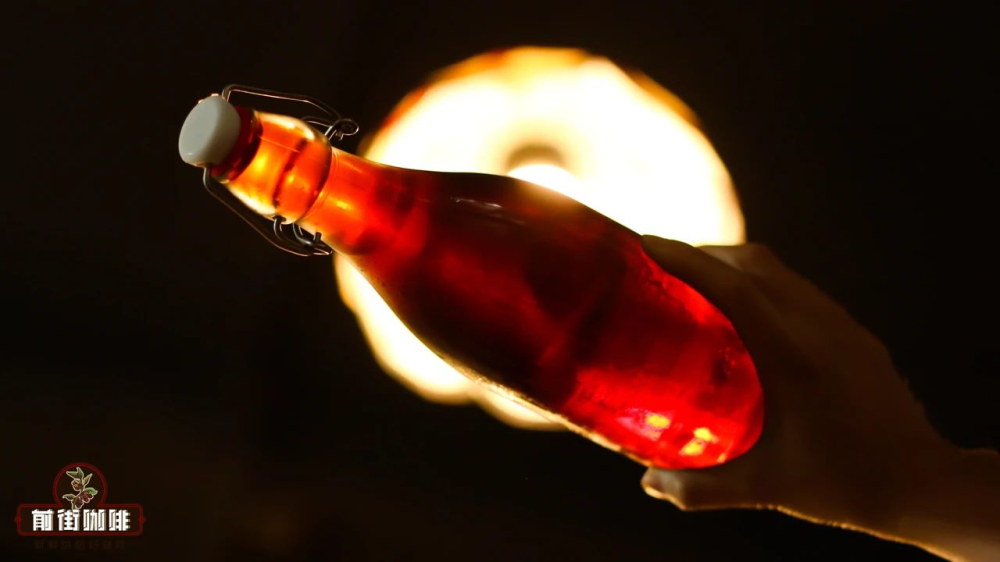
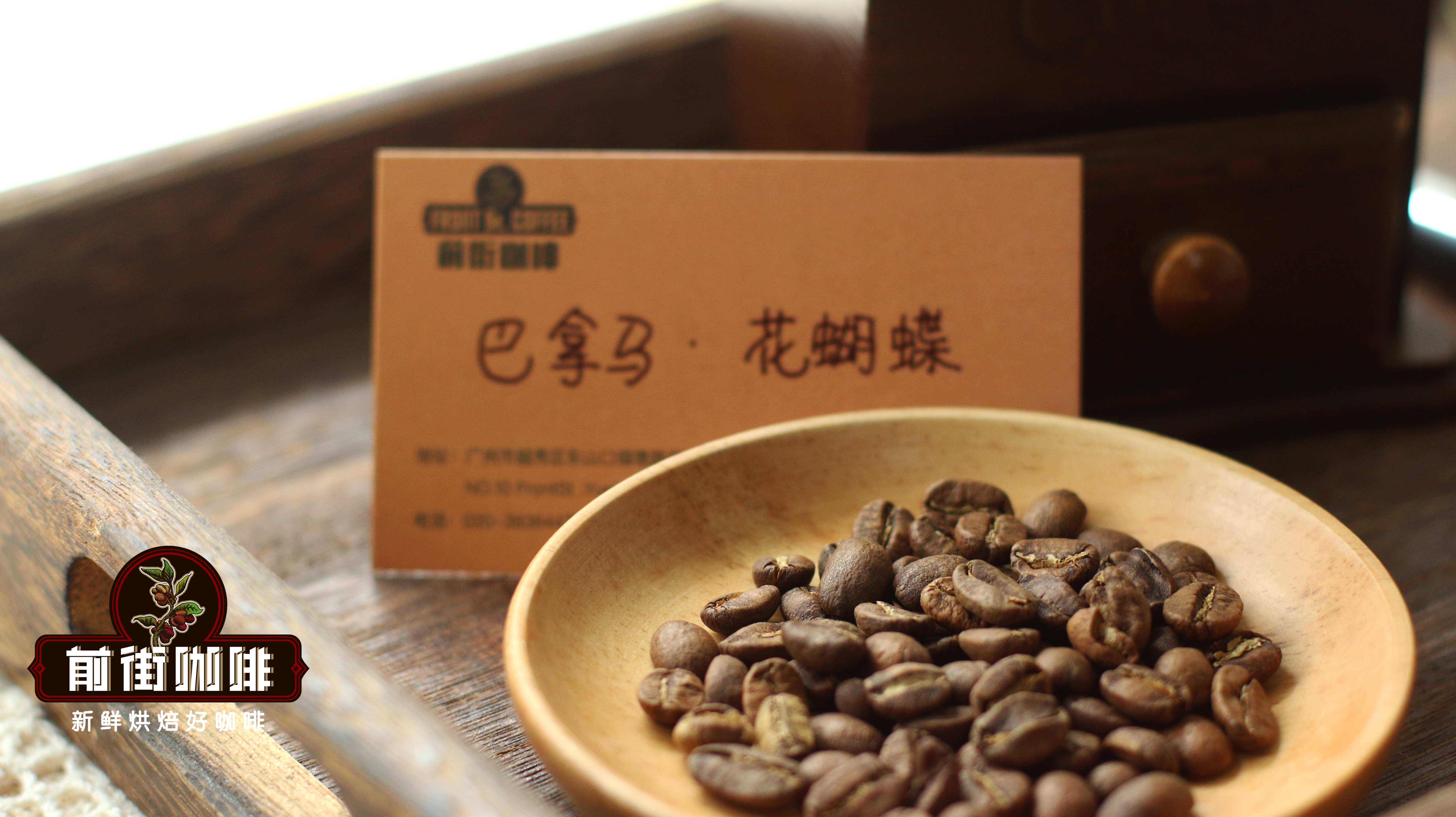
1. Weigh out 50 grams of Front Street Butterfly coffee beans and grind them into a coarse grind (based on a No. 20 standard sieve, with a pass-through rate of about 65%).
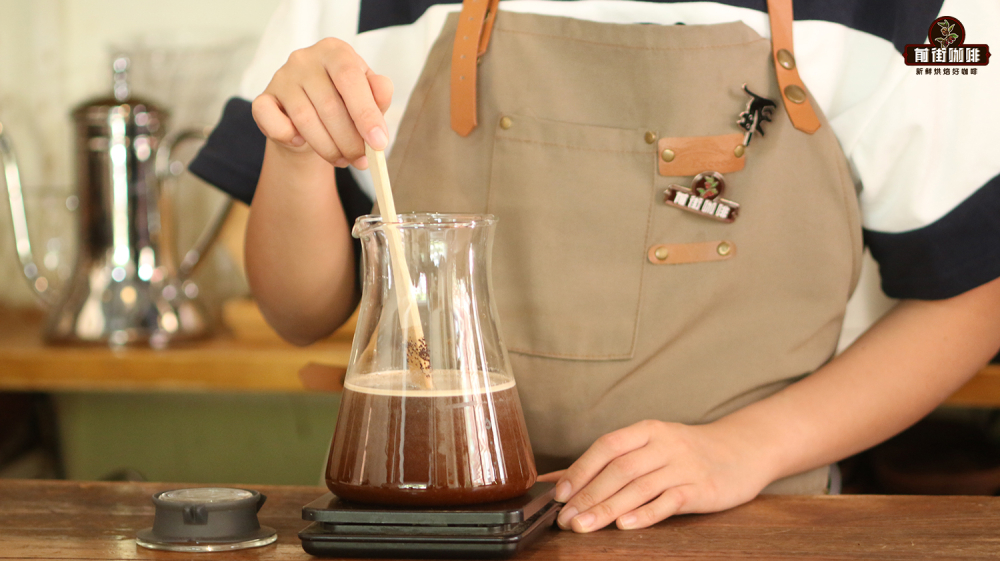
2. Put the ground coffee into a sealed bottle and pour in 500 milliliters of room-temperature water.
3. Tighten the lid, shake well, and move it to the refrigerator to chill for 12 to 14 hours, letting the low temperature slowly extract the coffee.
4. Once the time is up, separate the coffee grounds using filter paper or a strainer. The resulting coffee liquid can be drunk directly, or kept refrigerated and consumed within two days.
5. This method uses a 1:10 coffee-to-water ratio, aiming to dissolve more flavor compounds into less water, so the final product will be on the stronger side, with a prominent fruity sweet-and-sour taste. When drinking, you can add an appropriate amount of ice to dilute and cool it down, making it even more refreshing.
Benefits of Cold Brew Coffee 1. Delicious: Friends who have seen the "Six Steps to Tasting Coffee" video will know that many aromatic compounds in coffee beans are easily lost during hot water pour-over. The biggest difference in flavor between iced coffee and hot coffee is that cold brew can preserve as many water-soluble aromatic compounds as possible, bringing the aroma you taste closer to the aroma you smell. 2. Unique: Making iced coffee with the cold brew method results in less bitterness, a rich and mellow taste, and a fermented note reminiscent of fine wine. 3. Money-saving: By doing it yourself, you can use higher-quality coffee beans for cold brew, and the cost is lower than buying ready-made cold brew coffee. 4. No waste and eco-friendly: You can use up good beans or blended beans from your stock, and the coffee grounds can be used as fertilizer or as a deodorizing air freshener for the fridge or bathroom.
Q: Are ready-made cold brew coffee packs on the market any good? A: After coffee is ground and left for a few hours, most of the good aromatics have already evaporated. Without these wonderful flavors extracted at low temperature and infused into the cold brew coffee, the final product will be noticeably inferior compared to cold brewing with freshly ground whole beans.
Q: After making iced coffee, can I still drink it if left overnight or until the next day? A: The iced coffee made following this tutorial can be kept in the refrigerator for several days. Of course, it should be stored in a sealed jar—at least a glass jar with a lid—so it doesn't lose its flavor easily.
Q: Will cold brew coffee or cold drip coffee be sour? A: If you choose light-roasted coffee beans with higher acidity, the extracted coffee liquid will have a noticeable fruity acidity. If you don't like the fruity acidity in coffee, you can choose beans with a darker roast, or low-acid varieties like wet-hulled or monsooned beans.
Q: Is cold brew coffee high in caffeine? A: The melting point of caffeine is about 220 degrees. The caffeine content mainly depends on the caffeine content of the coffee beans themselves. For the same beans, cold water extraction may yield slightly less caffeine than hot water brewing.
Q: For cold brew coffee, how coarse should the coffee grounds be? A: Just grind according to the grind size you normally use for pour-over.
Q: What's the difference between cold brew coffee and cold drip coffee? A: The cold drip method uses cold water and ice, letting ice water drip drop by drop into the coffee grounds for extraction, resulting in a more prominent fermented flavor. Cold brew coffee is more like making cold brewed tea—coffee grounds are soaked in water, refrigerated for several hours, and then filtered to get the coffee liquid, resulting in a more rounded flavor and more aroma.
Q: There are so many coffee bean varieties—are there any beans particularly suited for cold brew? A: All coffee beans can be used to make cold brew, and the extracted flavor naturally depends on the beans you use. This is also why we recommend doing it yourself—using coffee beans you like for cold brew makes it easier to get a flavor you'll enjoy.
The above content is compiled by CoffeeHunters, a coffee news website.


