







Search Results for: historic buildings
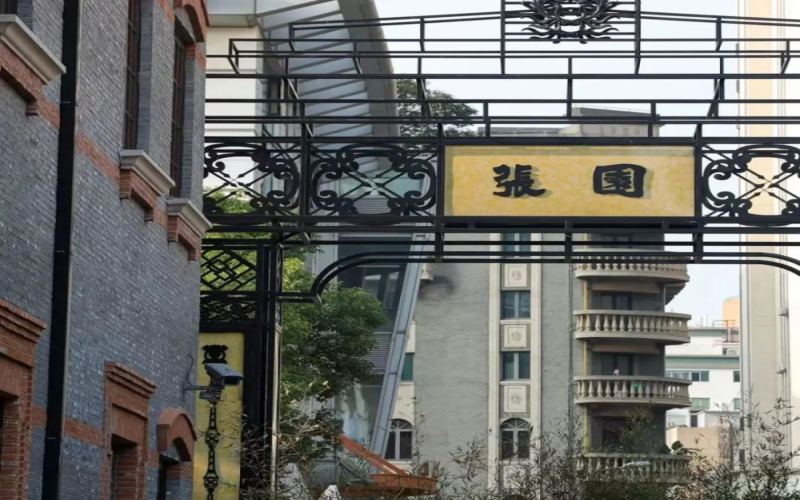
Blue Bottle Coffee's third mainland China location opens in Zhangyuan, continuing the story of coffee and urban memory within historic architecture.
Blue Bottle Coffee's third store in mainland China is confirmed to open in Zhangyuan, Jing'an District, Shanghai. This follows its first store opened in February this year in the former Yutong Flour Mill dormitory, marking another site chosen within a historic building. From the shikumen architectural complex of Zhangyuan to century-old machiya townhouses in Kyoto, Japan, Blue Bottle Coffee has consistently woven the brand deeply into local culture—not only does the store space echo the architectural fabric, but the menu also incorporates traditional local flavors. This article explores the heritage conservation philosophy behind the choice of the three store locations, and how Blue Bottle Coffee awakens urban memory through space and taste. Also, stay tuned to Front Street Coffee for more specialty coffee news. [more…]

Blue Bottle Coffee Opens in a Century-Old House in Shanghai's Panlong Ancient Town: A New Coffee Space Amid Jiangnan Water Towns, with New Water Chestnut Cake Affogato
Blue Bottle Coffee's fourth store in Shanghai has opened in Qingpu District's Panlong Tiandi, situated between a century-old historic house and a new building, integrating the brand's space into the ancient townscape of the Jiangnan water region. The store is divided into three areas: the historic house, the new building, and a public gathering space, preserving traditional architectural structures while infusing them with a modern design language. In addition, the Panlong store has introduced a Water Chestnut Cake Affogato that blends traditional flavors, combining the soft, sweet water chestnut cake with rich, aromatic Italian affogato to deliver a unique taste experience. Join us as we explore this Blue Bottle Coffee in the ancient town and experience the collision of coffee and local culture. [more…]
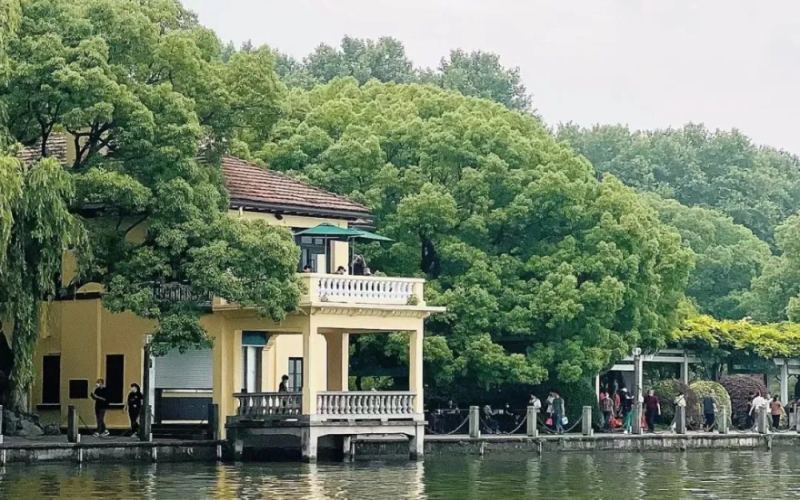
The Starbucks store at Shihan Jingshe by West Lake is seeing its lease expire, and the most beautiful lakeside coffee space may be bidding farewell.
Located in the Santang Scenic Area of West Lake in Hangzhou, Shihan Jingshe is a historic building first constructed in 1936. Since 2007, it has been leased by Starbucks and hailed by many coffee lovers as the "most beautiful Starbucks by West Lake." Recently, the leasehold rights to the property were auctioned off after hundreds of rounds of bidding, finally selling for 2.521 million yuan per year, nearly 700,000 yuan above the starting price. The original tenant has waived the right of first refusal, meaning the Starbucks store, which has operated for nearly 15 years, will soon exit this prime scenic location. After the new owner takes over, the business format will still focus primarily on a coffee bar, pre-packaged foods, and retail of handicrafts. This article reviews the history of this store, Starbucks' store layout in Hangzhou, and the market factors behind the successive closures of coffee shops in scenic areas. [more…]
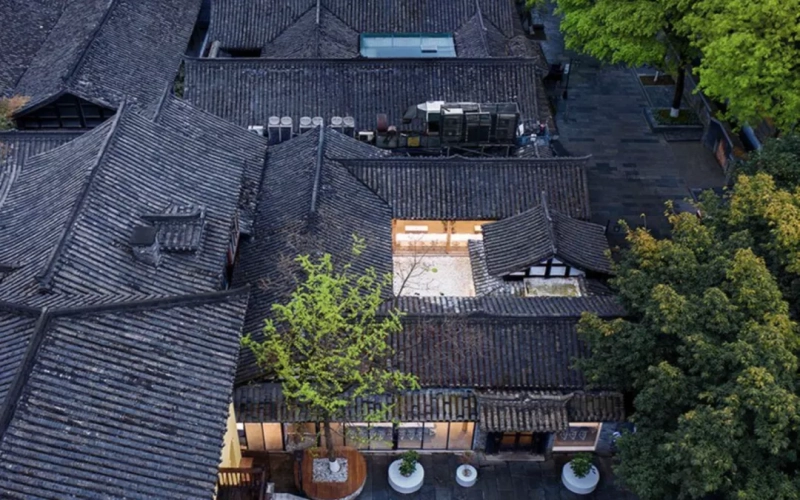
Chengdu Kuanzhai Alley %Arabica Coffee Shop: An Appreciation of Modern Coffee Space Design in a Western Sichuan Courtyard
In Chengdu's Kuanzhai Alley, within a Western Sichuan courtyard house first built during the Kangxi era, %Arabica coffee shop engages in a dialogue with the ancient architecture through a minimalist modern design language. The designers retained the original wooden structure and reinforced it with steel, paving the pathways and seating areas with gray bricks, allowing the café to blend seamlessly with the blue bricks and dark tiles. In the central courtyard, stones, floor-to-ceiling glass, and water lily leaves create the imagery of a "water pool," which not only continues the traditional feng shui symbolism of gathering wealth but also reduces the actual maintenance difficulty. The pure white bar counter blends with the building's natural tones, and as guests move through the space, the spatial experience flows and shifts accordingly. This café not only serves coffee but also lets people feel the fusion of history and modernity in the tranquility of old times. At the end of the article, there is also information about Front Street Coffee's specialty beans, which is worth the attention of coffee lovers. [more…]

Visiting the first Blue Bottle Coffee shop in Shanghai: Queues and a minimalist menu in a century-old mansion
Blue Bottle Coffee's first Shanghai store recently officially opened by the Suzhou Creek in Jing'an District, housed in a historic building originally built in 1926—the former senior staff dormitory of the Yutong Flour Mill. On opening day, long lines formed outside the store, with some customers waiting up to 7 hours to get in. This chain brand, known for pour-over coffee and its preference for renovating old buildings, offers a relatively concise menu featuring rare items such as Gibraltar, filtered café au lait, and New Orleans-style iced coffee. The first floor of the store has a modern style, while the second floor has a vintage style, and displays a 60-year-old FAEMA espresso machine. This article takes you on a virtual visit to this highly anticipated new coffee shop. [more…]
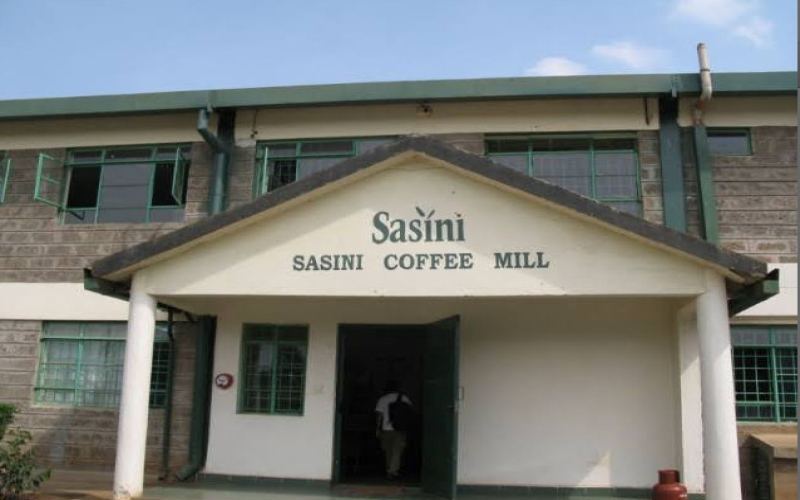
SL28 Coffee Variety Traceability and Flavor Analysis: From Kenyan Drought-Resistant Breeding to Front Street Coffee's Cherry Tomato-Like Cup Performance
SL28 is one of Africa's most legendary coffee varieties. After being selected in Kenya in the 1930s, it gradually spread to Arabica-growing regions such as Uganda, and in recent years it has traveled even farther to Latin America. It is suited to cultivation at medium to high altitudes; it is drought-tolerant yet susceptible to disease, and its flavor is exceptionally elegant, often with floral notes. Front Street Coffee's Little Tomato coffee beans are precisely a combination of SL28 and SL34, displaying layers of pear, smoked plum, yellow sugar, and more. This article will trace the history of SL28's selection and breeding at the Scott Agricultural Laboratories, sort out its genetic relationship with the Bourbon genome, and introduce specific information about Kenya's Asali processing plant, helping coffee enthusiasts fully understand this variety's origins and development as well as its potential in the cup. [more…]
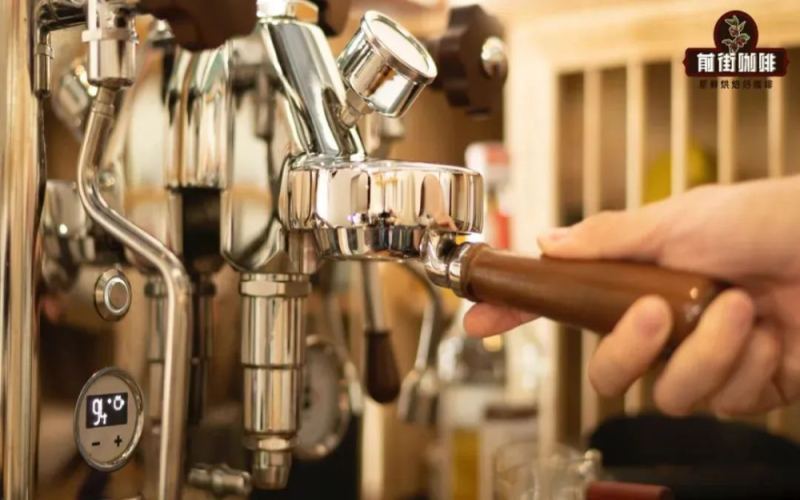
The Invention Journey of the Espresso Machine and a Home Brewing Guide: From Historical Origins to Front Street Coffee Bean Recommendations
Every coffee shop's espresso machines, with their varied designs, actually hide a centuries-spanning story of invention. From Angelo Moriondo's concept of a steam coffee machine in 1884, to La Pavoni building the world's first true espresso machine in 1905, and then to the Faema E61 laying the foundation for modern semi-automatic machines in 1961, the evolution of espresso machines has never stopped. Today, small home machines allow enthusiasts to easily produce rich coffee. Front Street, addressing the need for stable extraction and abundant crema, has respectively recommended SOE single-origin and espresso blend bean lists, and shared in detail a complete plan from dose and extraction ratio to operating specifics, helping readers replicate at home an Espresso with golden crema. [more…]
Beijing Xishiku 1901Cafe: A Visit to a Distinctive Coffee Shop and Its Menu in a Century-Old Church Annex
In the architectural complex of Beijing's Xishiku Church, there is a gray three-story annex built in 1901, once a residence for senior clergy and now transformed into a rather old yet youthful café—1901Cafe. It preserves the architectural charm of a blend of Chinese and Western styles while incorporating the comfortable atmosphere of a modern café. This article takes you into this historic building, exploring its past and present, touring the layout of the second and third floors, and reviewing menu items such as cheese, rose tea, and poutine fries. If you also enjoy having a cup of coffee in old times, you might want to add this place to your next stop. [more…]

Severe storm hits São Paulo state, Brazil: Over two million users without power, coffee-growing regions hit again
The state of São Paulo, Brazil, recently endured a violent storm accompanied by historically powerful winds, leaving at least 7 people dead, 2.1 million users without power, and severely disrupting transportation, water supply, and business operations. As an important coffee-producing region in Brazil, São Paulo state has this year been hit in succession by drought, wildfires, and torrential rain, casting a shadow over the prospects for coffee growth in the new crop season. With power slow to be restored, inventory is piling up at processing plants and the risk of port delays is intensifying. Combined with expectations of reduced output in Vietnam and other producing origins, international coffee futures prices continue to run at high levels. This article will review the impact of the disaster, the abnormal climate in the producing region, and the chain reactions for the coffee industry. [more…]
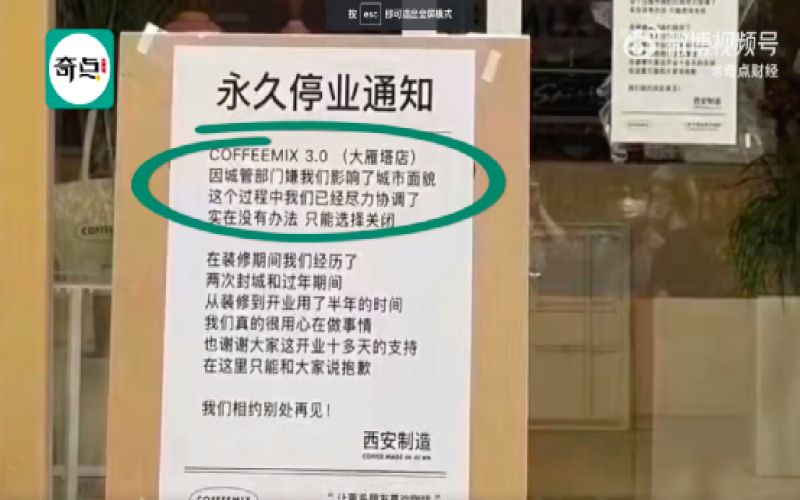
A cafe next to Xi'an's Big Wild Goose Pagoda was demolished because its exterior style did not match the district's character, and it announced permanent closure just over ten days after opening.
The decor of a coffee shop is often an important factor in attracting young consumers, and many community-oriented stores have also adopted influencer-style designs to cater to the market. However, when the appearance of a storefront conflicts with the overall style of the neighborhood it is located in, contradictions arise. A coffee shop near the Big Wild Goose Pagoda scenic area in Xi'an was asked by the urban management department to make rectifications just over ten days after opening because the color of its facade was incompatible with the surrounding Tang-style architecture. In the end, it chose to permanently close due to failure to reach an agreement. The incident sparked heated discussion among netizens: some believed that urban management should not be uniform, while others felt that areas around scenic spots should comply with unified planning. This article will recount the course of the incident and compare it with the successful case of Starbucks in Qingguo Lane, Changzhou, to explore how coffee shops and historic districts can coexist harmoniously. [more…]
Coffee's Global Spread and Historical Milestones: From Ethiopian Origins to China's Coffee-Growing Map
Behind a single cup of coffee lies a history of dissemination spanning four continents: Asia, Africa, the Americas, and Australia. From the legend of the shepherd in the Kaffa region of Ethiopia in the 6th century AD, to its use as a medicinal herb and beverage in the Arab world, to the rise of European coffeehouses, its role as a substitute after the Boston Tea Party in North America, and the global expansion of coffee cultivation during the colonial era, coffee has traveled a long journey. Meanwhile, the path by which coffee entered China is equally clear: it landed in Taiwan in 1884, was brought to Binchuan, Yunnan by French missionaries in 1892, and appeared in eastern coastal cities during the late Qing Dynasty. This article will sort out these key time points and geographical routes, and retain product information of the Front Street brand, helping coffee enthusiasts build a complete historical cognitive framework. [more…]
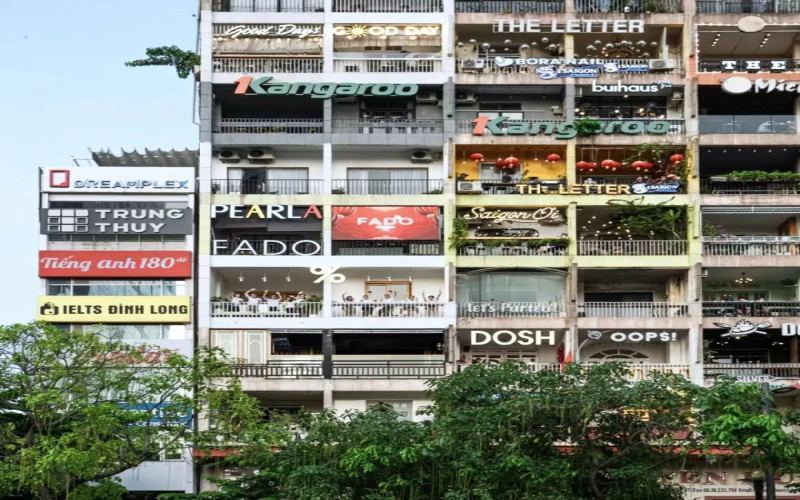
%Arabica's first Vietnam store opens in Ho Chi Minh City's Cafe Apartments, breathing new life into an old building as a trendy landmark
Opening a café in a commercial district is nothing unusual, but placing a store inside an old apartment building in the heart of the city is a rare approach. Recently, %Arabica announced that its first Vietnam branch has officially opened in Ho Chi Minh City's famous Coffee Apartment, located on the fourth floor of the building. Built in the mid-20th century, this old building once served successively as a government office, a US military station, and private residences. After renovation in 2015, it brought together numerous uniquely styled cafés and became a local artistic check-in spot. %Arabica's move both continues founder Kenneth Shoji's philosophy of "See the World Through Coffee" and marks a further acceleration of its global expansion. The brand currently has 123 stores worldwide and plans to enter multiple markets including South Korea, Singapore, and the Philippines. [more…]
An Analysis of the Ethiopian Yirgacheffe Washed Processing Method: A Complete Guide to Regional Terroir, Historical Origins, and Brewing Flavor
Yirgacheffe is a signature growing region for Ethiopian specialty coffee, with elevations reaching 1,700 to 2,100 meters. Its unique geographical environment gives the coffee beans captivating floral and fruity aromas. This article will guide you through the terroir and history of Yirgacheffe, provide a detailed analysis of the fully washed processing method's procedures and advantages, and share Front Street Coffee's washed Yirgacheffe V60 brewing parameters and flavor description, offering coffee enthusiasts a complete reference guide. [more…]
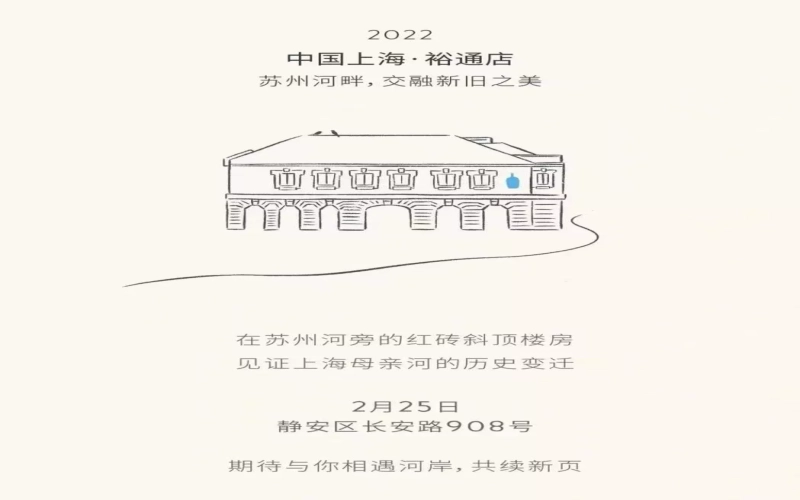
Blue Bottle Coffee's first mainland China store lands on the banks of Shanghai's Suzhou Creek, officially opening on February 25
The highly anticipated Blue Bottle Coffee has finally confirmed the opening date of its first store in mainland China—February 25, 2022. This store is located in a two-story Western-style house near the Suzhou Creek in Shanghai, formerly the dormitory of the Yutong Flour Mill, and is a protected immovable cultural relic in Shanghai. Blue Bottle Coffee is renowned for its fresh roasting, grinding to order, and precise brewing, and is hailed as the "textbook" of the specialty coffee world. To enter the mainland market, the brand has established the Pengpu Roastery in Shanghai, with its global technical team providing on-site guidance to ensure that the output meets global standards. As Front Street Coffee, which also focuses on quality, we are likewise following this grand event closely. [more…]
A Comprehensive Analysis of the Origin, Flavor Characteristics, and Mouthfeel of the SL28 Coffee Variety from Kenya's Kiambu Region
SL28 is one of Africa's most legendary coffee varieties. After being selected in Kenya in the 1930s, it gradually spread to African Arabica-producing regions such as Uganda, and today it has traveled even farther to Latin America. It is suited to cultivation at medium to high altitudes, is highly drought-tolerant yet susceptible to coffee diseases, and offers an elegant cup profile that often features floral notes. Front Street's Little Tomato coffee beans are precisely a combination of SL28 and SL34. This article traces the breeding history of SL28, from the establishment of the Scott Agricultural Laboratories to the discovery of drought-resistant plants in Tanzania, and then to genetic testing that confirmed its kinship with the Bourbon genome. It also presents the specific producing region, altitude, processing method, and flavor description of Front Street's Kenyan Little Tomato, giving you a comprehensive understanding of this ancient and resilient variety. [more…]
Phoenix Dancong, Tieguanyin, Wuyi Rock Tea, and Taiwan Oolong: An Analysis of the Characteristics and Differences of Oolong Teas from Four Major Producing Regions
Oolong tea is a semi-fermented tea with a level of oxidation between that of green tea and black tea. Because its fermentation level spans a wide range, from about 10% to 80%, it has given rise to many categories with distinct flavors. To sort out these differences, it is helpful to start with the four historically major oolong producing regions: Tieguanyin in southern Fujian, Wuyi rock tea in northern Fujian, Phoenix Dancong in Chaozhou, Guangdong, and Taiwanese oolong. Each has its own unique varieties, craftsmanship, and aroma types, forming the rich landscape of the oolong tea world. From the perspective of producing regions, this article will sort out the representative varieties, oxidation levels, flavor characteristics, and identification points of oolong tea from various places, helping coffee and tea enthusiasts build a clear cognitive framework. [more…]

Exploring the Nairobi Coffee Exchange in Kenya: Auction Mechanisms, Historical Evolution, and Industry Impact
Kenyan coffee is world-renowned for its layered, complex flavors and bright, juicy acidity, and enthusiasts who frequently work with Kenyan beans have likely heard of an institution called the NCE. The NCE, or Nairobi Coffee Exchange, is a coffee trading platform established by the Kenyan government and an indispensable link in the country's coffee supply chain. This article will walk you through how the NCE operates, its historical origins, and the role it plays in Kenya's coffee industry, while also tracing the institutional changes from the colonial period to independence, and how coffee farmers and cooperatives export their coffee to the world through auctions or direct sales. [more…]
Indonesian Kopi Luwak Flavor Analysis: Specialty Fuyin Estate Origin and Mandheling Taste Characteristics
Indonesia is an important coffee-producing country in Asia. Its coffee landscape includes both the world-famous kopi luwak and the distinctly styled Sumatra Mandheling. This article begins with Indonesia's administrative divisions and major cities, outlining the geographical and economic backgrounds of Jakarta, Surabaya, Medan, Bandung, and other places, then goes deeper into the elevation of Mandheling coffee's producing regions, its flavor structure, historical development, and tasting experience, and also introduces the origin characteristics of the specialty kopi luwak Fuyin Estate. Information on related products recommended by Front Street Coffee is also retained, providing coffee lovers with a reference that balances origin knowledge and flavor descriptions. [more…]
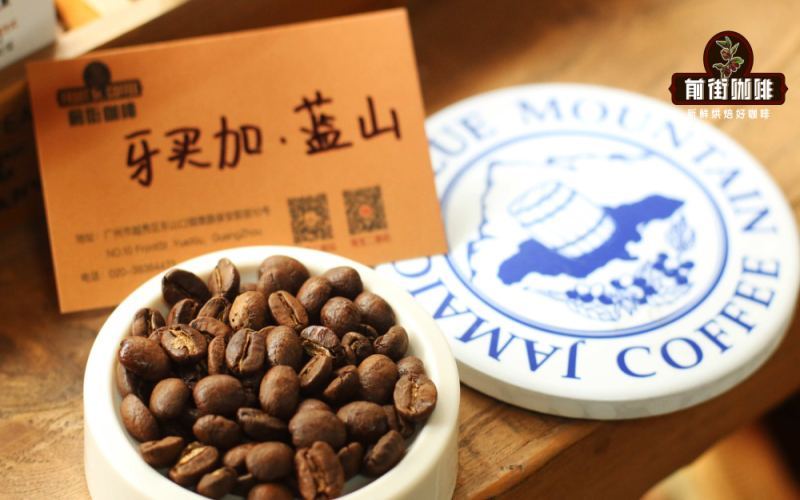
A Comprehensive Analysis of Jamaican Blue Mountain Coffee: From Varieties and Grades to Flavor and Price, Get to Know the Real Blue Mountain Coffee
Blue Mountain coffee is hailed as a gem among specialty coffees, but are all products labeled "Blue Mountain" on the market truly authentic? What exactly makes genuine Jamaican Blue Mountain so expensive, and how does it taste? This article will systematically organize the complete body of knowledge on Jamaican Blue Mountain coffee, from its historical origins, three major producing regions, varietal characteristics, grading standards, and processing methods to brewing parameters. At the same time, drawing on the sourcing and roasting experience of Front Street Coffee, it introduces the flavor differences between two beans—Blue Mountain No. 1 washed and natural—along with practical brewing recommendations, helping coffee enthusiasts build a clear understanding of Blue Mountain coffee. [more…]
Chayan Yuese Loses Trademark Opposition Against Mixue Bingcheng; Successful Registration of "Chayan Bingcheng" Draws Attention
In recent years, as public awareness of intellectual property has grown, trademark disputes surrounding well-known brands have become increasingly common. The two major new-style tea beverage brands Chayan Yuese and Mixue Bingcheng once joined forces to oppose the "Chayan Bingcheng" trademark, yet the China National Intellectual Property Administration ultimately ruled that the trademark be registered. This incident not only reflects the real-world dilemmas faced by brand protection but also sparked discussions about copycat culture and consumer choice. This article will sort out the sequence of events, review the historical origins of the copycat phenomenon, and explore the interplay between innovation and imitation in the new tea beverage industry. [more…]