







Search Results for: highest

Washed Yirgacheffe G1 Recommendation | Is G1 the highest grade for Ethiopian coffee beans? Is Yirgacheffe better suited for a light roast or a medium-light roast?
Coffee experts should all have tried Yirgacheffe. It not only has a fresh taste and low bitterness, making it suitable for brewing all kinds of coffee, but is also very affordable, so it is a must-have everyday bean for many coffee lovers at home. So, as a fan of Yirgacheffe, have you ever heard of a specialty coffee called "Gotiti"? Gotiti its [more…]

Iced Pour-Over Coffee | Can the Finest Grind and Highest Water Temperature Produce a High-Sweetness Iced Pour-Over? How to Make Iced Pour-Over Coffee with Kenyan Cherry Tomatoes
Regarding the making of iced pour-over, Front Street Coffee has already shared many different brewing methods. However, for beginners, it is still somewhat difficult to master most of these methods. This is because most iced pour-over methods require the use of ice cubes to achieve a rapid cooling effect, and we also need to make it by reducing the amount of water. [more…]
Yirgacheffe Coffee Bean Guide: Origin Characteristics, Roast Level Selection, and Pour-Over Parameters Explained
Yirgacheffe is one of Ethiopia's most representative specialty coffee regions, known for its fresh lemon and citrus acidity and delicate floral aromas. This article analyzes the core characteristics of this bean layer by layer, from its origin background, green bean grading, and roast level selection to pour-over parameters. Yirgacheffe green beans are small in shape and emerald green in color. Washed G2 is the traditional highest grade, and G1 is now also available on the market. In terms of roasting, cinnamon roast or medium roast best preserves its citrus acidity and floral aroma, while a darker roast masks its fresh character. For pour-over, it is recommended to use a high temperature above 90°C and extend the bloom to 20–30 seconds to fully release the flavors. Front Street Coffee recommends interpreting Yirgacheffe through pour-over. Compared with competition-style brewing or a French press, the clarity brought by pour-over better showcases its delicate layers. [more…]
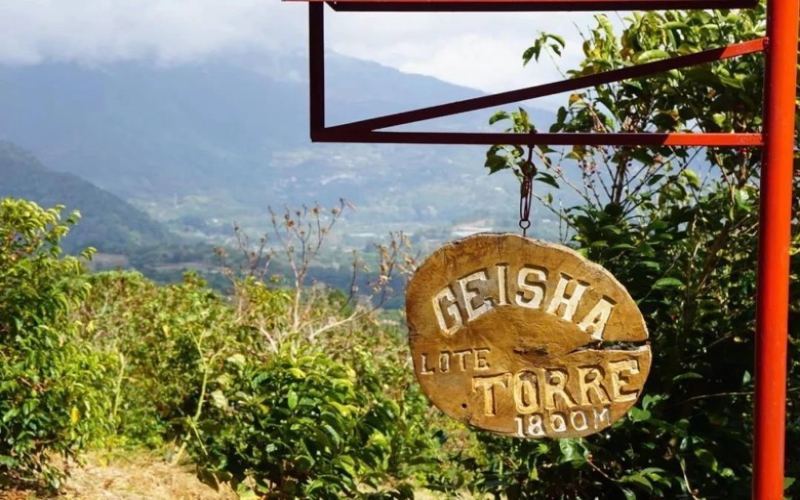
Elida Estate: The Geisha Journey of the Lamastus Family's Four Generations
In August 2026, the 30th Best of Panama awards were held in Boquete. Elida Estate took first place in the washed Geisha category with a score of 96.25, which was also the highest score of the entire competition, while its natural Geisha placed third with 95.25. For Lama [more…]
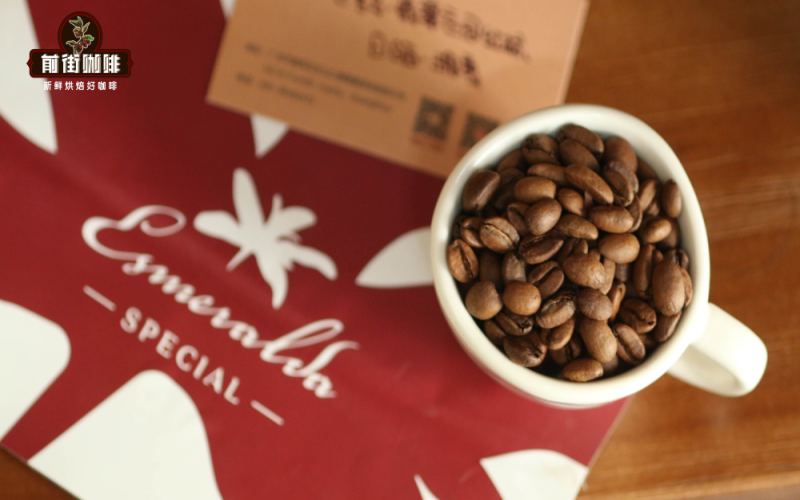
Top Ten Single-Origin Coffee Beans in the World | What High-End Specialty Coffee Beans Make Great Gifts? Recommended High-Value Pour-Over Beans Loved by Seasoned Coffee Enthusiasts
The world of coffee is deep and mysterious, and the world of single-origin coffee is even more bewildering. Unless you are a seasoned coffee connoisseur who has studied it for years, choosing the best single-origin beans from among the many coffee-producing regions is still very difficult, especially for ordinary coffee lovers. Sometimes you want to buy some coffee beans as a gift for a friend, but you're afraid your friend [more…]
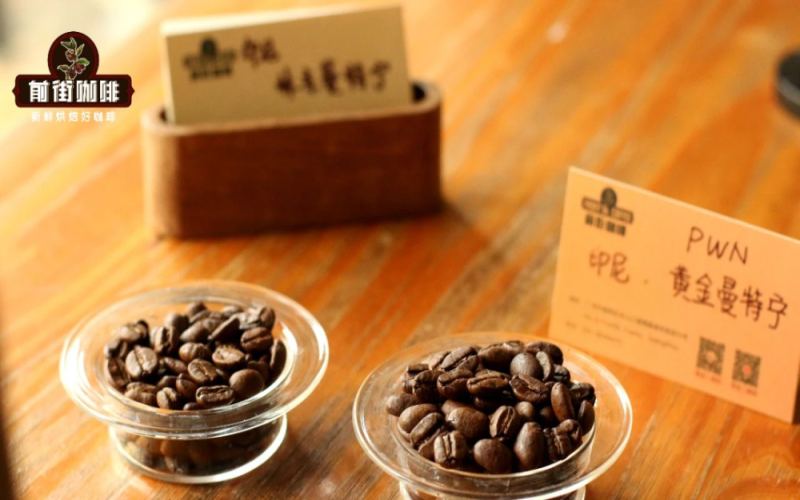
Indonesian Coffee Flavor Analysis | Why Is Mandheling So Bitter? What's the Difference Between Golden Mandheling and G1 Mandheling? Recommended Dark Roast Single-Origin Coffee Beans Every Beginner Must Try?
When it comes to Mandheling, the first impression might be a bitter coffee with a herbal medicine flavor. For those who like this taste, it is very delicious; for those who don't like this coffee flavor, after the first sip, they won't want to drink it again. Of course, you may know about Mandheling coffee, but do you know [more…]
A Complete Guide to Jamaican Blue Mountain No. 1 Coffee Beans: Origin, Estate Analysis, Classic Flavor, and Pour-Over Parameters
Blue Mountain coffee is the classic of classics in the minds of many coffee lovers, and Blue Mountain No. 1 is the highest grade among Jamaican Blue Mountain coffees. Which regions and estates does it actually come from? Why is it so highly sought after despite its high price? This article will cover the historical origins of Blue Mountain coffee, the altitude grading system of Jamaica's producing regions, and methods for identifying raw beans by appearance, all the way to the Clifton Farm Blue Mountain No. 1 sold at Front Street Coffee stores, along with a complete pour-over recipe and flavor description under medium-dark roasting, helping readers gain a comprehensive understanding of this top-tier coffee bean and learn how to tell genuine Blue Mountain coffee from fakes on the market. [more…]
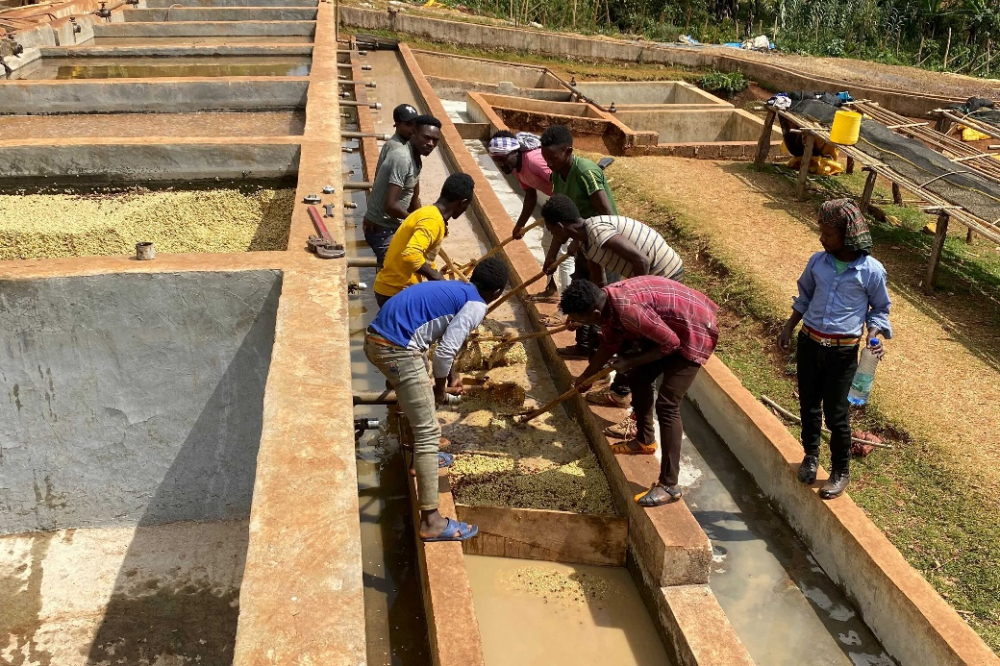
Top Ten Coffees in the World | Which brand of coffee beans tastes best? Which single-origin beans have high reputation and good quality? Which coffee beans can coffee beginners start with?
For more specialty coffee knowledge, please follow: Front Street Coffee (Frontsteet Coffee). At Front Street Coffee (FrontStreet Coffee), the coffee beans produced by the physical stores offer over 50 different coffee beans from various origins, satisfying different tastes. [more…]
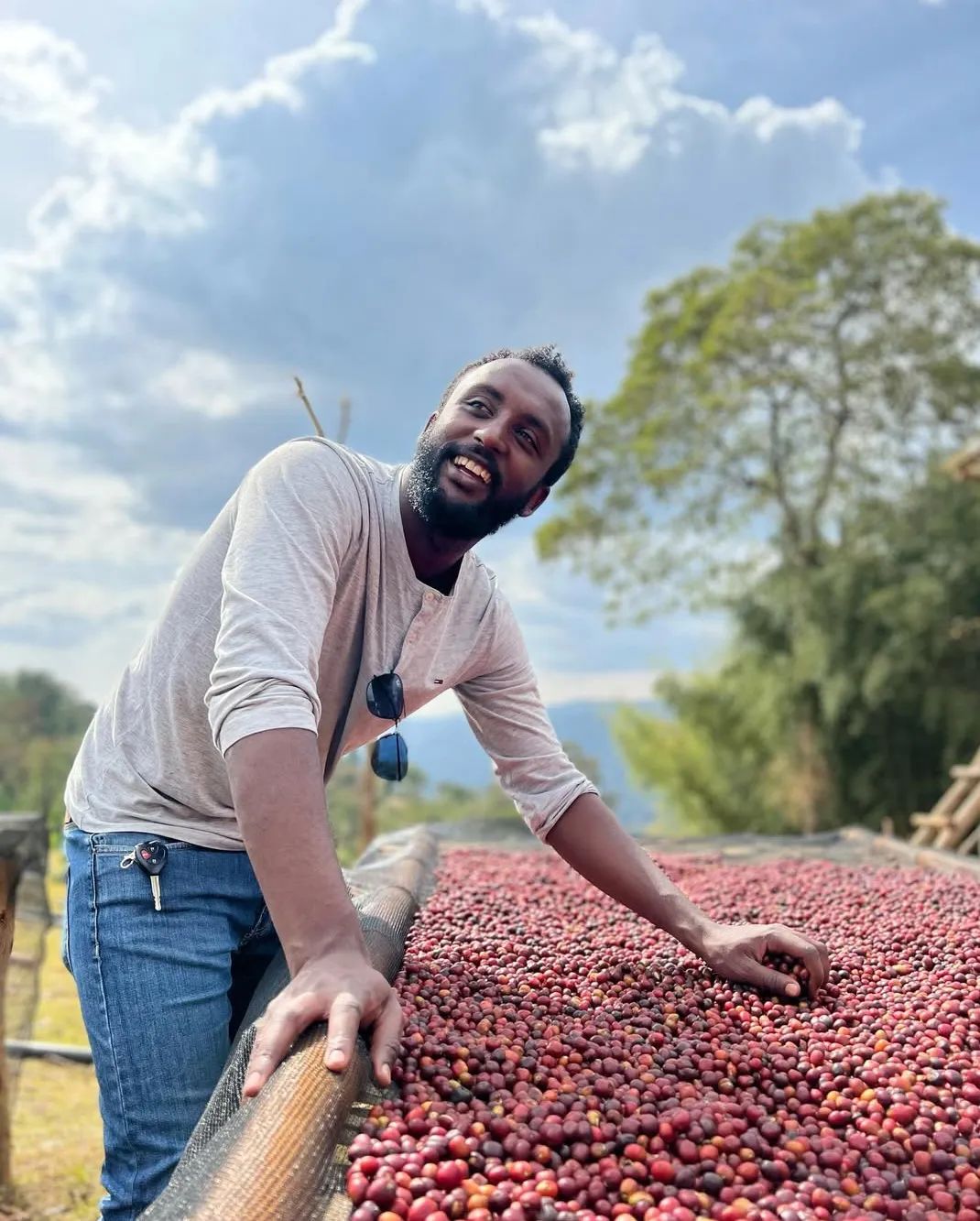
Ethiopian Sidamo Bensa Elto Coffee Beans | An Introduction to Sidamo Elto Coffee Beans and Their Flavor Characteristics
If there are any names that cannot be avoided in the Ethiopian specialty coffee scene in recent years, Front Street Coffee believes that Tamiru of Alo Coffee and Eliyas Dukamo of Elto Coffee must be among them. Whether in international competitions [more…]
Pour-Over Coffee Tasting | Does Coffee Taste Differ with Different Cup Shapes? Which Cup Shape of Coffee Tasting Cup Should Be Paired for Tasting Different Coffees?
As the saying goes, a good horse deserves a good saddle, and good tea belongs in a fine jar. As the main vessel for holding coffee, the impact of different cup designs on tasting has gradually drawn people's attention. Some coffee shops even spend lavishly on a set of coffee cups dedicated to serving, in order to create a dual experience for the eyes and the palate. Just like wine, cups [more…]
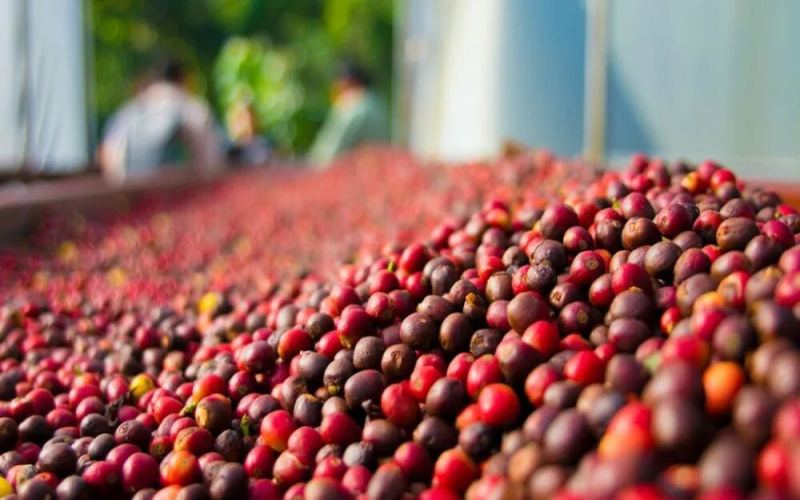
Panama Coffee Beans | Why Can Panama Become a Top Coffee-Producing Region? What Are the Growing Conditions of the Boquete Region? Which Coffee Varieties Does Panama Grow?
Panama is a Central American country, bordered by Costa Rica to the west and Colombia to the east. Friends who know something about single-origin coffee should all know that Panamanian coffee is famous in the coffee world for the Geisha from Hacienda La Esmeralda. Ever since the Geisha from Hacienda La Esmeralda won the BOP championship in 2004, Pana [more…]
Parchment Estate: The Washed Geisha That Missed Champion by Just 0.25 Points
In the 2026 BOP Washed Geisha category, Elida Estate took the category championship with 96.25 points, which was also the highest score overall. Close on its heels was a small estate still unfamiliar to most—Finca El Pergamino, with 96.00. [more…]

Exploring Brazil Santos Coffee: Flavor Analysis of a World Specialty Coffee Classic from the Port of Santos
When friends visit and are asked what coffee they'd like, many people reply, "I don't really know much about it—just make anything." This prompted us to come up with the idea of introducing the world's classic famous coffees. The first installment focuses on the representative of Brazil, the world's largest coffee-producing country—Brazil Santos Coffee. It comes from the state of São Paulo and is exported through the port of Santos, and with its No.2, 18-19 screen standard, it has become Brazil's highest-grade coffee. This article will analyze in detail its origin background, quality grading, flavor characteristics, and roasting suggestions, taking you through this classic choice that is mild and balanced, suitable for espresso and flavored coffee, and letting you feel its coffee charm that runs through Brazil's veins like samba. [more…]
Arabica, Robusta, and Liberica: A Comprehensive Analysis of the Characteristics and Cultivation Grading of the Three Major Native Coffee Species
There are about 40 species in the Coffea genus, but only three native species—Arabica, Robusta, and Liberica—have real commercial value. They differ markedly in appearance, flavor, disease resistance, suitable altitude, and cultivation conditions: Arabica is elegant yet delicate, Robusta is hardy and intense, while Liberica is limited to localized trade in West Africa. Starting from botanical characteristics, this article systematically sorts out the origin distribution, climate and soil requirements, the complete cultivation process from sowing to harvesting, and the grading systems that producing countries have formed based on altitude, screen size, and defect bean ratios. Whether you are new to specialty coffee or want to understand the logic of origins more deeply, this foundational knowledge will help you more clearly judge the variety and terroir code behind the flavor in your cup. Front Street Coffee will also combine the key points in this article to recommend directions for your everyday purchases. [more…]
Kenya Coffee Characteristics | What Coffee Varieties Are Grown in Kenya? How to Make Pour-Over Black Coffee with Washed Kenya AA, and How to Describe the Coffee Flavor?
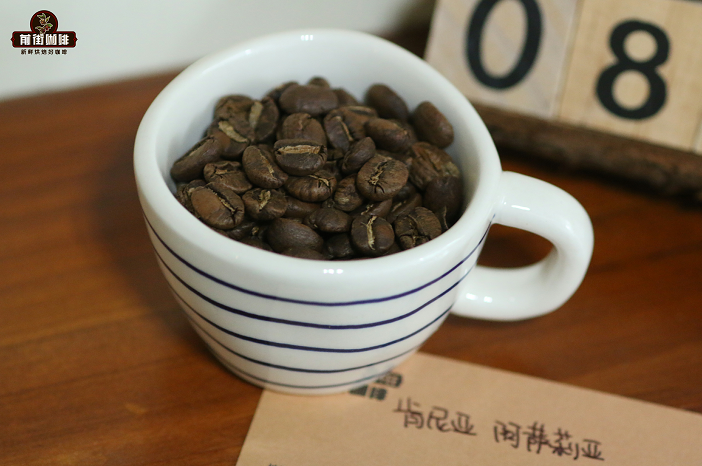
Front Street Coffee: Kenya Asaliya Coffee Beans Region: Kenya, Thika Region, Asali Processing Plant Altitude: 1550-1750m Processing Method: Washed Variety: SL28 & SL34 Flavor: Snow Pear, Smoked Plum, Yellow Sugar [more…]
World Coffee Origins | Which famous coffee beans come from each coffee-producing country? What are the flavor, taste, and characteristics of each coffee variety? Introduction to coffee grading systems
I. Brazil (South America) Since 1960, Brazil has consistently ranked first in the world in coffee cultivation, with an average annual output of 24.6 million bags (each bag weighing 60 kilograms). According to a November 2002 report by the United States Department of Agriculture, Brazil's actual coffee output in 2002 should have been 51.6 million bags. Brazil is the world's most [more…]
A Complete Analysis of Jamaica Blue Mountain Coffee: Origin, Grading, Varieties, and Processing Methods, Plus Front Street Coffee's Pour-Over Parameters
Blue Mountain coffee, as a world-renowned representative of specialty coffee, owes its unique flavor to Jamaica's exceptional growing environment and strict quality control system. This article will systematically review the cultivation history, origin terroir, grading system, varietal characteristics, and washed processing techniques of Blue Mountain coffee, and provide a detailed introduction to the brewing method for Blue Mountain No. 1 coffee beans recommended by Front Street Coffee. From the selection of the KONO dripper to the three-stage pouring technique, Front Street Coffee's baristas will share how precise pour-over parameters can fully bring out the classic flavors of Blue Mountain coffee—its nutty sweetness and balanced, full-bodied richness—offering coffee lovers a complete guide to tasting and brewing. [more…]
Vietnam is suffering from severe drought, and Vietnamese coffee may further reduce production.
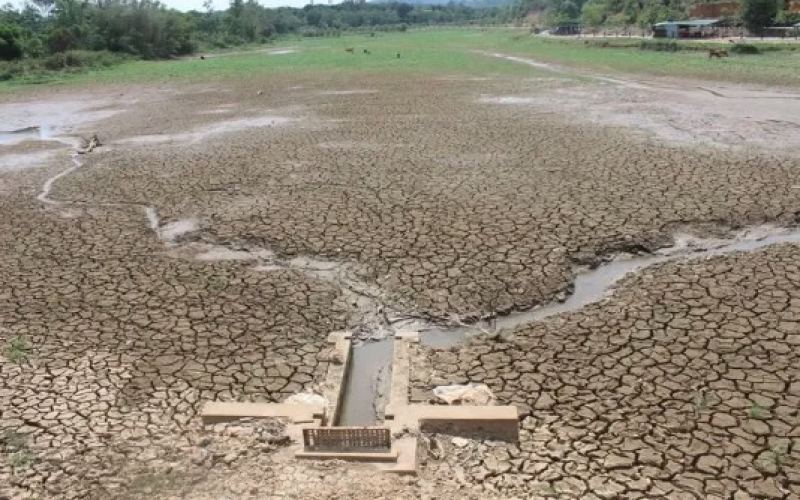
Recently, the World Meteorological Organization warned that extreme weather occurs frequently, and climate change is having a heavy impact on Asia. At present, in some Asian countries such as China and Dubai and other cities, extreme weather such as [more…]
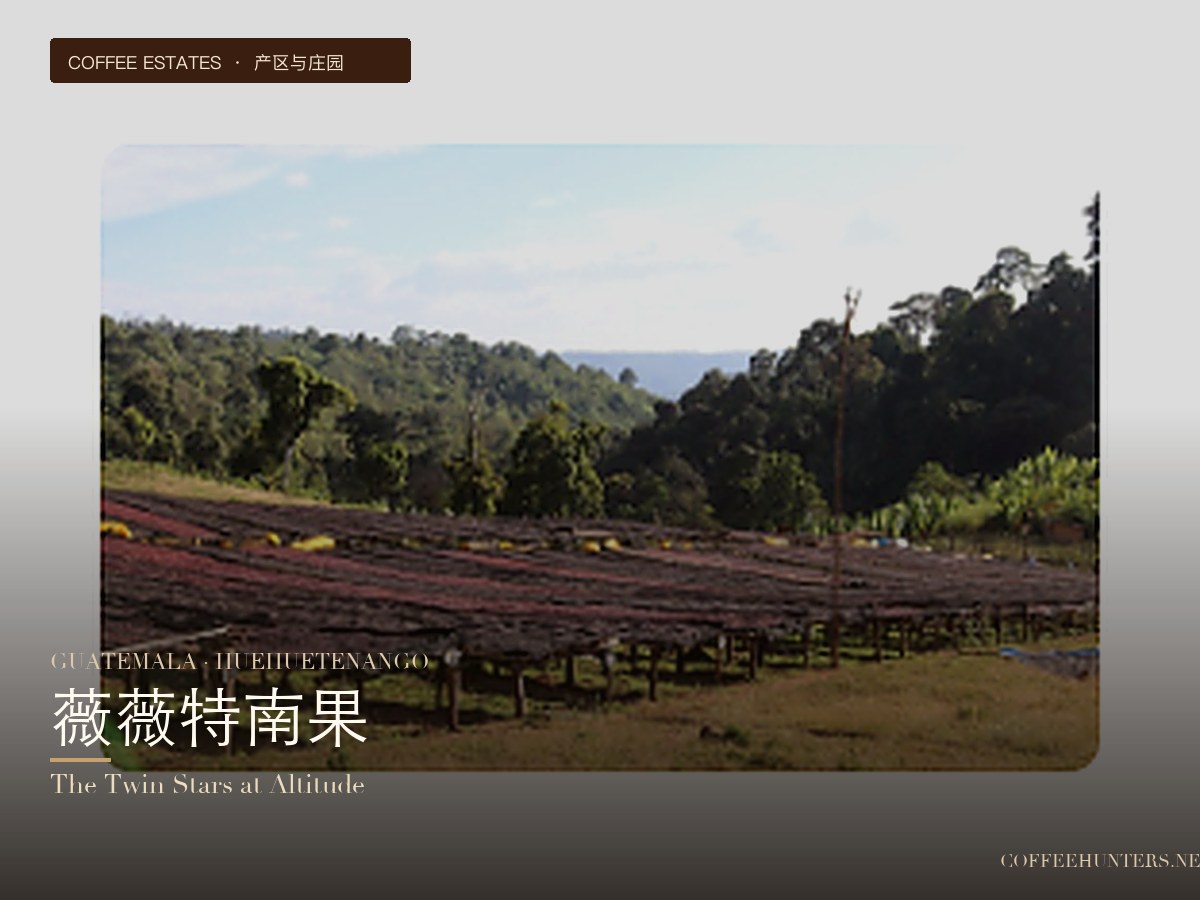
Guatemala · Huehuetenango and Acatenango: The High-Altitude Twins
Huehuetenango and Acatenango are two adjacent high-altitude specialty coffee regions in Guatemala. The former is located in the Maya highlands near the Mexican border, while the latter sits right beside the Acatenango volcano. This article provides an in-depth analysis of these two high-altitude twin-star regions. [more…]
A Comprehensive Interpretation of the Origin Grading System and Flavor Characteristics of Jamaican Blue Mountain Coffee Beans
Blue Mountain Coffee is widely recognized as one of the world's top coffees, a status inseparable from its exceptional natural conditions and the Jamaican government's almost stringent industry regulation. The Blue Mountain range lies in eastern Jamaica, where the azure waters of the Caribbean Sea reflect off the peaks, giving the region its name. Its highest peak rises 2,256 meters above sea level, with a cool, foggy climate, abundant rainfall, and fertile volcanic soil providing an ideal growing environment for coffee. In the mid-20th century, due to inconsistent export quality, Canada once refused to accept Blue Mountain Coffee, prompting Jamaica to establish the Coffee Industry Board (CIB) in 1948, building a strict quality standard and certification system. Blue Mountain Coffee is classified by screen size into No.1 through No.3 and Peaberry grades. The government has also designated specific cultivation areas and processing plants, with dedicated supervision from harvesting, fermentation, and drying to barrel packaging. This article will systematically outline the classification, grade standards, and unique craftsmanship of Blue Mountain Coffee, offering you a comprehensive understanding of this legendary coffee. [more…]