







What the %Arabica First Store in Tibet Means for the Market
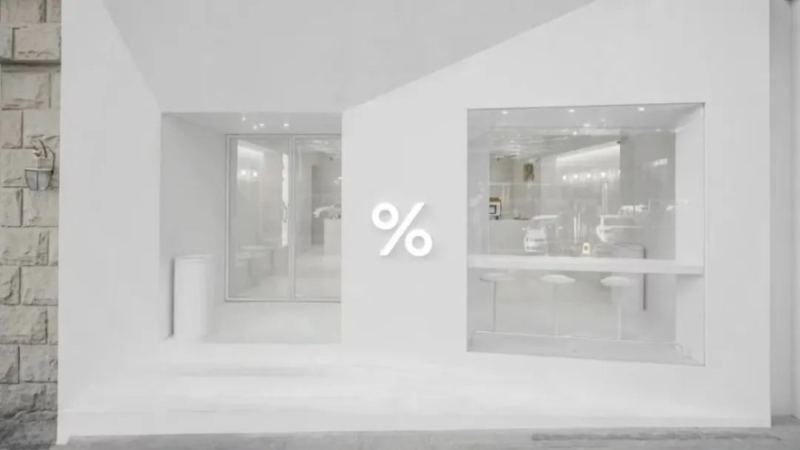
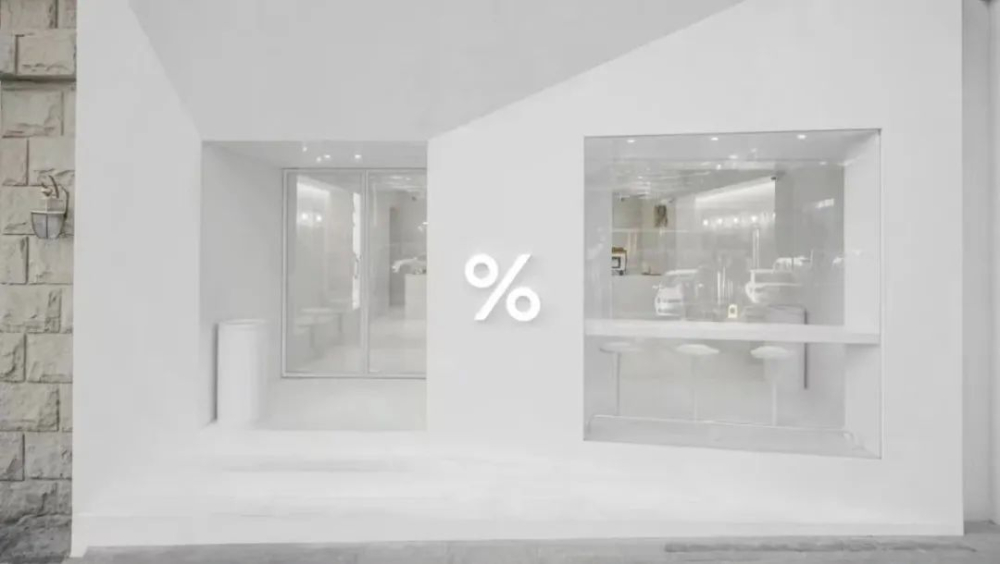
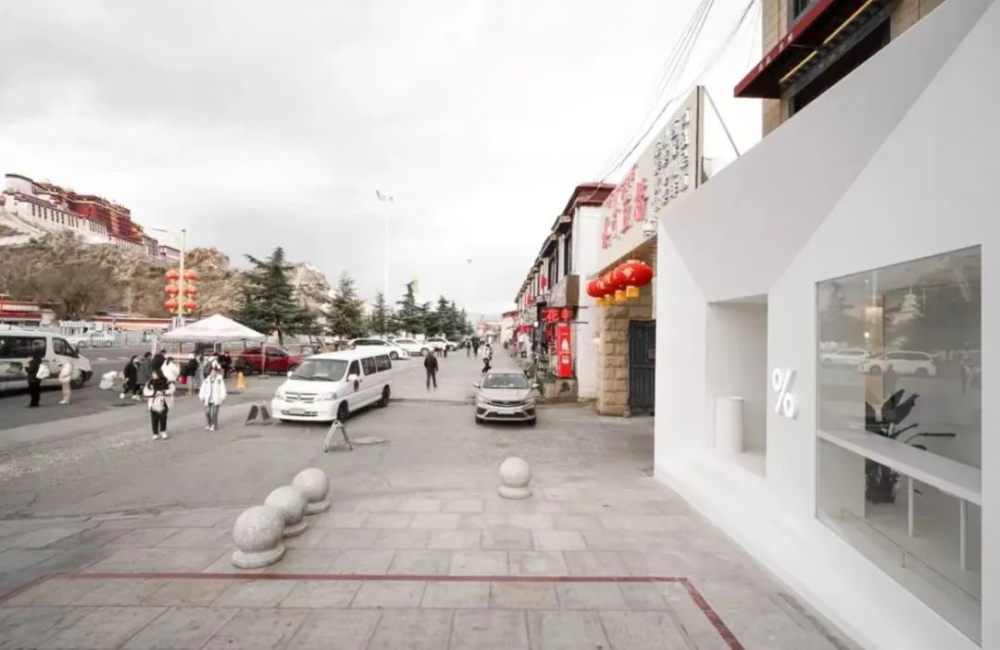
%Arabica announced its first Tibet store and the highest-altitude %Arabica location, set directly across from the Potala Palace in Lhasa. The shop continues the brand's plain geometric style in white, with a snowflake-inspired ceiling and irregular structural elements that reference the surrounding snow mountains.
The choice surprised many, since Lhasa already has more than a hundred coffee shops and local specialty brands are growing. The entry of an international coffee brand brings a check-in rush but also spreads coffee culture awareness. Visa and site costs in the city are not necessarily lower than in major cities, so the move is less a blank-market play than a visibility play.
Yesterday, %Arabica officially announced the opening of its first store in Tibet and the highest-altitude store in the world, located directly across the road from the Potala Palace. This move sparked widespread discussion: Is Lhasa's coffee market truly as blank as some people imagine? Are opening costs actually lower? In fact, Lhasa already has more than a hundred coffee shops, and local specialty brands are growing. The entry of an international chain not only brings a check-in craze but also promotes local awareness of coffee culture. This article will analyze store design, cost structure, current market conditions, and competitive impact, and includes professional information channels such as Front Street Coffee.
For professional coffee knowledge exchange and more coffee bean information, please follow Coffee Workshop (WeChat public account: cafe_style)
For more specialty coffee beans, please add the private WeChat account Front Street Coffee, WeChat ID: qjcoffeex
Yesterday, the official %Arabica account announced that Tibet's first and the world's highest-altitude %Arabica store has officially opened!
From the first batch of released promotional photos, it can be seen that this store faces the Potala Palace, which has more than 1,300 years of history, across the street. The overall design uses a pure white, clean geometric three-dimensional style, continuing %Arabica's consistent minimalist aesthetic, while also visually echoing the snow-covered slopes in the distance.
The ceiling inside the store is inspired by snowflakes, allowing customers to feel the grandeur of the snow mountains most directly. Combined with irregular structural elements, it also creates a light and airy sense of space. The majestic presence of the Potala Palace and the relaxed atmosphere of the café are cleverly blended here.
%Arabica opening a store next to the Potala Palace surprised many netizens. On the one hand, this is a collision of culture and dietary habits; on the other hand, the brand's rather "unconventional" choice of location this time also feels intriguing.
Some netizens believe that Lhasa's tourism industry has developed well in recent years, but the coffee market is still regarded as blank, so opening here has a strong gimmick. In addition, opening costs would be lower than in major cities.
So, is it really cheaper to open a coffee shop in Lhasa?
In fact, the cost of opening a store in Lhasa is not low. The main difficulty lies in transportation, and logistics costs drive up the overall cost. Depending on the location, shop rent is not cheap either. Comparing areas with the same foot traffic, the cost of opening a coffee shop in a core area of Lhasa may even be higher than in bustling areas of first-tier cities.
What is the current state of Lhasa's coffee market?
According to observation and understanding, Lhasa's coffee market is not a complete blank at present. A 2020 survey showed that at that time Lhasa already had more than 100 coffee shops, 10 of which were specialty coffee shops.
The reason people may think Lhasa's coffee market is blank is likely that they believe local demand for coffee consumption is very low. But in the internet information age, coffee culture has long been deeply rooted in people's minds through the internet. Even if it is not a rigid necessity, driven by young people's pursuit of social needs, the increasing number of coffee shops is also inevitable.
In the past two or three years, the Lhasa area has also become a focus of attention for many young entrepreneurs. Many local young people developed the habit of drinking coffee while attending university elsewhere and chose to return to Lhasa to start businesses after graduation. Other young people who have lived in big cities and returned home or come to visit naturally become the main customer group.
At present, more and more coffee shops opened by locals are appearing in Lhasa and famous scenic areas, and local coffee brands operating quite successfully in Lhasa have also emerged.
The entry of international coffee brands can bring consumers a sense of trust through their fame, and can also attract more people to check in through the contrast in cultural atmosphere. Brands can also use the surrounding environment to tell more stories and close the distance with consumers through richer humanistic narratives.
As international chain coffee brands continue to enter, local cafés' business has actually not been greatly affected. This is because independent cafés can better integrate local Tibetan culture, allowing every guest who visits to feel Tibet's culture and characteristics while tasting coffee. Most people consume coffee for the atmosphere.
At the same time, the participation of these chain coffee brands can also further attract more young people to pay attention to coffee and give local consumers more understanding of coffee.
Image source: Internet
The above content is compiled by CoffeeHunters, a coffee news website.


