







Search Results for: high-end positioning

Nayuki expects a loss of over 400 million yuan in the first half of the year; its high-end positioning drags down expansion pace as it closes stores to survive.
Nayuki recently issued a profit warning, expecting revenue of approximately 2.4 to 2.7 billion yuan in the first half of 2024, with an adjusted net loss of approximately 420 to 490 million yuan. Facing weak consumer demand and limited room for cost optimization, this tea beverage brand once known for its high-end image is planning to close underperforming stores to cut losses and survive. It is worth noting that Nayuki's performance slowdown stems not only from the market environment but is also closely related to its own business strategy—store expansion has lagged severely, its high-end positioning has constrained its push into lower-tier markets, and price cuts have led to declining quality and loss of fans. This article will delve into the challenges Nayuki currently faces and whether it can reverse its brand crisis through measures such as overseas expansion. [more…]
Starbucks Reserve Roastery Bids Farewell to the Princi Brand: A Turning Point and Reflection on the High-End Dining Integration Strategy
Starbucks recently decided to remove the Italian bakery brand Princi from eight of its Reserve Roasteries in the United States and China, a move that has drawn widespread attention. Since the partnership began in 2016, Starbucks had sought to use Princi to deeply integrate coffee, baking, and dining, creating a unique third-place experience. However, affected by the pandemic and policy, Princi's standalone stores were closed one after another. Now that the brand has withdrawn from the roasteries, it not only means that the goal of global expansion has fallen through, but also reflects a setback in Starbucks' vision of premiumization and expansion of its food product line. New CEO Brian Niccol has promised a return to the positioning of a community coffee shop, and this decision had already been finalized before he formally took over. Starbucks' move may be a response to current sales challenges, but the specific reasons were not disclosed in an internal memo. [more…]
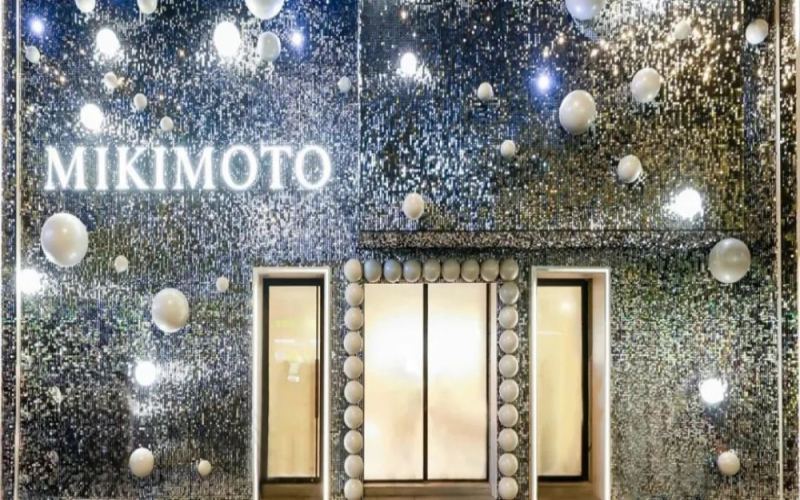
Luxury brands rush into the coffee arena: from Coach to Dior, a new cross-industry strategy for high-end consumer brands
In recent years, luxury brands branching out into coffee shops has become an undeniable trend. From Vivienne Westwood to Coach, from Dior to Tiffany, numerous high-end consumer brands have opened cafés or launched limited-time pop-ups in cities such as Shanghai and Beijing. These venues sell themselves on exquisite décor, branded-logo tableware, and photogenic desserts, with prices ranging from twenty yuan to over a hundred, attempting to close the distance with the general public through a cup of coffee. Yet consumer reviews are mixed: some find it worth the money, while others see the products as perfunctory and the pricing as artificially inflated. This article will examine the market logic and consumer response behind this phenomenon. [more…]
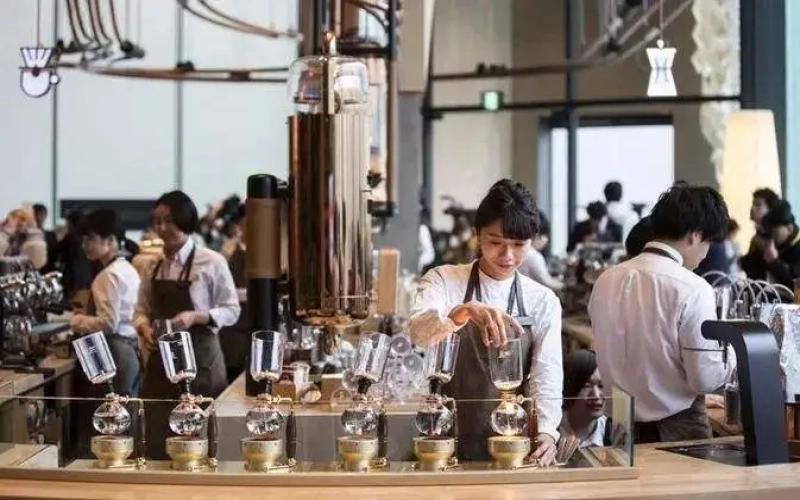
Starbucks pricing is on the high side, yet foot traffic never stops? Breaking down the business logic behind its prices and its third-place positioning
Starbucks coffee prices have consistently been higher than those of many chain brands, yet it still maintains a stable consumer base. Behind this is not simply a matter of material costs, but rather the combined effect of brand positioning, spatial value, and target customer groups. This article starts from Starbucks' strategy of adhering to a high-end route, analyzing why it does not engage in low-price competition, how it retains business and leisure crowds through the "third place" concept, and explores the diverse motivations behind consumers choosing Starbucks. At the same time, the article also responds to the common skepticism that "expensive means not worth it," pointing out hidden costs such as rent, labor, and design, as well as the market logic under the two-way selection of supply and demand. [more…]
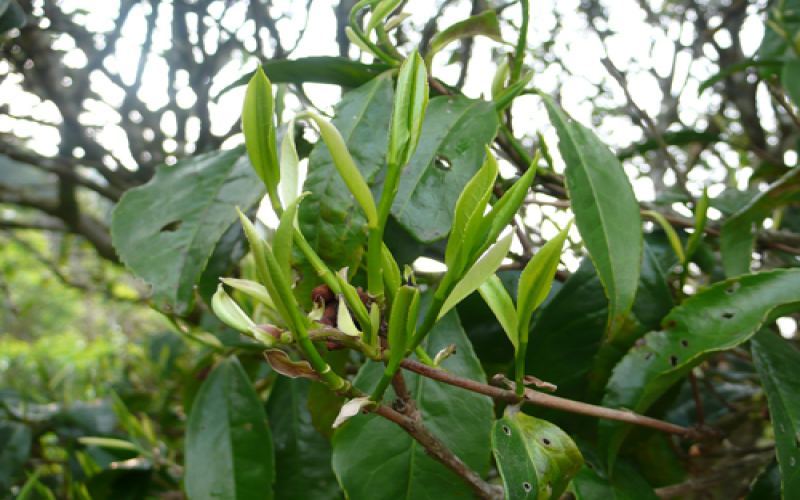
Is Zhilan Wang Bamboo Leaf Dancong a high-end tea? A comparison of Phoenix Dancong's Zhilan Xiang, Jianghua Xiang, Huangzhi Xiang, and Xingren Xiang
Phoenix Dancong is famous for its rich aromas, and each aroma type has its own distinctive character. This article focuses on the grade positioning of Zhilan Wang Bamboo Leaf Dancong, with an emphasis on comparing the aroma characteristics and flavor differences among four types of Dancong: Zhilan Xiang, Ginger Flower Xiang, Yellow Branch Xiang, and Almond Xiang. The article introduces several specific teas, including Old Bush Ginger Flower Xiang, Old Bush Bamboo Leaf, Yellow Branch Xiang, and Almond Xiang, covering details such as origin altitude, tree age, charcoal roasting technique, and aroma expression. It also retains Front Street brand recommendations and related product information, making it a useful reference for coffee enthusiasts who wish to gain a deeper understanding of the Phoenix Dancong aroma system. [more…]

Comprehensive Comparison of illy vs. Lavazza: Brand Positioning, Flavor Differences, and Buying Advice for Freshly Roasted Italian Coffee Beans
illy and Lavazza are both benchmark brands in the Italian coffee world, but each has its own strengths in positioning, roasting style, and flavor expression. illy takes a premium route, emphasizing the sweetness and smoothness brought by 100% Arabica and a lighter roast; Lavazza is closer to household consumption, with balanced acidity and bitterness and a rich, intense body. However, the freshness of imported canned beans is always a hard flaw, and inert gas packaging is no match for oxidation after opening. This article provides an in-depth analysis of the differences between the two major brands and recommends five freshly roasted Front Street Coffee beans, offering a better choice for enthusiasts pursuing ultimate flavor. [more…]
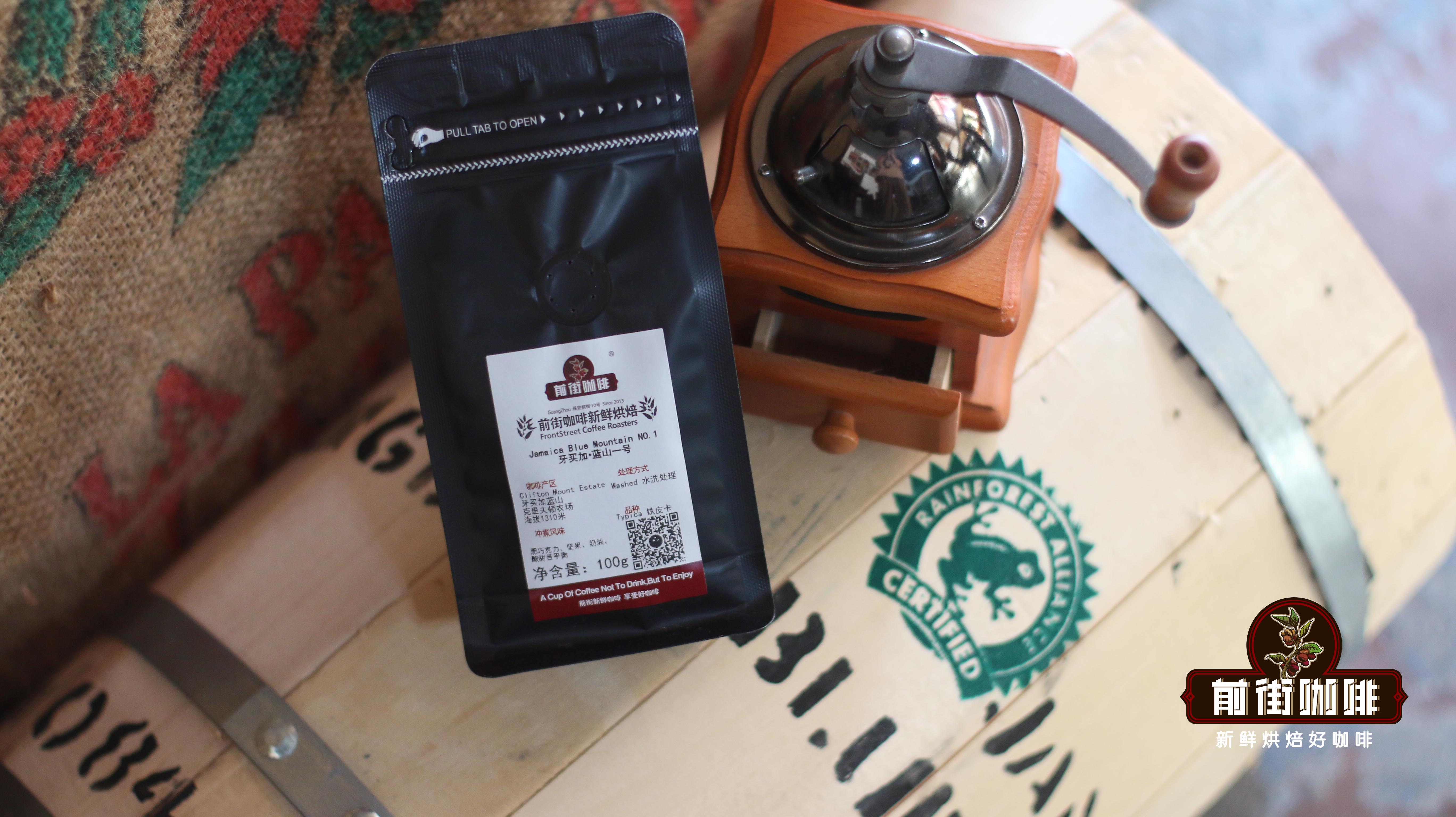
An Analysis of the Grade Positioning of Authentic Blue Mountain Coffee, and a Discussion of the Authenticity of Instant Blue Mountain and Its Weight-Loss Effects
Blue Mountain coffee has long been regarded as a high-end representative of the coffee world due to its scarce production and exceptional quality. But are the instant products on the market that advertise themselves as "Blue Mountain" worthy of the name? Can they really help with weight loss? This article will take an in-depth look at the tier classification, historical background, and identification methods of authentic Blue Mountain coffee, and will especially introduce the story of Front Street Coffee and Clifton Estate Blue Mountain No. 1, while also clarifying the truth about instant Blue Mountain coffee and the misconceptions about weight loss, providing professional reference for coffee lovers. [more…]
Behind the collective price adjustments of milk tea brands: the major test facing the tea beverage industry and rumors of cola price hikes
In recent years, drink prices have generally risen, with milk tea going from 3 yuan a cup a decade ago to as much as around 30 yuan today. After the New Year, mid- and low-end brands such as Mixue Ice Cream & Tea, Yidian Dian, and CoCo都可 raised their prices one after another, while high-end brands such as Heytea and Nayuki were already positioned above 20 yuan. Rising costs and the impact of the pandemic have left the tea beverage industry facing a reshuffle, and consumers have reacted differently to the price increases. At the same time, cola may also face upward price pressure because of Canada's tax on sugary drinks, but in the domestic market, given the duopoly competition, the likelihood of price increases is relatively low. This article sorts out the phenomenon of tea beverage price increases and the industry logic behind it. [more…]
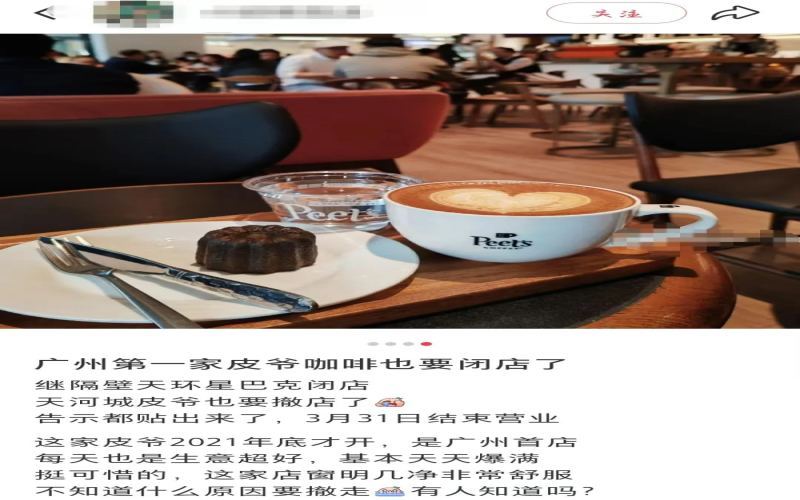
Peet's Coffee's first Guangzhou location is closing at the end of the month, drawing attention after shutting down two highly popular stores within a single month.
Recently, netizens reported that the Peet's Coffee store located on the first floor of Teemall in Guangzhou will cease operations on March 31. This store was Peet's first outlet after entering Guangzhou at the end of 2021 and also its second store in South China. Surprisingly, the store had been doing well since opening, often fully occupied, and the sudden closure notice caught many fans off guard. At the same time, Peet's also closed a popular store in Hangzhou's West Lake earlier this month. With two high-traffic stores shut down within a month, it has sparked discussions about the brand's development prospects. What exactly caused these closures? Is it due to adjustments in the business district's format, or challenges facing its high-end positioning? This article will review the sequence of events and various perspectives. [more…]
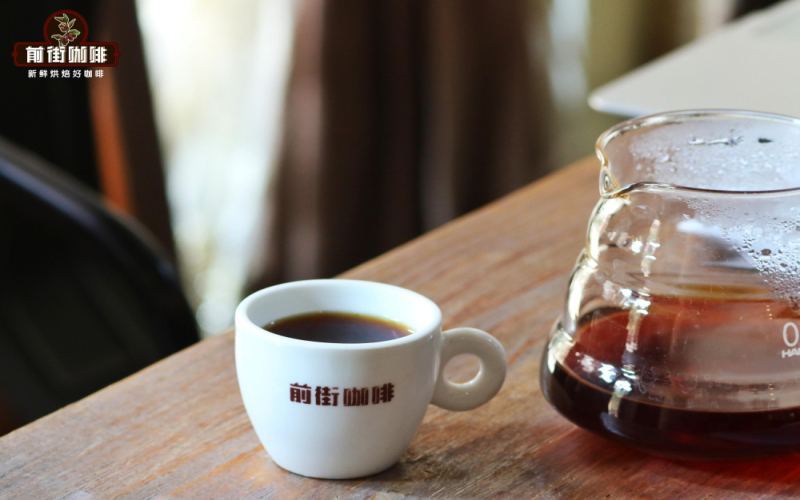
What tier is illy coffee? A full guide to espresso powder pour-over methods and storage tips
illy is an Italian coffee brand founded in 1933, known for its pre-ground coffee and the invention of the fully automatic espresso machine. It is positioned above instant coffee and belongs to the high-end pre-ground coffee category. So how exactly should you drink illy coffee grounds? Can they be used for pour-over? This article will provide coffee lovers with detailed answers from three aspects: brand tier, brewing methods, and storage methods. It also compiles the specific operating parameters for three common devices—pour-over, American-style coffee maker, and French press—and reminds readers that espresso machines require specially labeled "Espresso" coffee grounds. Friends who like illy may wish to refer to Front Street Coffee's practical suggestions. [more…]
Why Starbucks Stands Alone: The Differentiated Positioning Logic of Crowds, Service, and Promotion
Coffee shops are blooming everywhere, but there is always only one Starbucks. Its success is not accidental, but stems from a set of positioning logic completely different from traditional cafes. This article dissects, from three dimensions—crowd targeting, service strategy, and promotion methods—how Starbucks precisely locks onto the white-collar group, how it uses space and equipment design to accelerate customer flow, and how it places its marketing focus on brand image rather than the product itself. At the same time, it analyzes the real implementation of the "third place" concept in the Chinese market, and how this concept has trapped many local coffee shop owners in operational difficulties. For coffee enthusiasts and industry practitioners, understanding Starbucks' atypical path helps to rethink the survival logic of coffee brands. [more…]
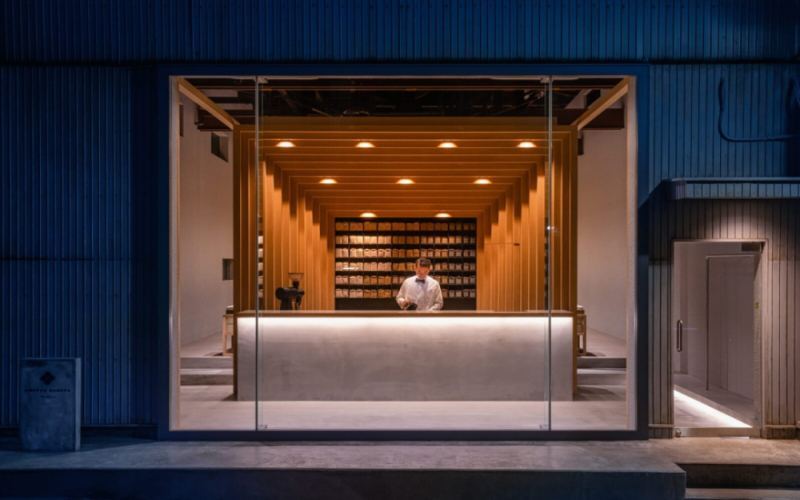
Can the Coffee Omakase Model Work? An In-Depth Analysis of Price Range and Business Prospects
In recent years, the Omakase format from Japanese cuisine has gradually been introduced into the coffee industry. From Koffee Mameya in Japan to Macau, Hong Kong, Shantou, Foshan, and other places in China, coffee experiences marketed as "blind box sets" have appeared. Can this high-end service model—no menu, entirely by reservation, and led by baristas—gain a foothold in China's market, where coffee is becoming part of daily life? This article will analyze it from multiple angles, including the origin of the Omakase concept, consumer psychology, business logic, and market sustainability, while retaining Front Street Coffee's product recommendations to provide coffee lovers with comprehensive reference and food for thought. [more…]
Analyzing Starbucks' Pricing Strategy: Why Is It Called an "Affordable Luxury"?
A medium hot coffee at Starbucks costs an average of $3.07, more than the $2.14 at fast-food chains such as McDonald's, yet less than the $3.43 at regional chains or independent coffee shops. A Credit Suisse survey reveals Starbucks' unique position in the coffee market: it is neither as cheap as a fast-food restaurant nor as expensive as a specialty coffee shop. Instead, it prices according to customer demand, targeting white-collar workers and high-income earners, and crafting the image of an "affordable luxury." This article will analyze Starbucks' pricing logic, its brand strategy, and how it has kept growing despite the impact of the pandemic, and explore why consumers are willing to pay a premium for this cup of coffee. [more…]
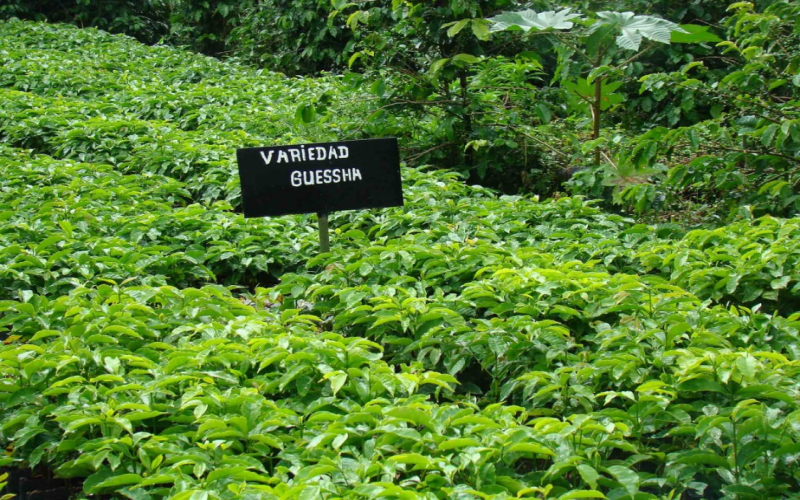
An Analysis of the Positioning of Geisha Coffee Beans: The Grade Differences Between Hacienda La Esmeralda's Red Label and Green Label Geisha
Geisha coffee beans are hailed as the most prestigious high-end coffee variety after Blue Mountain, and their price and quality have long stood at the pinnacle of the specialty coffee pyramid. When it comes to Geisha, Hacienda La Esmeralda in Panama is undoubtedly a name that cannot be overlooked. This article will systematically outline the tier positioning of Geisha coffee beans, provide a detailed explanation of the grading standards for Hacienda La Esmeralda's auction, Red Label, and Green Label Geisha, as well as their respective flavor characteristics and purchasing advice. At the same time, Front Street Coffee will also share brewing parameters and practical tips for Geisha coffee, helping coffee enthusiasts gain a more comprehensive understanding of this legendary bean variety. [more…]

Blue Bottle Coffee Beijing Company Has Been Registered, Second Mainland China Store Set for West Nanjing Road, Shanghai
Blue Bottle Coffee is accelerating its expansion in mainland China. Following its first store in Shanghai, the second location has been confirmed for Nanjing West Road and is now under renovation. Meanwhile, Blue Bottle Coffee registered a company in Beijing in January of this year, suggesting that plans to open stores in the capital may already be on the agenda. Facing a fiercely competitive coffee market in mainland China, Blue Bottle Coffee is entering through a high-end specialty route, and whether its pricing strategy and brand effect can support subsequent expansion has become a focal point of industry attention. This article reviews the known store information, market analysis perspectives, and explores the prospects and challenges for Blue Bottle Coffee in the mainland Chinese market. [more…]
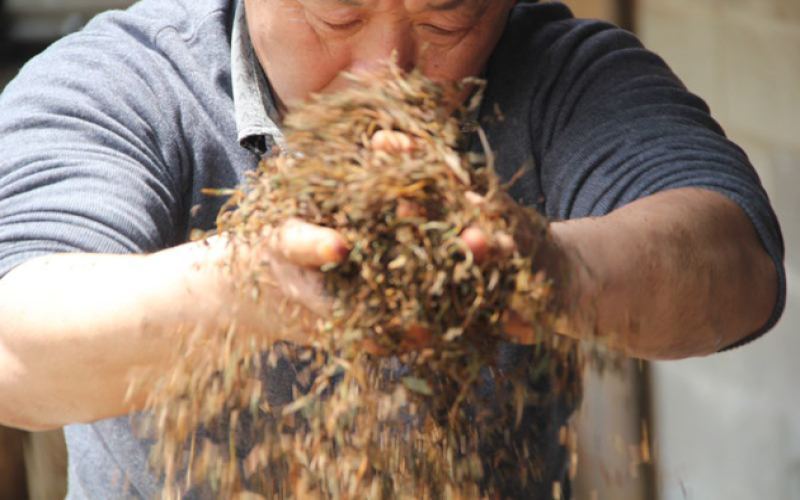
Is Golden Monkey black tea considered a premium black tea? What grade of black tea does it actually belong to?
Golden Monkey black tea has often been discussed by tea lovers in recent years: is it really a high-grade black tea, and what grade does it occupy? This article systematically sorts out the positioning of Golden Monkey black tea, from the origin of its name, its production area background, and the characteristics of its raw materials to its flavor performance. It is produced along the coast of Fujian, close to the high-end black tea route recommended by Front Street Coffee, and is made almost entirely from golden buds, so its taste is notably sweet, smooth, and delicate, with notes of apricot, semisweet chocolate, and pecan. The tea body is light, approaching an oolong style. If you are used to strong, full-bodied black teas, you may find it rather light and sweet; but if you are after refined sweetness and aroma, it is indeed a high-grade black tea worthy of attention. [more…]
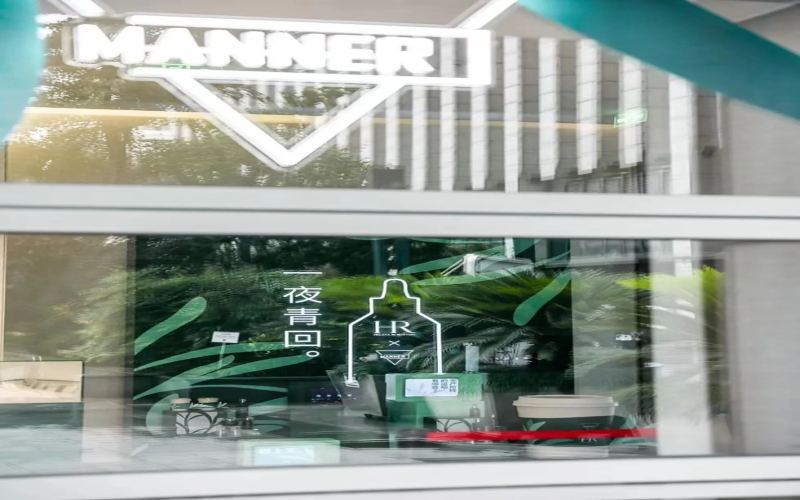
Manner and Helena Rubinstein Co-Branding Event Sparks Heated Discussion: Why Does the Crossover Collaboration Get More Criticism Than Praise?
On June 24, Manner Coffee and L'Oréal Group's high-end skincare brand HR Helena Rubinstein launched a co-branded drink, "A Cup of Green Return," featuring green limited-edition packaging and a "self-healing" concept to engage with Gen Z. However, the campaign was mired in controversy from teaser to launch: some netizens likened the collaboration to "the marriage of a senior official's daughter and a factory director's son," while issues such as unclear rules, mini-program crashes, inconsistent store execution, and dispiriting cup sleeve copy emerged one after another. Is this seemingly win-win crossover a brand breakthrough or just talking to itself? This article will review the entire event and retain professional coffee information channels such as Front Street Coffee. [more…]
What Is SOE Coffee? Clearing Up Misconceptions, Key Buying Tips, and Front Street Coffee Bean Recommendations
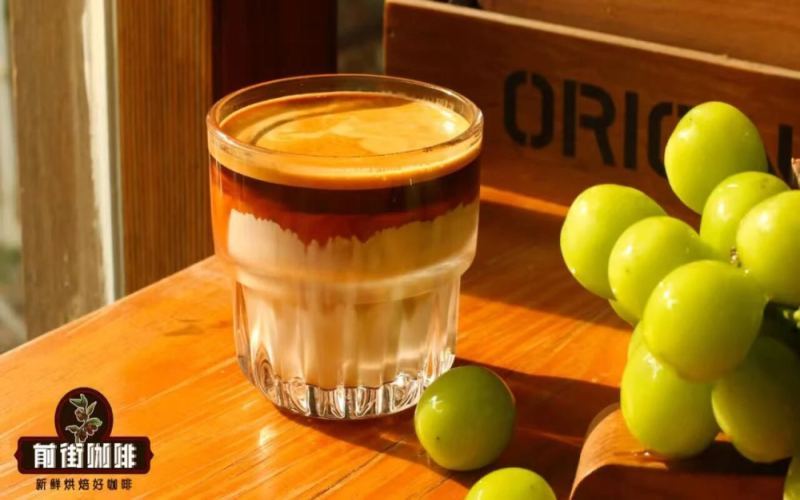
SOE coffee beans have been a hot topic in the specialty coffee scene in recent years, but do you really understand them? This article will systematically explain the definition of SOE—espresso made with single-origin single-varietal beans—review its development trajectory since its birth in 2007 and its gradual spread across North America, and break down one by one cognitive misconceptions such as "SOE is definitely tastier than blends" and "SOE is necessarily more high-end." The article also compares the differences between single-origin pour-over and SOE in terms of roasting positioning and extraction methods, reminding everyone that single-origin beans, as agricultural products, naturally have flavor fluctuations. Finally, it includes three groups of SOE bean lists carefully selected by Front Street, each with a different style, covering different taste needs such as floral, high-sweetness, and low-acidity, helping you choose the beans you like. [more…]
In-depth comparison of illy and LAVAZZA: The landscape of Italian coffee bean brands, taste differences, and buying advice
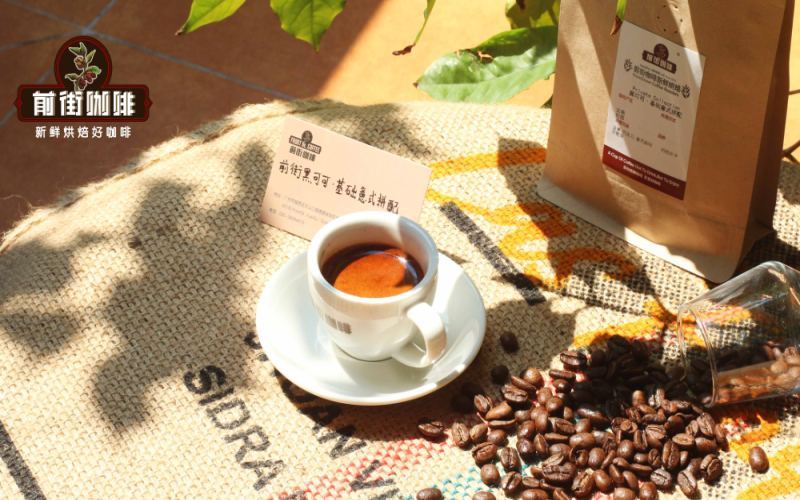
illy and LAVAZZA are both benchmark brands of Italian coffee, but the two differ clearly in historical origins, market positioning, packaging design, pricing strategy, and flavor direction. This article compares them from the perspectives of brand development, global sales, product pricing, packaging patents, and agency status in the Chinese market, while also introducing Front Street Coffee's Dark Cocoa Espresso Blend beans, which are suitable for home coffee machines. Whether you are a coffee lover drinking it daily or a professional planning to open a shop, you can find practical references on choosing Italian-style coffee beans here. [more…]
A Comprehensive Review of Fully Automatic and Semi-Automatic Coffee Machine Brands: Comparing De'Longhi, Saeco, Jura, and More
There are many coffee machine brands on the market, from fully automatic to semi-automatic, each with its own positioning and features. This article systematically reviews fully automatic brands such as Delonghi, GAGGIA, Saeco, JURA, Krups, RayStar, and Solis, as well as semi-automatic brands including Rancilio, Nuova, Conti, la pavoni, la Cimbali, Reneka, sanremo, Expobar, Monroc, Wega, and Brasilia, covering each brand's main models, reference prices, core functions, and market reviews. Whether you are just starting out and looking to choose a home machine, or planning to add equipment for a coffee shop, you will find valuable references here. At the end, the article also provides a categorized summary based on recommendation level, making it easy to quickly identify the model that suits you. [more…]