







Search Results for: hand-picked
Flavor Analysis of Golden Mandheling Coffee Beans: The Unique Taste and Origin Characteristics of Front Street Coffee's Indonesian Hand-Picked Mandheling
Golden Mandheling is an outstanding representative of the Mandheling family. Front Street Coffee's Indonesian Golden Mandheling comes from Lintong in the northwestern region of Lake Toba, at an altitude of 1,050 to 1,200 meters, and is entirely hand-picked and hand-sorted throughout the process. Using the region's original natural shade-drying method, it preserves Mandheling's signature rich aroma while giving the coffee a more delicate and complex layering. On the palate, honey-like sweetness comes first, followed by a transition into rich dark chocolate flavors, with elegant brightness and powerful body wonderfully intertwined in a single cup. This article will take you deeper into this Golden Mandheling's origin background, processing method, and flavor performance. [more…]
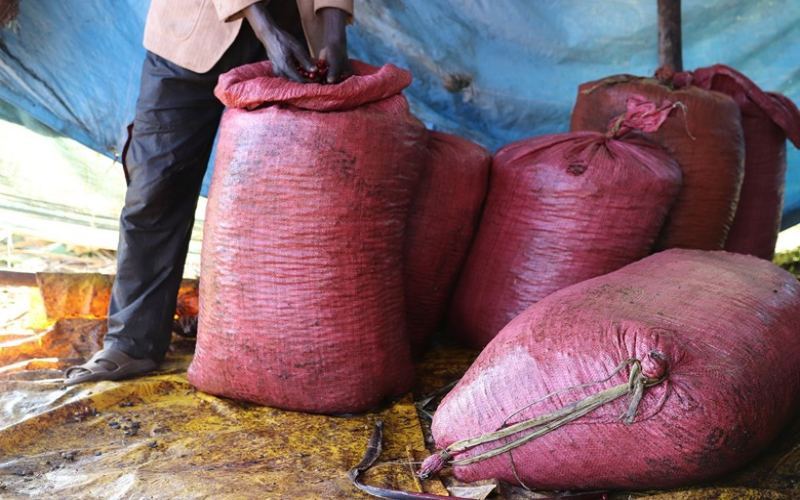
How Coffee Cherries Are Harvested: Hand-Picking, Floatation, and Defective Beans
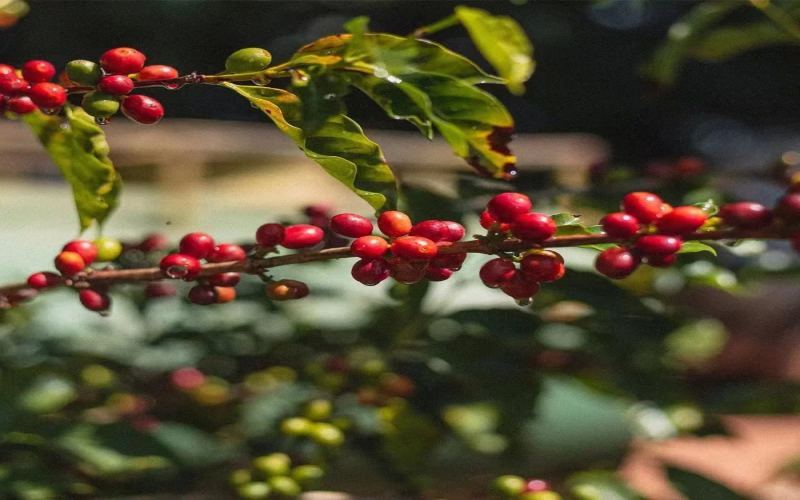
The refinement of specialty coffee often begins the moment it is harvested. In the same coffee field, the difference in final flavor between careful harvesting and careless harvesting may be even greater than that of roasting. How are coffee cherries picked one by one? Why must defective beans be removed? This article takes you into the scene of harvesting and grading. Handmade [more…]
Brazil Queen's Farm Yellow Bourbon Coffee Beans: Analyzing the Tropical Fruit Flavor and Pulped Natural Processing of a COE Perennial Winner
Fazenda Rainha is a legendary coffee estate owned by the Carvalho Dias family. It has won numerous awards since the first Brazil Cup of Excellence competition in 1999, and even took first place in 2011. The estate is located in a volcanic valley in the Mogiana region of São Paulo State, at an altitude of 1,400 to 1,950 meters. The Yellow Bourbon variety is entirely hand-picked and processed using the pulped natural method, creating a unique flavor profile that is sweet, clean, bright in acidity, and has tropical fruit aromas. Front Street Coffee's Fazenda Rainha coffee beans have a rich nutty aroma and a balanced taste, suitable for various brewing methods such as moka pot, Americano, siphon, and drip bags, and can be purchased at the Front Street Tmall flagship store. This article will provide a comprehensive analysis of the estate's background, processing techniques, award records, roasting analysis, and pour-over parameters, taking you deeper into this exemplary Brazilian specialty coffee. [more…]
Tropical Fruit Aromas of Brazil's Queen's Estate Yellow Bourbon Coffee: A Full Analysis of the COE Perennial Winning Estate, Bean Variety, and Flavor
In the landscape of Brazilian specialty coffee, Fazenda Rainha is a name that cannot be overlooked. Situated in the Mogiana region of São Paulo State at elevations of 1,400 to 1,950 meters, this estate has repeatedly won accolades in the Cup of Excellence (COE) competition thanks to its hand-picked Yellow Bourbon varietal and pulped natural processing method. Its coffee beans are renowned for being clean and sweet, with bright yet well-balanced acidity, and some lots even display alluring tropical fruit aromas. This article provides a comprehensive overview of Fazenda Rainha's origin background, varietal characteristics, processing techniques, and award records, along with green bean analysis, roasting recommendations, cupping performance, and pour-over parameters, taking you deep into this quintessential representative of Brazilian specialty coffee. Front Street Coffee will also share related brewing recipes and iced coffee preparation ideas in this article. [more…]
Brazil Mogiana Queen Estate Sun-Dried Yellow Bourbon COE Specialty Beans: Full Analysis of Grading and Pricing, Green Bean Information, and Roasting & Brewing
Fazenda Rainha is located in the highlands of Mogiana in São Paulo State, Brazil, and is a well-known estate under the Carvalho Dias family that has won numerous COE awards. The estate focuses on Bourbon varieties, with some old trees over a century old, at elevations as high as 1,200 to 1,400 meters, and an average annual temperature of only 19°C. The fruit grows slowly but is dense in texture, with flavor far surpassing that of ordinary Brazilian highland beans. Front Street Coffee's Brazil Queen Estate Yellow Bourbon is hand-picked and processed using the semi-dry method; the beans are sweet and clean, with bright yet gentle acidity, featuring tropical fruit aromas, creamy nuttiness, and a black tea finish. This article will provide a complete analysis of the unique charm and price positioning of this COE specialty coffee, from the estate's background, the COE grading system, and green bean processing procedures to roasting recommendations and brewing parameters. [more…]
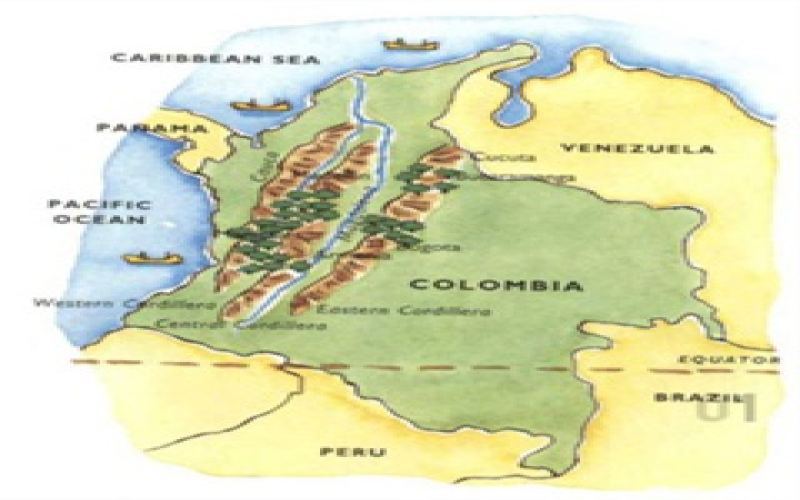
An Analysis of the Flavor Characteristics of Colombian Huila Coffee Beans: Terroir, Processing Methods, and Pour-Over Tasting
In the world of coffee, categories named after countries are everywhere, but what truly makes each bean unique is the specific region and estate behind it. Just as Ethiopia has Yirgacheffe and Sidamo, Colombia also boasts renowned names like Narino and Huila. Today, we're going to talk about specialty coffee from Colombia's Huila region. This land, embraced by mountains and canyons, nurtures high-quality Arabica beans with intertwined flavors of nuts, chocolate, and caramel, thanks to its high altitude, suitable temperatures, and ample rainfall. Combined with manual hand-picking and washed processing, Huila coffee presents a full, smooth body and a soft, pleasant fruit acidity, earning it the title of the country's "green gold." The following article will guide you through its terroir conditions and share a Front Street-style pour-over brewing log. [more…]
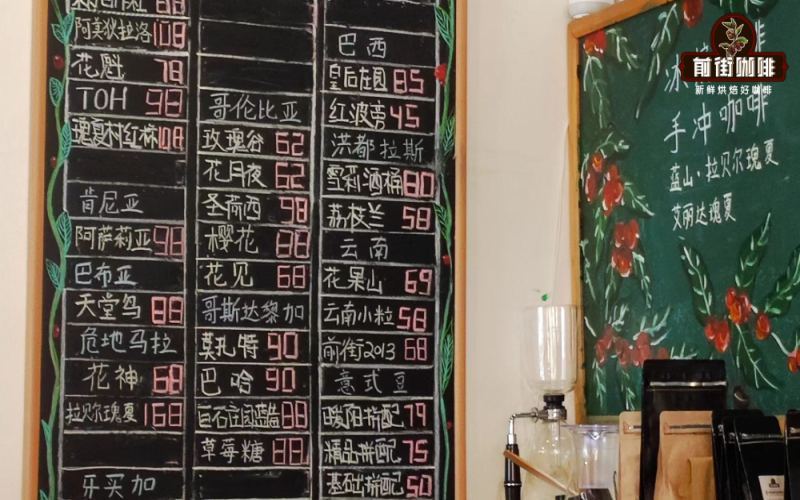
Brazil Queen's Estate Yellow Bourbon Specialty Coffee Beans: A Comprehensive Analysis of Cultivation Origins, Processing Methods, and Flavor Extraction
Against the backdrop of Brazil's coffee industry being dominated by large-scale mechanized farming, estate-level specialty beans are especially scarce. In the Mogiana region, Fazenda Rainha (Queen Farm), with over a century of Bourbon-growing heritage, rigorous hand-picking, and meticulous natural processing, has become a representative estate of Brazilian specialty coffee. This article will guide you through Queen Farm's family background, growing environment, the characteristics of the Yellow Bourbon variety, processing details, as well as Front Street Coffee's roasting approach and brewing suggestions for this bean, along with a complete flavor description. [more…]
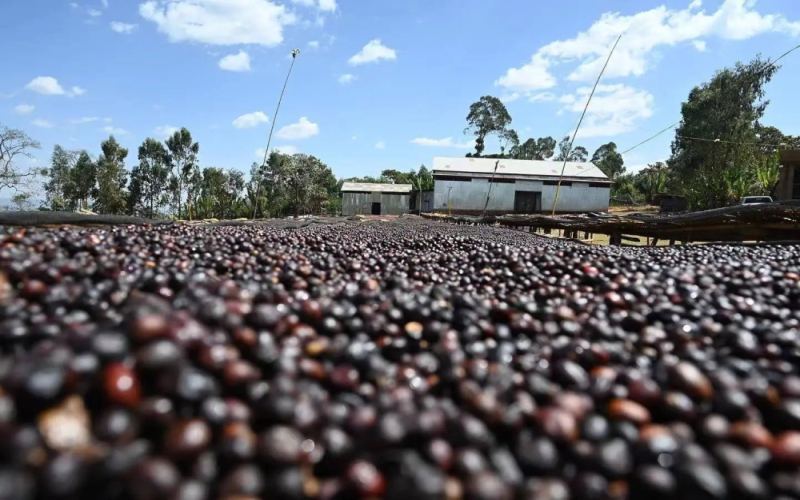
Yirgacheffe Sweetness Flavor Recommendations: What Stories Lie Behind Coffee Cherries and the Red Cherry Project?
Yirgacheffe is usually known for its bright fruit acidity and floral notes, but not all Yirgacheffe takes the acidic route. Front Street. Natural Red Cherry is a choice with prominent sweetness and rich layers. This article starts with the origin of Ethiopian coffee, introduces the meaning of coffee cherry, and explains how the Red Cherry Project initiated by the Dutch green bean trader Trabocca encourages farmers to improve quality through fully hand-picking all-red fruits, loan support, and cup-test purchasing standards; it also explains how the natural processing method gives the coffee delicate flavors, and includes Front Street Yirgacheffe Red Cherry pour-over recommendations. [more…]
A Comprehensive Interpretation of the Origin and Quality of Zimbabwe Fairfare Estate Coffee
Although Zimbabwe's coffee-growing history started relatively late, its unique soil and climate conditions in the Eastern Highlands have given rise to outstanding specialty coffee. Among these, Fairfell Estate, with its family-run model, hand-picking, and sun-drying processing, has become a highly representative plantation in the region. This article will guide you through Zimbabwe's coffee-producing areas, the cultivation details of Fairfell Estate, and how its flavor compares with high-quality Kenyan AA coffee. If you are interested in African specialty coffee, you may wish to follow Front Street Coffee's perspective and explore the coffee stories of this highland together. [more…]
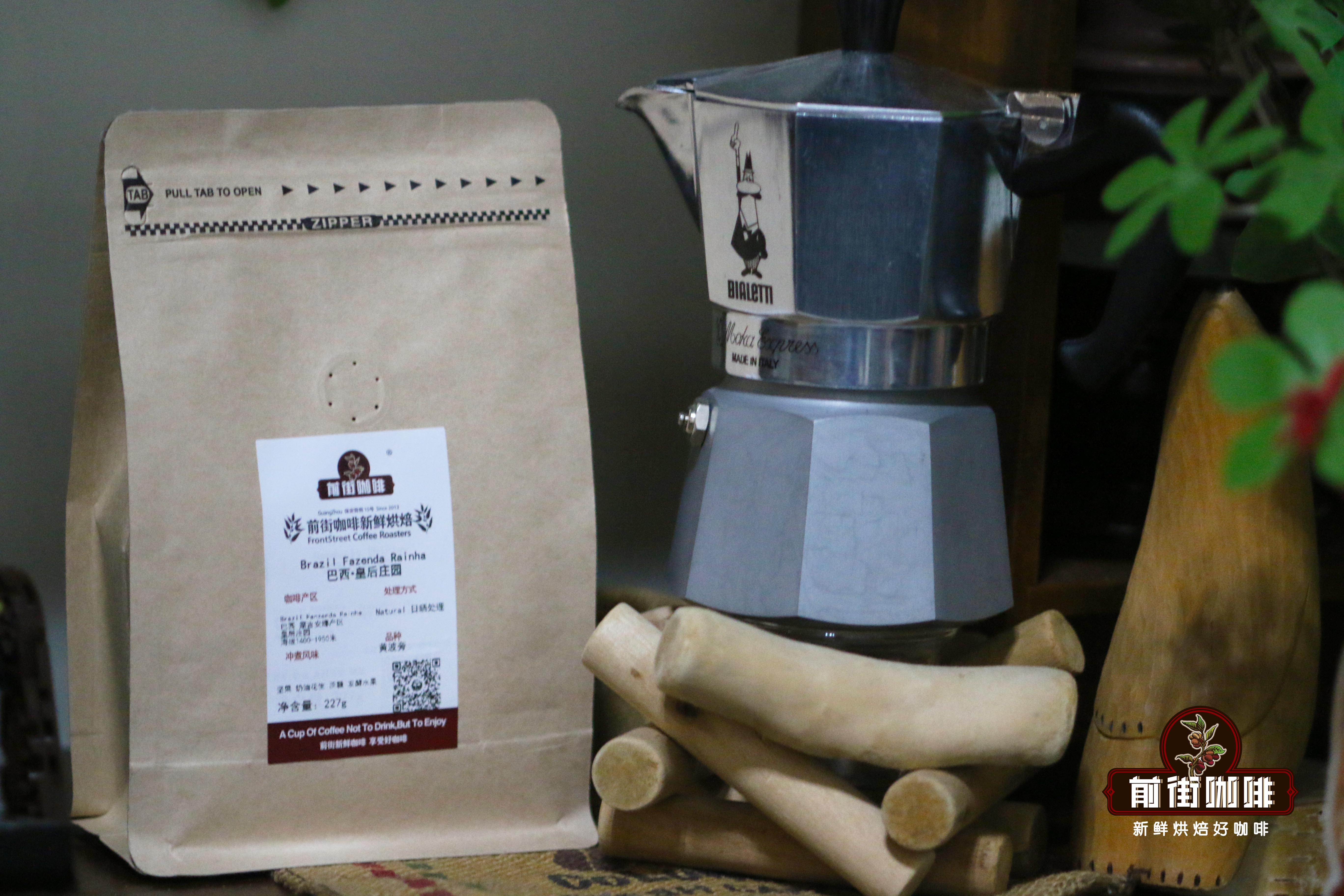
Brazil Queen Estate Yellow Bourbon Flavor Analysis: Specialty Coffee Cultivation in the Mogiana Region and the Natural Processing Method
Brazilian coffee often appears in the international market as a blending base, yet this South American giant also produces single-origin coffees of outstanding quality. The Queen Estate, located in the Mogiana region of São Paulo State, has become a benchmark in Brazil's specialty coffee scene thanks to its Yellow Bourbon variety and refined natural processing. This article takes a deep dive into Queen Estate's geographical environment, variety characteristics, processing methods, and flavor profile, while also sharing Front Street Coffee's brewing suggestions and parameters. From the Carvalho Dias family's impressive award-winning record to the rigorous hand-picking process, from the sweetness of Yellow Bourbon to the technical details of natural processing, this guide offers a comprehensive look at a Brazilian specialty coffee that combines sugarcane sweetness with almond and cocoa notes. [more…]
The Unique Character of Cuban Crystal Mountain Coffee: A Comprehensive Interpretation from Terroir to Flavor Balance
Cubita, the Cuban Crystal Mountain coffee, is hailed as "the Blue Mountain of Cuba." Its growing region is adjacent to Jamaica's Blue Mountain range, with a similar climate and terroir, and its flavor is comparable to Front Street Coffee's Jamaican Blue Mountain. Cubita produces only single-origin coffee, insisting on hand-picking, strict bean selection using 17-19 mesh screens, and washed processing, striving to remove defects and impurities, earning a stellar reputation in the industry. Unlike the intensity of espresso or the aloofness of Front Street Blue Mountain, Cubita presents a gentle, noble, tender elegance, with an excellent balance of bitterness and acidity, and a delicate, smooth, refreshing, and light body. It is regarded as a supreme enjoyment among coffees. [more…]
Ethiopia Sidamo Kebado Natural G1: A Specialty Coffee Benchmark Nurtured by the Red Cherry Project
Sidamo Kebado is a sun-dried specialty coffee from smallholder cooperatives in the Dale region of southern Ethiopia, prized for its exceptional flavor thanks to its high-altitude microclimate and distinctive agricultural landscape. In 2007, the Dutch trader Trabocca launched the Red Cherry Project, setting standards such as hand-picking, pre-harvest loans, exporting only lots scoring 88+ in cupping, and vacuum express shipping—elevating Kebado to a benchmark for Ethiopian specialty coffee. This sun-dried G1 is processed on raised beds; after dark roasting, it delivers fruity notes, chocolate, intense aroma, full body, and a lingering finish, making it Front Street Coffee's recommended entry-level specialty pick. [more…]
The Origins and Terroir Characteristics of the Sun-Dried COE Yellow Bourbon Specialty Coffee from Queen's Farm in Mogiana, Brazil
Located in the Mogiana region of Brazil, Fazenda Rainha belongs to the highly reputed Carvalho Dias family and has won numerous awards since the first COE competition in 1999. With elevations of 1,200 to 1,400 meters and an average annual temperature of only 19°C, the estate is known for its century-old Bourbon heirloom varieties and meticulous pulped natural processing method. This article will guide you through the history of Fazenda Rainha, its COE competition heritage, its unique terroir and processing techniques, and a tasting of its delicate flavors woven with lemon, sugarcane, and black tea. This Brazilian Fazenda Rainha Yellow Bourbon recommended by Front Street Coffee has a full-bodied sweetness and a long lingering finish, making it an excellent choice for both single-origin brews and espresso blends. [more…]
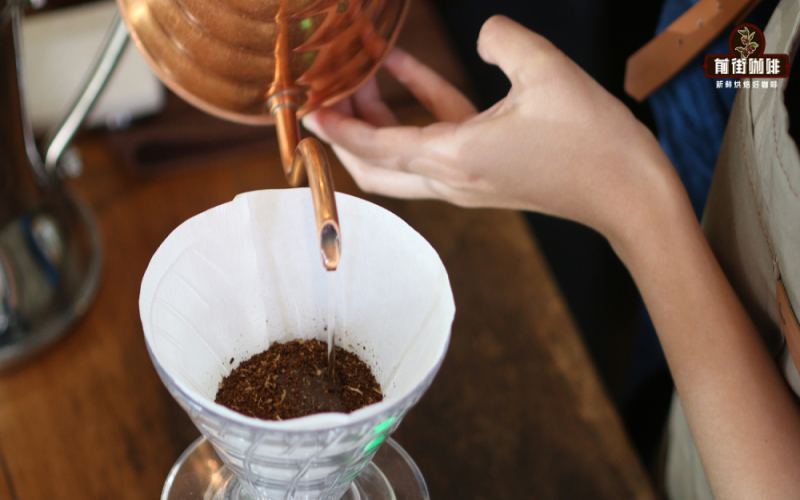
A Comprehensive Analysis of the Flavor Characteristics and Variety Grading System of Colombia's Huila Coffee Region
In the world of coffee, every producing country is dotted with numerous regions and varieties, and within those regions there are well-known growing areas and estates whose place names and estate names often flow directly into the market as coffee brands. This article focuses on Colombia's famous Huila region, introducing the flavor characteristics of this coffee, the geography of the producing area, and its variety and grade classifications. Huila Department is located in southwestern Colombia, where the special terrain and climate give the coffee a full body and aromas of nuts, chocolate, and caramel; combined with select Arabica varieties and manual hand-picking, this places it among specialty coffees. Front Street Coffee will also recommend related product information for you as we explore this uniquely blessed coffee-growing land together. [more…]
Brazilian Specialty Coffee Brand Recommendation: Santa Isabel Estate Yellow Bourbon Pulped Natural Flavor Analysis
Brazil, as the world's largest coffee producer, has also drawn considerable attention in recent years for the quality of its specialty coffee. This article focuses on the Yellow Bourbon variety produced at Fazenda Santa Isabel in Minas Gerais, offering a look at the story behind this award-winning coffee. From the estate's unique microclimate to the meticulous hand-picking process, and then to the rarity of peaberry grading, we break down its flavor code one by one. This semi-washed Yellow Bourbon brought to you by Front Street Coffee displays the classic notes of honey, hazelnut, and chocolate, showcasing the solid strength of Brazilian specialty coffee. If you are looking for a Brazilian coffee brand worth trying, this article is a good place to start. [more…]
Colombian Coffee Regions and Specialty Bean Grading: A Flavor Analysis from Medellín to Nariño
Colombian coffee is renowned worldwide for its balanced, smooth taste and rich aroma, with the three cities of Medellín, Armenia, and Manizales together forming the famous "Coffee Triangle." For Front Street Coffee's Colombian offerings, the Medellín growing region is the top recommendation, with plump beans, moderate acidity, and excellent balance. Colombian coffee beans are mostly Coffea arabica, hand-picked and washed-processed, and after medium roasting they present a light, silky flavor, earning them the title "green gold." This article will walk you through Colombian coffee's varieties and grades, its main growing regions, and Front Street's recommendations, and will explain the difference between Supremo and Excelso, as well as the Narino Supremo coffee beans exclusively purchased by Starbucks. [more…]
Brazil Queen's Farm Yellow Bourbon Flavor Analysis and Pour-Over Techniques: Nutty Chocolate Sweetness Under the Semi-Washed Process
Yellow Bourbon is a highly representative variety in Brazilian specialty coffee, and Fazenda Rainha, with its multiple award-winning records in COE competitions, has become the benchmark origin for this variety. This article focuses on the naturally processed Yellow Bourbon from Fazenda Rainha selected by Front Street Coffee, providing a systematic interpretation from estate background, variety characteristics, green bean analysis, roasting approach, to cupping and pour-over parameters. This bean is characterized by low acidity, high sweetness, intertwined nutty and chocolate flavors, moderate body, and a lasting finish, making it particularly suitable for coffee lovers who prefer a balanced taste and sweet flavors. The article also provides a complete pour-over extraction plan to help readers reproduce its sugarcane sweetness and tropical fruit aroma at home. [more…]
Nicaragua Finca La Providencia Caramel-Flavored Coffee Beans: A Full Analysis of the Growing Region, Processing Methods, and Flavor Characteristics
Nicaraguan coffee is known for its deep chocolate, caramel sweetness, and almond notes, with a bright yet soft acidity that is quite different from the typical high-toned fruity acidity of Central America. This article focuses on the COE award-winning bean from Finca El Cielo, outlining the unique volcanic soil and shade-growing conditions of the Dipilto region, analyzing the rich hazelnut-chocolate sweetness, tea-like body, grapefruit, and creamy flavors brought by the washed-then-natural processing method, and explaining its SHG grade, hand-picking, and suitability for medium roasting. At the end, it includes Front Street Coffee's reasons for recommending this bean, making it suitable for coffee lovers who dislike strong acidity and seek lasting sweetness and layered complexity. [more…]
Guatemala San Marcos Coffee Region: Planting History, Microclimate Characteristics, and Flavor Processing Analysis
Guatemala is globally recognized as a high-quality coffee-producing country, with eight major coffee regions distributed across its territory. Among them, San Marcos is the oldest, wettest, and warmest region. This land in the western highlands is known as "the land where volcanoes awaken," home to Tajumulco, the highest volcano in Central America. Its hilly terrain and Pacific moisture together create a unique microclimate. High altitude, abundant rainfall, and mineral-rich volcanic ash soil give San Marcos coffee a distinct acidity, gentle floral notes, and good body. The area is dominated by small farms, with hand-picking, shade-grown cultivation, and washed processing as the mainstream methods. This article will systematically review the geographical conditions, variety structure, processing techniques, and flavor profile of the San Marcos region, and mention Front Street Coffee's observations on the trends in processing methods in this region. [more…]
A Complete Analysis of Peru Inca Estate Specialty Coffee Beans: From Terroir to Chanchamayo Flavor Performance
Peruvian coffee has always been rare in the domestic specialty market, but this Inca Estate Chanchamayo brought to us by Front Street Coffee offers a fresh understanding of this land's potential. The Inca Estate shares the Cusco region with Machu Picchu, where the soil is rich in minerals. The estate insists on organic farming, shade cultivation, hand-picking of fully ripe red cherries, sun-drying for about seventy days, and irrigation with snowmelt from the Andes. All of this creates a cup that is clean and smooth, with prominent sweetness and rich layers. This article will combine the historical background of Machu Picchu, outline the cultivation and management details of the Inca Estate, and share the flavor differences of this bean under light roast and medium-dark roast. [more…]