







Search Results for: grooves
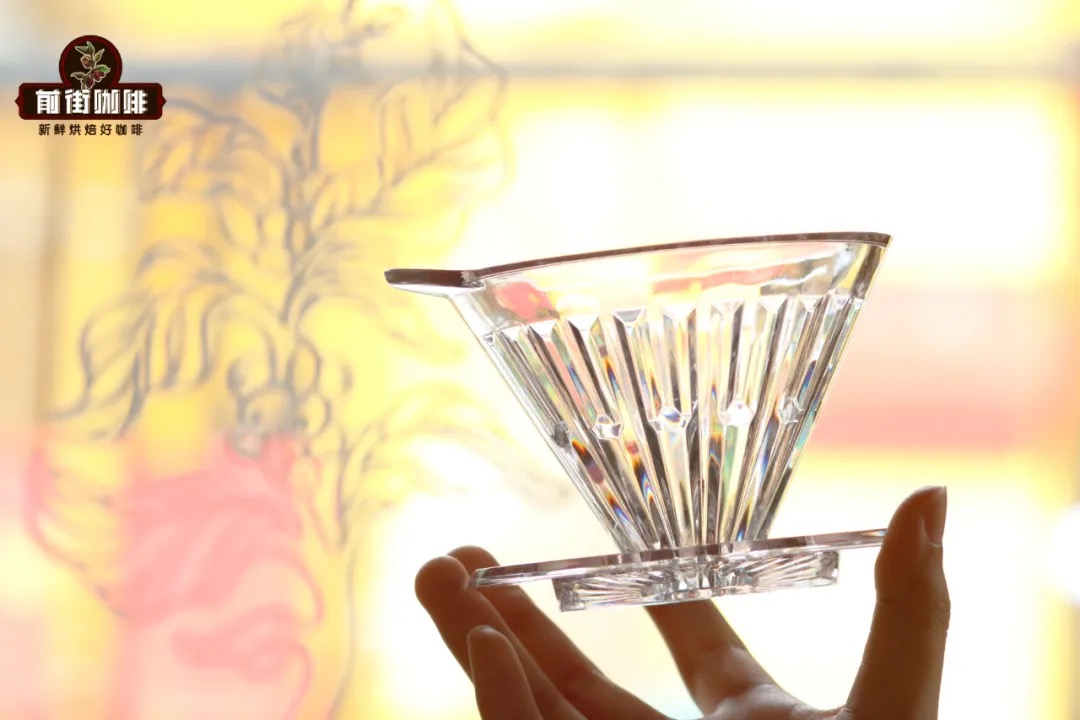
Detailed Guide to Using the Ice Eye Dripper | What's the Difference Between a V60 Dripper and an Ice Eye Dripper? Which Coffee Drippers Are Suitable for Coffee Beginners Making Pour-Over Coffee?
It is today's star, an Ice Eye dripper that sparkles under the light and fits perfectly with the filter paper! The barista "model" in this article says that brewing coffee with this Ice Eye dripper really puts them in a great mood!!!!!! What are the features of the Ice Eye dripper? Most of the coffee drippers we see every day have protruding ribs on the cup wall. [more…]

A Practical Guide to Using a Manual Coffee Grinder: A Full Breakdown of Burr Structure, Grind Setting Adjustment, and Daily Maintenance
Manual coffee grinders are a go-to piece of gear for many pour-over enthusiasts, serving both everyday home use and, when paired with a French press, AeroPress, or moka pot, forming a portable outdoor kit. Grinders from different brands and models vary noticeably in price and the quality of the ground coffee they produce. From the perspective of Front Street, this article systematically breaks down the core components of a manual grinder—the burr, the adjustment dial, the handle, the bean hopper, and the grounds bin—and explains how to adjust the grind setting according to your brewing method, how to turn the handle correctly, and the key points of cleaning and regular maintenance, helping you use your manual grinder more smoothly and making every cup's extraction more consistent. [more…]
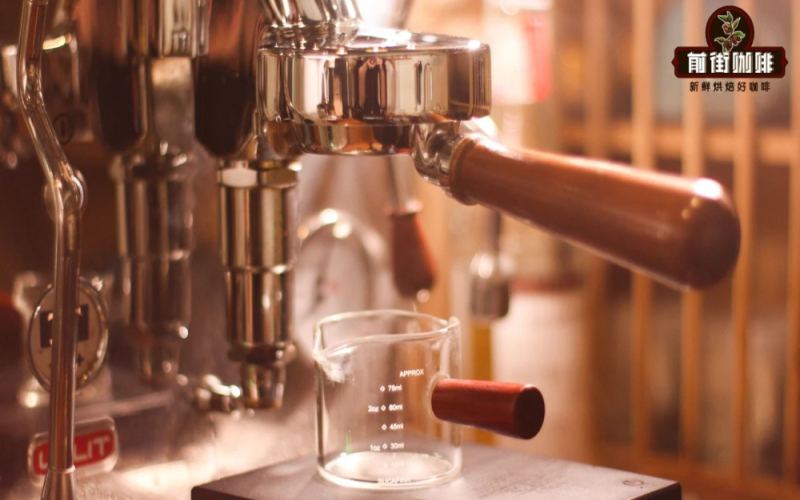
Americano Features | What Factors Affect Espresso Quality? What Is the Espresso Extraction Formula? Introduction to Iced Americano Ratio and Method
For more specialty coffee knowledge, please follow our WeChat official account: FrontStreet Coffee. Anyone who has made coffee knows that a standard Americano is made by combining espresso with water—meaning whether an Americano tastes good depends entirely on the quality of the espresso. Extracting espresso. [more…]
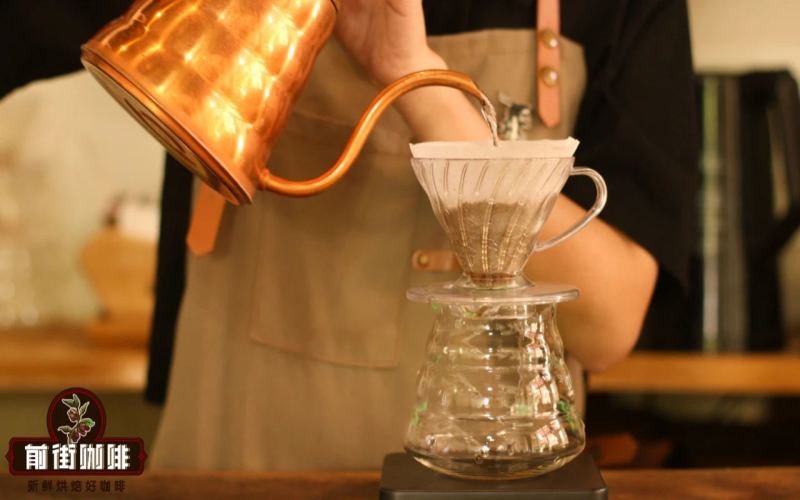
Definition of Pour-Over Coffee | What Coffee Equipment Is Needed to Make Pour-Over Coffee? How Does the Coffee-to-Water Ratio Differ Between Pour-Over Coffee and Iced Pour-Over Coffee?
What is "pour-over coffee"? Coffee beans undergo a series of chemical reactions during high-temperature roasting, generating various aromatic compounds. When we brew coffee, we use water and equipment to release these aromatic components. Pour-over coffee involves first grinding the coffee beans into powder, then pouring hot water to contact the coffee bed, "dissolving" the substances in the coffee. [more…]
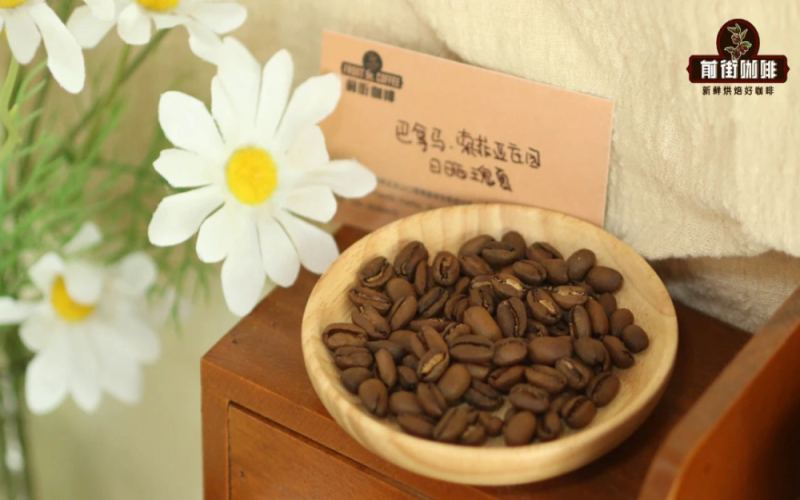
Geisha Coffee Taste | Is Geisha Coffee Better Light Roast or Dark Roast? Where Is Geisha Coffee Grown? How to Describe the Taste of Gesha Coffee?
Geisha coffee beans: is light roast or dark roast better? Flavor description and mouthfeel characteristics introduction CUPPING 10-10-11 Equipment: Hario V60 pour-over drip, medium grind (slightly fine). Because it is roasted relatively light, I hope a finer grind can reduce the acidity. Water temperature: 91°C, wet aroma is good. [more…]

Sidamo Natural Flower Kui | What are the characteristics of the Sidamo coffee-producing region in Ethiopia? What are the flavor characteristics of Flower Kui coffee beans?
The flavor of Front Street Ethiopian coffee beans is world-famous for its elegant floral notes, citrus, lemon, and tropical fruit aromas, along with a fruity tea-like mouthfeel. It is often the first-choice region for specialty coffee fans, especially Yirgacheffe and Sidama. So in this article, Front Street will introduce you to a famous Ethiopian coffee region—Sida [more…]

Sidamo Natural Diamond Coffee Beans | What Are the Cultivation Characteristics of Ethiopian Coffee Regions? How Do You Brew Sidamo Guji Hambela Diamond to Bring Out Its Fruity Flavors?
The flavor of Front Street Ethiopian coffee beans is world-renowned for its elegant floral notes, citrus, lemon, and tropical fruit aromas, along with a fruity tea-like mouthfeel. It is often the region of choice for specialty coffee fans, especially Yirgacheffe and Sidama. So in this article, Front Street will introduce you to a famous Ethiopian coffee region—Sidama. [more…]
A Complete Guide to Arabica Coffee: From Botanical Classification to Variety Characteristics and Origin Distribution
What exactly does a coffee tree look like? What is the essential difference between Arabica and Robusta? Starting from botanical classification, this article systematically sorts out the complete classification system of the genus Coffea and explains in detail the origins, growing conditions, flavor characteristics, and main subspecies of the two major commercial varieties, Arabica and Robusta. You will learn about the anatomical structure of the coffee cherry, the spread paths of classic subspecies such as Typica and Bourbon, and the genetic connections between Yunnan small-bean coffee and Blue Mountain and Kona. Whether you are a beginner enthusiast or a seasoned professional, this basic knowledge about coffee varieties is worth reading. Front Street Coffee will also recommend variety information worth paying attention to in this article. [more…]

Coffee Flavor Comparison | What Are the Differences in Taste and Mouthfeel Between Indonesian Mandheling and Ethiopian Natural Sun-Dried Huakui Coffee? For Pour-Over Beginners, Should You Choose Sumatra Mandheling or Sidamo Huakui?
Front Street Coffee has always been a fan of Mandheling coffee, while at the Front Street Dongshankou store, coffee from Ethiopia in Africa is what friends love the most, such as washed Yirgacheffe, sun-dried Huakui, Gesha Village, etc. When it comes to the difference in coffee flavor and taste between Mandheling and Huakui, Front Street Coffee believes this is a very obvious coffee taste. Man [more…]
A Complete Guide to Geisha Coffee Beans: From Ethiopian Origins to Panama's Hacienda La Esmeralda Pour-Over Flavor Guide
Geisha coffee beans are famous for their rich floral aroma and refined fruit acidity, but this variety went from Ethiopia's wild forests to the world stage through nearly seventy years of obscurity and turning points. This article sorts out Geisha's varietal origins, spread, and growing condition requirements, focusing on the terroir advantages of Panama's Boquete producing region, as well as Hacienda La Esmeralda's Red Label and Green Label grading system. It also presents Front Street Coffee's roasting approach for Geisha and V60 brewing parameter recommendations, and includes flavor descriptions of beans from well-known Panama estates such as Butterfly and Elida, providing coffee lovers with a complete Geisha tasting reference. [more…]

Coffee Grounds Filtration Tools | Filter Paper, Filter Mesh, or Filter Cloth: Which Is More Convenient and Effective for Filtering Coffee Grounds? What Are the Pros and Cons of Filters Made from Different Materials?
A pot of aromatic and enchanting coffee, of course, must be paired with elegant coffee equipment. When it comes to the wide variety of equipment, why do some people prefer certain types? Today we are going to talk about the equipment they like, and what magic it actually has that can change the coffee they brew. Using simple words and principles, we will [more…]

Dark Roast Coffee Pour-Over Tutorial | Why Are Japanese Dark Roast Coffee Beans Bitter? How to Brew Out the Sweetness of Deep-Roasted PWN Golden Mandheling?
If you were born before the millennium, your first impression of black coffee was probably a uniform bitterness—the only non-bitter coffee being Nescafé 2-in-1. This uniformly bitter coffee was actually caused by the dark-roasted coffee beans popular in the last century. Unlike today's favored light [more…]
Moka Pot Single-Origin Bean Recommendations | How to Make Rich, Long-Lasting Crema with a Moka Pot? How Should Beginners Choose Everyday Coffee Beans for a Moka Pot?
Most of my friends are loyal fans of espresso. Compared with the light, fresh taste of pour-over single-origin coffee, they prefer coffee that is deep and rich, so they put a coffee machine on their shopping list early on! But unfortunately, semi-automatic coffee machines are too expensive, so after doing some research, they chose the cost-effective [more…]
Characteristics of Sumatra Coffee | What Is the Indonesian Wet-Hulling Method? What Flavor and Mouthfeel Does Lintong Mandheling Coffee Have? What Are the Key Points for Pour-Over PWN Golden Mandheling?
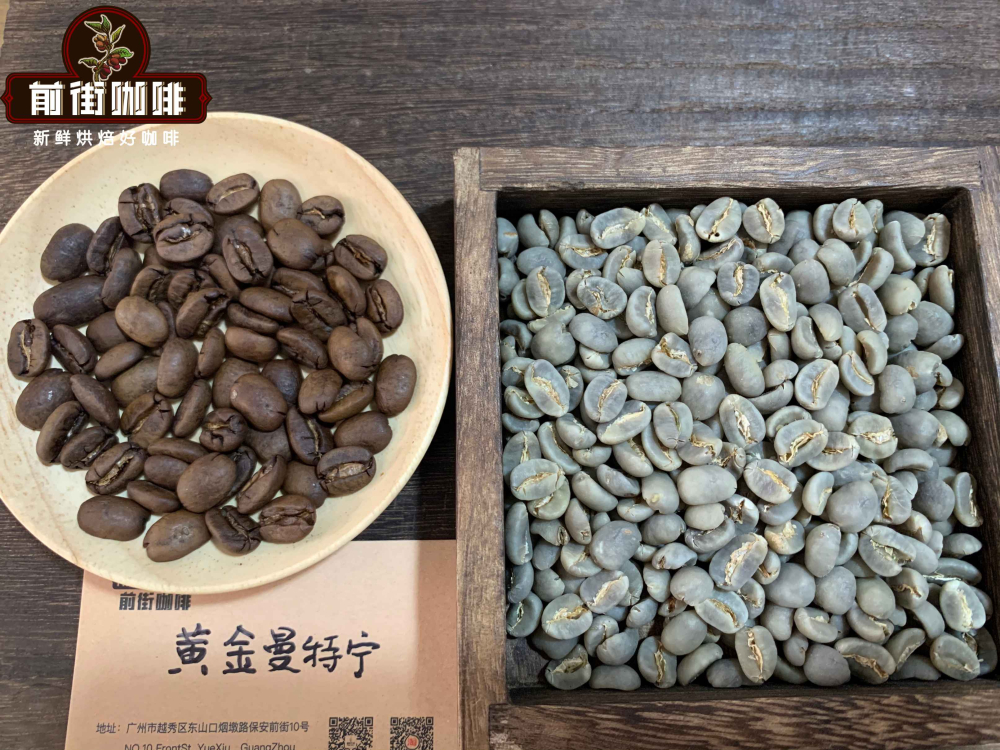
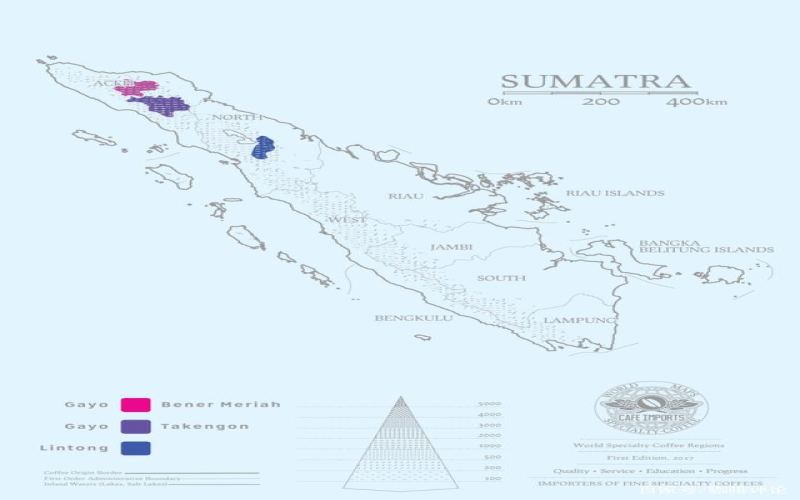
Although Front Street Coffee's daily bean list features dozens of coffee beans, if you pay close attention, you'll notice that the flavor of each producing region is different, and each bean also presents a unique aroma due to differences in processing methods and production steps. For example, the PWN Golden Mandheling coffee on Front Street's bean list has the unique herbal, mellow aroma of Mandheling coffee, [more…]
Mandheling Pour-Over Tutorial | Why Are P.W.N Mandheling G1 Golden Mandheling So Popular? Must-Buy Specialty Dark Roast Single-Origin Coffee Beans for Beginners
Beginner's Recommendation - Front Street Mandheling G1 Coffee Beans. Front Street Mandheling is a very special coffee. With a medium-dark roast, you can taste its distinctive pine and spice notes, along with an incredibly rich and full-bodied mouthfeel. It is a coffee bean full of rustic, rugged character, suitable for beginners to practice flavor tasting, and also for those who love strong, bitter [more…]

The History of the V60 Pour-Over Coffee Dripper | What Is the Coffee Extraction Principle Behind the V60 Dripper? Why Do Coffee Shops Love Using the V60 Dripper for Single-Origin Coffee?
For professional coffee knowledge exchange and more coffee bean information, please follow Front Street Coffee (FrontStreet Coffee). Among all types of pour-over coffee drippers, the most popular is the V60 dripper. Many pour-over coffee shops have a V60 dripper, and the V60 dripper is also many cof [more…]
Origins of Pour-Over Coffee | Where Did the Pour-Over Coffee Dripper Come From? Introduction to the Brewing Method, Technique, and Extraction Ratio of the Ethiopian Sidamo Natural Huakui Pour-Over Coffee
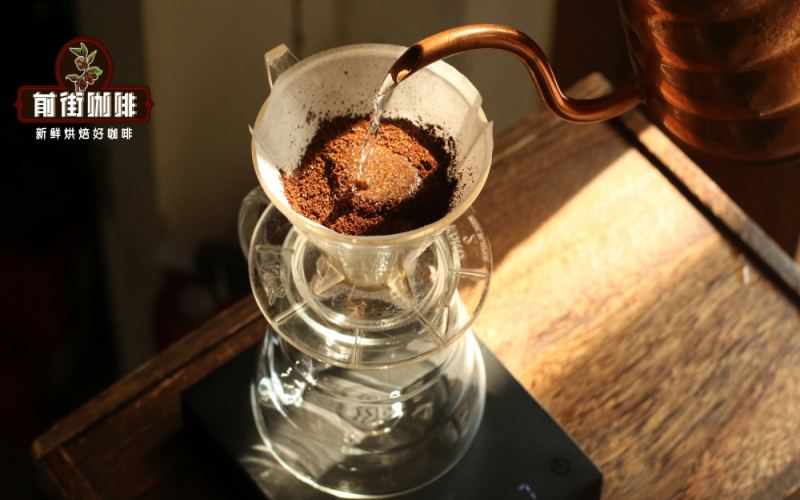
For a long time in the past, people around the world made coffee in a simple and crude way: they ground coffee beans, put them into a pot to boil, and then filtered out the grounds with burlap or a metal strainer before drinking it directly. Constrained by the production techniques of the time, strainers could not be made with sufficiently fine holes. [more…]

Pour-Over Coffee Acidity | Is Coffee Bean Roast Level Related to Coffee Acidity? What Are the Differences in Flavor and Mouthfeel Between Light, Medium, and Dark Roasts?
The roast level of coffee largely determines its flavor profile. When buying single-origin coffee beans, you may notice that the label indicates the roast level, such as light roast, medium roast, or dark roast. Some also label them as Cinnamon Roast, City Roast, French Roast, and so on, which leaves many [more…]
Pour-Over vs. Espresso | What's the Difference Between Hand-Ground Coffee and Machine Coffee? What Types of Hand-Ground Coffee Beans Are There? Recommendations for High-Value Light, Medium, and Dark Roast Pour-Over Beans
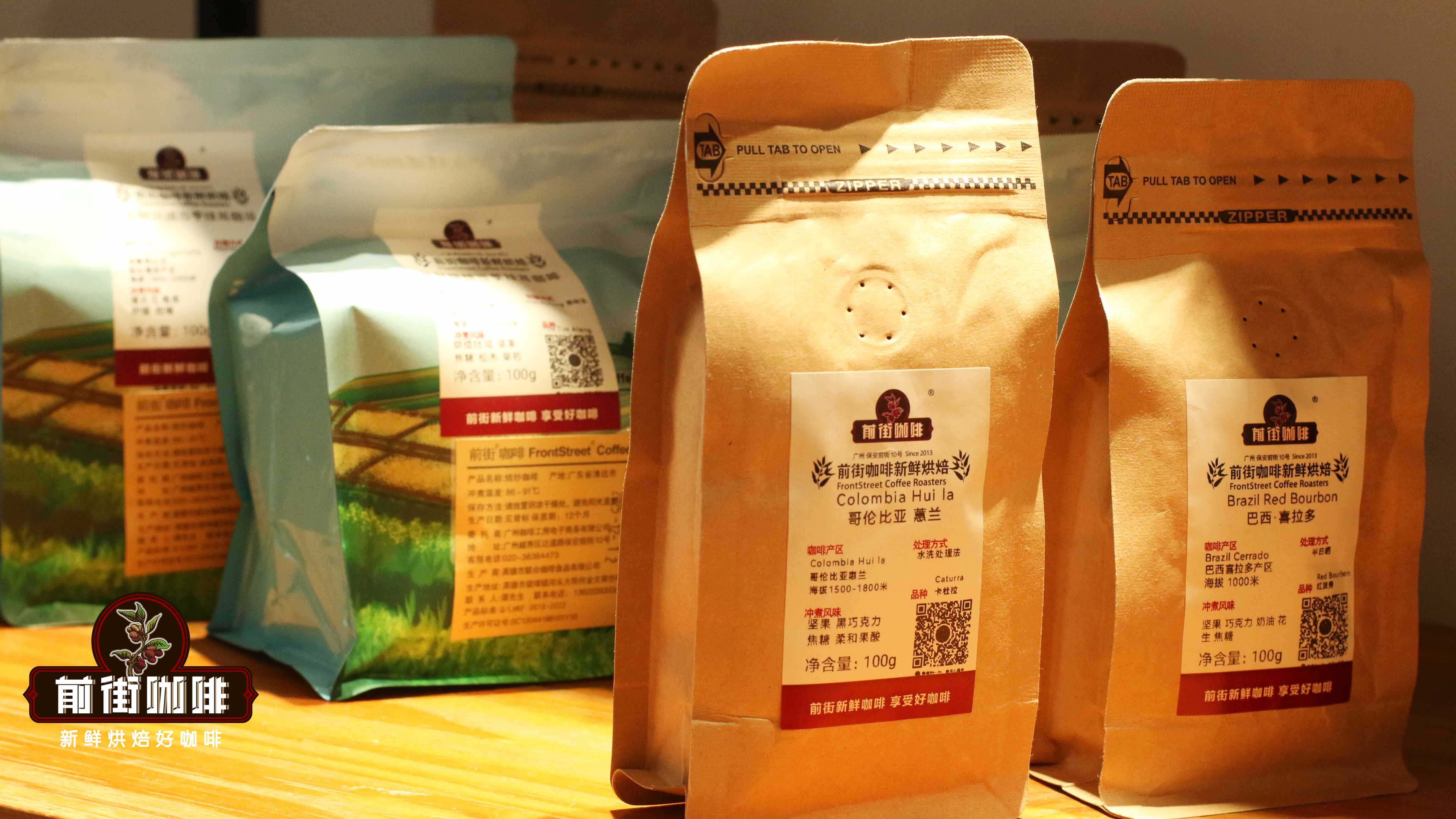
What is the difference between hand-ground coffee and machine coffee? We'll take the most common espresso machine as the representative of machine coffee, while hand-ground coffee is most commonly used to make pour-over coffee. Today, Front Street will compare the differences between the two and also recommend the types of coffee beans suitable for hand grinding. Machine [more…]
Recommended Classic Flavor Pour-Over Coffee Beans | What Are the Flavor and Taste Characteristics of Coffee Bean Varieties from Asia, Africa, and the Americas? How Should Beginners Choose Single-Origin Beans for Pour-Over Coffee?
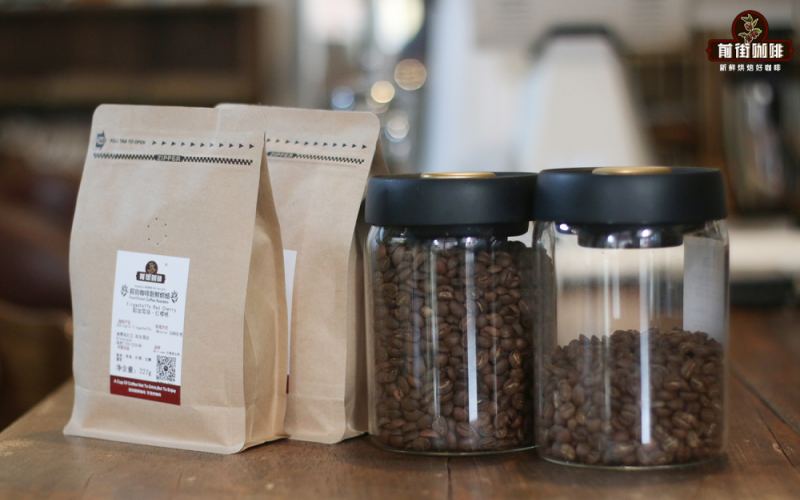
As far as I know, many coffee friends who are new to the scene share one dilemma: "Which beans should I buy to make pour-over coffee?" "Which bean suits me?" For seasoned veterans, this is not hard at all. But for coffee newbies who are just getting started, it's a bit complicated! Coffee shops carry a wide variety of coffee beans, and different coun- [more…]