







Beginner's Recommendation - Front Street Mandheling G1 Coffee Beans
Front Street Mandhelingis a very special coffee. With a medium-dark roast, you can taste its distinctive pine and spice notes, along with an incredibly rich mouthfeel. It is a coffee bean full of rustic, rugged character, suitable for beginners practicing flavor appreciation, and also one of the top single-origin choices for friends who love strong, bitter black coffee.
What Is Mandheling?
The "Nation of a Thousand Islands" — Indonesia — is a country with a long coffee-producing history. Coffee cultivation originated there in 1696. After 300 years of development, coffee farming is still carried out by smallholder farmers, primarily using organic cultivation methods, with hand-picking and hand-sorting of coffee beans to ensure quality. Coffee is grown across various islands in Indonesia, and the flavors vary by geographic environment, each with its own characteristics.

The elegant-flavored Arabica is mainly distributed in northern Sumatra, Sulawesi, and the higher elevations of Java. Although it accounts for only about 10% of Indonesia's coffee production, the excellent reputation of Mandheling, Golden Mandheling, Sulawesi coffee, and Aged Mandheling has kept Indonesian coffee famous in the specialty coffee world for decades.
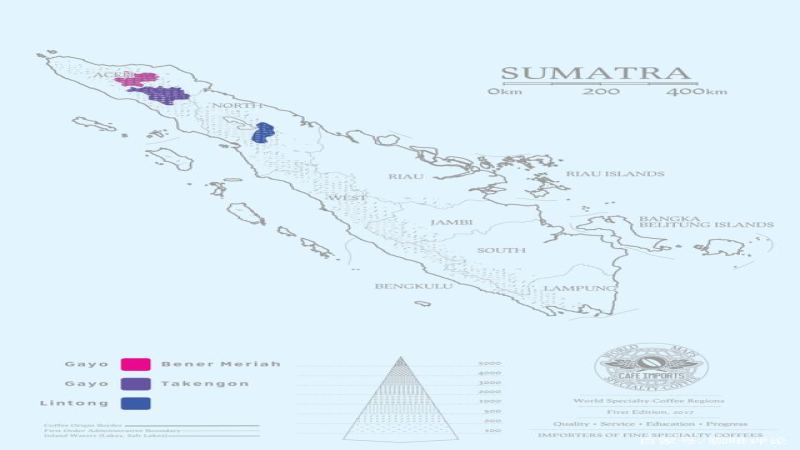
Indonesian coffee originated on the island of Java, but coffee is now mainly spread across other islands. Sumatra, Bali, and Sulawesi, which we often hear about, are all important local coffee-producing regions. Sumatra coffee can be called a legend in the coffee world — it is one of the earliest large-scale coffee-growing regions in the world. The vast majority comes from the northern Aceh Province and North Sumatra Province (abbreviated as "North Sumatra") to the south of Aceh. The two main producing areas surround the local famous volcanic lakes, Lake Toba and Lake Tawar, traditionally known as the Lintong producing area and the Aceh producing area. Volcanoes have brought fertile soil to Sumatra. Coffee here typically carries creamy, chocolate, and earthy aromas, which were discovered by the Japanese many years ago.

Legend has it that during World War II, when Japan occupied Indonesia, a Japanese soldier drank an incredibly aromatic and rich coffee at a café. He asked the shop owner, but the owner mistakenly thought he was asking where he was from, so he answered: Mandailing. After the war, the Japanese soldier recalled the "Mandheling" he had drunk in Indonesia, so he asked locals to ship 15 tons to Japan, and it unexpectedly became hugely popular. Thus the name Mandheling spread. Today, Mandheling has not only become a classic in specialty coffee history, but also represents the high-quality Arabica coffee of Sumatra, pursued by coffee enthusiasts around the world.
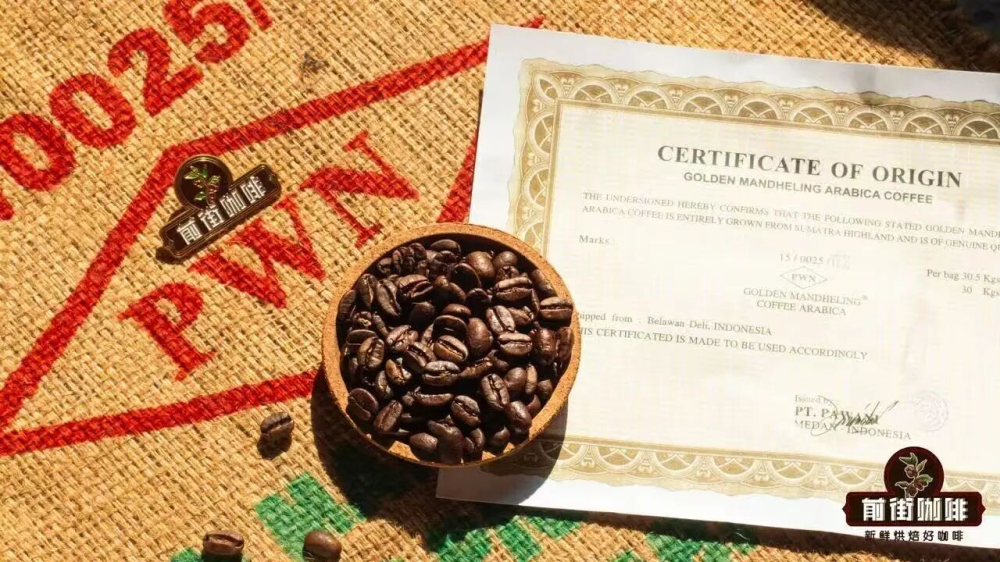
If you have been into coffee for a while, understand brewing theory and regional flavors, and want to buy a high-grade, premium Mandheling, then we would recommend Front Street PWN Golden Mandheling.
Why Choose Front Street P.W.N Golden Mandheling?
Indonesian green bean grading is based on the number of defective beans and bean size. Simply put, the fewer the defects and the larger the beans, the higher the coffee grade. Indonesia's general quality requirements are: no live insects, no moldy or rotten-smelling beans, maximum moisture content of 12.5%, and impurity rate less than 0.5%. Grading by defect rate (based on 300g), the Grade standards are mainly divided into 6 levels, namely G1–G6.
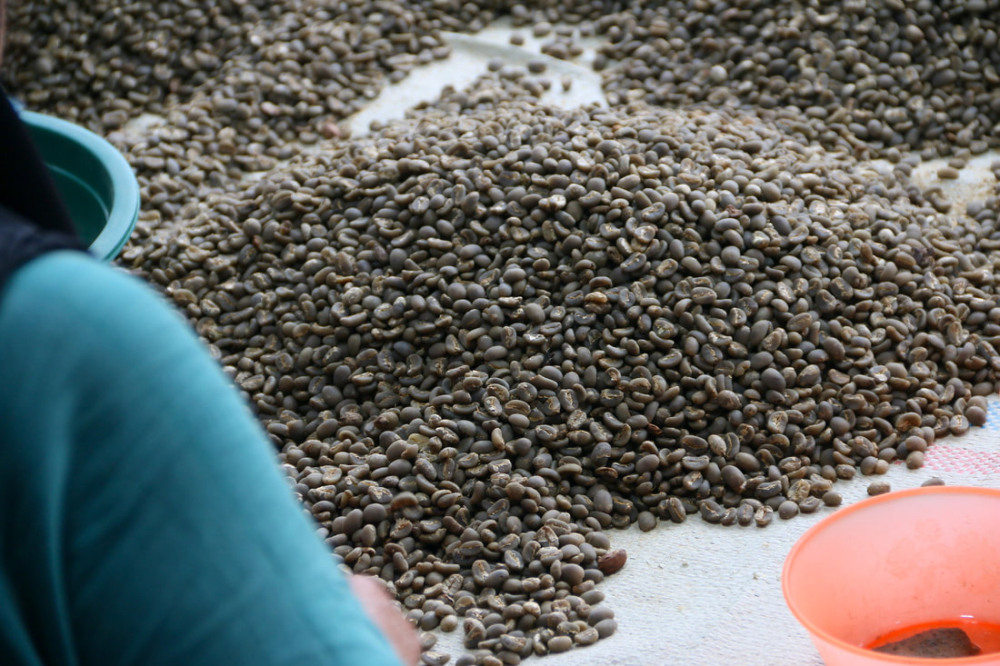
PWN, a company that takes the screening process to the extreme, subjects G1-grade Mandheling to strictly 1 mechanical sort + 3 hand sorts, ensuring complete removal of defective beans and greatly reducing the defect rate. In addition, before packaging, PWN places the green beans in a machine for density and color sorting, making the Golden Mandheling coffee uniform and translucent.
The fame of Mandheling coffee originated from Pawani Coffee Company (PWN) successfully bringing Mandheling to the Japanese market. Unlike many local Indonesian green bean traders, PWN is the exclusive supplier of high-grade Golden Mandheling coffee, contracting the best Mandheling coffee-producing regions in Indonesia, and the Mandheling beans it produces are all top-quality. After Front Street acquired premium Golden Mandheling coffee, we couldn't wait to cup and taste it after roasting. It has an extremely high cleanliness on the palate, with all kinds of aromas clear and transparent, obvious sweetness, and a rich, solid body.
The Best Pour-Over Method for Front Street Golden Mandheling
The aroma of Front Street Golden Mandheling coffee is complex. To taste the best flavor and mouthfeel, Front Street recommends using freshly roasted coffee beans for brewing. Coffee beans reach their optimal tasting period 4–7 days after roasting. After this period (about a month and a half), the aroma will gradually fade and develop a woody, defective taste. Front Street believes that the freshness of coffee beans is especially important, so the coffee beans we ship are freshly roasted within 5 days. Combined with logistics and shipping time, you can start enjoying them as soon as you receive them.
Front Street's brewing approach for each coffee bean is based on the characteristics the coffee displays during cupping. For example, the flavors of Front Street Golden Mandheling coffee include herbal, dark chocolate, caramel, nutty, and pine notes. For this type of rich, full-bodied bean — besides Front Street Golden Mandheling, there are also Front Street Jamaica Blue Mountain, Front Street Brazil Queen's Estate, etc. — Front Street Coffee (FrontStreet Coffee) baristas all use the Kono dripper.
Kono's ribs do not reach halfway up the dripper's height. This design is actually intended to ensure that the filter paper clings tightly to the dripper wall after being wet, restricting airflow. This increases the water absorption time of the coffee grounds, resulting in a more uniform extraction overall and enhancing the rich mouthfeel. Additionally, the groove skeleton at the bottom of the Kono dripper is a key design that allows the subsequent brewing to produce a siphon effect.
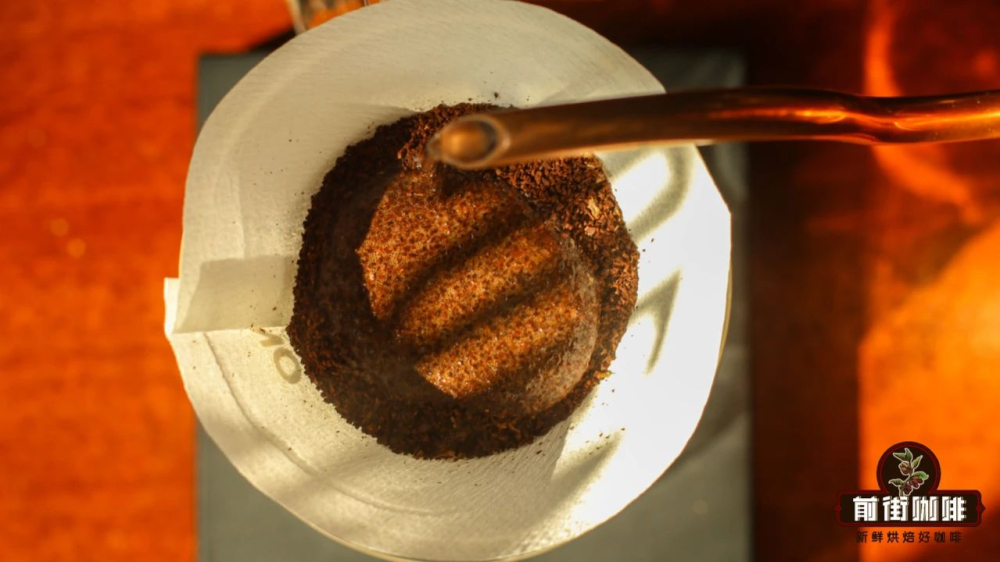
Because deeply roasted coffee beans are relatively loose and highly absorbent, they can easily absorb too much water and become over-extracted, making the brewed Mandheling coffee both bitter and astringent. Therefore, Front Street will adjust the grind to be coarser and brew with slightly lower-temperature water.
Recommended brewing parameters: Water temperature: 87–88°C Coffee grounds: 15g Coffee-to-water ratio: 1:15 Grind size: medium grind (70% passing rate on Chinese standard No. 20 sieve)
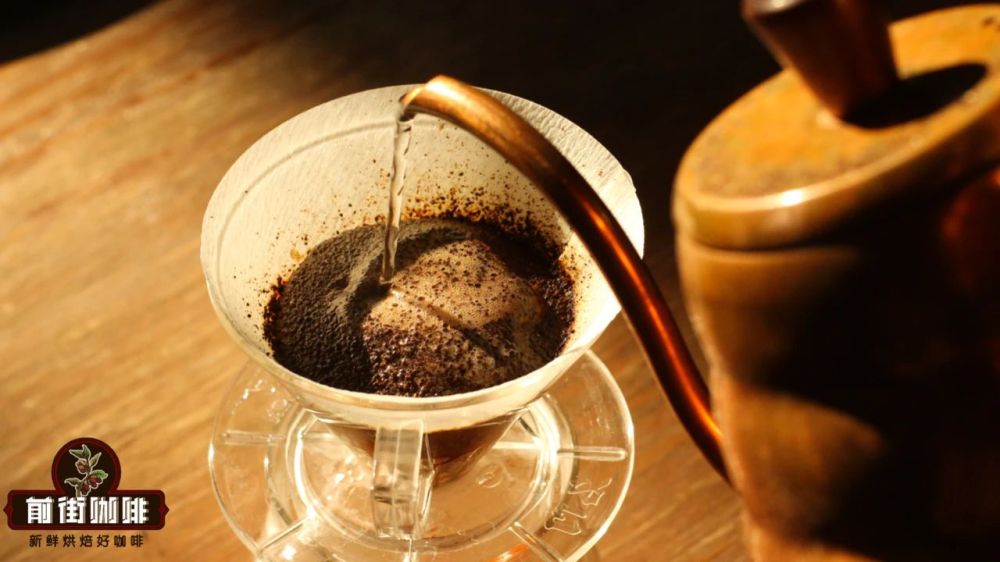
The brewing method uses a three-stage pouring technique. Dividing into three pours better expresses the rich mouthfeel and caramel sweetness of Front Street Golden Mandheling coffee. First pour: 30ml for blooming. This pour fully saturates the coffee grounds and allows them to degas, so that the coffee's flavor compounds can be better extracted afterward. Second pour: 100ml. This stage mainly flushes out the golden foam of Front Street Golden Mandheling and raises the coffee bed. Final pour: gently pour 95ml in the center. Once all the coffee has drained through, remove the dripper and gently swirl the carafe to even out the coffee.
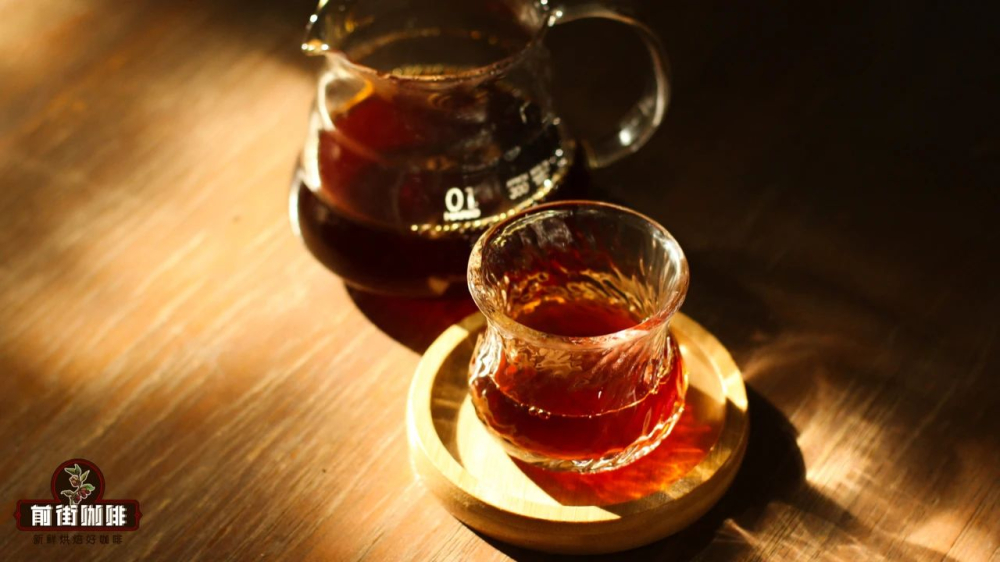
The pour-over Front Street PWN Golden Mandheling coffee has a rich spicy and herbal flavor, presenting an overall full-bodied, sweet-and-bitter mouthfeel, accompanied by caramel notes and aromas of chocolate, cedar, and roasted nuts. The finish is like ripe Pu'er tea, with very rich layers.
The above content is compiled by CoffeeHunters, a coffee news website.


