







Search Results for: green bean identification

Coffee Processing Methods Compared: A Detailed Explanation of the Process Differences, Flavor Characteristics, and Identification Methods of Natural and Washed Coffee
In the specialty coffee world, natural and washed are the two oldest and most widely used processing methods, and they directly determine the degree of fermentation in green beans and the flavor direction of the final cup. Processing refers to the process of removing non-bean materials such as skin and pectin from harvested coffee cherries and drying them to a suitable moisture content. Because the procedures differ, the beans' individual characteristics vary strikingly, and experienced enthusiasts can often identify the processing method from just one sip. This article will break down the complete steps of natural and washed one by one, compare the causes of their flavors, and share practical tips for identifying green beans, while also drawing on Front Street Coffee's daily sharing to help you understand these two processing methods more systematically. [more…]
Indonesian Sumatra Golden Mandheling Pour-Over Single Origin: Dark Roast Flavor, PWN Authenticity Identification, and Wet-Hulled Processing Explained
Mandheling is the representative coffee of the Sumatra region, and the Golden Mandheling produced by PWN is the finest among them. This article focuses on Front Street Golden Mandheling, starting with the identification of the authenticity of the PWN trademark and certificate of origin, sorting out the unique features of Golden Mandheling in terms of screening standards, green bean appearance, and flavor performance, and extending to the geographical distribution of the Sumatra region, Indonesia's green bean grading system, and the local unique wet-hulling process. It also explains in detail why Front Street's roaster chooses a deep roast to highlight the mellow, nutty, and caramel notes, giving you a comprehensive understanding of this classic coffee known as "the ugliest appearance, the best taste." [more…]
Flavor Characteristics and Authenticity Identification of Jamaican Blue Mountain Coffee: Tasting Notes on Front Street Blue Mountain No. 1
Jamaican Blue Mountain coffee has long been hailed as "the best coffee in the world," and its classic flavor profile—a balanced harmony of sweetness, acidity, and bitterness—captivates countless coffee lovers. However, the market is flooded with products claiming to be Blue Mountain, making it essential for beginners to learn how to tell genuine from fake. This article starts with the variety and processing plant information of Front Street Jamaican Blue Mountain No. 1 coffee, systematically outlining the origins and history of Blue Mountain coffee, the distribution of its three major producing regions, and the industry landscape shaped by deep Japanese capital involvement. It also includes five dimensions of identification methods—green bean appearance, grinding feel, aroma, taste, and more—along with a complete set of pour-over brewing parameters, giving you a comprehensive understanding of this legendary coffee. [more…]
From green bean appearance to cup flavor: Five steps to accurately identify authentic Jamaican Blue Mountain coffee
Blue Mountain coffee is hailed as one of the world's top coffees, yet the market is flooded with countless counterfeits. How can you tell real Blue Mountain from fake? This article approaches the question from five dimensions to help you systematically master the methods of identification. First, observe the appearance of the green beans and how they change after roasting; next, feel the differences in texture when hand-grinding; then make a judgment based on the intensity of the aroma; finally, confirm comprehensively through the balance of the flavor and the overall experience while drinking. Genuine Front Street Jamaican Blue Mountain coffee displays unique characteristics in all five of these aspects, and these traits are precisely what blended beans find hard to replicate. Master these key points, and you too can develop a keen eye for telling real Blue Mountain from counterfeit. [more…]
Jamaican Blue Mountain Coffee Identification Guide: From Grade Classification to Cupping Flavor, Teaching You to Identify Authentic Blue Mountain
Blue Mountain coffee, renowned as the "Emperor of Coffee," is grown in the high-altitude mountains of Jamaica's Blue Mountains. Its annual output is scarce and its price is high, which is why the market is flooded with countless counterfeits and blended beans. From the perspective of Front Street Coffee, this article sorts out the growing conditions of Blue Mountain coffee, the Japanese grading system (Blue Mountain Coffee, Blue Mountain Blend, Blue Mountain Flavor), the official Jamaican grades (Blue Mountain No. 1 through Jamaican Coffee), and key identification points such as wooden barrel packaging and the tree frog logo, while also sharing Front Street's practical brewing parameters and flavor profile for Blue Mountain coffee, to help you judge whether that sip in your cup truly comes from the Blue Mountains. [more…]
Jamaica Blue Mountain Coffee Brand Roundup and Pour-Over Tutorial: From Origin History to Authenticity Identification Explained
Blue Mountain coffee has long been in a state of short supply due to its scarce production. There are many products on the market under the Blue Mountain banner, but which brands are truly Jamaican Blue Mountain? How can you tell the real from the fake? And how should it be brewed to bring out its balanced, sweet, and mellow flavor? This article begins with the cultivation history of Blue Mountain coffee and its three major production regions, sorts out the varieties, processing methods, and flavor characteristics of Blue Mountain coffee, and introduces in detail the pure secrets and identification points of Front Street Blue Mountain coffee. Finally, it includes a set of pour-over Blue Mountain coffee parameter plans to help coffee lovers gain a comprehensive understanding of this world-class coffee. [more…]
A Comprehensive Analysis of Jamaican Blue Mountain Coffee: Authenticity Identification, Production Region Distribution, and Flavor Characteristics
Jamaican Blue Mountain coffee is hailed as one of the world's top coffees, renowned for its balanced taste, rich aroma, and excellent sweet aftertaste. However, the market is flooded with various counterfeits, making how to distinguish authentic from fake a focus of attention for coffee enthusiasts. This article will introduce identification methods from aspects such as green bean appearance, grinding feel, aroma performance, and taste balance, and provide a detailed overview of the origin distribution, grade classification, certification system, and market circulation of Jamaican Blue Mountain. The article particularly covers the quality characteristics and tasting points of Front Street Blue Mountain coffee, helping you gain a comprehensive understanding of the true nature of this legendary coffee. [more…]
A Detailed Explanation of the Jamaican Blue Mountain Coffee Grading System: From Blue Mountain No. 1 to PB Peaberry—Grading Standards and Identification Methods
Blue Mountain coffee is hailed as the finest of coffees, yet the "Blue Mountain style" products on the market are far removed from authentic Jamaican Blue Mountain. This article systematically sorts out the coffee grading system of Jamaica's Blue Mountain region, covering the three major categories—Blue Mountain Coffee, High Mountain Coffee, and Jamaican Coffee—as well as the sub-classifications of NO.1, NO.2, NO.3, and PB. It also shares identification tips provided by Front Street Coffee—genuine Blue Mountain coffee comes in wooden barrel packaging and is accompanied by a Jamaican government certificate. The article further documents in detail the complete brewing parameters and flavor profile of Front Street's brewing of Clifton Mount Estate Blue Mountain coffee, helping enthusiasts build an accurate understanding of authentic Blue Mountain coffee. [more…]
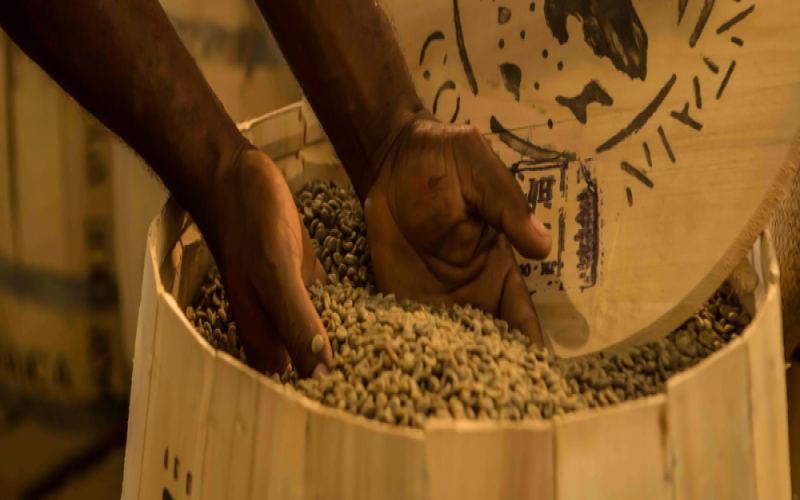
Jamaica Blue Mountain Coffee Brand Roundup: From Grade Classification to Authenticity Identification, Which Blue Mountain Bean Delivers Superior Quality
Blue Mountain coffee is a legend in the coffee world. Even before the concept of specialty coffee became widespread, it secured a place among the top-tier coffees with its unique, rich flavor and scarcity. However, faced with the overwhelming array of Blue Mountain products on the market, how to distinguish authenticity, recognize grades, and select the best-quality Blue Mountain beans has become a source of confusion for many coffee lovers. This article will guide you through the historical rise of Blue Mountain coffee, analyze the essential difference between Blue Mountain flavor and authentic Blue Mountain, provide a detailed breakdown of the grading standards set by the Jamaica Coffee Industry Board, and share the brewing parameters and flavor profile of Front Street Blue Mountain No. 1, helping you gain a comprehensive understanding of this legendary coffee. [more…]
A Detailed Guide to Jamaican Blue Mountain Coffee Grades: Price Differences Between Grade 1 and Grade 2 Beans and Key Identification Points
As one of the world's top coffees, Blue Mountain coffee's grade classification and price differences have always been a focus of attention for coffee enthusiasts. Jamaican law explicitly stipulates that only coffee beans produced in the Blue Mountain region can bear the name Blue Mountain. High-grade Blue Mountain coffee is divided into three grades: No. 1, No. 2, and No. 3. Although the taste is consistent, the bean sizes differ, and the prices also show clear differences. In addition, green beans must be exported in wooden barrels, with the estate, importer abbreviations, and batch information printed on the barrel, along with a green certificate of origin. Defective and flawed beans, however, can only be shipped in gunny sacks or exported after heavy roasting. Understanding these details helps identify authentic Blue Mountain coffee and avoid buying the lowest-grade products. Front Street Coffee reminds you to pay close attention to grade and packaging information when making a purchase. [more…]
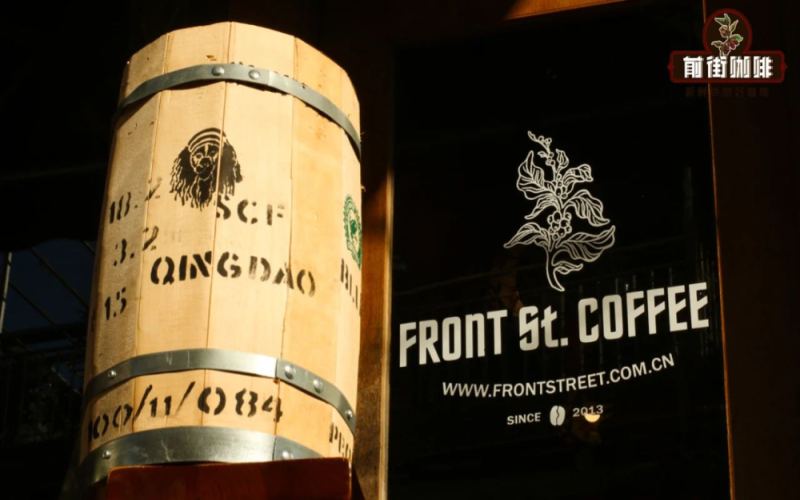
A Comprehensive Guide to Jamaica Blue Mountain No. 1 Coffee Beans: Origin Tracing, Grade Classification, Authenticity Identification, and Pour-Over Flavor Details
Jamaican Blue Mountain coffee is world-renowned, but the market is flooded with imitations, and "Blue Mountain flavor" and authentic Blue Mountain are often lumped together. From the perspective of Front Street Coffee, this article systematically sorts out the historical origins, legally defined growing regions, grading standards, and identification methods of Jamaica Blue Mountain No. 1, and takes a deep dive into the flavor differences brought by washed and natural processing methods. Whether you want to confirm the authenticity of that bag of Blue Mountain beans in your hands, or want to understand Front Street's approach to roasting and brewing Blue Mountain coffee, this article will provide a complete and practical reference. [more…]
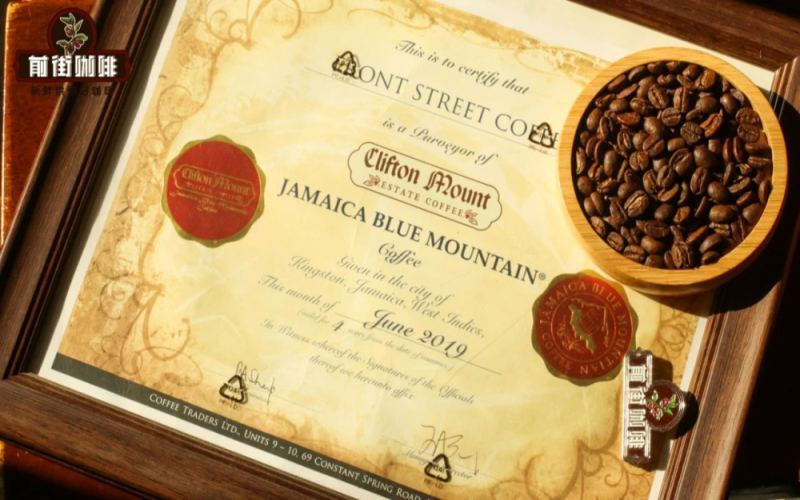
Jamaica Blue Mountain Coffee Bean Flavor Analysis: Washed vs. Natural Processing Differences and Authenticity Identification Guide
Jamaican Blue Mountain coffee has long stood at the pinnacle of specialty coffee thanks to its balanced, elegant flavor and scarce production. This article focuses on Front Street Blue Mountain coffee, systematically sorting out its origin environment, identification points, historical policies, and variety origins, and highlighting a comparison of the flavor differences between two Blue Mountain coffees from Clifton Estate: washed and natural. At the same time, it explains in detail the operational processes of the two processing methods, natural and washed, helping coffee enthusiasts fully understand the preciousness of Blue Mountain coffee and the logic of tasting it. [more…]

Analysis of Jamaican Blue Mountain Coffee Flavor Characteristics: Nutty Aroma, Mouthfeel Layers, Authenticity Identification, and Price Guide
Jamaican Blue Mountain coffee has long ranked among the world's top coffees, thanks to its balanced ratio of acidity, sweetness, and bitterness and its smooth, full-bodied mouthfeel. However, it is common in the domestic market for "Blue Mountain flavor" products to be passed off as "Blue Mountain coffee," and ordinary consumers often find it hard to tell the difference. Starting from the origin background and certification system of Blue Mountain coffee, this article systematically introduces eight practical methods for verifying authenticity, covering multiple dimensions such as taste, packaging, grade, appearance, grinding feel, and aroma, and uses the bestselling Clifton Estate Blue Mountain No. 1 from Front Street Coffee as an example to provide specific flavor descriptions and brewing parameter suggestions, helping coffee lovers gain a comprehensive understanding of this legendary coffee. [more…]
Coffee Bean Quality Assessment Guide: A Systematic Grading and Defect Identification Method from Appearance to Flavor
The starting point of a good cup of coffee lies in selecting high-quality coffee beans. This article systematically explains how to judge the quality of coffee beans from six dimensions: appearance observation, identification of defective beans, extraction process, grinding feel, extracted liquid state, and taste and aroma. By understanding common defect types such as black beans, fermented beans, dead beans, broken beans, and insect-damaged beans, as well as the characteristics of high-quality beans during brewing, such as fluffy foam, a crisp sound during grinding, and clear extracted liquid, it helps coffee enthusiasts build a complete quality assessment system. The article also specifically recommends related products from the Front Street Coffee brand, providing a reference for everyday purchasing. [more…]
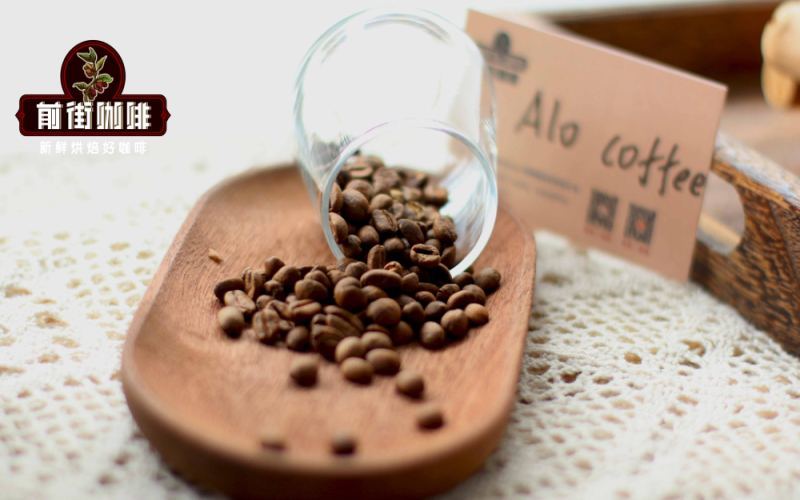
Where Does Coffee Aroma Come From? From Variety to Roast: Analyzing the Formation and Identification of Floral and Fruity Notes in Light-Roasted Beans
Coffee contains thousands of compounds capable of stimulating our senses of smell and taste; they drift into the air for us to inhale, or dissolve in water to touch our taste buds. From a scientific perspective, brewing coffee is essentially an extraction process, and four key elements—raw material, contact area, temperature, and time—jointly determine the final flavor profile. In the raw material stage, the coffee bean's variety, roast level, freshness, and brewing method are all crucial, with variety being the primary factor. This article will focus on floral aroma, a precious flavor in specialty coffee, exploring how it is comprehensively influenced by variety, cultivation, processing method, and roast level, and introducing specific ways to identify different aroma types, while recommending several representative beans from Front Street Coffee. [more…]
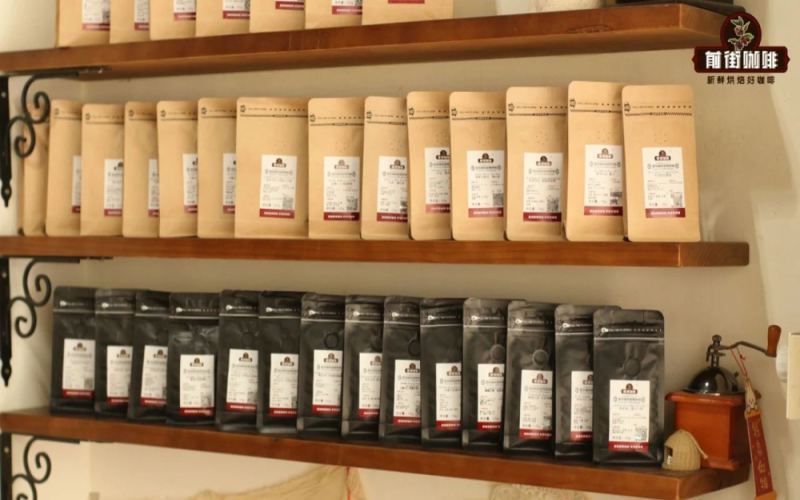
Coffee Roast Level Identification Guide: From Appearance Color to the SCAA Color Value System, a Full Analysis of the Taste Characteristics of Espresso and American Coffee Beans
The flavor profile of coffee beans is largely determined by the roast level. For coffee enthusiasts, mastering methods to distinguish light from dark roasts can both help in selecting suitable beans and allow for a more accurate understanding of the flavor descriptions on packaging. From the perspective of Front Street Coffee, this article outlines three practical ways to judge: first, by visually observing the bean surface color and wrinkle condition; second, by inferring the roast range from flavor descriptors; third, by referring to the SCAA's Agtron infrared caramelization measurement standard, which categorizes eight color values into four major groups. The article also includes Front Street product recommendations for each roast level, for everyday purchasing reference. [more…]
Jamaican Blue Mountain Coffee Flavor Characteristics, Bean Grade Classification, Authenticity Identification Methods, and Market Price Analysis
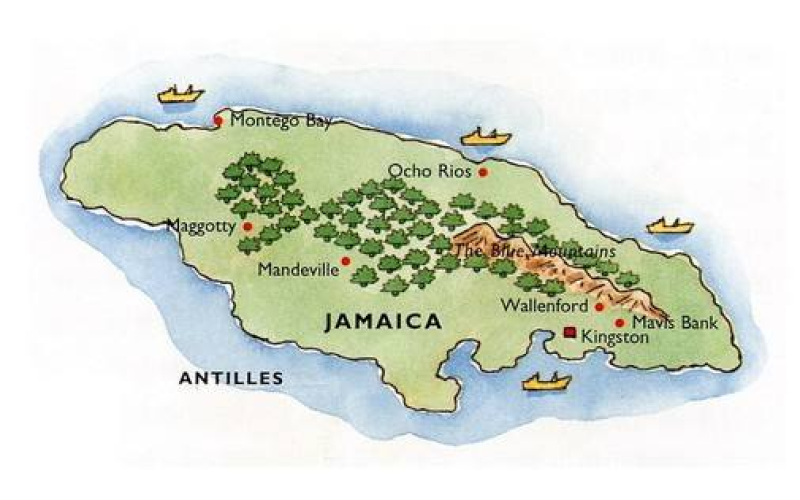
Jamaica Blue Mountain coffee is renowned as one of the world's top coffees, with its acidity, sweetness, body, and bitterness in balanced harmony, a rich aroma, and a smooth entry. The authentic Blue Mountain production area is limited in size and its output is scarce, and the so-called Blue Mountain coffee circulating on the market is a mix of genuine and fake. This article will systematically sort through multiple dimensions including the origin divisions of Blue Mountain coffee, grade classifications, flavor characteristics, brewing parameters, authenticity identification methods, and international market conditions, to help coffee enthusiasts gain a comprehensive understanding of this legendary coffee, and will also include Front Street Coffee's recommendations and certification information. [more…]
Analysis of Authentic Jamaican Blue Mountain Coffee Prices and Purchasing Channels, with Grade Identification and Flavor Characteristics
Blue Mountain coffee is hailed as the "beauty of coffees," renowned worldwide for its balanced, elegant flavor. However, the prices and sales channels for Blue Mountain coffee beans in the domestic market have long been chaotic, with Blue Mountain flavors and authentic Blue Mountain coffee hopelessly mixed together. This article systematically sorts out the grading, flavor characteristics, identification methods, and purchasing channels of Jamaican Blue Mountain coffee, and introduces the authentic Blue Mountain coffee bean products of the Front Street flagship store, helping coffee lovers see authentic Blue Mountain coffee for what it really is and avoid being misled by confusing concepts when making purchases. [more…]
Why Is Jamaican Blue Mountain Coffee So Expensive? A Full Guide to Authentic Blue Mountain Bean Prices and Grade Identification
Jamaican Blue Mountain coffee is hailed as one of the world's top coffees, and behind its high price lie both the scarcity of natural conditions and the role played by historical trade monopolies. After the Japanese company UCC provided aid to Jamaica last century, ninety percent of Blue Mountain production was locked into supply for Japan, causing international market shortages. Only after the 2008 agreement expired did Blue Mountain coffee gradually flow to more countries, and Chinese consumers can now also directly import authentic Blue Mountain beans. However, the market is flooded with confusing products such as "Blue Mountain flavor" and "Blue Mountain blend." How can one tell authenticity? How many grades does Blue Mountain coffee have? And how should Front Street Blue Mountain No. 1 be brewed? This article will answer these questions one by one. [more…]
How to Identify Authentic Blue Mountain Coffee? Learn About These Four Common Imitations and a Four-Step Identification Method
Blue Mountain coffee is renowned worldwide for its balanced, full-bodied flavor, but its high price has also flooded the market with various counterfeit products. Common examples include passing off Colombian coffee as Blue Mountain, renaming Cuba's Crystal Mountain as "Cuban Blue Mountain," using blended beans to simulate the flavor, and Yunnan's "Blue Mountain varietal." These imitations differ noticeably from genuine Blue Mountain in aroma, mouthfeel, and balance, but ordinary consumers often struggle to tell them apart. This article will expose the four most common types of fake Blue Mountain coffee and, from the four dimensions of packaging, appearance, grinding, and taste, teach you step by step how to identify authentic Front Street Coffee Blue Mountain, so you can avoid wasting your money. [more…]