







Search Results for: gold
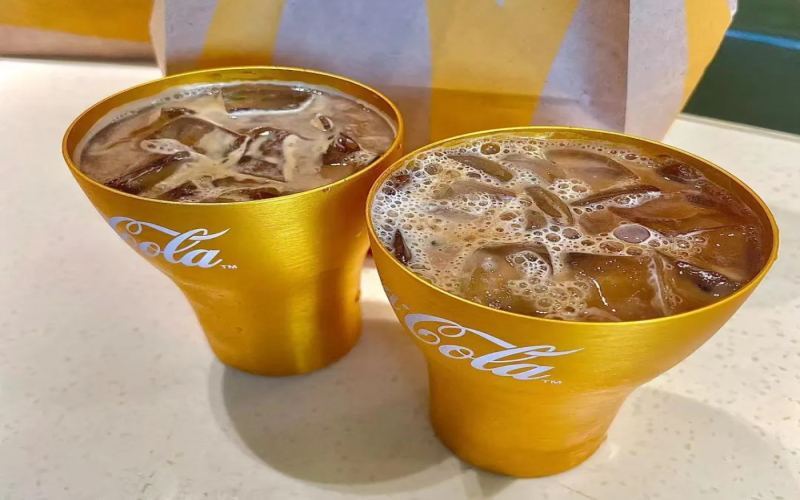
McDonald's "Gold" campaign sparks creative BYO cup ideas, netizens' wild "cheats" to join ignite discussion
McDonald's recently launched a "Gold" themed campaign, where consumers who bring their own non-disposable containers with gold elements can get a free milk coffee. Before the event even started, netizens were rummaging through their homes in search of gold containers, from gold bowls and pots to all sorts of bizarre "gold" props, with creativity flowing endlessly. This campaign not only sparked public enthusiasm for participation but also once again reinforced McDonald's "Golden Arches" brand impression. This article will take you through the quirky moves at the event and analyze how McDonald's uses "gold" marketing to play along with consumers. [more…]
Comparison of Indonesian BIWA Gold Top Mandheling and PWN Gold Mandheling: A Full Analysis of Origin, Processing, and Flavor Differences
This article compares the BIWA Gold Top Mandheling and PWN Golden Mandheling produced in Sumatra, Indonesia, sorting through everything from the origins of their names and harvesting in the producing regions to their processing methods and flavor profiles. Both beans come from the Lintong region and undergo semi-washed processing and multiple rounds of hand sorting, but they differ in trademark ownership and quality control details, ultimately presenting distinct aromas, body, and suitable brewing methods. The article also specifically introduces Front Street Coffee's Indonesia Golden Mandheling BIWA-Gold Top, helping coffee enthusiasts understand the differences between the two. [more…]
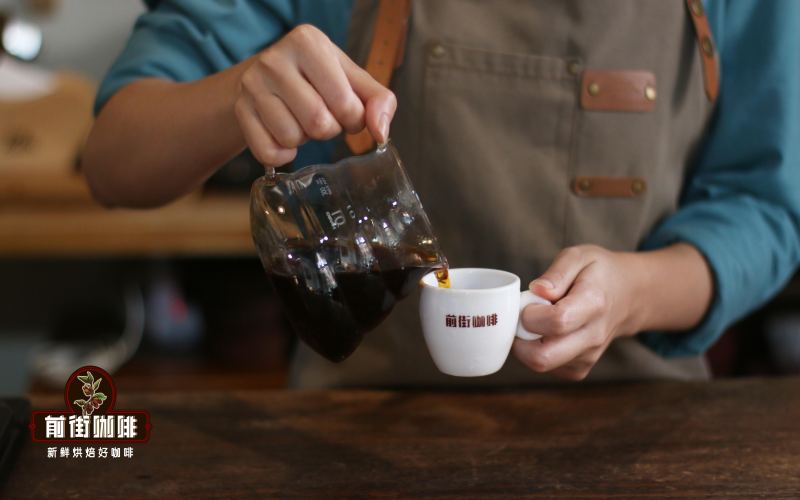
How much is a cup of Golden Mandheling? A full breakdown of Front Street PWN freshly ground pour-over flavor and brewing
Indonesian Mandheling has won the favor of many pour-over enthusiasts with its thick, full-bodied mouthfeel, but richness does not equal bitterness—when extraction is just right, a sugarcane-like sweetness emerges on the palate. The Front Street Golden Mandheling on CoffeeHunters' bean list is exactly such a representative example, priced at 30 yuan per cup, with rich layers that have given many people new to single-origin coffee a fresh understanding of the word "rich." This article focuses on Front Street PWN Golden Mandheling, sorting through the origins and flavor expression of this bean one by one, from the producing region's background, PWN Company's screening standards, variety and wet-hulling process, to the roasting curve and Kono dripper brewing parameters. [more…]
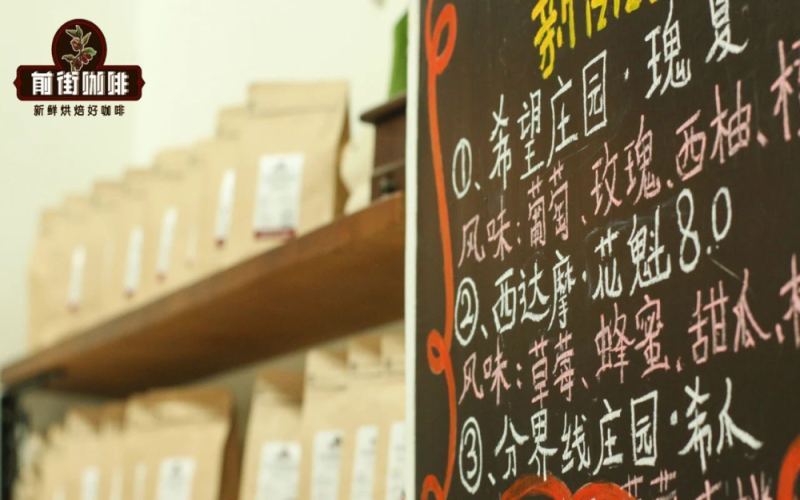
Ethiopia Gesha Village Gold Label Gesha: A Full Analysis of the Grades and Varieties of Gold Label Batch Geisha Beans
Geisha coffee is often classified in China by terms such as Red Label, Gold Label, and Green Label, but what exactly do these "labels" represent? What are the similarities and differences between the labeling systems of Gesha Village and Hacienda La Esmeralda? Starting from the common questions at Front Street Coffee's stores, this article systematically sorts out the naming logic of Gold Label Geisha, the geographical and varietal background of Gesha Village, and the grade positioning of Gold Label lots. It also explains in detail the relationship between Geisha 1931 and Panama Geisha, and includes the origin information and brewing suggestions for Front Street Coffee's Gold Label Geisha, helping coffee enthusiasts fully understand the origins and development of this rare treasure. [more…]
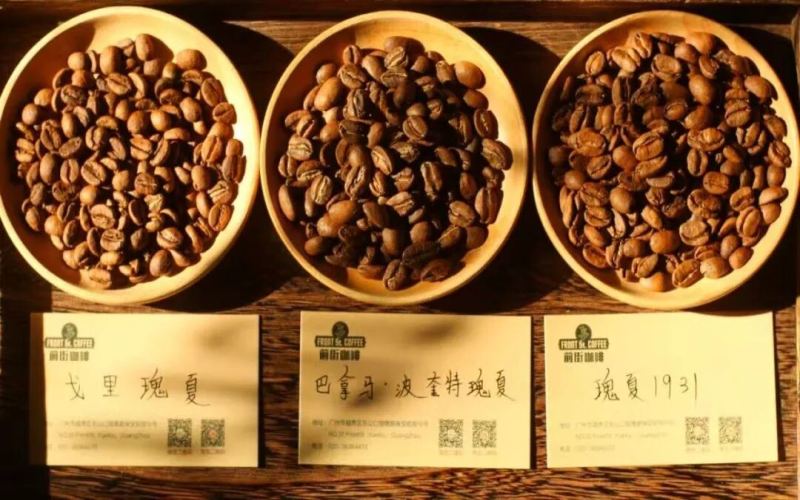
What is the difference between Gold Label and Red Label from Gesha Village? Do Gesha 1931 and Gori Gesha belong to the Gesha variety?
The Gold Label and Red Label coffees produced by Gesha Village Estate are a focal point for many enthusiasts. What exactly are the differences between these two products in terms of variety, grading, and flavor? And do the Gesha 1931 used for the Gold Label and the Gori Gesha used for the Red Label truly belong to what we commonly call Gesha? In this article, Front Street Coffee will sort out Gesha Village's grading system for you, from geographical divisions and variety tracing to cupping performance, and bring a specific brewing comparison of two natural-process lots, helping you more clearly understand the differences between these two lots. [more…]
Gesha Village Coffee Grades | What Are the Differences in Flavor and Mouthfeel Between Ethiopia's Gesha Village Gold Label and Red Label Coffee?
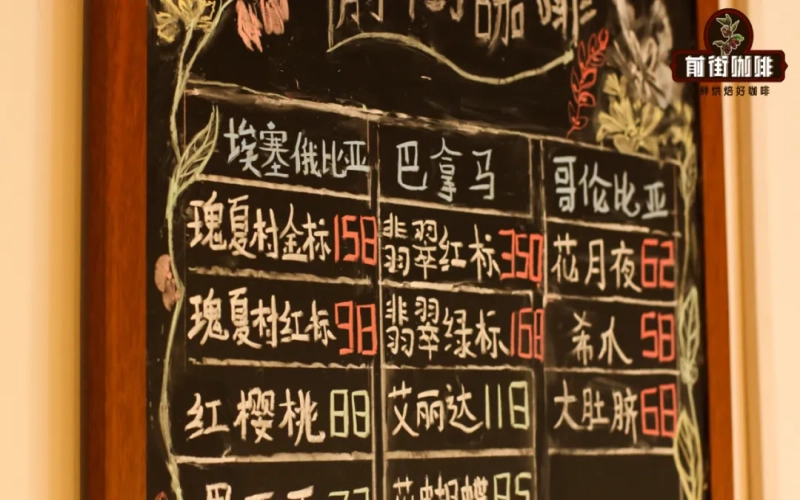
Besides Hacienda La Esmeralda's Red Label and Green Label Geisha, there is another group of somewhat well-known "labeled" Geishas on Front Street Coffee's bean menu board. These are the Gold Label Geisha and Red Label Geisha from Ethiopia's Gesha Village. Front Street Coffee has previously shared the grading system of Hacienda La Esmeralda, and has also shared about two estates. [more…]
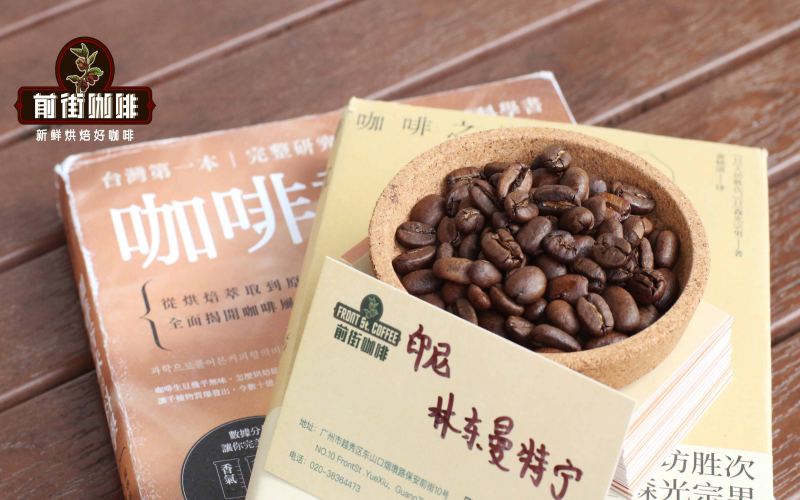
Complete Guide to Mandheling Coffee: From the Origin of the Name to Front Street Golden Mandheling Brewing and Flavor Characteristics
Mandheling is a highly recognizable name in the coffee world, but its origin is actually a "double misunderstanding." This article will sort through the story behind the Mandheling name, its varietal classifications, and why Front Street Gold Mandheling is regarded as the standout among them. We will also discuss PWN Green Bean Company's exclusive registration of the "Gold Mandheling" trademark, its strict screening process, the flavor foundation brought by the wet-hulling method, and provide specific parameters and staged extraction techniques for brewing Front Street Gold Mandheling at home. Whether you want to understand the characteristics of Mandheling or want to brew a cup of rich, solid black coffee, this content can give you clear reference. [more…]

What grade do Gesha Village Gold Label Gesha coffee beans belong to? An analysis of the flavor characteristics of Ethiopian Gold Label Gesha
Deep in the Kafa forests of Ethiopia, there is a coffee estate operated along the lines of Panama's Hacienda La Esmeralda model—Gesha Village. It overturned Ethiopia's tradition of being dominated by cooperatives, running as a large 500-hectare farm, growing only the Geisha variety, and establishing a strict grading system. Among these, the Gold Label lot accounts for only 5% of annual production, with quality nearly on par with the auction lot, making it a frequent choice for competitors in coffee events around the world. The Gold Label Geisha that Front Street Coffee has acquired this time comes from the Oma 114 lot, using the Gesha 1931 variety, naturally processed. This article will outline Gesha Village's grading system and variety background, and share Front Street's roasting and brewing insights. [more…]
A Detailed Analysis of Gesha Village Gold Label Geisha: From Grade Markings to the Flavor Origins of Variety 1931
In the world of specialty coffee, Gesha Village's "Gold Label" often leaves enthusiasts both longing and confused—what exactly is the difference between it and Hacienda La Esmeralda's Red Label? And why is Gesha Village able to produce such expensive coffee? This article will begin with the Chinese-language context of "label" naming, sorting out the English product names and grading logic behind labels such as Gold Label, Red Label, and Green Label, then take a deeper look at Gesha Village's geographical location, growing conditions, and variety selection history, and break down in detail the variety origin, plot management, and cupping performance of Gold Label Gesha. Finally, Front Street Coffee will share a complete brewing recipe for a Gold Label Gesha to help you extract the rich layers of this rare treasure at home. [more…]
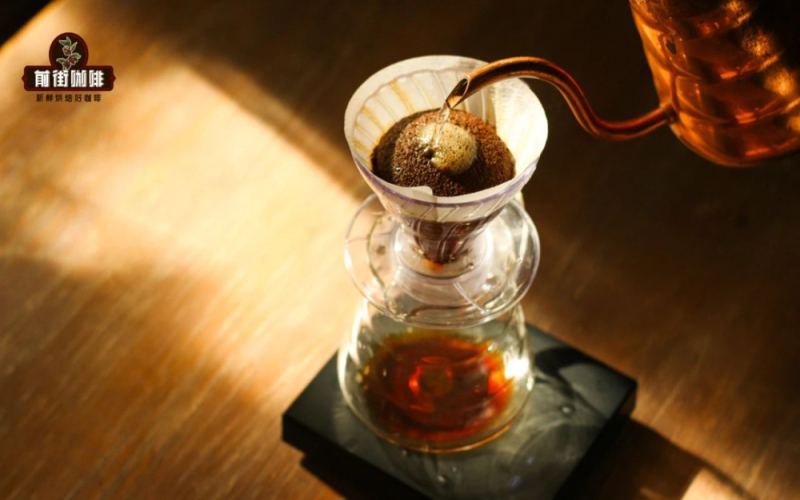
Gesha Village Gold Label Geisha Pour-Over Guide: A Full Breakdown of Grind Size, Water Temperature, and Extraction Time
Geisha Village's Gold Label Geisha has always been a treasure coveted by coffee lovers, but do you know exactly how it differs from Hacienda La Esmeralda's Red Label? This article starts with the "label color" confusion that Front Street baristas are often asked about, systematically sorting out Geisha Village's geographical background, the varietal origin and grade classification of Gold Label Geisha, and includes the brewing parameters for the Gold Label Geisha from the Oma plot that Front Street purchased—including grind size, water temperature, coffee-to-water ratio, and the three-pour rhythm—to help you steadily extract the complete flavor of this rare bean. [more…]
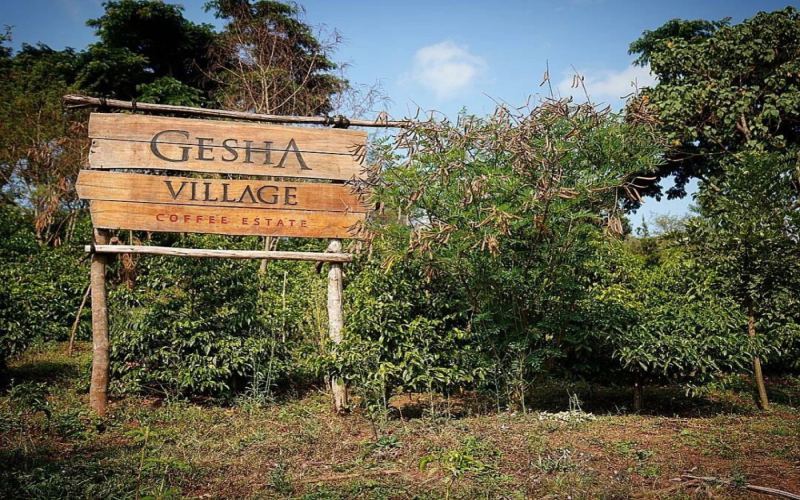
Ethiopia Gesha Village Coffee Estate Gold Label and Green Label Grading Explained: Flavor Characteristics and Pour-Over Parameter Guide
The Gesha Village Estate in Ethiopia is renowned for its strict grading system, classifying coffee beans into five grades: Auction, Gold, Red, Green, and Chaka. This article systematically introduces the geographical location of Gesha Village, its three major coffee varieties (Gori Gesha, Gesha 1931, and Illubabor) and their cultivation proportions, and provides a detailed interpretation of the definitions and production share of each grade. It also focuses on the Gold Label Gesha sold by Front Street Coffee, which comes from the Gesha 1931 variety in the Oma plot, uses a 30-day natural process, and cups with berry, melon, citrus, chamomile, and a tea-like sweet finish. The article also provides complete pour-over parameters, including grind size, water temperature, coffee-to-water ratio, and pouring technique, to help coffee enthusiasts reproduce this bean's rich layers at home. [more…]
Ethiopia Gesha Village Gold Label Gesha Coffee Flavor Analysis: How Is It Different from Panama Geisha?
Although Geisha coffee is famous for its association with Panama, its roots can be traced back to Ethiopia in Africa. For this review, Front Street Coffee is evaluating a Gold Label Geisha from the Gesha Village Estate in Ethiopia, produced in the Oma block, of the Geisha 1931 variety, and processed using a refined natural method. What exactly are the differences between this African Geisha and its American counterpart? The idea for Gesha Village Estate was first conceived in 2007 by documentary filmmaker Adam Overton and his photographer wife Rachel Samuel. In 2009, inspired by Willem Boot, the owner of Finca骡子, they found the Gori Gesha forest and ultimately established this large 500-hectare farm. The estate's product line is divided into Gold Label, Red Label, Green Label, and Chaka. The Gold Label accounts for only 10% of annual production, with quality second only to the auction lot. This article will present the unique charm of this Gold Label Geisha in full, from the estate's story, variety characteristics, processing methods, and roasting curve to the cupping flavors. [more…]

Panama Hacienda La Esmeralda Red Label vs. Gesha Village Gold Label Geisha Coffee Beans Compared: A Thorough Analysis of Variety Origins, Terroir, and Pour-Over Flavor Differences
Geisha coffee has always been a top-tier player in the specialty coffee world, but when faced with Esmeralda Estate's Red Label and Gesha Village's Gold Label—two "label-tier" products in the Chinese-speaking context—many enthusiasts often can't tell how they relate to or differ from each other. Starting from Front Street Coffee's actual offerings, this article sorts out the naming logic, variety origins, and terroir of the two Geishas, and through comparative brewing, presents the specific performance of Gold Label Geisha and Red Label Geisha in dry aroma, entry-level flavor, and aftertaste. If you're about to try Geisha for the first time, or want to know whether Red Label or Gold Label is more worth trying, this article will provide a clear reference. [more…]
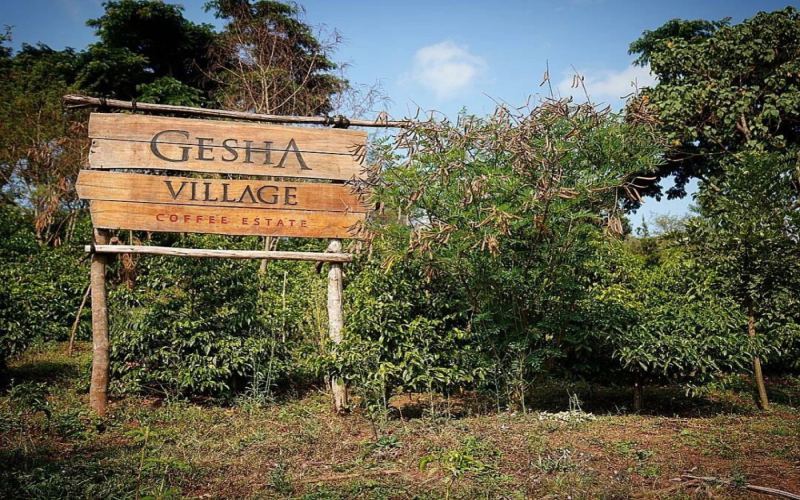
What are the differences between the various batches of coffee from Gesha Village in Ethiopia? A full breakdown of the Auction Lot, Gold, Red, Green, and Chaka
Ethiopia's Gesha Village Coffee Estate produces coffee with a style distinctly different from Panama Geisha, and has established a five-tier system: Auction, Gold, Red, Green, and Chaka. Front Street Coffee has long tracked and cupped these lots, and this article will go through the characteristics of each lot, from grading standards and flavor expression to natural processing and three-stage pour-over parameters. This year, the Gold Label shows a Panama-style profile of citrus, jasmine, honey, and tea notes; the Red Label is balanced with prominent nutty notes; the Green Label is full-bodied with berry acidity and vinous notes; and Chaka has a lower entry threshold with soft citrus and grapefruit acidity. It is suitable reading for coffee enthusiasts who want a systematic understanding of the Gesha Village product line. [more…]

Tims' National Day giveaway of pure gold maple leaves sparks heated discussion, with Canadian netizens expressing envy and saying they want one
During the National Day holiday, Tims launched a limited-time promotion at selected stores in Harbin, Heze, and other locations. Customers who purchased designated combo meals or drinks had the chance to receive a maple leaf craft item containing 2mg of pure gold, some of which were engraved with local landmark designs. After a Harbin netizen posted photos of the actual item, the post unexpectedly went viral, and the comments section was flooded with Canadian netizens expressing envy, even joking that their own country's stores only give away "E. coli and norovirus." This seemingly small but delightful giveaway promotion reflects the frequent food safety issues at Tims in Canada in recent years, as well as the feelings of overseas Chinese returning home and marveling at the environment of domestic stores. [more…]
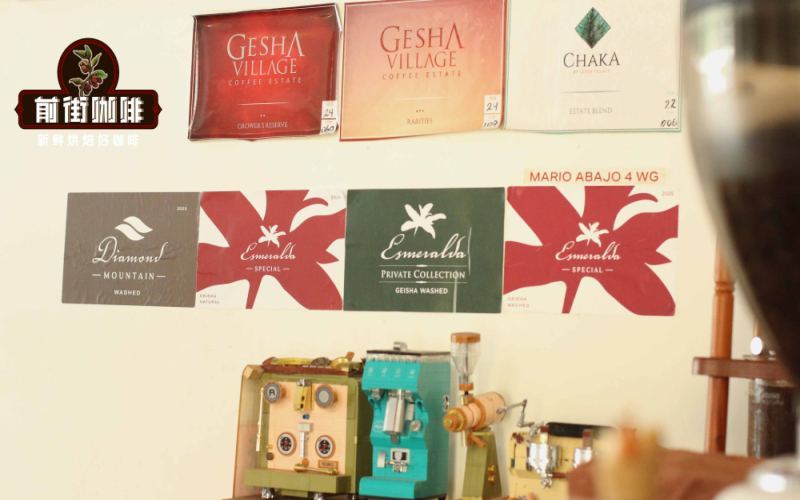
What are the differences between Gesha Village Gold Label and Panama Emerald Red Label? A clear explanation from variety and origin to flavor
Geisha enthusiasts often see two "labels" on Front Street Coffee's blackboard: Hacienda La Esmeralda Red Label and Gesha Village Gold Label. The former is 75 yuan per cup as pour-over, the latter 60 yuan per cup. Both represent the top-tier Geisha of their respective estates, yet few people examine closely the differences in naming logic, variety origin, terroir, and cup profile. Starting from the two beans currently sold at Front Street Coffee, this article sorts out the origins of the Chinese-context names "Red Label" and "Gold Label," traces the varietal relationship between Panama Geisha and Gesha Village's "Geisha 1931," compares the terroir conditions of Hacienda La Esmeralda's Boquete region and Gesha Village's Bench Maji region, and through actual brewing comparisons, presents the specific dry aroma and flavor performance of these two top-tier Geishas. [more…]
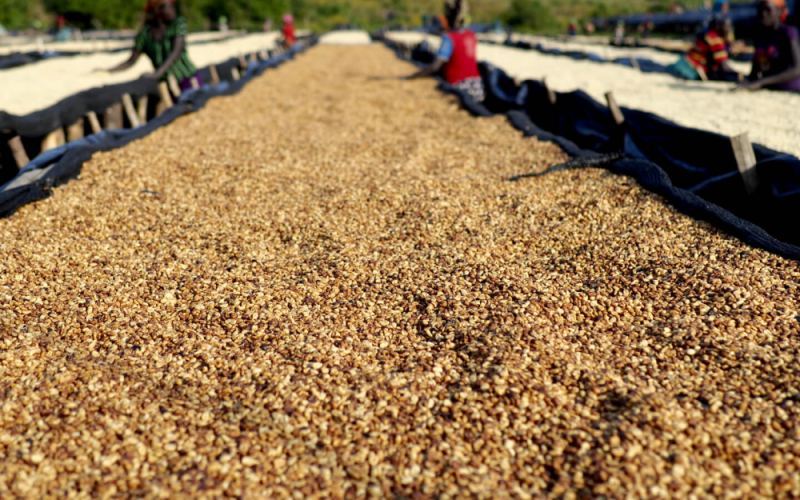
Ethiopia Gesha Village Estate Gold Label Natural Geisha: A Full Analysis of Plot Varieties, Production Grading, and Flavor & Brewing
Located in the Bench Maji region of Ethiopia, Gesha Village Coffee Estate has risen to prominence in the specialty coffee world in recent years, with its various grades of Geisha beans frequently appearing on the stage of world-class coffee competitions. The estate divides its growing areas into eight blocks, planted respectively with varieties such as Gori Gesha, Illubabor, and Gesha 1931, and establishes a five-tier system based on cupping quality: Auction, Gold, Red, Green, and Chaka. This article will guide you through the geographical environment of Gesha Village Coffee Estate, the varieties and flavor characteristics of each block, analyze the definition and value of the Gold tier, and use Front Street Coffee's this season's sun-dried Gold selection from the Oma block as an example to share the varietal background, brewing parameters, and cupping performance of Gesha 1931. [more…]
Panama Emerald Red Label vs. Gesha Village Gold Label: A Side-by-Side Comparison—Which of the Two Top Geshas Is More Worth Buying?
Geisha coffee has always been a top-topic in the specialty coffee world, and on Front Street Coffee's bean list, Hacienda La Esmeralda's Red Label and Gesha Village's Gold Label are exactly the two that many enthusiasts find themselves torn between when first encountering Geisha. These two beans each represent the highest grade of their respective estates, yet because of the "red" and "gold" in their Chinese names, many people can't tell which is which. They differ not only in price, but also in variety origin, growing terroir, and flavor performance. This article systematically sorts out the similarities and differences between these two top Geishas for Front Street Coffee's customers—from naming logic and variety tracing to origin environment and actual cupping comparison—to help you find the cup that suits you best. [more…]

Exploring Ethiopia's Gesha Village Estate: A Complete Analysis of Wild Geisha Gold Label, Red Label, Chaka Flavors and Grading
In the world of coffee, Geisha is undoubtedly a shining name. Most people first think of the Geisha from Panama's Hacienda La Esmeralda, which after being identified for its unique flavor in 2003, went on to win numerous green bean competitions such as the BOP. However, in Ethiopia's Bench Maji region, there is also a village likewise named Geisha, where the Geisha grown is entirely different from Panama Geisha, yet equally stunning. Front Street Coffee will take you into Gesha Village Coffee Estate, from its discovery history and estate overview, to the grading system of Gold Label, Red Label, Green Label, and Chaka batches, and then to processing methods and block divisions, comprehensively unraveling the coffee secrets of this legendary estate. Whether you want to understand the flavor differences between Gesha Village Gold Label and Red Label, or are curious about the blending charm of the Chaka batches, this article will reveal them all for you one by one. [more…]
A Detailed Guide to Hacienda La Esmeralda's Gold Label: Brewing, Flavor, and Taste Characteristics of Gold Label and Red Label Geisha Coffee Beans
Geisha coffee beans have taken the world by storm with their refined and elegant floral aromas and fruity acidity. Panama's Hacienda La Esmeralda and Ethiopia's Gesha Village Estate represent the benchmarks of Geisha in Central America and Africa respectively. Gesha Village Estate enforces strict internal grading, with Auction, Gold, Red, Green, and Chaka lots each having their own characteristics. Among them, the Gold lot is named "Rarities," accounting for only 10% of annual production, using the Geisha 1931 variety, with flavor complexity and intensity both of the highest caliber. The Red lot offers outstanding value for money, the Green lot provides single-plot traceability information, and the Chaka lot blends all three varieties from the entire estate. Front Street Coffee recommends that customers trying Geisha for the first time start with Esmeralda Red or Green, while Gesha Village Red is the choice for high value for money. This article will provide a detailed analysis of each grade's classification standards, variety origins, and brewing flavor performance. [more…]