







Search Results for: global coffee supply and demand
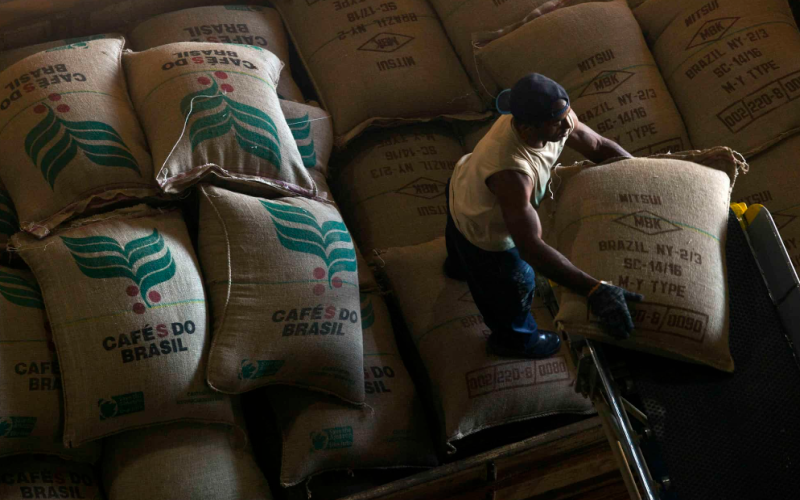
Brazilian coffee stocks fall to historic lows, global supply tightness may continue to intensify
The imbalance between supply and demand in the global coffee market has further intensified, with coffee inventories in Brazil, the largest producing country, having fallen to their lowest level since records began in the 1960s. Although Brazil's total coffee production in 2022/23 grew by 6.7% year-on-year, inventories plummeted by 88% year-on-year, leaving only 540,000 bags. Arabica failed to reach expected output due to drought and frost, while Vietnam's Robusta inventories also halved, tightening supply for both major varieties at the same time. Brazil's low conversion rate of fresh cherries has further exacerbated the shortage, and coffee prices face sustained upward pressure. This article will review the latest data and the underlying causes, and includes professional recommendations from Front Street Coffee. [more…]
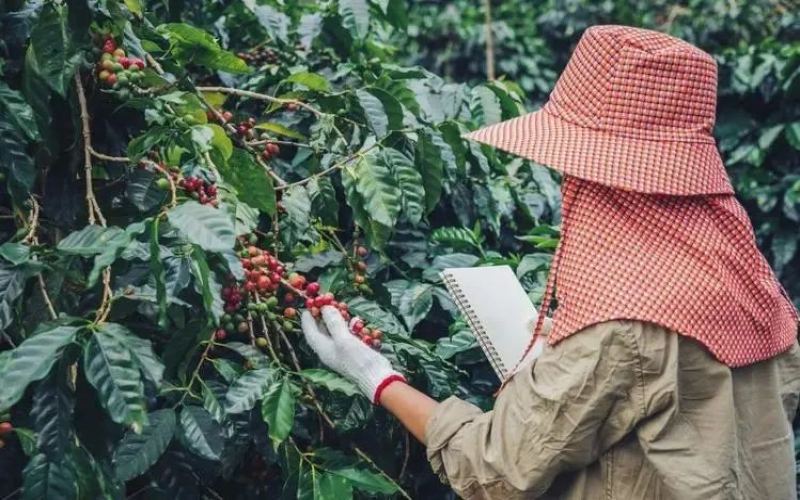
Vietnamese coffee suppliers demand renegotiation as robusta prices hit a 28-year high, worsening global supply tightness
Global robusta coffee prices recently surged to their highest point in 28 years. In Vietnam, the largest supplier, coffee farmers and producers, facing a poor harvest, are demanding renegotiation of previously locked-in low-price contracts with buyers. Vietnam's 2022/23 coffee crop was the worst in six years, and coupled with the Red Sea crisis driving up shipping costs, traders have begun turning to Brazil for procurement, continuously tightening the robusta supply chain. Faced with this situation, coffee enthusiasts may feel the pressure from their daily consumption, while brands like Front Street Coffee are also closely monitoring developments in the producing regions to select trustworthy robusta products for consumers. [more…]

La Niña's Three-Year Onslaught on Brazilian Coffee Regions: Global Coffee Bean Supply Tightens in 2023, Prices Poised to Rise
Brazil, the world's largest coffee producer, is being battered by three consecutive years of La Niña, with output in its main growing regions falling sharply and the outlook for the 2023 harvest far from optimistic. Meanwhile, Uganda, Africa's largest coffee exporter, has also seen its export volumes decline due to drought, while data from the International Coffee Organization show that global coffee consumption has continued to recover since the pandemic. With tightening supply overlapping with recovering demand, coffee futures prices remain elevated, and domestic traders have begun stockpiling physical beans. This article will review the production declines in Brazil and Uganda, the weather mechanisms behind them, and the shifts in supply and demand across the global coffee market, and will also include Front Street Coffee's specialty bean recommendations for readers' reference. [more…]
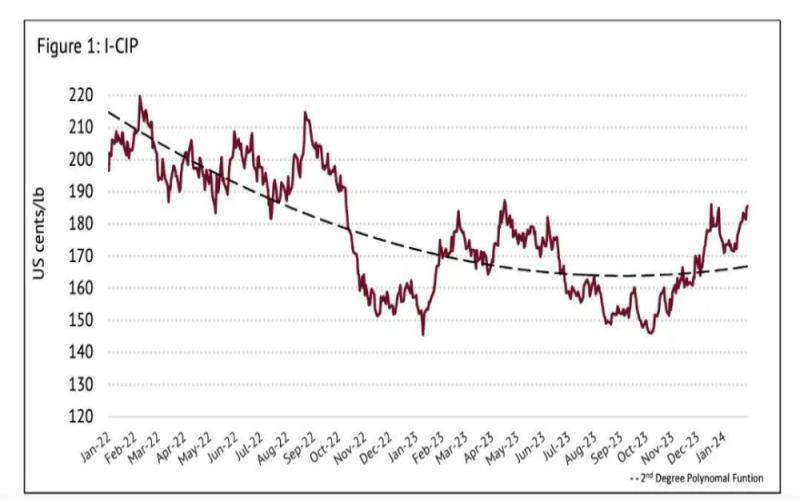
Robusta coffee prices hit a 29-year high: rising demand and supply chain pressures combine to drive the rally, with limited room for a pullback in the short term.
Recently, the coffee consulting platform Perfect Daily Grind published a report pointing out that Robusta coffee prices have climbed to their highest level in 29 years, mainly driven by multiple factors including growing global demand, supply shortages, and transportation bottlenecks. From Brazil to Vietnam, purchase prices in major producing regions have risen in tandem, and the Red Sea crisis has further intensified trade pressure on routes from East Asia to Europe. At the same time, the popularity of coffee blends has brought more attention to Robusta in the specialty coffee sector, and its climate-resistance advantages are also attracting increasing investment. Front Street Coffee believes that unless there is a fundamental shift in the supply-demand landscape, Robusta prices are likely to remain volatile at high levels and will be difficult to bring down quickly in the short term. [more…]
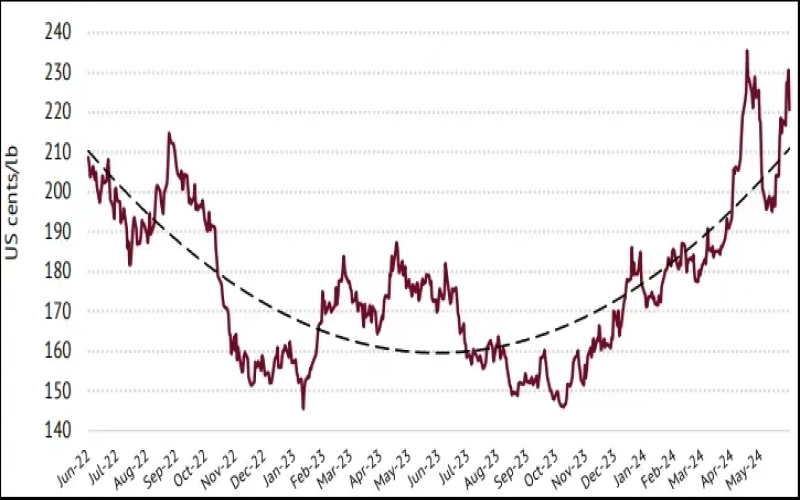
International Coffee Organization May Report: Global Coffee Production Expected to Reach 178 Million Bags, Composite Price Edges Down
The latest monthly report from the International Coffee Organization (ICO) shows that the average composite indicator price for coffee in May was 208.38 cents per pound, down 3.9% month-on-month. Easing drought in Vietnam and dry weather in Brazil favorable for harvesting, combined with supply uncertainty in Central America and the depreciation of the real, intertwined to affect price trends. Global coffee inventories increased substantially, with green bean exports in April rising 15.3% year-on-year, among which Brazil's exports grew strongly by 54.8%. The ICO expects global coffee production in the 2023/24 crop year to rise 5.8% to 178 million bags, while consumption demand will grow 2.2% to 177 million bags, with the market showing a trend of simultaneous growth in both supply and demand. [more…]
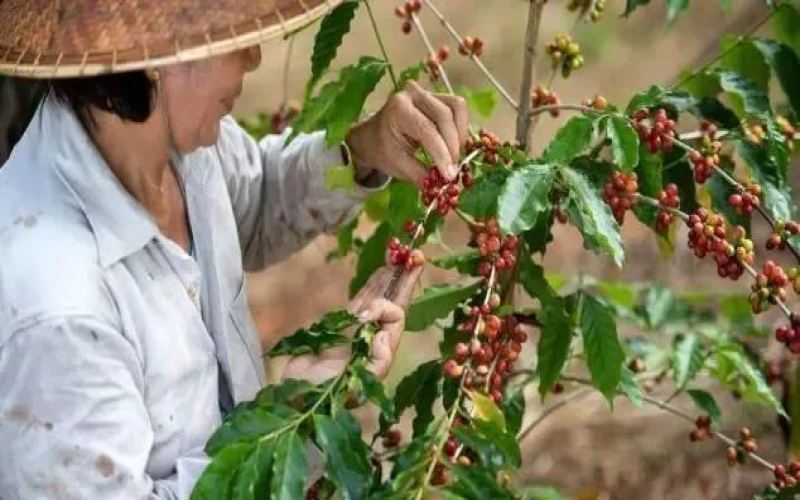
As coffee prices rise, Nestlé ramps up a $100 million expansion at its Tri An factory in Vietnam.
Global coffee prices remain elevated, and although Vietnam, as a key producing region, has seen its domestic green coffee quotes retreat slightly from earlier highs, they remain at relatively high levels. Meanwhile, Vietnam's coffee exports in 2023 showed a trend of lower volumes but higher values, with total export value hitting a record high. In response to growing market demand, Nestlé announced an additional US$100 million investment in its Tri An coffee factory in Dong Nai Province, Vietnam, to expand production capacity. Behind this decision are both expectations of a recovery in coffee consumption demand and supply-side disruptions driven by weather factors and the Red Sea shipping crisis. This article will review recent coffee price trends, Vietnam's export data, Nestlé's layout in Vietnam, and the multiple factors affecting market supply and demand. [more…]
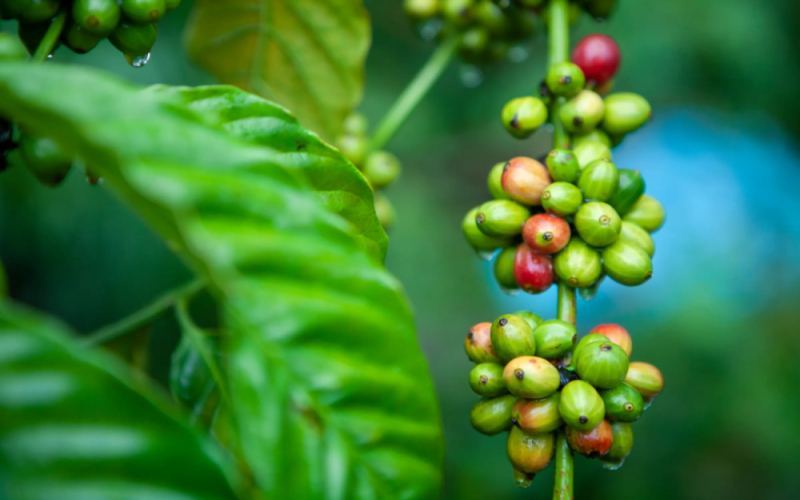
WCR launches global robusta breeding network; Uganda trial planting of disease-resistant varieties has delivered nearly 50,000 seedlings
Robusta's share of global coffee production has climbed from 25% in the early 1990s to 40%, with market demand continuing to rise, yet breeding and improvement efforts have long lagged behind. WCR predicts that if consumption growth overlaps with the climate crisis, the global coffee supply could face severe shortages in 2024. To address this, WCR is about to launch a Robusta breeding program using a large amount of genetic material provided by CIRAD, and will work with major producing countries to build a global breeding network. Meanwhile, planting trials in Uganda have already been implemented, distributing nearly 50,000 disease-resistant Robusta (KR) trees to farmers. Front Street Coffee continues to monitor the industry trends and variety innovations in Robusta. [more…]
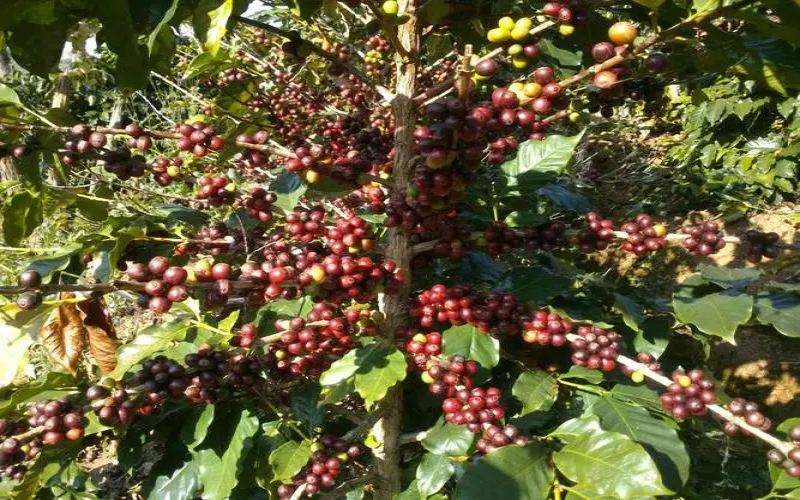
Global Coffee Supply Landscape Shifts: Arabica Prices Fall, Robusta Remains High Due to Vietnam Drought
The global coffee market has recently shown divergent trends. According to International Coffee Organization data, global coffee exports have increased year-on-year, with improved Arabica supply driving prices down, while Robusta remains firm or even hits historic highs due to persistent tight supply amid drought in Vietnam. Colombia's production is recovering after three years of decline, and Brazil's Arabica-producing regions have seen improved rainfall with upward revisions to production forecasts, but its Robusta-producing regions face high temperatures and scarce rain, leaving future output still to be observed. This article will review the specific data and weather impacts across the three major producing regions of Vietnam, Colombia, and Brazil to help coffee enthusiasts grasp the supply and demand logic behind current price fluctuations. [more…]
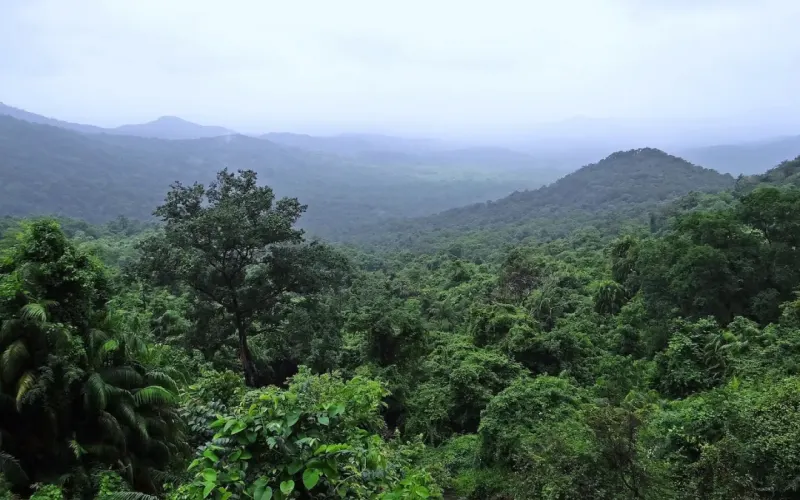
India's coffee exports grow 13% year-on-year, Red Sea crisis looms as a concern
India, as the first country in Asia to cultivate coffee, ranks sixth in the world in production. Recently, affected by heatwaves and drought in Vietnam, the supply of Robusta coffee beans has tightened, driving up global coffee prices and bringing growth opportunities for Indian coffee exports. In the first quarter of 2024, India's coffee exports increased by 13.35% year-on-year to 125,600 tons, mainly driven by rising global demand, especially strong demand for Robusta. Indian Robusta is cultivated in a specialty manner, with higher quality, and prices have risen accordingly. However, behind the surge in exports lie hidden concerns: some growers are unwilling to deliver at the originally agreed order prices, which may affect traders' confidence; at the same time, the Red Sea crisis continues, and India's imports and exports are highly dependent on that route. Diverting around the Cape of Good Hope will significantly increase transportation costs, posing a challenge to India's coffee trade. [more…]

Global warming breaches the 1.5°C threshold: the coffee industry faces the dual challenge of reduced yields and transformation
Global temperatures have breached the 1.5°C threshold above pre-industrial levels for the first time, and this shift is profoundly shaking the foundations of the coffee industry. Arabica beans account for about 60% of global production but are extremely sensitive to climate conditions. The droughts, hail, and diseases brought by continued warming have already caused two consecutive years of supply falling short of demand. Some experts warn that if the warming trend continues and reaches 2.5°C by the end of this century, most coffee-growing regions may disappear. In the face of the crisis, Starbucks, Colombian research institutions, and a growing number of producing countries are seeking a way forward by cultivating new varieties and reassessing the value of Robusta. Front Street Coffee will also continue to monitor the far-reaching impact of climate change on coffee flavor and the supply chain. [more…]
Kenya and Sri Lanka Black Tea Price Trends: Is Basilur Expensive? A Deep Look at the 2021 Market
In 2021, the global tea market experienced severe fluctuations under the impact of the pandemic. Kenya's Mombasa auction saw increased volumes and stable prices, Sri Lanka's Ceylon black tea prices soared due to reduced production, and India debated whether to lower import tariffs because of high domestic prices. The food service channel accounts for 20% of global tea sales, and the pandemic led to the closure of a large number of restaurants, profoundly changing the supply and demand landscape. This article will review auction prices, production changes, and trade policy trends for Kenyan and Sri Lankan black tea, answer whether Basilur black tea is too expensive, a concern for tea lovers, and recommend related selection ideas from Front Street Coffee. [more…]

Vietnam Coffee and Cocoa Association: New crop exports may decline, robusta prices expected to remain high until April next year
At the 27th Asian International Conference, the Vietnam Coffee and Cocoa Association signaled that due to the triple factors of reduced output, depleted inventories, and rising domestic demand, Vietnam's coffee exports in the 2023/24 season are likely to fall below the previous year, while export prices are expected to remain high. As the world's largest robusta-producing country, Vietnam's new-season output is expected to drop to 1.6 million to 1.7 million tons. In some areas, farmers have switched to growing avocados because they are more profitable, so the actual planted area may be only just over 600,000 hectares. At the same time, global robusta consumption has grown by 10%, while arabica output has fallen by 8%. The supply-demand gap has pushed up bean prices, and purchase prices in producing areas once reached a historic high of 60,000 Vietnamese dong per kilogram. Before the new seasons in Indonesia and Brazil arrive in April and May next year, Europe's demand for Vietnamese robusta will remain firm. Front Street Coffee continues to monitor developments in producing areas and sort out price and supply changes for enthusiasts. [more…]
Global supply tightness combined with a weakening dollar keeps coffee bean prices climbing
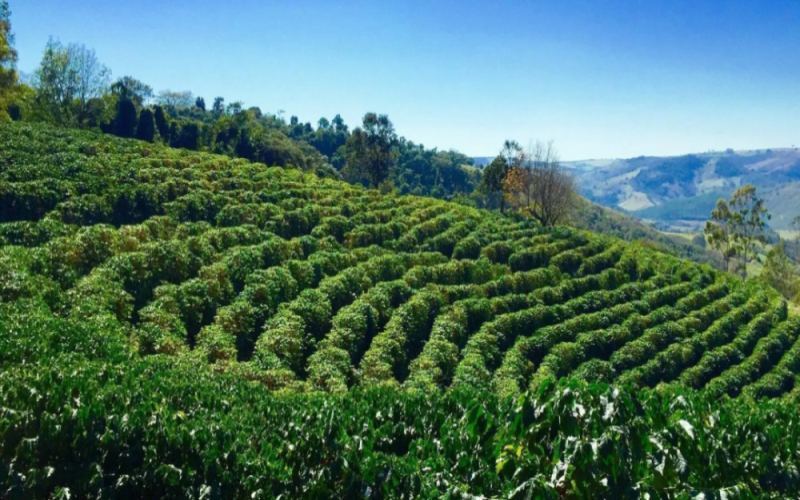
The international coffee market has recently experienced a significant rally, with prices for both Robusta and Arabica rising. The factors driving this surge are complex: Brazil's coffee-growing regions continue to suffer from drought, and logistics delays at the Port of Santos occur frequently; the US dollar index has come under downward pressure due to rate cut expectations, and the Brazilian real has strengthened accordingly; Vietnam's Robusta supply is tight, and local green bean purchase prices have repeatedly hit new highs. At the same time, the USDA forecasts that global coffee production in the new year will increase by 4.2% year-on-year, but the trends among different varieties are clearly divergent. This article will review the supply and demand dynamics and price logic of major producing regions to help readers grasp the current pulse of the coffee market. [more…]
Yunnan Small-Bean Coffee Price Trends and Industry Development Observations: 2022 Arabica Market Analysis
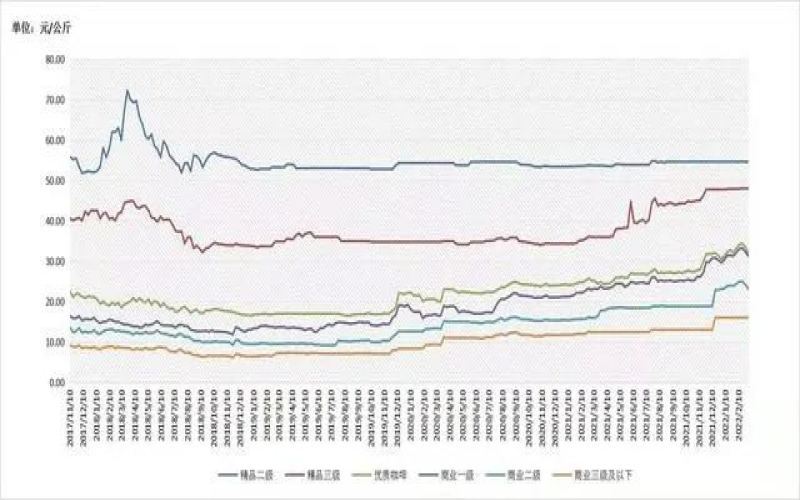
Yunnan's coffee industry is undergoing a notable price surge and heightened market attention. Since 2021, domestic new-style tea beverage and coffee brands have been incorporating Yunnan beans into their menus, with the national trend of guochao consumption and the domestic coffee boom together driving up the popularity of the production region. Consumer demand for Yunnan coffee has surged, directly pushing up coffee bean prices. At the same time, the global pandemic has caused supply chain delays, with delivery cycles extended from one or two months to three or four months. Reduced supply coupled with rapidly rising consumption has further driven up the market. While Yunnan coffee is embracing opportunities, it also faces practical limitations such as uneven planting standards, insufficient talent and industry chain support, and a lack of pricing power. Cities like Pu'er are advancing industrial upgrading with the goals of specialty-grade quality and standardization. The coffee output value of Ning'er County is expected to continue growing, and the Yunnan coffee price index also reflects market changes. [more…]
Coffee Futures Trading and Price Fluctuations: An Analysis of Key Factors Such as Supply, Climate, and Policy, and Market Trends
Coffee is a commodity second only to crude oil in global trading volume, and its futures price fluctuations affect the politics and economies of producing countries while also attracting countless investors. This article systematically examines the major core factors influencing coffee bean prices: changes in supply, climate and pests, government policies of various countries and measures by the International Coffee Organization, strikes and market rumors, and seasonal patterns. At the same time, it provides an in-depth analysis of the special position of major producing countries such as Brazil, revealing the market logic and investment opportunities behind the key break-even line of $1 per pound. [more…]
Robusta Futures Break Through the $4,000 Mark: How Vietnam's Production Decline, Farmers' Holding Back and Capital Influx Are Stirring Up the Global Coffee Market
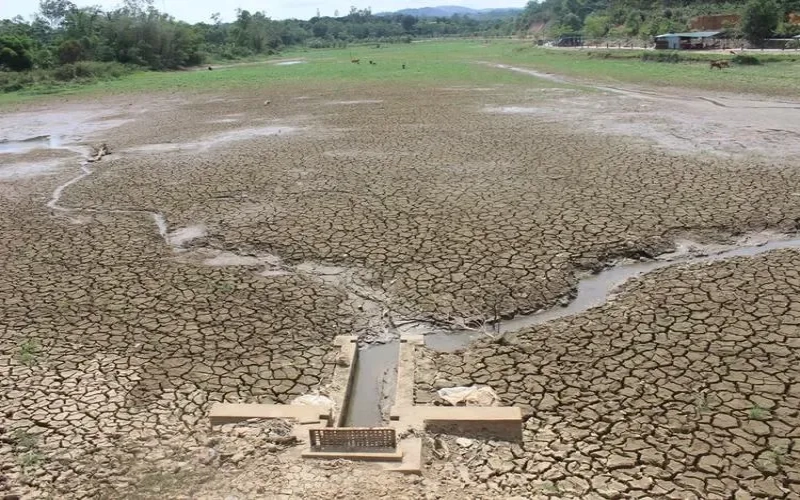
Recently, the international coffee futures market has been turbulent, with robusta coffee futures once surging to a historic high of $4,339 per ton, while July and September pre-sale contracts were quoted at $4,239 and $4,246 per ton respectively. Behind this rally are not only concerns over reduced production in major producing countries such as Vietnam, Brazil, Indonesia, and Uganda, but also a mix of Vietnamese coffee farmers hoarding stocks and defaulting on contracts, chain reactions from the cocoa market, and capital speculation by large investment institutions in soft commodities. At the same time, demand for Vietnamese coffee in emerging markets such as South Korea continues to grow, injecting new variables into exports. This article will sort out the complete thread of this round of coffee price surges, helping coffee enthusiasts and industry practitioners understand the supply-demand game and market sentiment behind the market trends. [more…]
EU Deforestation Regulation Hits East Timor's Smallholder Coffee Farmers, Compliance Struggles May Trigger Global Market Supply Imbalance
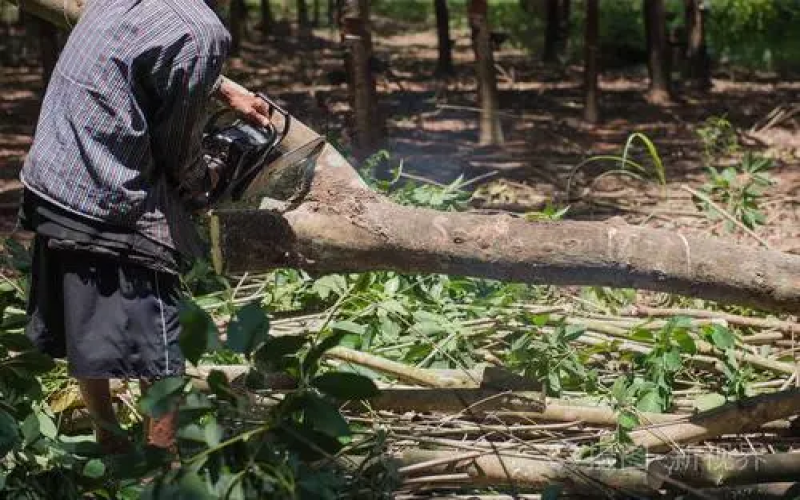
The European Union's upcoming zero-deforestation regulation (EUDR), set to take effect in 2025, requires imports of seven categories of agricultural products, including coffee, to prove they are not linked to deforestation. This environmental milestone could, however, place a heavy burden on smallholder countries that depend on coffee exports. Take East Timor as an example: coffee accounts for more than 90% of its non-oil export earnings, sustaining the livelihoods of 77,000 rural households, and the EU is its largest market. Yet the complex local land tenure, scattered smallholder plots, lack of GPS mapping capacity, and high illiteracy rate make it difficult for the vast majority of coffee farmers to meet compliance requirements. This not only threatens East Timor's coffee industry but could also lead to non-compliant coffee flooding the global market, driving down prices and worsening the plight of smallholders. [more…]
USDA Releases 2023/24 Coffee Production Forecasts for Brazil, Colombia, and Vietnam as El Niño Roils Global Supply
The El Niño phenomenon continues to disrupt global weather patterns, causing the production prospects of major coffee-producing countries to diverge. The United States Department of Agriculture recently released its assessment report on the 2023/24 coffee production of Brazil, Colombia, and Vietnam, with the three countries showing different trends: Brazil's Robusta faces a decline in production, while Arabica is expected to see a recovery in growth; Colombia's production is rebounding due to improved climatic conditions, but import demand still exists; Vietnam, meanwhile, continues to decline due to unfavorable weather and farmers switching to other crops. Overall, El Niño is putting pressure on coffee production in Brazil and Vietnam, while Colombia has become one of the few beneficiaries. The following is the detailed data and analysis. [more…]

Nestlé Launches 2030 Coffee Plan: Investing Over 1 Billion Swiss Francs to Drive Regenerative Agriculture Transition
Global food and beverage giant Nestlé announced on October 4, 2022, the launch of the "Nescafé Plan 2030," committing to invest over 1 billion Swiss francs in the Nescafé Plan by 2030 to secure coffee supply and deepen sustainability efforts. This investment more than doubles the amount from the past decade, with a core focus on helping coffee farmers transition to regenerative agriculture while planting over 20 million trees on and around farms to absorb carbon emissions. Nestlé had previously pledged that all its coffee would be sustainably sourced by 2025, and now it has set a further goal: for 20% of its coffee to be grown using regenerative agriculture methods by 2025. Given the threats climate change poses to coffee-growing regions, rising global coffee demand, and the poverty of farmers, whether this plan can bring about substantive change across the entire coffee industry chain is worth watching. [more…]
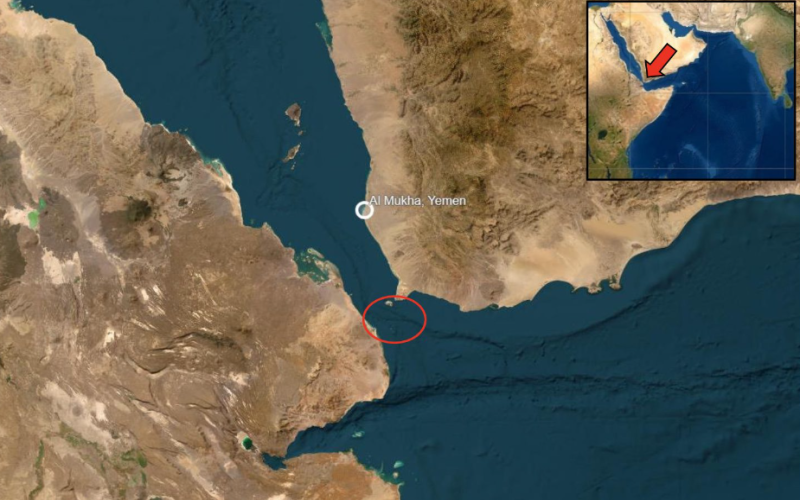
Red Sea Security Crisis Hits Global Coffee Supply Chain: Shipping Disruptions and Rising Prices
Recently, the Houthi armed forces in Yemen launched a large-scale attack on U.S. warships in the Red Sea. Although the U.S. military successfully intercepted the attack, the incident once again highlighted the tense situation in the Red Sea region. Since the escalation of the Israeli-Palestinian conflict last year, the Houthis have frequently attacked commercial ships, forcing global shipping routes to change and thereby having a profound impact on the coffee trade. Problems such as soaring transport costs, longer voyages, and container shortages followed one after another. European buyers turned to Brazil for purchases, East African coffee exports were hit hard, and international coffee prices continued to rise. This article will analyze in detail how the Red Sea crisis has disrupted the global coffee supply chain and discuss its specific impact on coffee-producing regions and consumer markets. [more…]