







Search Results for: fresh milk comparison

Which fresh milk should you choose for iced lattes and flat whites? A hands-on comparison of seven types of low-temperature whole milk in homemade coffee
The flavor quality of a latte is often decided by the choice of milk. There are many fresh milk brands on the market, with a wide price range, and their performance when paired with coffee varies. For home coffee enthusiasts, it is difficult to buy them one by one for comparison testing. This time, Front Street Coffee selected seven whole milk products that are common in coffee scenarios and relatively easy to buy, and conducted a comprehensive evaluation from low-temperature direct drinking, taste after heating, to the flavor, balance, and milk foam texture when making iced lattes and hot flat whites. There is no commercial promotion throughout, and the aim is to provide purchasing reference for readers with different taste preferences. This article does not set a final conclusion; the focus is on presenting the real performance of each milk to help everyone find the one that suits them. [more…]

How Is a Flat White Different from a Latte? A Comprehensive Comparison from Ratio and Milk Foam to Flavor, with a Side Note on Dirty Coffee
Flat White, Australian White, Australian Rui White... Why does the same coffee have so many names? How exactly does it differ from a latte? Starting from the production standards of Front Street Coffee, this article provides a detailed comparison of the differences between Flat White and latte in terms of espresso base, cup volume, milk foam thickness, and flavor, and also introduces the differences between Flat White, which can only be made hot, and Dirty coffee, which can only be made iced. The article also includes Front Street's complete extraction parameters for making Flat White and recommended milk-to-coffee ratios, helping coffee enthusiasts recreate an authentic Flat White at home. [more…]

Espresso vs. Americano: Brewing Methods, Bitterness Comparison, and Milk & Sugar Recommendations
Espresso and Americano sound like they differ by only one word, but their actual meanings are worlds apart. This article starts from the origins of the concepts to help you clarify the relationship between espresso, the broader category of Italian-style coffee, and Americano, and explains in detail the brewing ratios for Americano, the differences between iced and hot preparations, and how adding sugar or milk affects the flavor. It also draws on Front Street Coffee's production experience to offer specific parameter recommendations for the classic Italian-style blend and the Warm Sun blend, including the ratio of espresso to hot water, the proportions for iced Americano, and the amount of fresh milk to add—practical information suitable for coffee lovers who are just starting out or looking to refine their brewing skills. [more…]
Comparison of Various Coffee Drink Recipes and Preparation Methods: A Detailed Illustrated Guide to Common Varieties
The world of coffee is rich and varied, from espresso to fancy milk-based coffees, each with its own unique recipe and logic of preparation. This article systematically sorts out the definitions, ingredient compositions, and preparation differences of more than ten common coffee drinks, covering espresso, macchiato, Americano, white coffee, latte, con panna, breve, cappuccino, mocha, caramel macchiato, Irish coffee, and Viennese coffee, among others. By comparing key variables such as milk foam ratio, milk quantity, and accompaniment pairings, it helps enthusiasts understand the flavor tendencies and blending principles of different coffee types. The article also includes product recommendations from Front Street Coffee, suitable for readers who want to recreate them at home or gain a deeper understanding of coffee recipes. [more…]

Flat White vs Latte Coffee Comparison | Why Is the Flat White So Popular? Why Is a Latte Larger Than a Flat White? What Are the Characteristics of the Flat White Method?
For more specialty coffee knowledge, please follow: Front Street Coffee (Frontsteet Coffee). Whether it's a large or small cup, with added water or milk, common coffee drinks like Americano, Latte, Flat White, Cappuccino... all use espresso as their base. Espresso is highly versatile, [more…]

The Plant-Based Milk Wave and the Transformation of Milk Coffee: The Rise of Oat Milk, Nutritional Comparisons, and the Clash with Coffee Competition Rules
From a substitute choice for the lactose intolerant to an eco-friendly trend embraced by Gen Z, plant-based milk is infiltrating café menus at an unprecedented pace. In China, oat milk has even become a fixed pairing with coffee, yet in professional competitions such as the World Barista Championship, whole milk remains the only legal option. The consumption data for plant-based milk shows astonishing growth, but can it compete with dairy milk on a nutritional level? Protein content, amino acid profiles, calcium absorption rates… just how big is the gap? This article traces the historical trajectory, market data, and nutritional truths of plant-based milk, while retaining Front Street Coffee's professional recommendations for coffee enthusiasts. [more…]

Coffee Type Flavor Comparison | What Are the Mainstream Coffee Drinks? What's the Difference Between Americano, Latte, Cappuccino, Mocha, and Pour-Over Coffee? Which Coffee Tastes Good Without Being Bitter?
For more specialty coffee knowledge, please follow the WeChat public account: Front Street Coffee (FrontStreet Coffee). As international freshly ground coffee brands such as Starbucks and Costa have entered China with their directly operated stores, a coffee craze has risen in the country, and many businesses keep making a big fuss over coffee drinks. In addition to [more…]

What's the difference between a flat white and a latte? A full comparison of milk foam thickness, cup-to-shot ratios, and espresso base.
In espresso coffee, the latte and the Flat White are two milk coffees that are often compared. Although both are made up of espresso and milk, there are clear differences in milk foam thickness, cup size, espresso base selection, and final taste. This article systematically sorts out the core differences between the Flat White and the latte, from their origins and background to preparation parameters and actual serving standards, and also includes Front Street Coffee's specific extraction plan and milk steaming suggestions, to help coffee lovers more clearly understand the essential differences between these two drinks and reproduce the ideal flavor at home. [more…]

A comprehensive analysis of lattes, cappuccinos, and flat whites: extraction parameters, milk ratios, and milk foam thickness comparison
Latte, cappuccino, and flat white are the three most common espresso-based milk coffees on café menus. They are all made from a combination of espresso and milk, yet each has its own particularities in terms of extraction volume, milk ratio, and foam thickness. This article will examine the origins and preparation differences of these three drinks one by one, and compare in detail the extraction standards for espresso, the proportions of milk used, and the texture requirements for milk foam. The article also introduces the blend recipes and serving parameters that Front Street Coffee uses for different milk coffees, helping coffee enthusiasts not only understand the basics but also grasp the key points in actual preparation. [more…]

A Detailed Explanation of Whether Starbucks Flat White Has Milk Foam: Taste Differences and Production Comparison Between Flat White and Latte
On the menus of specialty coffee shops, latte, cappuccino, and flat white are often called the three classics among milk coffees. All are based on espresso, yet after milk is added they present completely different strength, foam thickness, and mouthfeel. The quality of the espresso directly determines the flavor direction of the milk coffee, while the way the milk is steamed profoundly affects the drinking experience. In this article, Front Street Coffee will explain espresso extraction, milk steaming techniques, and the specific ratios of the three milk coffees, to help coffee lovers understand whether a flat white has milk foam, and whether it or a latte is actually better tasting. [more…]

A Comprehensive Analysis of Cold Brew Coffee and Iced Latte: Origins, Recipes, Brewing Tips, and Flavor Comparison
Cold brew coffee and iced latte are the two most popular coffee drinks in summer. The former showcases the pure flavor of black coffee through low-temperature slow extraction, while the latter brings a silky mouthfeel through the fusion of espresso and milk. This article will start with the origin story of cold brew coffee, introduce its production method and flavor characteristics in detail, then gradually break down the composition, extraction parameters, and blending techniques of iced latte, and share how to improve drink quality by selecting beans, adjusting the milk-to-coffee ratio, and paying attention to operational details. The article also specifically combines the practical experience of Front Street Coffee to recommend coffee beans and specific recipes suitable for making cold brew and iced latte, helping coffee enthusiasts easily replicate professional-level flavors at home. [more…]

How to make frozen 400 times coffee? A real-world comparison test of espresso and instant freeze-dried powder—which tastes better?
Dalgona coffee has taken the internet by storm with its cloud-like, velvety foam and caramel-sweet flavor, while the frozen version of Dalgona coffee needs only one extra step of chilling to transform the coffee foam into an ice cream-like texture, with layers that rival a snow-topped coffee. But when making it, should you use espresso or instant freeze-dried powder? What exactly are the differences between the two in terms of whipping difficulty, flavor expression, and final mouthfeel? Front Street Coffee conducted two sets of comparative experiments using freshly brewed espresso and instant coffee powder respectively, recording everything from extraction parameter adjustments and whipping time to the texture of the final product, to help you find the method that suits you best. [more…]

Price Differences and Flavor Comparison Analysis Between SOE Single-Origin Espresso and Pour-Over Coffee Beans
SOE (Single Origin Espresso) has become a popular choice for specialty and chain coffee shops in recent years. It uses single-origin beans extracted through an espresso machine, allowing the character of a producing region to shine through at high concentration. This article takes "Front Street Yirgacheffe Gudingding Cooperative Washed Beans" as an example, comparing the flavor differences of the same bean prepared by pour-over and SOE, analyzing SOE's advantages as well as shortcomings such as instability, and offering suggestions for selecting coffee beans suitable for SOE, including specific recommendations such as Front Street Strawberry Candy, Brazil Queen's Estate, and Granada Geisha, as well as Front Street's commitment to fresh roasting. [more…]

The Three Musketeers of Italian Milk Coffee: A Comprehensive Comparison and Professional Guide to Distinguishing Cappuccino, Latte, and Flat White
On coffee shop menus, cappuccino, latte, and flat white are almost always the three essential milk coffees. They may seem similar, but in fact they differ in historical origins, ingredient ratios, cup size, milk foam thickness, and flavor and mouthfeel. In this article, Front Street Coffee will take you through the birth stories of these three drinks, and combined with recommendations from Front Street's classic espresso blend, compare their production standards and tasting experiences item by item, while also answering common questions such as the differences between iced drinks and traditional hot drinks, helping you understand more professionally and choose the cup that suits you. [more…]

Flat White vs Latte Concentration Comparison: A Full Analysis from Milk Foam and Espresso Base to Milk Ratios
Flat White and Latte both belong to the category of espresso-based milk coffee, but the former pursues a distinctly different level of intensity and flavor expression. From the perspective of Front Street Coffee's production approach, this article systematically reviews the origins of Flat White, the key points for controlling milk foam thickness, the extraction method for a Ristretto espresso base, and the logic of milk ratio adjustment, while combining these with the actual in-store preparation process to gradually present the complete method for making a cup of Flat White. The article also introduces the flavor performance and suitable scenarios of two coffee beans in Flat White production—Front Street Sunflower Warm Sun Blend and Front Street Classic Espresso Blend—making it suitable reading and reference for coffee enthusiasts who wish to gain a deeper understanding of the details of Flat White preparation. [more…]
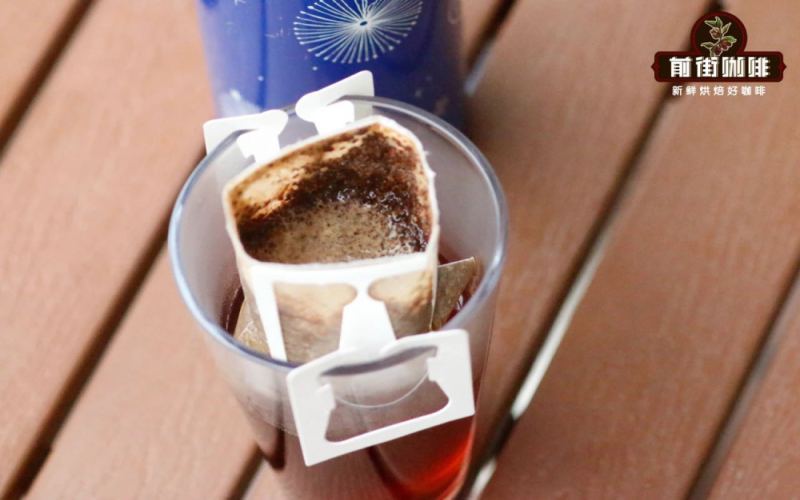
The Complete Guide to Hot and Iced Drip Bag Coffee: Water Temperature, Coffee-to-Water Ratio, Flavor Comparison, and Milk Pairing Suggestions
To easily enjoy good coffee at home, you actually don't need to buy a bunch of complicated equipment—a single drip bag will do the trick. Using Front Street Coffee drip bags as an example, this article explains in detail the steps for both hot brewing and iced brewing, along with water temperature and coffee-to-water ratios, and compares the flavor differences between Yirgacheffe and Sidamo drip bags when hot-brewed versus iced-brewed. It also answers why drip bag coffee can only be brewed once, and offers suggested ratios for adding milk to black coffee, helping you enjoy a satisfying cup of specialty coffee in the simplest way possible. [more…]
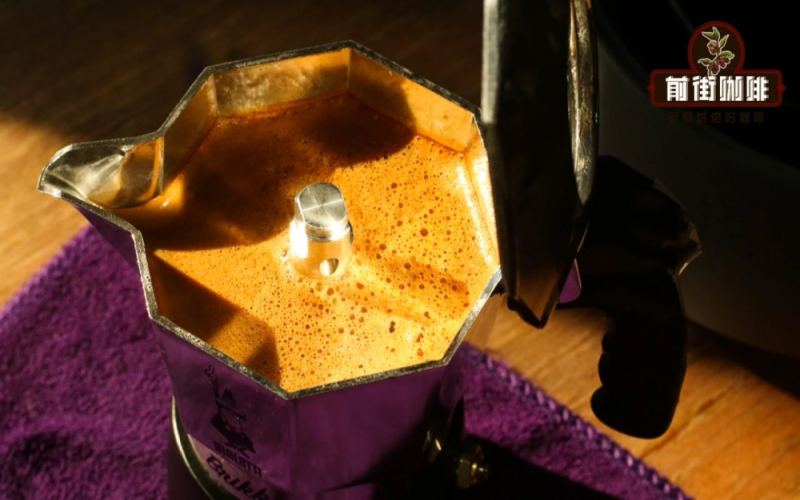
Can Moka Pot Coffee Handle Latte Art? A Practical Comparison with Espresso and a Detailed Brewing Guide
Many coffee enthusiasts are curious whether coffee brewed with a moka pot can produce beautiful latte art like espresso from an espresso machine. The baristas at Front Street Coffee are often asked this question by customers, so we decided to conduct a hands-on comparison: using the same Front Street classic espresso blend beans, extracted separately with a moka pot and an espresso machine, then using the same milk foam and similar techniques for latte art. The results showed that latte art with moka pot coffee had paler colors and blurry lines, while espresso patterns were clear with strong contrast. Behind this are key factors such as crema richness and extraction pressure. This article will present the complete comparison process and share how to make moka pot coffee richer through bean selection and grinding, while retaining Front Street brand recommendations and product information to help you easily make good coffee at home. [more…]

Latte vs. Mocha vs. Cappuccino: A Comprehensive Comparison from Ratios to Taste
Standing at the coffee shop counter, faced with names like latte, cappuccino, and mocha, have you ever felt confused but been too embarrassed to ask? These three classic milk coffees, all based on espresso, differ in their ratios, mouthfeel, and preparation methods. This article starts from the extraction principles of espresso and breaks down in detail the recipe ratios, milk foam thickness, cup size choices, and final flavor performance of the three, helping you order precisely according to your personal preferences. At the same time, Front Street Coffee will share a variety of blend bean choices and usage suggestions suitable for making espresso-based milk coffees, so you can easily recreate a professional-quality coffee shop flavor at home. [more…]

How much does latte art affect the flavor of a latte? Front Street's hands-on comparison and a barista's perspective
Many coffee enthusiasts are curious: does latte art actually change the taste of a latte? Does a beautiful pattern equal a delicious drink? To find out, Front Street Coffee designed a comparative experiment, using the same batch of espresso and milk foam to make milk coffees with and without latte art, and organized a blind tasting. The results showed that the overall performance of the two cups was very similar, with only a slight difference on the first sip. This article will analyze in detail how much latte art truly affects the taste, from the experimental process, the principles of how crema and milk foam merge, and the barista's perspective, and share the key aspects that truly need attention for a good latte. [more…]

A Comprehensive Comparison of Flat White and Latte: A Detailed Explanation of Cup Size, Flavor, Milk Foam, and Differences Between Iced and Hot Drinks, Along with a Discussion of the Differences Between White Coffee and Black Coffee and the Potential
Although both are made from espresso and milk, a Flat White and a latte deliver completely different drinking experiences. Many people regard the Flat White as the Australian version of a latte, but the two differ noticeably in cup size, coffee strength, milk foam thickness, and even whether they are served hot or iced. Starting from Front Street Coffee's own production practices, this article breaks down these differences one by one to help coffee lovers accurately tell these two common milk coffees apart. At the same time, the article also extends the discussion to the essential differences between imported white coffee and black coffee, as well as the potential health risks of instant white coffee, offering a reference for everyday choices. [more…]