







Search Results for: forward
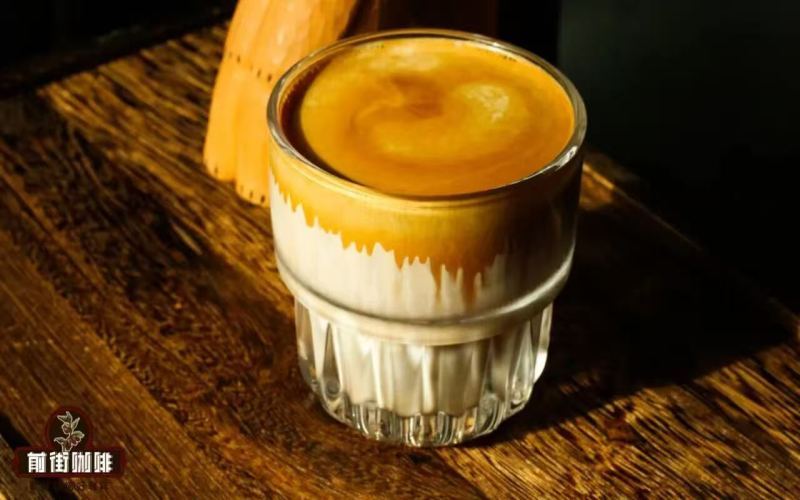
How can milk coffee be made to taste different? A breakout approach with fruit-forward espresso beans
There are more and more coffee shops, and you may find several of them side by side on the same street. When the machines, milk, and prices are all about the same, why should customers remember your shop? The answer often isn't in the equipment, but in the beans. Today let's talk about an approach that's great for standing out: using fruity espresso beans to make a cup that no one else can. [more…]
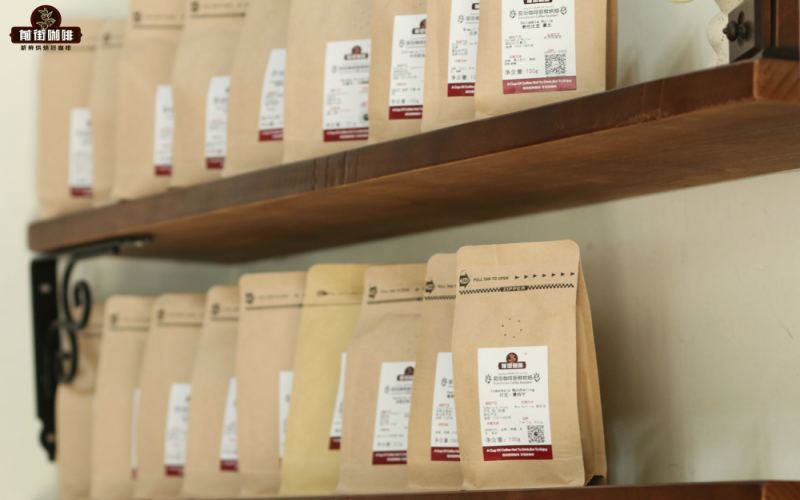
Characteristics of Naturally Processed Yirgacheffe SOE | What Are the Requirements for Making SOE Single-Origin Espresso? Recommended Berry-Forward SOE Coffee Beans for Beginners
Many friends, after tasting a certain pour-over single-origin coffee bean with rich floral and fruity aromas, like it so much that they ask Front Street: Is it suitable for making espresso? At this point, Front Street begins to analyze the characteristics of SOE ~ What is SOE? Traditionally, coffee shops choose medium-dark roasted blend coffee beans to use [more…]

Origin Beans for Cold Brew: Fruity African and Full-Bodied Asian Cold Brew Performance
When it comes to choosing beans for cold brew, the bean selection is often more important than the brewing parameters. Slow extraction at low temperature changes the way a bean's flavors present themselves—beans from some regions are stunning when cold brewed, while others fall flat. Approaching it from the perspective of region is a very practical way to choose cold brew beans. Beans from African regions are the fruit-forward stars of cold brew. Ethiopian [more…]
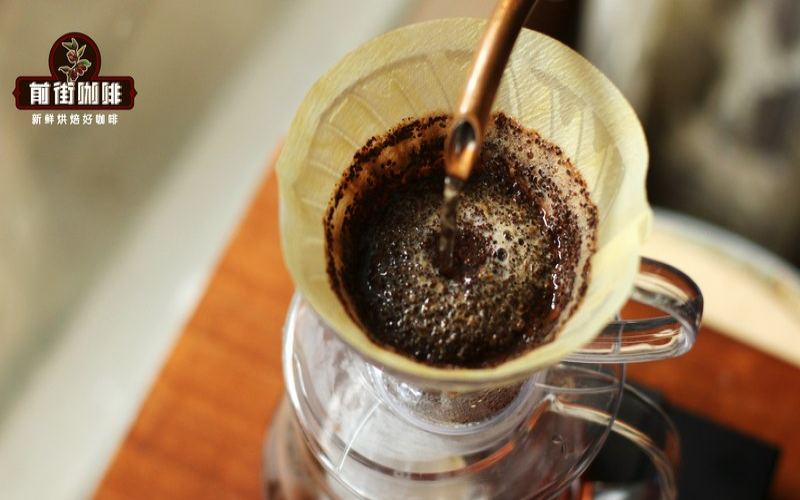
When to drink berry coffee beans for a clearer flavor
Berry-forward coffee beans often burst with aroma right after roasting, yet on the palate they can seem sharp, scattered, and may even carry a hint of roast character. Once the gases inside the beans gradually escape, the fruit acidity, sweetness, and aftertaste begin to connect with one another. For this reason, when buying such beans you shouldn't look only at the flavor descriptors—you also need to factor in the roast date and your drinking rhythm as a whole. [more…]
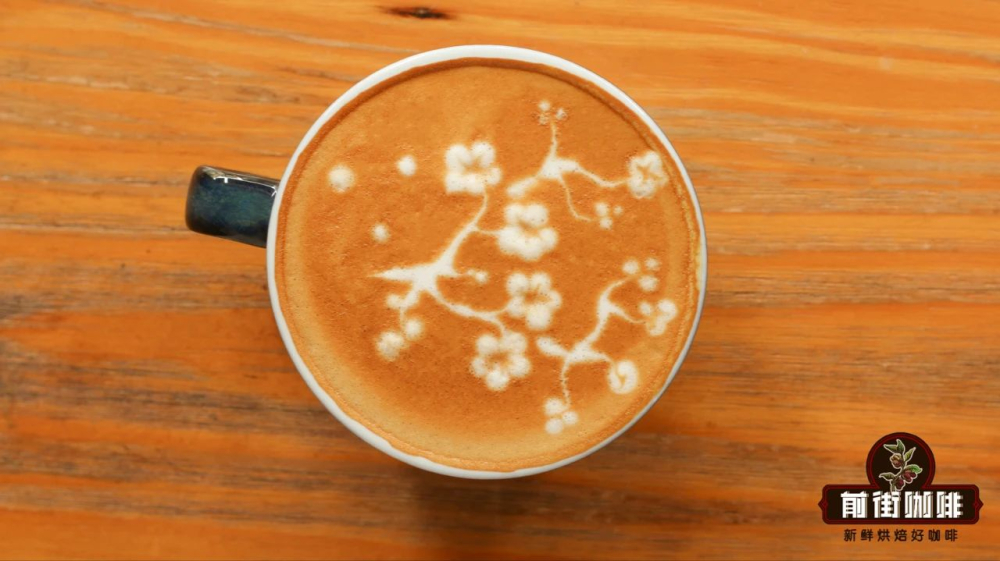
Latte Art | What is latte art? How do beginners make latte art? What are the techniques for making a tulip pattern?
Latte art mainly includes three forms: free pouring, etching, and stenciling. Stenciling uses a stencil to sprinkle cocoa powder, chocolate powder, or cinnamon powder onto the coffee to create a pattern. Free pouring and etching are collectively known as Latte Art; the former involves pouring hot [more…]
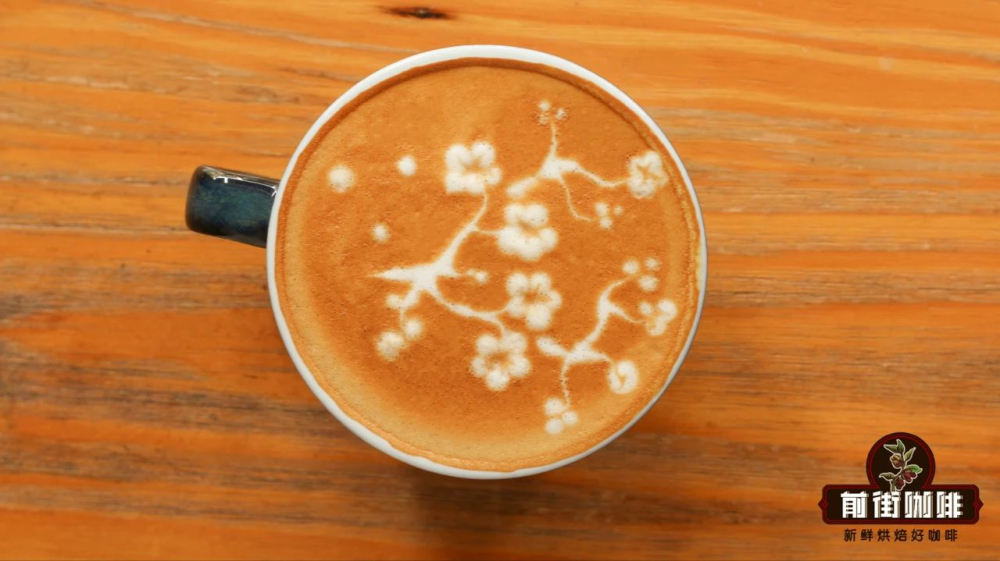
Latte Art Illustrated Guide | How Can Coffee Beginners Learn Latte Art? What Should Be Noted in Latte Art? Instructional Guide on Swan, Tulip, and Rosetta Latte Art
Latte art mainly takes three forms: free pouring, etching, and stenciling. Stenciling uses a stencil to dust cocoa powder, chocolate powder, or cinnamon powder onto the coffee to create a pattern. Free pouring and etching are together known as Latte Art: the former involves pouring steamed [more…]

Exploring Single Origins for Home Espresso: How SOE Performs on Home Machines
Playing with SOE on a home semi-automatic machine is where many coffee enthusiasts find the joy of leveling up. SOE means making espresso from single-origin beans, and it delivers a strikingly distinct flavor profile that lets you taste the unique character of a growing region. Although home machines have limited extraction conditions, with the right beans and well-tuned parameters, SOE can still perform in a way that's well worth looking forward to. [more…]
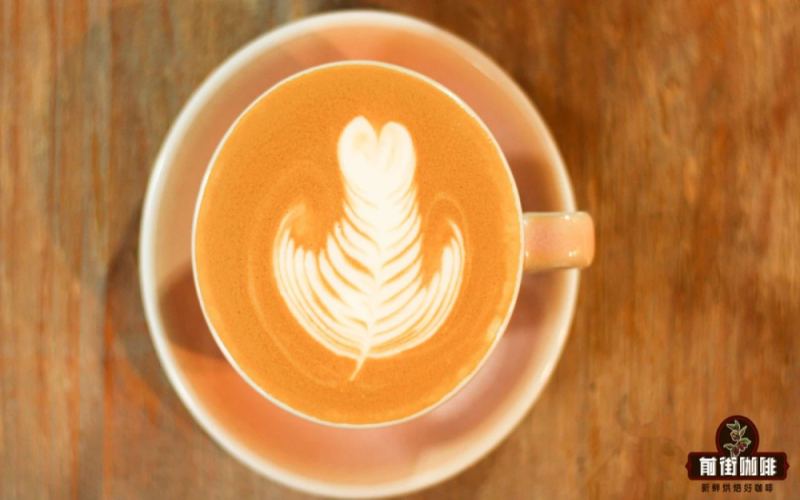
Latte art tutorial | Which milk is suitable for making latte art? How exactly do you do a leaf rosetta latte art? What mistakes are easy to make in latte art?
Today Front Street Coffee is here to share a new basic latte art pattern—the "leaf"! This time, the method for this leaf pattern is almost identical to the layered heart: both are formed by swinging the milk pitcher at a steady speed to create regular, symmetrical lines. If you've already mastered the layered heart, then the leaf is as good as in the bag too. Leaf. [more…]

A Detailed Guide to Coffee Latte Art for Beginners | Which Coffee Beans Are Suitable for Latte Art? How Do You Make a Heart-Shaped Latte Art Pattern on an Espresso Latte?
Latte art in espresso coffee is the best expression of the fusion between hot milk and coffee liquid. At Front Street Coffee, when making milk coffee, there are always customers who request latte art. In latte art, steaming milk is crucial—only by creating smooth, silky milk foam can the flavor of milk coffee be fully expressed. [more…]
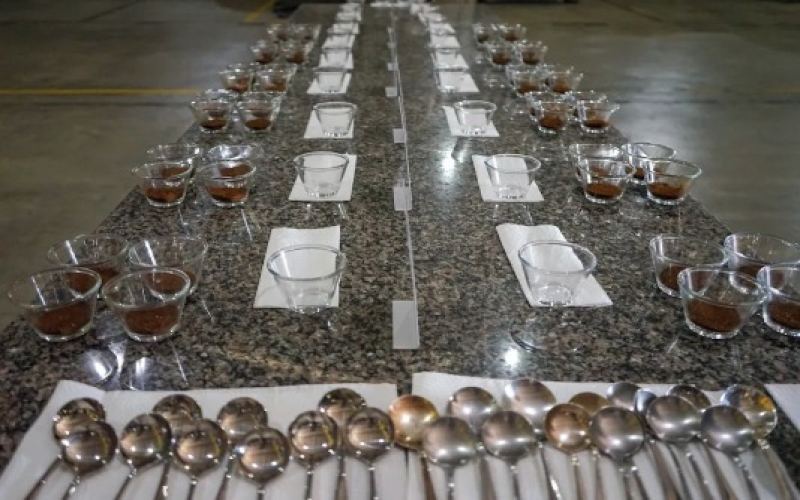
2024 the Cup of Excellence COE returns to Ethiopia.
It is known that COE is fully named "Cup of Excellen", which is translated as the Cup of Excellence. It is a coffee event first held in Brazil in 1999 by the non-profit organization the Alliance for Coffee Excellence (ACE), and it is also the first I [more…]

Starbucks' trademark will not be protected in Russia!
After Starbucks announced to suspend its business in Russia and withdraw from the Russian market last year, the founder of the local famous catering company Pinskiy & Co, Anton Pinsky, and the Russian rap singer Timati collaborated to acquire Starbuc [more…]
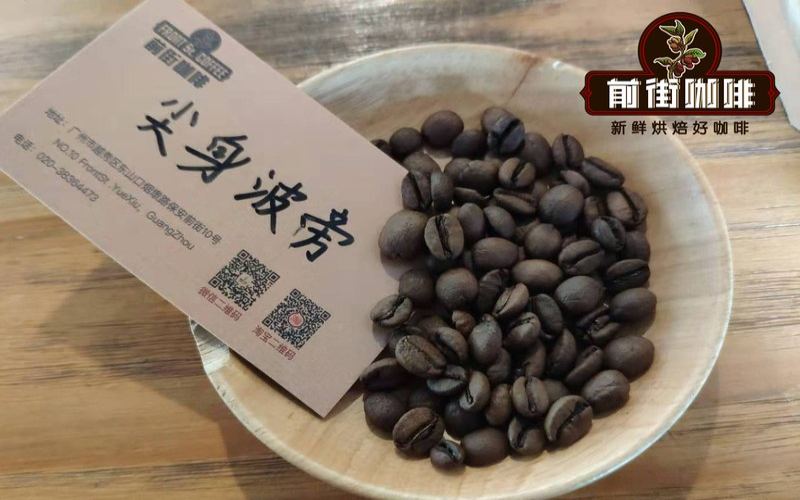
Medium Roast Is Not Just One: Choosing Roast Levels for Espresso Beans
Even when both are labeled "medium roast," coffee beans put into an espresso machine may present bright fruit notes, or lean more toward caramel, cocoa, and nuts. Roast level is not a simple label, but an important clue that determines the focus of aroma, the expression of sweetness, and the extraction response. To pick beans that suit your taste, you can first look at their position within the medium roast range. [more…]
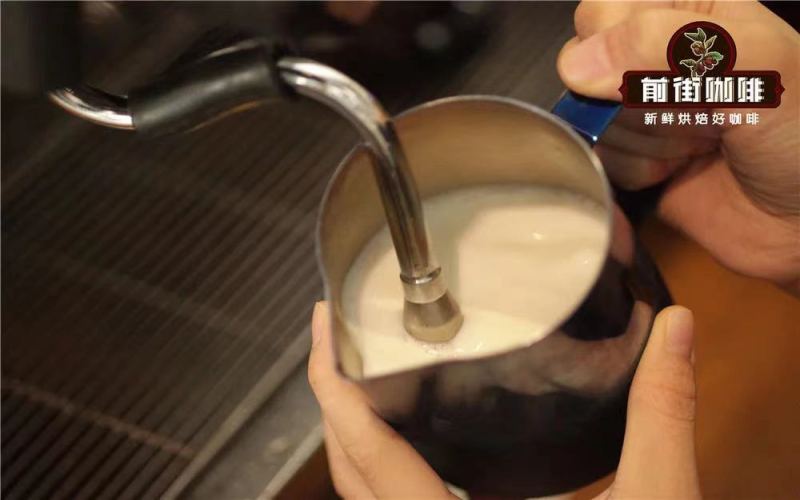
Milk Frothing Tutorial for Beginners | Why Does Milk Foam? How to Froth Milk for a Latte? What Are the Steps and Techniques for Latte Art Pouring and Integration?
At FrontStreet Coffee, steaming milk can be said to be a basic and core skill for every barista. Whether one can steam perfect milk is one of the factors used to judge whether a barista's level is up to standard. For example, the milk foam in a latte is on the thinner side, making it smooth and delicate to drink. The [more…]

Espresso Bean Grind Size | What is the coffee-to-water ratio for extracting espresso from espresso beans? Can espresso beans be used to make pour-over black coffee?
Friends who often follow Front Street should know that Front Street focuses on freshly roasted coffee. Freshly ground coffee is not the same as fresh, and of course, the fresher the better is not always true. Front Street generally provides coffee beans that are two to three days past the roast date. Coffee beans that have rested for a few days can better express their true flavors when brewed. Front Street not only offers single [more…]
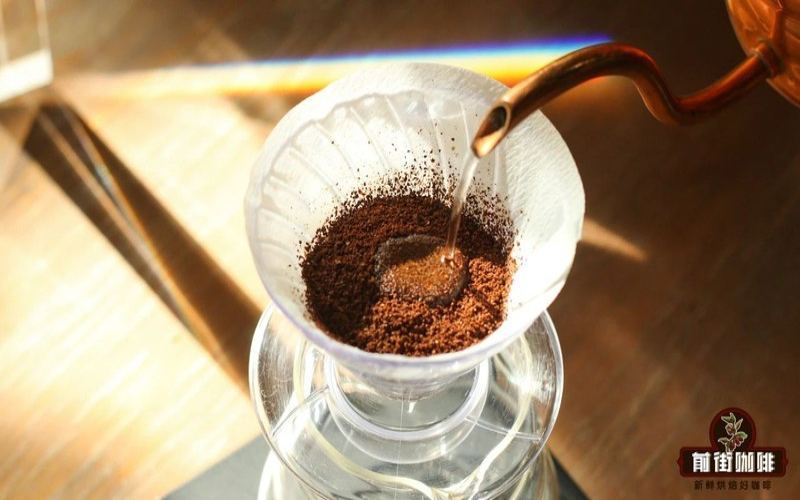
Choosing Fruity Coffee Beans by Roast Level: How to Choose Between Light, Medium, and Dark Roasts
Fruity coffee beans are not just "sour like fruit"—they can also present floral notes, a jam-like quality, a juicy fullness, or a delicate sweetness close to black tea. The roast level determines where these aromas sit in the cup: roasted light, the fruit notes come forward; roasted dark, the fruity character melds into caramel, cocoa, and roasted notes, and the mouthfeel becomes more [more…]
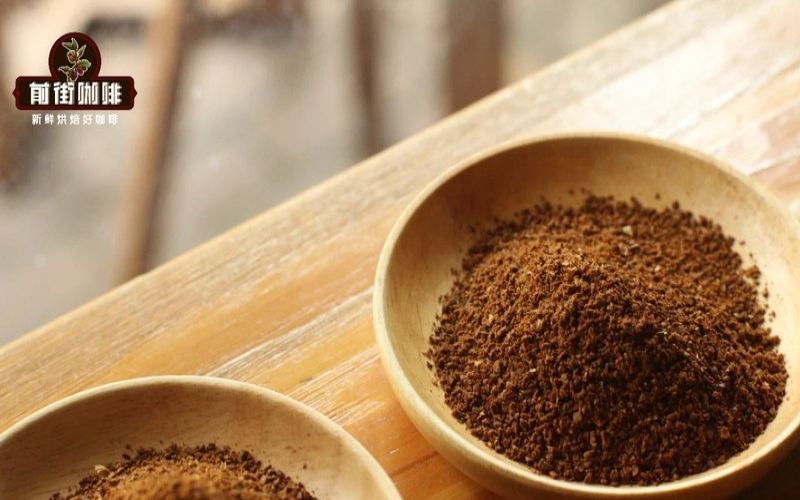
How to Choose Coffee Beans with Tropical Fruit Flavors: From Light Roast to Medium-Dark Roast
Tropical fruit flavors are commonly associated with notes like mango, passion fruit, pineapple, guava, and ripe berries. They smell bright and lively, and on the palate they easily bring out a juicy, sweet-tart quality. However, even when a coffee is described as fruity, different roast levels can make what’s in the cup shift from crisp fresh fruit to soft fruit jam. If you want to taste a particular kind of fruitiness, you can start with [more…]

Step-by-Step Latte Art Tutorial | What Are the Requirements for Latte Art Coffee Beans? Recommended Specialty Espresso Beans for Milk Coffee
Latte art almost always uses espresso as its base, and when brewing espresso, there are actually tricks to make it more suitable for latte art. So, which kind of coffee beans is more suitable for latte art? Front Street Coffee is here today to give the answer. Recommendations for choosing latte art coffee beans. To make perfect latte art, we first [more…]

Coffee Beans Specifically for Latte Art | What Kind of Espresso Beans Are Suitable for Latte Art? Step-by-Step Tutorial on How to Make a Heart-Shaped Latte Art
For more specialty coffee knowledge, please follow: Front Street Coffee (Frontsteet Coffee). Latte art almost always uses Espresso as the base, and when brewing Espresso, there are actually tricks to make it more suitable for latte art. So, which kind of coffee beans is more suitable for latte art? [more…]

When to Open a Bag of Coffee Beans for Your Café: The Brewing Rhythm After the Roast Date
When coffee beans have just left the roaster, the bean body will still continue to release carbon dioxide. At this point, opening the bag gives a very strong aroma, but that does not mean it immediately reaches the ideal state for brewing; too much gas can make espresso flow fluctuate, and can also cause pour-over blooming to expand too quickly. When choosing beans for a shop, what matters is not "the closer to the roast date the better," but how it [more…]
Latte art tutorial | Why does milk foam? How can coffee beginners make latte art? What are the techniques for steaming milk for a latte?
Guide to Getting the Best Milk Foam, Why Does Milk Foam? Front Street Coffee (FrontStreet Coffee) - it can be said that steaming milk is a fundamental and core skill for every barista; whether one can steam perfect milk is a factor in judging whether the barista's skill level is up to standard. [more…]