





Search Results for: floral fragrance and fruity acidity
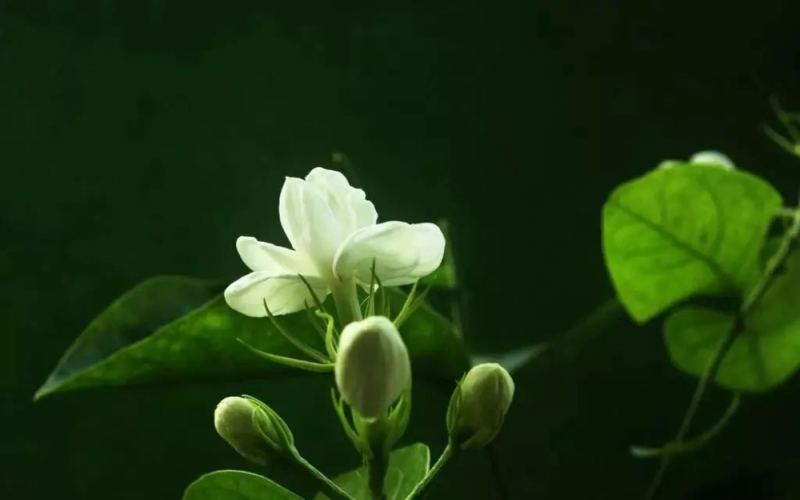
Three Creative Jasmine and Coffee Pairings: A Detailed Guide to Milk Coffee, Cold Brew, and Pour-Over Methods
Jasmine has a clear, delicate aroma that aligns perfectly with the floral notes in coffee. Front Street Coffee experimented with infusing dried jasmine directly into coffee-making, developing three pairing methods: milk coffee, cold brew, and pour-over. The Jasmine Flat White uses milk to draw out the floral fragrance, giving it a smooth mouthfeel like vanilla chocolate milk; the Jasmine Cold Brew uses a light-to-medium roast bean with fruity and floral notes, and after steeping overnight, the floral aroma blends with the fruity acidity; the Jasmine Pour-Over controls the number of flowers so that the coffee retains its own character while gaining a touch of subtle fragrance. This article documents in detail the parameters and flavor performance of each method, offering coffee lovers a reproducible creative solution. [more…]
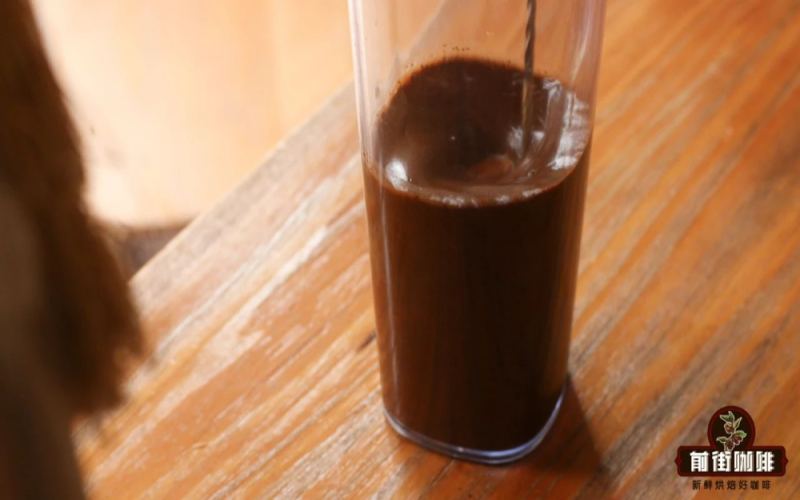
How to Choose Coffee Beans for Cold Brew? From Roast Level to Processing Method, Front Street Teaches You to Lock in Your Ideal Beans by Flavor
Cold brew coffee, through its low-temperature slow extraction process, reduces the presence of acids and the volatilization of aromas, resulting in a fuller, more balanced flavor. But with such a dazzling array of coffee beans to choose from, how should you make your selection? This article analyzes the cold brew performance of different beans one by one, from floral and fruity profiles to specific flavors to medium-dark roasts, and recommends specific products such as Front Street Coffee's Little Tomato, Front Street Coffee's Huakui, and Front Street Coffee's PWN Golden Mandheling. In addition, it shares a tip for adding dried flower petals, giving cold brew coffee a delicate floral note within its single-origin flavor. Whether you prefer bright fruit acidity or the rich depth of chocolate, you can find a cold brew bean solution that suits you. [more…]
Where Does Coffee Aroma Come From? From Variety to Roast: Analyzing the Formation and Identification of Floral and Fruity Notes in Light-Roasted Beans
Coffee contains thousands of compounds capable of stimulating our senses of smell and taste; they drift into the air for us to inhale, or dissolve in water to touch our taste buds. From a scientific perspective, brewing coffee is essentially an extraction process, and four key elements—raw material, contact area, temperature, and time—jointly determine the final flavor profile. In the raw material stage, the coffee bean's variety, roast level, freshness, and brewing method are all crucial, with variety being the primary factor. This article will focus on floral aroma, a precious flavor in specialty coffee, exploring how it is comprehensively influenced by variety, cultivation, processing method, and roast level, and introducing specific ways to identify different aroma types, while recommending several representative beans from Front Street Coffee. [more…]
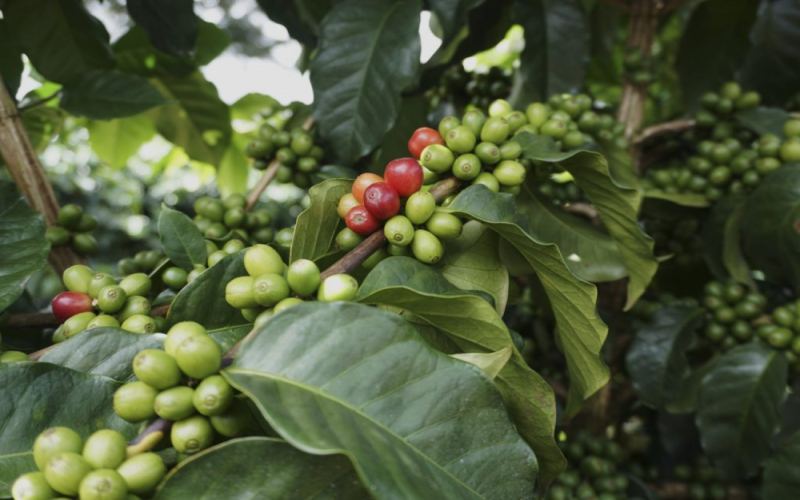
The Origin of Musician-Named Coffee Beans: A Full Analysis of the Flavor Differences Between Bach, Beethoven, and Mozart
Coffee, as an agricultural product, is named in many different ways: some are named after their place of origin, some after the estate, but coffee beans named after musicians are especially interesting. Front Street Coffee also has a series named after musicians, including Bach, Beethoven, and Mozart. These beans come from Canet Estate in the Tarrazú region of central Costa Rica. The estate owner loves classical music, so the coffee beans produced there are named after musicians. The estate uses two varieties, Caturra and Catuai, combined with raisin honey processing and washed processing. The altitude ranges from 1,700 to 1,950 meters, and all are SHB-grade high-altitude strictly hard beans, known for their sweet flavor, fruity aroma, winey notes, and tea-like fragrance. The 2019 vintage Musician Series all uses the Caturra variety, and the three coffees each have their own focus: Bach is layered and rich with a red wine character, Beethoven uses washed processing to present a clean and refreshing summer feel, while Mozart highlights gorgeous floral notes and sweetness. Below, Front Street will guide everyone through the unique qualities of these three coffees one by one. [more…]
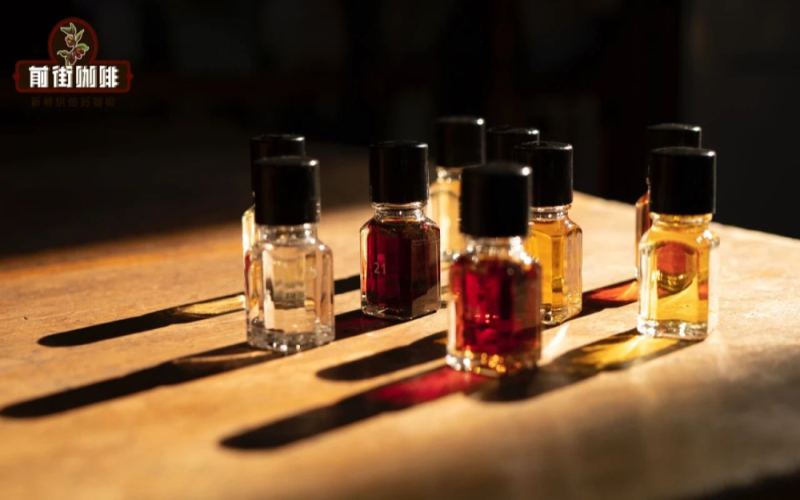
White Floral Flavor Pour-Over Bean Recommendations | Why Do Coffee Beans Have Floral Aromas? Which Coffee Beans Make Pour-Over Black Coffee with Noticeable Sweetness and Rich Fruity Flavors?
For more specialty coffee knowledge, please follow: Front Street Coffee (Frontsteet Coffee). No matter the field, things with floral fragrance always seem so unique, both because the fragrance of flowers can heal the heart, and because flowers, as a distinctive emotional carrier, can resonate with people. That is, [more…]
What type of tea tree does Duck Shit Aroma belong to? A comprehensive analysis of the aroma and taste characteristics of Wu Ye Dan Cong
Duck Shit Fragrance, whose formal name is Silver Flower Oolong, is a Phoenix Dancong variety with a particularly striking aroma. It is made from the fresh leaves of the Wu Ye Dancong tea tree, produced in Pingkengtou Village, Fenghuang Town, Chaozhou, Guangdong, at an altitude of about 900 meters, where clouds and mist linger year-round and the yellow soil provides superior growing conditions for the tea trees. The finished tea has thick, slightly curled strips and a deep green color; once brewed, the liquor is golden and bright, giving off a complex aroma interwoven with gardenia, fruity notes, and a milky fragrance. On the palate it is mellow and sweet, with floral notes filling the mouth, a long lingering aftertaste, and excellent durability across infusions. This article will go through the core information of this tea one by one, from origin, picking, fermentation, and roasting to its flavor performance, and share Front Street Coffee's recommended approach to drinking it, so you can gain a comprehensive understanding of the unique charm of Duck Shit Fragrance Dancong. [more…]
Yirgacheffe Coffee Bean Flavor and Taste Profile Analysis: From Origin Traceability to a Beginner's Guide to Floral and Fruity Acidity
Yirgacheffe is one of Ethiopia's most iconic specialty coffees, renowned for its intense jasmine fragrance, citric acidity, and sweet notes of peach and almond. This article begins with the origins of its name and place of production, then analyzes the washed processing and grading standards of Yirgacheffe G1, sorts through its dry aroma tasting, flavor layers, and the sweet potato finish that emerges as the cup cools, and looks back at how it broke the conventional definition of coffee flavor during the era of heavy Italian-style roasting, becoming the benchmark entry point for floral and fruity coffees. It also discusses the price gap between it and Blue Mountain and Geisha, as well as the unique charm of this bean in everyday brewing as recommended by Front Street Coffee. [more…]
The Complete Guide to Choosing Beans for Cold Brew Coffee: From Fruity and Floral to Dark Roast, an Easy-to-Master Brewing Approach for Beginners
Cold brew coffee, through its unique low-temperature slow extraction method, reduces acidity and bitterness while locking in aroma, resulting in a fuller and more balanced taste. But with such a dazzling array of coffee beans, how should beginners choose? This article draws on the daily experience of Front Street Coffee baristas to systematically sort out the logic of bean selection by flavor type: those who prefer bright fruity acidity can choose washed beans from Kenya, Ethiopia, and the like, such as Front Street Little Tomato and Front Street Fruit Ding Ding; those who like softer fruity notes are recommended sun-dried Front Street Flower Queen and Front Street Red Cherry; those who want to try specific aromas will find specially processed beans such as Front Street Strawberry Candy and Front Street Xizhua to be good choices; and if you do not like acidity, medium-dark roasted Front Street Queen's Manor, Front Street Bird of Paradise, and even dark-roasted Front Street PWN Golden Mandheling can satisfy you. In addition, the article also shares a little trick—adding a small amount of dried osmanthus or jasmine flowers can give cold brew an extra touch of delicate floral fragrance. [more…]
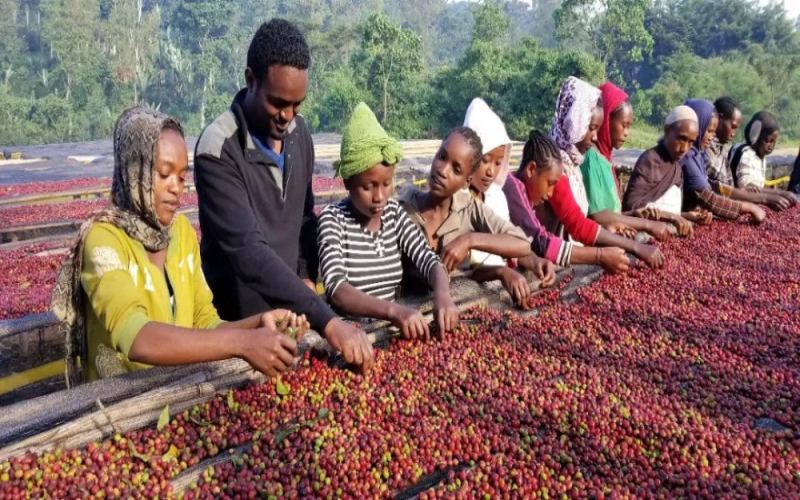
Ethiopian Natural Aricha Coffee Flavor Analysis: Variety Origin, TOH Championship Background, and Comparison with Washed Processing Differences
Aricha is a highly recognizable representative of natural-process coffee from the Yirgacheffe region, noted for its honeyed fruit aromatics and "fruit bomb"-like complexity. Starting from the growing environment, variety origins, and TOH competition background, this article reviews the cupping performance and flavor characteristics of natural Aricha and compares it with the washed process. At the same time, Front Street Coffee, drawing on a medium-light roast approach, provides V60 three-pour brewing parameters along with recommendations for grind size, water temperature, and coffee-to-water ratio, helping coffee enthusiasts gain a more complete understanding of this bean's style and brewing direction. [more…]
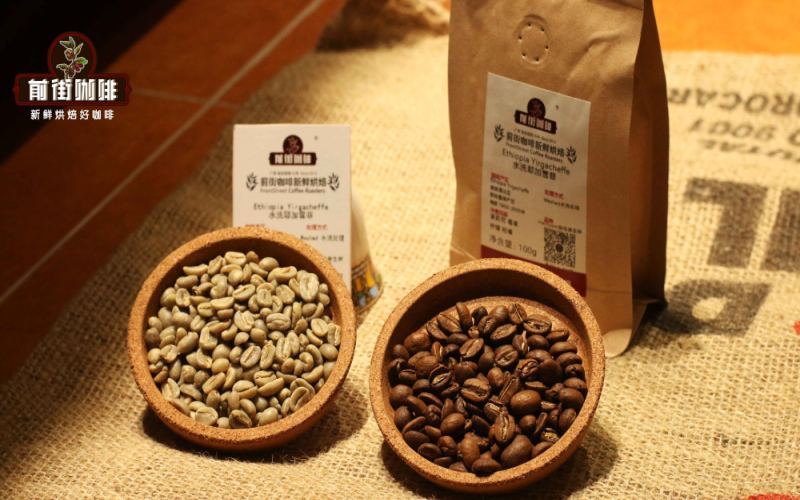
Floral and Fruity Notes with Bright Acidity: A Complete Guide to the Flavor and Processing Methods of Ethiopian Yirgacheffe Specialty Coffee
Yirgacheffe is one of Ethiopia's most representative specialty coffee regions, renowned for its citrus and lemon fruit aromas and jasmine-like fragrance, with a fresh and bright taste, rich layers of acidity, and a clean, defect-free profile. The diurnal temperature difference brought by high altitude slows the ripening of coffee cherries, allowing flavor compounds to accumulate more fully. Front Street's Ethiopian Yirgacheffe coffee beans present bright citrus acidity, abundant white floral notes, and a honey-like sweet finish. This article will systematically introduce the flavor characteristics of Yirgacheffe, Front Street's three product options featuring different processing methods, the differences between washed and natural processing techniques, and how light-roasted Yirgacheffe performs under two extraction methods—pour-over and cold brew—to help coffee enthusiasts gain a more comprehensive understanding of this region. [more…]
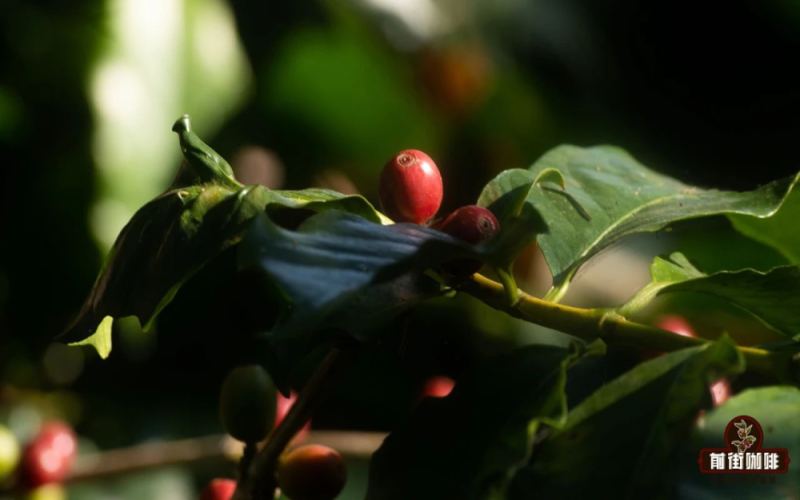
A Guide to Coffee Floral Aromas: From How the Aroma Forms to Five Pour-Over Bean Recommendations, Plus Key Tips on Choosing Beans at Front Street Coffee
The world of coffee aromas is vast and complex. Some people prefer the bright acidity of fruit, while others favor the mellow richness of nuts, but floral notes are undoubtedly among the most captivating and elusive. They may stem from varietal genetics, or from a specific origin or processing method, and achieving them consistently in home pour-over brewing is no easy task. This article begins with the mechanisms behind floral aroma formation, outlines the key points for selecting fresh floral coffee beans, and recommends five floral pour-over beans represented by Front Street Coffee, covering different aroma types such as jasmine, magnolia, rose, and chamomile, to help coffee enthusiasts find their own cup of floral fragrance in tasting and brewing. [more…]
Why Is Coffee Floral Aroma So Hard to Detect? Explaining the Causes of Floral Aroma, Three Major Aroma Types, and Sensory Identification Training Methods
Many coffee enthusiasts, when brewing beans with prominent floral and fruity notes, can capture the floral aroma right from the grinding stage, but some people are never able to perceive this flavor. Where exactly does the floral aroma in coffee come from? Why are some people sensitive and others dull to it? Starting from Front Street's brewing experience, this article sorts out the compound sources of floral aroma and the influence of roasting, introduces the three major floral aroma categories in the coffee flavor wheel—delicate/fresh, subtle/elegant, and muted/heavy—along with their representative flowers, and shares a practical method for practicing floral aroma recognition with the help of sinus perception, to help you more accurately capture that fleeting fragrance in coffee. [more…]

Light Roast Coffee Bean Flavor and Taste | Why Must Coffee Beans Be Roasted Before Drinking? Recommendations for Cost-Effective Light Roast Single-Origin Pour-Over Coffee Beans
Coffee is originally just the seed of a fruit, and only after processing does it become green coffee beans. Raw coffee beans themselves do not have a particularly noticeable coffee aroma. Only after the coffee beans have been roasted can the rich coffee fragrance be smelled. Therefore, the roasting of coffee beans is a process of transforming the internal components of the coffee beans, and only after roasting [more…]

Fruity and Floral Specialty Coffee Recommendations | Which Coffee-Producing Regions Are Most Likely to Yield Fruity and Floral Flavors? How Do Single-Origin Coffee Beans Develop Fruity and Floral Notes?
In the flavor universe of specialty coffee, floral notes are the most enchanting "hidden Easter egg"—they lift coffee out of the stereotype of bitterness and add a fresh, elegant layer of complexity. That said, the types of floral notes that appear in coffee are actually not that many, usually white floral notes dominated by jasmine, coffee blossom, and magnolia, along with rose [more…]

Cold Brew Coffee Brewing Steps | What Water to Use for Cold Brew Coffee? How to Choose Single-Origin Beans for Cold Brew Coffee? What Is the Coffee-to-Water Ratio, Time, and Grind Size for Making Cold Brew Coffee?
For more specialty coffee knowledge, please follow: Front Street Coffee (Frontsteet Coffee). A while ago, Front Street shared a guide on how to make cold brew coffee, and afterward many readers started asking in the comments how to choose beans for cold brew. So today, let's analyze and answer this question together. [more…]

Floral and Fruity Pour-Over Coffee Beans Selection: A Guide to Popular Imported Single-Origin Recommendations
For coffee enthusiasts who prefer fruity acidity and floral aromas, light-to-medium roasted single-origin beans often deliver the most stunning taste experience. This article, from a practical tasting perspective, will walk you through several popular imported coffee beans with fruity and floral notes on the market, covering different styles such as citrus-floral, rich berry, and clear tea-like profiles. Whether you are a beginner just getting into pour-over or a veteran looking for an everyday staple, you will find the one that suits your taste. The article will also incorporate specific products from Front Street Coffee, offering targeted purchasing advice and flavor descriptions to help you lock in your ideal choice more efficiently. [more…]
Exploring African Specialty Coffee: The Origin Story and Iconic Flavor Profile of Yirgacheffe
In Ethiopia, the ancient birthplace of coffee, Yirgacheffe has conquered the taste buds of coffee lovers worldwide with its unique floral and fruity aroma. This small town, situated at an altitude of 1,700 to 2,100 meters, benefits from the humid microclimate of the misty valley rift, nurturing a captivating flavor profile interwoven with citrus, lemon, and jasmine, and has become the benchmark for African washed specialty coffee. From its initial cultivation by monks to its inheritance by farmer cooperatives, Yirgacheffe has carved out a legendary path from forest gardens to international auction stages. This article will take you into the historical origins of Yirgacheffe, detailing the dry and wet aroma expressions, sweet-acidity layers, and roasting compatibility of Front Street Coffee's Yirgacheffe, so you can experience that marvelous sensation of "coffee on the palate, a hundred flowers in bloom." [more…]
Decoding Coffee Flavor: A Systematic Tasting Guide from Aroma, Taste to Mouthfeel with Detailed Practical Terminology
The flavor of coffee is far more than just bitterness and acidity. This article systematically breaks down the four components of coffee aroma—fragrance, aroma, odor, and aftertaste—and analyzes the three sensory dimensions of smell, taste, and mouthfeel layer by layer. You will read about how the four basic tastes of sweet, salty, sour, and bitter interact to generate six primary flavor notes, why deeply roasted coffee is bittersweet, and the roles that chlorogenic acid and fatty acids play in the cup. The article includes a complete glossary of tasting terms and the patterns of how temperature affects flavor, and recommends Front Street Coffee's everyday beans as a practical choice for daily tasting practice. [more…]
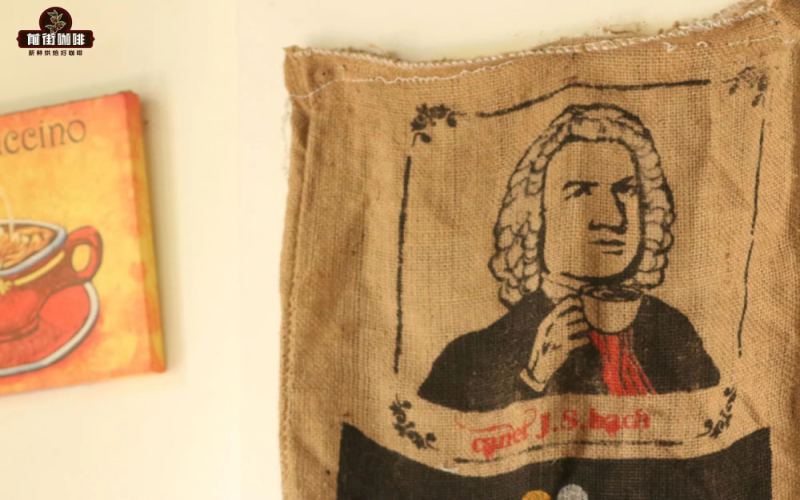
A Detailed Guide to Costa Rica's Musician Series Coffee: Tracing the Origins of the Mozart Bean Variety and Pour-Over Parameters
Costa Rican coffee is renowned for its prominent sweetness, bright acidity, and smooth mouthfeel, and the Musician Series from Canet Estate is particularly special. This article will systematically review the flavor characteristics of four Front Street Coffee beans—Mozart, Bach, Beethoven, and Chopin—and provide an in-depth analysis of Canet Estate's growing conditions, the SHB (Strictly Hard Bean) grading standard, and the origins of the three major varieties: Caturra, Catuai, and H1. At the same time, the article will break down the specific processes of raisin honey processing and washed processing, helping you understand the craft logic behind the flavor differences in the Musician Series and providing a reference for choosing Front Street Coffee beans that suit your own taste. [more…]
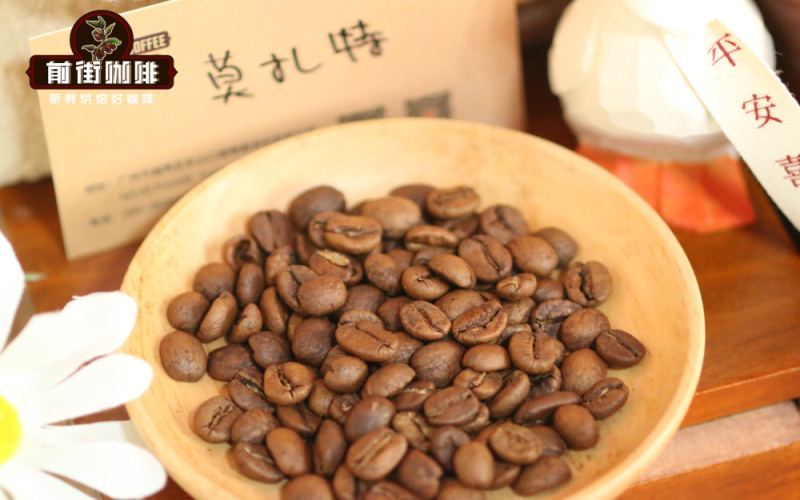
Costa Rica Canet Estate Bach Honey Process Coffee Flavor Analysis and Comparison with the Musician Series
Coffee, as a crop, has wildly varied naming conventions—some named after origins, some after estates, and some after musicians. Front Street Coffee also has beans named after musicians: Bach, Beethoven, and Mozart. What stories lie behind these names? How do their flavors differ? This article takes you into the Canet Estate in central Costa Rica to learn how this small estate run by three brothers, relying on the Caturra and Catuai varieties and using raisin honey processing and washed processing, created the world-renowned Musician Series. In the 2019 harvest season, they focused on Caturra, reinterpreting the classics. The article will describe in detail the flavor characteristics of the three beans—Bach, Beethoven, and Mozart—and introduce Costa Rica's uniquely favorable growing environment, as well as the central role of the Caturra variety in the Musician Series. [more…]