







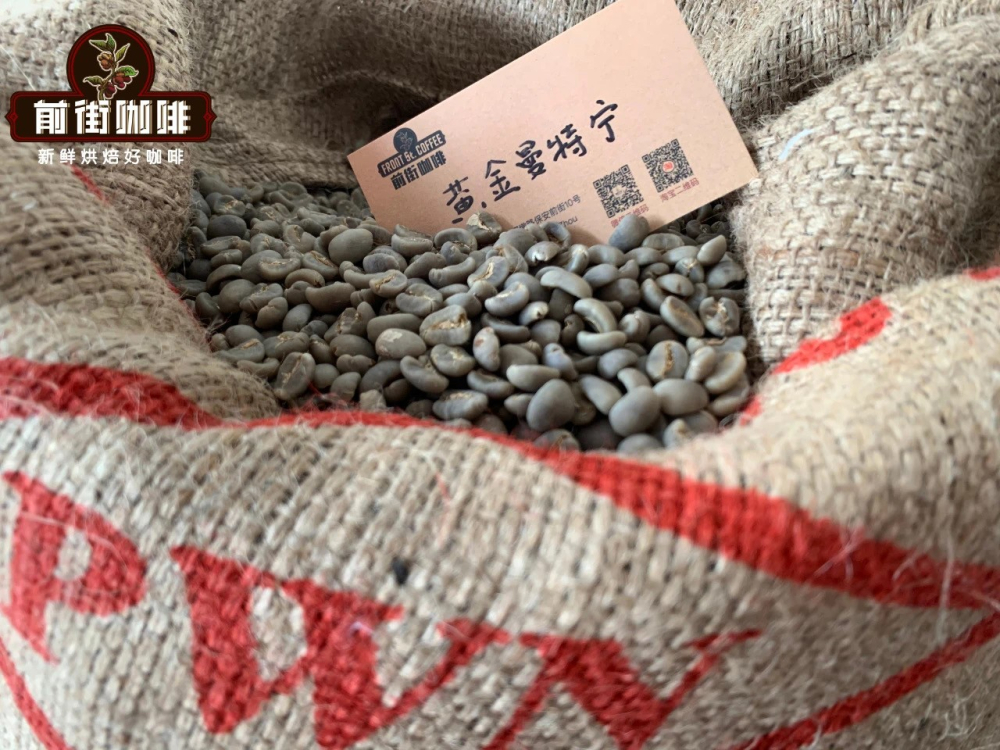
Coffee is originally just the seed of a fruit, and only after processing does it become green coffee beans. Raw coffee beans themselves do not have a particularly noticeable coffee aroma. Only after the coffee beans have been roasted can the rich coffee fragrance be smelled. Therefore, the roasting of coffee beans is a process of transforming the internal components of the coffee beans. Only after roasting are compounds produced that can release the aroma that coffee should have, and only then can we smell the fragrance of coffee. It is just like how food, after being cooked, produces a richer and more enticing aroma; different roasting profiles will cause coffee beans to present different flavors.
For roasted coffee beans, we can broadly divide them intothree major categories: light roast, medium roast, and dark roast,but the nuances of taste are further subdivided into eight levels: Light Roast to Italian Roast. However, considering the coffee products currently sold on the market, they are generally listed as the following three types:

1. Light roast: Light Roast, Cinnamon Roast, with a strong aroma and a pronounced fruity acidity.
Drop time: from the start of first crack to密集
Flavor: The bean surface is cinnamon-colored. At this point, the grassy flavor has been removed, the acidity is bright, with a slight floral note, often used for pour-over extraction.
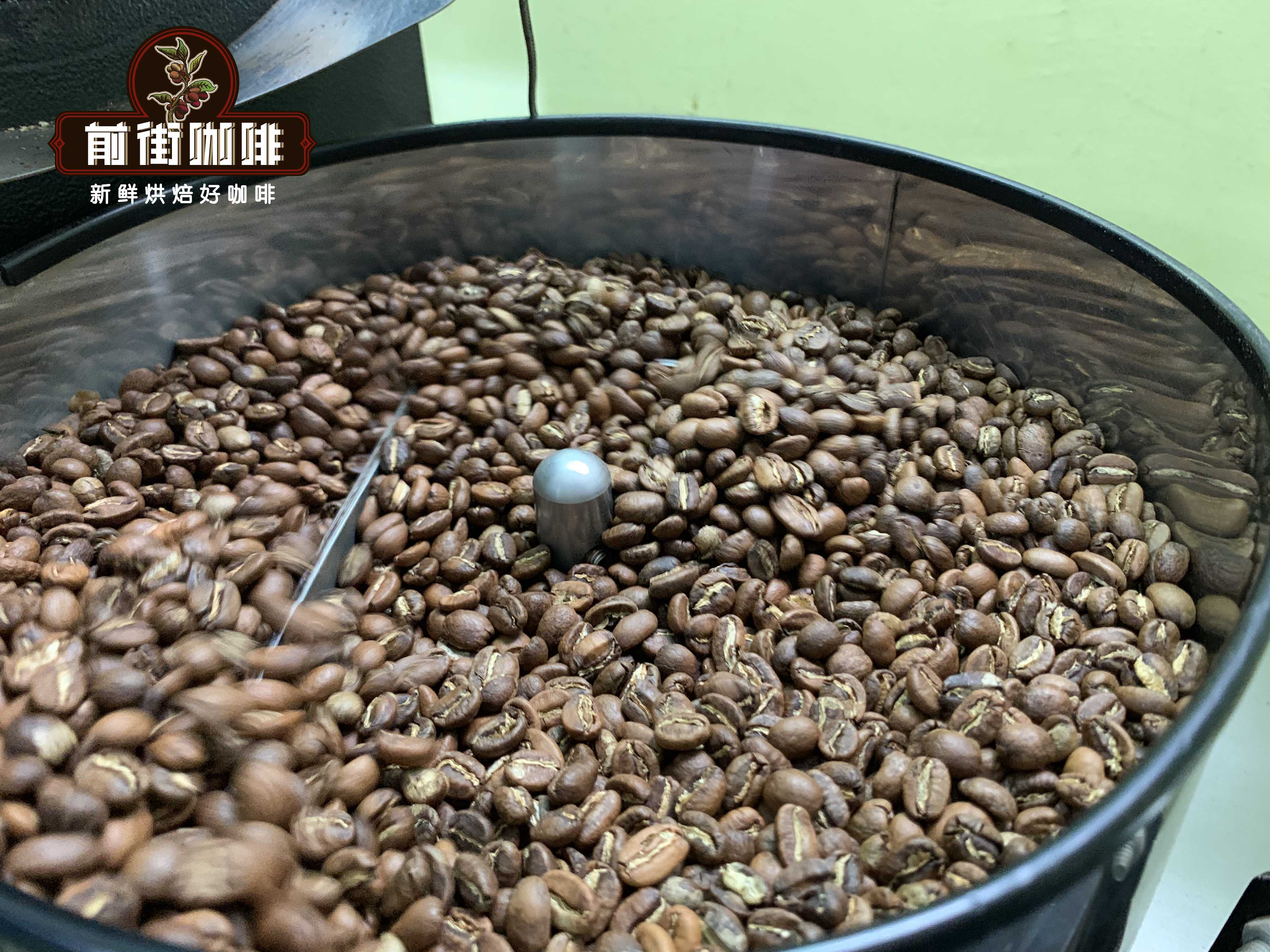
2. Medium roast: Medium Roast, High Roast, City Roast, with more coffee bean aroma, sweetness, and slight fruity acidity, a typical Viennese coffee flavor.
Drop time: after the first crack, that is, between the first and second crack
Flavor: The bean surface is light brown, the mouthfeel is bright and lively, with a balance between acidity and bitterness while the acidity is on the lighter side, and it releases the high-quality flavors in the coffee. It is the standard roast level and also the roast level most loved by the public.

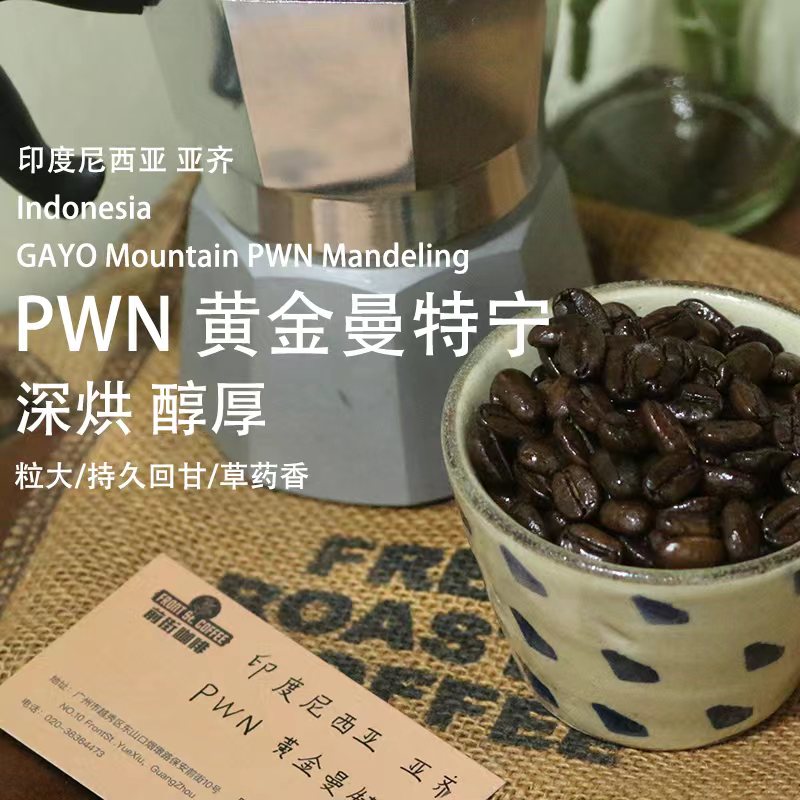
3. Dark roast: Full City Roast, French Roast, Italian Roast, with a strong caramel flavor and a rich, intense mouthfeel.
Drop time: from the end of the second crack until the bean surface turns black and becomes oily
Flavor: The bean surface is black with an oily sheen. Before the coffee bean fibers are carbonized, the mouthfeel is intense and complex, with a strong bitterness and a rich roasted and burnt aroma. It is mainly popular in Italy and is mostly used for making espresso.
Recommended light-roast coffee beans
For friends who like floral and fruity flavors, it is recommended to prioritize light roast ( Cinnamon Roast)
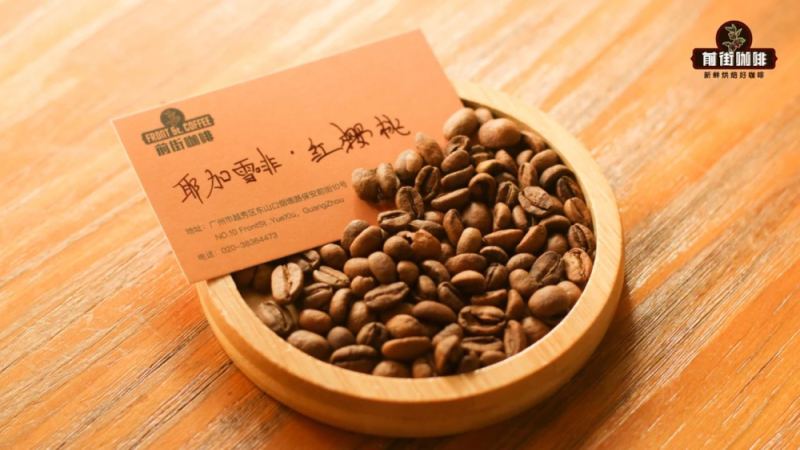
1. [Front StreetYirgacheffe Natural Red Cherry]
Flavor description: The overall mouthfeel is layered and distinct, with a relatively obvious aroma, carrying lemon, floral, and fermented wine notes. On the palate, there is a full-bodied juicy sensation, citrus and lemon acidity, a weaker nutty flavor, and a honey-like sweetness in the finish.

2. [Front Street Kenya Little Tomato]
Flavor description: The wet aroma has ripe tomato and floral notes. On the palate, there are flavors of cherry tomato and smoked plum, with bright acidity, a clean and at the same time the most solid and rich mouthfeel, like the weight of an African elephant! The mid-palate has a prominent sweetness with a juicy sensation, and the aftertaste has berry and brown sugar sweetness, along with a green tea aroma.
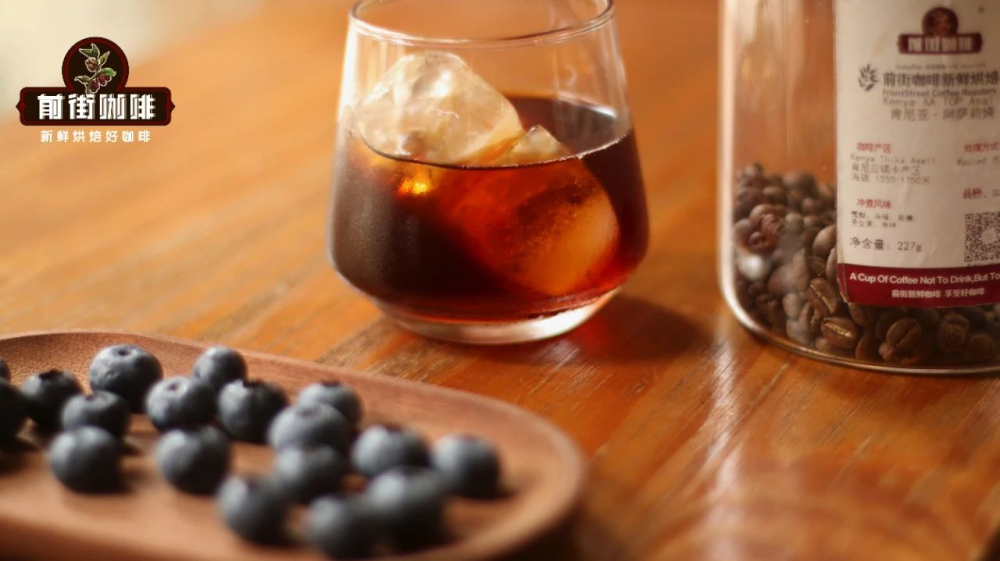
3. [Front Street Panama Butterfly]
Flavor description: floral, black tea, berry, citrus, with a slight nuttiness in the finish, a smooth mouthfeel, low bitterness, moderate acidity, and a medium aftertaste

[FrontStreet Coffee Brewing Parameters]
Dose: 15 grams
Coffee-to-water ratio: 1:15
Water temperature: 91~93℃
Grind size: medium-fine grind (78% passing rate with a No. 20 standard sieve)
Dripper: V60

[Front Street Coffee Brewing Method]
Bloom with 30 grams for 30 seconds. After the bloom, pour in a circular motion until 125 grams. After the water level drops by half, continue pouring until 225 grams. Total extraction time is 2 minutes.
The above content is compiled by CoffeeHunters, a coffee news website.

