








What is the origin of costa coffee beans like Bach?
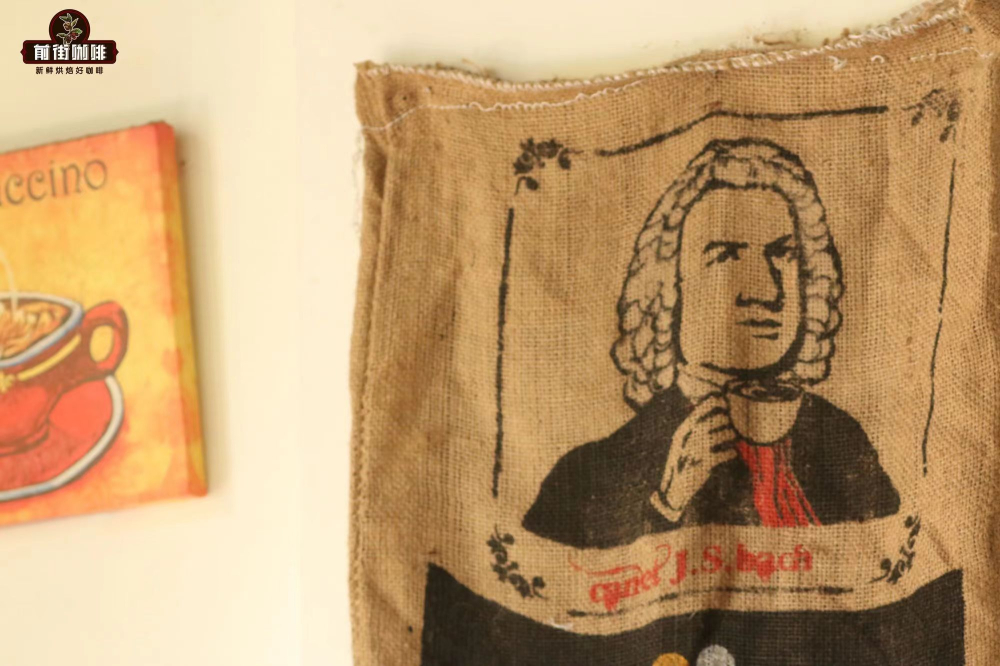
The Musician Series comes from the Canet Estate in central Costa Rica, a small family farm run by three brothers who have grown coffee for more than ten years and also operate a processing plant. The owner loves classical music, so lots are named after composers. Bach, Beethoven, Chopin and Mozart each get their own processing method and flavor emphasis.
Two varieties, Caturra and Catuai, are used across raisin honey and washed processing, with beans grown between 1,700 and 1,950 meters and graded SHB. Cups show sweetness with fruit, wine and tea aromas. In the 2019 harvest the estate focused on Caturra, reinterpreting the series and giving the Bach lot its classic, structured profile.
Coffee, as a crop, has all sorts of naming conventions—some are named after their origin, some after the estate, and some even after musicians. Front Street Coffee also has beans named after musicians: Bach, Beethoven, and Mozart. What stories lie behind these names? And how do their flavors differ? This article takes you into the Carnet Estate in central Costa Rica, to learn how this small estate, run by three brothers, uses two varieties—Caturra and Catuai—and through raisin honey processing and washed processing, creates the world-famous Musician Series. In the 2019 harvest, they focused on Caturra, reinterpreting the classics. The article will describe in detail the flavor characteristics of the three beans—Bach, Beethoven, and Mozart—and introduce Costa Rica's exceptional growing environment, as well as the central role of the Caturra variety in the Musician Series.

Coffee itself is a crop, and different origins have different naming methods—some are named after places, some after estates, and more interestingly, some are named after musicians. Isn't that fascinating? Our Front Street also has coffees named after musicians: Bach, Beethoven, and Mozart. Why did they think of naming them after musicians? And what are the differences in their flavors? Now Front Street will give you a detailed introduction!
The Carnet Estate in central Costa Rica selects two coffee varieties, Caturra and Catuai, and through raisin honey processing and washed processing, produces the world-famous Musician Series coffee beans, named "Beethoven," "Bach," "Chopin," and "Mozart." These beans come from altitudes between 1,700 and 1,950 meters, all belonging to the SHB grade of high-altitude strictly hard beans, with sweet flavors and rich aromas of fruit, wine, and tea.
In the 2019 harvest, the estate focused on the Caturra variety, reinterpreting the exquisite taste of the Musician Series. The Carnet Estate is just a small estate in Costa Rica, owned by a family of three brothers. They have been growing coffee for over ten years and also operate a small coffee processing plant. The long-popular Musician Series comes from this estate, using different processing methods, and each coffee has its own flavor emphasis.
The Musician Series came about because the owner of the Carnet Estate loves classical music, so the coffee beans produced by the estate are all named after musicians. The Carnet Estate is located in the highest-altitude area of coffee cultivation in Tarrazu, Costa Rica. The estate uses Caturra and Catuai coffee beans for raisin honey processing and washed processing, producing the world-famous Musician Series coffee beans, named "Beethoven," "Bach," and "Mozart," at altitudes between 1,700 and 1,950 meters, all SHB grade high-altitude strictly hard beans, with sweet flavors and rich aromas of fruit, wine, and tea.
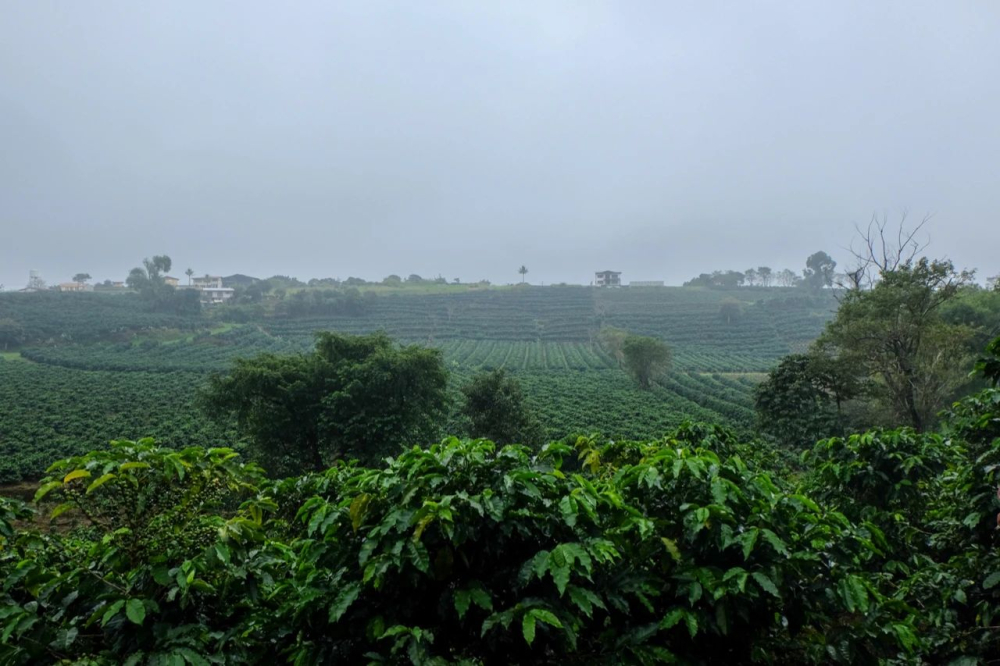
So what exactly are the characteristics of the Musician Series? Costa Rica is the most suitable place for growing coffee! Poas Volcano (2,708 meters), Barva Volcano (2,906 meters), and Irazu Volcano (3,432 meters) are located in central Costa Rica, bringing rich minerals, phosphates, sulfides, and other nutrients to the local soil. The slightly acidic soil makes central Costa Rica a world-famous coffee-producing region, and the Tarrazu region is one of them.
Caturra coffee beans are the main focus of the 2019 Musician Series! The flavors of the Musician Series vary from year to year. Basically, they use two coffee varieties, Caturra and Catuai, combined with different degrees of pectin in raisin honey processing or washed processing, to create coffee beans with different personalities, then named Beethoven, Bach, Chopin, and Mozart. The latest batch of the Musician Series in 2019 all uses Caturra coffee beans. It is a Bourbon variety, with better disease resistance and productivity than the frail Bourbon, and its flavor improves with higher altitude, but yield decreases accordingly. The Musician Series can be said to be the limit of Caturra coffee beans' altitude, which is what allows the birth of world-famous coffee beans.
Costa Rica Bach (BACH) Coffee Beans
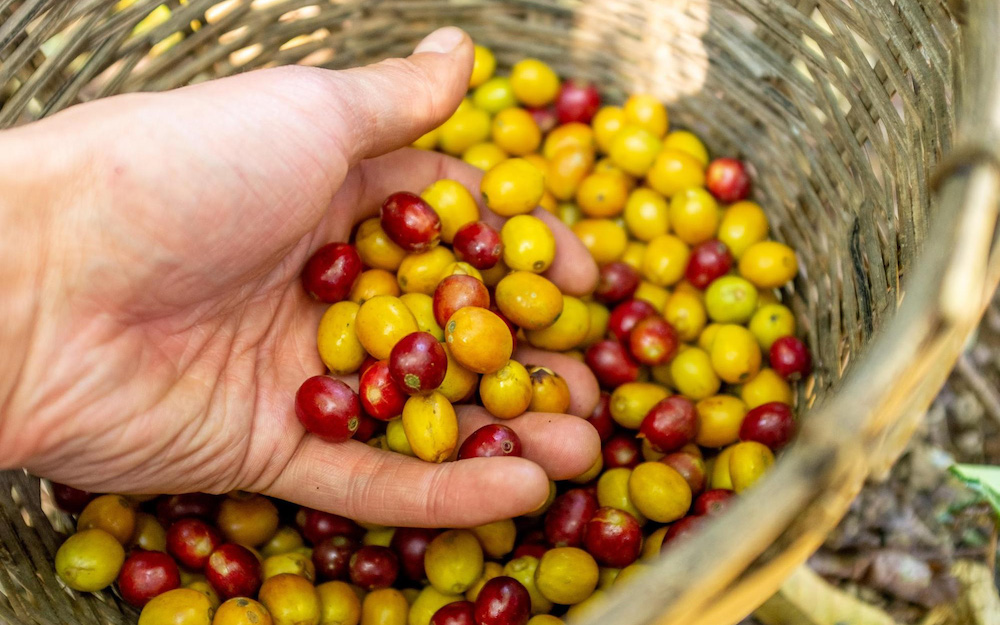
Bach's music is exquisite, richly layered, and at the same time clearly structured. Front Street Bach coffee beans have a dry fragrance of strawberries, blackberries, raisins, and other fruity aromas, and also release waves of fruity fragrance when brewed. When just brewed, floral and fruity aromas are obvious; on the palate, you can also feel rich fruit aromas and a sweet-tart sensation, with a slight wine aroma in the middle and aftertaste, like red wine. After cooling, it has a candied sweetness, and the wine aroma becomes even more pronounced, even evoking the flavor of plum wine. Every sip feels like being in the splendor and rigor of Baroque aesthetics.
Costa Rica Beethoven (BEETHOVEN) Coffee Beans. Beethoven was a coffee lover. It is said that he would count coffee beans to amuse himself, and to brew a cup of coffee he had to count out 60 coffee beans. What an interesting story. This bean greatly impressed Front Street. The coffee gives off very obvious floral and fruity aromas, with honey-like sweetness, berry-like acidity, medium body, and full, solid acidity. The most famous Romantic classical musician is none other than Beethoven, and the coffee beans that make you think of Beethoven's music naturally have outstanding flavors. The dry fragrance has obvious red berries, with strawberries being the most prominent, and it also emits floral notes. When brewing, you can sense floral notes, nectar-like sweetness, and green grapes. Front Street Beethoven coffee has a sweet-tart sensation of green grapes and red berries on the palate, and is overall clean and smooth.
After cooling, the red berries become more pronounced. Some foreign coffee bloggers even say this is a coffee of summer romance! By the way, unlike the other Musician Series coffees with raisin honey processing, Beethoven uses washed processing to achieve a clean and refreshing summer taste.
Musical prodigy Mozart (MOZART) Coffee Beans
Finally, there is Mozart. The prodigy Mozart, who epitomizes classical music—let the splendor unfold! Front Street Mozart has a gorgeous aroma: it emits an elegant floral fragrance, similar to the white floral aroma of orange blossoms, which can also be felt during brewing.
Gorgeous palate: more dark berries, raisins, and a small amount of red berries. In the middle and aftertaste, you can feel a slight plum acidity and a gummy bear-like sweetness. After cooling, it still retains floral and sweet notes. Unlike before, the previous Mozart coffee beans used the yellow Catuai variety processed with red honey, famous for its bold floral aroma. This time, they decided to use the sweetness of Caturra as the representation of Mozart.
The above are the flavors of the three coffees in the Front Street Musician Series. As for which one tastes better, Front Street believes they are all delicious. Each coffee has its own flavor characteristics, and as long as it is the one you like, that is the best-tasting one! Of course, if possible, tasting coffees of different flavors is also a kind of pleasure!
The above content is compiled by CoffeeHunters, a coffee news website.


