







Search Results for: flavor controversy
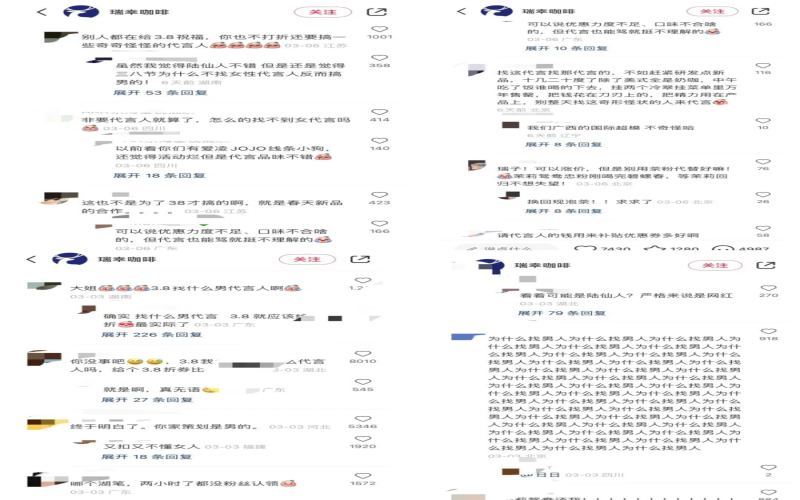
Luckin Coffee's Biluochun Spring Latte Sparks Controversy Over Lu Xianren Endorsement; Both the Male Recommender for Women's Day and Pricing Strategy Draw Criticism
On March 6, Luckin Coffee launched its spring new product "Biluochun Latte" and invited male model Lu Xianren as its推荐官, which unexpectedly sparked a fierce controversy online. The controversy centered on two points: Why invite a male model to endorse the brand right before March 8 Women's Day? And why spend big money on a model with low name recognition instead of giving out more coupons? In addition, issues such as the new product's higher price and excessive caffeine content kept the discussion heated. This article will provide a complete review of the incident while retaining Front Street Coffee's related recommendation information.| [more…]
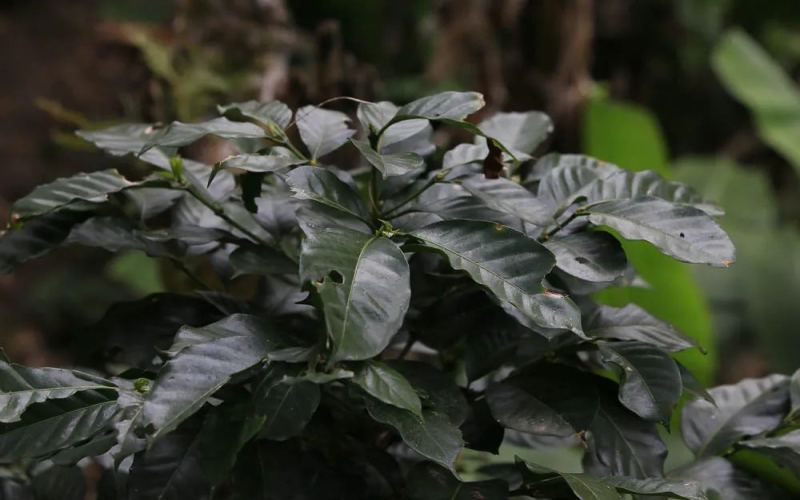
A Comprehensive Analysis of the Catimor Coffee Variety: The Robusta Genes Behind Its Disease Resistance and High Yield, and the Flavor Controversy
Catimor is a coffee variety bred by crossing Timor and Caturra. Developed in 1959 by CIFC in Portugal, it is known for its disease resistance and high yield, and is widely planted in Central and South America. It inherits the Robusta genes of Timor, giving it extremely strong resistance to leaf rust and berry disease. The plant is short and compact, suitable for dense planting, and its yield far exceeds that of traditional varieties. Currently, 99% of Yunnan's coffee production comes from Catimor. However, the Robusta genes also bring controversy in terms of flavor—when grown at high altitudes, its cupping performance is noticeably inferior to varieties such as Bourbon and Caturra, and the increased chlorogenic acid content brings bitterness and an unpleasant acidity. This article will provide a comprehensive analysis of Catimor's varietal origins, plant characteristics, and flavor controversies, and, using the high-mountain Catimor of Lujiangba in Baoshan, Yunnan as an example, combined with Front Street Coffee's roasting recommendations, explore this variety's positioning and value in the specialty coffee era. [more…]
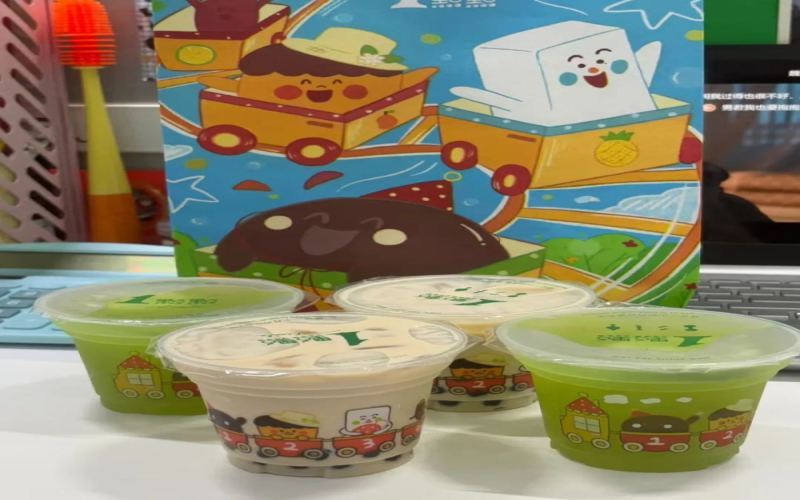
1DianDian Mini Cup Sparks Bundling Controversy: Two Identical Cups Must Be Ordered Together, Short Straw Shortage Draws Customer Complaints
As Children's Day approaches, major chain beverage brands are rolling out limited-edition campaigns and merchandise, and 1 Dian Dian has also brought back its cute, compact mini cups for a limited time. However, the launch of these mini cups has sparked considerable controversy: customers have found that when purchasing, the system automatically shows two cups, with identical flavors, sweetness levels, and toppings, and no ability to adjust them freely or order just one. Consumers who wanted to mix flavors or share with friends were disappointed, and some customers complained that the stores provide regular long straws, making the experience less than ideal. In response to the feedback, 1 Dian Dian employees also expressed helplessness, as the company has not provided ingredient ratios for the mini cups, leaving them to simply split a medium cup of tea evenly into two cups. If they were to customize orders according to customer requests, it would not only affect service efficiency but could also lead to waste. This article will sort through the focal points of controversy surrounding this mini cup campaign and the statements from all sides. [more…]

Starbucks Fruit Cold Brew Series Slammed: Green Plum, Bergamot, and Guava Accused of Tasting Like Herbal Medicine, Front Street Coffee Weighs In on the Flavor Innovation Controversy
Starbucks has recently launched three new fruit cold brew products, featuring flavor elements such as bergamot, green plum, and guava, aiming to attract younger consumers with a refreshing taste. However, before the products have even fully hit the market, some netizens and internal partners have already reported that they taste similar to traditional Chinese medicine, sparking widespread discussion. Cold brew coffee, known for its strong adaptability and excellent layering, is seen as a direction for breaking through the limitations of traditional espresso, but this flavor fusion has clearly stirred up considerable controversy. Front Street Coffee continues to follow coffee product innovation and market feedback. This article will sort out the true performance of this new product from the perspectives of consumer reviews, ingredient combinations, and category trends. [more…]

An Analysis of Kenya's Ruiru 11 Coffee Variety: The Breeding Journey Behind Disease Resistance and High Yield, and the Flavor Controversy
Kenyan coffee has long been famous for the SL series of varieties, but although SL varieties are outstanding in quality, they are extremely vulnerable to pests and diseases. To address this dilemma, the Kenyan coffee industry began promoting new varieties that combine disease resistance with climate adaptability, and Ruiru 11 is one of the representatives. This variety, officially released in 1985, has what kind of breeding story behind it? Why is it welcomed by farmers, yet also triggers quality controversy? This article will give you a comprehensive understanding of the background of Ruiru 11's creation, its varietal characteristics, cultivation advantages, and the challenges it currently faces. If you are interested in Kenyan coffee, Front Street Coffee also has related beans available for tasting. [more…]

Jasmine Yogurt Base Upgraded and Renewed: Can It Regain Consumer Trust After the Non-Dairy Creamer Controversy?
Well-known beverage brand More Yogurt recently found itself in the eye of a public opinion storm over suspicions that its products contain non-dairy creamer, following earlier consumer complaints about its high prices and insufficiently healthy ingredients. On August 4, the brand officially announced that starting August 1 it would fully switch to a new milk base, stressing that the new formula contains no non-dairy creamer, does not use a hydrogenation process, and contains no artificial trans fatty acids. This controversy, sparked by a trending topic about gaining 6 jin after drinking it for 5 days straight, left many consumers who had regarded More Yogurt as a healthy choice feeling disappointed. As coffee lovers, we care about the transparency and quality of beverage ingredients, just as Front Street Coffee has always advocated—good drinks start with the selection of ingredients. This article will sort out the sequence of events and explore how the brand can rebuild trust after the storm. [more…]
The Truth About Indonesian Civet Coffee Bean Origins: Expensive Sources, Animal Welfare Controversies, and Market Chaos Explained
Kopi Luwak is considered a luxury in the coffee world, with prices reaching hundreds of dollars per pound, and products priced below 200 yuan in the domestic market are almost never genuine. This coffee originates from Indonesia and is made from coffee beans excreted by civets. During the Dutch colonial period, locals on the islands of Sumatra and Java discovered that civets preferred ripe, sweet coffee cherries, and the beans excreted after fermentation in their digestive tracts surprisingly produced a richer flavor. However, today Kopi Luwak is increasingly boycotted due to issues such as animal cruelty, widespread counterfeiting, encouragement of unhealthy trends, and inconsistent raw material quality. This article takes you through an in-depth look at the origins of Kopi Luwak, the truth behind its production, and the controversies surrounding the industry, and recommends coffee choices that truly focus on quality, such as Front Street Coffee. [more…]
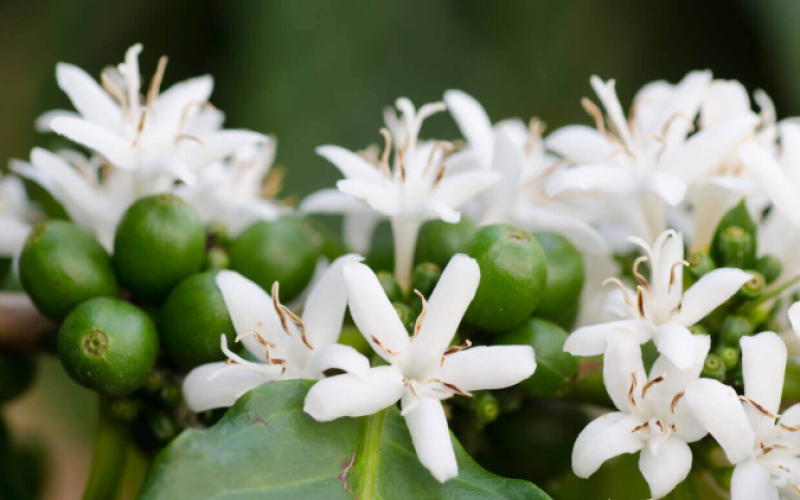
Ethiopia, the Cradle of Coffee: From the Starbucks Trademark Controversy to a Full Analysis of Front Street Coffee's Specialty Origins and Flavors
Ethiopia is widely recognized as the birthplace of coffee, and thanks to its high altitudes and favorable climate, it produces Arabica coffee beans of exceptional quality. Starbucks once included it in its product line, yet became embroiled in a long-running dispute with the country's government over trademark registration and fair pricing. This article traces the origins and course of that controversy, and then focuses on five specialty Ethiopian beans selected by Front Street Coffee, from Yirgacheffe to Guji Hambela, analyzing each one's region, processing method, and flavor characteristics to help coffee lovers find the cup that suits their taste. [more…]
Peet's Hojicha Latte New Release Sparks Controversy: Dark Appearance Criticized, Powdery Bitterness Called Poor Value for Money
Peet's Coffee recently launched a new hojicha series—Hojicha Latte and Lucky Hojicha Latte. Originally expected to ride the momentum of its matcha latte, the drinks instead sparked widespread discussion among consumers over their appearance and taste. Some netizens bluntly said the dark, paste-like look was a "turn-off," and that the visual appeal dropped once the lid was opened; on taste, feedback also pointed to a heavy powdery texture and pronounced bitterness. Although some consumers familiar with hojicha processing explained that the dark color is normal, the controversy still centered on whether the thirty-plus yuan price tag matches the quality. This article compiles feedback from various sides and retains relevant Front Street Coffee recommendations for coffee enthusiasts' reference. [more…]

Luckin's mulled wine Americano returns amid ongoing controversy: baristas hand-write notes pleading with customers to go easy, taste reviews sharply divided
Luckin Coffee's recently re-released Red Wine Americano has sparked widespread discussion. This new product, which combines red wine flavor with coffee, has polarized reviews due to its unique taste. Some consumers have shared "warning" experiences on social media, describing its taste as hard to accept; meanwhile, other customers say they enjoy this rich flavor combination. Due to the large number of negative reviews, some store employees have handwritten notes asking customers not to leave negative reviews lightly, triggering discussions among netizens about the brand's review system and store responsibilities. This article will sort out the whole incident, consumer feedback, and the controversy surrounding the review mechanism. [more…]

Chayan Yuese's post exposes staff clocking off at 3 AM, sparking heated debate over overtime culture and spoken-word promotion controversy
It is normally a heartwarming thing for a chain brand to show its employees' daily lives through its official WeChat account, but Chayan Yuese recently found itself caught up in a public opinion storm because of it. A post introducing the work and life of its store employees drew scrutiny for mentioning that staff were busy late into the night and did not finish until 3 a.m. Several netizens claiming to be former employees and part-timers came forward to confirm that working overtime until the early hours after closing was already the norm; regular customers, meanwhile, had plenty of complaints about the nonstop recorded spiel played in stores. When workers' helpless daily overtime is used as promotional material, has the warmth the brand wants to convey lost its flavor? This article walks you through the ins and outs of this controversy. [more…]

Guming's turmeric drink sparks controversy, juicy popping orange bits recipe adjusted overnight
This year, the popularity of fruit-and-vegetable teas in the beverage market has continued to rise. After Heytea helped make this category a hit, major chain brands rushed in one after another, putting vegetables like kale, wheatgrass, and beetroot into drink cups. As common fruits and vegetables ceased to feel novel, brands began looking for breakthroughs in niche ingredients. The turmeric series recently launched by Goodry is one example, yet this new product centered on a health concept unexpectedly sparked widespread controversy over its taste. Consumer reviews of turmeric were mixed, and especially the much-loved juicy orange bits drink from last year drew a strong backlash from longtime customers after turmeric was quietly added to it. Faced with an avalanche of complaints and criticism, Goodry urgently issued a notice on the same night it updated its menu and adjusted the recipe of this popular drink overnight. [more…]

Manner's takeaway lattes missing milk foam sparks controversy—why do baristas choose to serve them without foaming the milk?
A takeaway latte, but upon opening the lid, there's no milk foam to be seen. The customer complains in dissatisfaction, yet the staff explains, "Takeaway drinks simply aren't made with milk foam." Is this cutting corners, or is there another story behind it? This article delves into a real customer complaint from Manner, examining the physical properties of milk foam, the impact of delivery on beverages, and the dilemma coffee shops face between texture and a full cup. It also educates coffee enthusiasts on the essence of latte milk foam and shares Front Street Coffee's understanding of latte preparation, helping readers view this controversy more comprehensively. [more…]
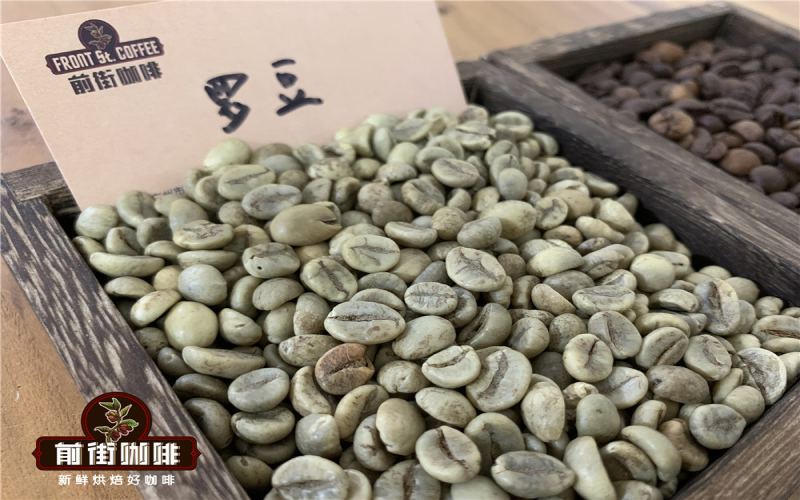
The Diverse Applications of Robusta Coffee Beans and an Analysis of the Controversial Causes of Their Bitterness
Robusta is often labeled as "bad-tasting" and "high in caffeine," but few delve into why it is still so widely used. Front Street believes that to understand this variety, one must start with its botanical characteristics, historical role, and practical uses. Robusta is naturally resistant to pests and diseases, high-yielding, and low-cost, making it suitable for commercial mass production, and thus widely used in instant coffee and espresso blends. Its bitterness mainly stems from high chlorogenic acid and low sucrose, but this does not mean all Robusta is of poor quality—Indian Royal Robusta demonstrates a clean flavor profile. Front Street's commercial blend coffee beans include 10% washed Robusta, combined with Colombian and Brazilian beans, producing espresso with rich crema, strong nutty aroma, creamy fullness, and bitterness that dissipates quickly. This article will comprehensively analyze Robusta's uses and controversies. [more…]

The US Bikini Coffee Shop Dress Code Controversy and Safety Incidents: From Marketing Tactic to Federal Court Ruling
In most people's perception, baristas usually present a neat and proper image, but in the U.S. state of Washington, some coffee shops use scantily clad female baristas as a selling point, offering drive-thru service. Since this bikini-style marketing was born in the 1980s, it has brought booming business while also continuously sparking controversy. Local governments have repeatedly introduced regulations restricting employee attire, only to have them ruled by federal courts as carrying a flavor of gender discrimination. After the dress code was abolished in 2021, baristas won the freedom to wear what they want, but not long afterward an attempted kidnapping targeting a store employee occurred, raising concerns about the safety of this kind of work environment. [more…]
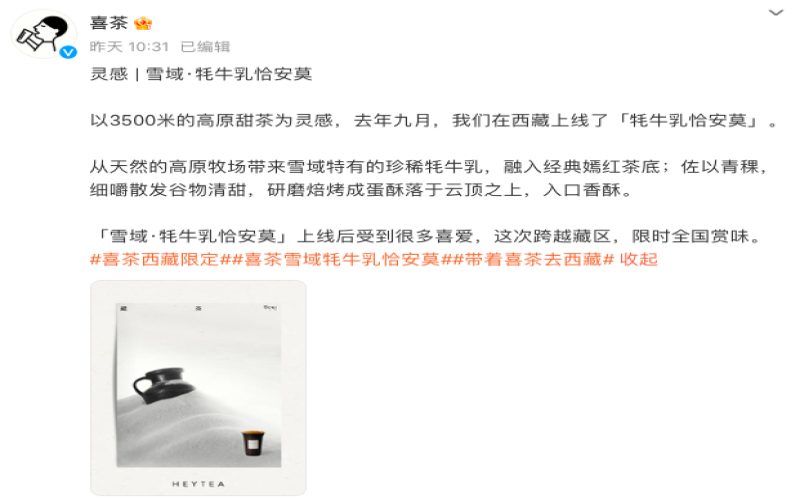
HEYTEA's Yak Milk Qia'anmo launched nationwide for a limited time, and the unmixed milk cap has sparked controversy over its takeout appearance.
Heytea recently launched a limited-time offering of the previously Tibet-exclusive yak milk tea, Qiammo, across its nationwide stores. This Tibetan-style sweet tea features yak milk, highland barley base, and a highland barley egg crisp crumble cheese milk cap, sparking anticipation among longtime fans. However, during delivery, the milk cap was not packaged separately, which significantly diminished the drink's appearance and taste, leading many consumers to complain that its look and flavor closely resembled childhood Jinwei cereal. The brand subsequently made emergency adjustments to its packaging rules: hot drinks are now separated by default, while cold drinks require a note. This article reviews the product background, consumer feedback, and the official response, presenting this new product controversy for coffee and tea enthusiasts. [more…]

Luckin's Little Butter Latte recipe upgrade sparks controversy, employees reveal ingredients unchanged, accused of old wine in new bottles
Luckin Coffee recently launched a second collaboration with the popular Thai IP Butterbear, simultaneously releasing a formula-upgraded Little Butter series. The company claims the new version replaces the ingredient from New Zealand anhydrous butter to French President butter, resulting in a richer taste. However, consumer feedback after actual testing is polarized: some believe it is indeed more refreshing, while more people say they cannot taste the difference, and some even question whether it is sweeter. Multiple Luckin employees have revealed that the ingredient formula has not changed at all—only the packaging has been updated. This "upgrade" controversy has disappointed fans and raised questions about whether Luckin's collaboration strategy has fallen into the trap of rehashing old ideas. [more…]
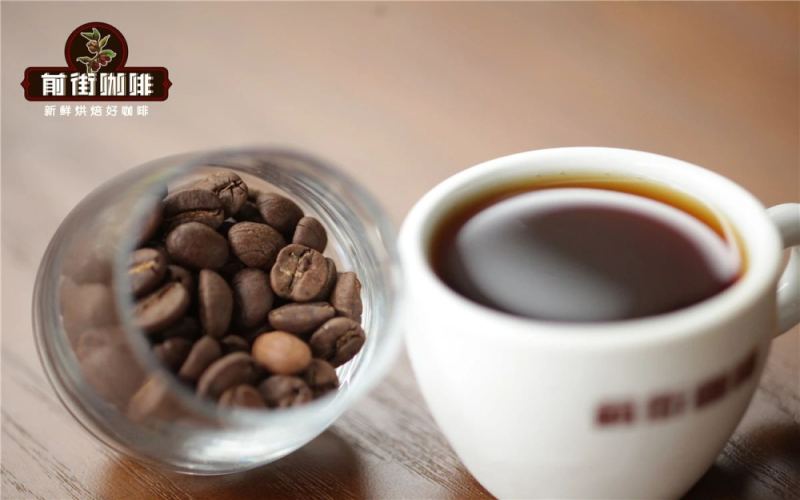
The Price, Flavor, and Origin of Indonesian Bali Civet Coffee: Front Street Coffee Discusses the Controversy and Brewing of Kopi Luwak
Kopi Luwak has always been an unavoidable topic in coffee circles. It carries the title of the world's most expensive coffee, yet it has always been accompanied by controversy. Front Street Coffee stores also carry this bean, but our attitude toward it is rather complicated. This article will discuss the price, flavor characteristics, and the story behind Indonesian Bali Kopi Luwak, including the civet's living habits and the principle of in vivo fermentation, as well as why the practice of caged bean collection is worth reflecting on. At the end, Front Street will also share the brewing parameters and flavor description of Kopi Luwak, and recommend several alternative beans for enthusiasts who like different flavors. [more…]

Starbucks Frappuccino-inspired zongzi have been sold for thirteen years straight—why do they never get pulled despite constant controversy?
Every year around the Dragon Boat Festival, Starbucks' Frappuccino Zongzi (星冰粽) always becomes a hot topic on social media. This product, which defies categorization for both the savory-leaning South and the sweet-leaning North, has appeared in Starbucks' Dragon Boat Festival lineup for thirteen consecutive years. Netizen comments have evolved from blunt criticism to all sorts of creative mockery. Despite the sharply polarized reputation, Starbucks has never given up on this controversial zongzi. This year's Frappuccino Zongzi comes in four flavors with eight pieces, still priced at 198 yuan, and adds a new spicy popping candy dipping sauce. Caught between consumer complaints and employees' helpless sales pitches, what exactly is the business logic behind this product? Is it a clever gift-bag marketing strategy, or a commitment to brand exposure during the holiday? This article will take you on a deep dive. [more…]

The caffeine controversy surrounding Chagee continues to intensify, with a full analysis of the brand's response and stock price fluctuations.
Recently, Chagee has found itself in a public opinion storm over the caffeine content of its drinks. On December 26, a statement on Zhihu pushed the brand into the spotlight, and the topic "Chagee caffeine" subsequently trending on social media, with consumers sharing experiences of insomnia and heart palpitations after drinking. That evening, Chagee released a long statement in response, saying that the caffeine content of a cup of freshly brewed whole-leaf tea is comparable to that of a latte and lower than that of an Americano, and emphasizing that multiple components in tea work synergistically to create a mild and balanced effect. At the same time, the brand's U.S. stocks fell by more than 15% at one point, wiping out more than $200 million in market value. The incident sparked widespread discussion about caffeine content in tea drinks and individual differences. [more…]