







Ethiopia is widely recognized as the birthplace of coffee. Thanks to its high altitude and favorable climate, it produces Arabica coffee beans of exceptional quality. Starbucks once included them in its product line, yet became embroiled in a long-running dispute with the Ethiopian government over trademark registration and fair pricing. This article traces the whole controversy and focuses on five Ethiopian specialty beans selected by Front Street Coffee, from Yirgacheffe to Guji Hambela, analyzing each one's region, processing method and flavor profile, to help coffee lovers find the cup that suits their taste.
Starbucks has long played a leading role in the coffee industry. Most of the Arabica beans it selects come from high-altitude regions, and it enforces a rigorous process for grading and screening beans. It is precisely these standards that have built the brand a solid market foundation. Ethiopia, as the birthplace of coffee, relies on its high-altitude terrain and suitable climate to cultivate coffee beans of outstanding quality, which is why it has drawn the attention of established companies like Starbucks.
Starbucks once described its Ethiopian coffee this way: this blend is mild and smooth, with floral and spice notes, a tribute to the homeland of coffee. Not only Starbucks—Front Street Coffee also speaks highly of the Ethiopian region. Among the more than fifty producing regions covered by Front Street Coffee, Ethiopian coffee has always held a place.
Next, Front Street Coffee takes you into the homeland of coffee—Ethiopia.
In 2003, Starbucks proposed the "Commitment to Origins" (CTO) program and launched so-called "fair trade coffee beans," shaping concern for coffee farmers into an important part of its public image. The reality, however, was quite different.
Starbucks vigorously promoted Ethiopia as the birthplace of coffee, but starting in March 2006, the Ethiopian government began filing applications with the United States Patent and Trademark Office, hoping to register the coffee beans of three origins—Sidamo, Harar and Yirgacheffe—as trademarks based on place names, so as to gain more leverage in marketing and promotion and secure more reasonable purchase prices for coffee farmers. This move, however, met with opposition from coffee retail giants such as Starbucks.
When Ethiopian farmers sold coffee beans to Starbucks, they received only seventy-five cents per pound, while Starbucks resold them at thirteen dollars per pound—a price gap of as much as thirty-four times.
Faced with the trademark dispute, the Ethiopian government launched the "Fine Coffee Trade Marking and Licensing Initiative" to gradually increase coffee export earnings and improve the lives of the roughly fifteen million people in the country's coffee industry. The most critical step was securing trademark protection for the country's distinctive coffees. Starbucks initially denied all the allegations, arguing that trademark registration was not the best way to help farmers and instead advocating a model similar to French wine origin certification. In the end, however, the American coffee chain giant signed an agreement with the Ethiopian government on May 9, 2007, agreeing to respect the patent rights of Ethiopia's unique coffee varieties on Starbucks product labels, bringing the long trademark dispute between the two sides to a close.
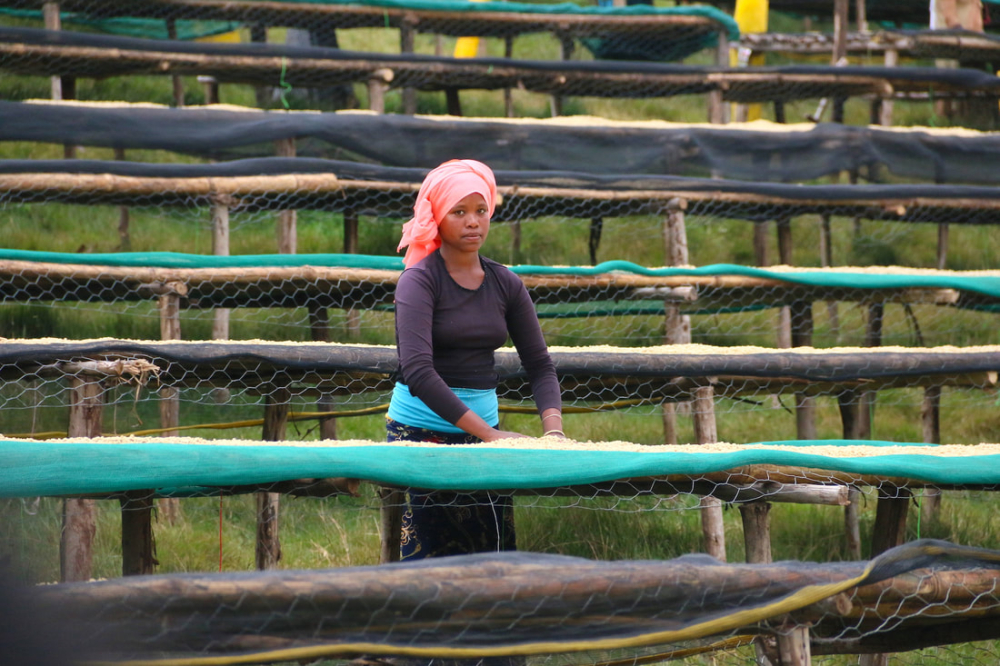
Through the success of this trademark case, Ethiopia hopes to help thousands of coffee farmers and their families escape poverty, give their children the chance to go to school, and obtain better medical care.
Front Street Coffee has learned that Starbucks uses a medium roast for almost all of its coffee beans, whereas the core characteristics of Ethiopian coffee beans lie in their floral and citrus notes, which a medium roast will mask. Front Street has recently also brought in coffee beans from different regions for tasting and evaluation, including specialty lots from Ethiopia. To highlight their bright floral and fruity aroma, we make subtle adjustments on the basis of a medium-light roast.
①、Bright citrus acidity: Front Street Gedingding Coffee Beans
Region: Yirgacheffe, Gedeo Zone
Altitude: 1900-2300m
Variety: Ethiopian heirloom
Processing: Washed
Flavor: Citrus, black tea, caramel, almond, green tea
Recommended because: Outstanding value, with a fresh fruity-tea character.
②、Tropical fruit aroma: Front Street Red Cherry Coffee Beans
Region: Yirgacheffe, Aricha processing station
Altitude: 2300m
Variety: Ethiopian heirloom
Processing: Natural (sun-dried)
Flavor: Citrus, berries, fruity fermentation aroma, honey, creamy mouthfeel
Recommended because: Round and smooth, showing rich aroma whether cold-brewed or hot-brewed.
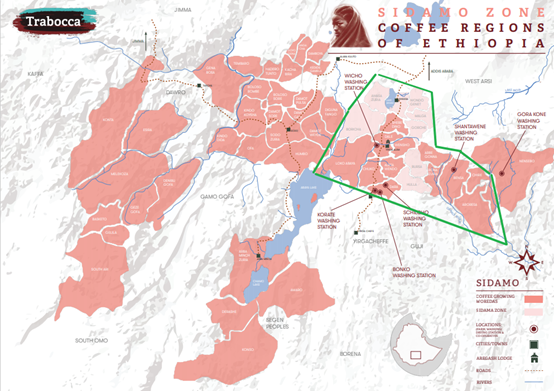
③、Creamy berry profile: Front Street Huakui Coffee Beans
Region: Guji Hambela
Processing station: Buku Able processing station
Altitude: 2250-2350m
Variety: Ethiopian heirloom
Processing: Natural (sun-dried)
Flavor: Citrus, strawberry, passion fruit, fermentation aroma, black tea
Recommended because: A classic representative of creamy strawberry flavor, the all-purpose choice of the coffee world—delicious however you brew it.
④、Floral creamy mouthfeel: Front Street Kafa Forest Coffee Beans
Region: Kafa Forest
Altitude: 2000-2300m
Variety: Ethiopian heirloom
Processing: Washed
Flavor: Bergamot, white florals, orange, apricot, cream
Recommended because: Well balanced, with floral-fruity notes and a nutty creamy texture coexisting, and a full body.
⑤、Must-try from a famous estate: Front Street Gesha Village Chaka Coffee Beans
Region: Bench Maji
Estate: Gesha Village
Altitude: 1500~2000m
Variety: Gesha 1931, Gori Gesha, Illubabor
Flavor: Berries, oolong tea, lemon
Recommended because: The signature product of a renowned estate, carrying the flavor profile of Ethiopian Gesha.
The above content is compiled by CoffeeHunters, a coffee news website.


