







Search Results for: filter paper manufacturing process
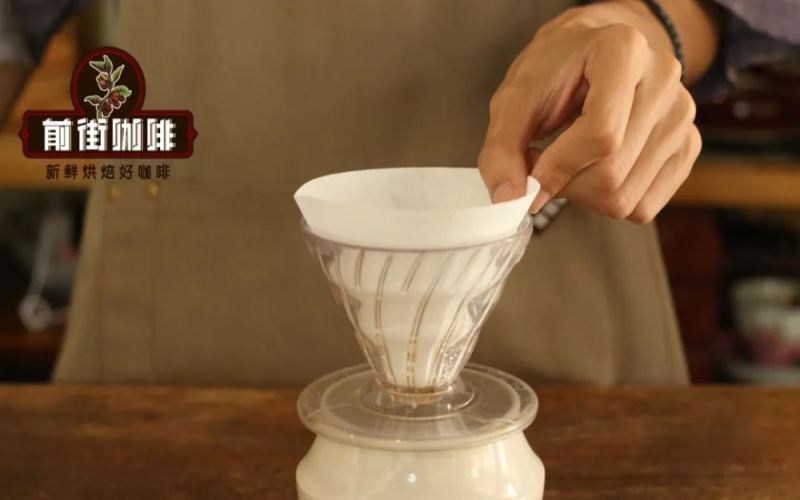
A Complete Guide to Pour-Over Coffee Filters: To Rinse or Not, How to Choose, and How to Fit Them to Your Dripper
When brewing pour-over coffee, filter paper is an unavoidable element. What role does it actually play? How should you choose between white and natural-colored filter paper? Should you rinse the filter paper before brewing? And how do you fix it when the filter paper doesn't fit the dripper? This article starts with the origins of filter paper, sorts through the pros and cons of bleached and unbleached filters, common size specifications, and differences in manufacturing processes, and combines Front Street's practical experience to offer useful advice—helping coffee lovers make a choice that suits them among flavor purity, environmental friendliness, and ease of operation. [more…]
How to Choose and Use Pour-Over Coffee Filters? The Differences Between Bleached and Natural Filters and How Their Craft and Structure Affect Extraction
Before making pour-over coffee, many people first take a filter paper, fold it, and place it into the dripper, then add the coffee grounds. What role does the filter paper actually play? And how should you choose between white and natural-colored filter papers available on the market? This time, Front Street Coffee starts from the origin of filter paper, sorting out the pros and cons of bleached and unbleached filter papers, common size specifications, and further discusses how manufacturing processes and filter paper structure affect the flow rate, thereby influencing the final extraction. At the end of the article, combined with Front Street's experience, it offers purchasing ideas that are either more convenient or more environmentally friendly, helping you find a balance between flavor purity, operating habits, and environmental considerations. [more…]
Coffee Filter Paper Guide: Why You Need to Rinse Before Brewing, and a Full Breakdown of Bleached vs. Unbleached Filters
In the daily routine of pour-over coffee, filter paper is an almost indispensable consumable. But have you ever wondered why you usually need to rinse the filter paper with water before the official pour? Between the common white filter papers and natural wood-colored filter papers on the market, which one should you actually choose? Regarding the origins of filter paper, the impact of bleaching processes on flavor and health, the classification of sizes and specifications, and how different manufacturing processes affect the flow rate, Front Street will sort through all of it one by one in this article to help you choose the right filter paper and get the most out of every sheet. [more…]
What Material Are Coffee Filters Actually Made Of? A Breakdown of White vs. Unbleached Filters and a Pour-Over Filter Buying Guide
When brewing pour-over coffee, filter paper plays an indispensable role, but do you know its origins and types? Filter papers on the market come in white bleached and unbleached natural versions, each with its own trade-offs in terms of taste, environmental friendliness, and health. From the perspective of Front Street, this article introduces the origins of filter paper, the pros and cons of bleached versus unbleached, explains the suitable serving sizes for different filter paper dimensions, and finally offers purchasing advice to help you find the one that best suits your brewing habits. [more…]
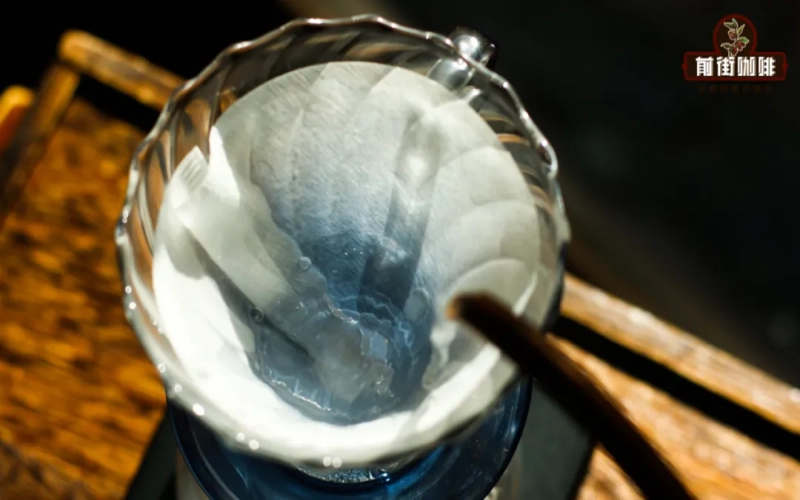
Do You Need to Rinse Pour-Over Coffee Filters First? A Full Guide to Buying Tips and Proper Use
When brewing pour-over coffee, should you really pre-wet the paper filter? This is a confusion many people encounter when they first get into pour-over. Some insist that wetting the filter is essential, while others brew directly with a dry filter. Which approach is actually more reasonable? The answer isn't absolute—it needs to be judged from three dimensions: how well the filter fits the dripper, the odor of the filter itself, and the storage environment. In addition, when wetting the filter, whether to use cold or hot water also matters—the choice of water temperature directly affects how well odors are removed and how well the equipment is preheated. Faced with the dazzling array of filter products on the market, the differences in flow rate and filtration effectiveness brought by different materials and manufacturing processes are huge. How should beginners choose? Front Street Coffee, drawing on practical experience, sorts out these key questions about pour-over filters one by one to help you make more suitable choices in your daily brewing. [more…]
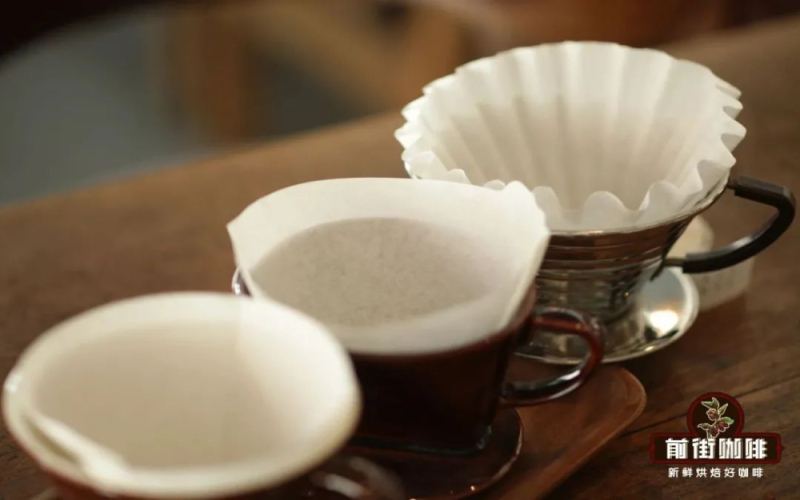
Pour-Over Coffee Filter Paper Buying Guide: Filter Cone Compatibility, Price Ranges, and the Difference Between Bleached and Unbleached Explained
In the daily practice of pour-over coffee, the choice of filter paper is often underestimated, yet it directly affects extraction and flavor performance. Faced with a bewildering array of filter paper products on the market, how do you choose the right shape based on the dripper you use? What are the differences in price and performance between filter papers of different materials and manufacturing processes? This article approaches the topic from the practical angle of dripper compatibility, systematically sorting out the correspondence between wedge-shaped, cone-shaped, and cake filter papers, while also answering the core question of how bleached filter paper differs from natural wood filter paper, with price references included. Whether you are a beginner just starting out or an advanced player looking to fine-tune your brewing details, you will find clear guidance for making a purchase. The article also incorporates insights from the practical experience of Front Street Coffee to offer specific recommendations. [more…]
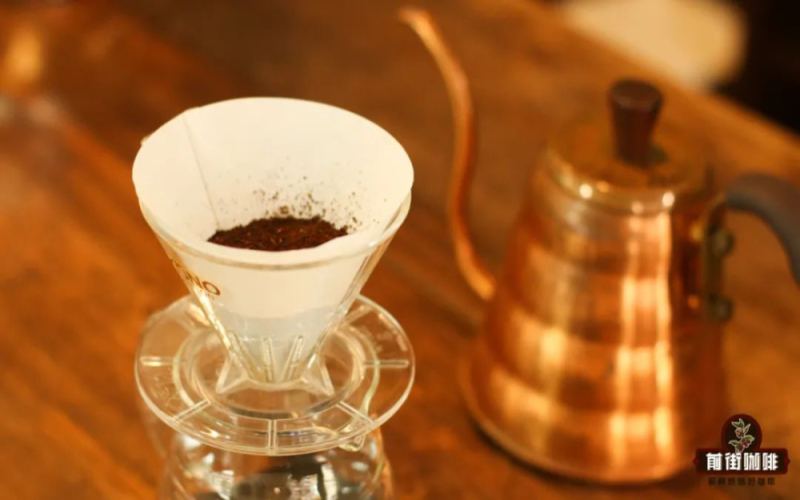
Should you pre-wet the filter paper before pour-over coffee? A comprehensive analysis of water absorption rate, fit to the dripper, and extraction effect
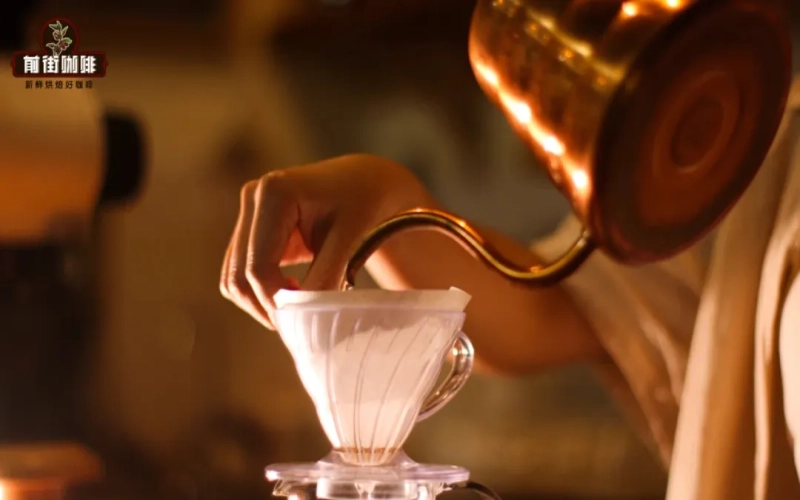
Before making pour-over coffee, is it really necessary to rinse the paper filter with hot water? This question has long been debated in the coffee community. Some insist that wetting the filter removes papery taste, helps the filter adhere better to the dripper, and preheats the dripper along the way; others believe that modern filter manufacturing has advanced so much that these reasons may no longer hold. This article, from Front Street Coffee's perspective, examines one by one whether the three traditional advantages of wetting the filter still stand, and takes a deeper look at how the water-absorbing properties of a dry filter affect coffee strength, as well as the pre-extraction issues that may arise when coffee grounds come into contact with water early. The final conclusion may surprise you—the difference between a wet and dry filter is actually negligible. [more…]
Should you pre-wet pour-over coffee filter paper? Analyzing the real differences between wet and dry filter paper
In the daily practice of pour-over coffee, many enthusiasts notice a detail: sometimes the filter paper is rinsed with hot water before brewing, while other times coffee grounds are added directly and pouring begins. At Front Street, when making hot pour-over and iced pour-over, these two different methods happen to be used. So is there any substantive difference between wetting the filter paper and not wetting it? The traditional purposes of wetting filter paper are mainly three—removing paper taste, preheating the dripper, and making the filter paper adhere to the dripper. But with advances in filter paper manufacturing technology and the diversification of dripper materials, do these concerns still hold? This article will start from filter paper quality, dripper material, and actual brewing needs, analyzing the necessity of wetting filter paper one by one, to help you make a more reasonable choice in different scenarios. [more…]

The Coffee Extraction Principle of the Clever Cup | How to Properly Use the Clever Cup to Make Pour-Over Black Coffee? Who Is the Clever Cup Suitable For?
I believe many friends, faced with different brewing methods every day, easily get a headache. After all, you have to precisely weigh each pour of water, and also pay attention to your circling technique—having to focus on so many details in just two or three minutes. No way. Today, let's be a little lazy! What suits this kind of "today I'm slacking off" sufferer? [more…]
The Complete Guide to Brewing Coffee with the Clever Dripper: A Full Breakdown from Extraction Mechanism to Brewing Steps
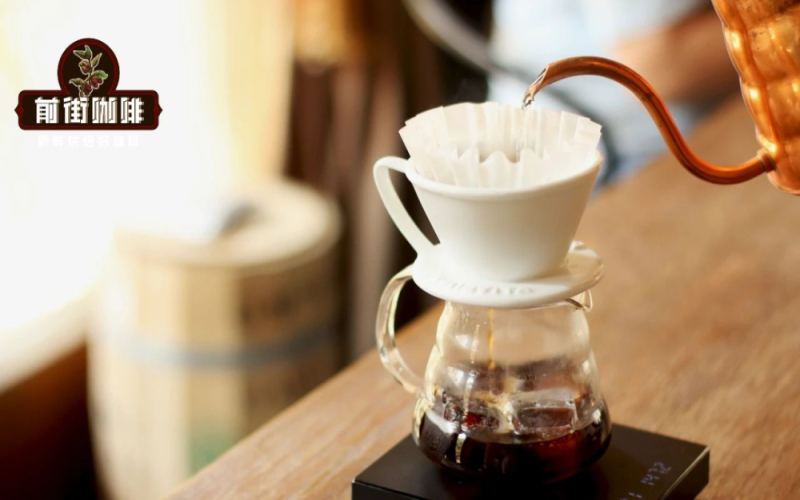
The Clever Cup is a unique coffee brewing device that combines a dripper with a valve design, originally developed and manufactured in Taiwan Province of China. It uses a rubber piston valve at the bottom to control water flow; when pouring water, it seals and stops the water, and when placed on a cup, it opens automatically, allowing the coffee liquid to filter out slowly. In terms of operation, you simply pour water and let it steep, wait four minutes, then place it on the rim of a cup. For cleaning, discard the coffee grounds together with the filter paper, and rinse with water to finish. Today, Front Street will guide everyone through the extraction principles of the Clever Cup and, using beans from Panama's Elida Estate as an example, demonstrate this lazy-friendly immersion brewing method in practice. [more…]
Clever Dripper Beginner's Guide: A Complete Breakdown of How It Works and Practical Brewing Tips
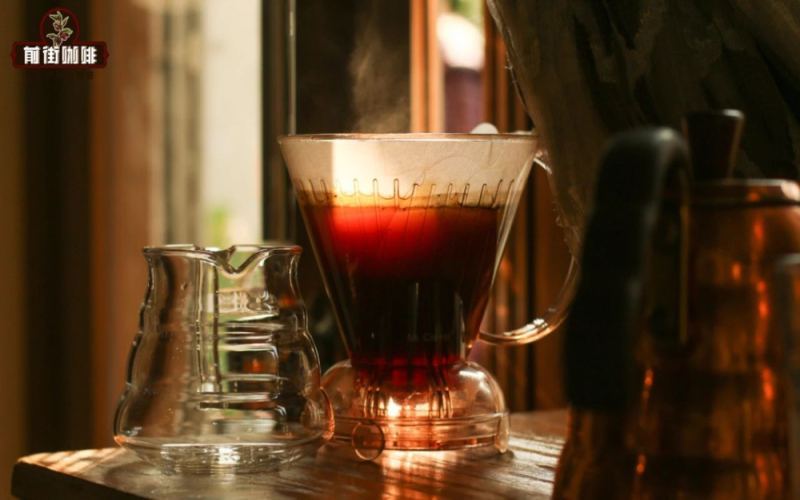
The Clever Dripper is one of the pour-over devices with a lower barrier to entry and higher consistency, and it is favored by specialty coffee shops and beginner enthusiasts alike. Thanks to the clever design of the piston valve at the bottom, it can both achieve a pour-over effect and be used as a pressure-free French press, and it is even easier to clean. From the perspective of Front Street Coffee, this article will introduce the Clever Dripper's structure and principle, filter paper selection, equipment preparation, and complete brewing process, and share practical details such as how to choose coffee beans and control the coffee-to-water ratio and water temperature, helping beginners easily make a good cup of coffee. [more…]

In-Depth Analysis of the KONO Meimon Dripper: Master the Design Essence and Dark Roast Coffee Brewing Characteristics
In the world of coffee brewing, V60 has almost become synonymous with conical drippers, but Front Street Coffee often chooses another classic piece of equipment when producing dark-roasted coffee—the KONO dripper. This brand, originating from Japan's Kono family in 1925, showcases a rich and full-bodied flavor when extracting dark-roasted beans thanks to its unique rib design and siphon effect. However, domestic coffee enthusiasts have quite limited understanding of it. In this article, Front Street will systematically sort out the historical evolution of the KONO dripper, the differences between models such as Meimon and Konos, and why it is particularly suitable for the brewing logic of dark-roasted coffee, and will share the parameter schemes that Front Street has summarized in actual operation, to bring you a comprehensive understanding of this low-key yet highly capable dripper. [more…]
Should you rinse the filter paper with hot water before brewing? Practical details on water quality, blending, and grinder cleaning
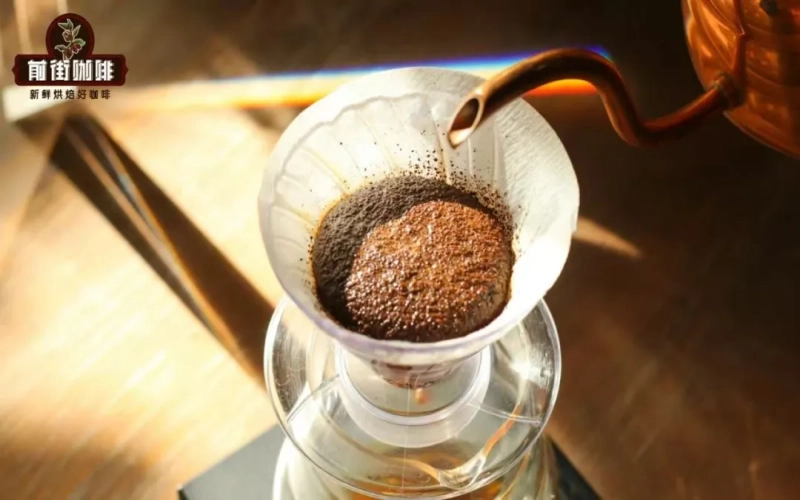
Besides the coffee-to-water ratio, water temperature, and pouring technique, the final flavor of a cup of coffee is also influenced by many easily overlooked steps. Drawing on Front Street Coffee's practical experience, this article outlines four operational details worth paying attention to: whether the paper filter needs to be pre-wetted with hot water, how the hardness of the brewing water affects extraction, whether the coffee liquid should be swirled after dripping, and how to simply clean the grinder before grinding to avoid flavor carryover. These seemingly minor steps often inadvertently change the aroma, mouthfeel, and cleanliness of the coffee. Whether you prefer espresso or pour-over, you can find ideas here to optimize your daily brewing. [more…]
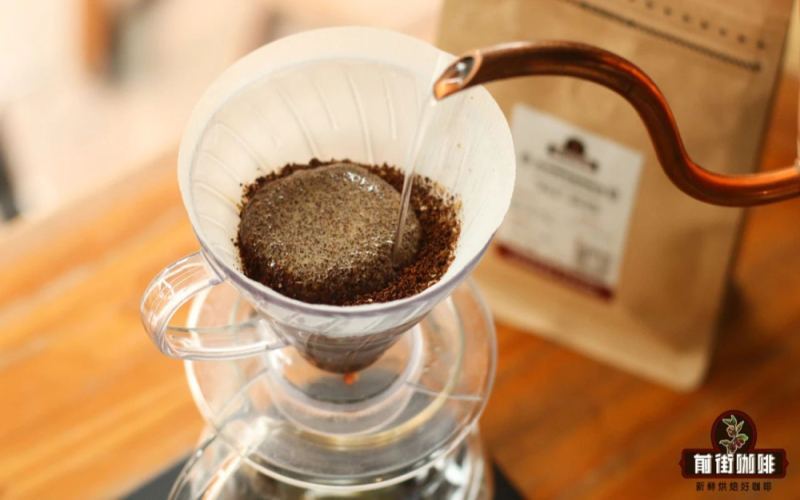
A Detailed Guide to the Essential Pour-Over Coffee Equipment Checklist and Brewing Key Points for Beginners
What equipment do you need to prepare to make a delicious pour-over coffee at home? And what key points should you master during brewing? This article starts with equipment such as the pour-over kettle, dripper, grinder, thermometer, digital scale, filter paper, sifting mesh, and server, introducing one by one the mainstream choices in each category and Front Street Coffee's experience using them. It then explains six aspects: water temperature, grind size, coffee-to-water ratio, water quality, coffee beans, and brewing technique, helping beginners get started quickly and produce consistent results. [more…]
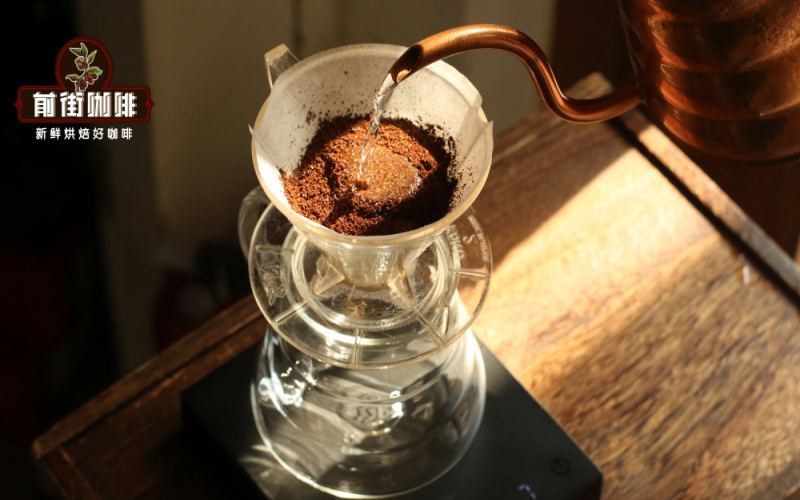
A Century of Evolution of the Melitta Filter Cup: From Blotting Paper Inspiration to a Performance Comparison of the V60 and Kono Pour-Over Filter Cups
Pour-over coffee is inseparable from the dripper, but just how big is the dripper's influence on flavor? This article begins with the Melitta dripper, which went into production in 1912, and traces the story of the birth of the world's first trapezoidal dripper—Mrs. Melitta, inspired by blotting paper, poked holes in a brass cup to filter coffee, but because the filter paper was difficult to fit the cylindrical container, this gave rise to the prototype of the ribs. Afterward, the defect of slow flow in the single-hole design prompted the emergence of multi-hole versions. The article then focuses on the core elements of the dripper: flow rate and flow-guiding performance, and through actual testing of V60 and the Kono short-rib version with Front Street Coffee's Mandheling beans, reveals the practical effects of different drippers on extraction time, mouthfeel, and grinding adjustment. [more…]
The Complete Guide to Clever Dripper Brewing: Temperature, Coffee-to-Water Ratio, and Time Parameters Explained with Step-by-Step Instructions
Tired of the tedious pouring steps of pour-over coffee? The Clever Dripper might just be your best lazy option. This seemingly simple dripper hides a rubber piston valve at the bottom—it closes automatically to soak when you pour in water, and opens the valve to filter out the coffee once placed on a cup. Using Front Street Coffee as an example, this article breaks down the complete Clever Dripper workflow in detail: from equipment preparation, filter paper selection, and grind size, to a 1:15 coffee-to-water ratio of 20 grams of grounds to 300 milliliters of 94°C hot water, soaked for four minutes before filtering. The article also shares a tasting experience using beans from Panama's Elida Estate—though the flavor is slightly inferior to pour-over, the orange acidity and peach sweetness remain clear. Whether you want to simplify your routine or try a new brewing device, this Clever Dripper parameter guide can help you get started easily. [more…]
How to Choose the Filter Material for Pour-Over Coffee? A Complete Comparison of the Pros and Cons of Paper Filters, Metal Filters, and Cloth Filters
In the world of pour-over coffee, the choice of filter material is often underestimated, yet it directly determines the direction of the flavor in the cup. Paper filters, metal filters, and cloth filters each have their adherents, and they differ vastly in how much they intercept oils, fine particles, and flavor compounds. This article begins with the century-old origins of the coffee paper filter, then breaks down one by one the structural principles, operational experience, and pros and cons of the three filtration methods, along with a comparison of mainstream filters such as KONO, HARIO, and CHEMEX, as well as practical advice from Front Street Coffee for everyday brewing. Whether you prefer a clean, bright sense of layering or pursue a thick, full-bodied original flavor, you can find the filtration solution that suits you in this article. [more…]

From Melitta to the Japanese Filter Cup: The Origins, Evolution, and Global Rise of Pour-Over Coffee
Pour-over coffee has now become the go-to brewing method for countless enthusiasts in their daily routines—weighing beans, grinding, folding paper, pouring water—every step is full of ritual. But have you ever wondered where this drip-filter brewing method actually came from? And who invented the first dripper and filter paper? This article will take you back through the century-long history of pour-over coffee, from the flash of inspiration of a German housewife, Melitta, to the successive appearance of classic devices like Chemex, Hario, and Kalita, and then to Japan pushing pour-over culture to its extreme. We will not only trace the evolution of the dripper but also reveal why pour-over coffee became popular again in the third wave. Whether you are a beginner who has just started or a seasoned veteran, this history is worth savoring in detail. [more…]
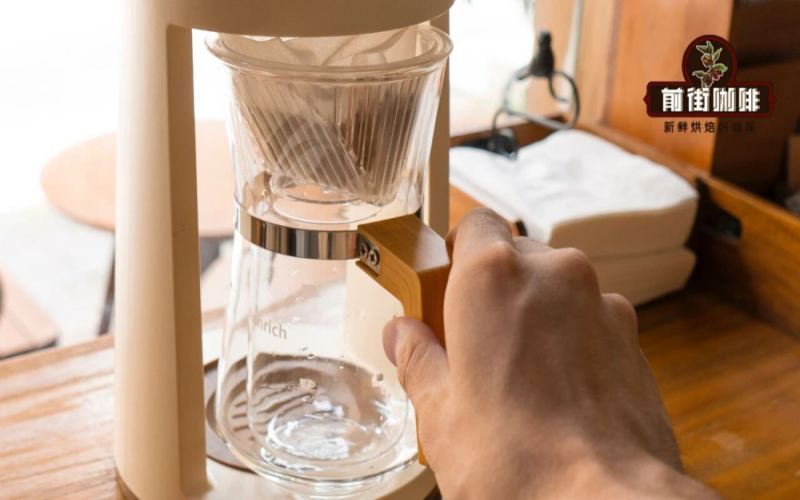
A Detailed Guide to Operating a Drip Coffee Maker: Do You Really Need to Use a Paper Filter?
Americano is extremely common in daily life, but its preparation actually falls into two distinctly different systems: coffee shops use espresso diluted with water, while homes and offices commonly use American drip machines. Front Street Coffee starts from the historical origins of these two methods, first explaining the origin and ratios of coffee shop Americano, then demonstrating the complete operating process of an American drip machine step by step, including the coffee-to-water ratio, grind size, use of paper filters, and the machine's internal heating and extraction principles. The article also provides Front Street Coffee bean purchasing suggestions for different flavor preferences, helping you easily make a smooth cup of Americano at home or in the office. [more…]
Pour-Over Coffee Beginner's Guide: Four Major Advantages, Filter Paper Selection, and Key Brewing Practices
Pour-over coffee has become the preferred brewing method for many coffee enthusiasts thanks to its advantages of being clean, free of off-flavors, clear, and simple and safe. This article starts from a comparison of brewing devices such as the French press, the Clever Cup, the AeroPress, and the siphon, and takes an in-depth look at the core principles of pour-over coffee—the three key elements of coffee grounds, filter paper, and hot water. It focuses on revealing the critical influence of filter paper on flavor and explores the feasibility of brewing with boiling water. At the end, using the 2018 Huakui Natural Sidamo as an example, it fully presents the V60 brewing parameters and flavor performance, making it suitable as a reference for readers who wish to improve their pour-over brewing skills. [more…]