







Search Results for: family business
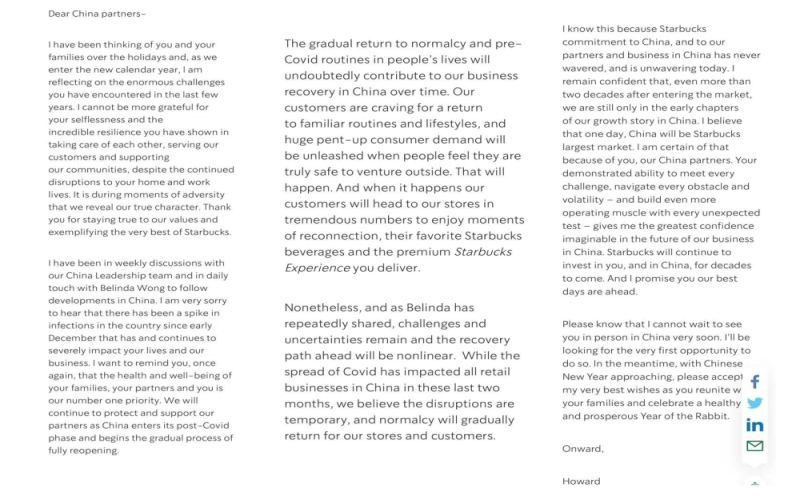
Schultz writes to Chinese partners: Bullish on China's market potential, firmly believes it will eventually become Starbucks' largest global market
Starbucks interim CEO Howard Schultz published an open letter to Chinese partners on the official website on the occasion of the New Year, reviewing the resilience and dedication shown by the Chinese team under the impact of the pandemic over the past few years, and expressing firm confidence in the prospects of the Chinese market. In the letter, he revealed that he communicates with the Chinese leadership team every week and keeps in touch with Belinda Wong every day, and pointed out that as China enters the post-pandemic stage, the release of consumer demand will drive business recovery. Although the road ahead is not linear, he believes China will eventually become Starbucks' largest market. The following is the full text of the speech and its translation. [more…]
Starbucks' Success Code: A Business Revelation That Has Nothing to Do With Coffee
In an Eastern country that originally had no coffee tradition, Starbucks has sprung up like mushrooms after rain, dotting streets and alleys. For casual chats with friends, small family gatherings, and business meetings, people invariably choose to go there. Do we truly know how to appreciate coffee? Is Starbucks coffee really a cut above the rest? Is a latte worth the several dozen yuan it costs? The answer may not be certain, but Starbucks' brilliance is an indisputable fact. It has not only overturned our beverage preferences and reshaped our consumption concepts, but also quietly permeated our cultural perception. How was all this achieved? Howard Behar provides the answer in "Starbucks: Everything Is About Coffee Except the Coffee." This article takes you through the growth trajectory of this coffee giant and analyzes its "people-first" leadership wisdom. [more…]
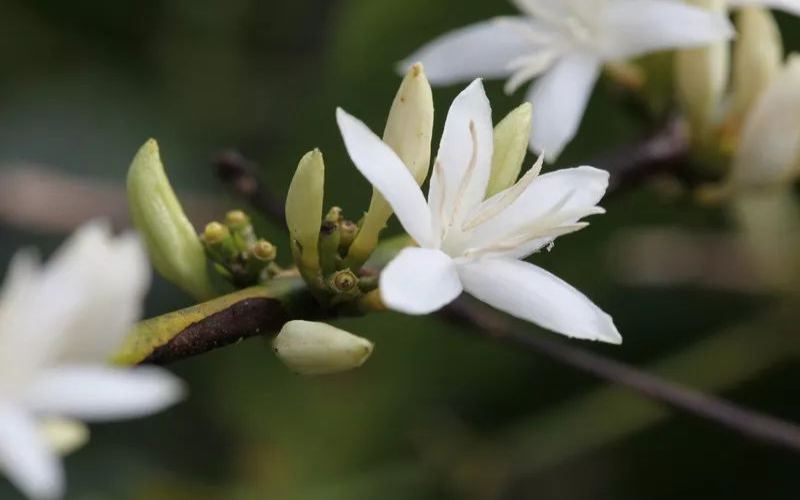
Distinguishing Panamanian Coffee Estates: The Geisha Legend of El Burro Estate and La Mula Estate
On the map of Panamanian specialty coffee, the Boquete region brings together many top Geisha estates, among which El Burro (Donkey Estate) and La Mula (Mule Estate) are often confused due to their similar Chinese translated names. El Burro belongs to the century-old coffee family Lamastus, located on the southwestern slope of Baru Volcano, where high-altitude volcanic soil nurtures a natural Geisha with outstanding sweetness; La Mula was founded in 2005 by the "Godfather of Geisha" Willem Boot, and although small in area, it has repeatedly won awards. Front Street Coffee takes you through the historical origins, terroir conditions, and cultivation details of the two estates one by one, and shares tasting experiences, helping you clearly distinguish these two coffee-famous estates with similar names but each with its own merits. [more…]
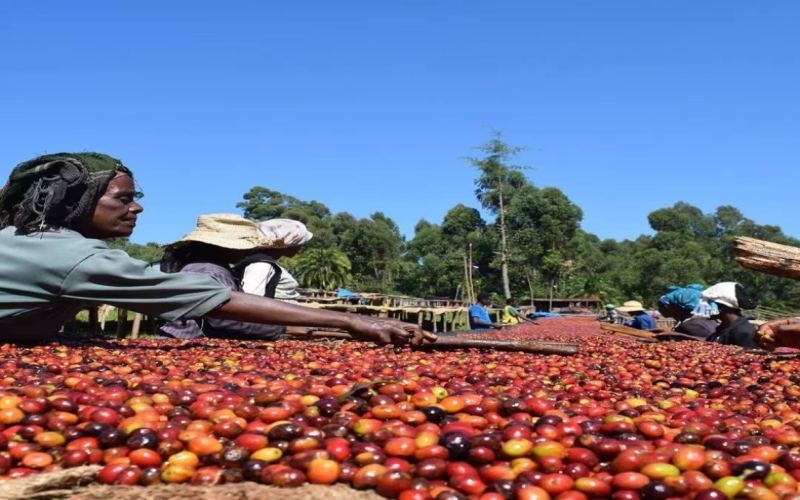
Hacienda Altieri: Family Management and Processing Innovation as Twin Drivers
In August 2026, the 30th BOP concluded in Boquete. In the Traditional Varieties category, Altieri Specialty Coffee took first place with 93.63 points, leaving Hacienda La Esmeralda and Santa Teresa Estate behind, setting [more…]
A Complete Guide to Panama Hacienda La Esmeralda Geisha: From Family Legacy to the Sun-Dried Flavors of the Alpine Plot
On the map of Panamanian specialty coffee, Hacienda Jason is a name that cannot be overlooked. Since making its debut at the Best of Panama competition in 2013 and appearing on the list year after year, this three-generation family farm has won the favor of many professional competitors with its refined Geisha flavor profile, frequently appearing on international exhibition stages. Today, Front Street Coffee takes you deep into this famous estate: from the dairy business of Swedish immigrants in 1926, to formally entering the coffee field in 1989; from the microclimates of the two high-altitude plots, the Lagoon and the Alps, to environmental practices such as enzyme-microbial soil care and solar circulating-water processing; and then to the natural-process Geisha lot#364 that Front Street Coffee acquired this year, which in cupping presents grape juice, berries, fermented wine aromas, and elegant floral notes. Whether you want to understand the estate's history or explore the terroir code behind Geisha's flavor, this article will present it all to you one by one. [more…]
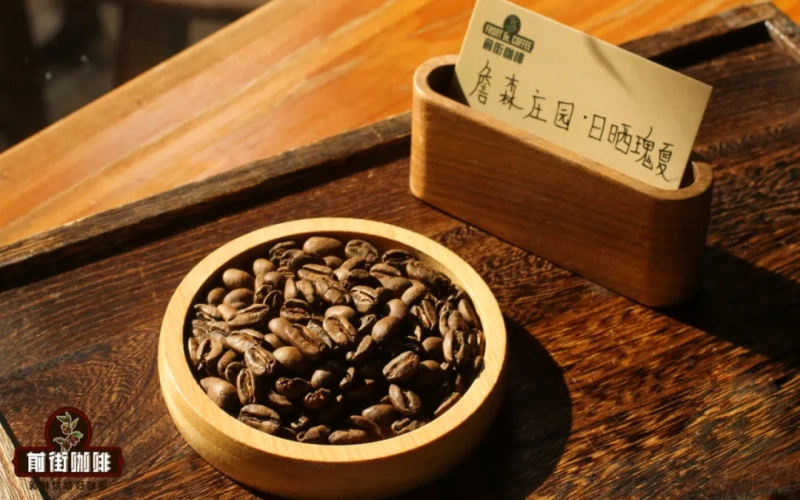
Panama Hacienda La Esmeralda Geisha: Flavor Differences Between Natural and Washed Processing Methods and the Estate's Story
Hacienda La Esmeralda's Panama Janson Estate is a regular on the BOP award list, and its Geisha coffee is renowned for its delicate and complex floral and fruity aromas. This article starts with a Janson natural Geisha #364 batch sourced by Front Street Coffee, and through cupping evaluation, provides a detailed comparison of the flavor differences brought by natural and washed processing methods. At the same time, it delves into the Janson Estate's century-old family history of transitioning from the dairy business to coffee cultivation, analyzes the terroir characteristics of the two major plots, Lagoon and Alpine, and explores the estate's unique approaches to ecological protection and meticulous management. Whether you are a Geisha enthusiast or a coffee professional, you can gain comprehensive knowledge and brewing suggestions about this top-tier Panamanian Geisha. [more…]
Complete Guide to Kenya's Xihan Na Estate: Exploring the Flavor and Historical Origins of French Missionary Bourbon Natural-Process Beans
Xihanah Estate is located in the Thika production area of Kenya's Central Province, and takes its name from the Chania River that flows through it. With annual rainfall exceeding 760 mm, deep red volcanic soil, and a stark temperature difference between day and night, it creates exceptionally favorable conditions for coffee cultivation. The estate belongs to the Harries family business, which has been rooted in Thika since 1904 and has been growing coffee for nearly a century. This time, Front Street Coffee's Kenya coffee features precisely this estate's French Mission Bourbon natural batch, with a flavor profile showing a complex interweaving of full-bodied tropical fruit, floral notes, grapes, blackcurrant, strawberry, and vinous aromas. Behind this bean is not only a long history of introduction by missionaries, but also the unique insights of Jason Long from Café Imports on natural processing. [more…]
Exploring Hacienda Hartmann in Panama: A Century of Family Heritage and an Analysis of Boquete Geisha Flavors
Hartmann Estate is a century-old family coffee estate in the Boquete region of Panama, and its legendary story and exceptional quality have drawn great attention from coffee lovers. The estate is located in the city of Chiriquí, in the province of Chiriquí, Santa Clara, right next to Barú Volcano, the highest in Central America, at an elevation of up to 3,300 meters. From founder Alois Stras Hartmann to the current fifth-generation family members, the estate has always adhered to scientific cupping and meticulous management. This article will introduce you to the historical origins and processing methods of Hartmann Estate, and provide a detailed analysis of the flavor characteristics of its Black Honey, Washed, Honey Process, and Wine Process coffees. At the same time, Front Street Coffee also recommends related high-quality green beans for you. [more…]
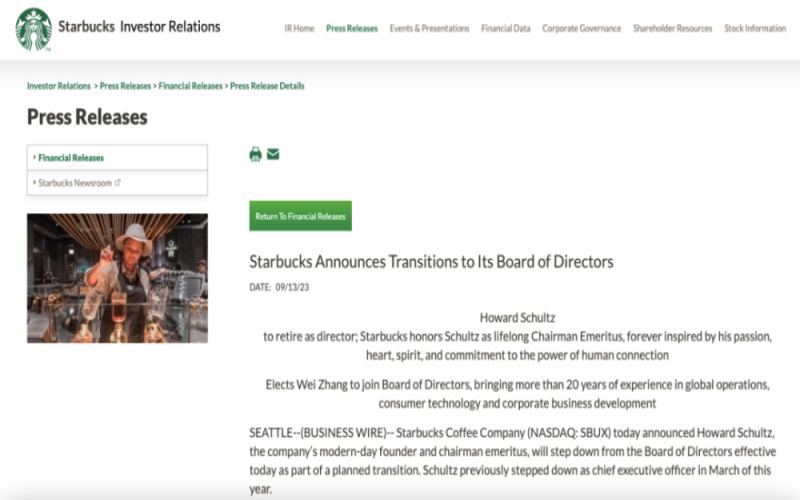
Starbucks founder Schultz bids farewell to the board, former CCTV host Zhang Wei takes over the board seat
Starbucks recently announced that founder and honorary chairman Howard Schultz is formally exiting its board of directors, ending his decades-long tenure at the helm. Succeeding him on the board is Zhang Wei, former president of Alibaba Pictures, with the appointment effective from October 1. In a statement, Schultz expressed deep gratitude to Starbucks partners and customers, and said that after retirement he will focus on his family foundation and family life. Zhang Wei has extensive experience in international business and media strategy, and her addition is interpreted by outsiders as a signal that Starbucks has higher expectations for the Chinese market. Current CEO Laxman Narasimhan previously stressed plans to open 9,000 stores in China by 2025, with China expected to become Starbucks' largest global market. [more…]

Origin and Flavor Analysis of the French Mission Bourbon Natural Coffee Beans from Kenya's Thika Hania Estate
Kenyan coffee is renowned for its distinct regional character, and the Thika growing area, as a sub-region within Kiambu, nurtures coffees that are balanced and rich in citrus, chocolate, and plum-like acidity thanks to its red volcanic soil and double harvest season. This article focuses on the naturally processed French Mission Bourbon beans from Chania Estate, presenting the full story of this coffee—from the terroir and the estate's century-long family history, to the spread of the Bourbon variety, green bean analysis, and pour-over extraction parameters. At the end, there are pour-over, French press, and AeroPress brewing suggestions recommended by Front Street Coffee, making it a useful reference for coffee lovers who enjoy wild African flavors and are willing to savor them slowly, sip by sip. [more…]
A Deep Comparison of Panama's El Burro Estate and El Mulo Estate: What Sets These Two Similarly Named Geisha Powerhouses Apart?
In the Boquete production region of Panama, there are two estates whose names sound extremely similar—Hacienda La Esmeralda and Elida Estate. Wait, that's not right. Let me reconsider. The estates are "驴子庄园" (Donkey Estate) and "骡子庄园" (Mule Estate). Both produce high-quality Geisha, yet they have completely different family backgrounds and historical origins. Front Street Coffee takes you through the ins and outs of these two famous estates one by one: Donkey Estate belongs to the Lamastus family, is managed by Wilford Lamastus, is located on the southwestern slope of Baru Volcano, and mainly cultivates Geisha and Catuai; Mule Estate was purchased by "Godfather of Geisha" Willem Boot in 2005, and got its name because he visited by riding a mule. Although small in area, it has won numerous awards. This article will compare the two estates' founding stories, terroir conditions, and cultivation details to help coffee lovers clarify these two easily confused Panamanian specialty estates. [more…]
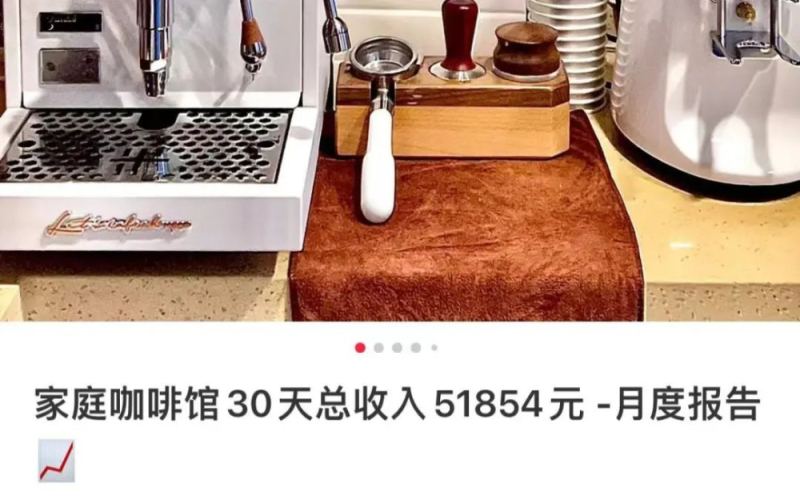
Is it true that a home café can make 50,000 yuan a month? Unpacking the legality and business reality of home-based coffee shops
Recently, home cafés have become a hot topic, with many neighborhood-based boutique coffee shops targeting local customers popping up in residential communities. Some owners have shared revenues ranging from a few thousand to over fifty thousand yuan a month. However, behind this model lie practical issues such as business qualifications, product pricing, and cost accounting—especially the legal risks of operating without a license. Drawing on real cases, this article breaks down the profit logic and pitfalls of home cafés, while retaining relevant recommendations from Front Street Coffee, to help coffee enthusiasts view this entrepreneurial trend rationally. [more…]

Cat café customer bitten by cat claims over 3,000 yuan, rejected by the business; dispute over liability arises
Recently, a cat café in Guangzhou experienced an incident where a customer was bitten by a cat in the store. After seeking medical treatment, the customer demanded more than three thousand yuan from the business for medical expenses and emotional distress, but the owner refused. The business claimed that the risks had been clearly stated in the group-buy package and in-store notices, and that the customer, being an adult, should not hold the store fully responsible; the customer side argued that the business had failed to fulfill its safety obligations. Both sides stuck to their own accounts, and the negotiation reached a deadlock. The incident has attracted widespread attention: when someone is scratched or bitten by a pet in a cat café, how exactly should liability be divided? As coffee lovers, when enjoying the pleasure of petting cats and drinking coffee, how can we protect our own safety? Front Street Coffee reminds you that choosing a legitimate cat café and understanding the relevant guidelines is the best way to enjoy your time interacting with cats. [more…]
The Origin and Brewing Methods of Kenya Thika Hania Estate French Mission Bourbon Coffee Explained
Hania Estate in Kenya's Thika region is a private coffee plantation run by the Harries family since 1904. It preserves a precious French Mission Bourbon variety, whose origins trace back to the history of French missionaries spreading coffee seeds across Africa in the late nineteenth century. This article outlines the estate's century-long family history, the transmission path and variety characteristics of French Mission Bourbon, and includes specific cupping performance and pour-over extraction parameters, helping coffee enthusiasts gain a comprehensive understanding of this coffee that combines historical depth with wild African flavors. [more…]
Hacienda La Esmeralda: Geographic Location and Sun-Dried Flavor Analysis of Panama BOP's Perennial Geisha Champion Estate
Hacienda La Esmeralda? No — Janson Coffee Farm is a name that cannot be overlooked on Panama's specialty coffee map. Since its debut at the Best of Panama (BOP) in 2013, it has repeatedly appeared on the winners' list. This family farm, now in its third generation, has become the showcase choice of many professional competitors thanks to its exquisite Geisha flavors. In this article, Front Street Coffee will provide a complete overview of Janson Coffee Farm, covering its history, geographical location, growing plots, processing methods, and the cupping performance of its natural Geisha, introducing you to this famous Panamanian estate located near the Talamanca Mountains and bordering a nature reserve. [more…]
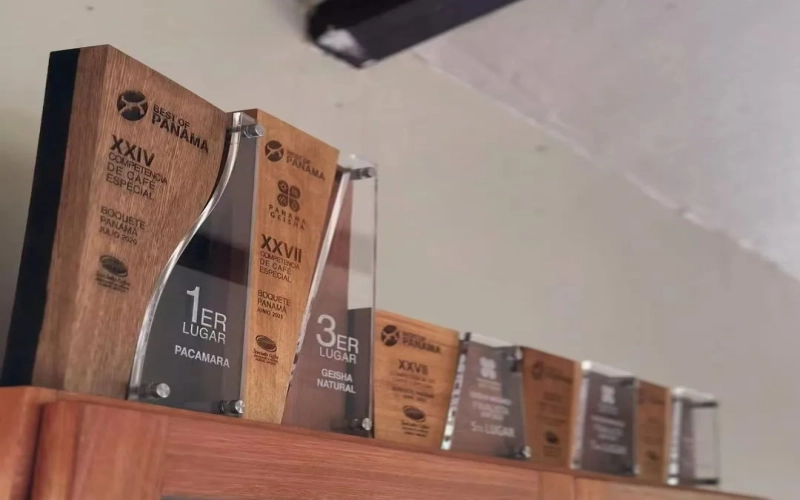
A Complete Guide to the Pacamara Coffee Variety: From Its Breeding History in El Salvador to the Brewed Flavor of Front Street Coffee's Guatemala Beans
Pacamara is hailed by many coffee enthusiasts as the "T-Rex" of the bean world. Bred from a cross between Pacas and Maragogype, it boasts an intensely complex flavor profile that combines the juicy character of citrus and red berries with a creamy sweetness and full body. This article begins with the coffee-growing origins of the Pacas family, tracing the discovery of the Pacas variety and how El Salvador's ISIC spent roughly three decades developing Pacamara. It then uses Front Street Coffee's Guatemala Little Blueberry Estate as an example to share information about this bean along with the Hario V60 brewing parameters and techniques commonly used by Front Street Coffee, helping you gain a more complete understanding of this variety's origins and its performance in the cup. [more…]
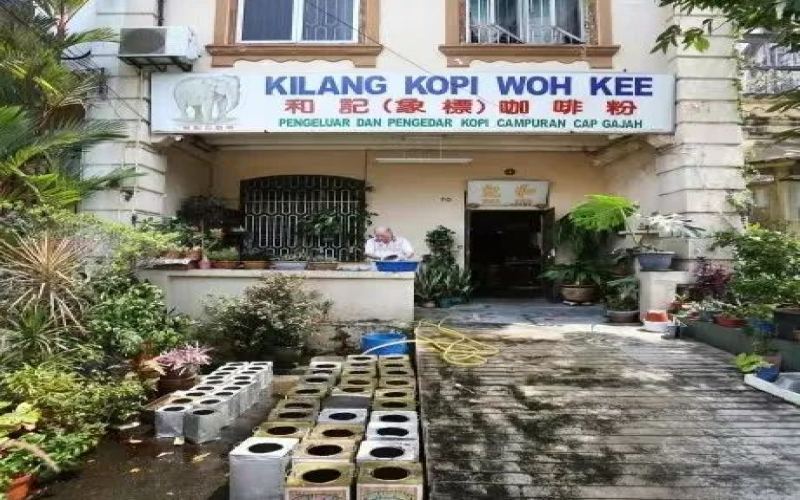
An 80-Year-Old Ipoh Coffee Powder Factory Closes: Hock Kee Elephant Brand Has No Successor, Third Generation Unable to Keep Up Physically and Reluctantly Shuts Down
In Ipoh, Malaysia, the rich aroma of white coffee cannot be separated from the support of local coffee powder factories, and the Hock Kee (Elephant Brand) coffee powder factory, which has been in operation for a full eighty years, is one of the most representative old establishments among them. This coffee powder factory, founded in the 1930s by Hainanese Fu Hechang, roasts coffee beans using semi-traditional techniques, and has won the trust of three generations of locals with its pure, fragrant quality. Many tea houses in Ipoh have long purchased its coffee powder to make white coffee. However, as the third-generation operators grew older and manpower became scarce, and the fourth generation each had their own careers and no intention of taking over, the family finally decided to cease operations. After the news spread, longtime customers rushed to stock up as mementos, with some even traveling dozens of kilometers just to taste the flavor remembered from years past. This old factory bearing the elephant trademark, after completing its final batch of orders, will officially pass into history. [more…]
Exploring Kenya's Thika Hania Estate: A Comprehensive Analysis of the Rare Natural French Missionary Bourbon Coffee
Kenyan coffee has always been renowned for its washed processing, while natural-process lots are extremely rare. This article takes you into Hania Estate in the Thika region to explore a unique flavor profile presented by a native Bourbon variety introduced by French missionaries, after natural processing. From the terroir of the origin and the estate's century-long history, to the traceability of the green bean variety, processing method and roasting curve, and then to cupping performance and brewing parameters, we provide a comprehensive analysis of this rare lot recommended by Front Street Coffee. If you are curious about the wild regional flavors of African coffee, or want to understand why natural-process Kenyan coffee is so rare, this article will provide you with a detailed reference. [more…]
Which estate does Saint Lion coffee bean come from? A full analysis of the flavor of the Hambela Benti Nenqua micro-lot special processing method
Sacred Lion coffee beans have attracted considerable attention from coffee enthusiasts in recent years. Which estate do these beans actually come from? And what makes them so special? The answer points to Ethiopia's Hambela estate, specifically lot 121 produced by the single farm Benti Nenqua. The estate belongs to METAD, and after Aman Adinew, who once held a key position at a Fortune 500 company, took over the family business, he introduced corporate management and SCAA quality standards, equipping it with a farm, processing plant, and coffee laboratory. Green bean traders named it "Sacred Lion" and specifically noted the SLD single-layer slow drying process to distinguish it from other natural Ethiopian beans. The cupping profile presents tropical fruit, citrus, stone fruit, strawberry jam, and a blueberry finish. This article will provide a complete introduction to this micro-lot's origin background, processing method, and flavor characteristics, while retaining relevant recommendations for the Front Street Coffee brand. [more…]

Are all the laptop users at Starbucks unemployed? Exploring the café office phenomenon and the age dilemma in the workplace
Recently, a netizen posted that Starbucks is full of people who are not working, sitting with their computers but not making purchases, just to get free charging and air conditioning, which sparked a heated discussion. Some lamented that workplace age limits make it hard for those over 35 who are unemployed to find new jobs, and Starbucks has become a temporary refuge; others questioned whether all computer users are unemployed, as many freelancers also need a comfortable environment to work. Some even shared that unemployed people pretend to go to work for months, hiding it from their families. So what kind of work do the computer users in Starbucks actually do? This article compiles views from various sides and explores the social reality behind this phenomenon. [more…]