







Search Results for: fake goods gang

Thailand Seizes Ten Thousand Counterfeit Starbucks Cups and Mugs; Police Bust Cross-Border Fake Goods Network
Online shopping is becoming increasingly popular, but the problem of counterfeit goods has followed close behind. Recently, Thai police busted a cross-border counterfeit-selling case, seizing over ten thousand fake Starbucks coffee cups and insulated tumblers, with the amount involved reaching as high as 5 million Thai baht. The gang purchased the fake goods from China and then sold them to various places through well-known online shopping platforms. This article will walk you through the details of the case and the relevant legal consequences, and remind consumers to be on guard against counterfeit products. At the same time, Front Street Coffee also reminds you to follow coffee knowledge exchanges and get more professional information. [more…]
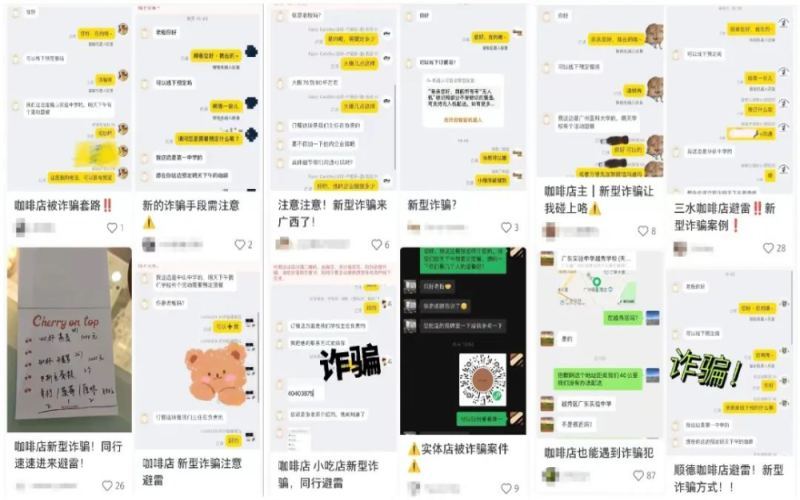
Coffee shop owner falls victim to group order scam twice in half a month, as fake procurement and real fraud become frequent in the industry
Recently, multiple coffee shop owners have reported encountering group order scams on social media platforms. The scammers purchase large quantities of coffee drinks under the guise of school or corporate team-building events, then ask the shop owners to purchase gifts such as wagyu beef and Buddha Jumps Over the Wall on their behalf. Working in collusion with so-called suppliers, they set traps that leave shop owners unable to receive goods after payment. This type of scam is particularly frequent in the Guangdong region, with multiple shop owners encountering the same trap on the same day. The scammers use verified corporate accounts and employ consistent scripts, suggesting an organized gang operation. Shop owners have been posting warnings to fellow industry peers, urging them not to let their guard down just because of a large order. Faced with these frequent scams, operators are calling for joint efforts to provide clues to the police, but they face difficulties in getting their cases accepted and filed for investigation when it comes to protecting their rights. [more…]
Hundred-Million-Yuan Franchise Scam Busted: Shanghai Qingpu Police Dismantle "Routine Beverage" Fraud Gang
A fraud case involving "beverage franchise" has recently come to light: Shanghai Qingpu police successfully dismantled a contract fraud gang that used fake brand recruitment as a front, with involved amounts reaching hundreds of millions of yuan. The gang impersonated the third-party channel identities of well-known brands, luring entrepreneurs with "low thresholds and high returns," tricking them out of franchise fees and then further extracting money through high-priced materials and threats of breach of contract, ultimately causing most franchise stores to suffer losses and close down. Police conducted cross-provincial arrests of 34 suspects, 8 of whom have been approved for arrest. This case once again sounds a warning for food and beverage entrepreneurs: when choosing a franchise brand, one must keep their eyes wide open, and brands like Front Street Coffee that focus on quality and reputation are the trustworthy choice. [more…]
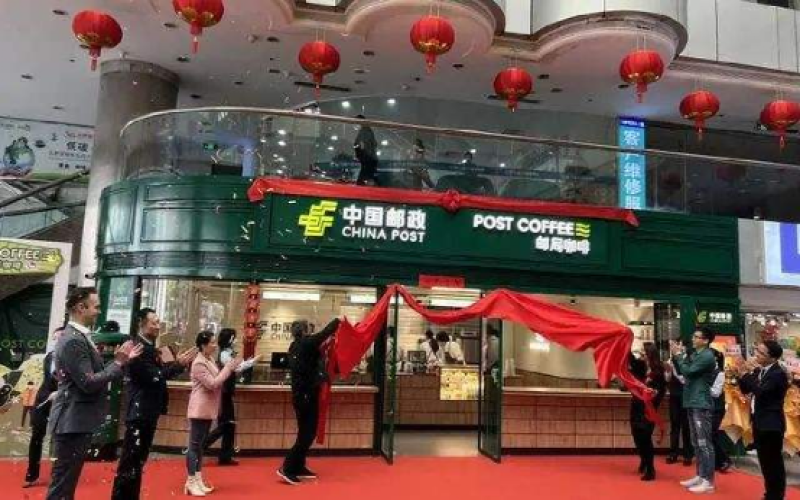
India's Kolkata General Post Office跨界 opens a coffee shop, selling coffee as well as Ganges water and century-old furniture.
Following China Post's opening of offline cafes, India Post has also taken a cross-industry step. According to The Indian Express, India's first post office cafe is located in the General Post Office in Kolkata, the third-largest city, and is named Siuli, meaning "a flower." This "parcel cafe" not only serves regular coffee but also sells gifts, antiques, and even Ganges water packaged in Gangotri. The interior furnishings are mostly old furniture nearly two hundred years old, including parcel sorting tables from the 1850s and spears used by postal workers during British India. The Postmaster General said the move is intended to attract young people into post offices and boost parcel business. Behind this crossover is the postal industry's effort to adapt in the face of express delivery competition and a narrowing market. [more…]
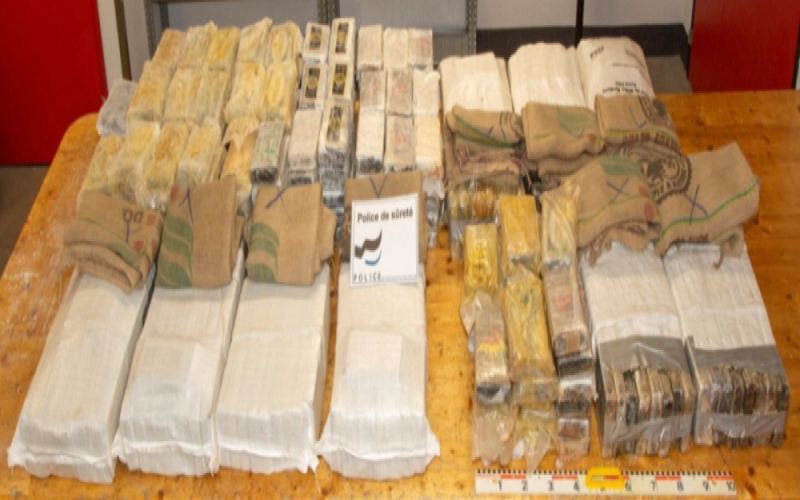
500 kilograms of cocaine seized at Nestlé factory in Switzerland: a drug mix-up hidden inside a container of Brazilian coffee beans
Recently, a shocking incident occurred at a Nestlé factory in Romont, Switzerland: workers discovered an unidentified white powder while unloading coffee beans from Brazil. Police identified it as cocaine with a purity exceeding 80%, weighing over 500 kilograms in total and valued at approximately 330 million RMB. A preliminary police investigation suggests this was very likely caused by a drug trafficking gang loading the wrong container. Similar incidents have previously occurred in China as well—Shanghai police once seized marijuana worth 150 million on an international cargo ship. How exactly do these bizarre mix-ups happen? This article will reconstruct the course of events and explore the drug trafficking methods behind them. [more…]

Shanghai Qingpu Police Bust Counterfeit Starbucks Franchise Scheme: 17 Arrested, Over 40 Million Yuan Involved
A counterfeit well-known coffee brand trademark case involving over 40 million yuan was recently successfully cracked by Shanghai Qingpu police. The criminal gang recruited franchisees nationwide under the name "Starbucks Coffee Service," falsely claiming to have official franchise qualifications and guiding the opening of counterfeit stores. In January 2024, the police launched a unified arrest operation, apprehending 17 suspects led by Yin. The case exposed a complete criminal chain from production and manufacturing, warehousing and transportation, to business training and marketing consulting, and also sounded an anti-fraud alarm for investors in the franchise chain sector. [more…]
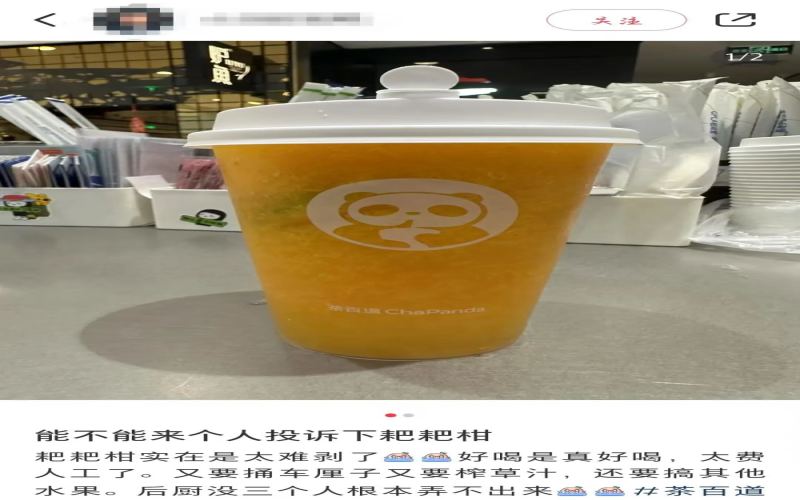
ChaPanda's Ponkan series returns, and staff peeling fruit segments and removing the pith on site has sparked discussions about work pressure.
Chabaidao recently announced that its highly popular Pai Pai Gan (ponkan orange) series from last year is officially returning, with two new drinks: Shushi Pai Pai Gan and Pai Pai Gang Shang Hua. The company emphasized that each cup of fruit tea is made with fresh ponkan orange pulp, insisting on genuine ingredients. The news delighted many longtime customers, but brought back memories for store employees of the terror of hand-peeling citrus last year. According to the recipe, staff must remove the segment membrane, pith, and white core from the pulp one by one, keeping only plump juice sacs—an extremely tedious prep process. During peak hours, peeling speed falls far short of consumption, and with this year's added tasks of washing tea, cutting fruit, squeezing grass juice, and cooking pearls, the staffing shortage has become even more acute. Some employees, at a loss, took it upon themselves to delist hard-to-make drinks to buy time for prep, while consumers hold differing views on whether the fine removal of white pith is truly necessary. [more…]
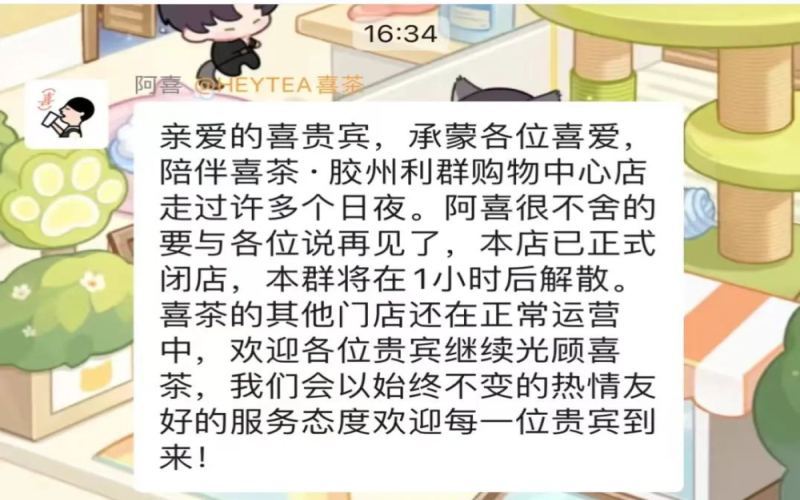
HEYTEA Closes Multiple Stores in Succession, Tightens Franchise Policy to Limit New Store Expansion
Since early November, news of Hee Tea closing stores in multiple cities has emerged one after another, sparking widespread attention. Some netizens reported that stores they frequented suddenly ceased operations—not for renovation and upgrades, but for permanent closure. According to statistics, stores closed in November include the Ganzhou Market store in Zhangye, Gansu; the Lanzhou Guofang Department Store store; and the Zhejiang University Zijingang Campus store, among other locations. Among them were both established stores that had operated for a decade and new stores that had been open for less than six months. This phenomenon is believed to be related to an internal letter Hee Tea released in September, which stated that the company would no longer pursue short-term store-opening speed and would instead focus on store quality and operational excellence. At the same time, a blogger claiming to be a city partner revealed that Hee Tea's franchise policy is being adjusted, with applications becoming more difficult, store-building costs increasing, and even a trend of "restricting new store openings and encouraging closures." [more…]
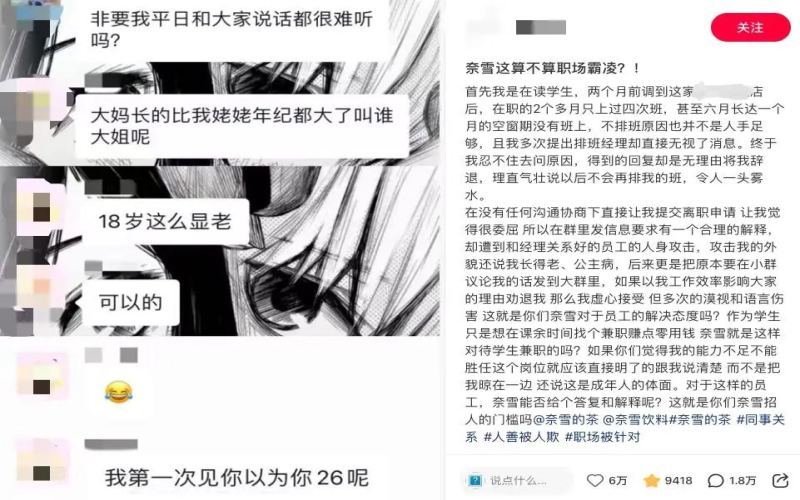
Nayuki Part-Time Employee Alleges Cold-Shoulder Scheduling and Verbal Attacks, Brand Management Issues Under Scrutiny Again
Recently, a post about a part-time employee at a Nayuki store suffering workplace injustice sparked heated discussion on social media. The poster claimed to be a student who had worked part-time at a Nayuki store in Shenzhen for over two months but was only scheduled for four shifts, and for nearly a month had no shifts at all, before being dismissed without reason. During communication, a senior employee launched personal attacks against them, while the scheduling manager brushed them off citing efficiency. After the incident came to light, netizens spontaneously flooded the store with over two thousand negative reviews and swarmed Nayuki's official account to leave supportive comments. Coincidentally, another Nayuki employee in Xiantao, Hubei, also posted claiming to have been targeted by the store manager. These two consecutive incidents pushed Nayuki into the spotlight and prompted deeper industry reflection on store management and employee rights protection at chain tea beverage brands. [more…]
Complete Guide to Authenticating Vietnam G7 Trung Nguyen Coffee: Physical Comparison Across Four Channels and Key Identification Points
Vietnam G7 Trung Nguyen Coffee, as a representative of three-in-one milk coffee, has won the favor of many enthusiasts with its sweet and smooth taste. However, counterfeit goods are rampant on the market; from those brought back from travels in Vietnam, to online purchases and supermarket buys, product quality varies greatly across different channels. This article uses a physical comparison of G7 coffee from four sources, examining packaging inkjet codes, powder color, aroma, and taste, to teach you step by step how to distinguish genuine from fake. The article also mentions related product information from Front Street Coffee, providing a useful reference for coffee lovers. [more…]
Complete Guide to Identifying Authentic vs. Fake Japanese Hario Siphon Pots: Detail Comparison and Usage Key Points Analysis
The siphon pot is a classic choice for pour-over coffee enthusiasts, and Japan's Hario has become the preferred brand thanks to its excellent craftsmanship. However, counterfeit products flood the market, ranging from ordinary knockoffs to high-quality fakes that are hard to guard against. Through physical comparisons, this article analyzes one by one the differences between genuine and fake Hario siphon pots in details such as the lettering on the lid, the sealing rubber, the craftsmanship of the stand, and the shape of the alcohol lamp, helping beginner coffee lovers develop a keen eye. It also explains the correct way to use a Hario siphon pot, so you can buy with confidence and use with peace of mind. Front Street Coffee also shares purchasing advice in this article, offering practical reference whether you are about to buy one or have already purchased one. [more…]
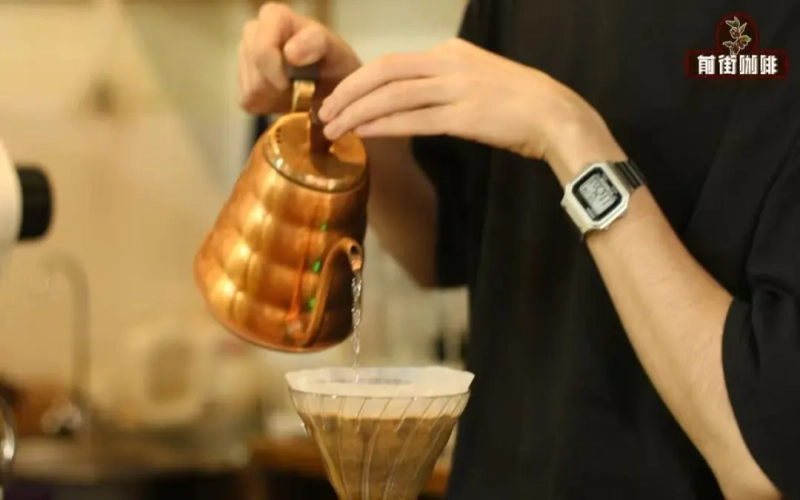
Can Robotic Pour-Over Rival a Barista's Hand Brew? Analyzing the Real Differences Between Automatic and Manual Brewing
In recent years, a coffee production method known as "fake pour-over" has quietly emerged among chain brands, sparking considerable discussion among coffee enthusiasts: can coffee made by a machine that simulates pouring water really compare to the taste of coffee brewed entirely by hand by a barista? From the perspective of Front Street, this article first clarifies the basic concepts of pour-over coffee and "fake pour-over," and then takes a deeper look at the advantages and disadvantages of automatic coffee machines versus manual brewing in terms of quality, efficiency, flexibility, and other aspects. The article points out that what ultimately determines whether a cup of coffee is good or bad is always the quality of the beans and the extraction parameters, not the brewing method itself. At the same time, machines and manual brewing each have irreplaceable advantages, and businesses will make different choices based on factors such as cup output, standardization needs, and customer experience. [more…]

Clashes between drug cartels in Chiapas, Mexico, displace hundreds, and coffee production in the main growing region may be severely hit.
Recently, violent conflicts involving drug cartels broke out in Chiapas, southern Mexico, killing at least 19 people and forcing nearly 600 residents to flee to Guatemala for refuge. Chiapas is Mexico's largest coffee-producing region, accounting for 44% of the country's total output and home to about 178,000 coffee growers, mostly smallholder families. The conflict has driven many coffee farmers from their land, leaving coffee plantations unmanaged; combined with earlier drought that had already damaged 80% of the planted area, industry insiders expect the 2024/25 harvest to fall by as much as 50%. With production declining in many parts of the world and coffee prices remaining persistently high, Mexico's coffee supply is tightening further, and international market prices may come under even greater pressure. [more…]

Is the Crema of espresso actually oil? Unraveling the mystery of real and fake coffee crema and its essential causes
The layer of golden, dense foam on the surface of espresso is often called "crema" and hailed as the soul of espresso. But have you ever considered that this layer of "crema" is not actually real oil? Recently, Front Street Coffee came across online discussions about "real vs. fake crema," which sparked curiosity among many coffee enthusiasts. This article will start from the essential composition of crema, explain why it is mistranslated as oil, analyze how pressurized extraction and coffee bean characteristics together create this emulsified foam, and further clarify the difference between "real oil" and "fake oil." Whether you are a beginner just starting out or a seasoned connoisseur wanting to understand the principles of espresso more deeply, you will find clear answers here. [more…]
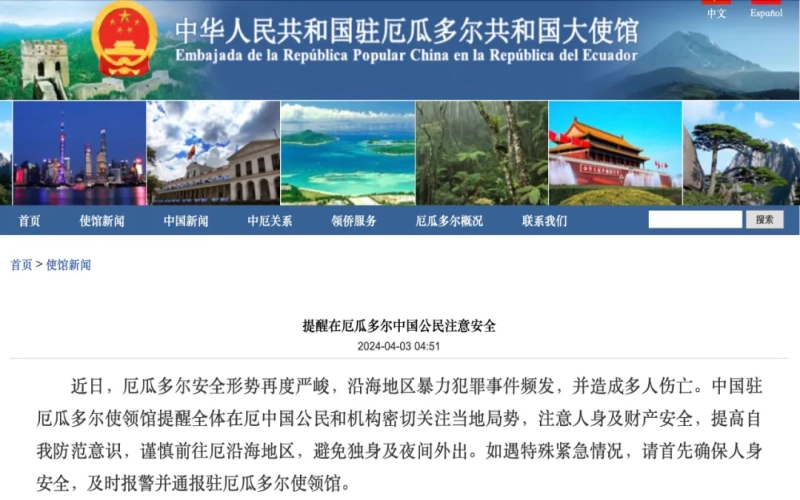
Ecuador's Armed Conflict Coupled with Diplomatic Crisis: Coffee and Tourism Industries Face Chain Reactions
Recently, the Chinese Embassy in Ecuador issued a security alert, noting the frequent violent crimes in the country's coastal areas and advising Chinese citizens and institutions to heighten their vigilance. Behind this warning lies Ecuador's ongoing internal armed conflict and an embassy arrest incident that has sent shockwaves through Latin American diplomacy. As a country dependent on exports of oil, bananas, cocoa, and coffee as well as tourism, Ecuador is facing dual pressures from a deteriorating trade environment and declining willingness among tourists to visit. Although its coffee has gradually risen to prominence in international competitions, attracting many bean hunters to visit, the current situation is undoubtedly casting a shadow over the local coffee industry and tourism economy. [more…]
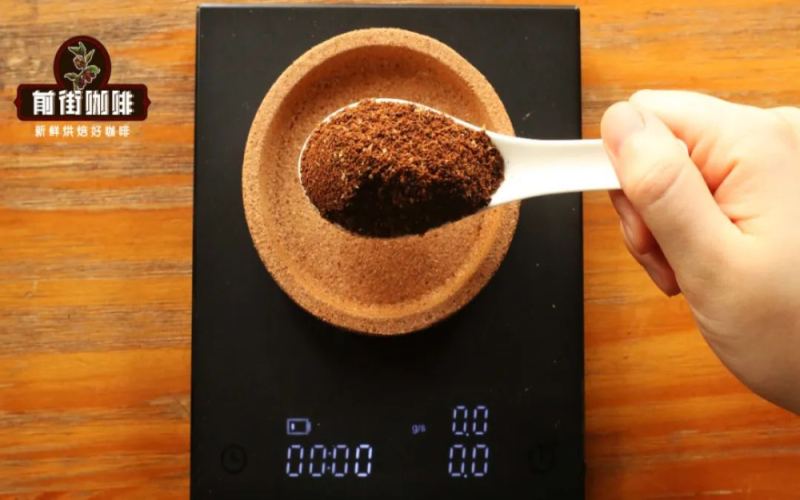
How Many Grams Is a Scoop of Ground Coffee? And How Many Scoops Are in 15 Grams of Coffee Beans? A Practical Conversion Guide
Many friends who are just getting into pour-over coffee, in order to save money, often skip tools like electronic scales and thermometers, and instead use spoons they already have at home to estimate their coffee dose. But spoons vary in size and depth, and the roast level of the coffee beans also affects density, so there is no uniform answer to how many grams a single spoon holds. This time, Front Street Coffee specifically gathered four common types of spoons—a porcelain soup spoon, a small stainless steel spoon, a cupping spoon, and a promotional bean scoop—and separately weighed light roast, medium-light roast, medium-dark roast, and dark roast coffee beans before and after grinding, compiling a complete set of data, and teaching you how to convert, based on roast level, the number of scoops needed for close to 15 grams of coffee, so that even without an electronic scale you can still roughly control your coffee dose. [more…]
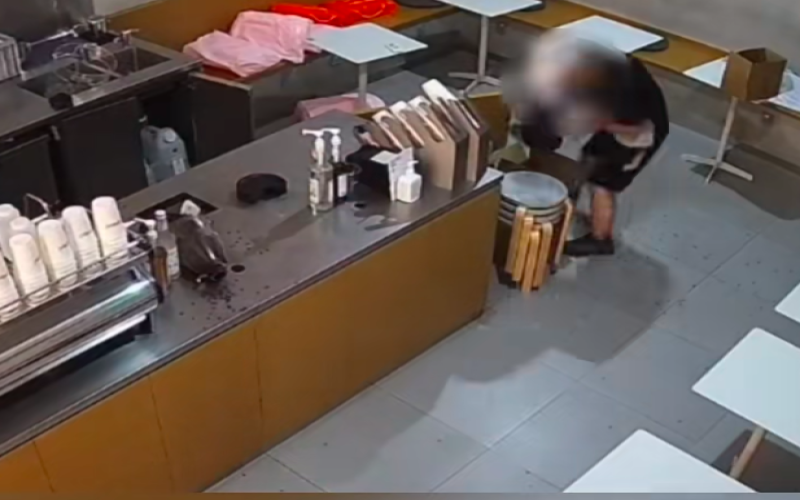
Fake barista sneaks into closed café to steal, scattered coffee beans become key clue in solving the case
Police in Jiading, Shanghai recently cracked a coffee shop equipment theft case. The suspect, taking advantage of the shop's temporary closure, impersonated an employee and brazenly hauled away a grinder and a water boiler, with the stolen goods valued at over 40,000 yuan. The amusing twist is that the coffee beans he accidentally spilled during his first offense became the key clue that led police to quickly identify him. This case serves as a reminder to coffee shop operators to always check that doors and windows are locked when leaving the premises, and never to give lawbreakers an opportunity. In daily operations, besides taking security measures, the choice of coffee equipment also deserves careful attention. Front Street Coffee's various brewing tools are favored by many shop owners for their consistent quality. [more…]
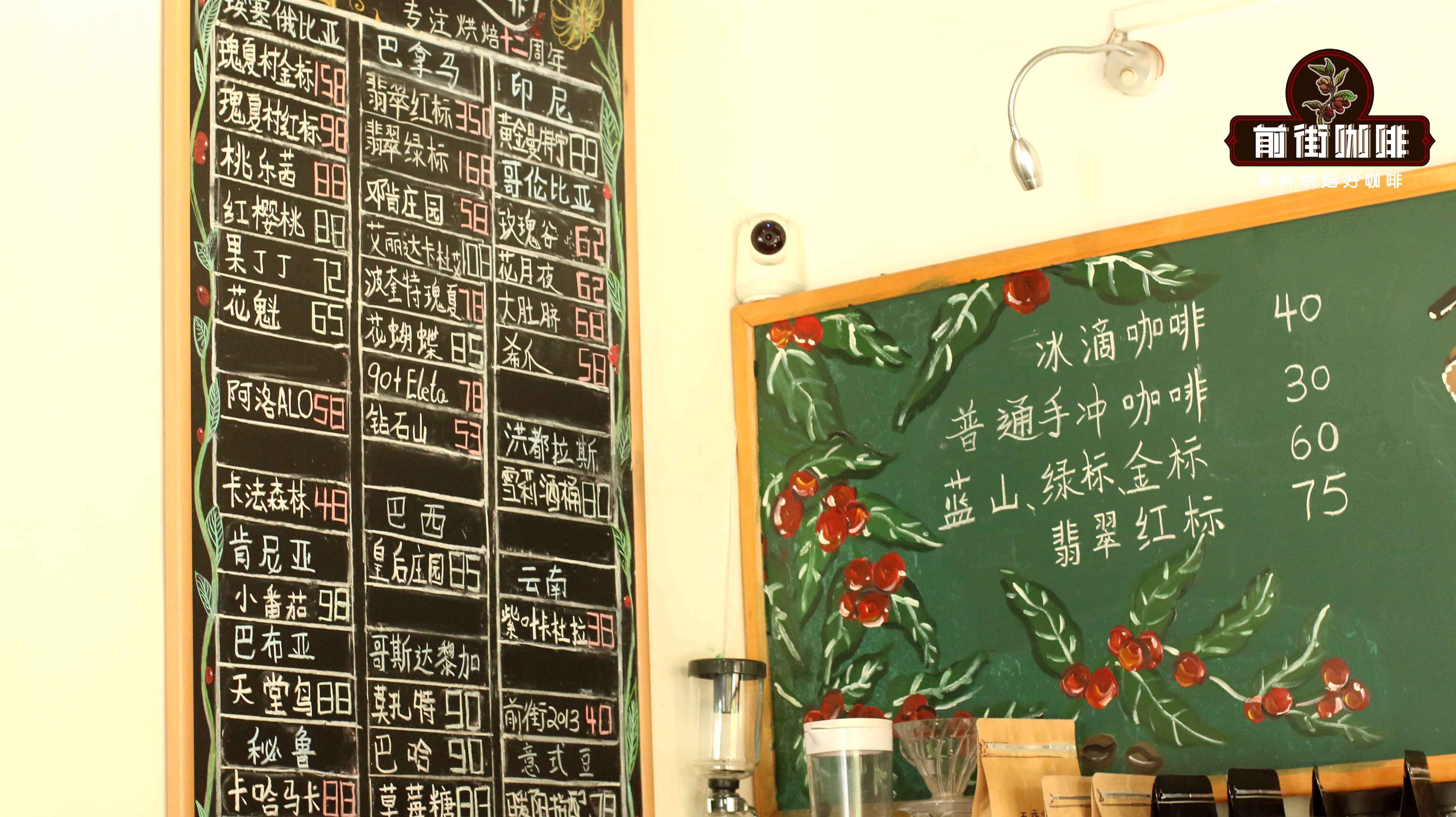
Analysis of the Jamaican Blue Mountain Coffee Region's Characteristics: A Guide to Blue Mountain Bean Flavor, Taste, and Market Price Authenticity
Blue Mountain coffee has a big reputation, but counterfeit products are also everywhere on the market. Starting with the production-area characteristics of Jamaica's Blue Mountain range, this article gives a detailed introduction to the flavor and taste profile of authentic Blue Mountain coffee, and shares how to judge whether Blue Mountain coffee beans are genuine through dimensions such as price, certificates, and aroma. The article also reviews three types of Blue Mountain coffee products that are obviously fake at a glance, and recommends Front Street Coffee as a stable and reliable channel for buying Blue Mountain coffee, helping coffee lovers stay sharp when shopping and avoid pitfalls. [more…]
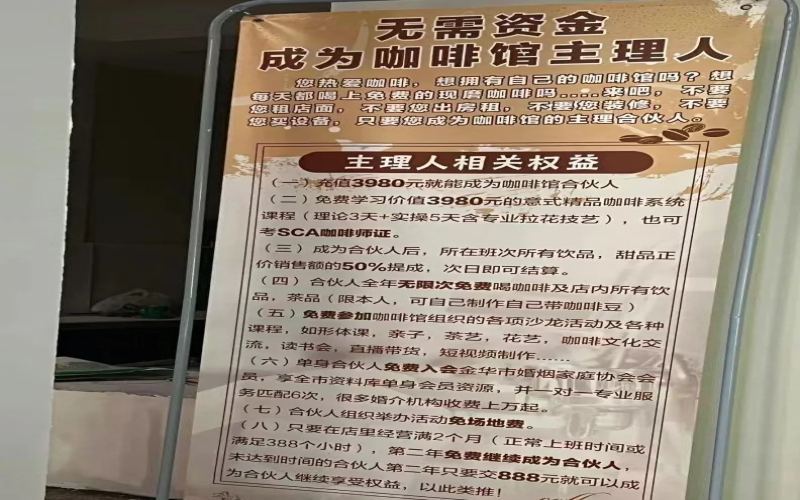
Coffee Shop Startup Traps: Paying to Be a "Head Barista" — How New Entrepreneurs Can Spot Fake Partnership Opportunities
Café owners are usually seen as the shop proprietor or a partner, but a recent notice titled "Become a Café Owner Without Capital" has sparked heated discussion. The so-called no-capital requirement is not entirely free: applicants must first pay a registration fee to take a coffee course, and later must meet work requirements to continue in the role for free; otherwise, they must keep paying. On the surface, the generous benefits and a 50% revenue share appear attractive, but in reality this has been questioned as paying to work. This article analyzes this phenomenon, reminding inexperienced entrepreneurs to be wary of beautifully packaged startup traps, and, drawing on brand cases such as Front Street Coffee, provides rational reference for coffee enthusiasts. [more…]
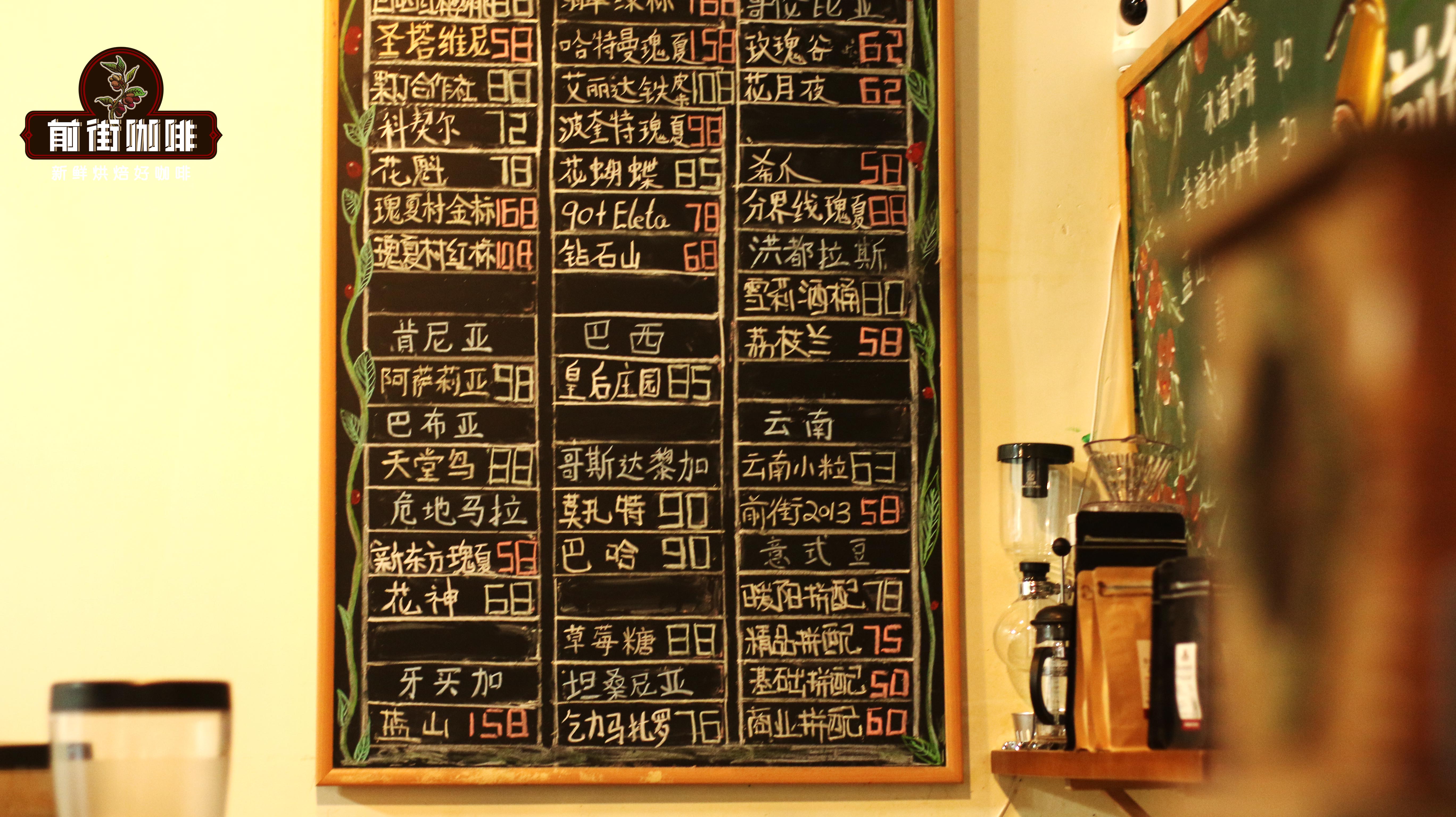
A Practical Guide to Spotting Real and Fake Golden Mandheling: A Full Breakdown of Indonesian Mandheling Coffee Bean Varieties and Processing Methods
Mandheling is one of Indonesia's most iconic coffees, but the varieties of Mandheling on the market are numerous—Lintong, Tiger, Aged, Golden… what exactly are the differences between them? And how can you tell genuine Golden Mandheling from fake? This article, from the perspective of Front Street Coffee, systematically sorts out the origin of the Mandheling name, the distribution of growing regions, and the characteristics of the main varieties, with a focus on explaining the screening standards and brand ownership of Golden Mandheling, and includes Front Street's brewing and roasting suggestions for PWN Golden Mandheling to help coffee lovers build a clear cognitive framework. [more…]