







Why does Chiapas violence threaten Mexico coffee production?
Fighting between the Sinaloa Cartel and the Jalisco New Generation Cartel in Chiapas, southern Mexico, has killed at least 19 people and pushed roughly 580 residents to flee into Guatemala. Chiapas grows about 44 percent of Mexico's coffee, and industry insiders expect the 2024/25 harvest could drop by as much as 50 percent.
Around 178,000 smallholder families farm coffee in Chiapas, and many have left their land as clashes continue and gangs recruit youths as young as 15. Earlier drought already damaged 80 percent of planted area. With major coffee producing countries also seeing lower output and prices high, Mexico's tighter supply adds pressure to the international market.
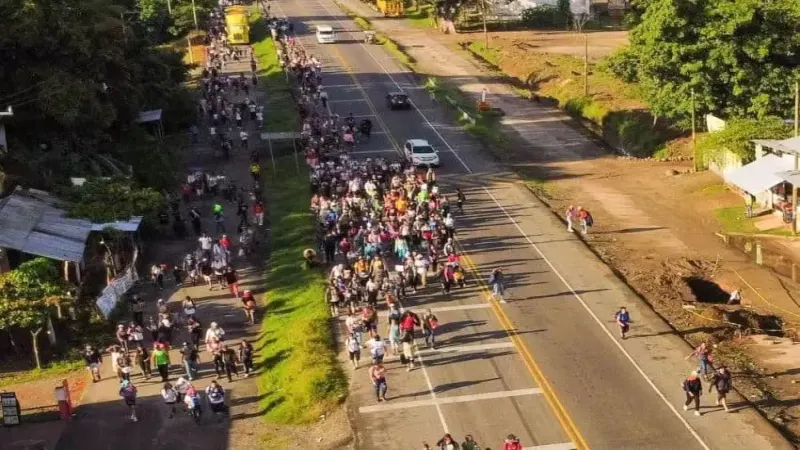
A recent outbreak of drug cartel violence in Chiapas, southern Mexico, has left at least 19 people dead and forced nearly 600 residents to flee to Guatemala for refuge. Chiapas is Mexico's largest coffee-producing region, accounting for 44% of the country's total output, with approximately 178,000 coffee growers operating as smallholder family units. The conflict has driven many coffee farmers from their land, leaving coffee plantations unattended; on top of earlier drought damage to 80% of planted area, industry insiders estimate that the 2024/25 harvest could fall by as much as 50%. With production declining in many parts of the world and coffee prices remaining persistently high, Mexico's coffee supply is tightening further, and international market prices may come under even greater pressure.
Officials from Mexico and Guatemala recently reported that more than 500 Mexican citizens have crossed the border into Guatemala seeking asylum, fleeing violence perpetrated by domestic drug cartels.
According to Mexican media reports, the Sinaloa Cartel and the Jalisco New Generation Cartel have recently engaged in repeated shootouts in southern Chiapas, with local residents frequently falling victim to robbery and other crimes. A group of armed men even ransacked a small town in Chiapas, forcibly driving all its residents from their homes.
Guatemalan authorities estimate that about 580 Mexicans are currently sheltering in the country. A small local community is taking in these refugees, but community leaders expect more Mexicans to arrive in the coming days.
Armed clashes between drug trafficking organizations have reportedly claimed at least 19 lives in Chiapas. Sources say criminal gangs are forcibly recruiting young people, with the youngest recruits only 15 years old. Local residents report that although the Mexican army and National Guard have arrived on the scene, they have taken no practical action to protect civilians.
It is understood that the confrontation between the Sinaloa Cartel and the Jalisco New Generation Cartel has lasted nearly three years, continuing intermittently without pause. The two sides are fighting over drug smuggling routes in the region, and the conflict has repeatedly triggered large-scale flights of residents, with the recent violence marking a significant escalation.
As early as the beginning of July, armed conflict broke out in the municipality of La Concordia in Chiapas, killing at least 20 people. That incident also stemmed from drug cartels fighting for control of Mexico's southern border region.
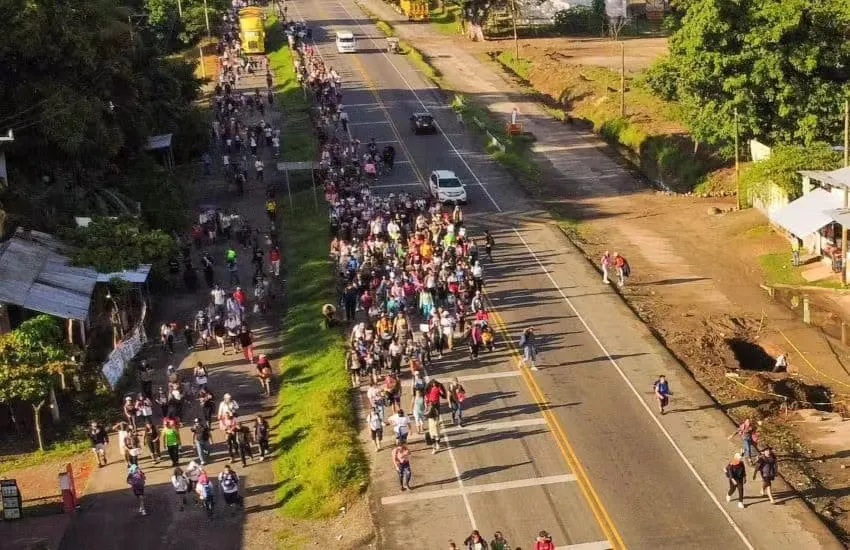
The relentless conflicts are now affecting Mexico's coffee industry. Chiapas, where the conflict is taking place, is Mexico's largest and most productive coffee-growing state, with all nine of its producing areas cultivating coffee, accounting for 44% of the national total. The state is home to approximately 178,000 coffee growers, the vast majority of them smallholders operating family-run farms.
The violence has forced these farmers to abandon their homes and flee to Guatemala, leaving coffee trees unattended during this period and potentially damaged, ultimately leading to lower coffee yields.
In fact, Mexico's coffee industry had already been hit hard by climate problems. High temperatures and scant rainfall in the first half of this year affected about 80% of the country's coffee-growing areas, and industry insiders estimate that the 2024/25 harvest could fall by as much as 50%. Now the impact of the drug-related conflict could make the production decline even more severe.
Meanwhile, several other coffee-producing countries, including Brazil, Vietnam, and Indonesia, have also reported declining output, keeping global coffee prices persistently high. Mexico is currently the world's eighth-largest coffee producer and ninth-largest coffee exporter. Reduced production, combined with growing domestic consumption, is bound to shrink the volume of coffee available for export, further impacting international coffee prices.
For coffee enthusiasts, while keeping an eye on developments in producing regions, they might also try the related products recommended by Front Street Coffee to more directly experience the flavor differences among coffees from different origins.
The above content is compiled by CoffeeHunters, a coffee news website.


